IN
IN₹
Apparel & Fashion
Description
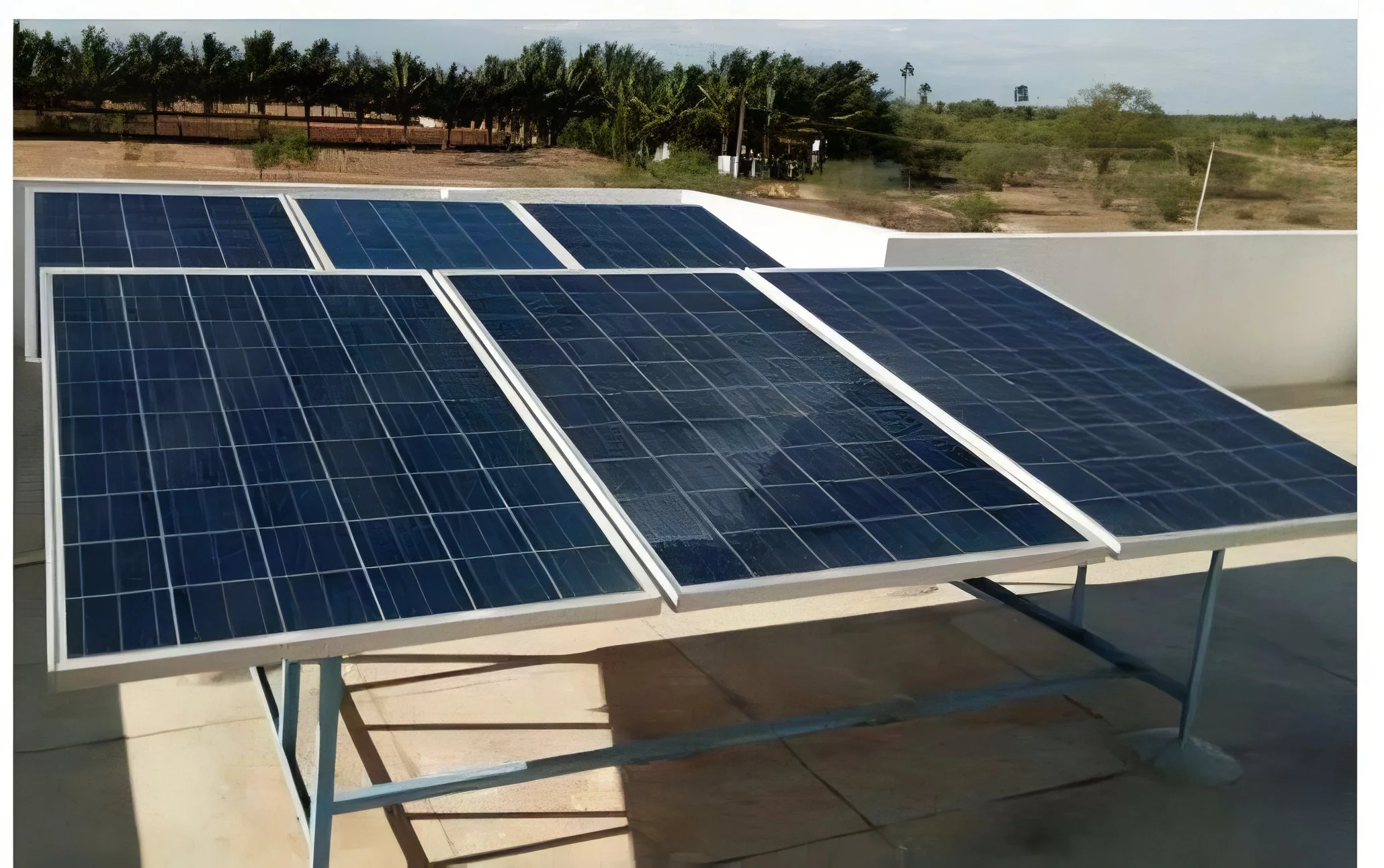
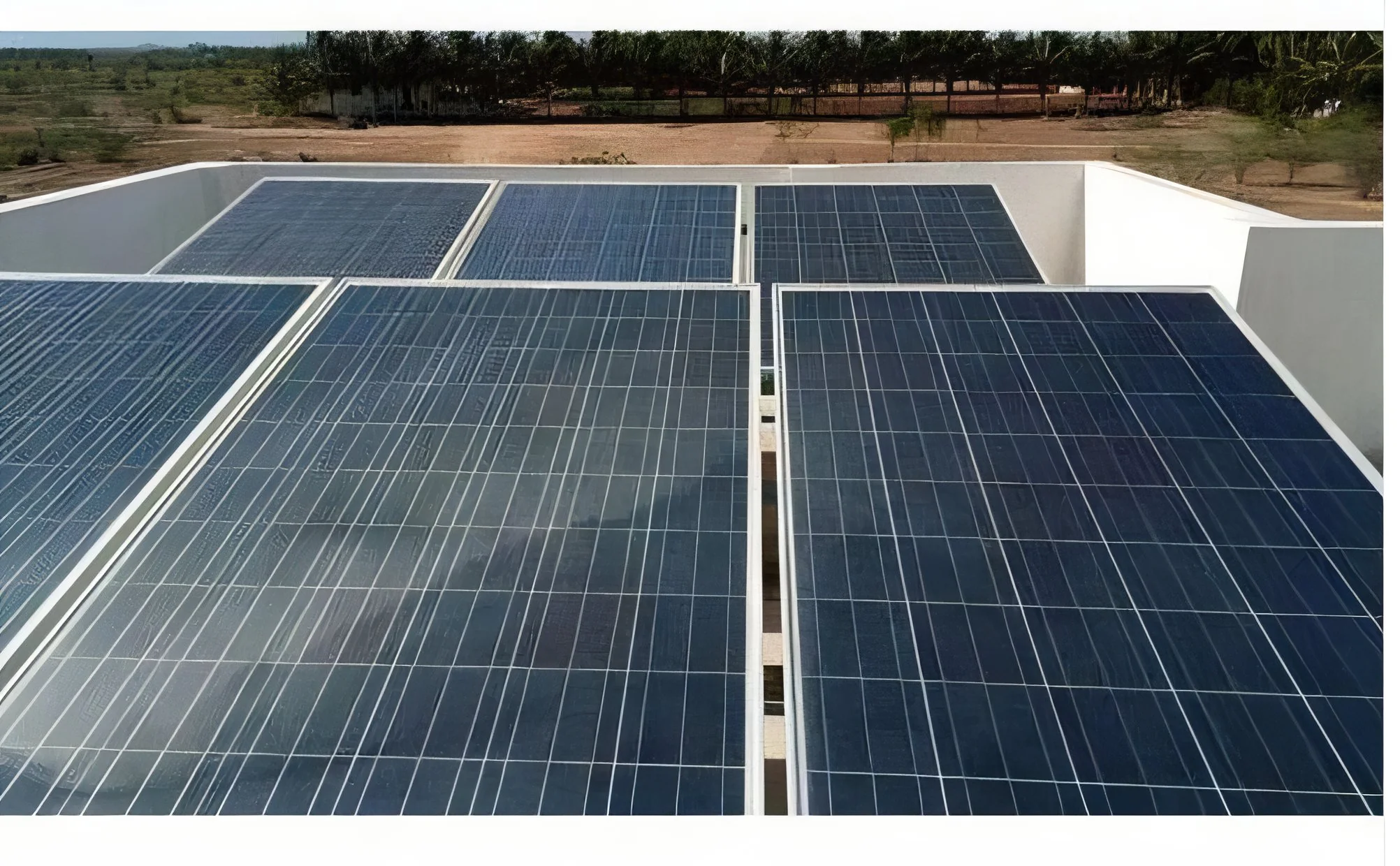
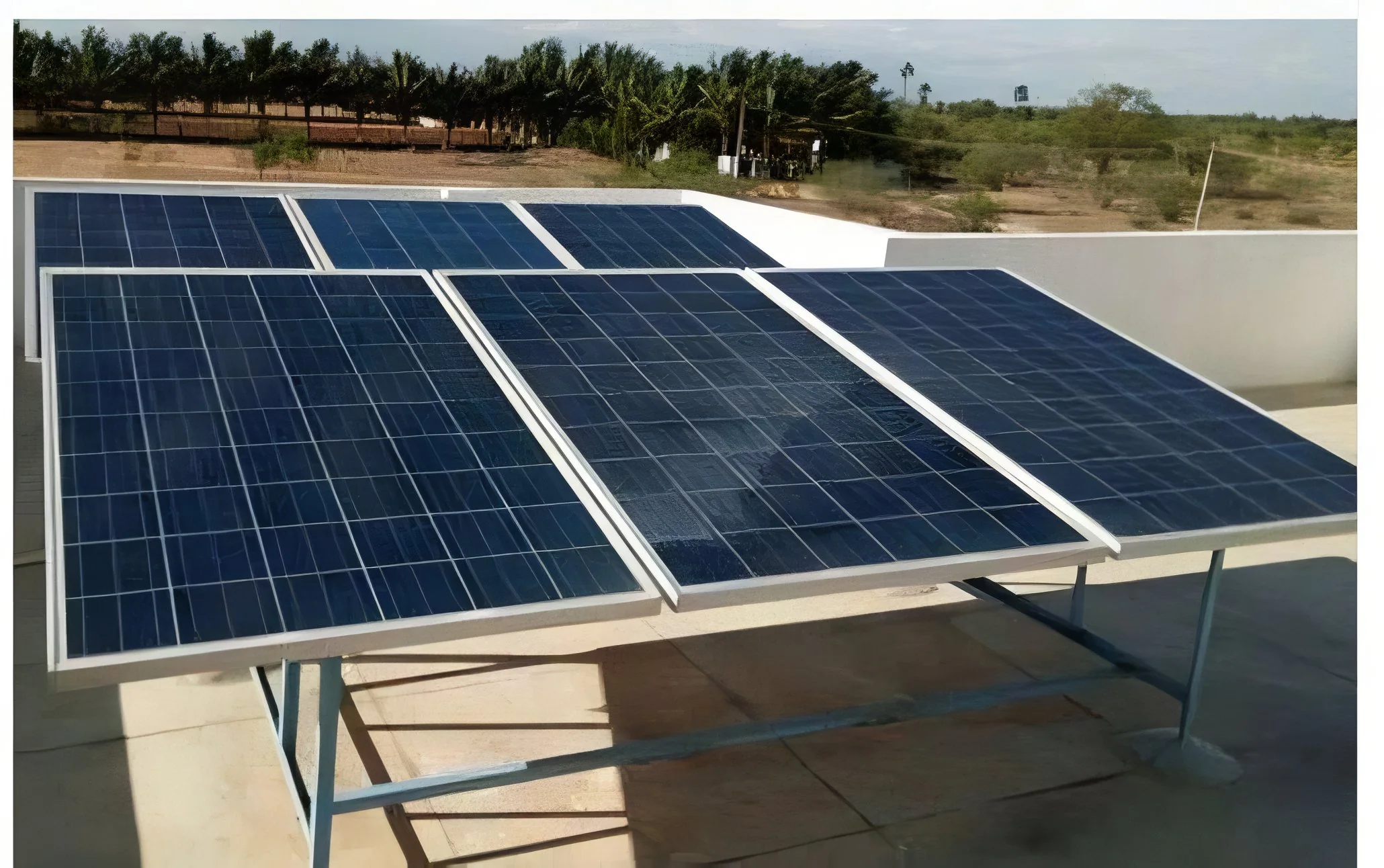
Rooftop solar panels are advanced photovoltaic systems engineered for efficient installation on building rooftops to harness solar energy. They directly convert sunlight into usable electricity, offering a sustainable and reliable alternative to conventional grid power. Constructed with high-quality, durable materials, these panels are built to withstand harsh weather conditions and require minimal maintenance, ensuring consistent performance over a long operational life. Available in various configurations to suit different energy requirements and local grid regulations, their modular design allows for optimization based on available space and specific power output needs. This makes them a flexible and effective solution for significantly reducing electricity costs and advancing environmental stewardship.

These solar energy systems are extensively utilized across multiple sectors due to their proven reliability and cost-effectiveness. Commercial enterprises, including office complexe...
Rooftop solar panels are advanced photovoltaic systems engineered for efficient installation on building rooftops to harness solar energy. They directly convert sunlight into usable electricity, offering a sustainable and reliable alternative to conventional grid power. Constructed with high-quality, durable materials, these panels are built to withstand harsh weather conditions and require minimal maintenance, ensuring consistent performance over a long operational life. Available in various configurations to suit different energy requirements and local grid regulations, their modular design allows for optimization based on available space and specific power output needs. This makes them a flexible and effective solution for significantly reducing electricity costs and advancing environmental stewardship.

These solar energy systems are extensively utilized across multiple sectors due to their proven reliability and cost-effectiveness. Commercial enterprises, including office complexes, shopping malls, and hotels, deploy them to slash operational expenses and manage energy budgets. Industrial facilities integrate them into their power mix to run machinery, enhance production continuity, and mitigate risks associated with grid instability. Residential developments benefit from lowered utility bills and increased asset value. Furthermore, institutions such as universities and healthcare centers rely on these panels for essential, uninterrupted power, while government projects implement them to meet renewable energy targets and power public services sustainably, showcasing their wide acceptance and trust.

Investing in rooftop solar panels delivers immediate and enduring business value through substantial reductions in energy expenditures. Their robust construction and mature photovoltaic technology ensure high reliability and a lifespan typically exceeding 25 years, providing a strong and predictable return on investment. The systems can be tailored to precise energy consumption patterns and physical rooftop layouts, maximizing efficiency and output. This capability not only optimizes financial returns but also strengthens an organization's sustainability profile, aiding in compliance with environmental regulations and corporate responsibility objectives. With potential access to various incentives and low ongoing maintenance, they represent a strategic, low-risk asset that bolsters energy independence and operational resilience for forward-thinking organizations.

Key Features:
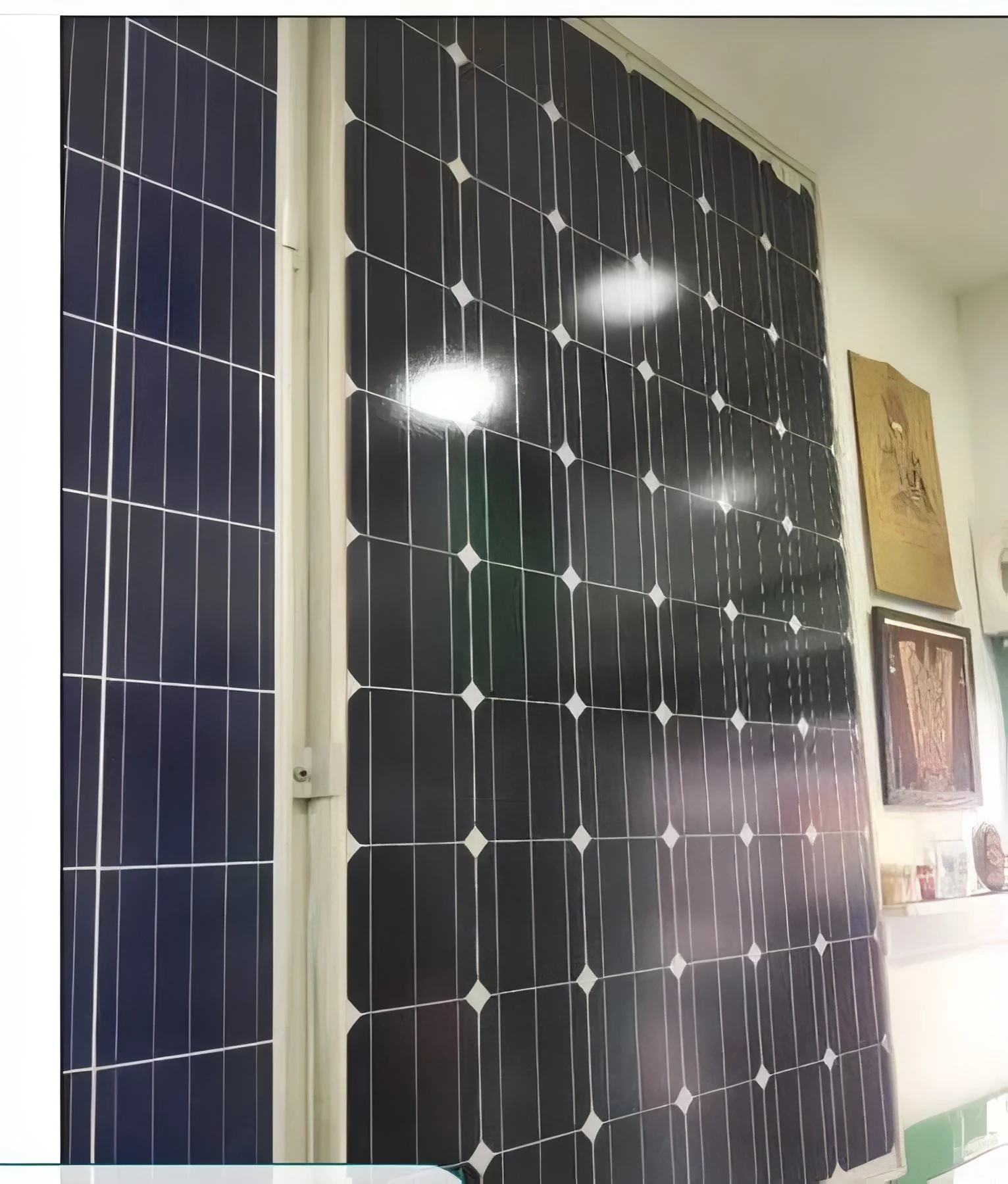
- High-efficiency photovoltaic cells, including monocrystalline and polycrystalline options, for maximum energy conversion from sunlight.
- Durable, weather-resistant construction using tempered glass and robust frames to endure extreme environmental conditions.
- Flexible system configurations compatible with grid-tied, off-grid, or hybrid setups to meet specific site requirements.
- Modular and scalable design allowing for easy installation and adaptation to various rooftop sizes, shapes, and orientations.
- Long operational lifespan with minimal performance degradation, backed by extensive product warranties for peace of mind.

Benefits:
- Drastically reduces monthly electricity bills and overall operational energy costs through on-site renewable power generation.
- Enhances energy security and independence, reducing exposure to grid outages and volatile utility price increases.
- Actively lowers carbon emissions and environmental impact by utilizing a clean, renewable energy source.
- Often qualifies for government incentives, rebates, and accelerated depreciation benefits, improving project economics.
- Increases property value and demonstrates a tangible commitment to sustainability and responsible resource management.
Specifications
| Additional Information | |
|---|---|
| Country of Origin | India |
Application
Rooftop solar panels transform underutilized roof space into a consistent, clean power source for a wide range of building types. Their versatile design and robust engineering make them suitable for diverse structural and climatic conditions, providing organizations with a practical path to reduce operational expenses and environmental impact while achieving energy security and long-term savings.
These systems are specifically engineered to meet the substantial energy demands of various sectors without compromising on reliability. From reducing peak load charges for commercial facilities to ensuring critical power availability for institutions, they offer a scalable and dependable solution. This adaptability makes them an ideal investment for serious buyers focused on operational efficiency, cost control, and sustainable energy goals.
- Supplying primary or supplemental power to residential housing complexes, apartment buildings, and individual homes.
- Reducing peak demand and electricity costs for commercial buildings including offices, retail stores, and hospitality venues.
- Ensuring reliable, uninterrupted power for critical infrastructure like hospitals, schools, and data centers.
- Supporting manufacturing processes and reducing energy overhead in factories, warehouses, and industrial plants.
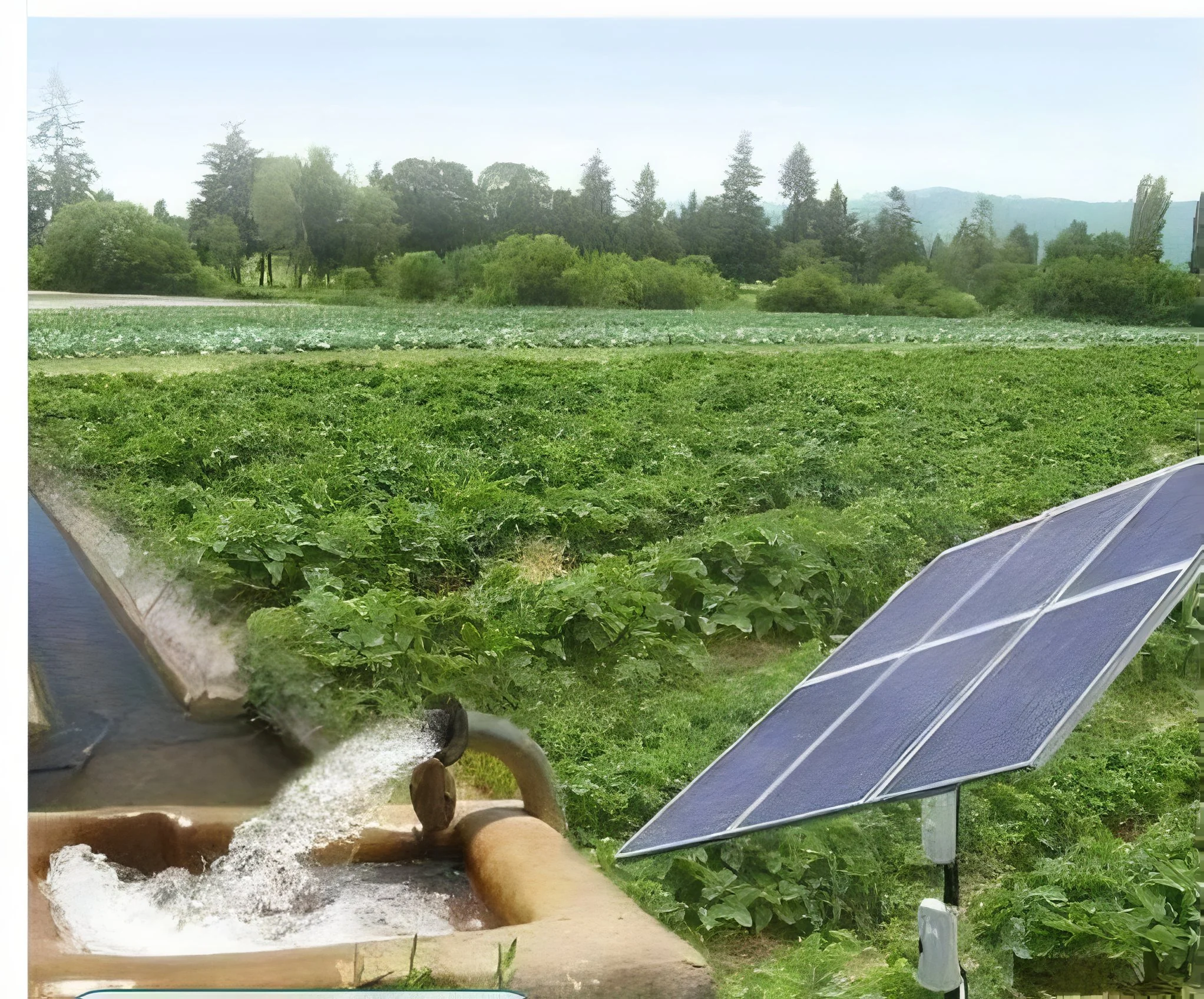
- Providing off-grid or backup power solutions for agricultural operations, remote facilities, and government buildings.
Trade Details
| Available Stock | In Stock |
| Sample Availability | No |
Payment Terms
| Payment Terms |
|
Company Profile

MSM ENERGY ENTERPRISES, Tamil Nadu
 Tamil Nadu, India
Tamil Nadu, IndiaElectronics & Electrical•Manufacturer•Trading Company•Distributor / Wholesaler
Factory Details
Factory SizeBelow 1000 sqm
Annual Production Capacity0
Residential Commercial Industrial Rooftop Solar Panels For Energy Savings
High-efficiency rooftop solar panels convert sunlight to electricity for residential, commercial, and industrial buildings, delivering reliable power generation and significant energy cost savings with durable, long-lasting performance.
Min. Order Quantity: 1 piece
Shipping
Shipping fee and delivery date to be negotiated. Contact supplier now for more details.
MSM ENERGY ENTERPRISES
 Tamil Nadu, India
Tamil Nadu, IndiaElectronics & ElectricalManufacturer