What are Liquid Syrup Manufacturing Plants?
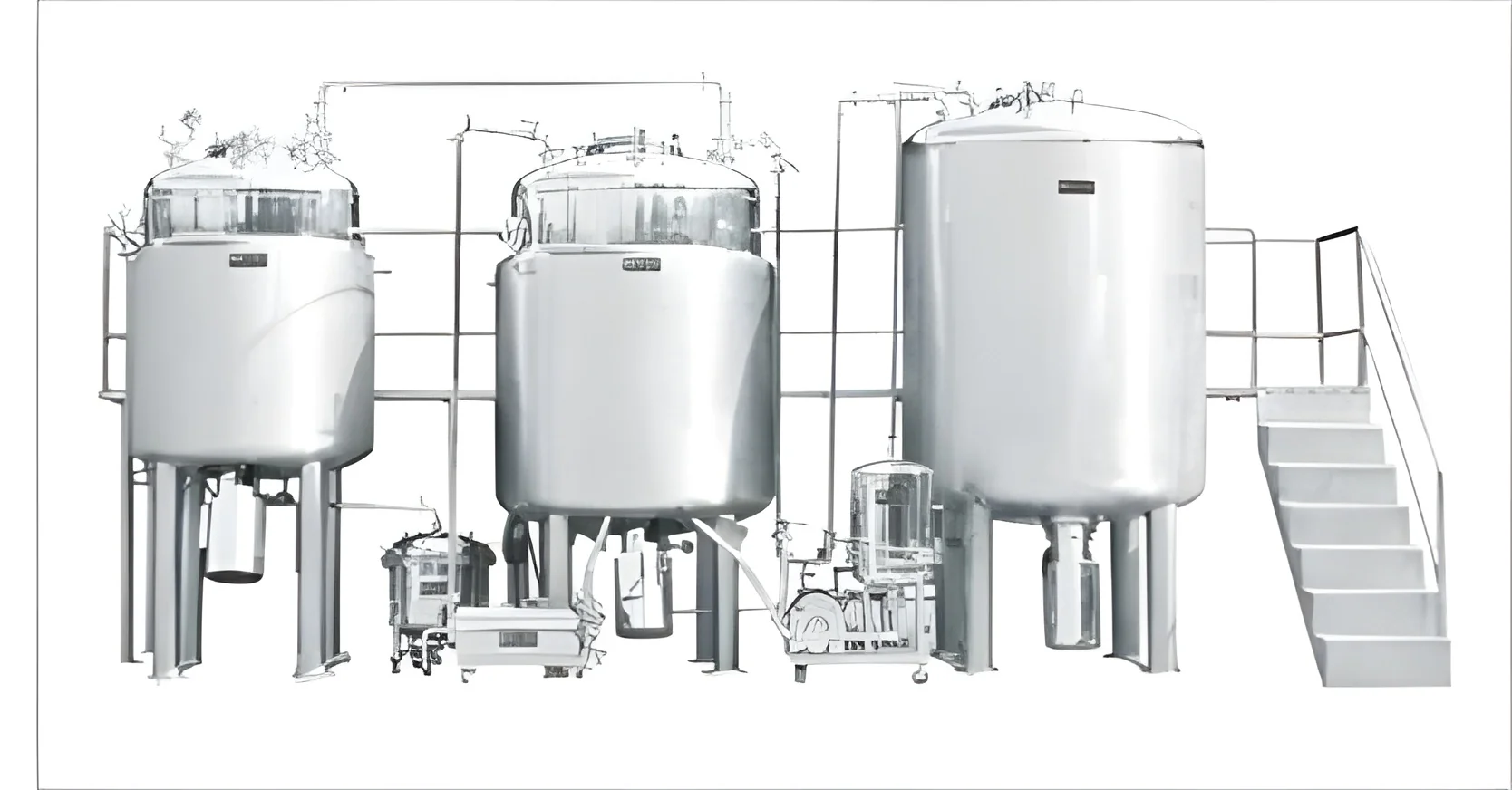
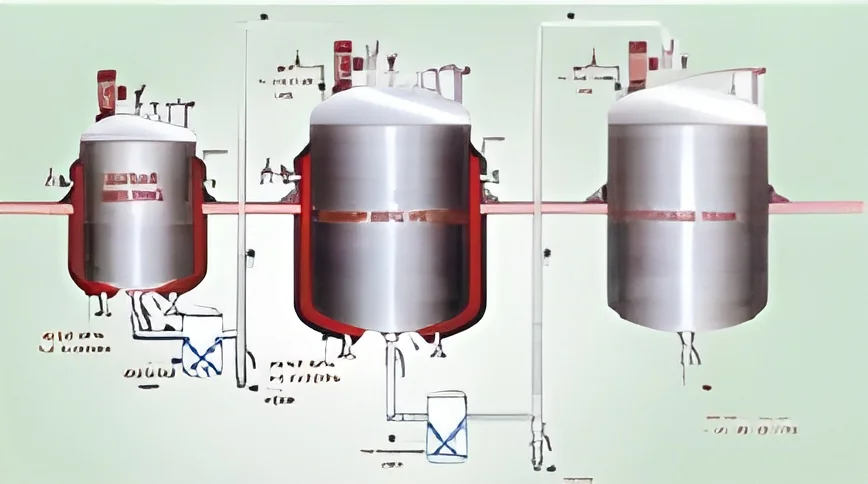
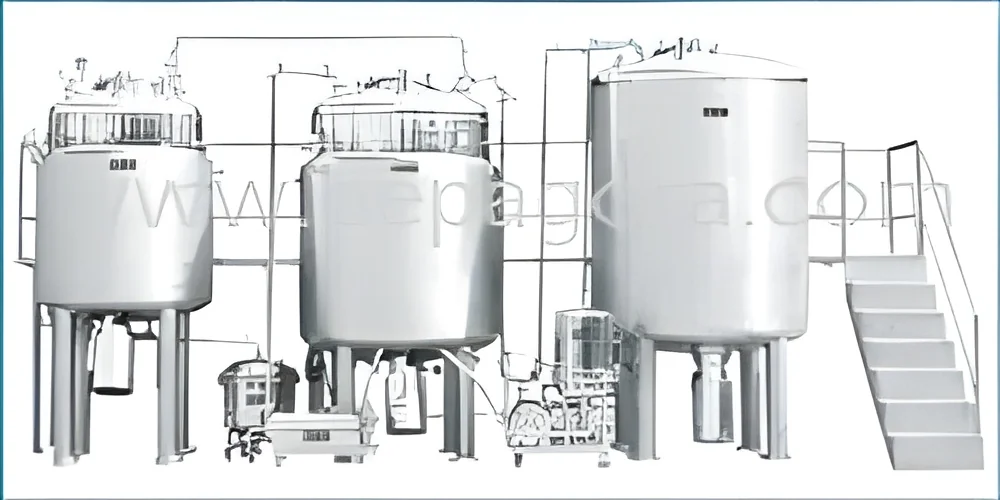
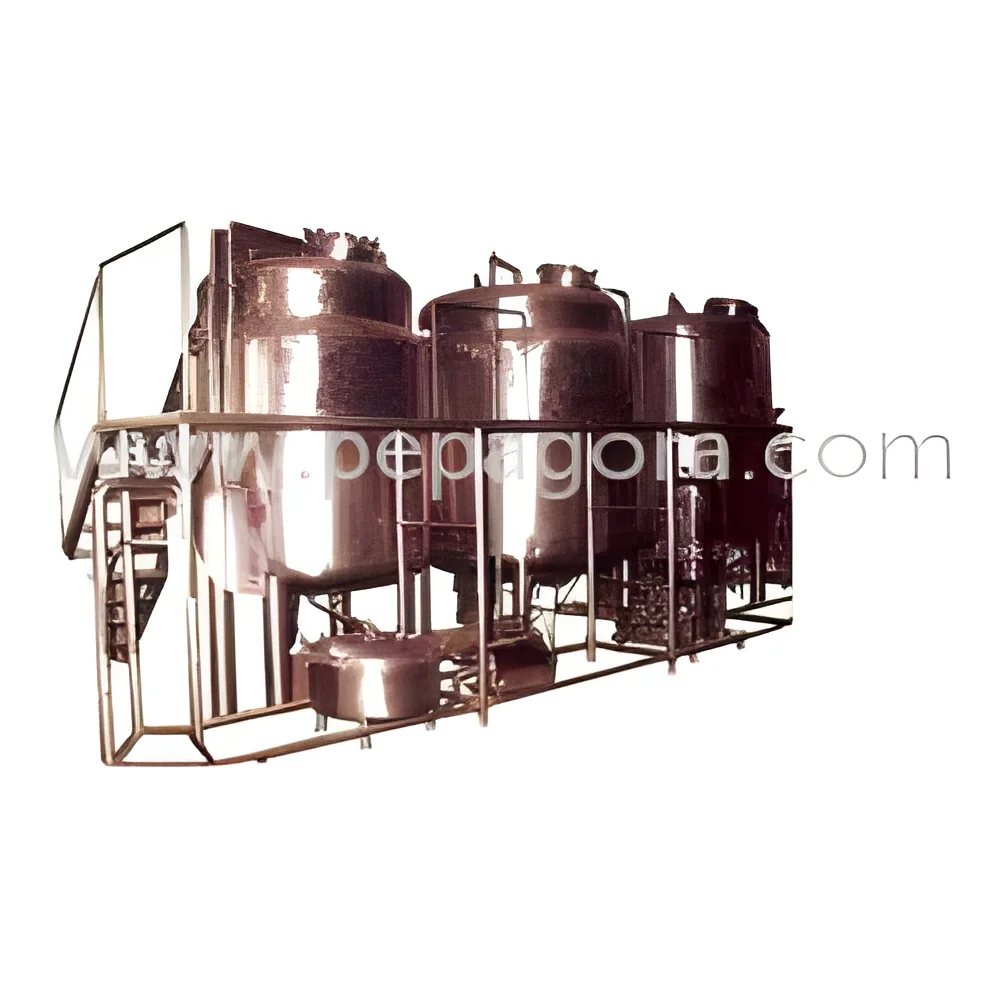
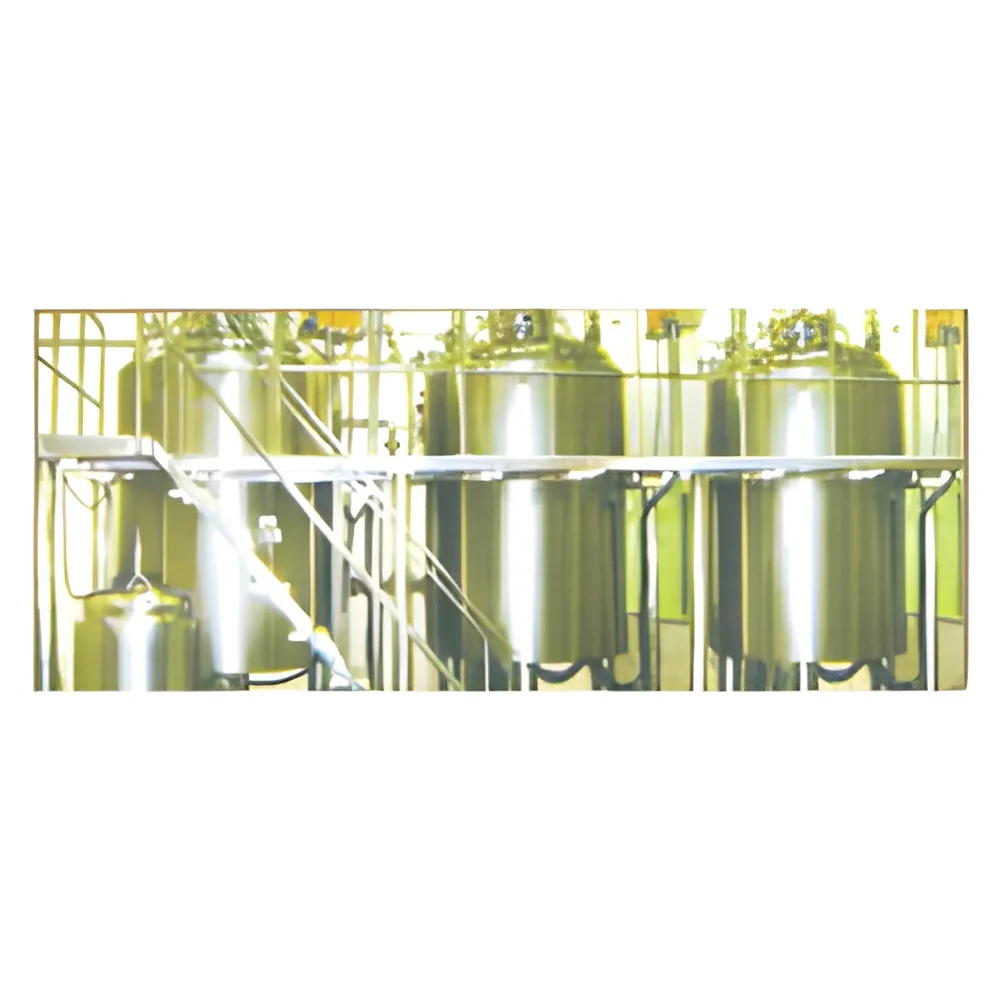
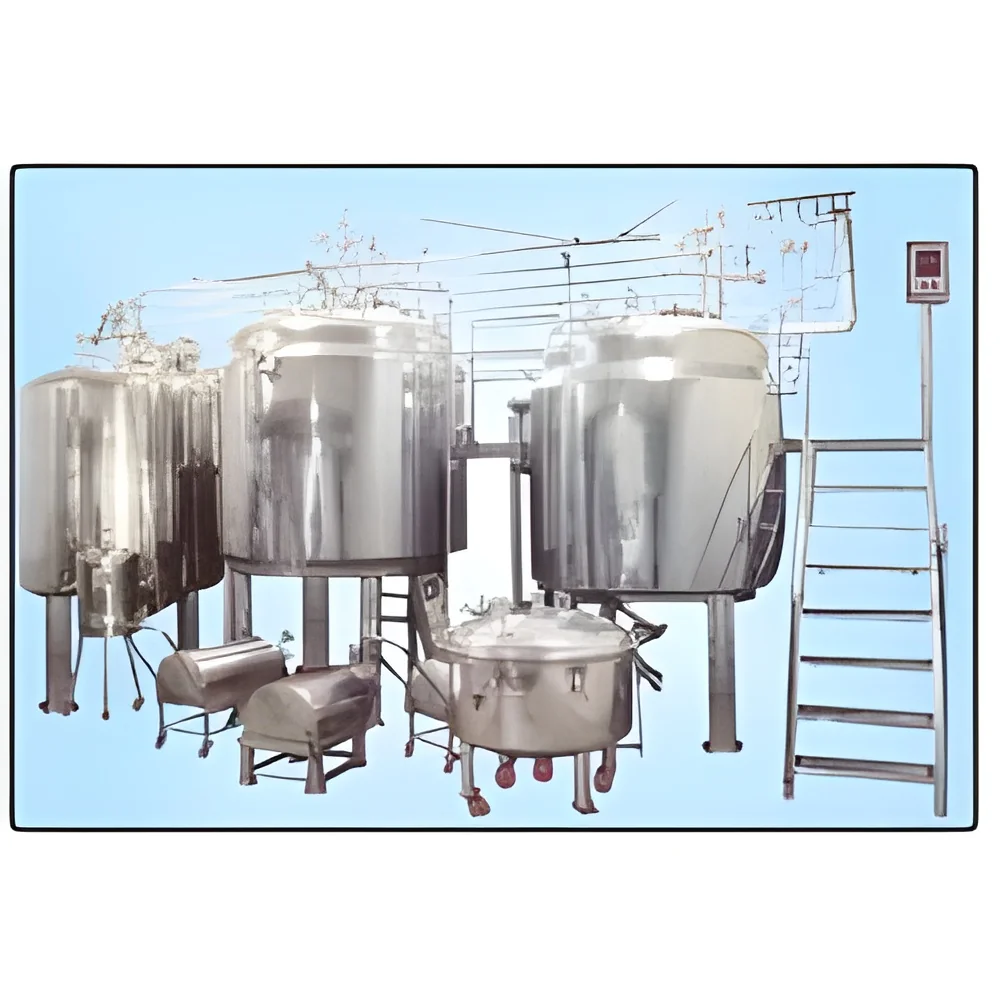
Liquid syrup manufacturing plants are specialized facilities designed for the production of various types of liquid syrups, which are essential in numerous industries, including pharmaceuticals, food and beverages, and personal care. These plants often incorporate advanced technologies to ensure the efficient mixing, heating, and cooling of syrup ingredients to produce high-quality end products. The design of these plants may vary based on production volume, product specifications, and regulatory requirements.
The primary uses of liquid syrup manufacturing plants include the production of medicated syrups, flavored syrups, and sweeteners. These products are utilized in a range of applications, from formulating cough syrups and liquid medications to creating flavoring agents for beverages and desserts. As consumer demand for liquid products continues to grow, the relevance of syrup manufacturing plants in the market remains significant, driving innovation and efficiency within the industry.
Key Features and Specifications
Liquid syrup manufacturing plants feature a variety of specifications that ensure they meet the diverse needs of different industries. These specifications are crucial for maintaining product quality and operational efficiency.
Key specifications include:
1. Production Capacity
- Typically ranges from small batch sizes to large-scale continuous production.
- Allows customization based on client needs.
2. Mixing Technology
- Utilizes advanced mixing systems for uniform blending of ingredients.
- May include high-shear mixers for specific formulations.
3. Heating and Cooling System
- Equipped with efficient heat exchangers to manage temperature during production.
- Ensures precise control of syrup consistency.
4. Automation Level
- Varies from semi-automated to fully automated systems.
- Enhances operational efficiency and reduces labor costs.
5. Cleaning and Maintenance Features
- Designed for quick and easy cleaning to comply with hygiene standards.
- Includes automated cleaning systems to minimize downtime.
6. Material of Construction
- Often made from stainless steel to ensure durability and easy cleaning.
- Resistant to corrosion and contamination.
7. Control Systems
- Advanced control systems for monitoring production parameters.
- Ensures consistency and quality in the final product.
8. Compliance with Standards
- Must meet relevant industry standards for safety and quality, such as CE certification.
These features collectively contribute to the efficiency and reliability of liquid syrup manufacturing plants, making them essential assets for businesses in various sectors.
Common Applications and Use Cases
Liquid syrup manufacturing plants are integral to several industries, each utilizing syrup products in distinct ways.
1. Pharmaceuticals: These plants produce medicated syrups used in cough and cold treatments, ensuring accurate dosing and flavor masking for better patient compliance.
2. Food and Beverage: In this sector, syrup plants create flavored syrups for beverages, desserts, and confections, enhancing taste and consumer appeal.
3. Personal Care: Liquid syrups are also used in the formulation of cosmetic products, such as lotions and shampoos, where they function as humectants and stabilizers.
4. Nutraceuticals: Nutritional syrups that deliver vitamins and minerals are produced, catering to health-conscious consumers.
5. Industrial Applications: Some industries use liquid syrups as additives in processes, such as adhesives and coatings, leveraging their properties for enhanced performance.
6. Specialty Products: These include syrups for specific dietary needs, such as sugar-free or organic varieties, reflecting changing consumer preferences.
7. Beverage Mixes: Syrup manufacturing also supports the production of mixes for cocktails, soft drinks, and other beverages.
Product Variants and Subcategories
Liquid syrup manufacturing plants come in various configurations to cater to specific production needs.
Batch Processing Systems: These systems allow for the production of small to medium quantities of syrup, ideal for custom or seasonal products. They offer flexibility in formulation and are often used for specialty syrups.
Continuous Processing Systems: Designed for high-volume production, these systems operate continuously to produce large quantities of syrup with consistent quality. They are suitable for large manufacturers looking to maximize efficiency.
Modular Systems: These versatile setups can be expanded or modified based on production demands. They are ideal for companies that anticipate growth or changes in product lines.
Benefits and Advantages
Investing in liquid syrup manufacturing plants offers several advantages for businesses looking to optimize production.
1. Enhanced Efficiency: Modern manufacturing plants employ automation, reducing manual labor and increasing production speed.
2. Consistent Quality: Advanced mixing and monitoring technologies ensure uniform product quality, which is vital for brand reputation.
3. Flexibility in Production: Manufacturers can easily switch between different syrup formulations to meet market demands without significant downtime.
4. Compliance with Regulations: These plants are designed to meet stringent industry standards, ensuring products are safe and effective.
5. Cost-Effectiveness: By streamlining operations, businesses can lower production costs and increase profit margins.
6. Quick Adaptation: Manufacturers can respond quickly to changing consumer preferences by adjusting production parameters or formulations.
Buying Guide for B2B Buyers
When sourcing liquid syrup manufacturing plants, it is essential for buyers to consider several key factors to ensure they make informed decisions.
1. Quality Assessment: Evaluate the materials and technologies used in manufacturing to ensure they meet industry standards and will yield high-quality syrups.
2. Supplier Verification: Conduct thorough background checks on suppliers to assess their reliability, reputation, and capability to meet production demands.
3. Pricing and MOQ: Understand the pricing structure and minimum order quantities (MOQ) to align with budget constraints and production needs.
4. Delivery and Lead Times: Consider logistics and the time required for delivery to ensure timely production schedules.
5. Compliance Requirements: Verify that the equipment meets all necessary regulatory and compliance requirements relevant to the targeted markets.
Compliance and Certifications
Compliance and certifications are critical aspects of liquid syrup manufacturing plants. These facilities must adhere to quality standards such as ISO 9001, which ensures a quality management system is in place. Additionally, certifications like HACCP (Hazard Analysis Critical Control Point) help in identifying and managing food safety risks during production.
CE certification is also essential, as it indicates that the equipment meets European safety standards. Furthermore, safety and testing requirements must be followed to ensure that the plant operates efficiently and safely. Regional compliance considerations may vary, so it is crucial for buyers to be aware of specific local regulations that apply to their operations.
Why Source Liquid Syrup Manufacturing Plants from Pepagora?
Pepagora offers a trusted platform for sourcing liquid syrup manufacturing plants, providing several key advantages to B2B buyers.
One of the primary strengths of Pepagora is its verified supplier network. This ensures that buyers can connect with reputable manufacturers who adhere to industry standards and have a proven track record.
The streamlined RFQ process simplifies the quotation system, enabling buyers to quickly receive and compare offers from multiple suppliers. This efficiency helps businesses make timely decisions without compromising on quality.
Additionally, Pepagora provides trade assurance and support. This buyer protection feature ensures that transactions are secure and that buyers have recourse in the event of disputes.
Finally, Pepagora's regional coverage extends across India, the GCC, and Southeast Asia, allowing businesses to access a wide range of suppliers and products tailored to their market needs.

 IN
IN