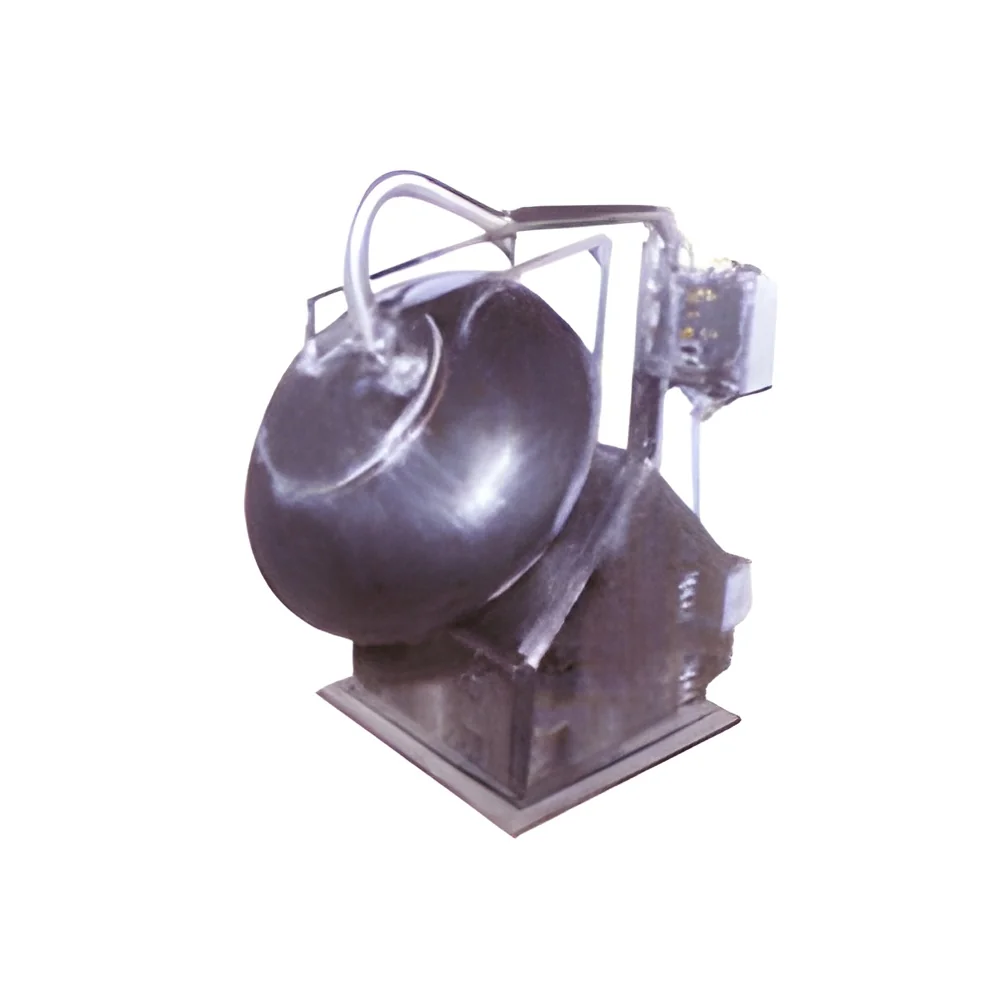
What are Tablet Coating Machines?
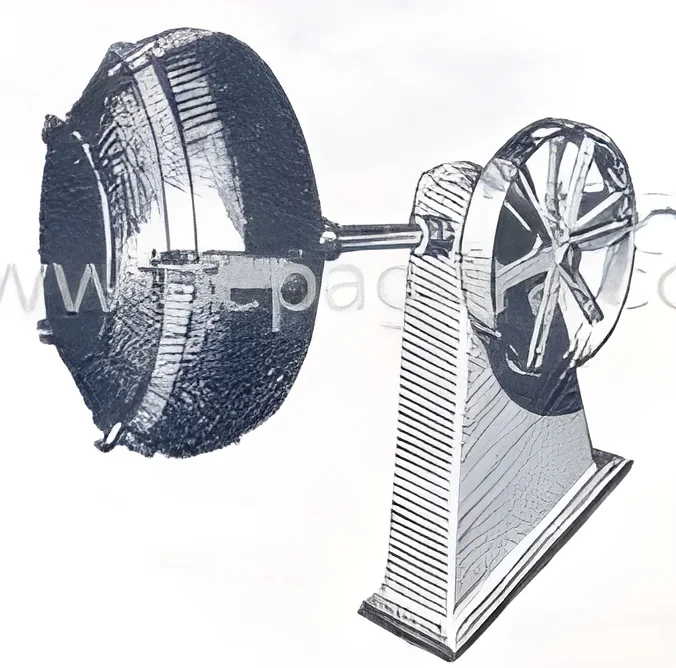
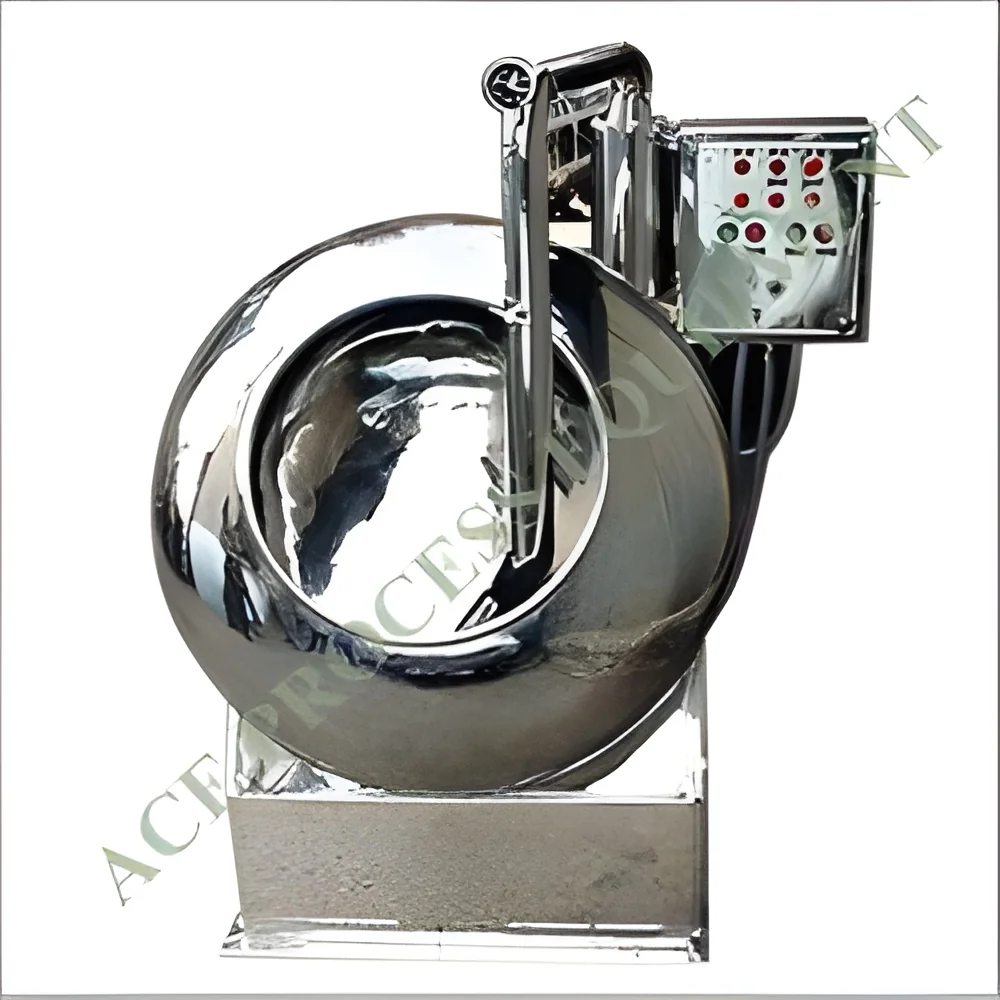
Tablet Coating Machines are specialized industrial equipment designed to apply a coating to tablets and other solid dosage forms. This coating serves multiple purposes including protecting the active ingredients, enhancing the appearance of the tablets, and controlling the release of the drug within the body. The machines utilize various coating techniques, such as film coating or sugar coating, to achieve the desired results.
These machines are primarily used in the pharmaceutical, nutraceutical, and food industries. In pharmaceuticals, they play a crucial role in ensuring the stability and efficacy of medicines by providing a barrier against moisture and environmental factors. In the nutraceutical sector, they enhance the visual appeal and mask undesirable tastes of dietary supplements. Given the growing demand for coated tablets and the increasing complexity of drug formulations, the relevance of tablet coating machines continues to rise in the market.
The tablet coating machine industry is characterized by rapid advancements in technology and a shift towards automated solutions. As manufacturers strive for efficiency and precision, innovative features such as better humidity control and real-time monitoring are becoming increasingly important. This positions tablet coating machines as essential tools for companies aiming to meet regulatory requirements and consumer expectations.
Key Features and Specifications
Tablet Coating Machines come equipped with several essential features that enhance their functionality and efficiency. These features are crucial for businesses looking to maintain high production standards and meet specific industry requirements.
Key specifications include:
1. Coating Method
- Options include film coating, sugar coating, and enteric coating.
- Each method has distinct applications and benefits.
2. Production Capacity
- Varies based on machine size and design.
- Typically ranges from small-scale (up to 100 kg per batch) to large-scale (over 500 kg per batch).
3. Temperature Control
- Equipped with advanced temperature control systems.
- Ensures optimal coating conditions to protect active ingredients.
4. Humidity Control
- Incorporates humidity monitoring systems.
- Maintains appropriate moisture levels during the coating process.
5. Automation Level
- Machines can be semi-automatic or fully automatic.
- Full automation reduces labor costs and increases consistency.
6. Cleaning and Maintenance Features
- Designed for easy disassembly and cleaning.
- Prevents cross-contamination between batches.
7. Monitoring Systems
- Equipped with real-time monitoring features.
- Tracks parameters such as coating thickness and drying time.
8. Compliance with Standards
- Adheres to industry standards such as CE certification.
- Ensures machines meet safety and operational regulations.
These specifications ensure that tablet coating machines are not only effective but also reliable in producing quality products that comply with industry standards.
Common Applications and Use Cases
Tablet Coating Machines serve various industries, highlighting their versatility and importance in modern manufacturing processes.
1. Pharmaceutical Industry: These machines are extensively used to coat tablets with film or sugar coatings. This process protects the drug from environmental factors and enhances patient compliance through improved taste and appearance.
2. Nutraceutical Industry: In this sector, tablet coating machines help in creating appealing dietary supplements. They mask unpleasant flavors and provide a glossy finish, making the products more marketable.
3. Food Industry: Coating machines are used to apply coatings to various food tablets, such as chewable vitamins or functional food products. This enhances shelf life and can provide additional flavors or colors.
4. Cosmetic Industry: Tablet coating technology is also utilized for cosmetic formulations. Coated tablets can deliver active ingredients while providing a desirable texture and appearance.
5. Chemical Industry: These machines are employed to coat chemical tablets or granules for controlled release applications in agricultural products.
6. Confectionery Industry: Coating machines are used to create candy coatings for tablets, improving the overall taste and presentation of the product.
7. Veterinary Medicine: Coated tablets are also common in veterinary applications, where the coating helps to mask flavors that may be unpalatable for animals.
Product Variants and Subcategories
Tablet Coating Machines come in a variety of models tailored to meet specific manufacturing needs. Each variant offers unique features and benefits.
Standard Tablet Coating Machine: This is the most common variant, designed for general-purpose coating applications. It features a user-friendly interface and is suitable for small to medium production runs.
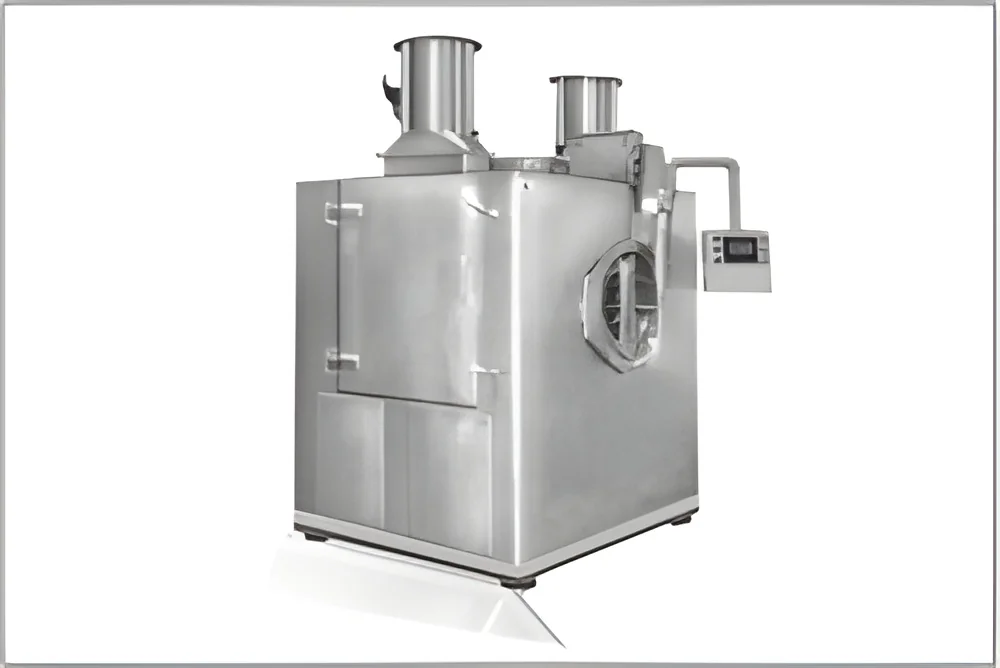
High-Speed Tablet Coating Machine: Designed for larger manufacturing operations, this variant maximizes efficiency with faster processing times. It typically includes advanced automation features for increased control.
Mini Tablet Coating Machine: Ideal for research and development, this compact variant allows for small batch processing. It is perfect for companies looking to experiment with new formulations without the investment in larger machinery.
Benefits and Advantages
Tablet Coating Machines offer numerous advantages that make them an essential investment for manufacturers.
Key benefits include:
1. Improved Product Stability: Coating protects tablets from moisture and environmental degradation, ensuring longer shelf life.
2. Enhanced Patient Compliance: Coatings can mask unpleasant tastes and improve the pill's appearance, making it more acceptable to consumers.
3. Controlled Release Properties: Coated tablets can be designed to release active ingredients at specific rates, enhancing therapeutic effectiveness.
4. Versatility: These machines can accommodate various coating methods and formulations, making them suitable for diverse product lines.
5. Efficiency in Production: Automated features help reduce labor costs and improve consistency in coating processes.
6. Compliance with Regulatory Standards: With built-in monitoring and control systems, these machines help manufacturers meet industry regulations and quality standards.
Buying Guide for B2B Buyers
When sourcing Tablet Coating Machines, it is crucial for B2B buyers to consider several key factors to ensure they make informed purchasing decisions.
1. Quality Assessment: Evaluate the quality of the machine by reviewing manufacturer certifications, customer reviews, and product samples. Ensure that the machine meets your specific production requirements.
2. Supplier Verification: Vet potential suppliers thoroughly. Look for companies with a strong reputation in the industry and verify their compliance with relevant quality standards.
3. Pricing and MOQ: Understand the pricing structure and minimum order quantities (MOQ). Compare quotes from multiple suppliers to get the best value for your investment.
4. Delivery and Lead Times: Inquire about delivery schedules and lead times to ensure that the equipment will be available when you need it. Consider the logistics involved in shipping and installation.
5. Compliance Requirements: Make sure that the machines comply with industry regulations and standards, such as CE certification. This will ensure safety and reliability in your production processes.
Compliance and Certifications
Compliance and certifications play a vital role in the operation of Tablet Coating Machines. Manufacturers must adhere to various quality standards to ensure safety and effectiveness.
ISO 9001 is a key quality management standard that emphasizes consistent quality in manufacturing processes. Adhering to this standard can enhance operational efficiency and customer satisfaction.
HACCP (Hazard Analysis and Critical Control Points) is essential in food and pharmaceutical manufacturing. It ensures that all potential hazards are identified and controlled during production.
CE certification indicates that the machine meets European safety and health requirements. This certification is crucial for manufacturers looking to market their products in Europe.
Safety and testing requirements must also be met to ensure that the machines operate safely. Regular inspections and maintenance are necessary to comply with these standards.
Regional compliance considerations may vary, and it is vital for manufacturers to be aware of local regulations in the markets they serve. This ensures that all equipment is suitable for their intended use and meets customer expectations.
Why Source Tablet Coating Machines from Pepagora?
Pepagora provides a trusted platform for sourcing Tablet Coating Machines, offering several key advantages to businesses in need of reliable equipment.
Verified Supplier Network: Pepagora has established a robust network of verified suppliers. This ensures that buyers can confidently select from reputable manufacturers who adhere to high-quality standards.
Streamlined RFQ Process: The Request for Quotation (RFQ) process on Pepagora simplifies the sourcing experience. Buyers can easily compare multiple quotes and select the best option for their needs.
Trade Assurance and Support: Pepagora offers buyer protection through trade assurance, ensuring that transactions are secure. Support is readily available to assist buyers throughout the purchasing process.
Regional Coverage: With a strong presence in India, the GCC, and Southeast Asia, Pepagora provides comprehensive geographic reach. This enables buyers to access a diverse range of suppliers tailored to their specific regional needs.
By choosing Pepagora, businesses can streamline their sourcing process for Tablet Coating Machines while ensuring they receive quality products backed by reliable suppliers.

 IN
IN