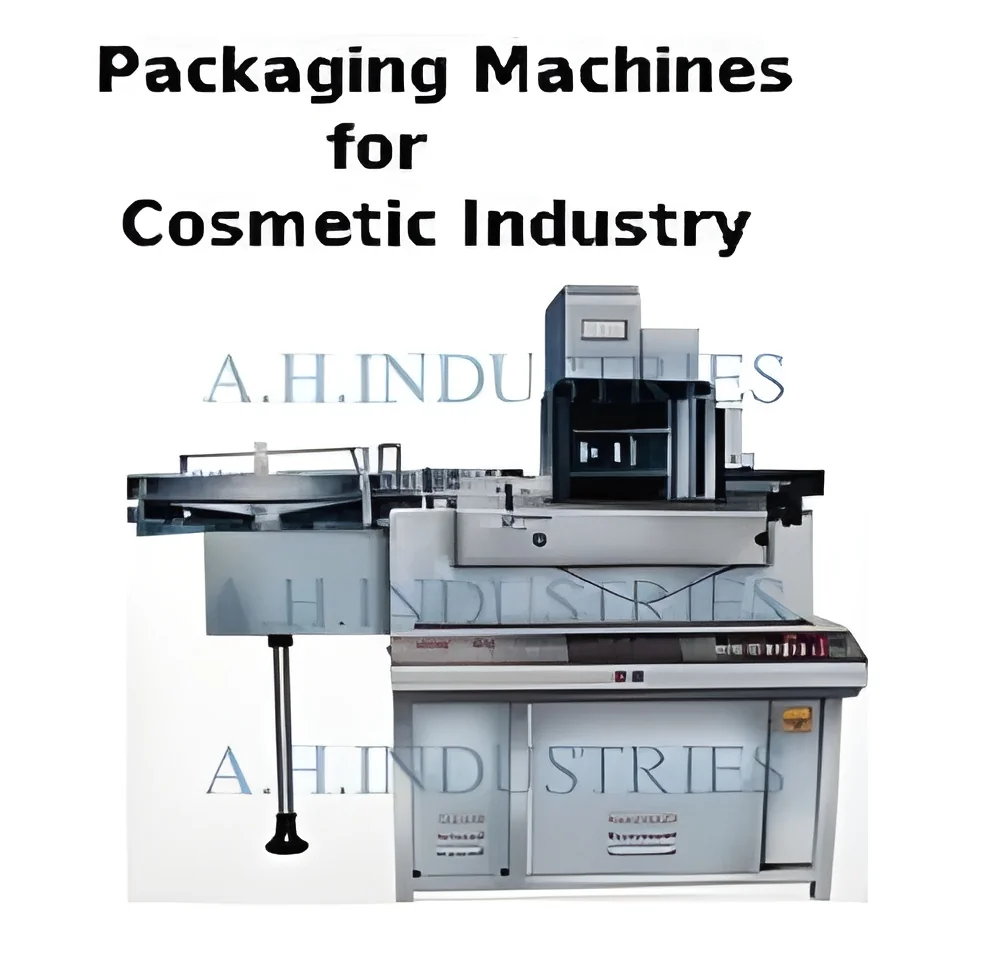
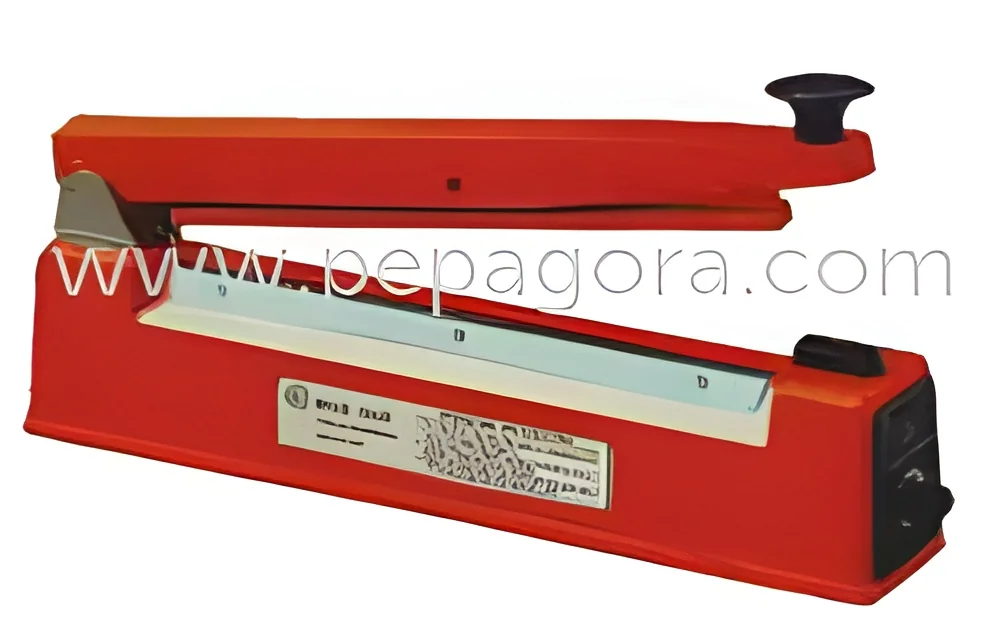
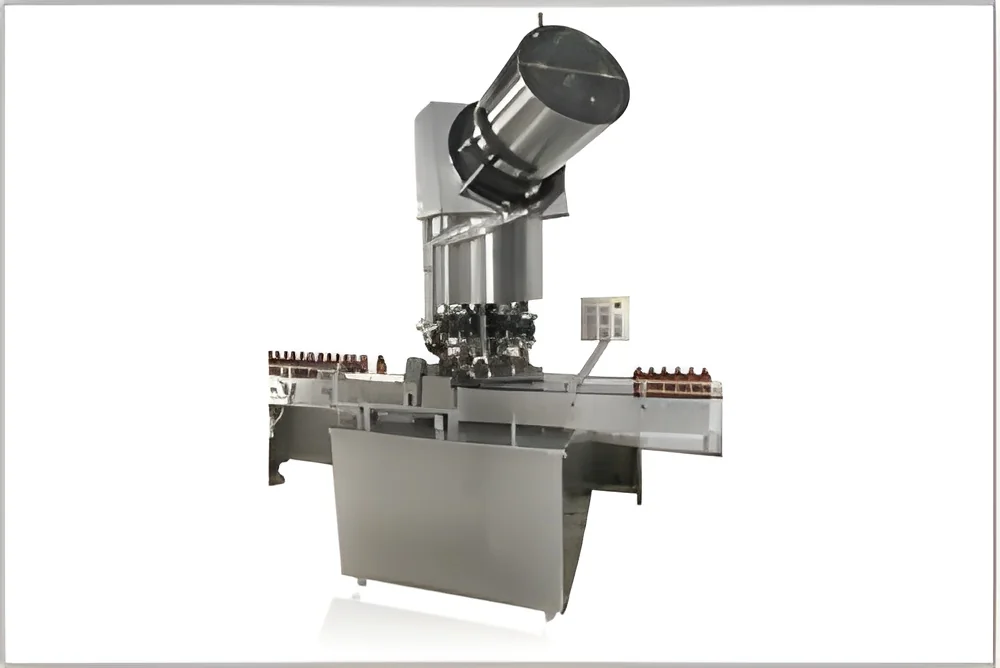
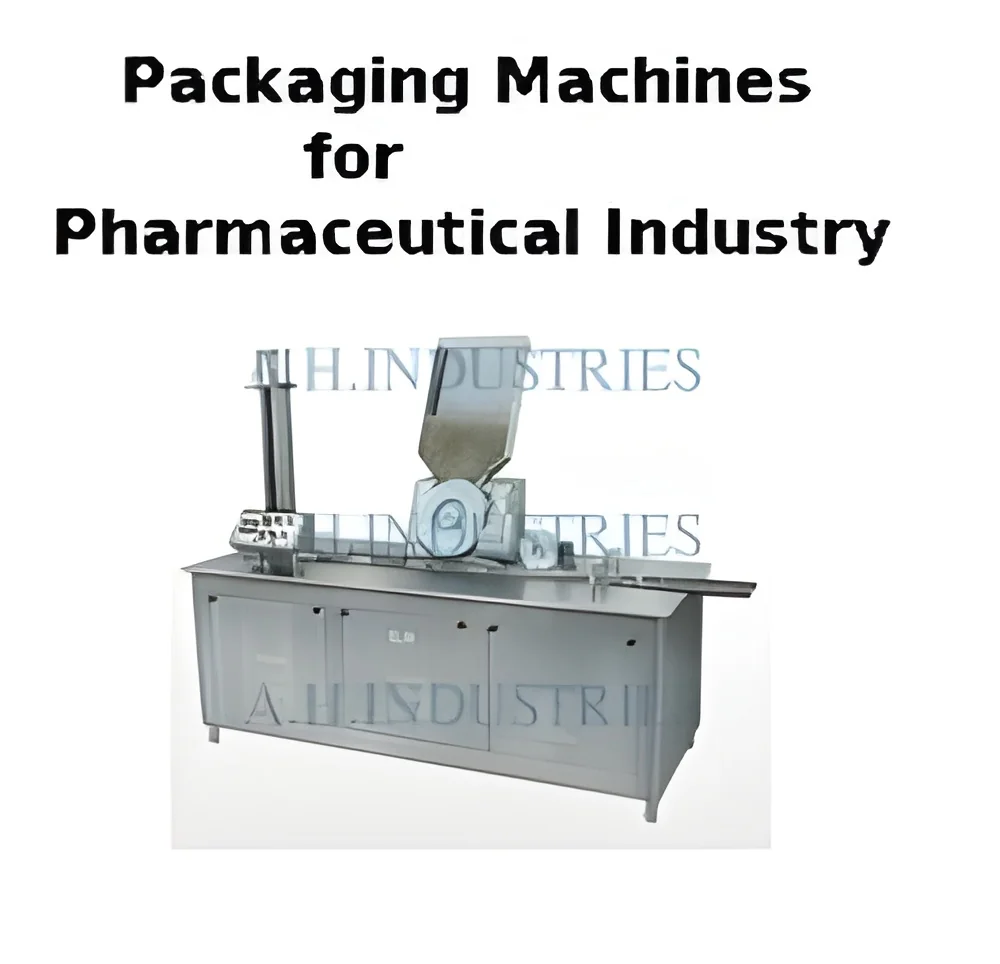
What are Vial Filling & Sealing Machines?
Vial filling and sealing machines are specialized equipment used in the pharmaceutical, biotechnology, and food industries for the precise filling of vials with liquids, powders, or semi-solids, followed by sealing to ensure product integrity. These machines automate the process, increasing efficiency and minimizing human error. They are designed to handle various vial sizes and types, providing flexibility for manufacturers.
The primary uses of vial filling and sealing machines include the packaging of pharmaceuticals such as vaccines, injectable drugs, and diagnostic solutions. They are also utilized in the food industry for packaging sauces, syrups, and other liquid products. These machines are essential for ensuring that products are securely sealed to prevent contamination and extend shelf life.
In today’s competitive market, the relevance of vial filling and sealing machines cannot be overstated. With increasing demand for pharmaceuticals and food products, manufacturers are focusing on automation to meet production targets. The integration of advanced technology in these machines enhances their efficiency, making them a crucial investment for companies looking to scale operations while maintaining high-quality standards.
Key Features and Specifications
Vial filling and sealing machines come with a range of key features designed to optimize the filling and sealing process. These features ensure accuracy, efficiency, and compliance with industry standards.
Key specifications include:
1. Filling Accuracy
- Typically ranges from 0.5% to 1% of the desired fill volume.
- Essential for ensuring dosage precision in pharmaceutical applications.
2. Sealing Type
- Options include crimp sealing, screw capping, and snap-on lids.
- Each type is suited for different vial designs and product requirements.
3. Production Speed
- Capable of filling and sealing 100 to 600 vials per minute.
- Speed varies based on the machine model and vial specifications.
4. Automation Level
- Available in semi-automatic and fully automatic configurations.
- Fully automatic machines reduce labor costs and increase throughput.
5. Material Compatibility
- Machines can handle glass and plastic vials.
- Important for diverse product applications across industries.
6. Cleaning and Maintenance
- Easy to disassemble for thorough cleaning.
- Designed for compliance with sanitary standards in manufacturing.
7. Control Systems
- Equipped with PLC (Programmable Logic Controller) for precise operation.
- Features touchscreen interfaces for user-friendly operation.
8. Safety Features
- Includes emergency stop buttons and safety guards.
- Designed to protect operators during machine operation.
These specifications highlight the versatility and efficiency of vial filling and sealing machines, making them invaluable in the manufacturing process.
Common Applications and Use Cases
Vial filling and sealing machines are used across various industries, each with specific applications that leverage the capabilities of these machines.
1. Pharmaceutical Industry: These machines are crucial for filling vials with vaccines, insulin, and other injectable medications, ensuring accurate dosages and secure sealing.
2. Biotechnology: They are used for packaging biological samples and reagents, where contamination must be minimized and integrity maintained.
3. Food and Beverage: Vial filling and sealing machines package sauces, syrups, and dressings, allowing for precise filling and extended shelf life through secure sealing.
4. Cosmetics: These machines fill vials with serums, oils, and other liquid products, ensuring proper sealing to maintain product quality.
5. Chemical Industry: They are employed in filling vials with specialty chemicals and solvents, requiring precise handling and sealing techniques.
6. Laboratory Use: Vial filling and sealing machines are essential for preparing samples and reagents in research and quality control labs, ensuring accuracy and cleanliness.
7. Nutraceuticals: They fill vials with vitamins and supplements, where precise dosages and secure packaging are critical for consumer safety.
These applications underscore the versatility of vial filling and sealing machines across diverse sectors.
Product Variants and Subcategories
Vial filling and sealing machines come in various configurations to meet specific industry needs.
Automatic Vial Filling Machines
These machines are designed for high-volume production environments, featuring fully automated processes that minimize human intervention. They offer rapid throughput and high precision, making them ideal for pharmaceutical manufacturing.
Semi-Automatic Vial Filling Machines
These machines require manual loading and unloading but automate the filling and sealing processes. They are suitable for smaller production runs and offer flexibility for diverse vial sizes.
Tabletop Vial Filling Machines
Compact and user-friendly, these machines are perfect for small-scale operations or laboratories. They are designed for low-volume applications while maintaining accuracy and ease of use.
Benefits and Advantages
Investing in vial filling and sealing machines brings numerous advantages to manufacturers.
1. Increased Efficiency: Automating the filling and sealing process significantly reduces production time and labor costs.
2. Enhanced Accuracy: These machines provide precise filling, ensuring product consistency and compliance with industry standards.
3. Improved Quality Control: Automated systems minimize human errors and contamination risks, leading to higher product quality.
4. Flexibility: Many machines can handle various vial sizes and types, allowing manufacturers to adapt to changing market demands.
5. Compliance Assurance: Vial filling and sealing machines are designed to meet regulatory standards, ensuring that products are packaged safely and securely.
6. Cost-Effective: Over time, these machines can lead to lower operational costs through increased productivity and reduced labor requirements.
Buying Guide for B2B Buyers
When sourcing vial filling and sealing machines, buyers should consider several key factors to ensure they make informed decisions.
1. Quality Assessment: Look for machines that meet industry standards and have a proven track record of reliability. Review customer feedback and performance data.
2. Supplier Verification: Vet suppliers to ensure they are reputable and have experience in manufacturing and servicing vial filling and sealing machines.
3. Pricing and MOQ: Understand the price range for different machine types and inquire about minimum order quantities to align with your purchasing capacity.
4. Delivery and Lead Times: Discuss logistics and expected lead times to ensure that the machine can be delivered in line with your production schedule.
5. Compliance Requirements: Verify that the machines comply with relevant regulations and standards specific to your industry, such as ISO or CE certifications.
Compliance and Certifications
Vial filling and sealing machines must adhere to various quality standards and industry certifications to ensure safety and efficacy.
ISO 9001 is a critical standard that outlines quality management principles, ensuring that manufacturers maintain consistent quality in their processes. Compliance with HACCP (Hazard Analysis Critical Control Point) is essential in food and pharmaceutical applications, focusing on preventing contamination and ensuring product safety.
CE certification is necessary for machines sold within the European market, indicating compliance with health, safety, and environmental protection standards.
Additionally, machines must meet specific safety and testing requirements to protect operators and ensure proper functionality. Regional compliance considerations can vary, so it is important to stay updated on local regulations affecting manufacturing processes.
Why Source Vial Filling & Sealing Machines from Pepagora?
Pepagora offers a reliable platform for sourcing vial filling and sealing machines, providing several advantages for B2B buyers.
Verified Supplier Network: Pepagora connects buyers with a network of verified suppliers who have been evaluated for their reliability and product quality. This ensures that buyers can trust the machines they purchase.
Streamlined RFQ Process: The platform simplifies the request for quotation process, enabling buyers to easily compare prices and specifications from multiple suppliers, saving time and effort.
Trade Assurance and Support: Pepagora provides trade assurance, offering buyers protection against potential issues during transactions. Their support team is available to assist with inquiries and resolve concerns.
Regional Coverage: With a strong presence in markets such as India, the GCC, and Southeast Asia, Pepagora facilitates access to local suppliers and manufacturers, enhancing convenience for buyers looking to source machines in these regions.
By choosing Pepagora, buyers can confidently navigate the procurement process and secure high-quality vial filling and sealing machines tailored to their business needs.

 IN
IN