What are Tablet Compression Machines?
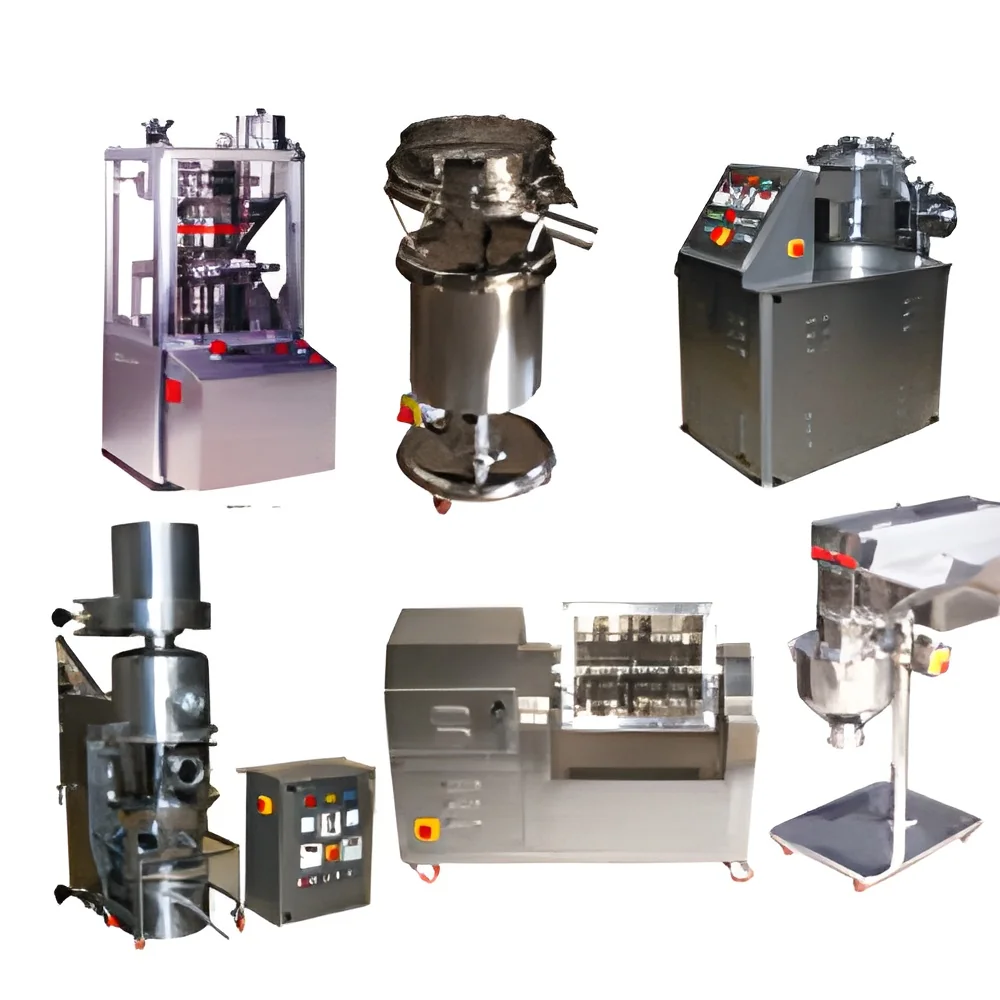
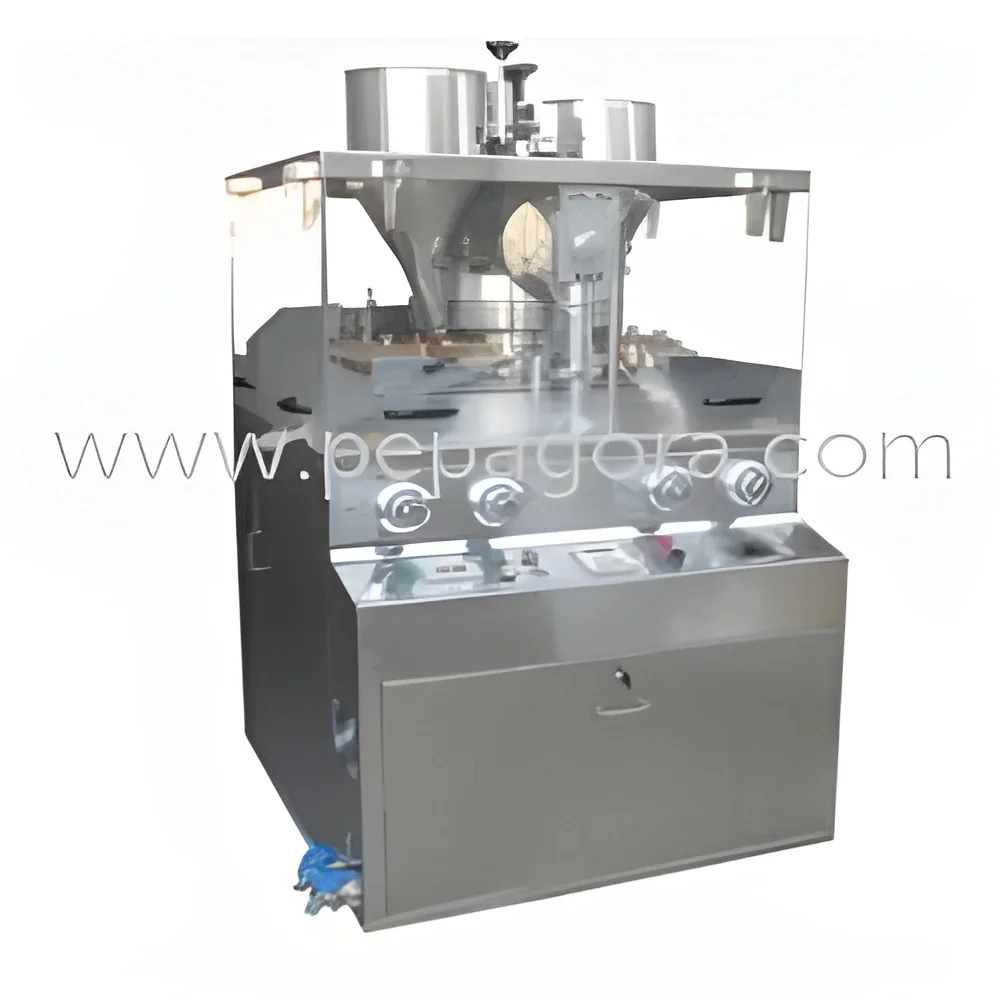
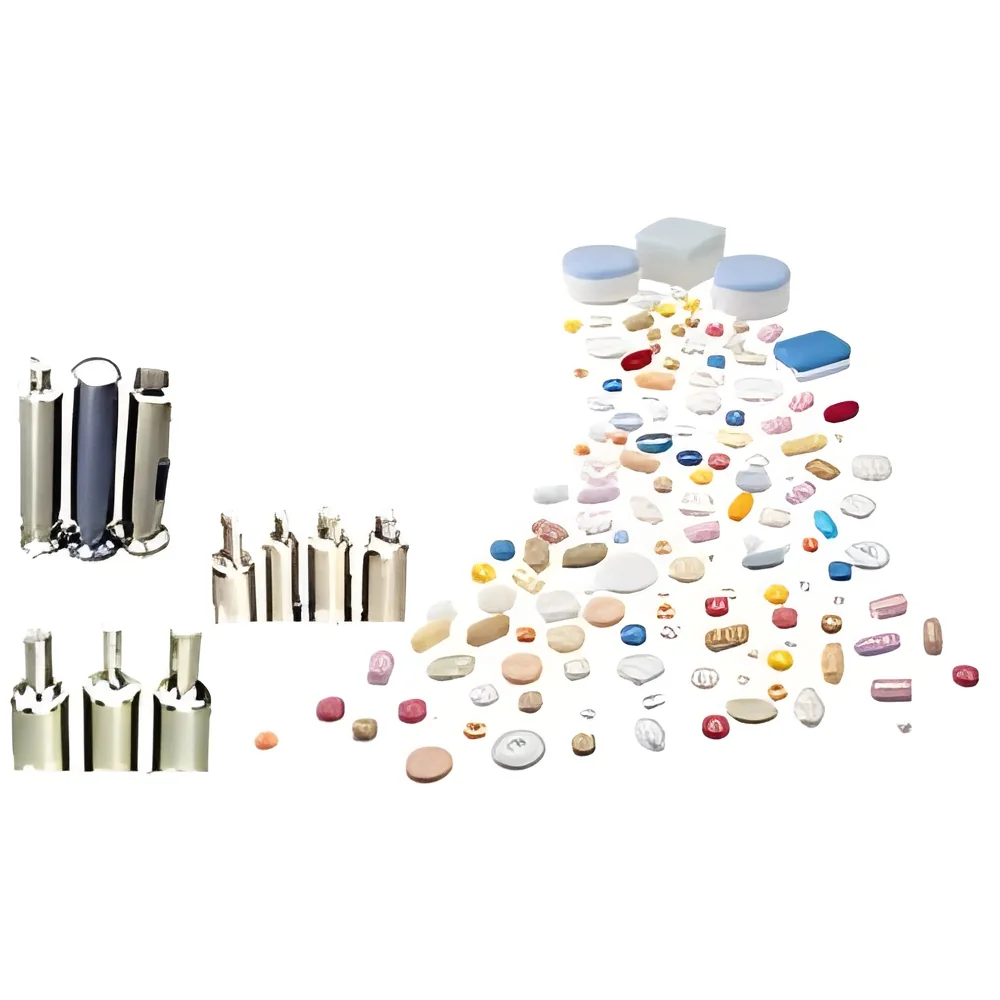
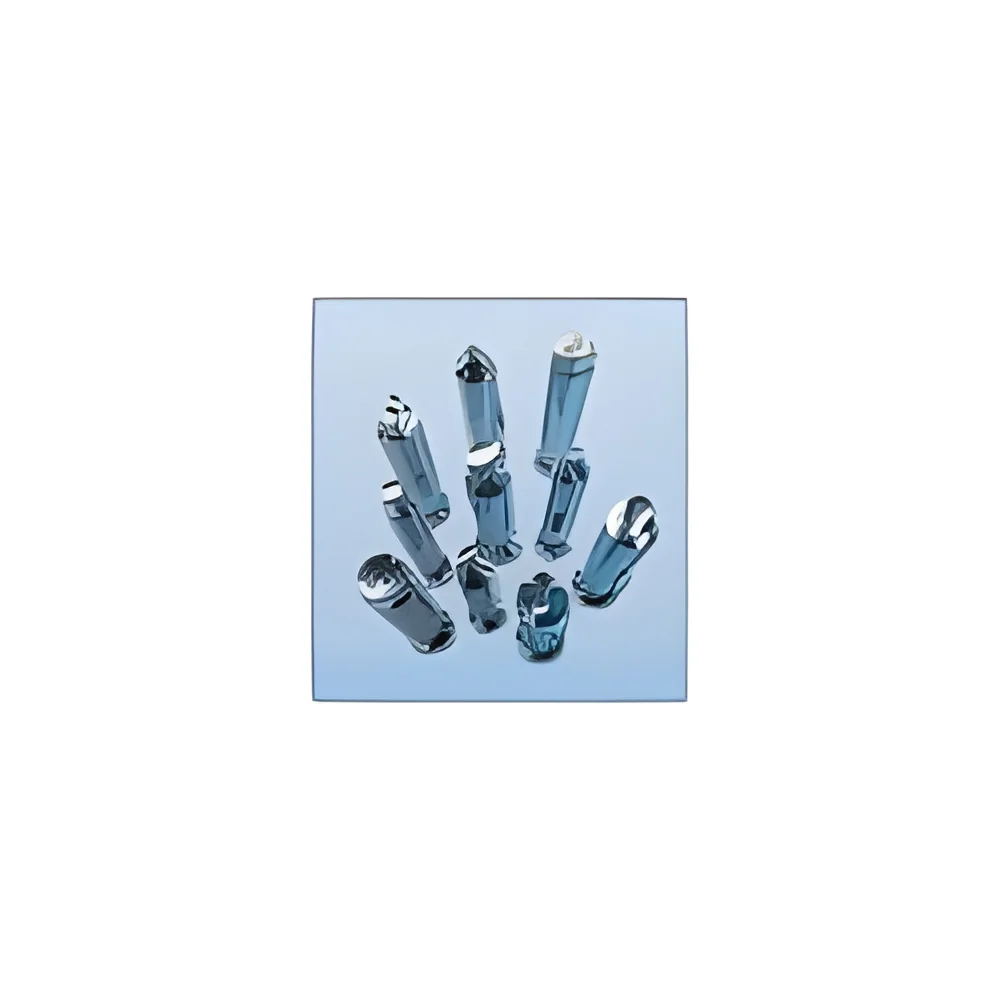
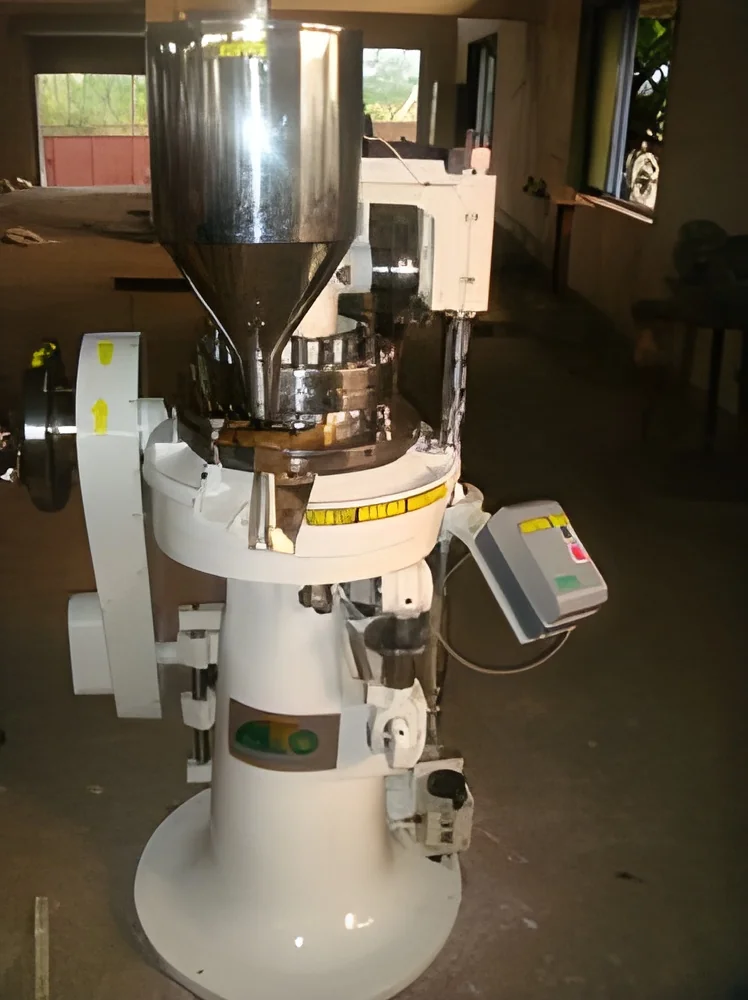
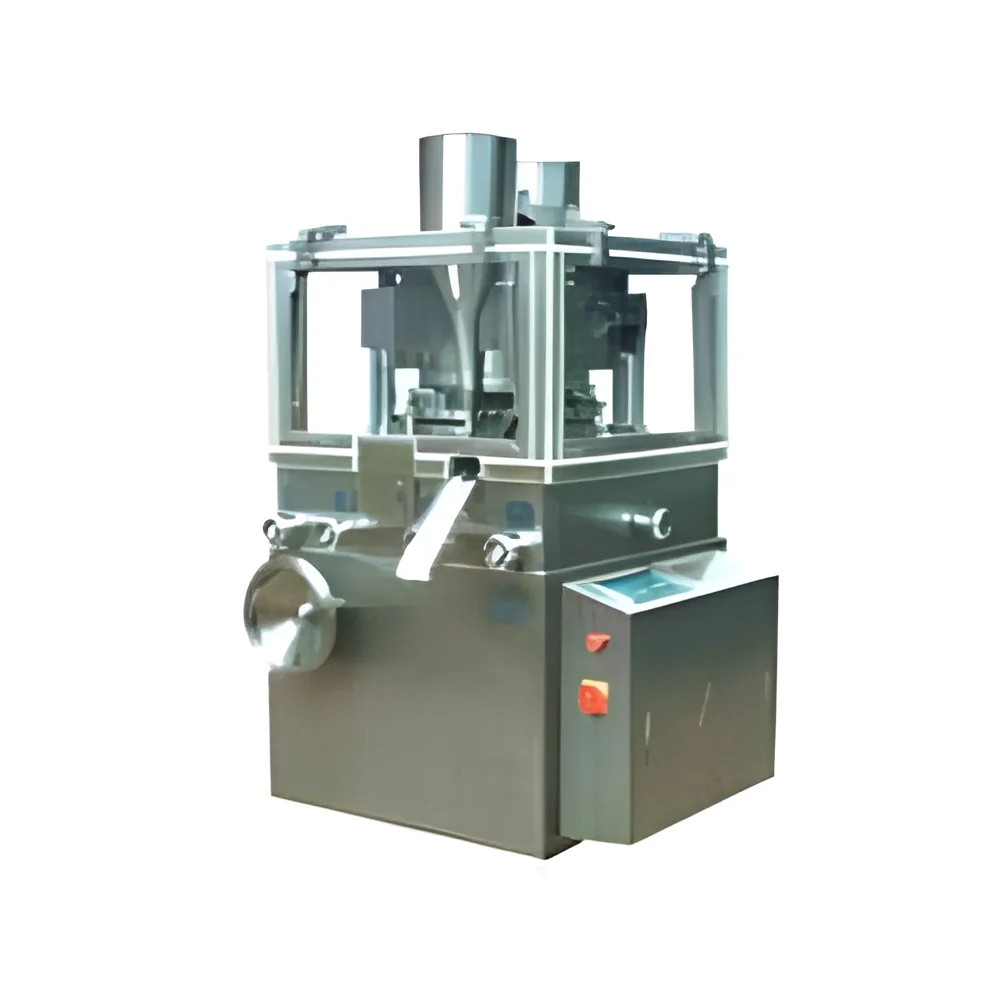
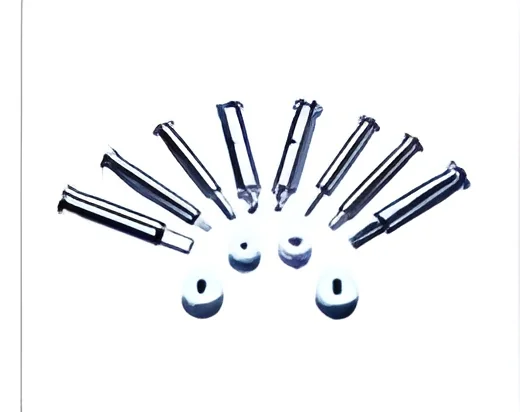
Tablet compression machines are specialized equipment used in the pharmaceutical, nutraceutical, and food industries to manufacture tablets. These machines compress powder materials into solid tablets, using a series of punches and dies to apply pressure. The process ensures that the tablets are uniform in size, weight, and hardness, which is critical for both efficacy and consumer safety.
These machines are primarily utilized in production lines where high volumes of tablets need to be produced efficiently. They are essential for creating over-the-counter medications, dietary supplements, and functional foods. The industry relevance of tablet compression machines is significant, as they help streamline the manufacturing process, reduce waste, and maintain high-quality standards in tablet production. With the increasing demand for tablets globally, the market for tablet compression machines is also expanding, making them a vital investment for manufacturers.
Key Features and Specifications
Tablet compression machines come with various features that enhance their functionality and efficiency. Understanding these specifications is crucial for selecting the right machine for your needs.
Key specifications include:
1. Compression Force
- The maximum pressure that can be applied to the powder during compression.
- Typically ranges from 5 to 60 tons.
2. Tablet Diameter
- The size of the tablets that can be produced by the machine.
- Usually varies from 5 mm to 25 mm.
3. Production Capacity
- The number of tablets produced per hour.
- Can range from 10,000 to 1,500,000 tablets depending on the model.
4. Number of Stations
- Refers to the number of punches and dies that can operate simultaneously.
- Commonly ranges from 1 to 25 stations.
5. Automatic or Manual Operation
- Machines can be fully automatic, semi-automatic, or manual.
- Automatic machines allow for continuous operation with minimal human intervention.
6. Material of Construction
- Typically made from stainless steel for durability and ease of cleaning.
7. Control System
- May include advanced monitoring and adjustment features for precision.
8. Safety Features
- Machines often come with safety guards, emergency stops, and overload protection.
In summary, the specifications of tablet compression machines vary widely, allowing buyers to choose machines that best fit their production needs.
Common Applications and Use Cases
Tablet compression machines are utilized across various industries, each requiring specific functionalities.
1. Pharmaceutical Industry: These machines are essential for producing tablets that contain active pharmaceutical ingredients. They ensure uniformity and proper dosage, which are critical for patient safety.
2. Nutraceutical Industry: Companies producing dietary supplements rely on tablet compression machines to manufacture vitamins and minerals in tablet form, ensuring consistent dosage and quality.
3. Food Industry: In the production of functional foods, tablet compression machines help create tablets containing nutrients, flavors, or other functional ingredients.
4. Chemical Industry: These machines can compress powdered chemicals into tablets for easier handling and dosing.
5. Cosmetics Industry: Tablet compression is also used to create pressed powders for cosmetics, allowing for compact and portable products.
Product Variants and Subcategories
Tablet compression machines come in various types, catering to different production needs and scales.
Single Punch Tablet Press: This variant is ideal for small-scale production or research and development. It allows for manual operation and is suitable for creating sample batches.
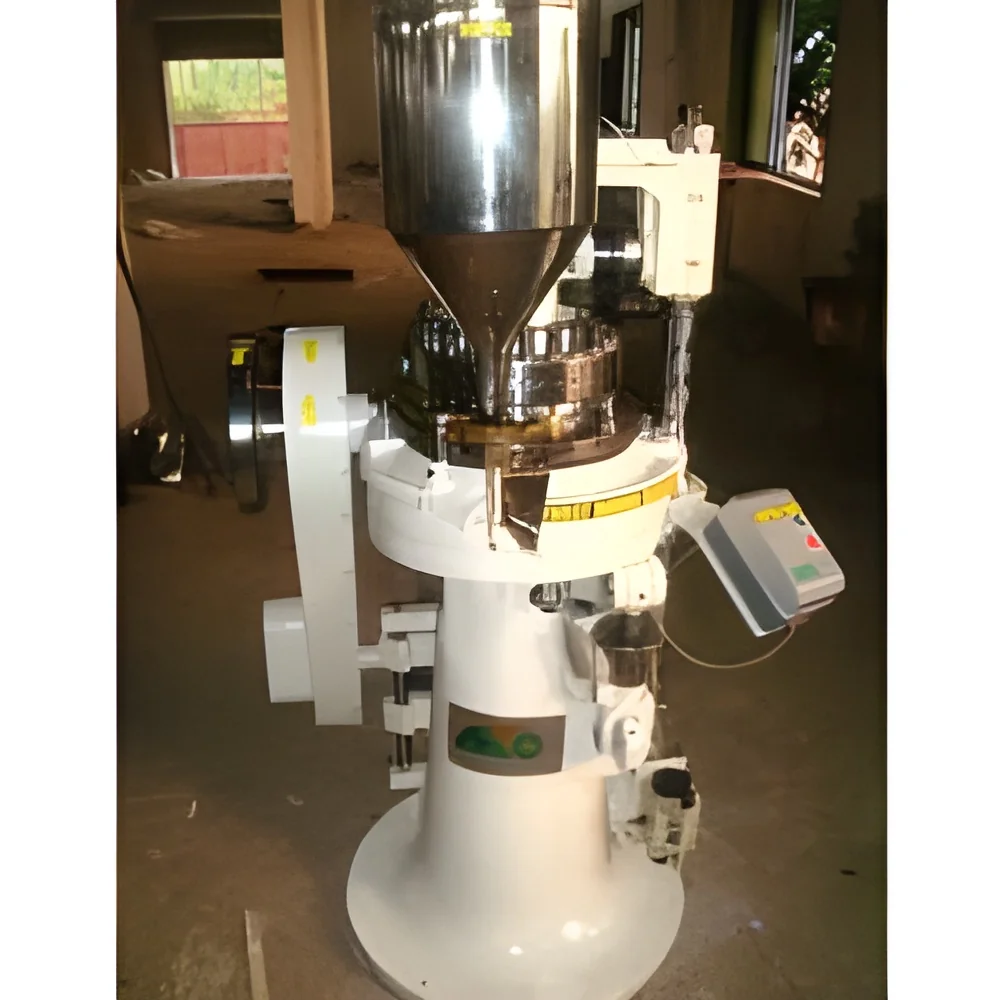
Rotary Tablet Press: Designed for high-volume production, the rotary tablet press can produce thousands of tablets per hour, making it suitable for large manufacturers.
High-Speed Tablet Press: This variant focuses on maximizing output and efficiency, often featuring advanced automation and multiple stations.
Multi-Layer Tablet Press: Used for creating tablets with multiple layers, this variant allows for the production of complex formulations with different active ingredients.
Benefits and Advantages
Tablet compression machines offer several advantages that make them essential for manufacturers.
1. Increased Efficiency: These machines can produce large quantities of tablets rapidly, significantly boosting production rates.
2. Consistent Quality: They ensure that tablets are uniform in size, weight, and hardness, which is crucial for quality control.
3. Reduced Waste: By optimizing the compression process, these machines minimize material waste, leading to cost savings.
4. Versatility: Tablet compression machines can handle various formulations, including powders, granules, and even some liquids, allowing for a wide range of products.
5. Automation Capabilities: Many machines come with automated features that reduce the need for manual labor, improving operational efficiency.
6. Easy Maintenance: With durable constructions, these machines are designed for easy cleaning and maintenance, ensuring long-term reliability.
Buying Guide for B2B Buyers
When sourcing tablet compression machines, it is important to consider several factors to ensure a suitable purchase.
1. Quality Assessment: Evaluate the machine's construction materials and manufacturing standards. Look for machines built to last and capable of meeting industry regulations.
2. Supplier Verification: Vet suppliers by checking their certifications and customer reviews. Ensure they have a track record of delivering quality machines.
3. Pricing and MOQ: Understand the cost implications, including the minimum order quantity. Assess the total cost of ownership, including maintenance and operation.
4. Delivery and Lead Times: Discuss logistics with suppliers. Ensure that delivery times align with your production schedules.
5. Compliance Requirements: Be aware of regulatory standards that apply to tablet manufacturing in your region, including safety and quality certifications.
Compliance and Certifications
Tablet compression machines must adhere to various quality standards and certifications to ensure safety and efficacy. ISO 9001 is a key standard that emphasizes quality management systems, ensuring that manufacturers provide consistent and reliable products.
The CE mark indicates that a product meets European safety, health, and environmental protection standards. Compliance with these certifications is crucial for manufacturers aiming to penetrate global markets.
Safety and testing requirements are also important, as machines must undergo rigorous testing to ensure they operate safely and effectively. Regional compliance considerations may vary, so it is essential to understand the specific regulations in the markets you operate in.
Why Source Tablet Compression Machines from Pepagora?
Pepagora offers a reliable platform for sourcing tablet compression machines, providing several advantages for B2B buyers.
Verified Supplier Network: Pepagora connects you with trusted suppliers who have been vetted for quality and reliability. This ensures you receive high-standard products.
Streamlined RFQ Process: The platform simplifies the request for quotation process, allowing buyers to easily compare offers and make informed decisions.
Trade Assurance and Support: Buyers are protected through trade assurance programs, providing security and support throughout the purchasing process.
Regional Coverage: With a strong presence in India, the GCC, and Southeast Asia, Pepagora facilitates access to a wide range of manufacturers, ensuring you find the right machine for your needs.

 IN
IN