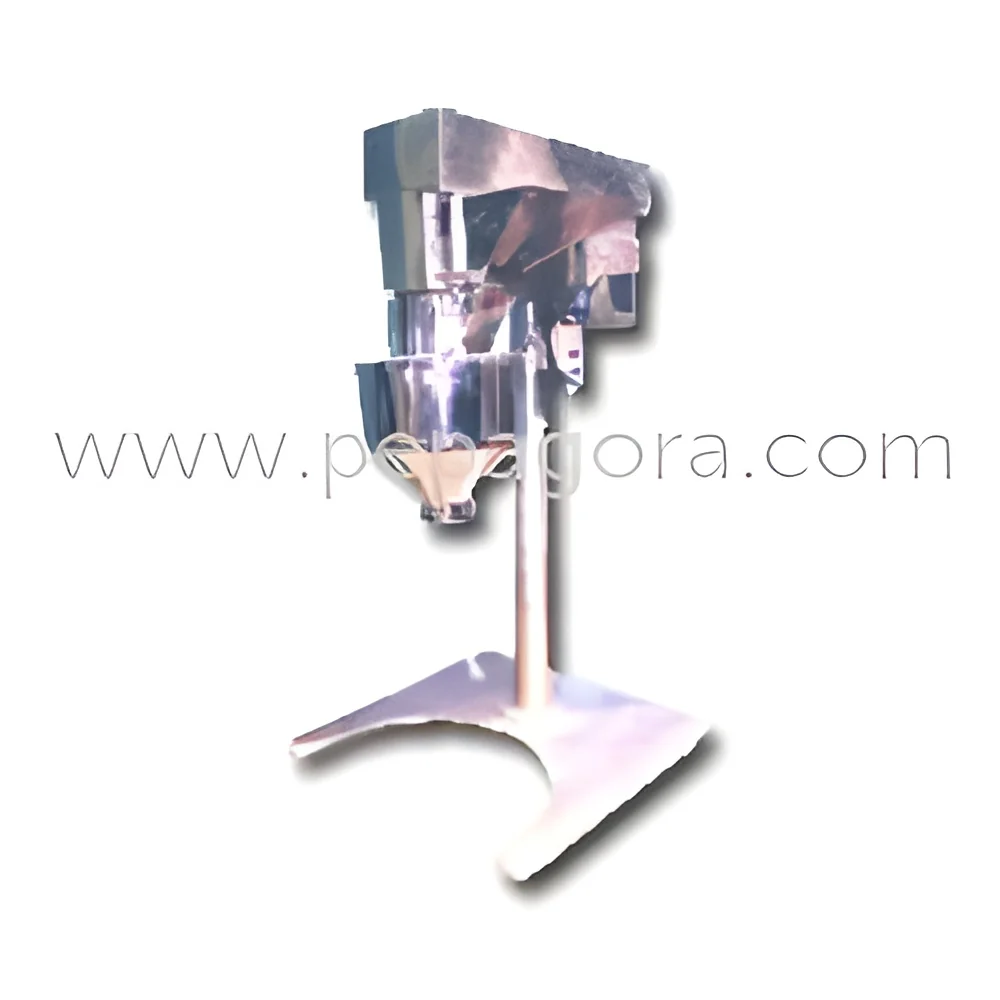
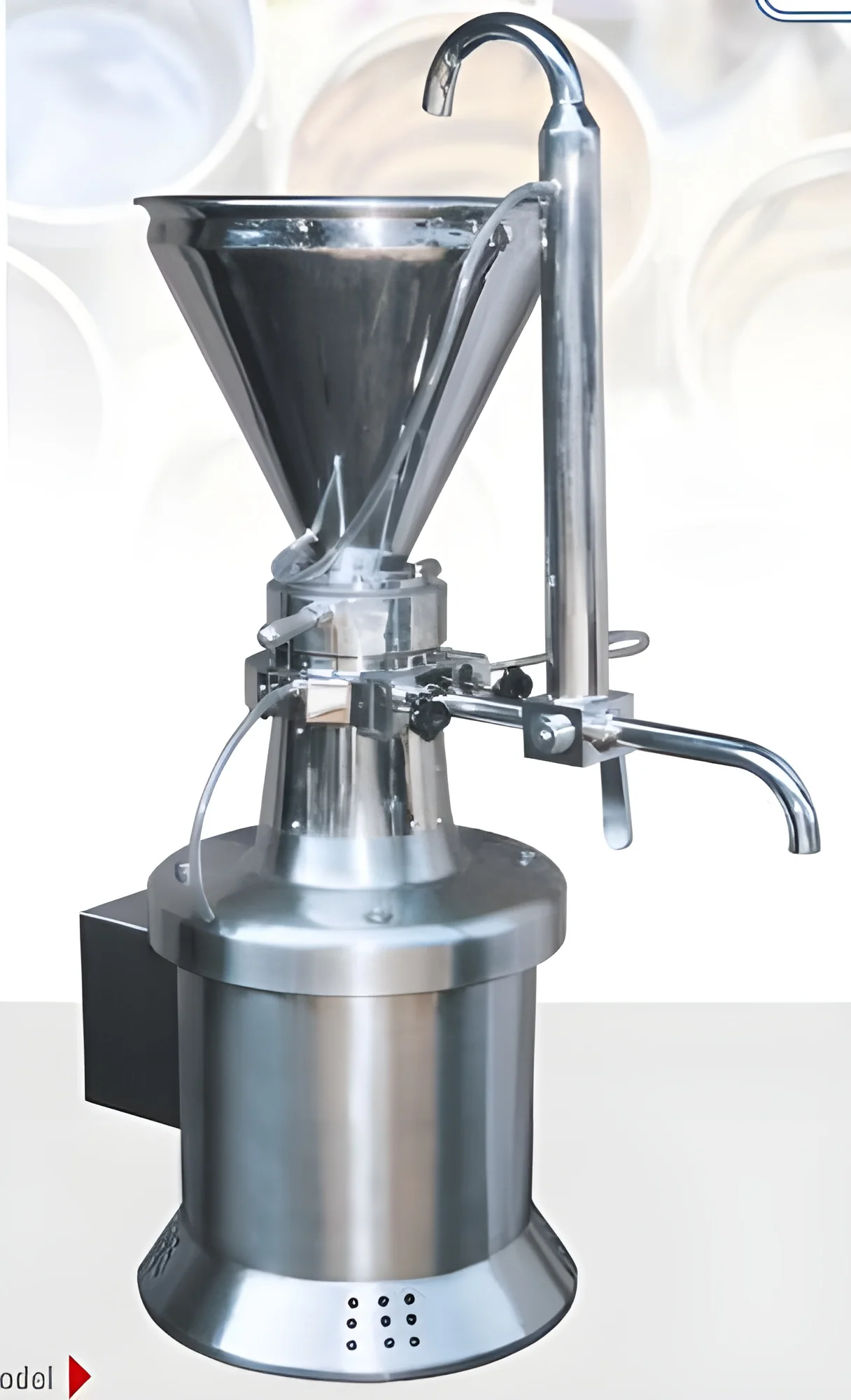
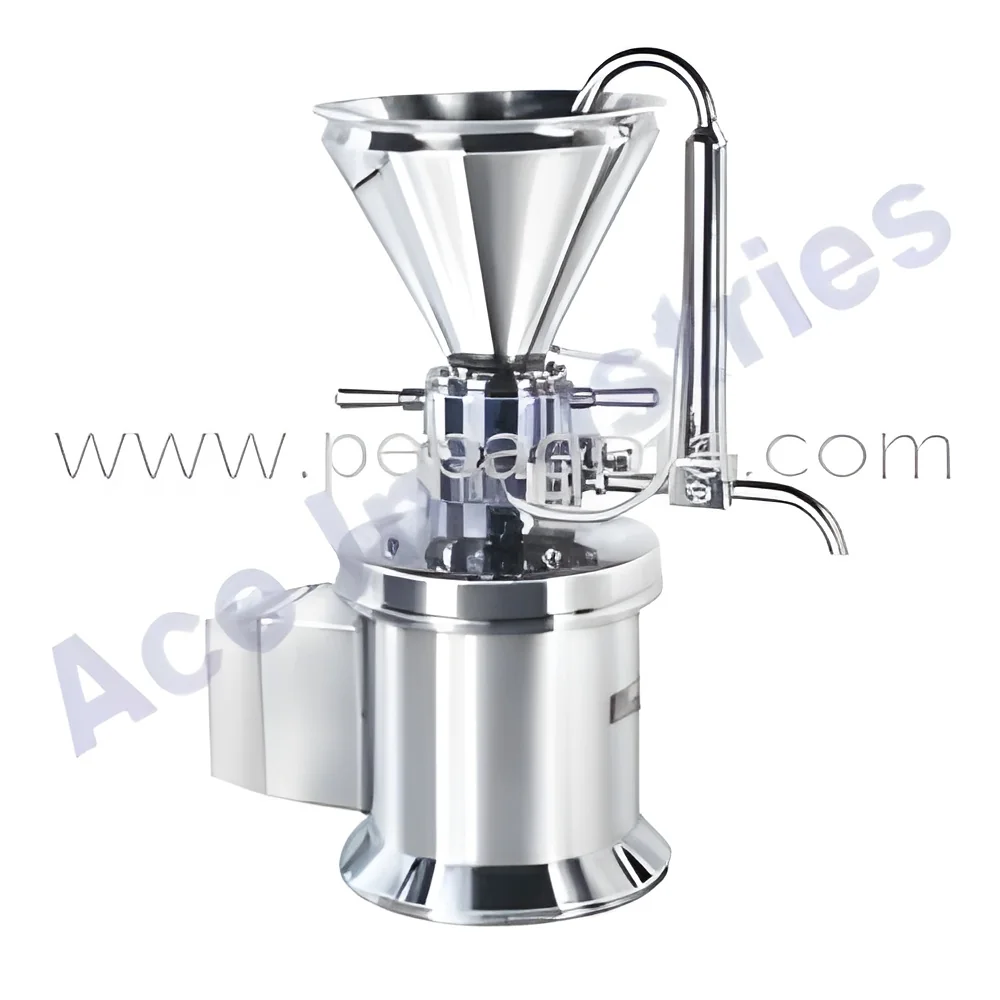
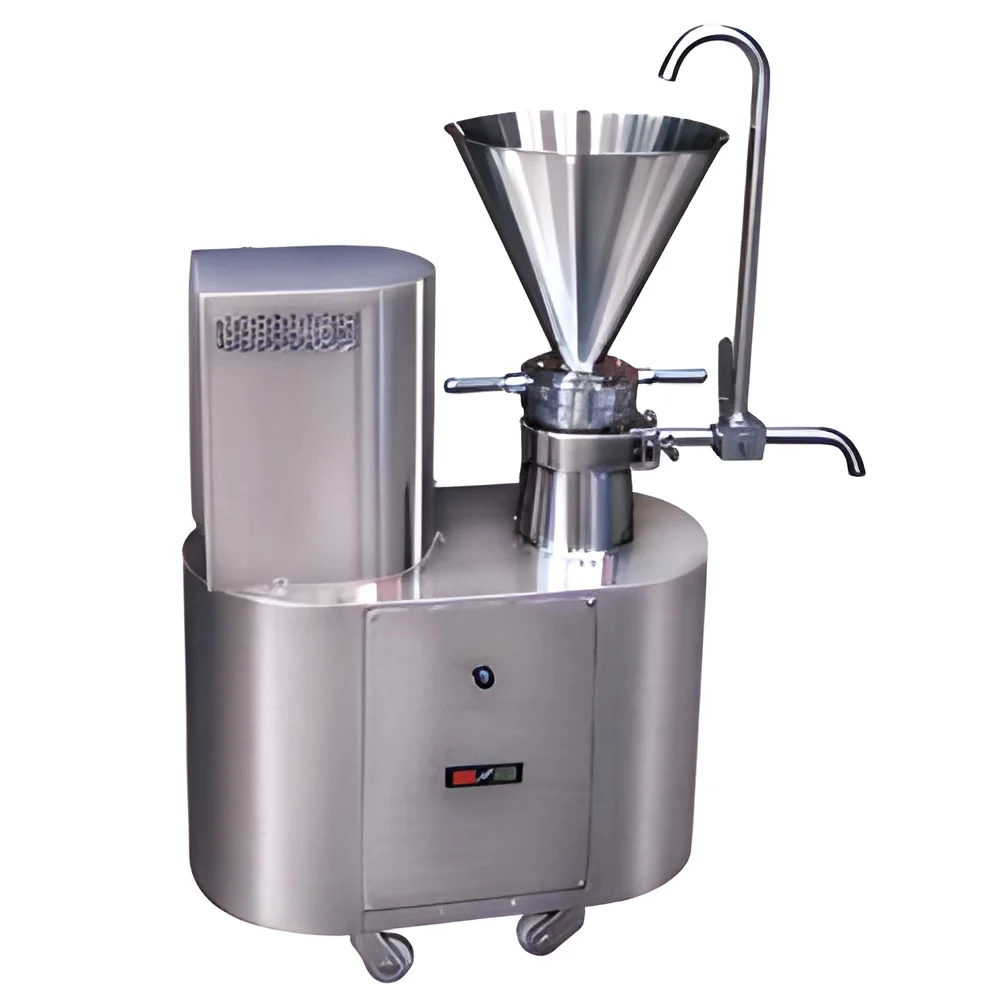
What are Homogenizers & Colloid Mills?
Homogenizers and colloid mills are essential equipment in various industrial processes, specifically designed to create uniform and stable mixtures by reducing particle size and ensuring consistent product quality. Homogenizers work by forcing materials through a narrow space at high pressure, effectively breaking down particles, while colloid mills utilize a rotor-stator mechanism to achieve similar results through mechanical shear.
These devices are primarily used in industries such as food and beverage, pharmaceuticals, cosmetics, and chemicals. Their applications range from emulsifying oils in creams to creating stable suspensions in liquid products. The ability to achieve fine particle sizes and uniform distribution is crucial for ensuring product stability, texture, and overall quality.
As industries evolve and demand higher-quality products, the relevance of homogenizers and colloid mills has surged. The market for these products is expanding, driven by the need for efficient processing and strict regulatory standards in production. With the increasing emphasis on quality assurance, these machines play a critical role in enhancing operational efficiency and product consistency across various sectors.
Key Features and Specifications
Homogenizers and colloid mills come with several key features that enhance their performance and suitability for diverse applications. Understanding these specifications helps B2B buyers make informed decisions.
Key specifications include:
1. Particle Size Reduction
- Achievable particle sizes can range from microns to nanometers.
- This specification is crucial for applications requiring fine emulsions or suspensions.
2. Flow Rate
- Flow rates can vary significantly, typically from 1 to 20,000 liters per hour.
- This parameter indicates the volume of material that can be processed within a specific time frame.
3. Pressure Range
- Operating pressures can range from 50 to 2000 psi.
- Higher pressures can facilitate finer emulsions and improved product consistency.
4. Energy Consumption
- Energy requirements vary based on the model and application, often measured in kilowatts.
- Efficient energy use is vital for cost-effective production.
5. Construction Material
- Common materials include stainless steel and high-grade alloys.
- These materials ensure durability and compliance with hygiene standards.
6. Maintenance Requirements
- Some models are designed for easy cleaning and maintenance.
- Reduced downtime improves overall productivity.
In summary, selecting the right homogenizer or colloid mill involves understanding these key specifications, as they directly impact performance and application suitability.
Common Applications and Use Cases
Homogenizers and colloid mills are versatile machines used across various industries to improve product quality and consistency.
1. Food and Beverage: These machines are used to create stable emulsions in sauces, dressings, and beverages, ensuring uniform texture and flavor distribution.
2. Pharmaceuticals: In this sector, they are crucial for formulating emulsions and suspensions in medications, enhancing bioavailability and effectiveness.
3. Cosmetics: Homogenizers and colloid mills help in producing creams, lotions, and other personal care products by ensuring a smooth and consistent texture.
4. Chemicals: Used for mixing and dispersing chemicals, these machines ensure uniformity in products like paints and coatings.
5. Biotechnology: They play a role in cell disruption and extraction processes, aiding in the production of various bioproducts.
6. Agriculture: These devices are employed in the formulation of pesticides and fertilizers, ensuring thorough mixing and effectiveness.
7. Adhesives: Homogenizers are used to achieve consistent viscosity and application properties of adhesives and sealants.
Product Variants and Subcategories
Homogenizers and colloid mills are available in various configurations to meet specific processing needs.
High-Pressure Homogenizers
These machines are designed for applications requiring intense pressure, suitable for producing fine emulsions and ensuring uniform consistency in products.
Batch Colloid Mills
Ideal for smaller production runs, these mills allow for precise control over the processing of materials, making them suitable for specialty products.
Inline Homogenizers
These variants are integrated into production lines for continuous processing, providing efficiency and consistency for large-scale operations.
Benefits and Advantages
Investing in homogenizers and colloid mills offers several advantages for businesses looking to improve their product quality and operational efficiency.
1. Improved Product Consistency: These machines ensure uniform particle size and distribution, leading to higher quality end products.
2. Enhanced Stability: By creating stable emulsions and suspensions, they reduce the risk of separation and improve shelf life.
3. Increased Production Efficiency: High processing speeds and continuous operation capabilities lead to reduced production times.
4. Versatility: Suitable for a wide range of applications across various industries, allowing for diverse product offerings.
5. Cost Savings: Efficient processing can lead to reduced ingredient costs and minimized waste.
6. Compliance with Standards: Many models meet stringent industry standards, ensuring regulatory compliance and product safety.
Buying Guide for B2B Buyers
When sourcing homogenizers and colloid mills, it is essential to consider several factors to ensure a successful purchase.
1. Quality Assessment: Evaluate the quality of the machines based on material construction, performance history, and adherence to industry standards.
2. Supplier Verification: It is crucial to vet suppliers by checking their certifications, customer reviews, and industry reputation to ensure reliability.
3. Pricing and MOQ: Understand the pricing structures and minimum order quantities to align with budget and production needs.
4. Delivery and Lead Times: Inquire about delivery schedules and lead times to ensure timely procurement and avoid production delays.
5. Compliance Requirements: Ensure that the equipment meets necessary regulatory standards for your specific industry to guarantee safety and quality.
Compliance and Certifications
Homogenizers and colloid mills must adhere to various quality standards, including ISO 9001, which focuses on quality management systems. Compliance with HACCP ensures food safety, particularly in food and beverage applications, while GDP standards may apply in pharmaceutical contexts.
Industry certifications such as CE indicate that the equipment meets European safety, health, and environmental protection standards. Additionally, safety and testing requirements are paramount to ensure that the machines operate effectively and safely within industrial environments.
Regional compliance considerations may vary, so it is essential for buyers to understand specific regulations in their geographic areas to ensure proper usage and safety.
Why Source Homogenizers & Colloid Mills from Pepagora?
Pepagora offers a reliable platform for sourcing homogenizers and colloid mills, providing several key advantages to B2B buyers.
Verified Supplier Network: Our platform connects buyers with trusted suppliers who have undergone rigorous verification processes, ensuring high-quality products and services.
Streamlined RFQ Process: Pepagora facilitates a straightforward Request for Quotation (RFQ) process, allowing buyers to receive competitive quotes efficiently and effectively.
Trade Assurance and Support: We provide trade assurance, offering buyer protection throughout the purchasing process, which enhances confidence in transactions.
Regional Coverage: Pepagora has a wide geographic reach, servicing markets in India, the GCC, and Southeast Asia, making it a convenient choice for buyers in these regions looking for reliable equipment solutions.

 IN
IN