What are Cleanroom HVAC Systems?
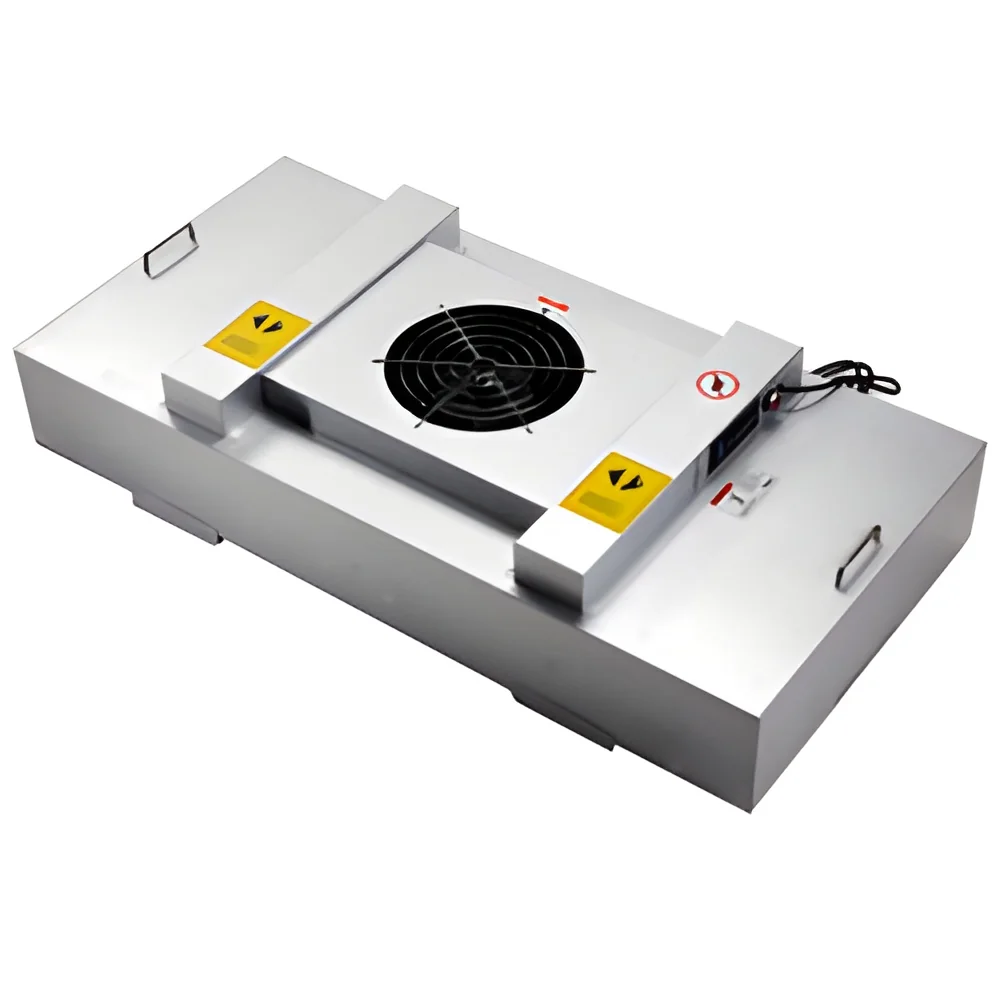
Cleanroom HVAC Systems are specialized heating, ventilation, and air conditioning solutions designed to maintain strict environmental controls in cleanroom environments. These systems work to regulate temperature, humidity, and air quality, ensuring that the cleanroom meets the necessary standards for cleanliness and compliance. Cleanroom HVAC is essential for industries that require a contamination-free environment, such as pharmaceuticals, biotechnology, and semiconductor manufacturing.
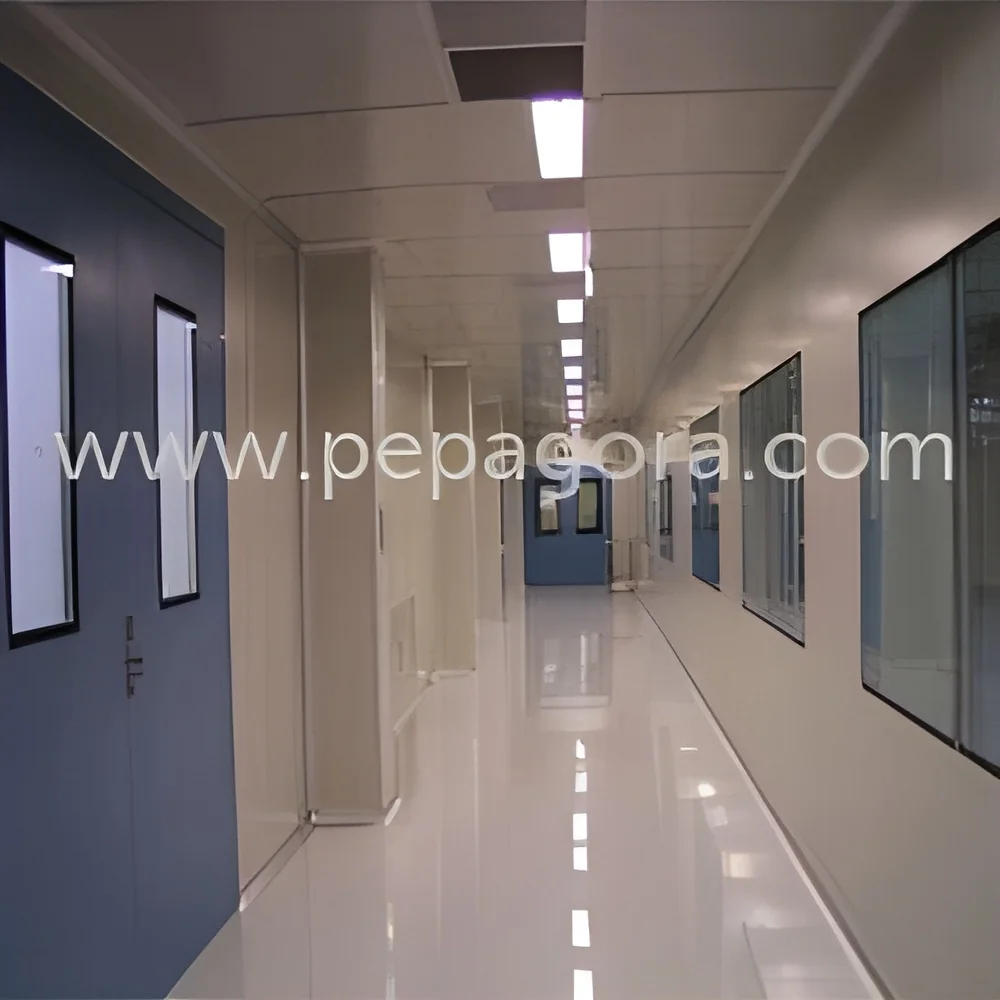
These systems are primarily used in facilities where the presence of dust, airborne microbes, and chemical vapors must be minimized. Cleanroom HVAC ensures that the air quality remains at optimal levels, which is crucial for processes that involve sensitive materials or products. By maintaining specific environmental parameters, these systems help organizations comply with industry regulations and quality standards.
As industries increasingly prioritize cleanliness and contamination control, the market for Cleanroom HVAC Systems continues to grow. This growth is driven by advancements in technology, heightened regulatory requirements, and the expansion of sectors such as healthcare and electronics. Businesses are investing in these systems to ensure efficiency and safety in their operations.
Key Features and Specifications
Cleanroom HVAC Systems offer various features that cater to the unique needs of cleanroom environments. These features ensure the systems are capable of maintaining the required environmental conditions effectively.
Key specifications include:
1. Airflow Capacity
- Designed to provide a specific volume of air per minute, measured in cubic feet per minute (CFM).
- Typical ranges vary based on cleanroom size and classification.
2. Temperature Control
- Systems maintain precise temperature levels, essential for product stability.
- Typical operating ranges depend on cleanroom requirements, often between 18°C to 24°C.
3. Humidity Control
- Capability to regulate relative humidity levels to prevent moisture-related issues.
- Commonly maintained between 30% to 65% relative humidity.
4. Filtration System
- Equipped with high-efficiency particulate air (HEPA) or ultra-low penetration air (ULPA) filters.
- Filters remove particles as small as 0.3 microns to ensure air purity.
5. Energy Efficiency
- Designed to optimize energy consumption while maintaining performance.
- Many systems comply with energy efficiency standards.
6. Monitoring and Control Systems
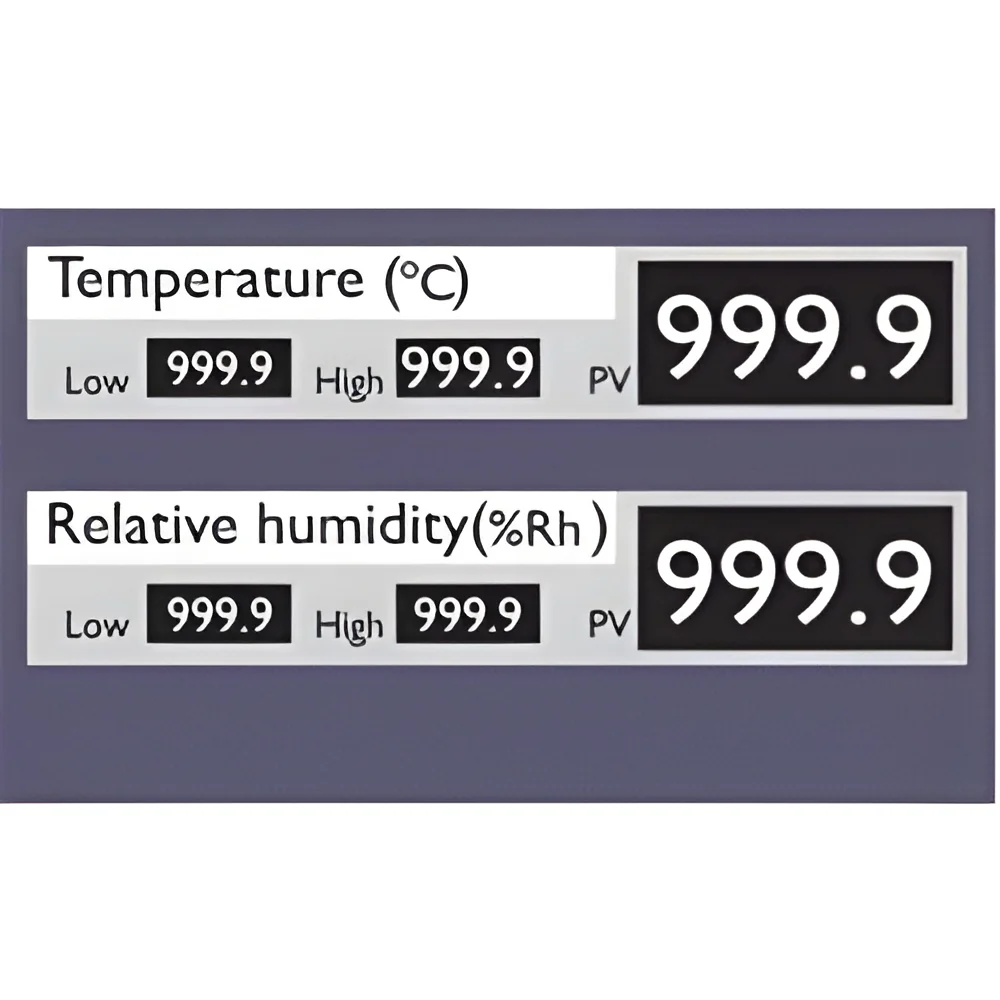
- Advanced systems include real-time monitoring for temperature, humidity, and particle count.
- Often integrated with building management systems for centralized control.
7. Noise Level
- Designed to operate quietly to avoid disruption in sensitive environments.
- Typical noise levels are below 60 decibels.
8. Compliance Standards
- Many systems meet international standards, including ISO 14644 for cleanroom classifications.
- Certification for performance and safety, such as CE marking.
These specifications ensure that Cleanroom HVAC Systems are effective in maintaining the stringent requirements of cleanroom operations.
Common Applications and Use Cases
Cleanroom HVAC Systems are utilized across a broad range of industries where cleanliness is paramount.
1. Pharmaceuticals: Used in the production and packaging of drugs, where contamination can compromise product integrity.
2. Biotechnology: Essential for research and manufacturing processes that require sterile environments for cell cultures and biological samples.
3. Semiconductor Manufacturing: Maintains strict air quality and temperature controls necessary for the fabrication of microchips.
4. Aerospace: Used in assembly and testing areas to prevent contamination of sensitive components and materials.
5. Food and Beverage: Ensures a controlled environment for processing and packaging to uphold hygiene standards.
6. Medical Device Manufacturing: Critical for producing devices that require high levels of sterility and precision.
7. Laboratory Environments: Supports research labs that must adhere to strict cleanliness protocols.
Product Variants and Subcategories
Cleanroom HVAC Systems come in various configurations to meet specific operational needs.
Modular Cleanroom HVAC Systems
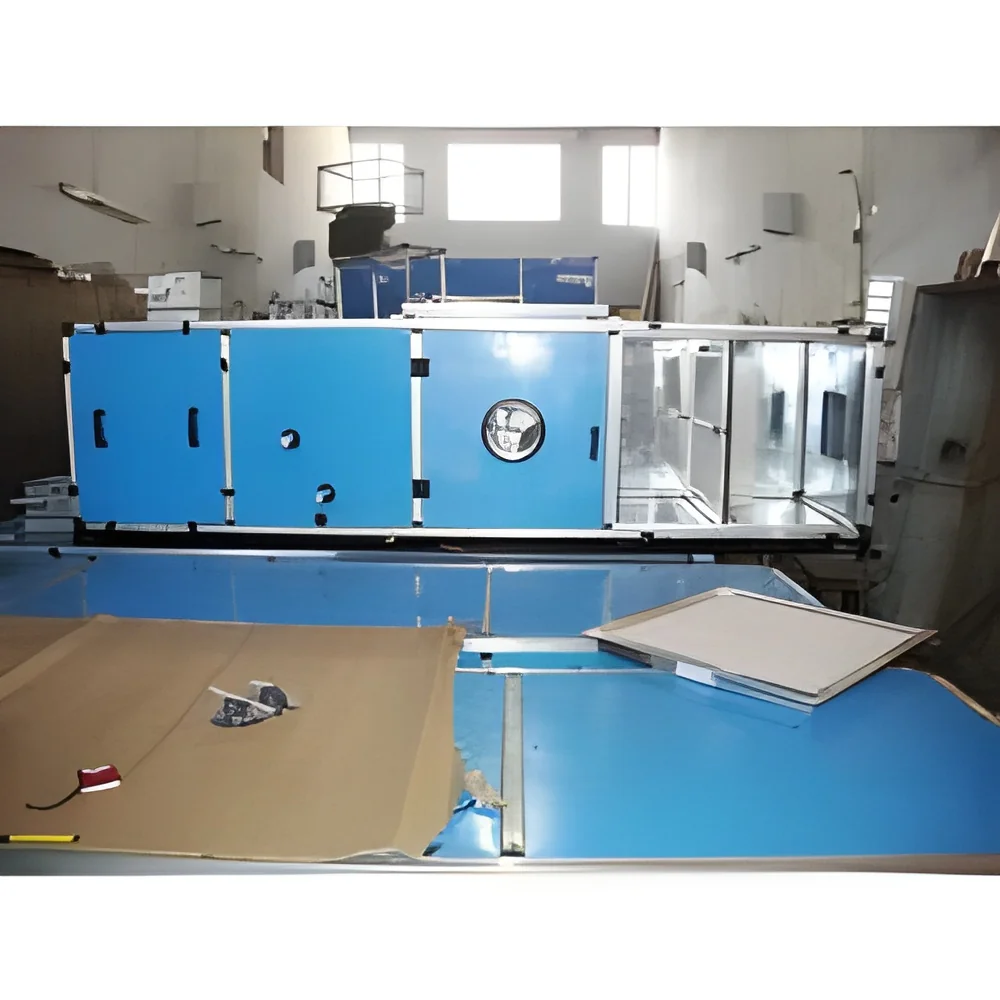
These systems are customizable and can be scaled according to the cleanroom size. They allow for efficient use of space while providing flexibility for future expansions.
Packaged Cleanroom HVAC Systems
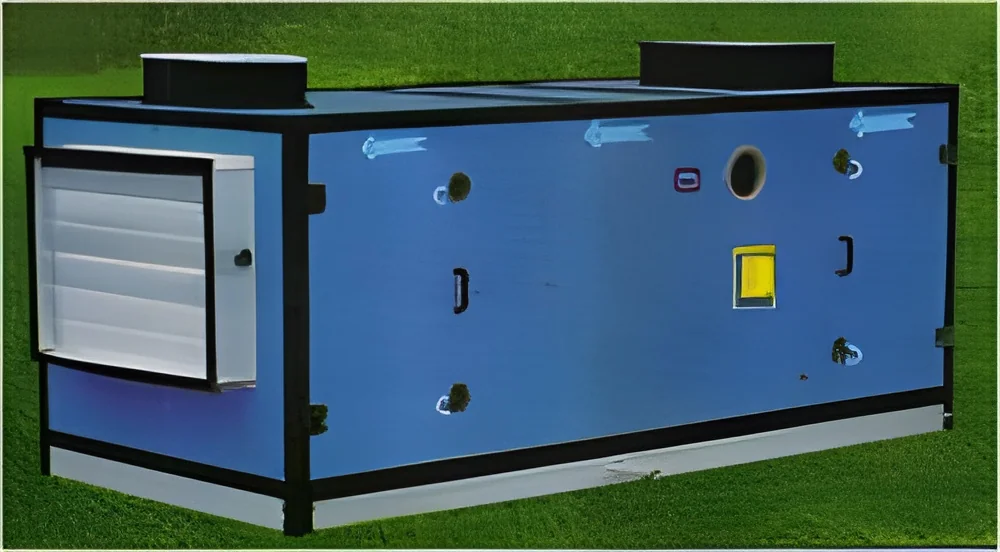
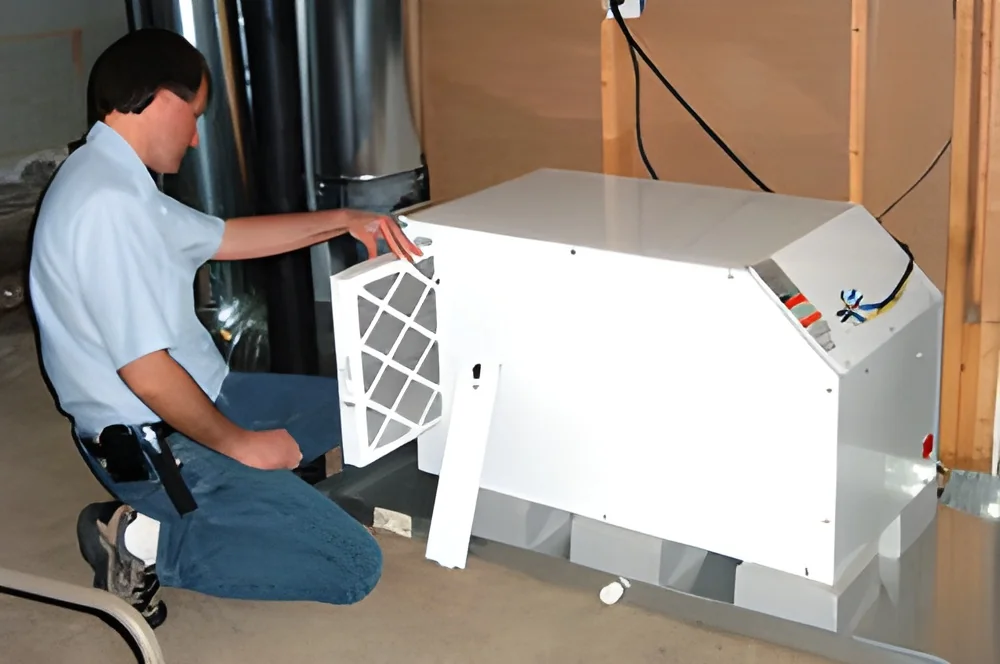
Designed as all-in-one solutions, these units integrate all necessary components, including filtration and temperature control, into a single package for easy installation.
Portable Cleanroom HVAC Units
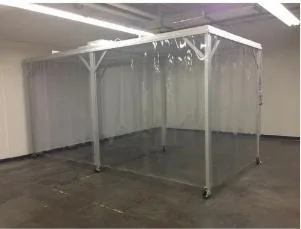
These units provide temporary cleanroom environments and are ideal for sites requiring flexibility or during maintenance of permanent systems.
Benefits and Advantages
Using Cleanroom HVAC Systems presents numerous benefits that enhance operational efficiency and compliance.
1. Improved Air Quality: These systems ensure that air contaminants are minimized, significantly improving the quality of the work environment.
2. Enhanced Compliance: By maintaining strict environmental controls, businesses can meet regulatory requirements and avoid penalties.
3. Increased Product Reliability: Consistent temperature and humidity levels contribute to the stability and reliability of sensitive products.
4. Energy Efficiency: Modern systems are designed for optimal energy use, reducing operational costs over time.
5. Scalability: Many systems can be tailored to fit the specific needs of a cleanroom, allowing for future growth and adaptation.
6. Advanced Monitoring: Real-time monitoring capabilities help identify potential issues before they escalate, ensuring continuous compliance and performance.
Buying Guide for B2B Buyers
When sourcing Cleanroom HVAC Systems, several critical factors should be considered to ensure the right choice for your facility.
1. Quality Assessment: Evaluate systems based on performance metrics and certifications. Look for products that meet ISO standards and have undergone rigorous testing for reliability.
2. Supplier Verification: Research suppliers to ensure they have a track record of providing high-quality systems and good customer service. Check for references and reviews from other businesses.
3. Pricing and MOQ: Understand the pricing structure, including any minimum order quantities. Seek quotations from multiple suppliers to ensure competitive pricing.
4. Delivery and Lead Times: Inquire about delivery schedules and lead times. Ensure that the supplier can meet your project timelines without delays.
5. Compliance Requirements: Confirm that the systems comply with relevant local and international regulations. This is crucial to avoid future compliance issues.
Compliance and Certifications
Cleanroom HVAC Systems must adhere to various industry standards and certifications to ensure safety and effectiveness.
ISO 9001 is a widely recognized quality management standard that ensures consistent quality in manufacturing processes. Compliance with this standard signifies a commitment to maintaining high quality and service levels.
CE certification indicates that the product meets European health, safety, and environmental protection standards. This certification is crucial for equipment used in industries operating within the European Union.
Additionally, adherence to safety and testing requirements ensures that the systems can operate reliably under different conditions. Regular testing and validation help maintain compliance with the latest industry standards.
Regional compliance considerations may vary, and businesses should be aware of local regulations affecting cleanroom operations, especially in sectors such as pharmaceuticals and biotechnology.
Why Source Cleanroom HVAC Systems from Pepagora?
Pepagora offers a reliable platform for sourcing Cleanroom HVAC Systems, providing several advantages for B2B buyers.
Verified Supplier Network: Pepagora connects buyers with a network of trusted suppliers. Each supplier is vetted for quality and reliability, ensuring that buyers can source systems with confidence.
Streamlined RFQ Process: The platform simplifies the request for quotation process, allowing buyers to compare multiple offers efficiently. This saves time and helps in finding the best deals.
Trade Assurance and Support: Pepagora provides trade assurance to protect buyers against potential issues. This includes support throughout the purchasing process, ensuring a smooth experience.
Regional Coverage: With a focus on markets in India, the GCC, and Southeast Asia, Pepagora caters to diverse geographic needs. This broad reach ensures that buyers can find suitable suppliers in their region.

 IN
IN