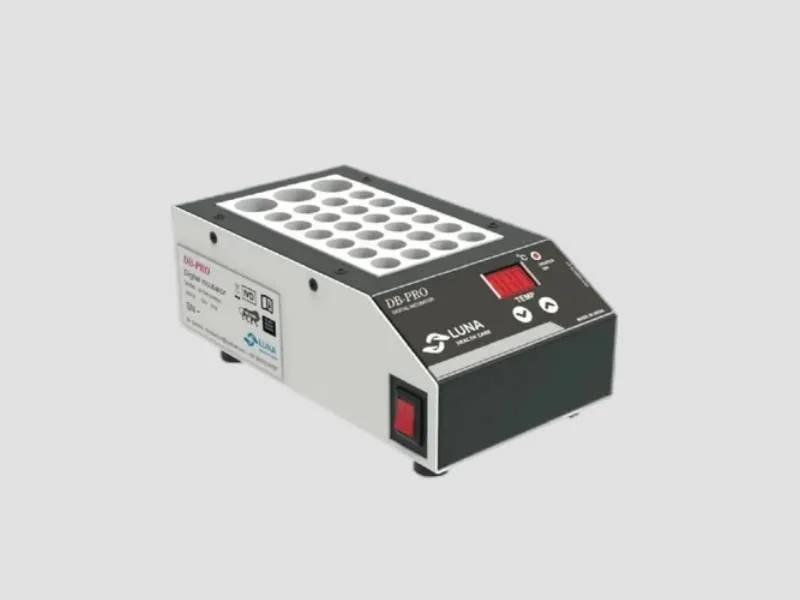
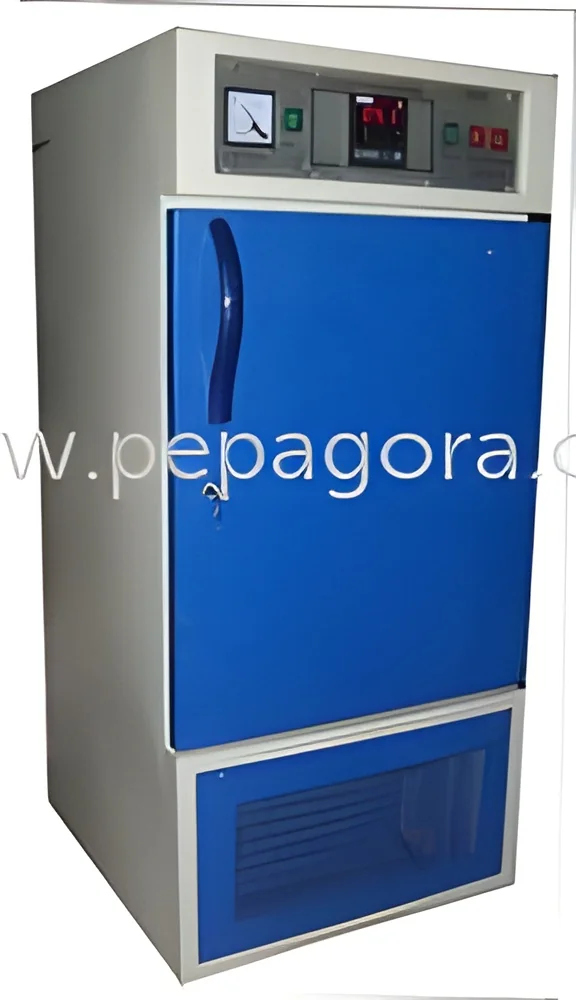
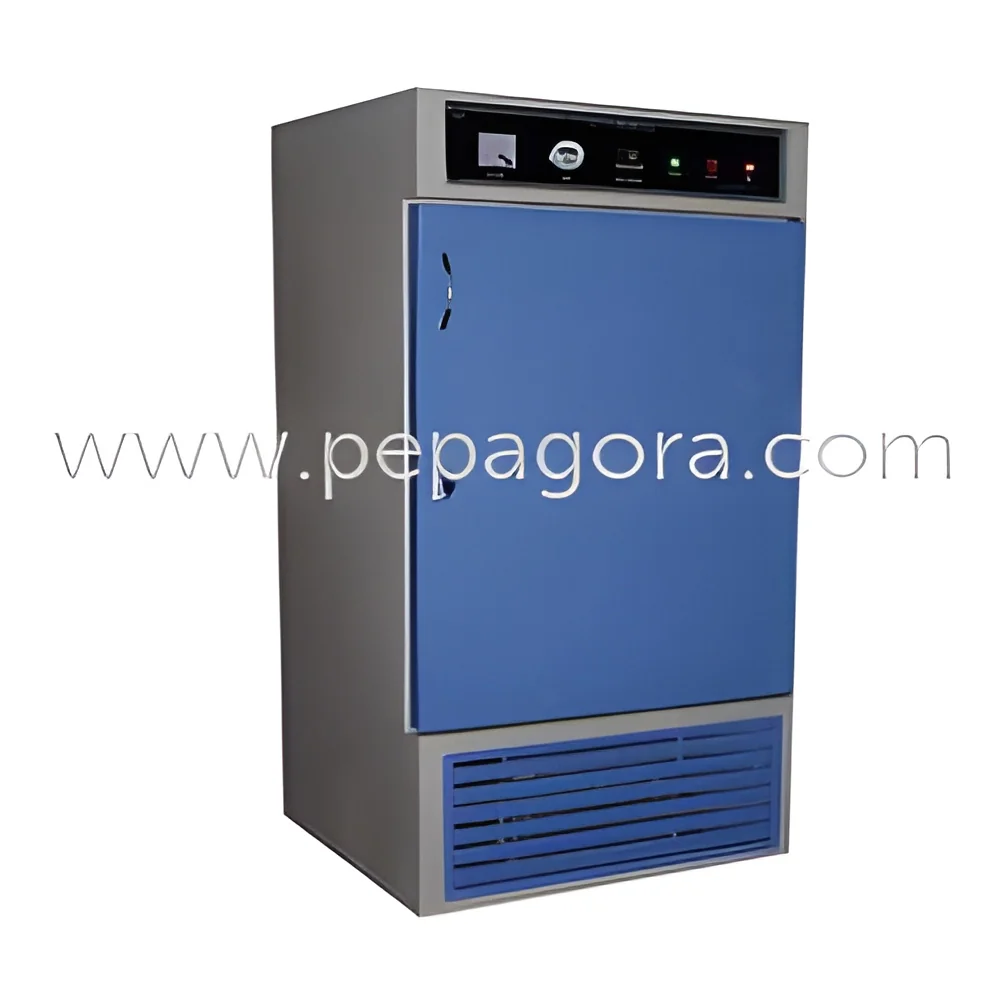
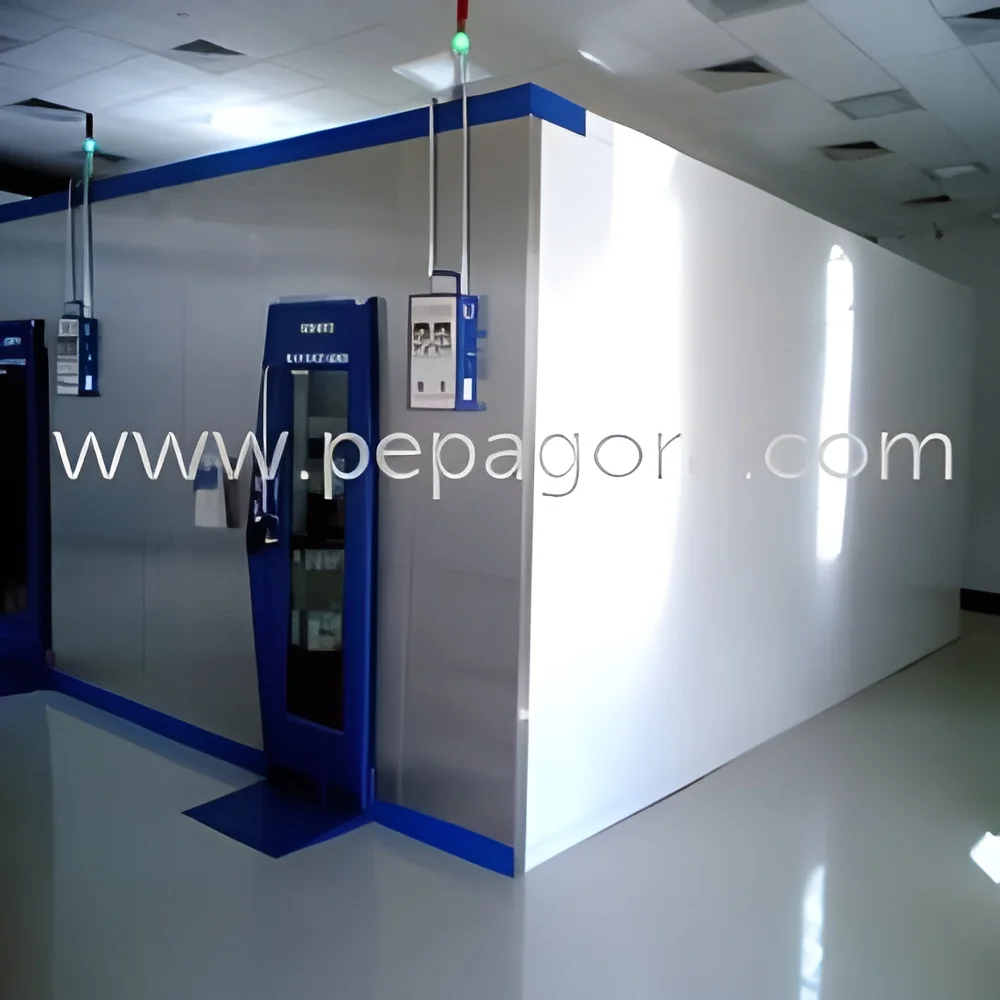
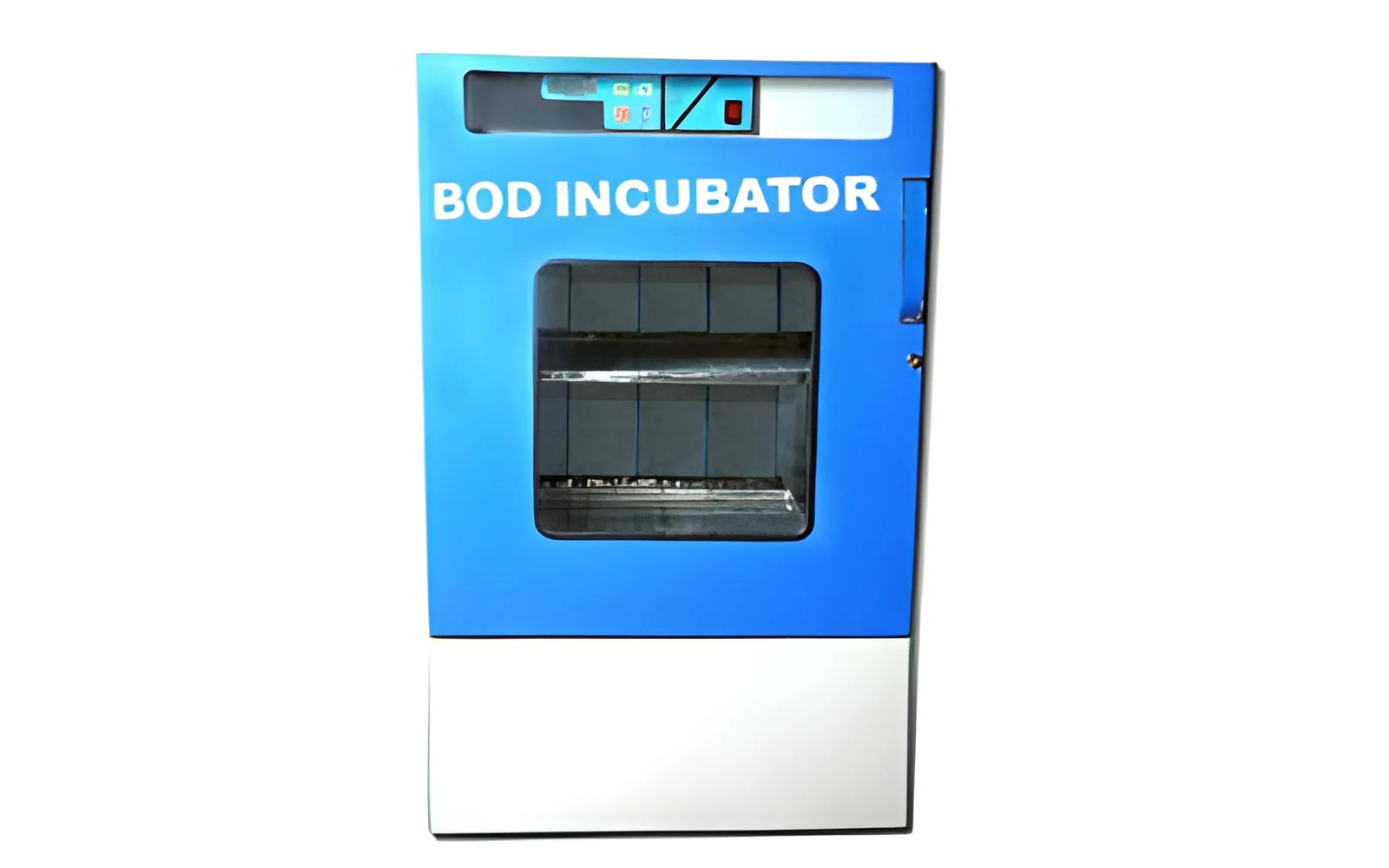
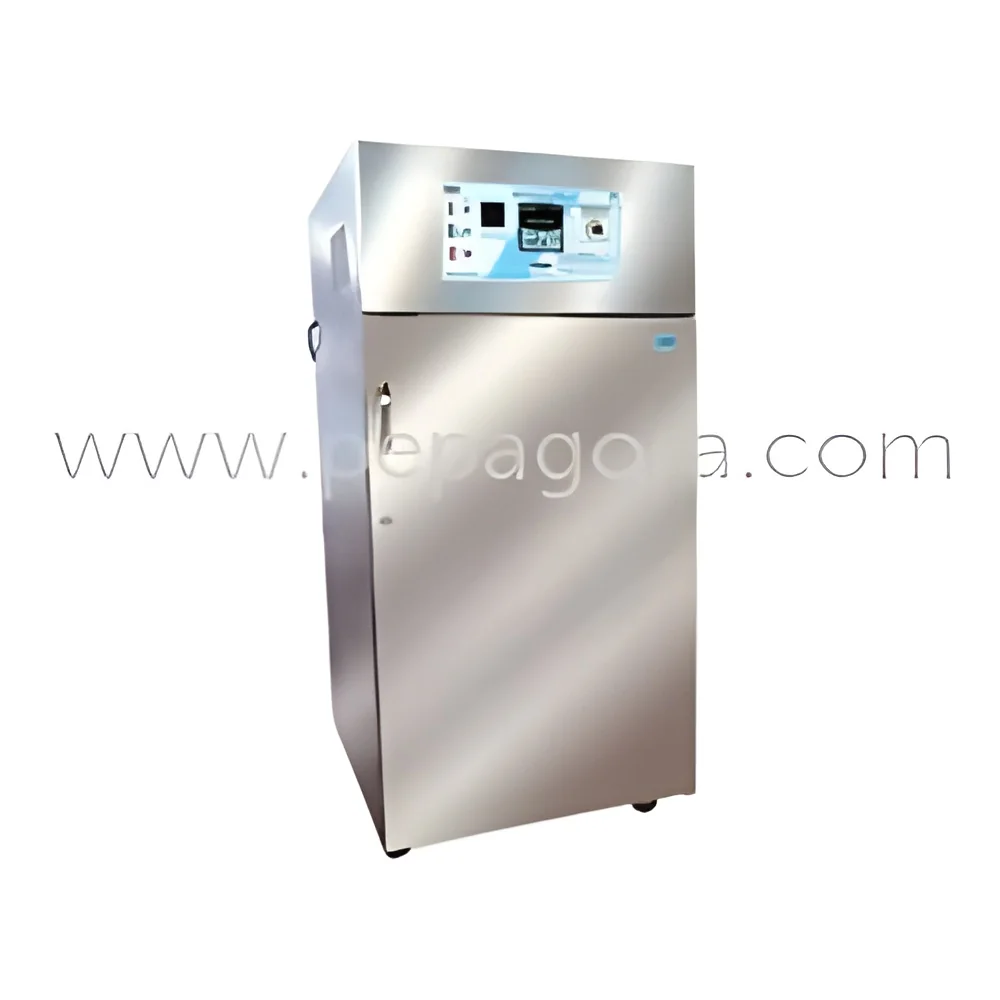
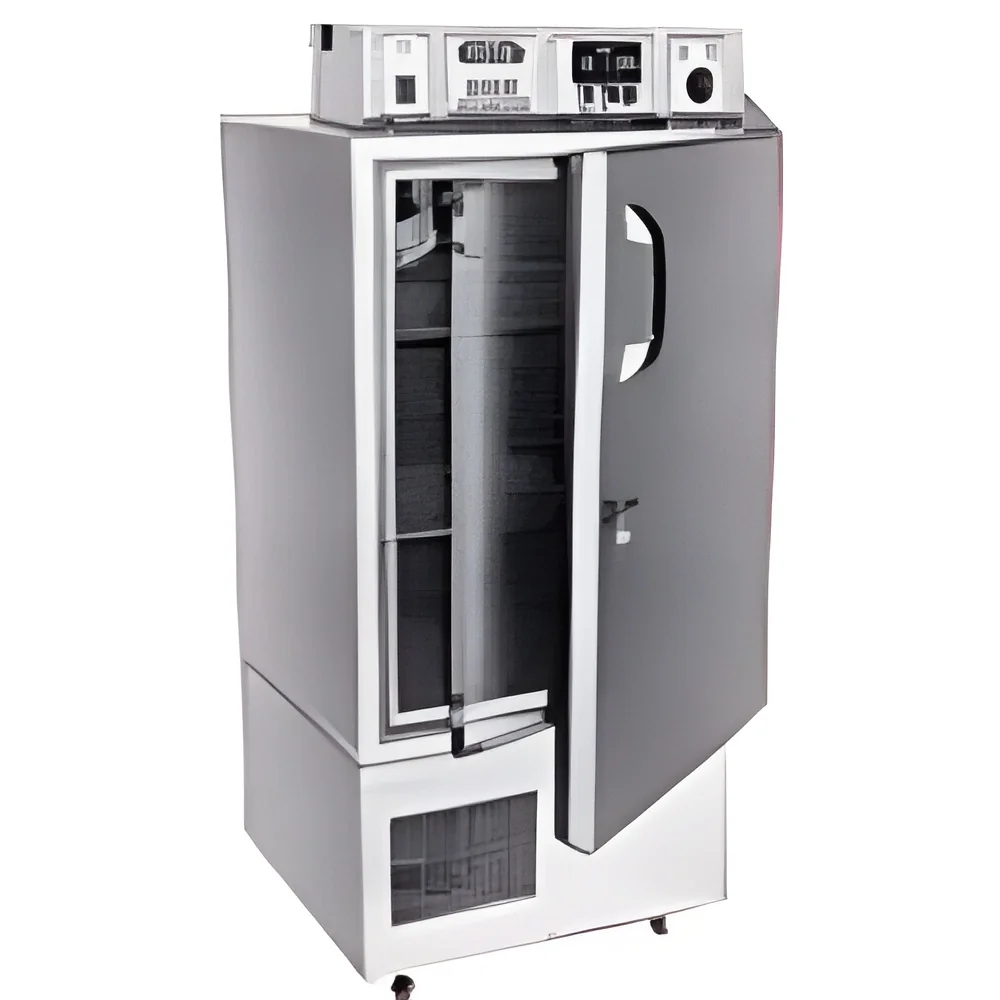
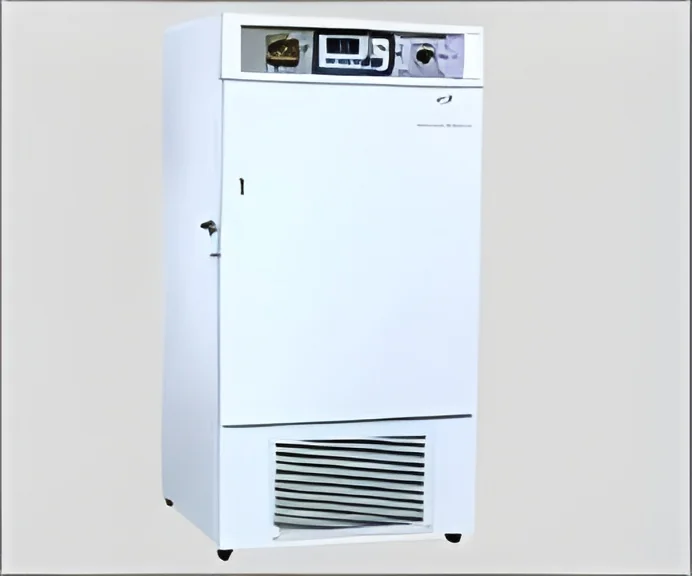
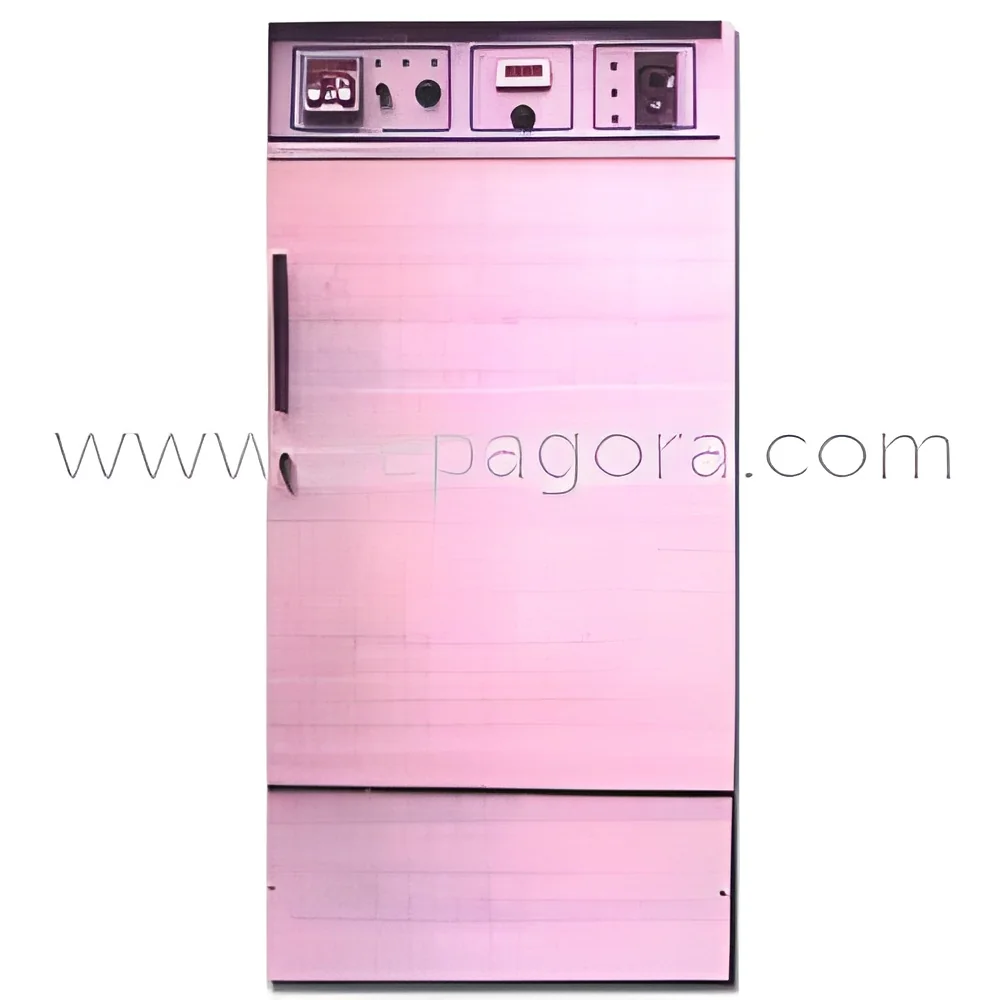
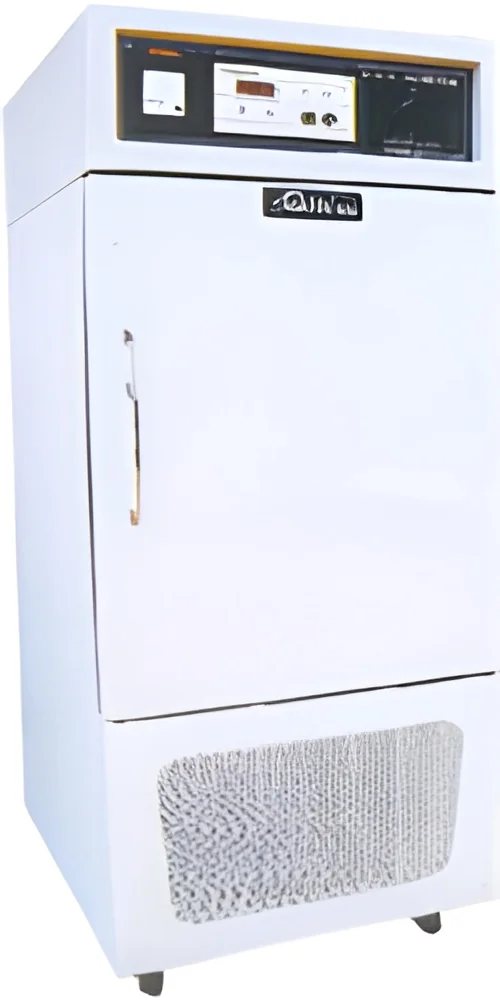
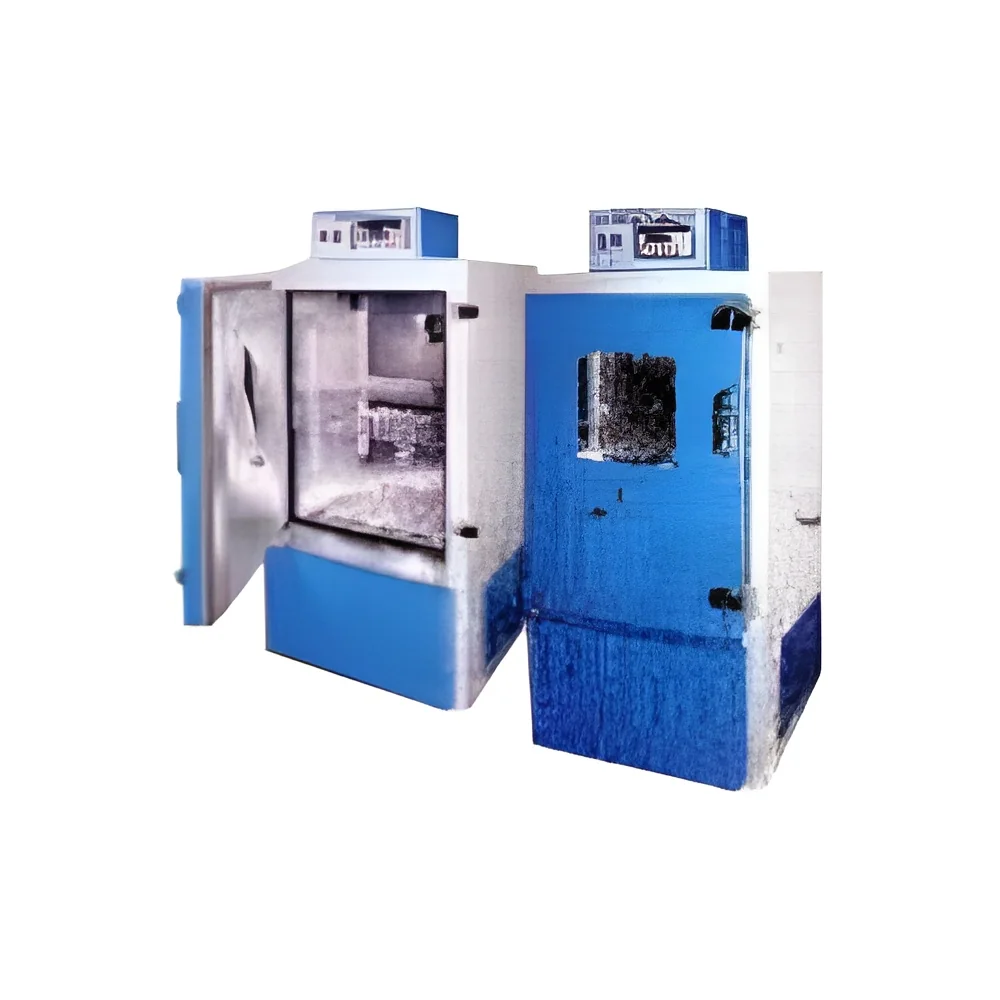
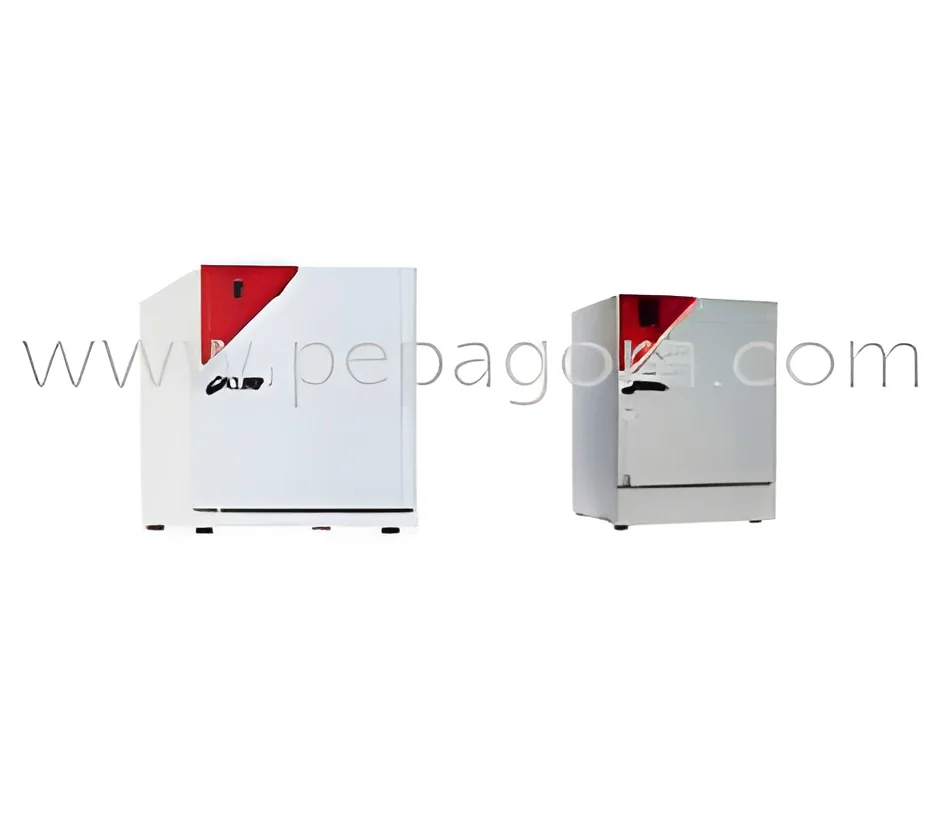
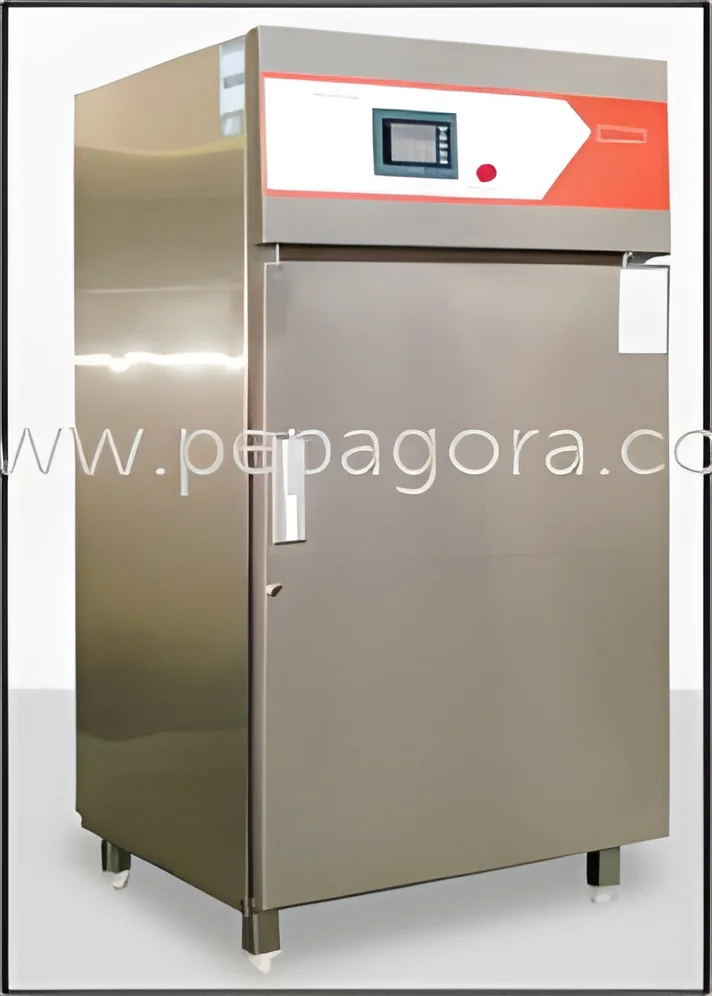
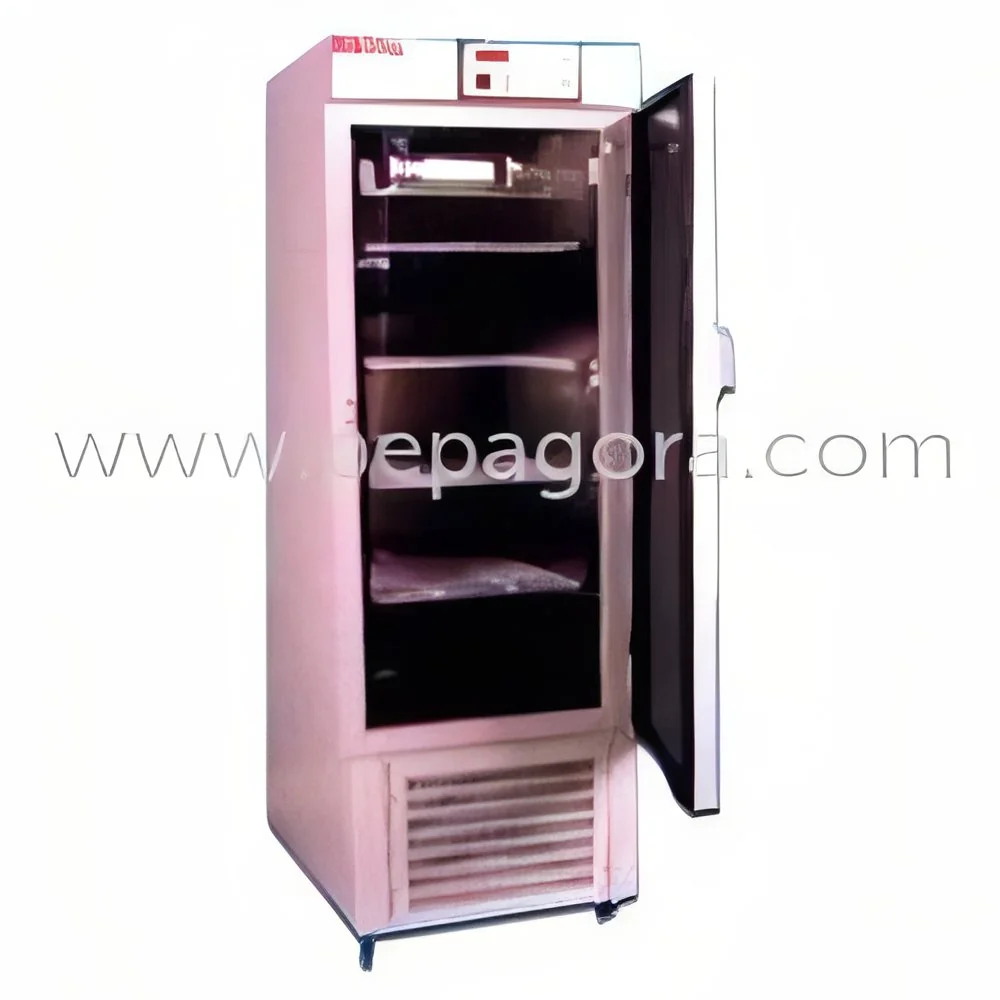
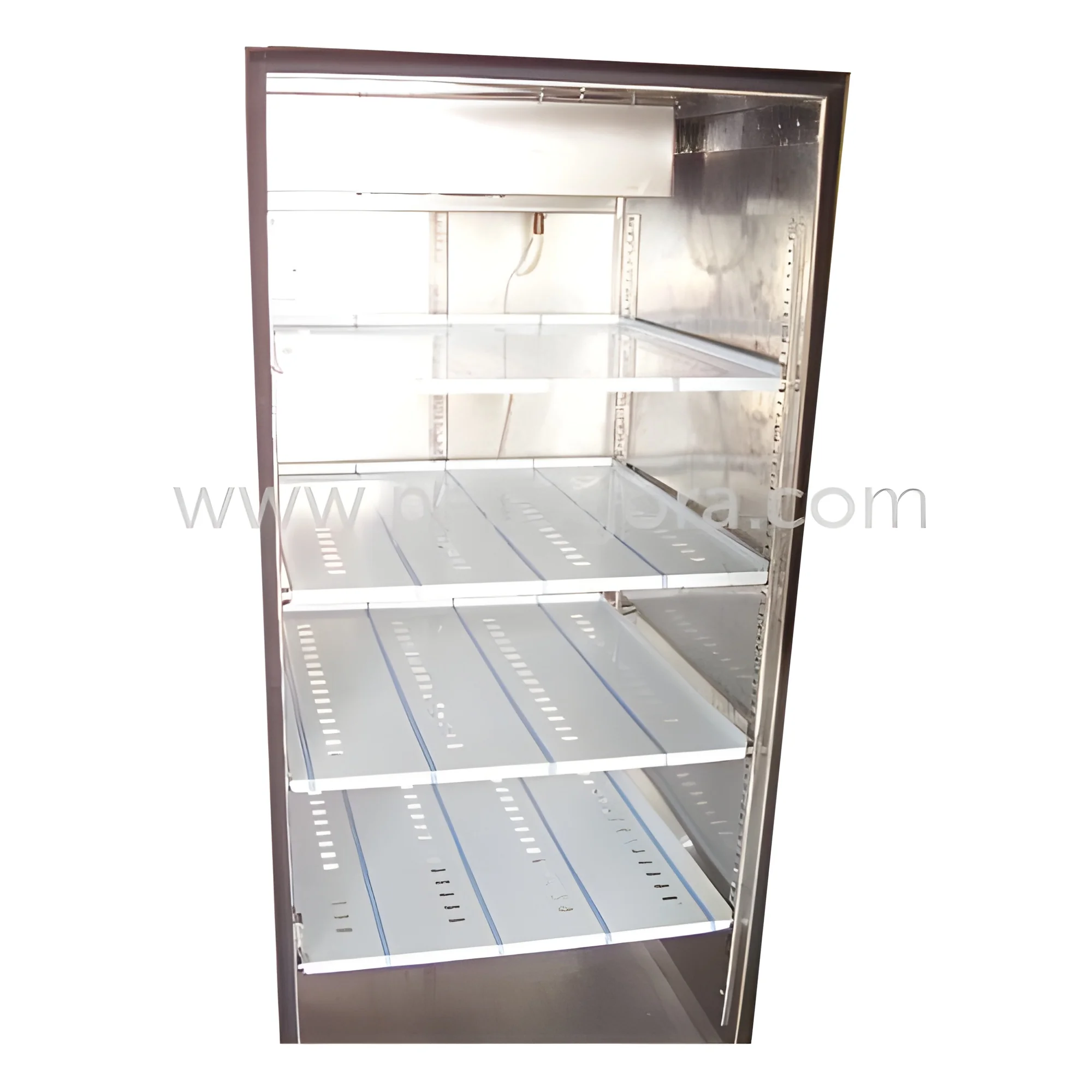
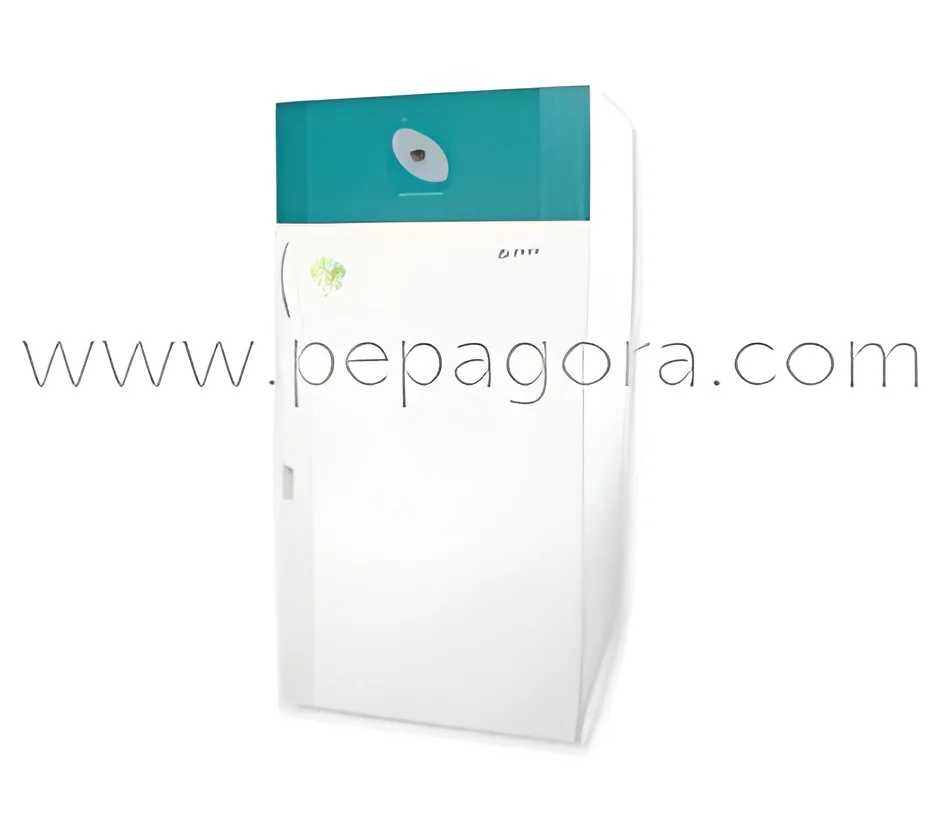
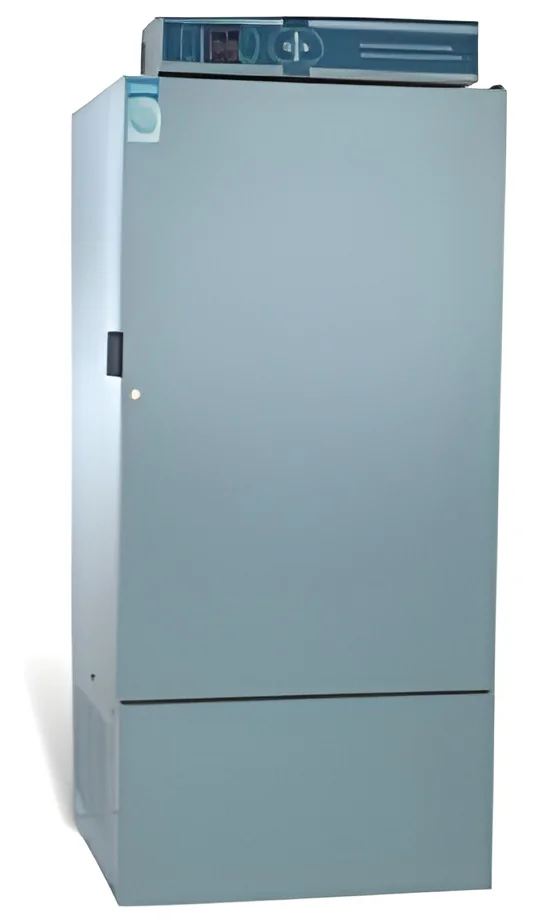
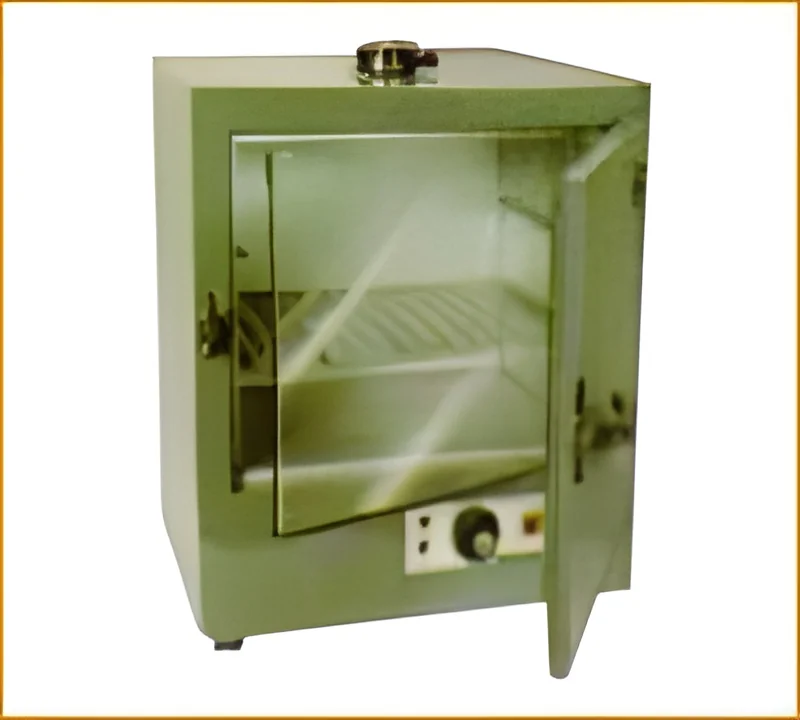
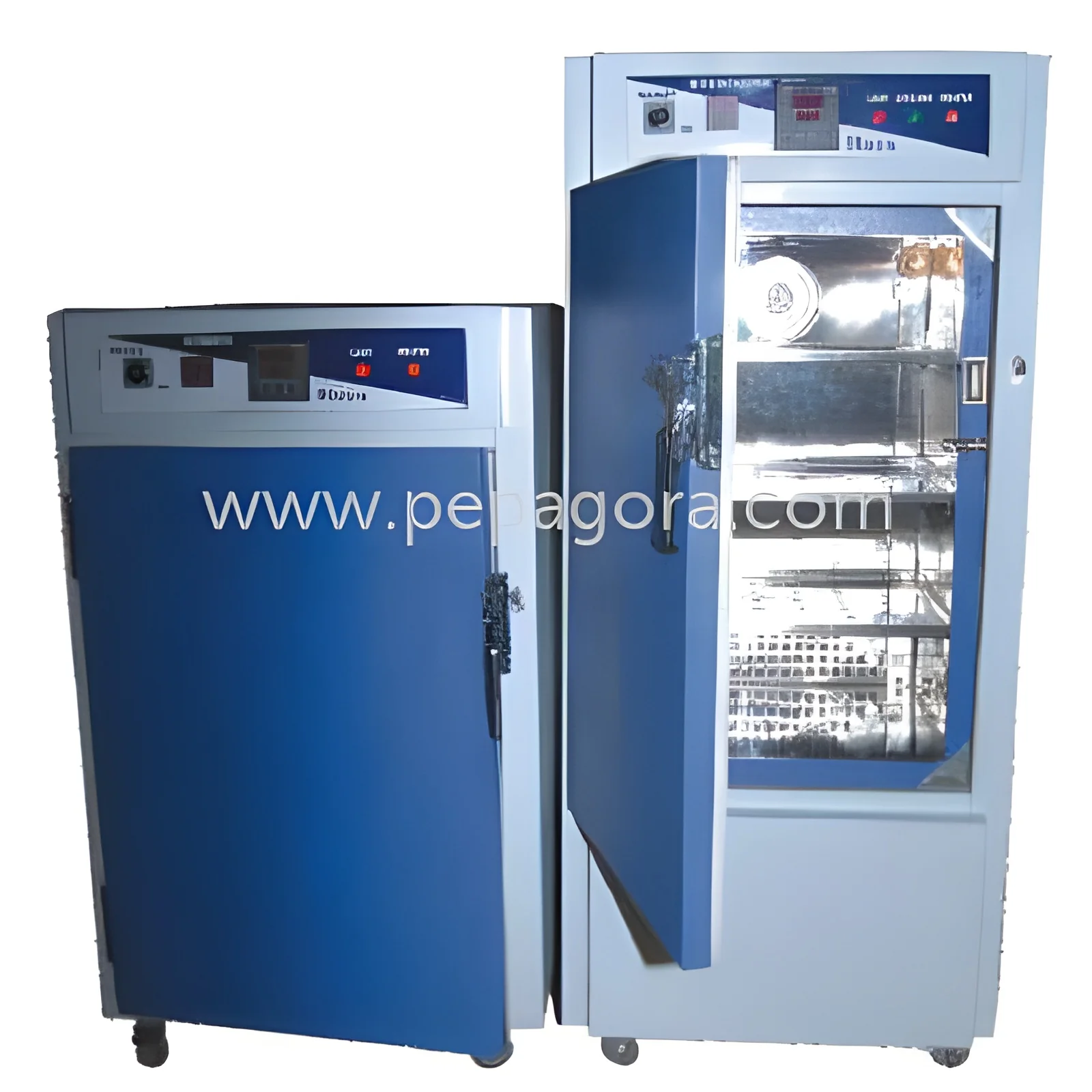
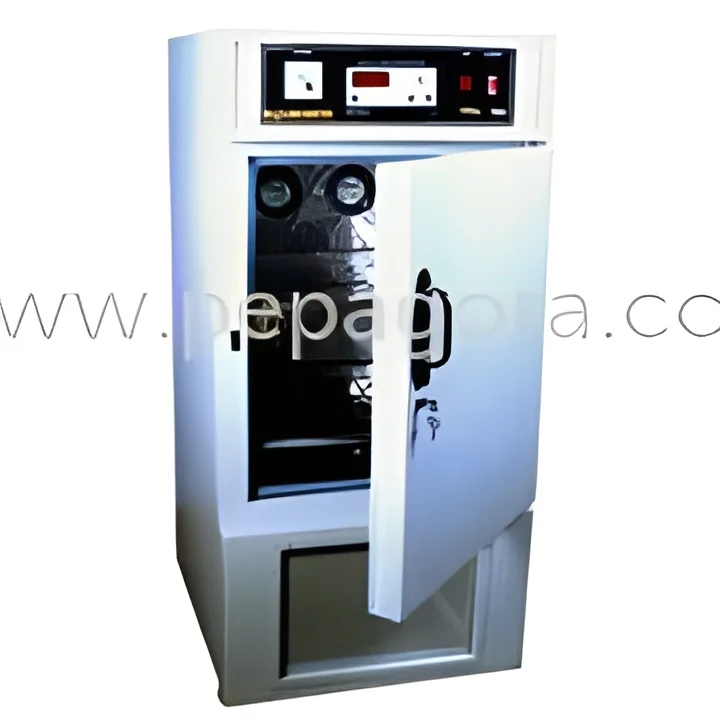
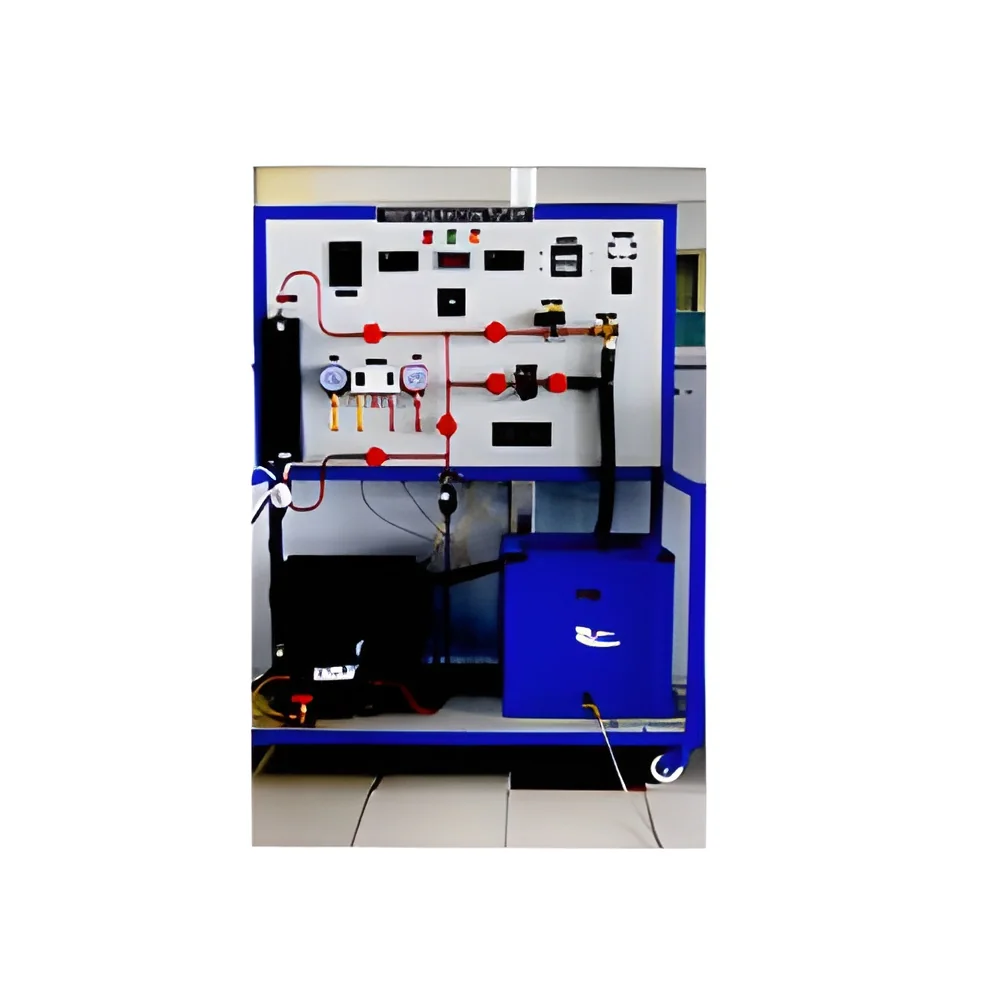
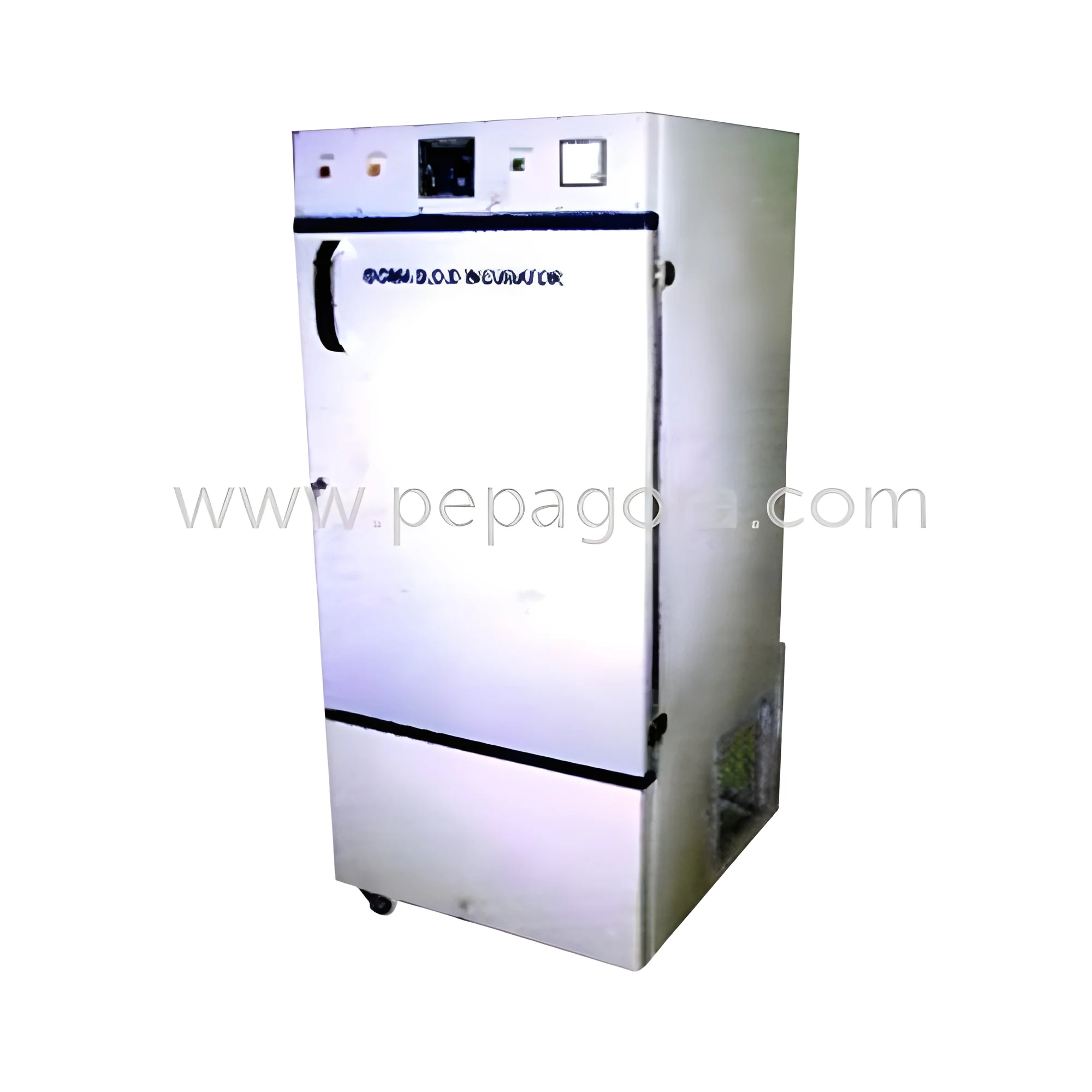
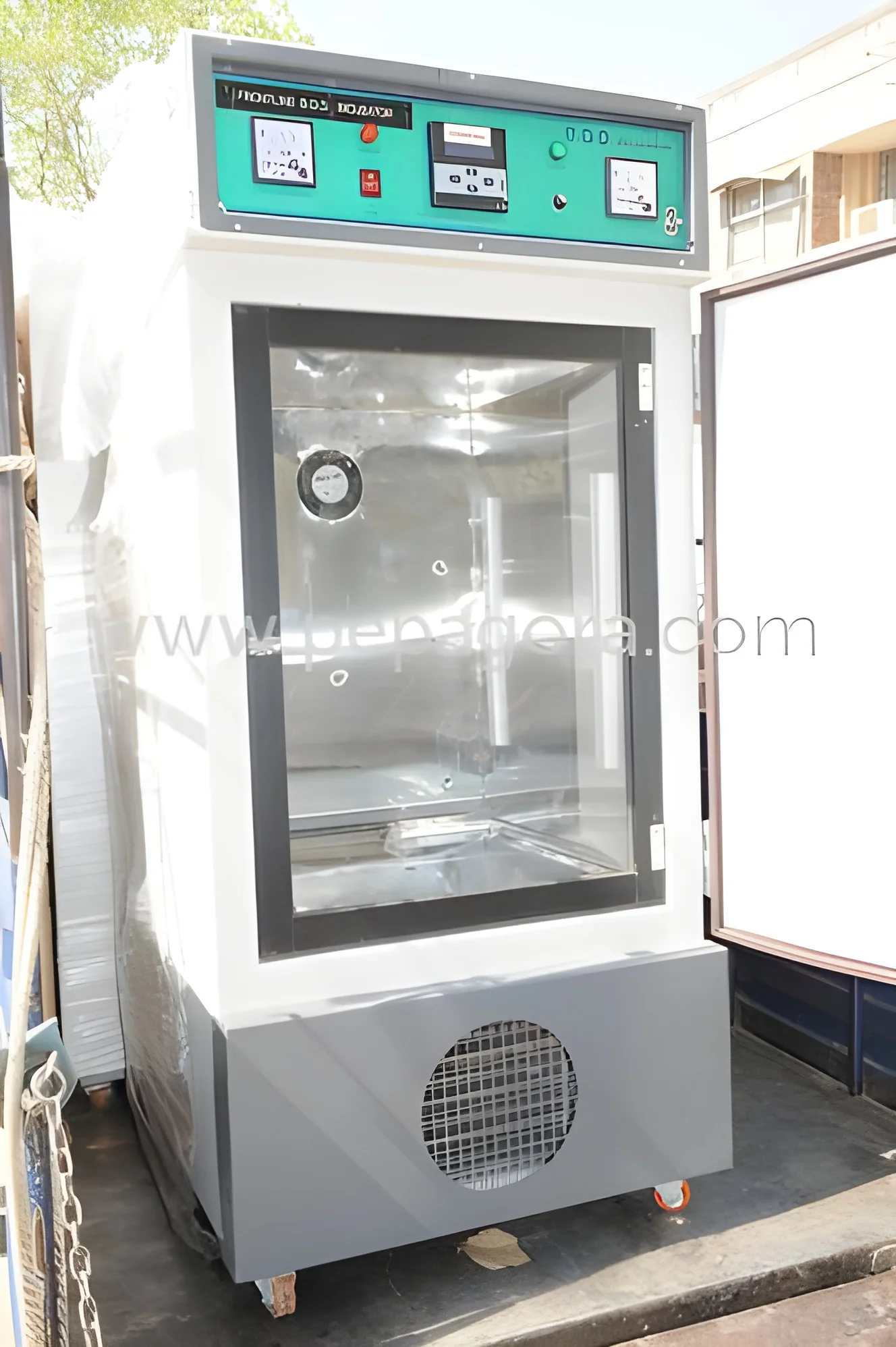
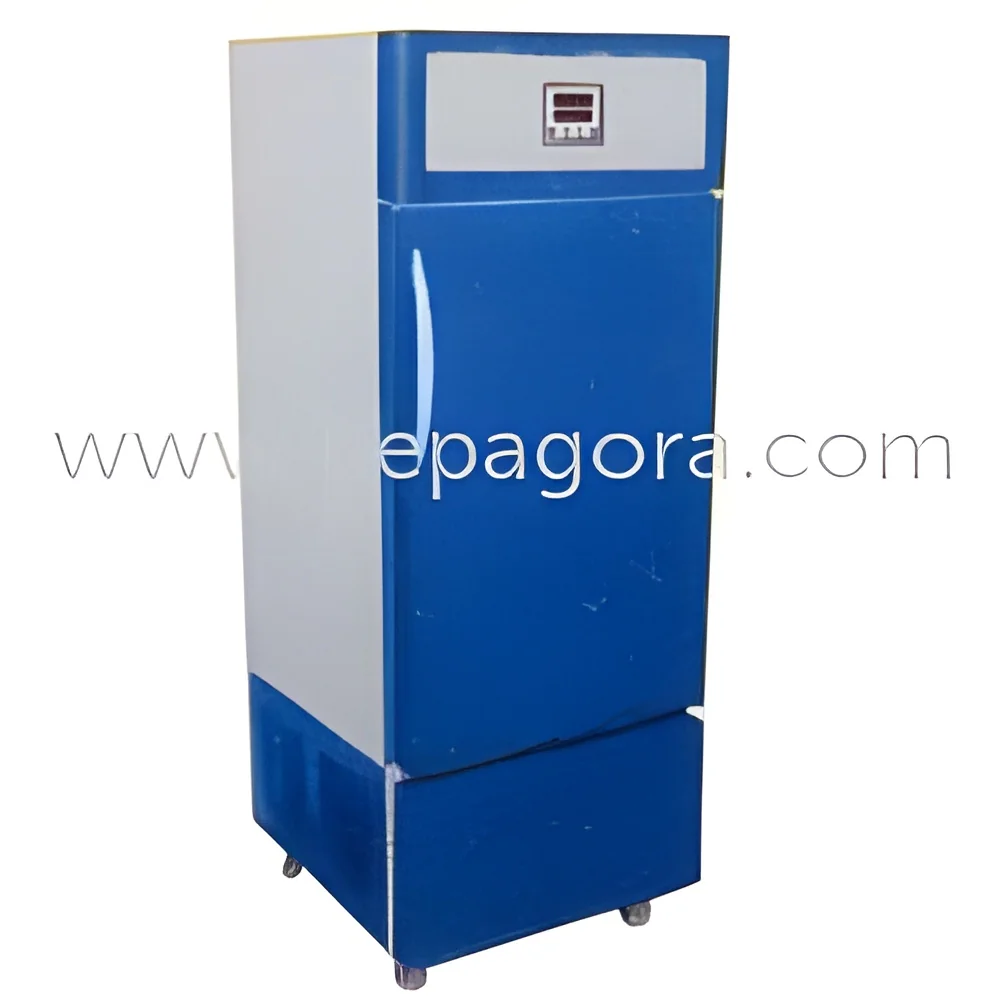
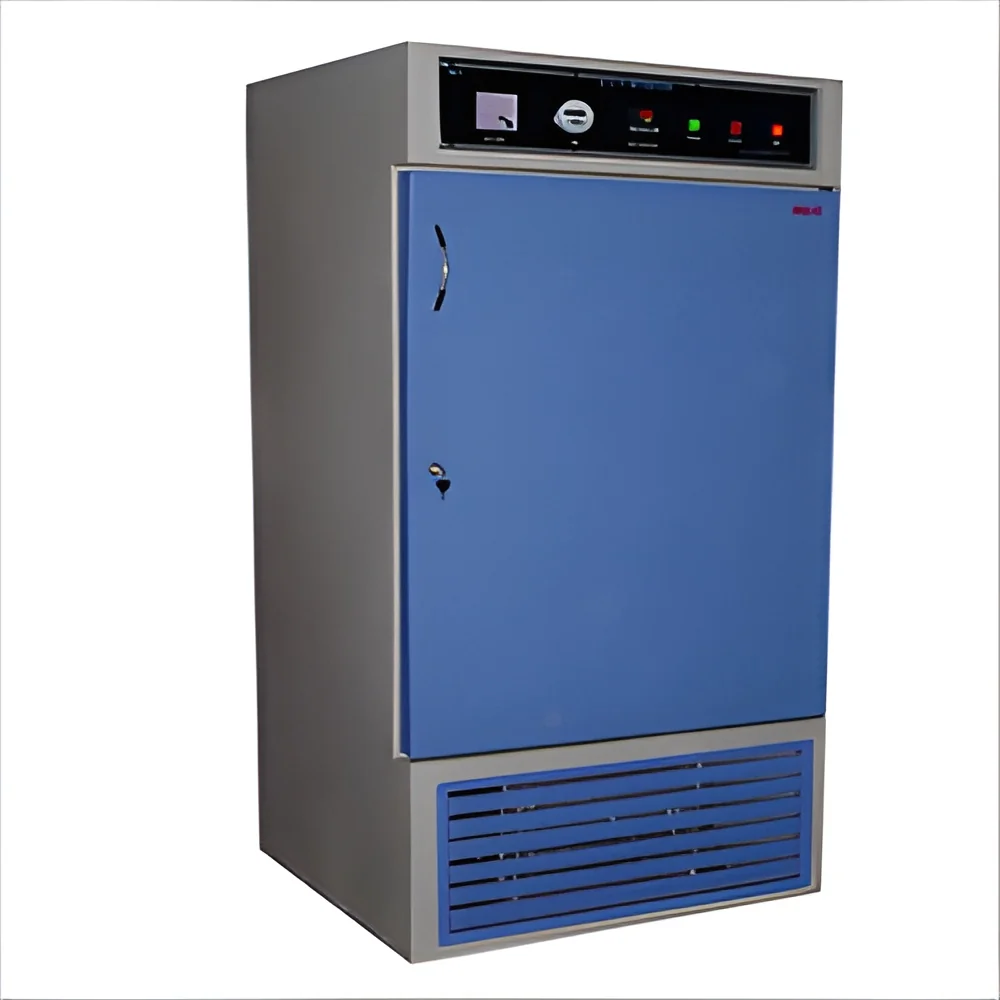
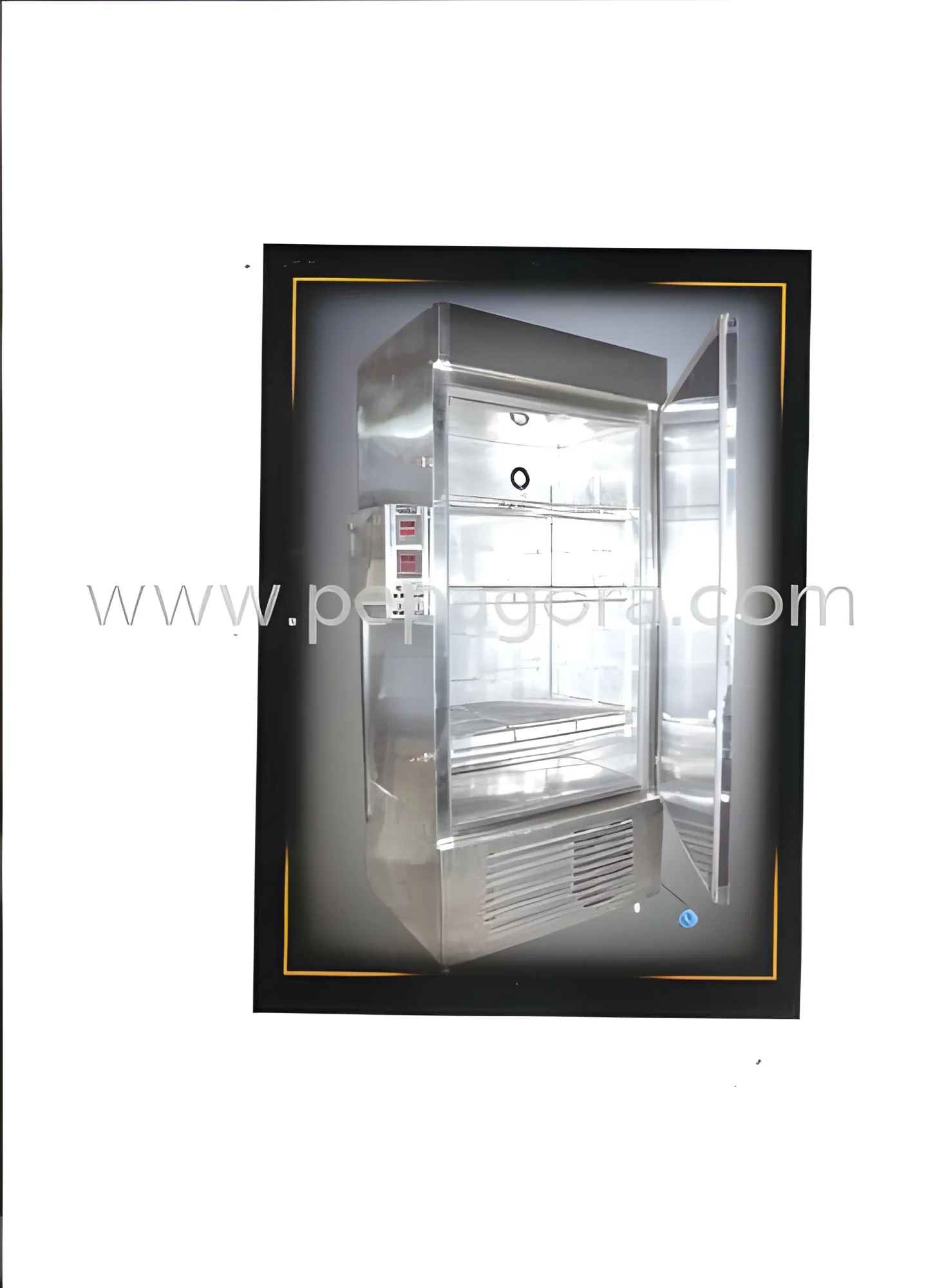
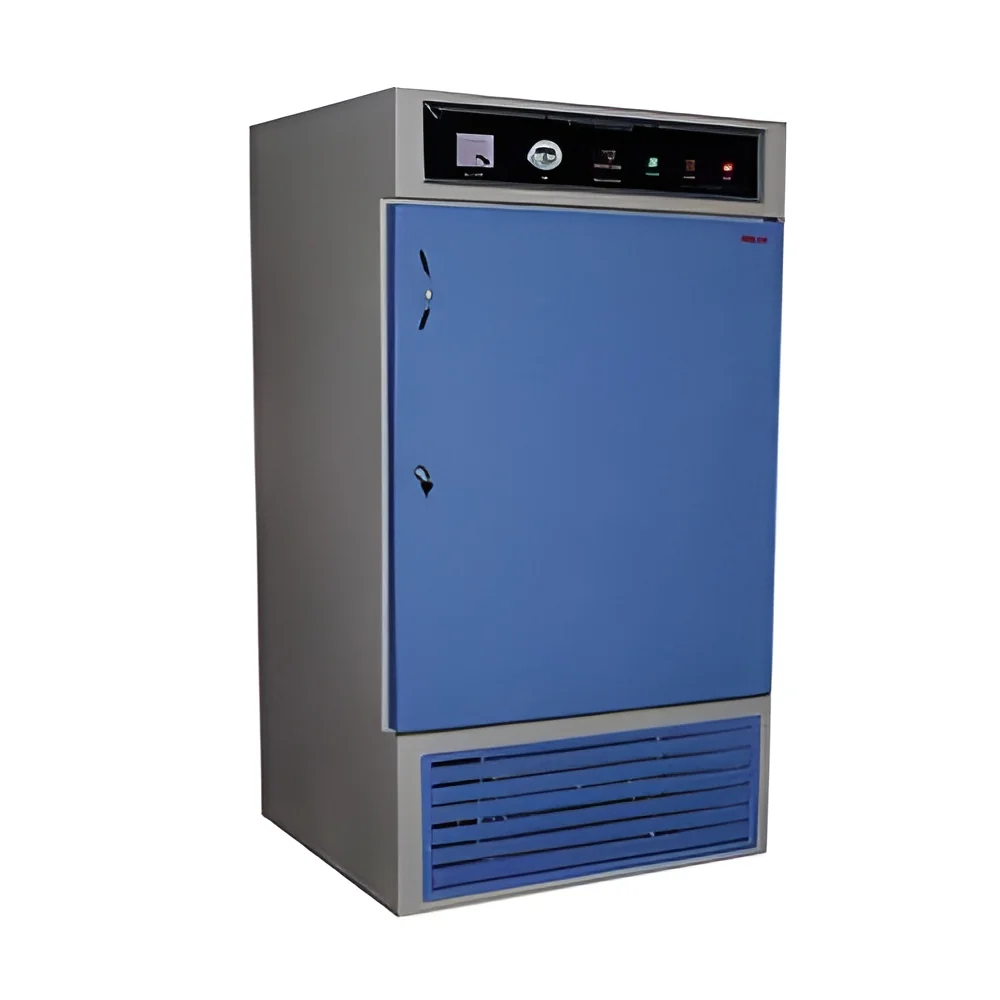
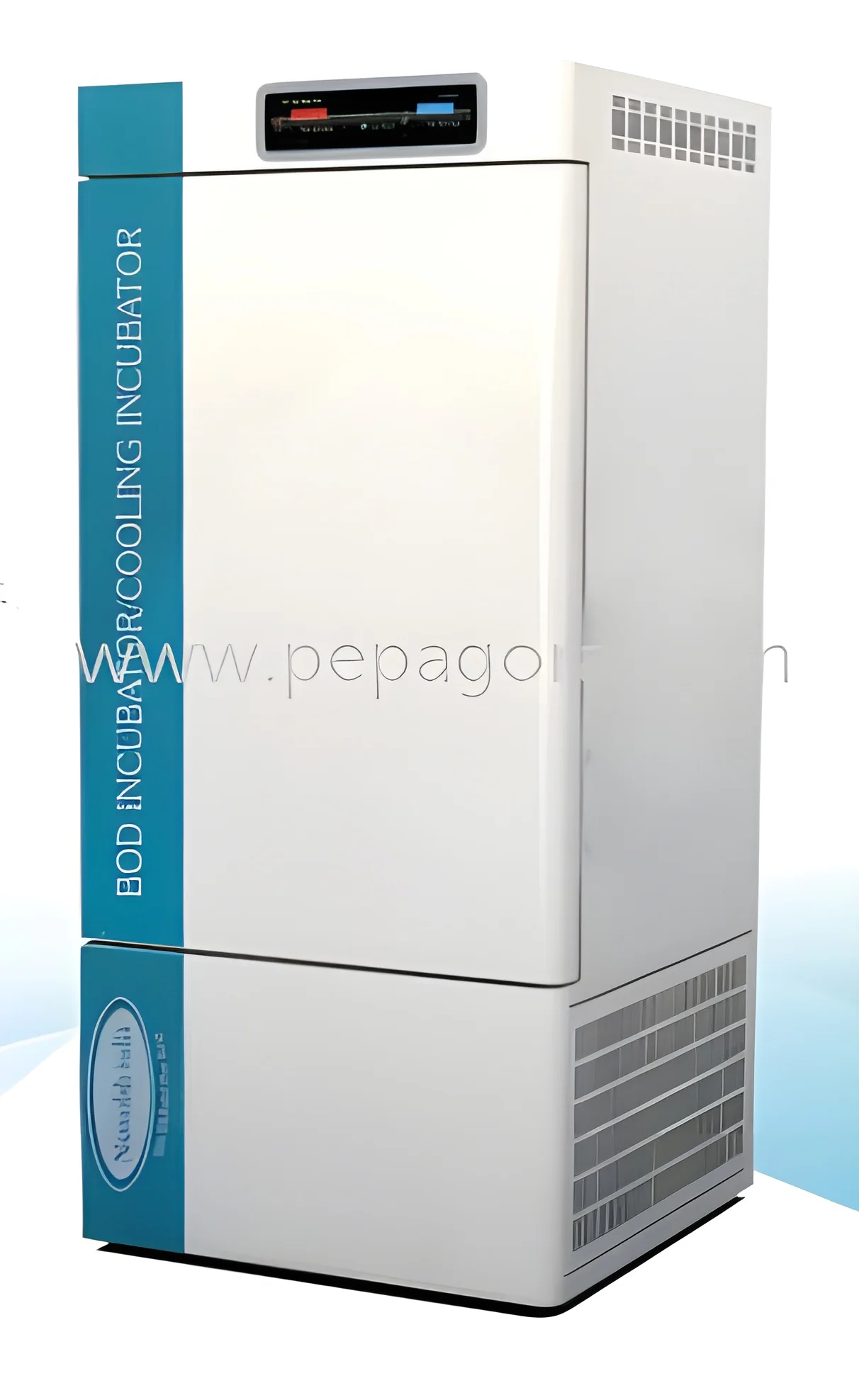
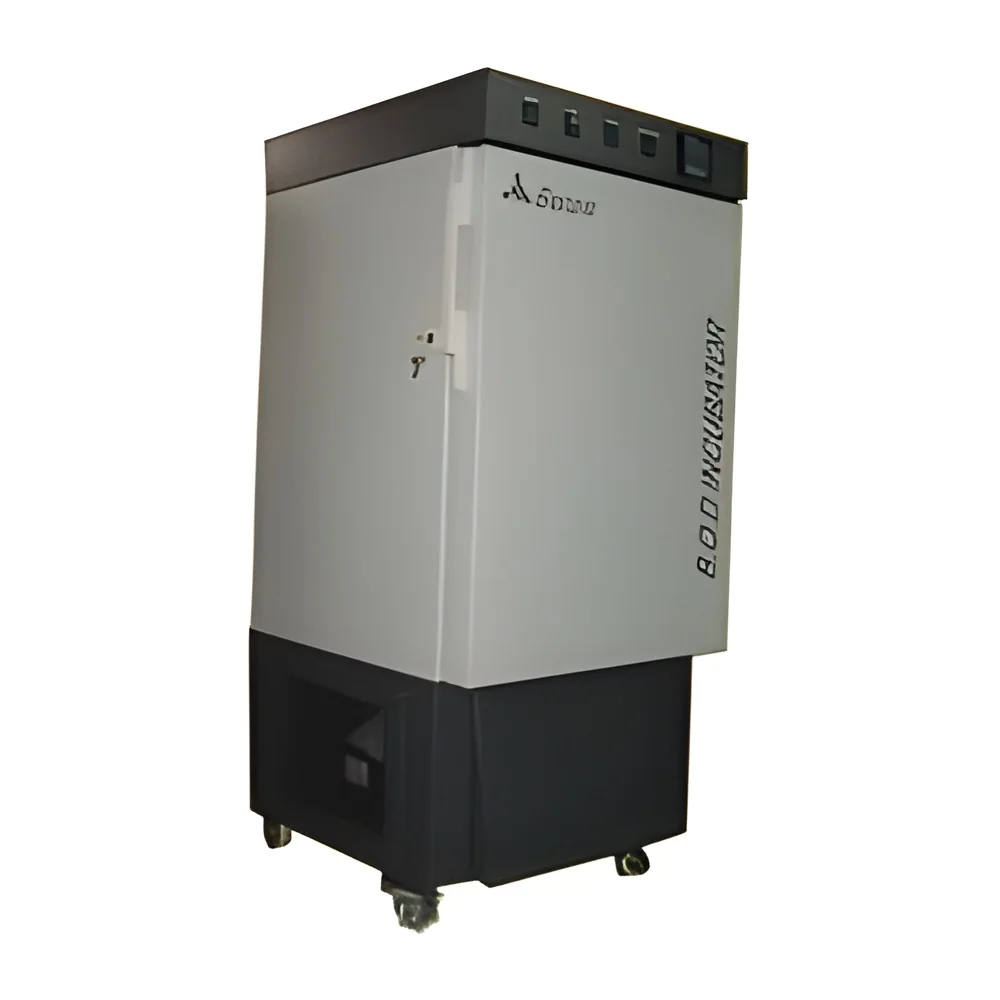
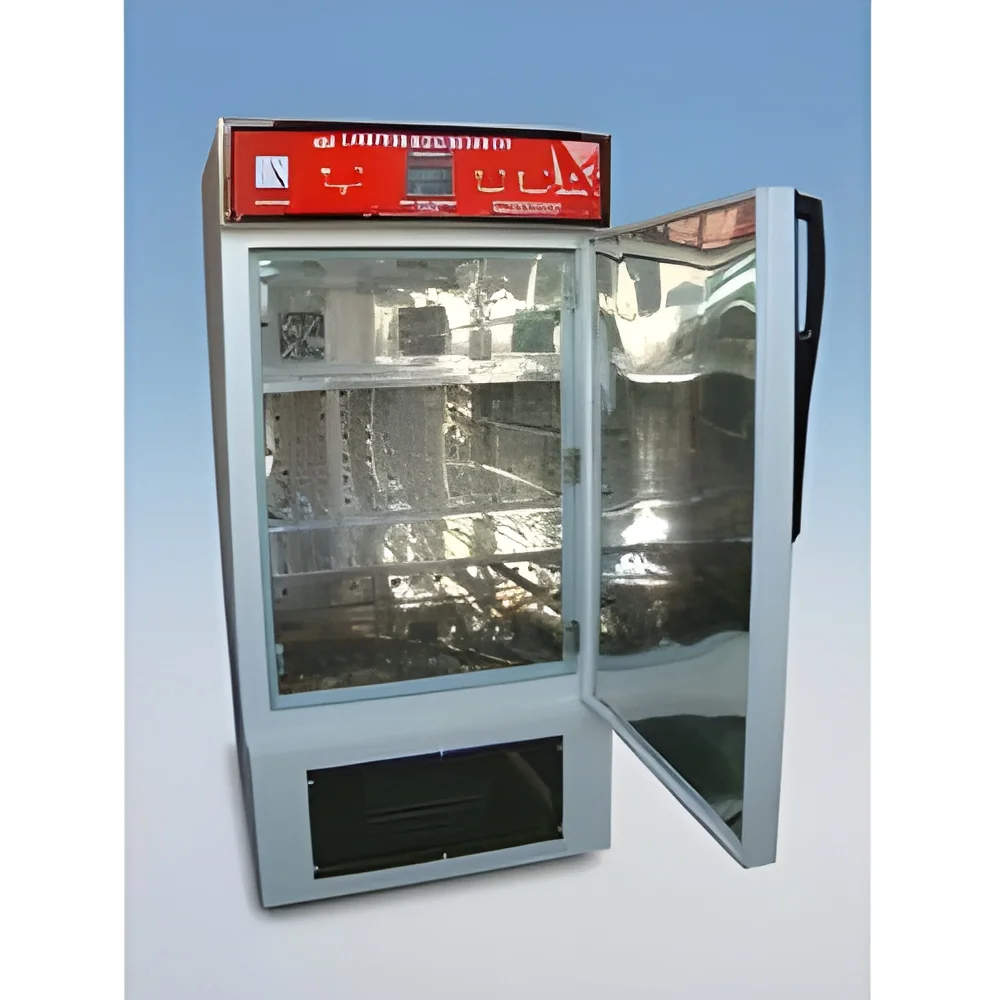
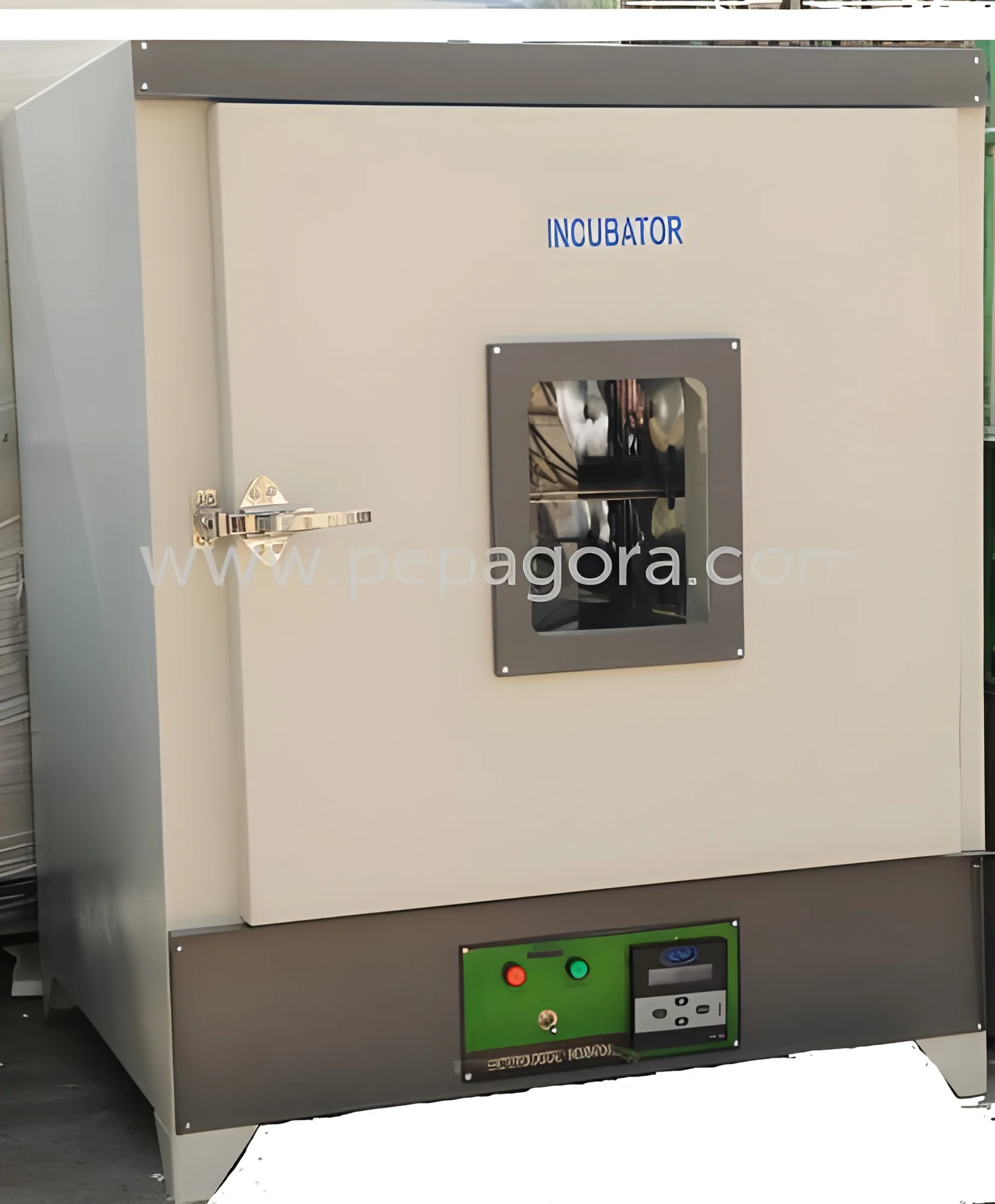
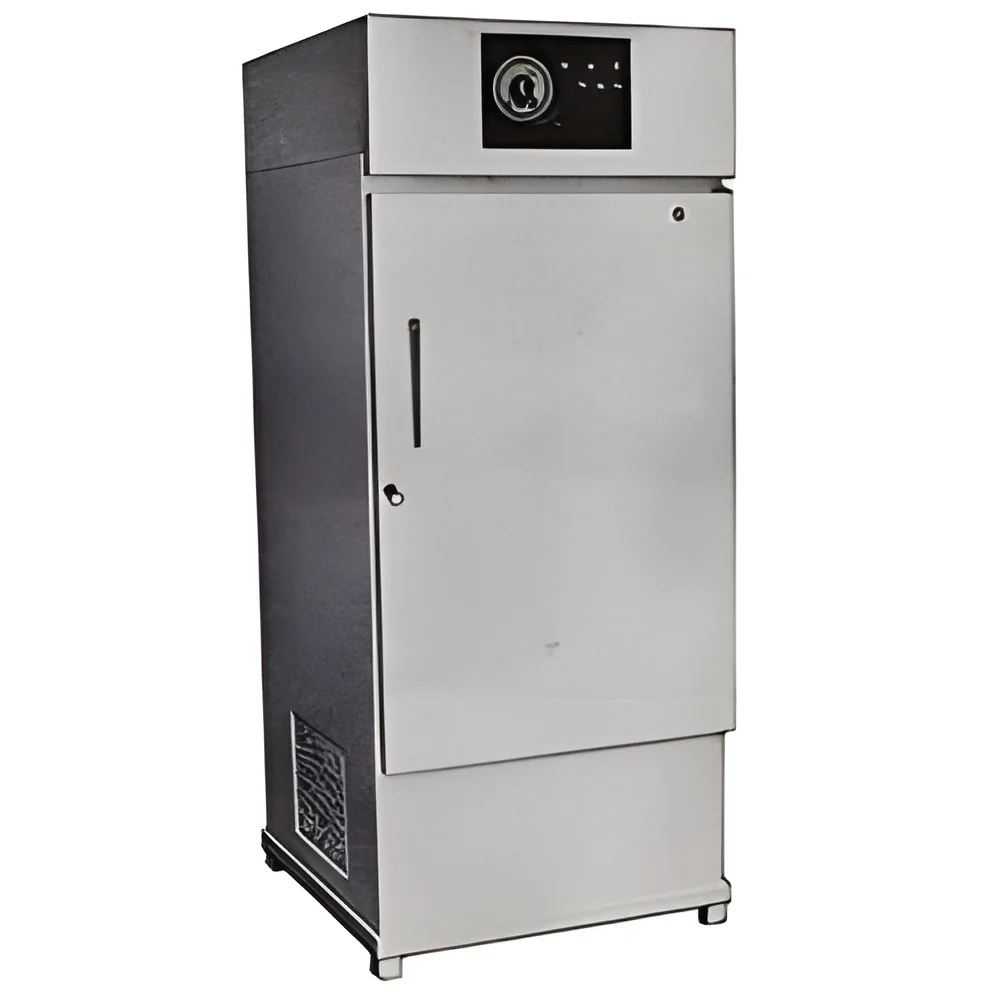
What are BOD Incubators & Stability Chambers?
BOD incubators and stability chambers are essential equipment used in laboratories and industrial settings for controlled environmental testing. BOD stands for Biochemical Oxygen Demand, a key parameter in water quality assessment. These devices create specific temperature and humidity conditions to promote the growth of microorganisms or maintain the stability of products. Stability chambers, on the other hand, are designed to store products at constant temperature and humidity levels to assess their shelf life and stability over time.
These incubators and chambers are widely used in various sectors, including pharmaceuticals, biotechnology, food and beverage, and environmental testing. Their primary applications include testing the quality of water, pharmaceuticals, and food products, as well as conducting accelerated stability studies to ensure product longevity. As industries increasingly prioritize quality control and compliance with regulatory standards, BOD incubators and stability chambers have become indispensable tools for maintaining product integrity and safety.
In the current market context, the demand for reliable environmental testing equipment is rising. This growth is driven by stringent regulations in pharmaceuticals and food safety, as well as the need for sustainable practices in environmental monitoring. As industries continue to evolve, BOD incubators and stability chambers will play a critical role in ensuring compliance and quality assurance.
Key Features and Specifications
BOD incubators and stability chambers are designed with a range of features to meet the specific needs of various applications. These features ensure precise control over environmental conditions, facilitating accurate testing and analysis.
Key specifications include:
1. Temperature Control
- Provides a consistent temperature range tailored to specific applications.
- Typically ranges from 5°C to 60°C.
2. Humidity Control
- Maintains stable humidity levels to support various testing requirements.
- Usually adjustable from 20% to 95% relative humidity.
3. Monitoring and Calibration
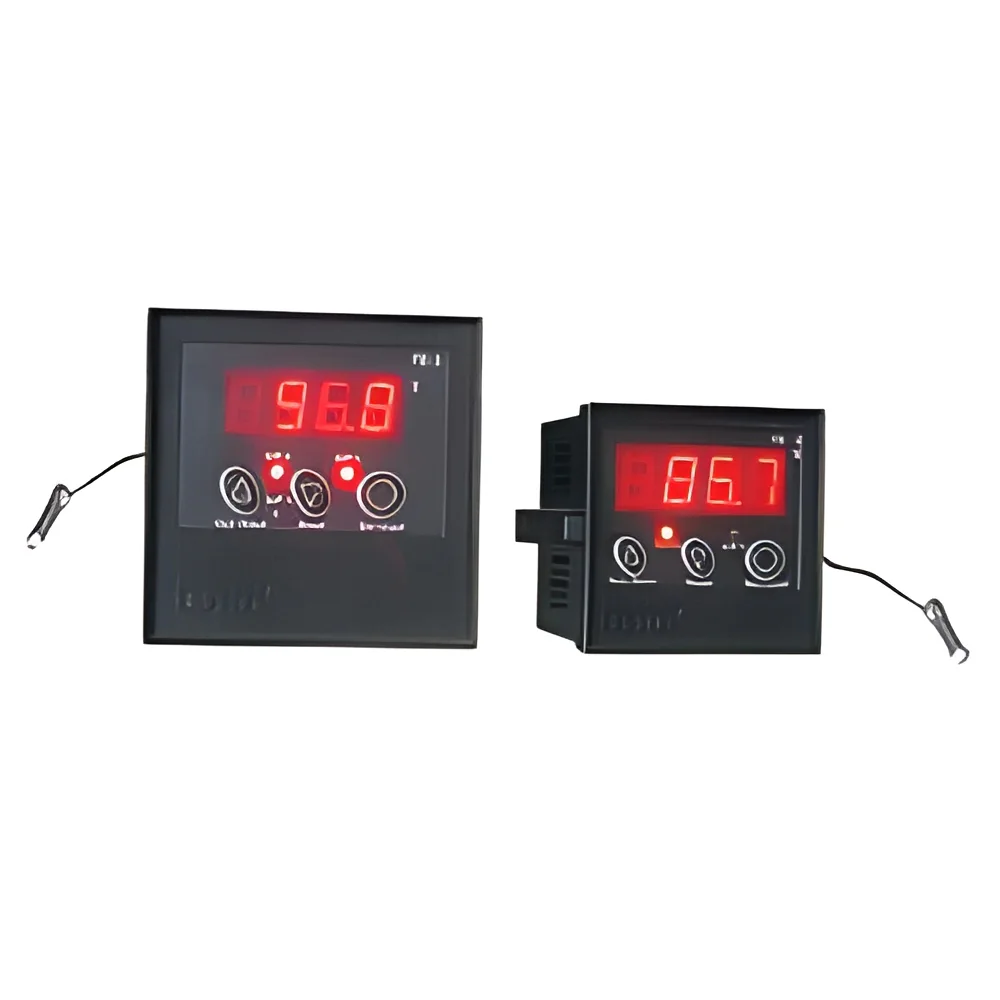
- Equipped with digital displays for real-time monitoring.
- Allows for calibration to ensure accuracy in testing.
4. Insulation
- High-quality insulation minimizes heat loss and energy consumption.
- Ensures uniform temperature distribution within the chamber.
5. Construction Material
- Typically made from corrosion-resistant materials for durability.
- Interior surfaces are often stainless steel for easy cleaning.
6. Air Circulation
- Features fans to ensure uniform air flow and temperature consistency.
- Reduces hot or cold spots within the chamber.
7. Safety Features
- Includes alarms for temperature or humidity deviations.
- Provides automatic shut-off mechanisms to prevent equipment damage.
8. Compliance
- Designed to meet industry standards, including CE certification.
- Ensures adherence to regulatory requirements for laboratory equipment.
In summary, BOD incubators and stability chambers offer advanced features that enhance their functionality, reliability, and compliance with industry standards.
Common Applications and Use Cases
BOD incubators and stability chambers serve various industries that require controlled environmental conditions for testing and storage.
1. Pharmaceuticals: These devices are crucial for stability testing of drugs, ensuring that products maintain efficacy and safety throughout their shelf life.
2. Biotechnology: Used for cultivating microorganisms and cell lines under controlled conditions to support research and product development.
3. Food and Beverage: Essential for testing the quality and stability of food products, ensuring compliance with safety standards and extending shelf life.
4. Environmental Testing: Used to assess water quality by measuring biochemical oxygen demand, helping to monitor pollution levels and compliance with environmental regulations.
5. Cosmetics: Important for stability testing of cosmetic formulations, ensuring that products maintain their quality and safety over time.
6. Agriculture: Used for seed germination studies and testing the viability of agricultural products under controlled conditions.
7. Research and Development: Commonly found in laboratories conducting experiments that require precise environmental controls to achieve reliable results.
Product Variants and Subcategories
BOD incubators and stability chambers come in various designs to cater to specific needs in different industries. The diversity in product variants allows businesses to select the most suitable option for their applications.
Standard BOD Incubator
This variant is designed specifically for biochemical oxygen demand testing in water samples. It features precise temperature control and easy-to-use interfaces, making it ideal for environmental laboratories.
Stability Chamber
Stability chambers are designed for long-term storage of pharmaceuticals and other products to assess their shelf life. These chambers provide consistent temperature and humidity conditions, supporting compliance with industry regulations.
High-Performance Incubator
This variant offers advanced features such as enhanced temperature uniformity and sophisticated monitoring systems. It is ideal for high-demand applications in research and biotechnology labs.
Compact Incubator
Designed for smaller laboratory spaces, this variant provides essential features in a space-saving design. It is suitable for small-scale experiments and educational purposes.
Benefits and Advantages
BOD incubators and stability chambers offer numerous benefits that enhance their value in various applications.
Key benefits include:
1. Enhanced Accuracy: These devices provide precise control over temperature and humidity, ensuring reliable testing results.
2. Compliance Assurance: They help businesses meet regulatory requirements in pharmaceuticals and food safety, minimizing the risk of non-compliance.
3. Improved Product Quality: By maintaining optimal conditions, these devices help ensure the quality and stability of products over time.
4. Energy Efficiency: Advanced insulation and air circulation features reduce energy consumption, leading to lower operational costs.
5. User-Friendly Operation: Many models include digital interfaces for easy monitoring and adjustment of environmental conditions.
6. Versatile Applications: Suitable for a wide range of industries, these devices can be tailored to meet specific testing and storage needs.
Buying Guide for B2B Buyers
When sourcing BOD incubators and stability chambers, it is important to consider several factors to ensure a successful purchase.
1. Quality Assessment: Evaluate the quality of the equipment by checking for certifications such as CE and adherence to industry standards. This ensures that the equipment is reliable and meets necessary compliance requirements.
2. Supplier Verification: Vet suppliers thoroughly to ensure they have a reputable track record. Check for customer reviews and their experience in providing laboratory equipment.
3. Pricing and MOQ: Consider the pricing structure and minimum order quantities (MOQ) when planning your purchase. Ensure that the cost aligns with your budget while also factoring in the quality of the product.
4. Delivery and Lead Times: Discuss delivery timelines with suppliers to ensure that the equipment can be delivered in a timely manner. Consider logistics and any potential delays that may impact your operations.
5. Compliance Requirements: Verify that the equipment meets specific regulatory and compliance needs relevant to your industry. This may include safety standards and environmental regulations.
Compliance and Certifications
BOD incubators and stability chambers are subject to various quality standards and certifications that ensure their reliability and safety.
Relevant quality standards include ISO 9001, which focuses on quality management systems, ensuring that manufacturers maintain high-quality production standards.
Industry certifications such as CE indicate that the equipment meets European safety, health, and environmental protection standards. This certification is crucial for gaining access to markets that require compliance with these regulations.
Safety and testing requirements also play a significant role in the certification process. Manufacturers must ensure that their products undergo rigorous testing to guarantee that they perform safely and effectively in laboratory settings.
Regional compliance considerations may vary, so it is essential for manufacturers and buyers to understand the specific regulations that apply in their respective regions. This ensures that the equipment meets local standards and requirements.
Why Source BOD Incubators & Stability Chambers from Pepagora?
Pepagora provides a trusted platform for sourcing BOD incubators and stability chambers, offering several key advantages to B2B buyers.
Verified Supplier Network: Pepagora connects buyers with a network of verified suppliers, ensuring that all listed products meet stringent quality standards. This reduces the risk of purchasing subpar equipment and enhances buyer confidence.
Streamlined RFQ Process: The platform features a streamlined request for quotation (RFQ) process that allows buyers to easily compare offers from multiple suppliers. This simplifies the sourcing process and helps buyers find the best deals.
Trade Assurance and Support: Buyers benefit from trade assurance programs that protect their investments. Pepagora provides support throughout the purchasing process, ensuring that any issues are addressed promptly.
Regional Coverage: With a geographic reach that includes India, the GCC, and Southeast Asia, Pepagora caters to a diverse range of businesses. This broad coverage ensures that buyers can access quality equipment regardless of their location.
By choosing Pepagora, businesses can confidently source BOD incubators and stability chambers that meet their specific needs while enjoying the advantages of a reliable sourcing platform.

 IN
IN