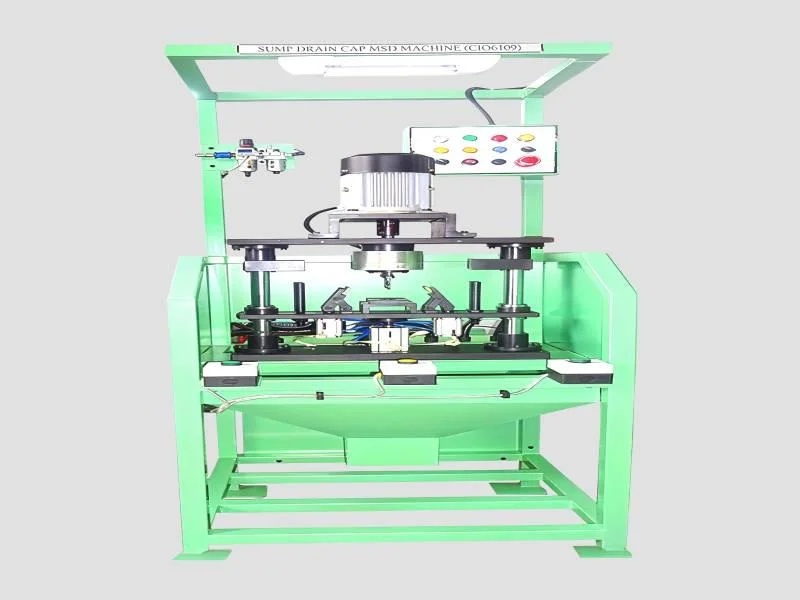
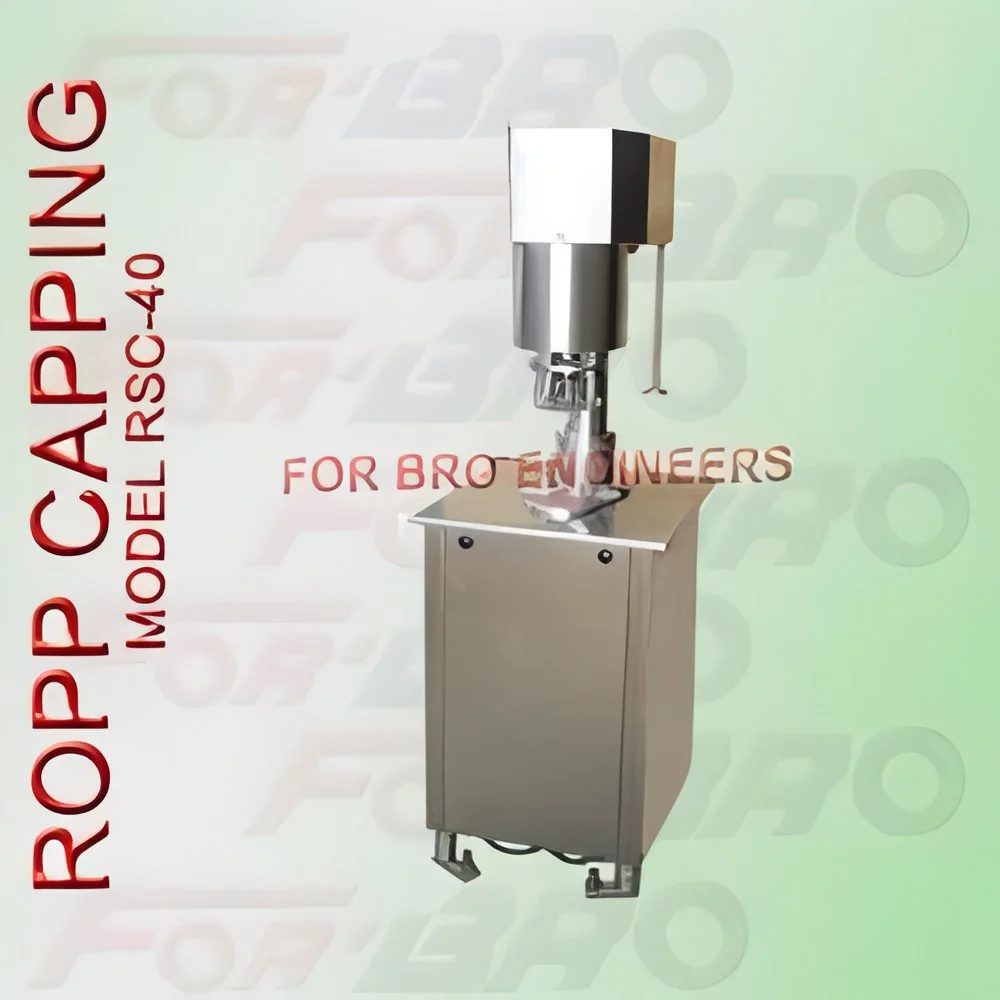
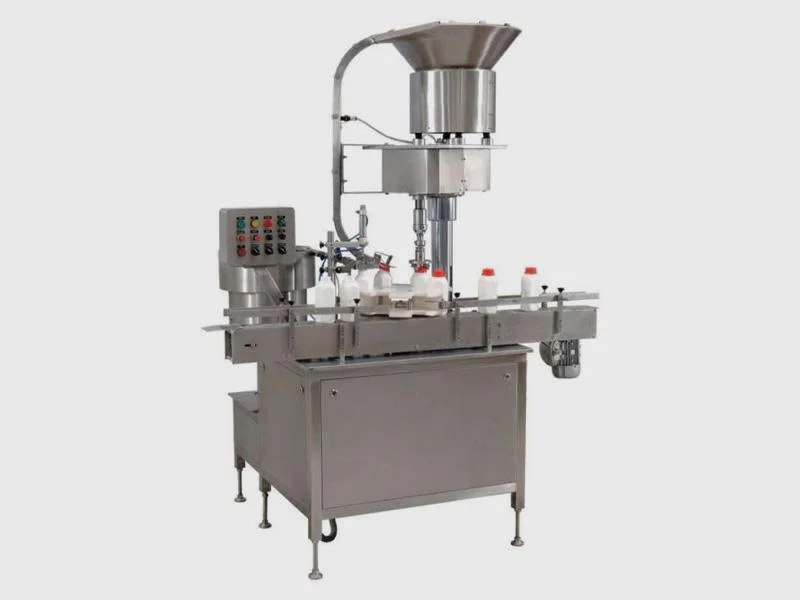
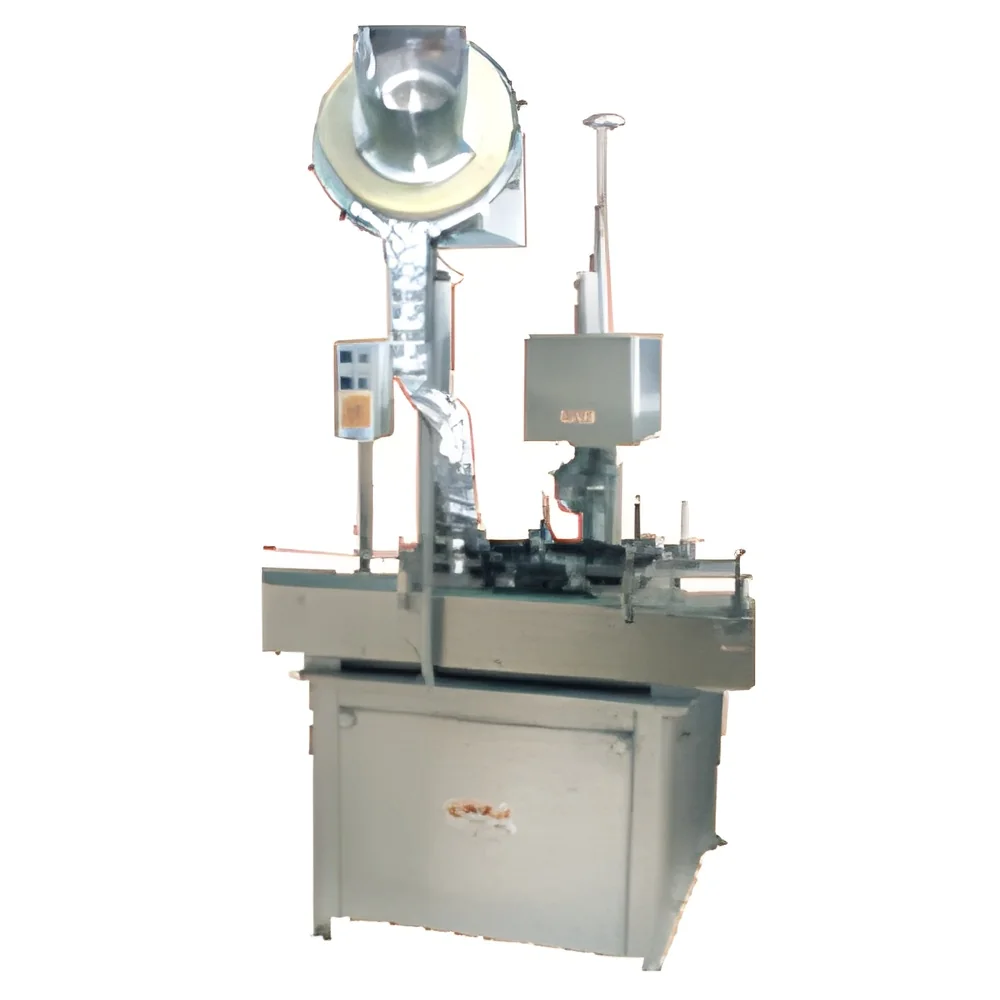
What are Capping Machines?
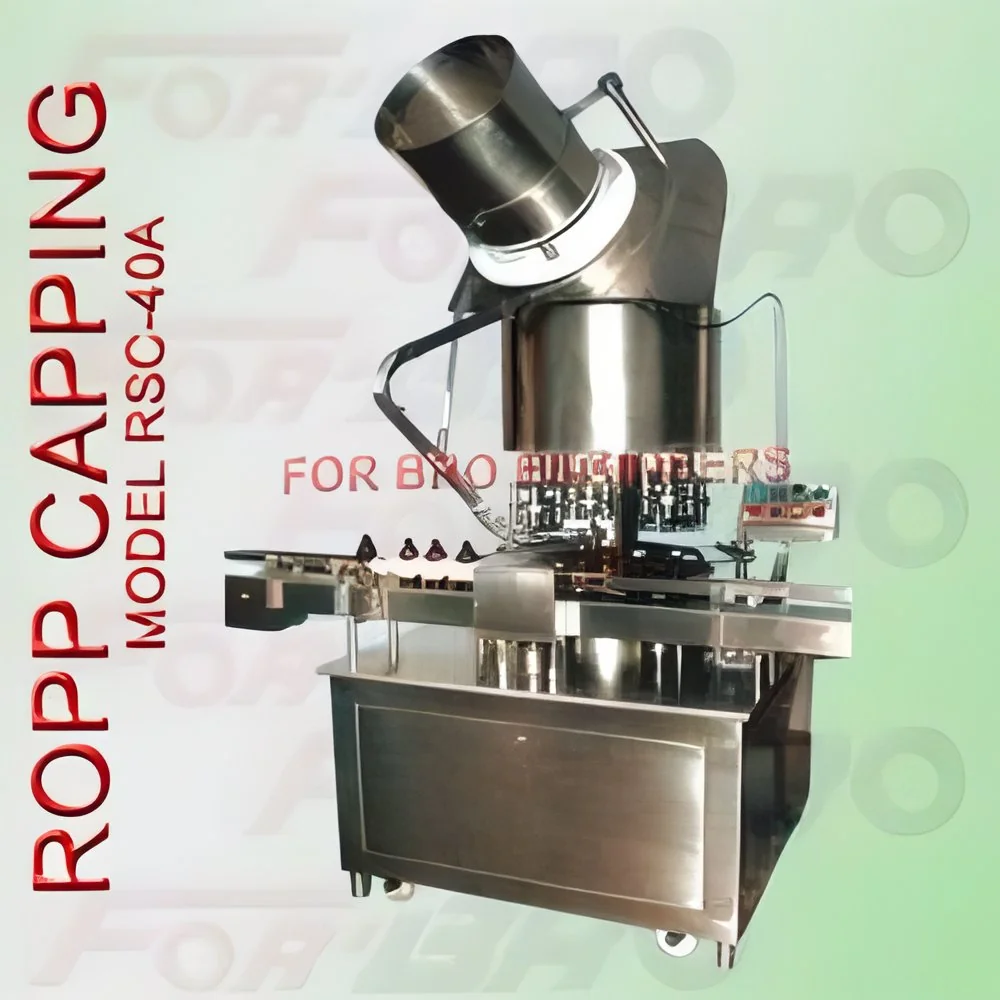
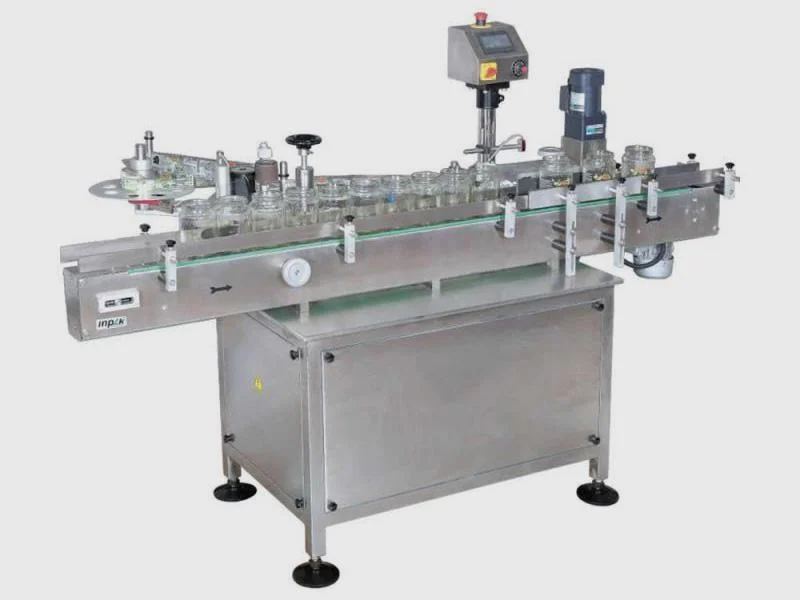
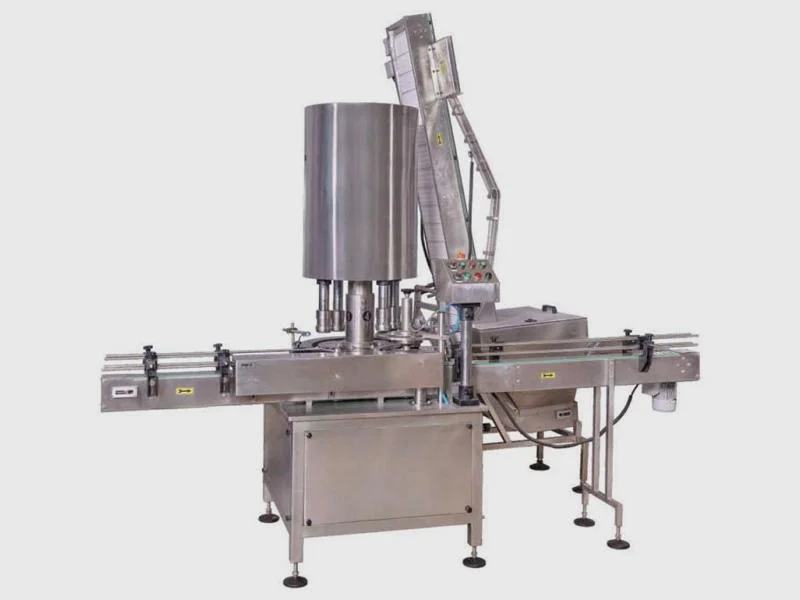
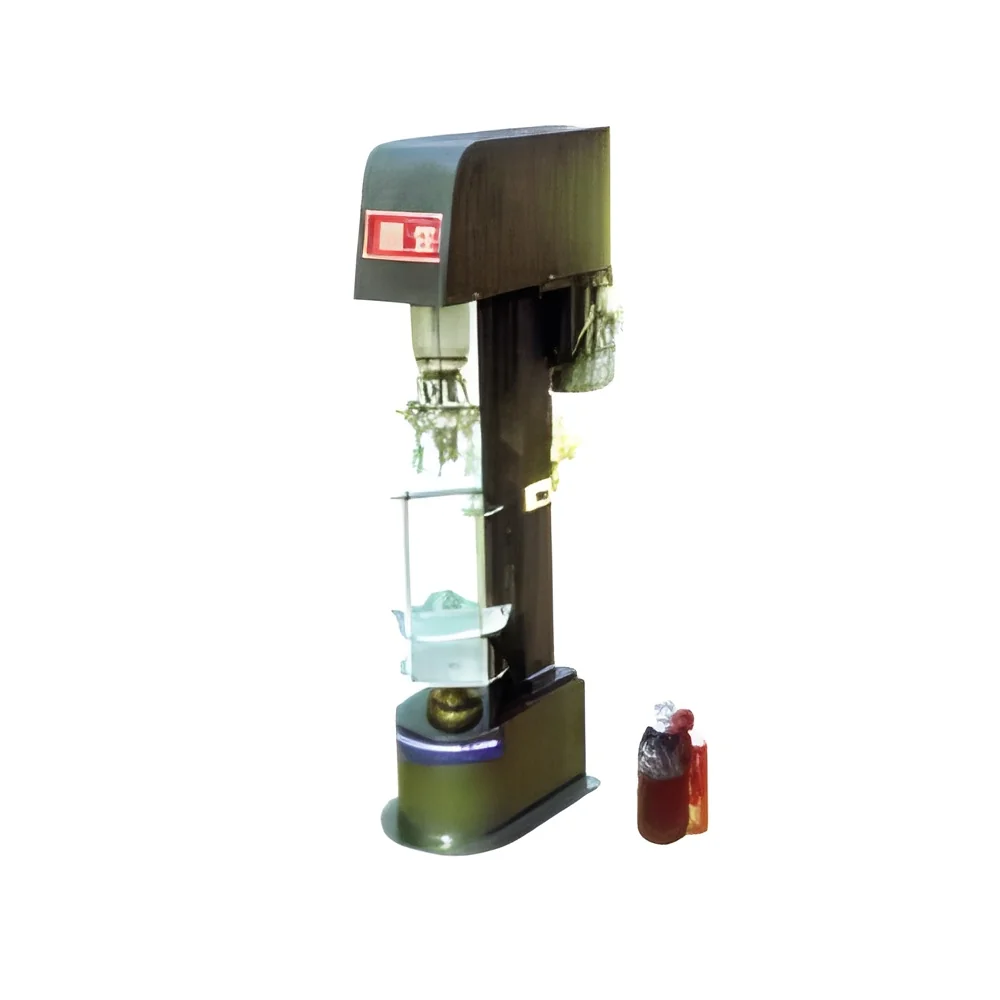
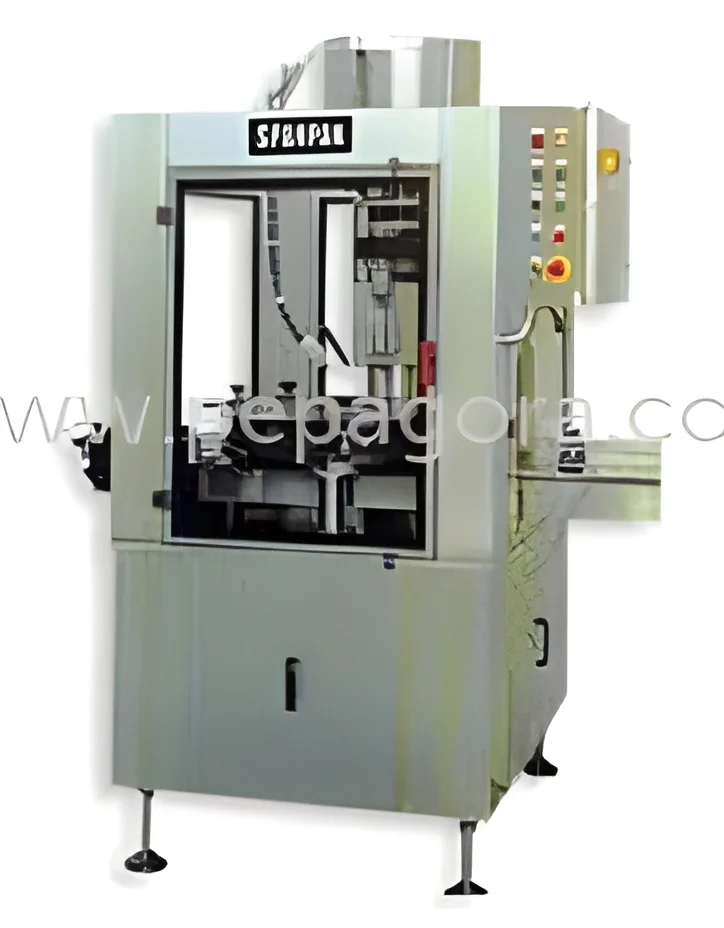
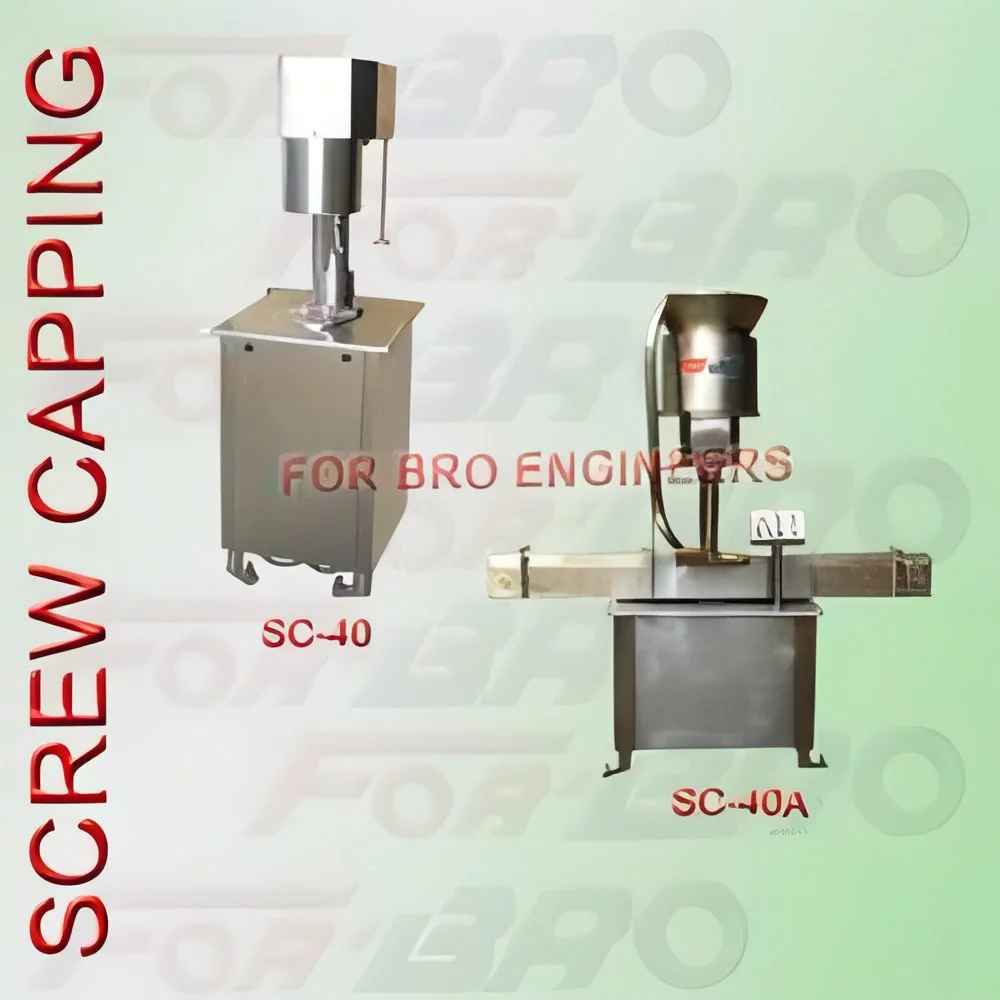
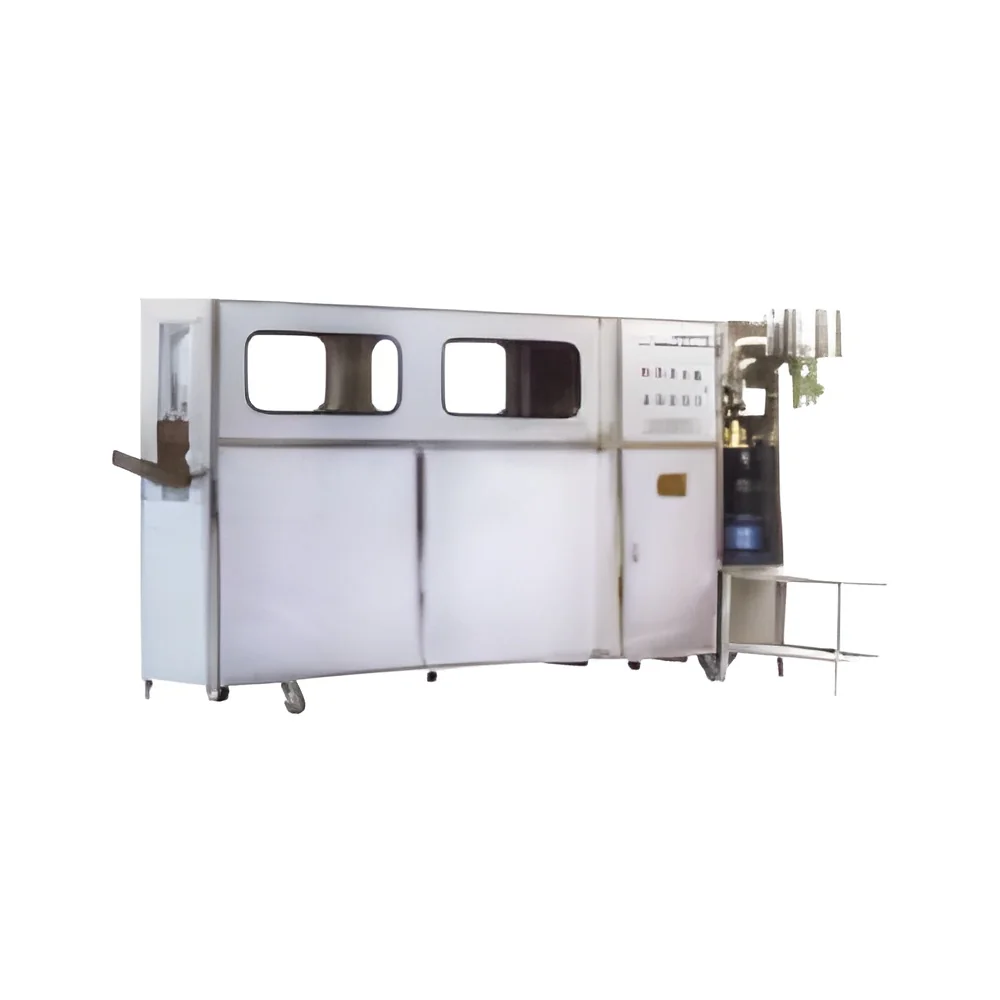
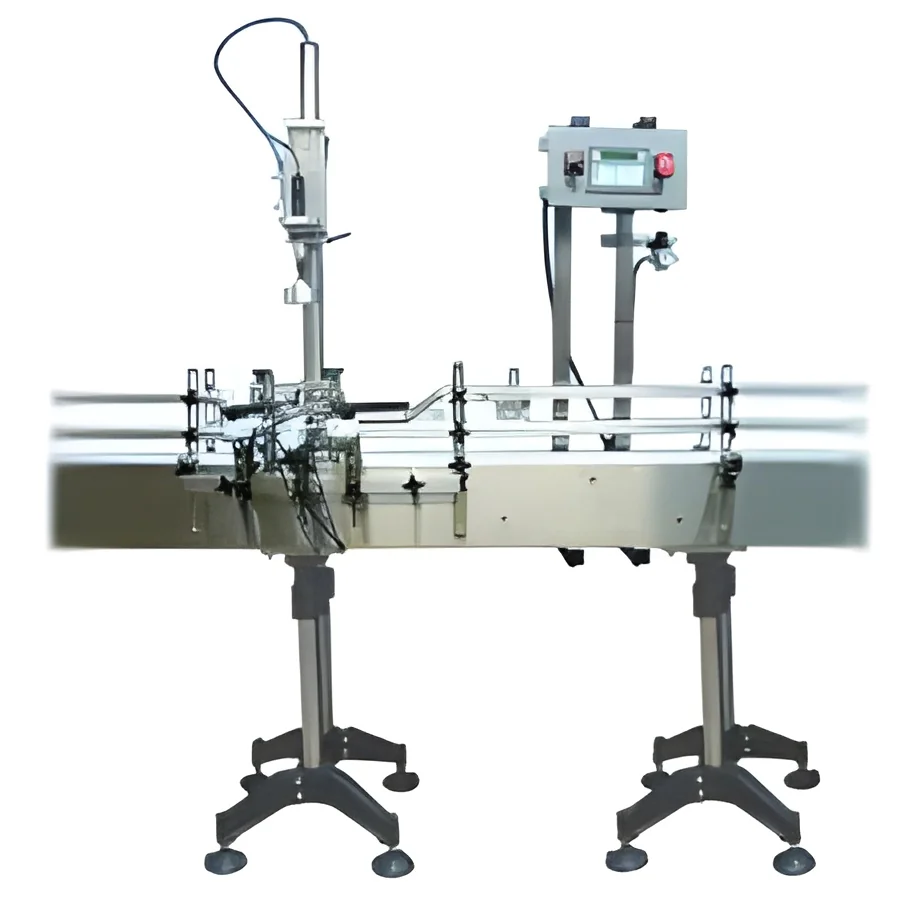
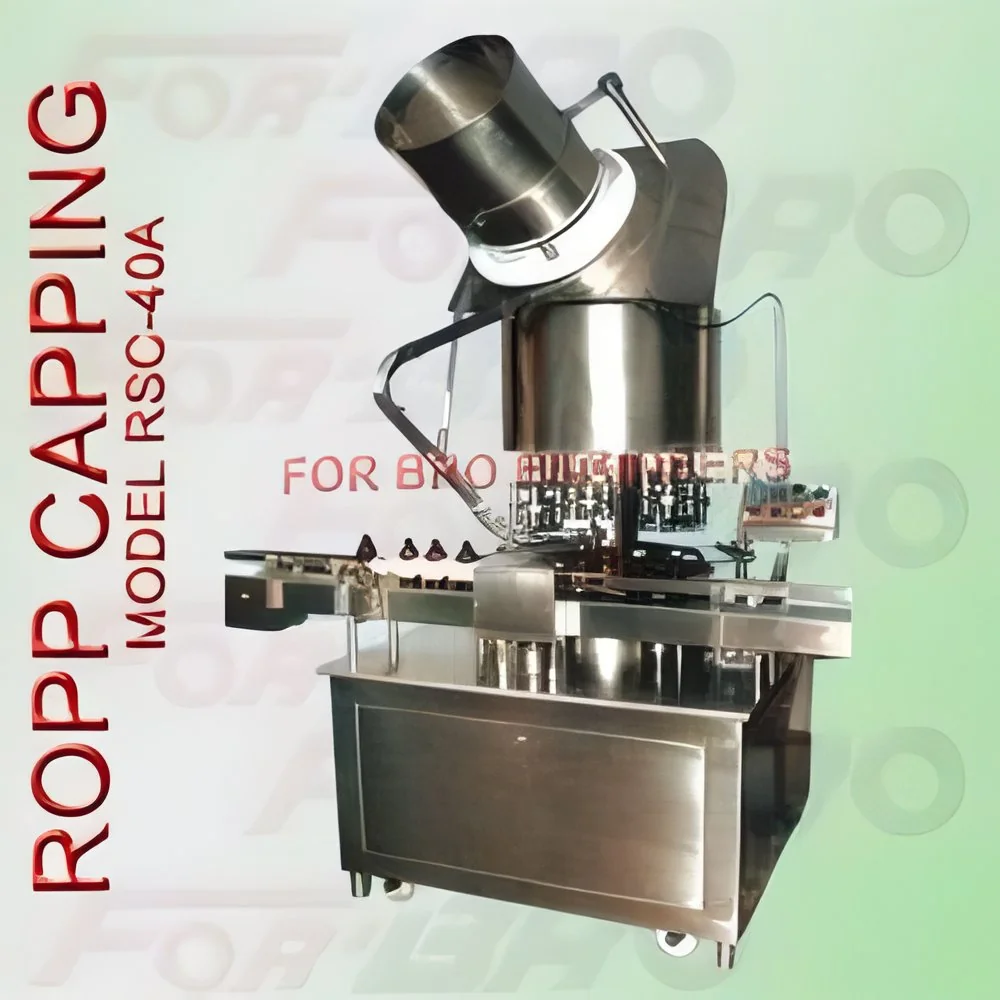
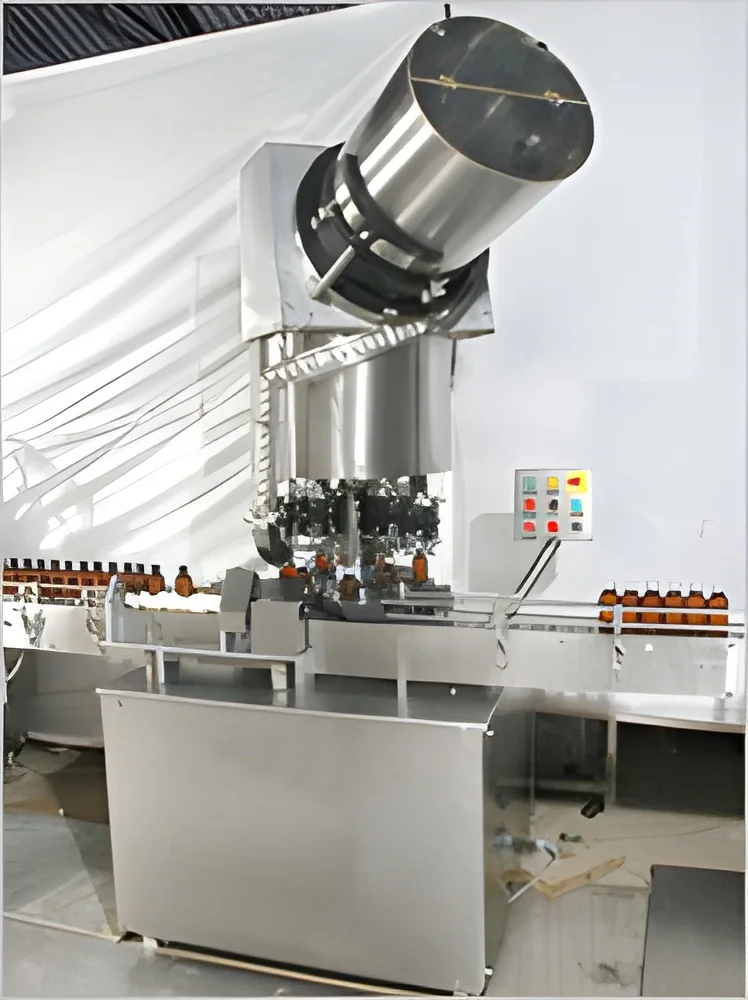
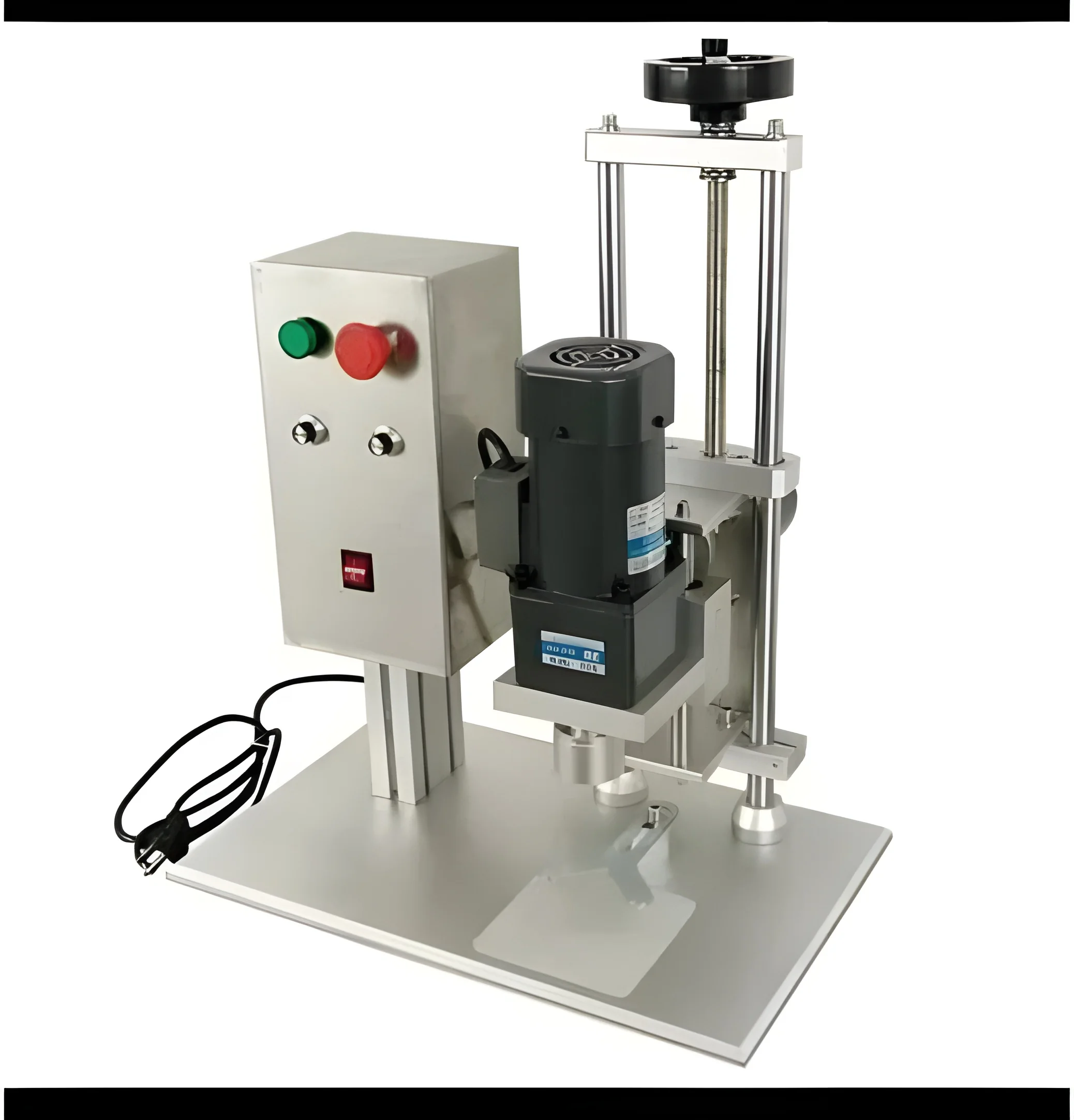
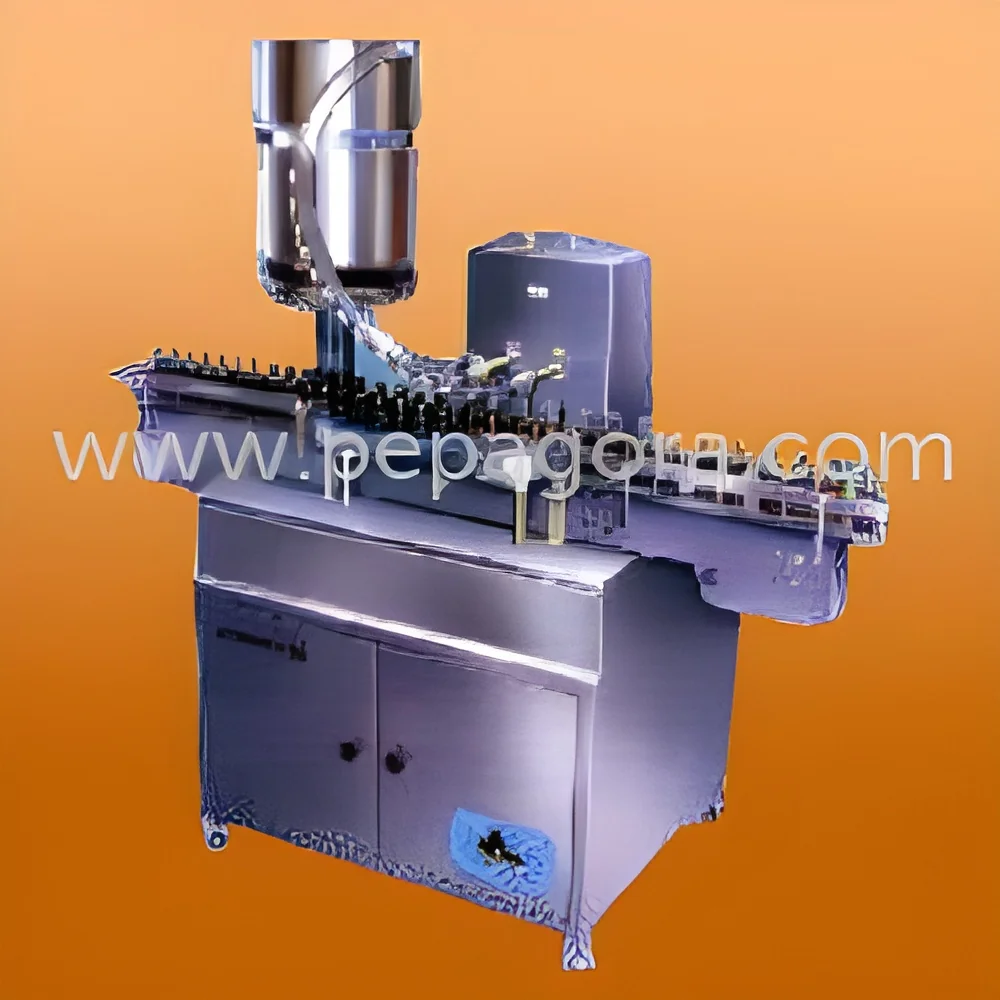
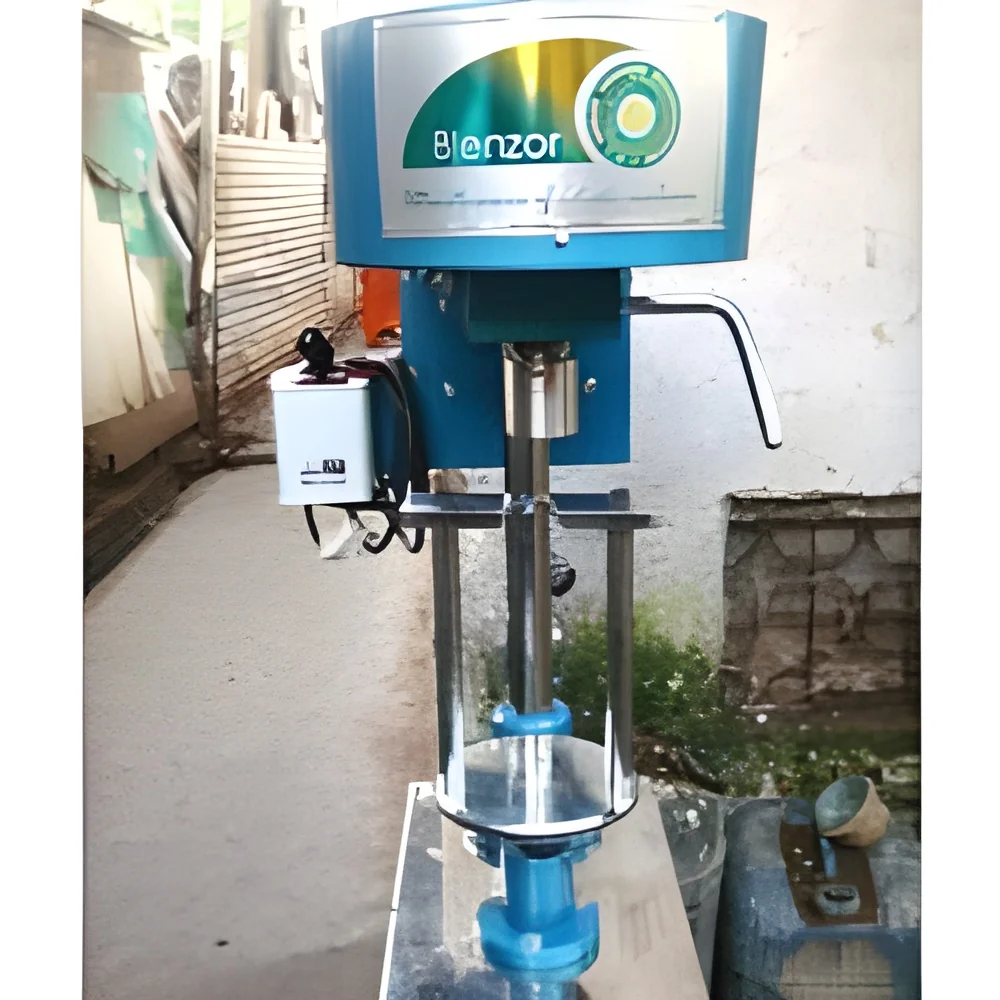
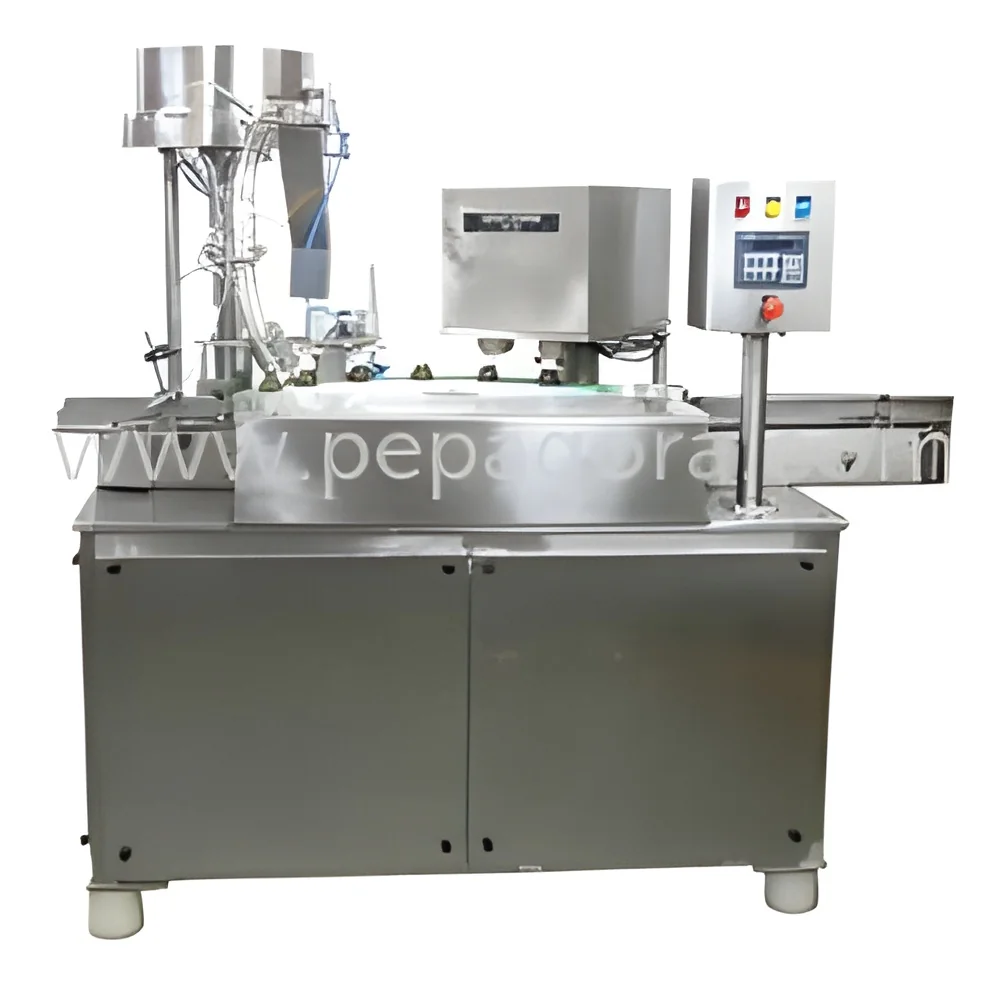
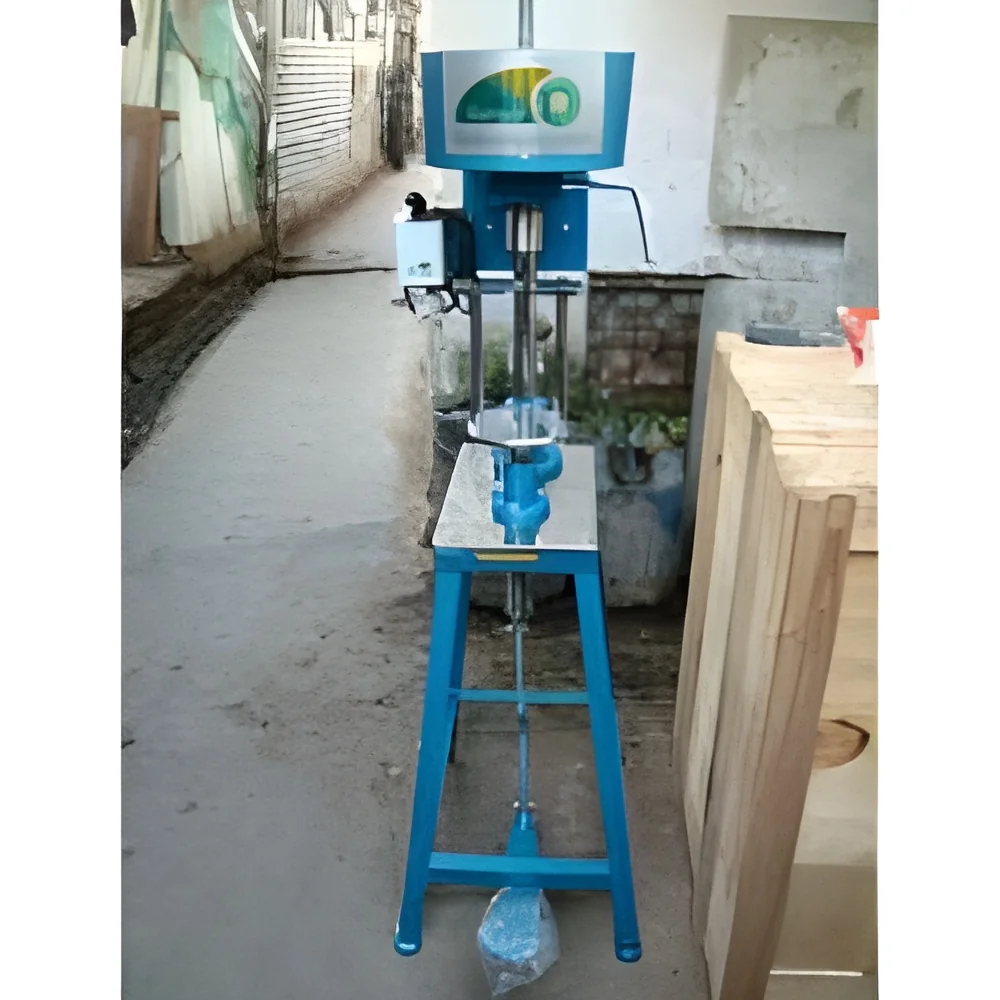
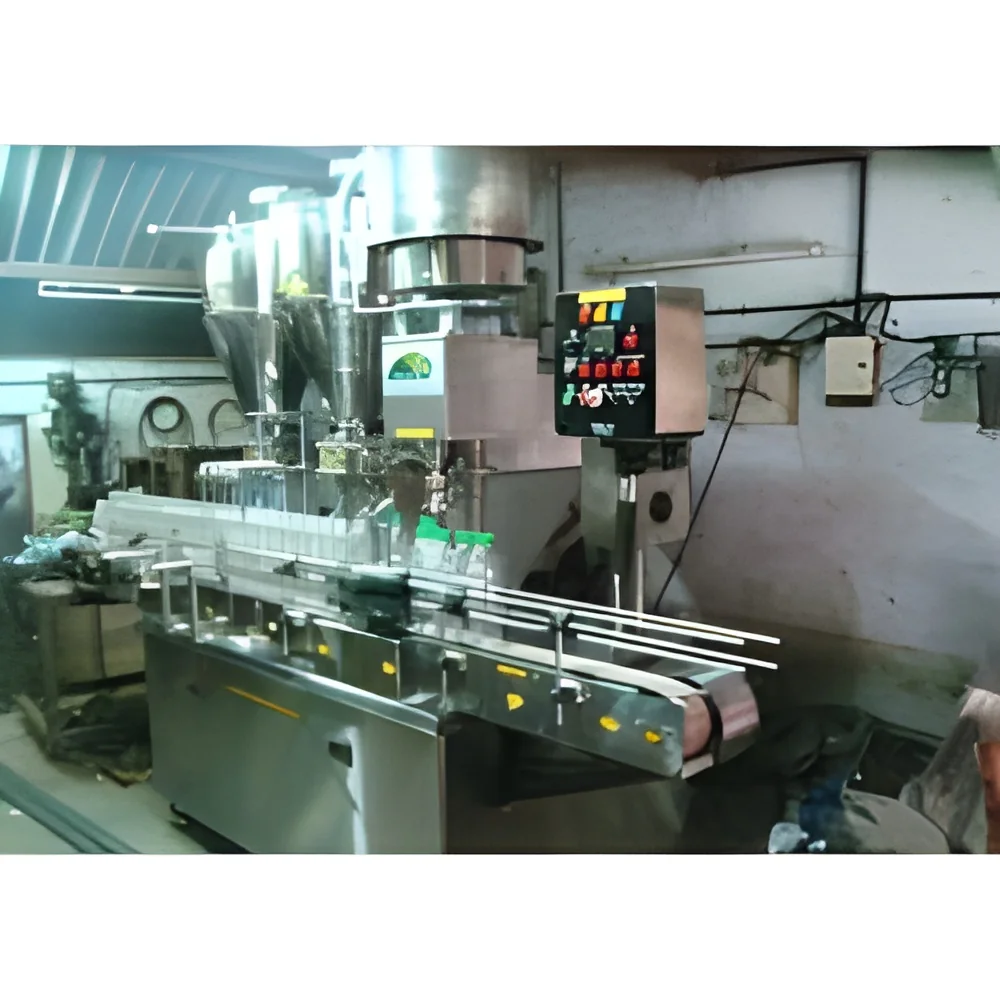
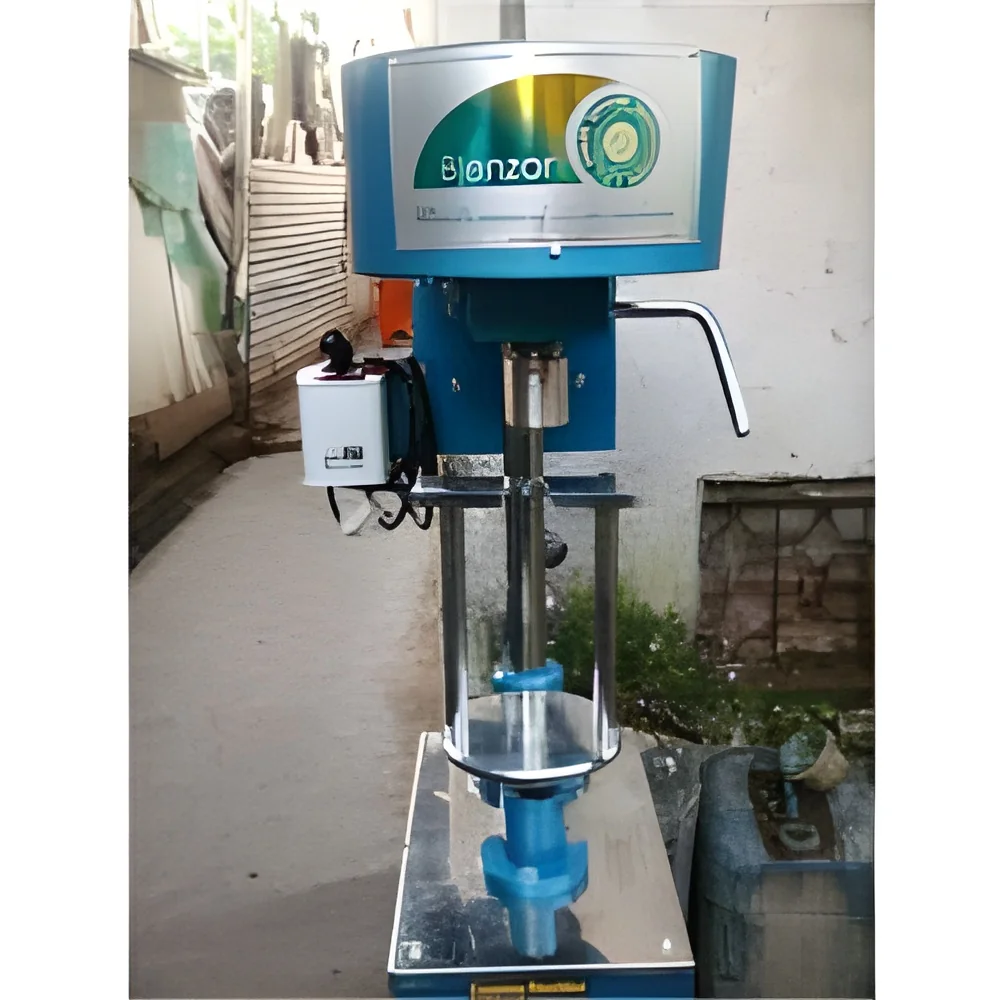
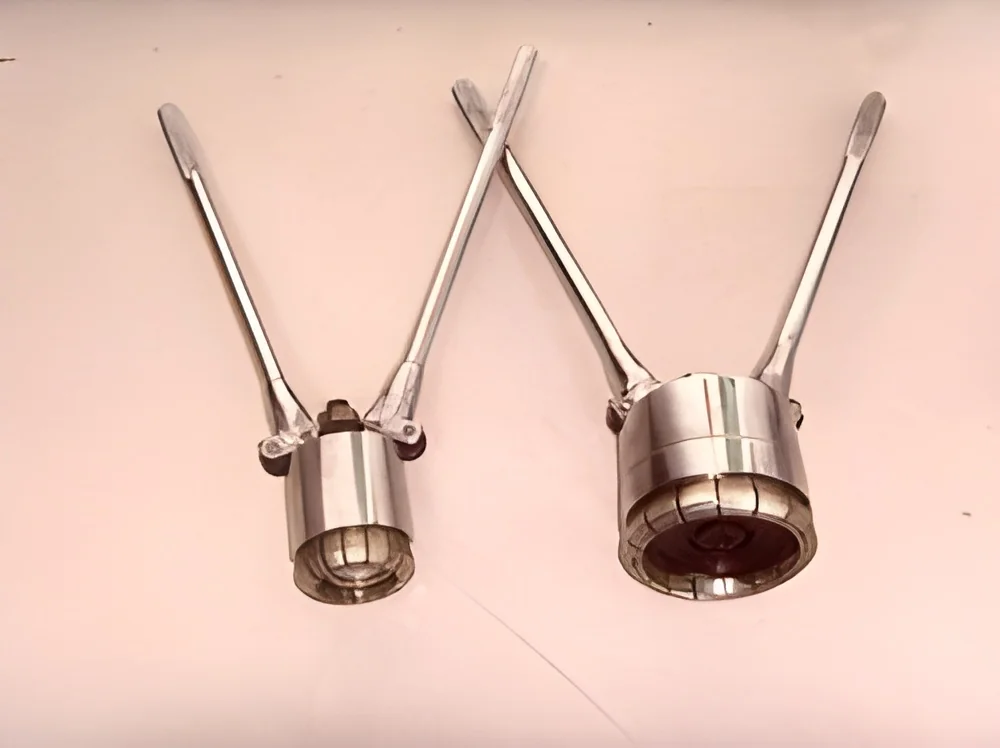
Capping machines are specialized equipment designed to apply caps or closures to containers, such as bottles, jars, and canisters. These machines ensure that products are securely sealed, which is crucial for maintaining freshness, preventing leakage, and ensuring safety during transportation. Capping machines come in various configurations, including manual, semi-automatic, and fully automatic models, catering to different production volumes and operational requirements.
The primary uses of capping machines span a range of industries, including food and beverage, pharmaceuticals, cosmetics, and chemicals. In the food and beverage sector, these machines are essential for sealing products like sauces, juices, and spirits. In pharmaceuticals, they help in securing medication bottles to maintain hygiene and safety standards. As industries continue to emphasize efficiency and accuracy in production, capping machines have become a fundamental component of packaging lines, enhancing operational productivity and reducing human error.
Capping machines play a significant role in the current market landscape, where automation and efficiency are key drivers of competitiveness. As businesses increasingly adopt technology to improve their packaging processes, the demand for reliable capping machines continues to grow. This trend underscores the importance of investing in high-quality capping machinery to meet both operational needs and regulatory compliance.
Key Features and Specifications
Capping machines are equipped with several key features that enhance their functionality and usability. These features contribute to the overall efficiency and effectiveness of the sealing process, making them a vital investment for businesses.
Key specifications include:
1. Machine Type
- Options include manual, semi-automatic, and fully automatic
- Suitable for various production scales
2. Speed
- Varies by model, typically ranging from 20 to 200 caps per minute
- Affects overall production output
3. Cap Size Compatibility
- Accommodates a range of cap sizes, from small to large
- Flexibility for different product types
4. Material Construction
- Usually made from stainless steel or other durable materials
- Ensures longevity and ease of cleaning
5. Control System
- Can include mechanical or electronic controls
- Allows for precise adjustments during operation
6. Power Requirements
- Varies by machine type, typically needs standard voltage
- Important for installation considerations
7. Dimensions
- Varies by model, important for space planning in production areas
- Compact models available for smaller operations
8. Certifications
- Compliance with industry standards, such as CE certification
- Ensures safety and reliability
These specifications highlight the importance of selecting the right capping machine based on specific operational needs. Each feature contributes to optimizing the sealing process and meeting production demands.
Common Applications and Use Cases
Capping machines serve a diverse range of industries, each with unique applications and requirements.
1. Food and Beverage: These machines are used to seal bottles of sauces, juices, and alcoholic beverages, ensuring product integrity and freshness.
2. Pharmaceuticals: In this sector, capping machines are essential for sealing medication bottles, maintaining hygiene and safety standards.
3. Cosmetics: Capping machines are utilized for products like lotions and creams, ensuring that containers remain securely sealed to prevent spillage.
4. Chemicals: Many chemical products require secure sealing to prevent leaks and contamination, making capping machines vital in this industry.
5. Household Products: Capping machines are also used for bottles containing cleaning supplies and other household items, providing effective sealing solutions.
These applications illustrate the versatility of capping machines across various sectors, emphasizing their importance in maintaining product quality and safety.
Product Variants and Subcategories
Capping machines come in various models designed to meet specific operational needs. While specific subcategories are not available, the diversity in capping machines allows for tailored solutions.
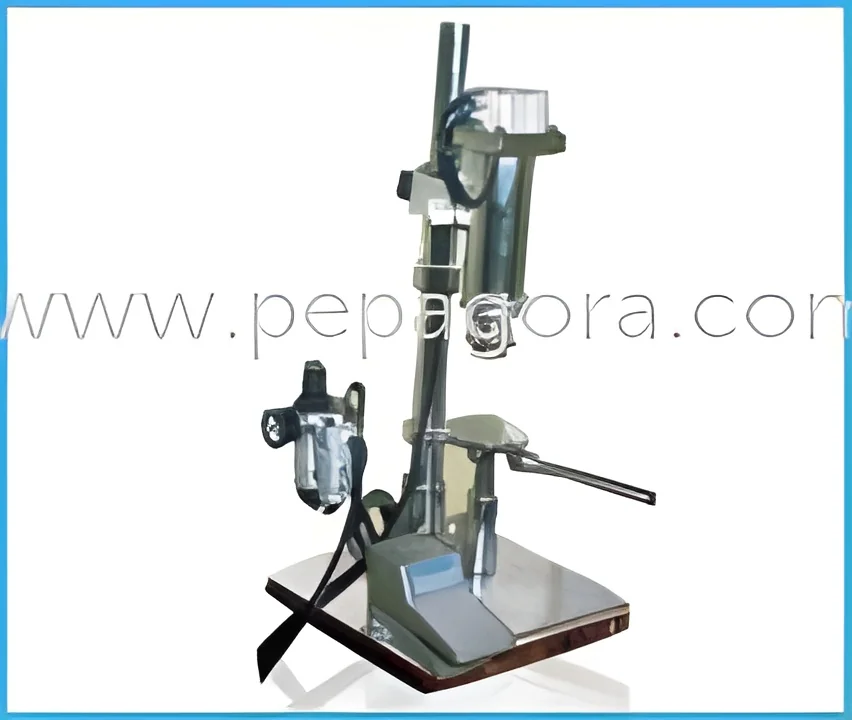
Manual Capping Machines: These machines are ideal for small-scale operations. They require human intervention for capping, making them suitable for low-volume production while offering flexibility and ease of use.
Semi-Automatic Capping Machines: These models combine manual and automatic processes. Operators place the caps, and the machine applies pressure or torque to secure them. They are suitable for medium-sized production runs.
Fully Automatic Capping Machines: Designed for high-volume operations, these machines automate the entire capping process. They integrate with production lines, increasing efficiency and output while minimizing labor costs.
Each variant offers distinct advantages, making it important for businesses to assess their production needs when selecting a capping machine.
Benefits and Advantages
Investing in capping machines provides numerous benefits that enhance production efficiency and product quality.
1. Improved Efficiency: Capping machines significantly speed up the sealing process compared to manual capping, increasing overall productivity.
2. Consistent Quality: Automatic and semi-automatic machines ensure uniform cap application, reducing the risk of human error and enhancing product integrity.
3. Cost-Effective: By automating the capping process, businesses can reduce labor costs and minimize waste, leading to overall cost savings.
4. Versatile Applications: Capping machines can handle various cap sizes and types, making them suitable for multiple industries and product lines.
5. Enhanced Safety: Properly capped containers reduce the risk of leaks and contamination, ensuring the safety of both products and consumers.
6. Compliance Assurance: Capping machines that meet industry standards help businesses maintain regulatory compliance, essential for market acceptance.
These benefits underscore the value of integrating capping machines into production lines, contributing to operational success.
Buying Guide for B2B Buyers
When sourcing capping machines, businesses should consider several key factors to ensure they make informed purchasing decisions.
1. Quality Assessment: Evaluate the build quality and materials used in the machine. Look for features that enhance durability and ease of maintenance.
2. Supplier Verification: Research potential suppliers to ensure they have a solid reputation and experience in providing capping machines. Check for customer reviews and testimonials.
3. Pricing and MOQ: Compare pricing structures and minimum order quantities from different suppliers. Understand how these factors align with your budget and production needs.
4. Delivery and Lead Times: Confirm the expected delivery timelines. Reliable suppliers should provide clear information on lead times to avoid production delays.
5. Compliance Requirements: Ensure that the machines meet industry-specific compliance standards. This is crucial for regulatory approval and market entry.
By considering these factors, B2B buyers can make strategic decisions that align with their operational goals.
Compliance and Certifications
Capping machines are subject to various quality standards and industry certifications that ensure their safety and effectiveness. Key standards include ISO 9001, which focuses on quality management systems, and HACCP, which emphasizes food safety management.
Additionally, many capping machines carry the CE certification, indicating compliance with European health, safety, and environmental protection standards. This certification is crucial for businesses operating in or exporting to European markets.
Safety and testing requirements also play a significant role in the design and operation of capping machines. Manufacturers must ensure that their machines are rigorously tested for performance and safety. This includes assessments of mechanical components and operational reliability.
Regionally, businesses must consider specific compliance regulations that may vary by country. Understanding these requirements is essential for ensuring that capping machines operate within legal and safety parameters, thereby protecting both the business and its consumers.
Why Source Capping Machines from Pepagora?
Pepagora is an established platform for sourcing capping machines, offering several advantages to B2B buyers.
Verified Supplier Network: Pepagora features a network of thoroughly vetted suppliers. This verification process ensures that buyers can trust the quality and reliability of the products offered.
Streamlined RFQ Process: The platform provides a simplified Request for Quotation (RFQ) process, allowing buyers to receive multiple quotations efficiently. This helps businesses compare options and make informed decisions.
Trade Assurance and Support: Pepagora offers trade assurance, protecting buyers against potential risks. The platform provides support for resolving disputes, ensuring a smoother purchasing experience.
Regional Coverage: With a strong presence in India, the GCC, and Southeast Asia, Pepagora connects buyers with suppliers across these regions. This geographic reach enhances sourcing opportunities and ensures access to a diverse range of capping machines.
By choosing Pepagora, businesses can streamline their procurement process while ensuring high-quality sourcing of capping machines that meet their operational needs.

 IN
IN