
 IN
Lab Scale Coating Machine
4 products available
What are Lab Scale Coating Machine?
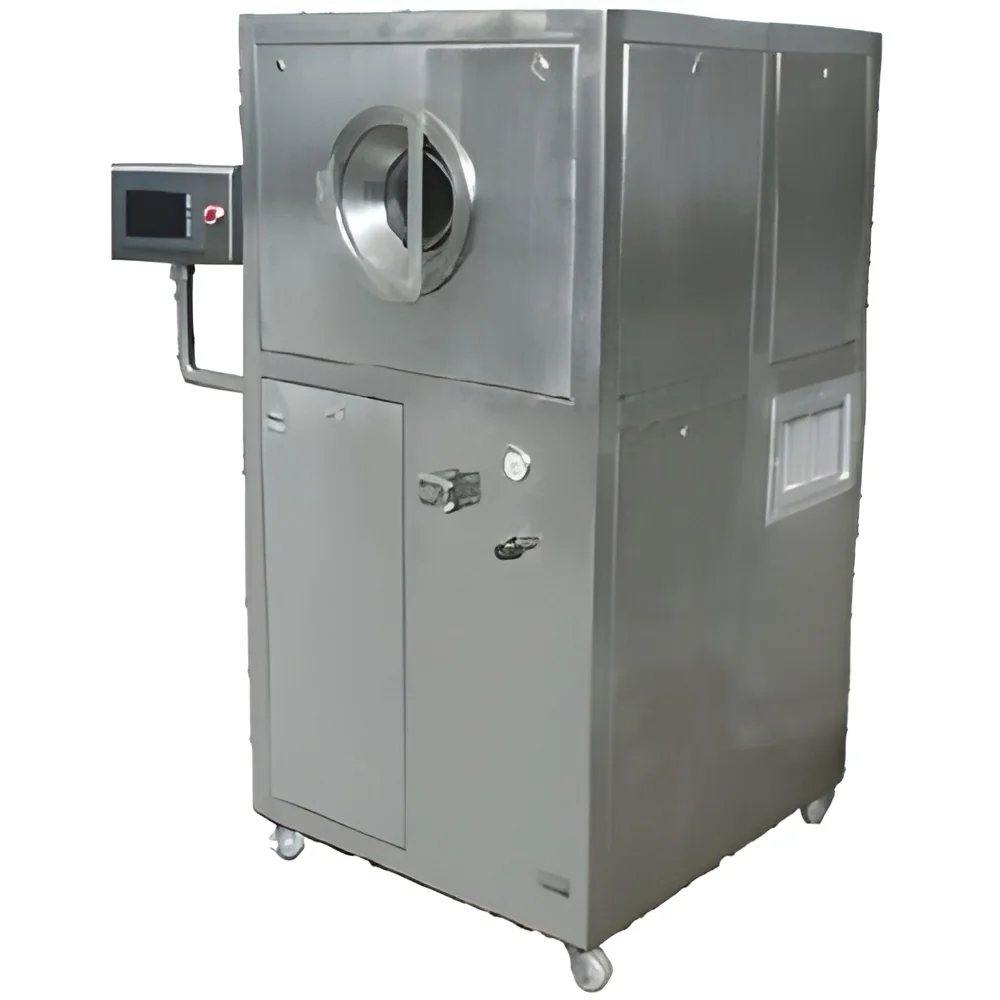
Lab scale coating machines are specialized equipment designed for the precise application of coating materials on various substrates in a laboratory setting. These machines enable researchers and manufacturers to conduct small-scale experiments and optimize coating processes before scaling up to production levels. They are particularly useful for testing different formulations, adjusting parameters, and assessing the performance of coatings in controlled environments.
These machines find extensive use in industries such as pharmaceuticals, food processing, and electronics, where the application of coatings plays a crucial role in product quality and functionality. In pharmaceutical research, for instance, lab scale coating machines are used for coating tablets and pellets to ensure controlled release of active ingredients. In food processing, they help in applying coatings that enhance flavor or shelf life. The versatility of lab scale coating machines makes them an essential tool in many industrial applications, allowing businesses to innovate and refine their products effectively.
Key Features and Specifications
Lab scale coating machines come equipped with a range of features that facilitate precise coating applications. These machines are designed to offer flexibility and control over various parameters, making them suitable for diverse applications.
Key specifications include:
1. Coating Method
- Options for different coating techniques, such as spray, dip, or fluidized bed.
- Enables users to select the most appropriate method for their specific requirements.
2. Control Systems
- Advanced control systems for monitoring and adjusting parameters like speed, temperature, and humidity.
- Offers precise control over the coating process to achieve desired results.
3. Batch Size
- Typically accommodates small batch sizes, allowing for experimentation with various formulations.
- Ideal for research and development purposes.
4. Material Compatibility
- Capable of working with a variety of coating materials, including polymers, resins, and powders.
- This versatility supports diverse applications across industries.
5. Safety Features
- Equipped with safety mechanisms to ensure safe operation, including emergency shut-off systems.
- Provides a secure working environment for operators.
6. Mobility
- Often designed to be compact and portable for ease of use in laboratory settings.
- Facilitates easy relocation within the lab as needed.
7. Energy Efficiency
- Designed to consume less power while maintaining performance.
- Supports sustainability in laboratory operations.
8. User-Friendly Interface
- Intuitive controls for ease of operation, even for users with limited technical experience.
- Enhances productivity and reduces training time.
The combination of these features allows lab scale coating machines to be effective tools for research and development, driving innovation across various sectors.
Common Applications and Use Cases
Lab scale coating machines are utilized in multiple industries for various applications.
1. Pharmaceutical Industry: These machines are used to coat tablets and pellets to enhance drug delivery and modify release profiles. They help researchers optimize coating formulations for specific therapeutic effects.
2. Food Processing: In the food industry, lab scale coating machines apply coatings that can improve product flavor, texture, and shelf life. This is crucial for creating appealing and long-lasting food products.
3. Electronics: Coating machines are employed to apply protective coatings on electronic components, enhancing their durability and performance. This is essential for ensuring reliability in electronic devices.
4. Cosmetics: In cosmetics manufacturing, these machines are used to coat powders and other materials, ensuring uniform application of colors and other functional ingredients.
5. Chemical Manufacturing: Lab scale coating machines assist in the development of new chemical products by allowing for testing of various coating materials and methods.
6. Materials Science: Researchers use these machines to explore new materials and coatings, facilitating advancements in material properties and applications.
7. Automotive: Coating machines are used to apply protective and aesthetic coatings on automotive components, improving both functionality and appearance.
Product Variants and Subcategories
Lab scale coating machines come in various configurations to meet the specific needs of different users.
Compact Coating Machine: This variant is designed for small laboratories with limited space. It offers essential functions for coating applications while being easy to operate and maintain.
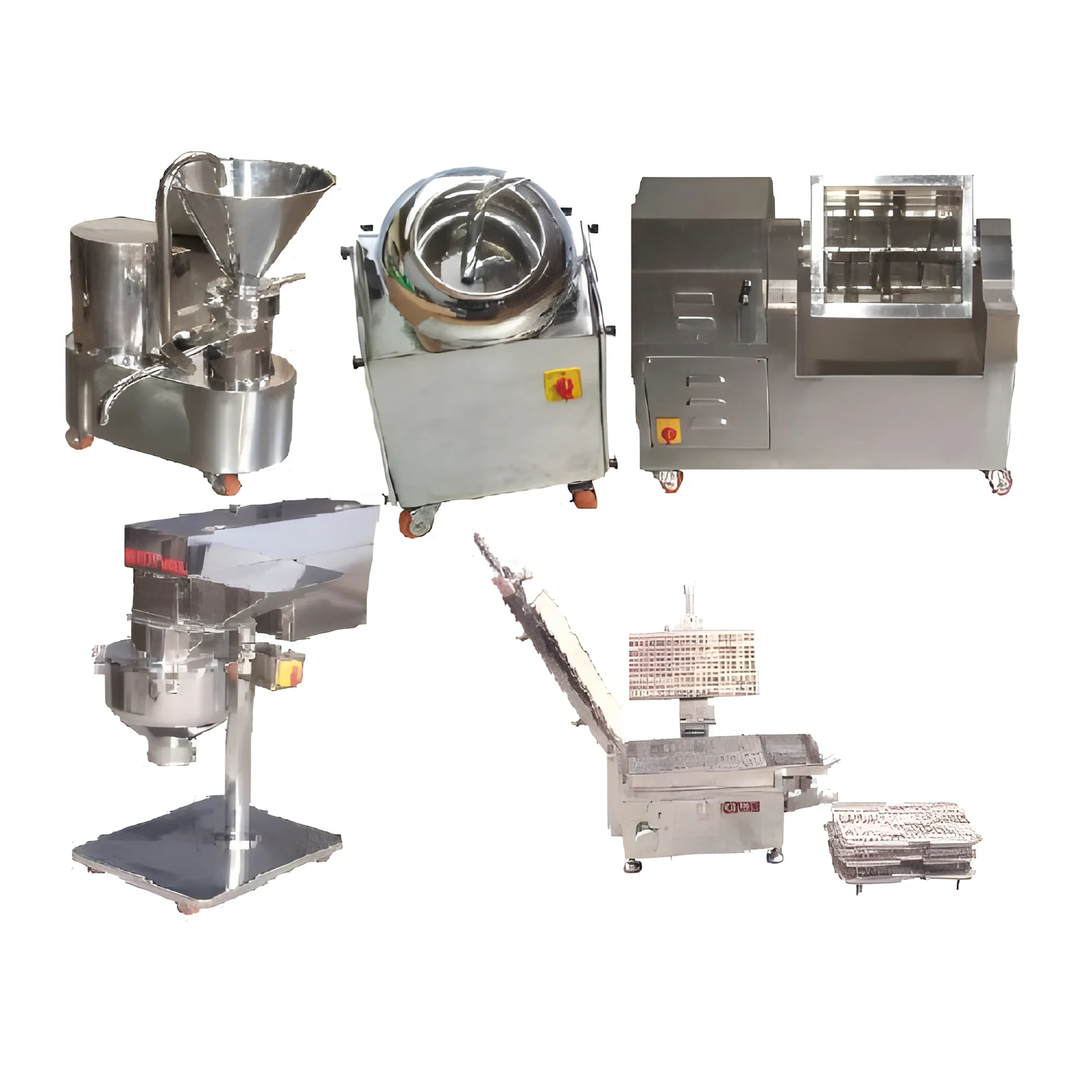
Multi-Function Coating Machine: This variant includes capabilities for multiple coating methods, allowing users to switch between spray, dip, and fluidized bed applications. It provides versatility for research and development tasks.
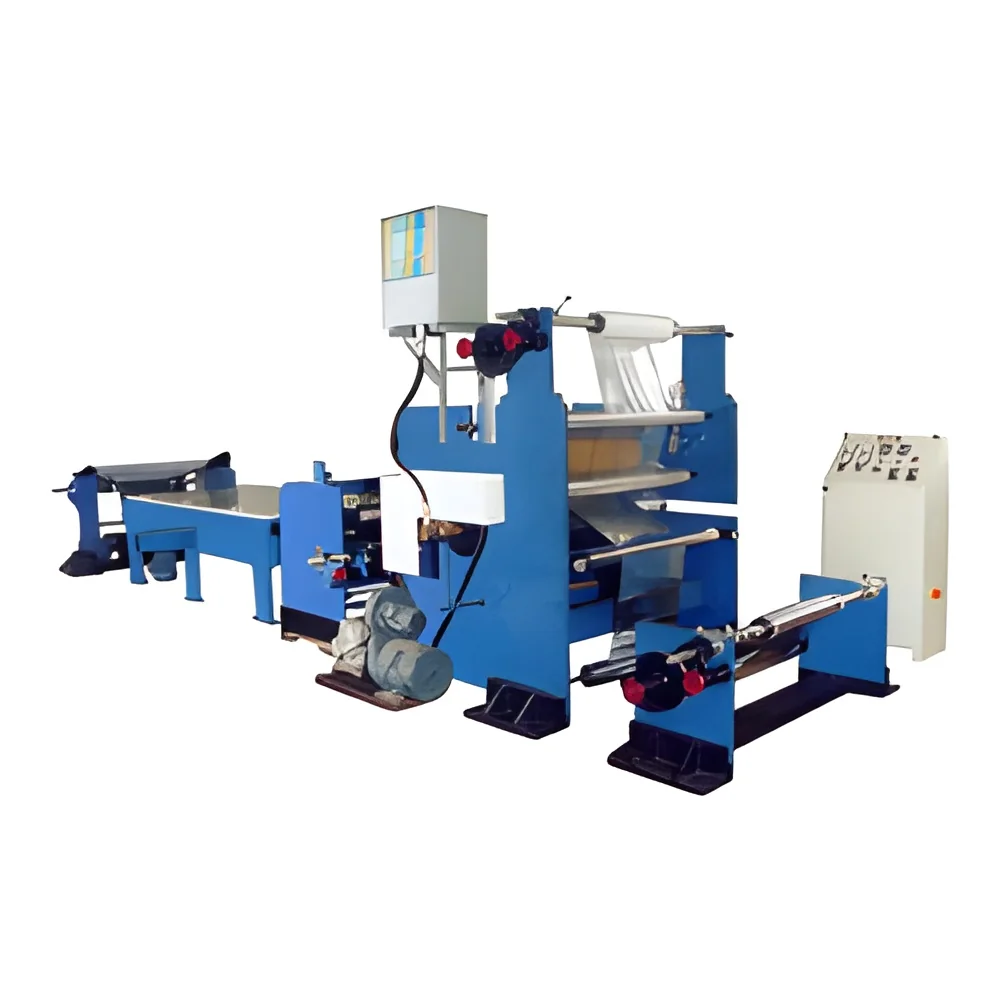
Automated Coating Machine: Designed for high-efficiency operations, this variant incorporates automation features for precise control over the coating process. It is suitable for labs aiming to streamline their workflow.
Benefits and Advantages
Investing in lab scale coating machines provides several significant benefits.
1. Enhanced Precision: These machines allow for exact control over coating parameters, ensuring high-quality results in laboratory experiments.
2. Cost Efficiency: By enabling small-scale testing, businesses can save costs associated with large-scale production errors and optimize formulations before full-scale manufacturing.
3. Speed of Innovation: Lab scale coating machines facilitate rapid testing of new ideas and formulations, accelerating the development of new products.
4. Flexibility: Their ability to work with a variety of materials and coating methods allows businesses to adapt to changing requirements and explore new applications.
5. Improved Quality Control: The detailed monitoring capabilities of these machines help maintain consistent quality in the coating process, leading to better overall product quality.
6. Support for Compliance: Utilizing lab scale coating machines helps companies adhere to industry standards and regulatory requirements by enabling thorough testing and validation of coatings.
Buying Guide for B2B Buyers
When sourcing lab scale coating machines, there are several factors to consider to ensure a successful purchase.
1. Quality Assessment: Evaluate the machine's construction and performance standards. Look for models that meet recognized quality benchmarks to ensure reliability and durability.
2. Supplier Verification: Research potential suppliers to verify their credibility and reputation in the industry. Check references and reviews to ensure they provide quality products and support.
3. Pricing and MOQ: Consider the pricing structure and minimum order quantity (MOQ) required by suppliers. Ensure that the costs align with your budget while also considering the potential return on investment.
4. Delivery and Lead Times: Discuss logistics with suppliers to understand delivery timelines and ensure that they align with your project schedules. Delays can impact production and development timelines.
5. Compliance Requirements: Ensure that the machines comply with relevant industry standards and certifications. This is crucial for maintaining regulatory compliance in your operations.
Compliance and Certifications
Compliance and certifications are critical aspects of lab scale coating machines.
These machines should adhere to relevant quality standards such as ISO 9001, which ensures consistent quality management practices. Compliance with HACCP (Hazard Analysis Critical Control Points) is also essential in food-related applications, ensuring safety and quality.
Additionally, industry certifications like CE are important for demonstrating compliance with European safety standards. Such certifications signify that the machine meets necessary safety and performance requirements, providing reassurance to buyers.
Safety and testing requirements must be thoroughly understood and addressed to ensure that the machines operate safely within the intended environments. Regional compliance considerations may vary, so it is essential to be aware of local regulations that apply to lab scale coating machines in your market.
Why Source Lab Scale Coating Machine from Pepagora?
Pepagora offers a trusted platform for sourcing lab scale coating machines, providing several key advantages for buyers.
Verified Supplier Network: Pepagora connects you with a network of verified suppliers, ensuring that you have access to high-quality machines from reputable manufacturers. This reduces the risk associated with sourcing equipment.
Streamlined RFQ Process: The platform features a streamlined request for quotation (RFQ) process that simplifies obtaining quotes from multiple suppliers. This allows buyers to compare options easily and make informed decisions.
Trade Assurance and Support: Pepagora provides trade assurance, protecting buyers throughout the purchasing process. This includes support services to address any concerns or issues that may arise during the transaction.
Regional Coverage: With a focus on markets in India, the GCC, and Southeast Asia, Pepagora offers extensive regional coverage, making it easier for businesses in these areas to find suitable coating solutions tailored to their specific needs.


Frequently Asked Questions
What are Lab Scale Coating Machine?
<p>Lab Scale Coating Machines are specialized equipment designed for coating processes on a smaller scale, typically used in research and development environments. They are essential for testing various coating formulations and processes before scaling up to larger production runs.</p>
What are the different types of Lab Scale Coating Machine?
<p>There are several types of Lab Scale Coating Machines, including fluid bed coaters, spray coaters, and dip coaters. Each type operates on different principles and is suited for various applications, such as pharmaceutical, food, and electronics sectors.</p>
How do I choose the right Lab Scale Coating Machine?
<p>Choosing the right Lab Scale Coating Machine involves considering factors such as the type of coating process required, the materials to be coated, and the desired coating thickness. Additionally, evaluate the machine's compatibility with your laboratory's existing equipment and processes.</p>
What are the standard specifications for Lab Scale Coating Machine?
<p>Standard specifications for Lab Scale Coating Machines may include coating capacity, temperature control range, pressure settings, and the types of materials compatible with the machine. It's important to review these specifications to ensure they meet your specific coating needs.</p>
What is the price range for Lab Scale Coating Machine?
<p>The price range for Lab Scale Coating Machines can vary widely depending on the type, manufacturer, and specifications. Generally, prices can range from a few thousand to several lakhs of Indian Rupees, depending on the complexity and features of the machine.</p>
What quality standards apply to Lab Scale Coating Machine?
<p>Quality standards for Lab Scale Coating Machines often include compliance with ISO certifications and Good Manufacturing Practices (GMP). Ensuring that the machine meets these standards is crucial for maintaining product quality and safety in laboratory operations.</p>
Where can I find Lab Scale Coating Machine suppliers in India?
<p>You can find Lab Scale Coating Machine suppliers in India through online B2B marketplaces like Pepagora, industry trade shows, and local manufacturing directories. It's advisable to compare multiple suppliers to ensure you get quality products and competitive pricing.</p>
Can Lab Scale Coating Machine be customized?
<p>Yes, many manufacturers offer customization options for Lab Scale Coating Machines to meet specific requirements, such as unique coating processes or specific materials. Discussing your needs with suppliers can help you identify available customization options.</p>
What is the typical minimum order quantity for Lab Scale Coating Machine?
<p>The minimum order quantity (MOQ) for Lab Scale Coating Machines varies by manufacturer and product type. Generally, MOQs can range from one unit for custom machines to multiple units for standard models, depending on the supplier's policies.</p>
What is the typical lead time for Lab Scale Coating Machine?
<p>The typical lead time for Lab Scale Coating Machines can range from a few weeks to several months, depending on the complexity of the machine and the manufacturer's production schedule. It's best to confirm lead times directly with the supplier when placing an order.</p>
Why Businesses Trust Pepagora
Thousands of companies trust Pepagora to source smarter and sell faster
Expand Your Sales Globally

Source Smarter,Grow Faster
