
 IN
Vial Washing Machines
3 products available
What are Vial Washing Machines?
Vial washing machines are specialized equipment designed to clean and sanitize vials used in various industries, particularly in pharmaceuticals and biotechnology. These machines ensure that vials are free from contaminants, residues, and particles before being filled with products. The cleaning process typically involves multiple stages, including rinsing, washing, and drying, to achieve high levels of cleanliness and sterility.
The primary uses of vial washing machines are found in manufacturing environments where hygiene and precision are critical. They are essential in the pharmaceutical industry for preparing vials for the filling of medications, vaccines, and other sensitive substances. Additionally, they are utilized in laboratories and research facilities where sample integrity is paramount. The relevance of vial washing machines in the market is underscored by increasing regulatory requirements for cleanliness and safety in product manufacturing, driving the demand for advanced washing solutions.
Key Features and Specifications
Vial washing machines come with a variety of features and specifications that enhance their performance and efficiency. These machines are engineered to meet the stringent requirements of industrial cleaning processes, ensuring the highest standards of hygiene and reliability.
Key specifications include:
1. Cleaning Capacity
- Determines the number of vials that can be processed per hour.
- Typically ranges from 1,000 to 5,000 vials per hour.
2. Cycle Time
- The time required to complete a full washing cycle.
- Usually varies between 10 to 30 minutes depending on the model.
3. Number of Rinsing Stages
- Indicates the stages of rinsing included in the washing process.
- Commonly features 2 to 5 rinsing stages for thorough cleaning.
4. Automation Level
- Refers to the degree of automation in the washing process.
- Options include fully automated, semi-automated, or manual operation.
5. Material of Construction
- The type of materials used in the machine's construction.
- Stainless steel is commonly used for durability and ease of cleaning.
6. Control System
- Describes the technology used to operate and monitor the machine.
- Options include PLC (Programmable Logic Controller) and touchscreen interfaces.
7. Compliance Standards
- Indicates adherence to industry standards for safety and quality.
- Machines may comply with standards such as CE certification.
8. Energy Efficiency
- Refers to the machine's energy consumption during operation.
- Energy-efficient models are designed to reduce operational costs.
In summary, vial washing machines are equipped with advanced features and specifications that ensure efficient and effective cleaning processes, making them indispensable in industries that prioritize hygiene and safety.
Common Applications and Use Cases
Vial washing machines find applications across multiple industries, each with specific cleaning needs and standards.
1. Pharmaceutical Industry: These machines are critical for preparing vials that will be filled with medications and vaccines. They ensure that all vials are free from contaminants before the filling process.
2. Biotechnology: In biotech laboratories, vial washing machines are used to clean vials that contain biological samples. This is essential for maintaining sample integrity and preventing cross-contamination.
3. Food and Beverage: Vial washing machines can also be employed in the food industry to clean vials used for packaging liquid products, ensuring safety and compliance with health regulations.
4. Chemical Manufacturing: In this sector, the machines are used to clean vials that contain various chemical substances. Proper cleaning prevents unwanted chemical reactions and maintains product quality.
5. Cosmetic Industry: Vial washing machines help ensure that vials used for cosmetic products are clean and free from residues, which is crucial for consumer safety.
6. Research Laboratories: These machines are utilized in research settings to clean vials that contain reagents and samples, ensuring accurate and reliable results in experiments.
7. Veterinary Medicine: Vial washing machines are also used in veterinary settings to clean vials for medications intended for animals, ensuring compliance with health standards.
Product Variants and Subcategories
Vial washing machines come in various models and configurations to meet different operational needs.
Automatic Vial Washing Machines: These machines feature fully automated processes that reduce manual intervention, increasing efficiency and consistency. They are ideal for high-volume production environments.
Semi-Automatic Vial Washing Machines: Designed for flexibility, these machines require some manual input but provide automation for key functions. They are suitable for smaller operations or specialized applications.
Compact Vial Washing Machines: These models are designed for limited spaces while still providing effective cleaning capabilities. They are perfect for laboratories or small-scale production facilities.
Benefits and Advantages
Investing in vial washing machines offers numerous benefits to businesses across sectors.
1. Enhanced Cleaning Efficiency: These machines provide thorough cleaning, which is essential for maintaining product quality and safety.
2. Time Savings: Automated processes significantly reduce cleaning time, allowing for faster production cycles.
3. Compliance with Regulations: Vial washing machines help businesses meet stringent industry standards and regulations, avoiding potential fines and recalls.
4. Cost-Effectiveness: By reducing the need for manual labor and minimizing errors, these machines can lower operational costs over time.
5. Increased Reliability: Consistent cleaning results contribute to overall product reliability and consumer trust.
6. Versatility: Vial washing machines can be used in various industries, making them a valuable addition to any manufacturing setup.
Buying Guide for B2B Buyers
When sourcing vial washing machines, several key factors should be considered to ensure a suitable purchase.
1. Quality Assessment: Evaluate the machine's construction and cleaning capabilities. Look for models made from durable materials and those that meet industry standards.
2. Supplier Verification: Conduct thorough vetting of suppliers to ensure they are reputable and experienced in manufacturing vial washing machines. Check for customer reviews and industry references.
3. Pricing and MOQ: Understand the pricing structure and minimum order quantities. Consider negotiating terms that align with your budget and operational needs.
4. Delivery and Lead Times: Discuss delivery schedules and lead times to ensure that the machines can be integrated into your production process without delays.
5. Compliance Requirements: Ensure that the machines meet all necessary regulatory compliance requirements relevant to your industry, such as CE certification.
Compliance and Certifications
Vial washing machines must adhere to various quality standards and regulations to ensure safety and efficacy. ISO 9001 is a common standard, focusing on quality management systems to enhance customer satisfaction and operational efficiency. Another important standard is HACCP, which emphasizes food safety and hygiene practices, relevant for machines used in the food and beverage sector.
In addition to these standards, machines may also carry certifications like CE, indicating compliance with European health, safety, and environmental protection standards. It is essential for manufacturers to conduct safety and performance testing to meet industry benchmarks. Furthermore, regional compliance considerations must be taken into account, as different markets might have unique regulatory requirements that impact the design and operation of vial washing machines.
Why Source Vial Washing Machines from Pepagora?
Pepagora offers a reliable platform for sourcing vial washing machines, providing several key advantages for B2B buyers.
Verified Supplier Network: Pepagora’s extensive network of vetted suppliers ensures that buyers have access to high-quality machines from reputable manufacturers. This verification process helps mitigate risks associated with sourcing equipment.
Streamlined RFQ Process: The platform features a streamlined request for quotation (RFQ) process, allowing buyers to easily compare offers and specifications from multiple suppliers. This transparency aids in making informed purchasing decisions.
Trade Assurance and Support: Pepagora provides trade assurance for buyers, offering protection and support throughout the purchasing process. This includes assistance with logistical challenges and post-purchase inquiries.
Regional Coverage: With a focus on regions including India, the GCC, and Southeast Asia, Pepagora facilitates sourcing solutions that cater to a diverse range of market needs. This geographic reach helps buyers connect with local manufacturers and suppliers efficiently.

Frequently Asked Questions
What are Vial Washing Machines?
Vial Washing Machines are specialized equipment designed for cleaning vials used in the pharmaceutical and laboratory industries. They ensure the removal of contaminants, residues, and foreign particles from vials before they are filled with products.
What are the different types of Vial Washing Machines?
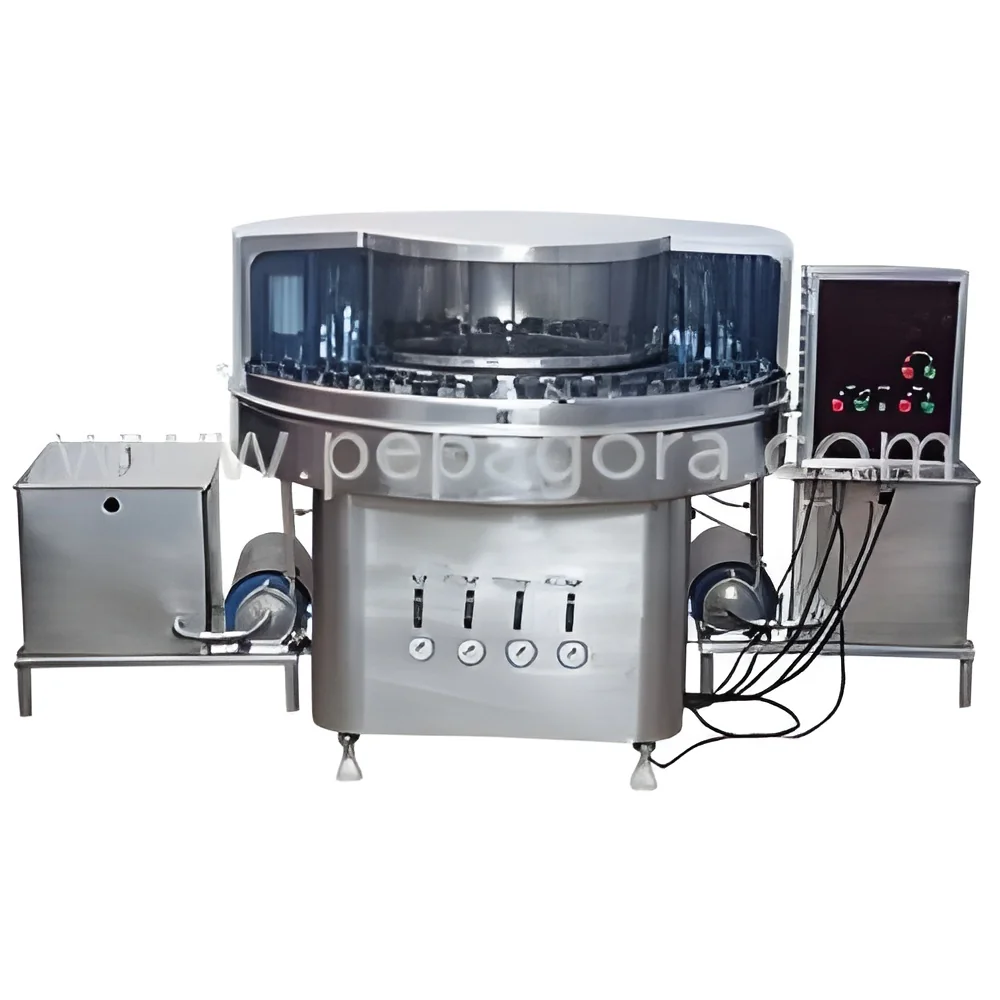
There are several types of Vial Washing Machines, including rotary, linear, and tunnel washing machines. Each type varies in design and functionality, catering to different production scales and washing requirements.
How do I choose the right Vial Washing Machines?
To choose the right Vial Washing Machine, consider factors such as the volume of vials to be washed, the level of contamination, and the available space. Additionally, evaluate the machine's efficiency, ease of operation, and compliance with industry standards.
What are the standard specifications for Vial Washing Machines?
Standard specifications for Vial Washing Machines typically include washing capacity, cycle time, and the number of washing stages. Other important specifications may involve dimensions, power requirements, and material compatibility.
What is the price range for Vial Washing Machines?
The price range for Vial Washing Machines can vary widely depending on factors such as machine type, specifications, and manufacturer. Generally, prices can range from a few hundred to several thousand dollars.
What quality standards apply to Vial Washing Machines?
Vial Washing Machines must comply with various quality standards including Good Manufacturing Practices (GMP) and ISO certifications. These standards ensure the machines are reliable, hygienic, and suitable for use in critical applications.
Where can I find Vial Washing Machines suppliers in India?
You can find Vial Washing Machines suppliers in India through B2B marketplaces like Pepagora, industry trade shows, and online directories. It's advisable to research and compare suppliers based on their reputation, product quality, and customer reviews.
Can Vial Washing Machines be customized?
Yes, many manufacturers offer customization options for Vial Washing Machines to meet specific operational needs. Customizations can include adjustments in size, washing parameters, and additional features tailored to particular industries.
What is the typical minimum order quantity for Vial Washing Machines?
The typical minimum order quantity (MOQ) for Vial Washing Machines varies by supplier, but it often ranges from one unit to several units. It's essential to check with individual suppliers for their specific MOQ policies.
What is the typical lead time for Vial Washing Machines?
The typical lead time for Vial Washing Machines can range from a few weeks to several months, depending on the manufacturer's production schedule and the complexity of the machine. It's recommended to confirm lead times with suppliers during the ordering process.
Why Businesses Trust Pepagora
Thousands of companies trust Pepagora to source smarter and sell faster
Expand Your Sales Globally

Source Smarter,Grow Faster
