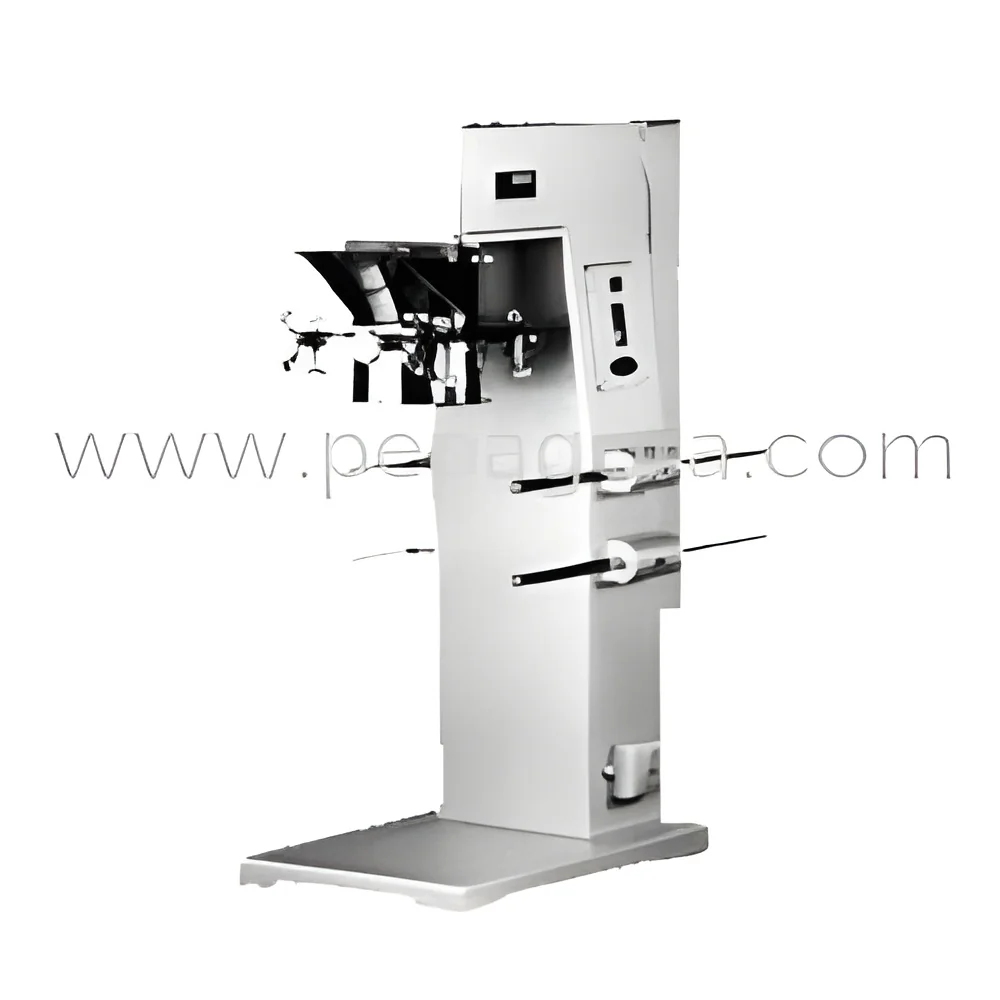
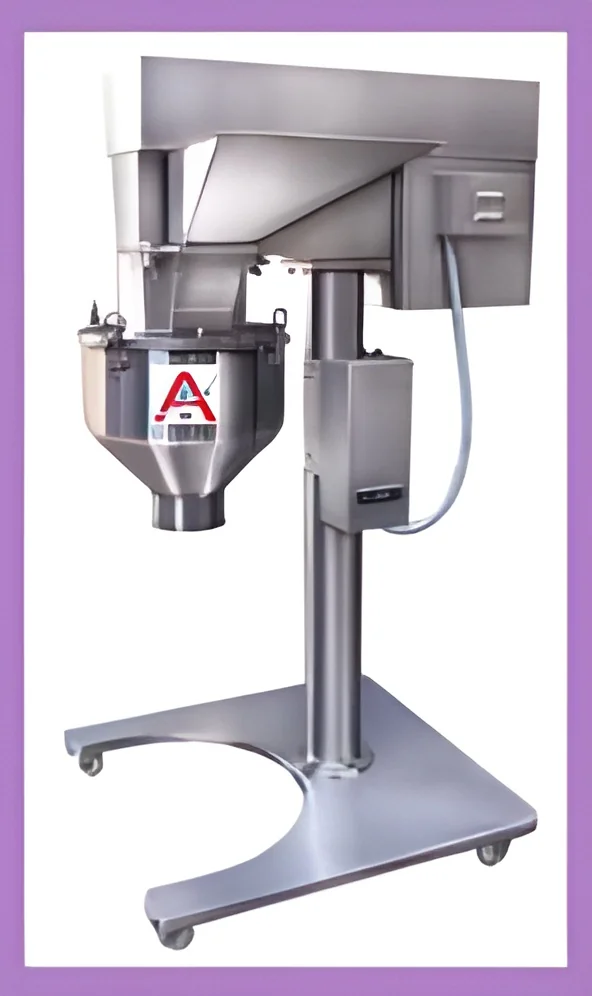
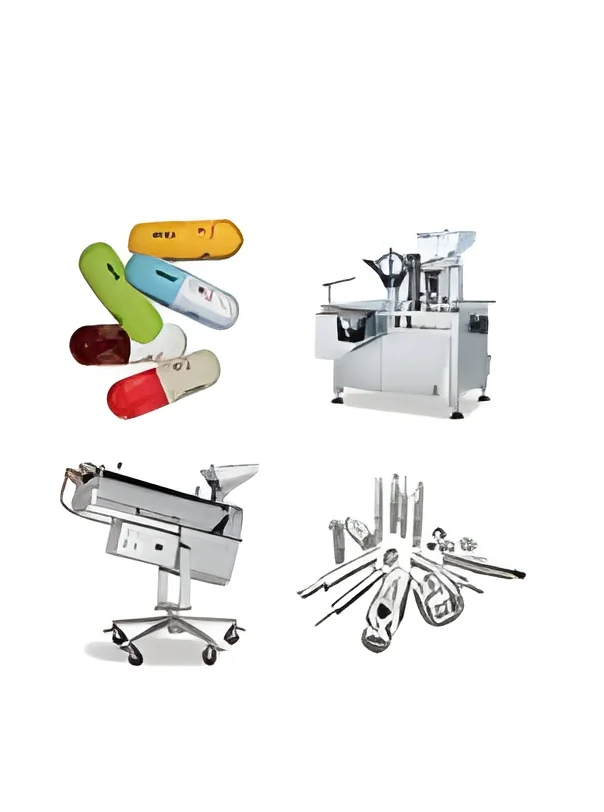
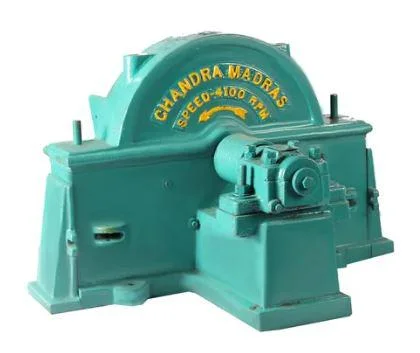
What are Granulation Machines?
Granulation machines are specialized equipment used to transform fine powders or granular materials into larger, more manageable granules. This process improves the flow, handling, and packaging of materials, making them more suitable for various industrial applications. Granulation is crucial in industries where precise particle size and consistency are required, such as pharmaceuticals, food production, and chemical manufacturing.
These machines play a vital role in the manufacturing process by enhancing the physical properties of materials. The granulation process can involve different techniques, including wet granulation, dry granulation, and extrusion granulation. Each method has its unique advantages and is selected based on the specific requirements of the material being processed. In today's competitive market, granulation machines are essential for businesses aiming to optimize production efficiency and product quality.
Granulation machines are relevant across numerous industries, responding to the growing demand for high-quality granular products. As companies seek to improve their operational efficiency, the market for granulation machines continues to expand, integrating advanced technologies to meet evolving industry standards.
Key Features and Specifications
Granulation machines come with a range of features designed to enhance their performance and versatility. Understanding these specifications is crucial for selecting the right equipment for specific applications.
Key specifications include:
1. Granulation Method
- Includes options such as wet granulation, dry granulation, and extrusion.
- Each method has specific applications and benefits.
2. Production Capacity
- Defined in kilograms per hour (kg/h) or tons per hour (t/h).
- Capacity often varies based on the model and intended use.
3. Material Compatibility
- Machines may process a variety of materials, including powders, granules, and pellets.
- Specific models may be designed for particular materials or industries.
4. Control Systems
- Advanced models feature programmable logic controllers (PLC) for better monitoring.
- Some include touch-screen interfaces for user-friendly operation.
5. Dimensions and Weight
- Physical size and weight vary depending on the machine type and capacity.
- Important for determining installation and operational space requirements.
6. Energy Consumption
- Measured in kilowatts (kW), reflecting the machine's efficiency.
- Lower energy consumption can lead to cost savings in production.
7. Safety Features
- Includes emergency stops, safety guards, and overload protection.
- Compliance with industry safety standards is essential.
8. Maintenance Requirements
- Machines may have different maintenance schedules and ease of access for servicing.
- Regular maintenance is crucial for optimal performance and longevity.
In summary, understanding the key features and specifications of granulation machines is vital for making an informed purchasing decision. These factors directly influence the machine's efficiency, suitability, and operational costs.
Common Applications and Use Cases
Granulation machines serve various industries, each with unique requirements and applications.
1. Pharmaceutical Industry: Granulation is essential in producing tablets and capsules, ensuring uniformity in size and dosage.
2. Food Processing: Used for creating granulated sugar, spices, and other food products, enhancing flowability and shelf life.
3. Chemical Manufacturing: Helps in producing granules for fertilizers, detergents, and other chemical products, improving handling and distribution.
4. Plastics Industry: Granulation machines convert plastic waste into granules for recycling and repurposing.
5. Cosmetics Industry: Used for creating consistent granules in powdered cosmetics, ensuring uniform application and performance.
6. Nutraceuticals: Granulation ensures the proper dosage and delivery of vitamins and supplements in capsule or tablet form.
7. Agriculture: Produces granules for fertilizers and pesticides, improving application efficiency and effectiveness.
These applications highlight the versatility and importance of granulation machines in enhancing product quality and operational efficiency across various sectors.
Product Variants and Subcategories
Granulation machines are available in various models to cater to different industrial needs.
High-Shear Granulation Machines: These machines use high-speed impellers to mix powders with a liquid binder, creating granules with uniform size and density. They are ideal for pharmaceutical applications and can handle a wide range of materials.
Fluid Bed Granulators: This variant employs a fluidized bed to dry and granulate materials simultaneously. It is particularly effective for heat-sensitive substances and offers excellent control over granule size and moisture content.
Roller Compaction Granulators: These machines compress powder between two rollers, forming granules without the use of liquid. They are commonly used in the chemical and food industries for producing dry granules.
Benefits and Advantages
Granulation machines offer numerous benefits that contribute to improved production processes.
1. Enhanced Product Quality: Granulation improves the consistency and quality of end products, leading to better performance and customer satisfaction.
2. Improved Handling: Larger granules are easier to handle, transport, and package, minimizing losses during production.
3. Increased Efficiency: Granulation machines can significantly speed up production processes, reducing overall manufacturing time.
4. Customization Options: Many granulation machines can be tailored to meet specific material and application requirements.
5. Cost-Effectiveness: By improving efficiency and reducing waste, granulation machines can lead to lower production costs.
6. Versatility: These machines can handle a wide range of materials, making them suitable for various industries and applications.
Buying Guide for B2B Buyers
When sourcing granulation machines, several factors must be considered to ensure the right choice.
1. Quality Assessment: Evaluate the quality of materials and construction. Look for machines that meet industry standards to ensure reliability and durability.
2. Supplier Verification: Vet suppliers by checking their reputation, certifications, and customer reviews. Ensure they have experience in providing granulation solutions.
3. Pricing and MOQ: Understand pricing structures and minimum order quantities. Compare quotes from multiple suppliers to find competitive pricing.
4. Delivery and Lead Times: Consider the logistics involved in shipping and installation. Ensure suppliers can meet your timelines for delivery.
5. Compliance Requirements: Be aware of regulatory needs specific to your industry. Ensure the machines comply with necessary safety and quality standards.
Compliance and Certifications
Granulation machines must adhere to several relevant quality standards and certifications to ensure safety and efficiency.
ISO 9001 is a widely recognized standard that ensures quality management systems are in place. Compliance with this standard indicates a commitment to quality and continuous improvement.
HACCP (Hazard Analysis and Critical Control Points) is crucial in industries such as food processing, ensuring that all potential hazards are identified and controlled throughout the production process.
UL and CE certifications indicate that the machines meet safety and environmental protection standards. These certifications are essential for gaining customer trust and ensuring legal compliance.
Safety and testing requirements are critical in the selection of granulation machines. Regular testing and adherence to safety protocols help prevent accidents and ensure operator safety.
In addition, regional compliance considerations may vary depending on local regulations, making it essential for buyers to understand the specific requirements for their region.
Why Source Granulation Machines from Pepagora?
Pepagora provides a trusted platform for sourcing granulation machines, offering a range of advantages that benefit B2B buyers.
Verified Supplier Network: Pepagora features a network of verified suppliers, ensuring that buyers can confidently select quality granulation machines from reputable manufacturers.
Streamlined RFQ Process: The request for quotation process is straightforward, allowing buyers to quickly compare different suppliers and their offerings, making it easier to find the right equipment.
Trade Assurance and Support: Pepagora offers trade assurance, protecting buyers from potential risks. Dedicated support is available to assist throughout the purchasing process.
Regional Coverage: With a strong presence in India, GCC, and Southeast Asia, Pepagora connects buyers to suppliers across these regions, facilitating efficient sourcing and logistics.
By choosing Pepagora, businesses can access high-quality granulation machines while enjoying the benefits of a reliable sourcing platform.

 IN
IN