
 IN
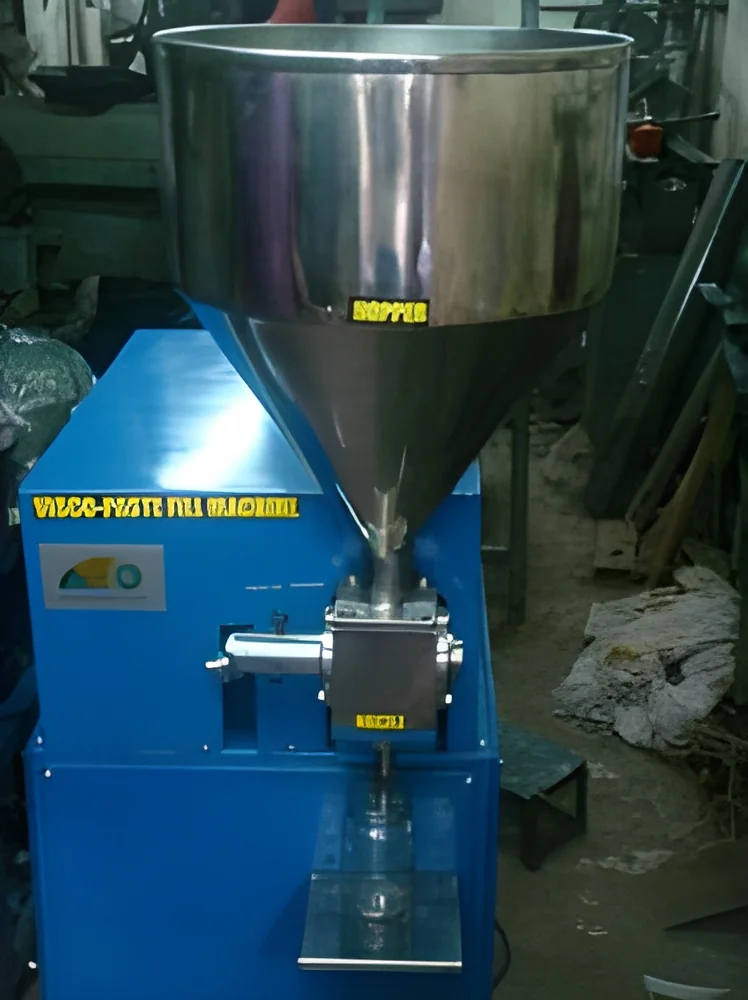
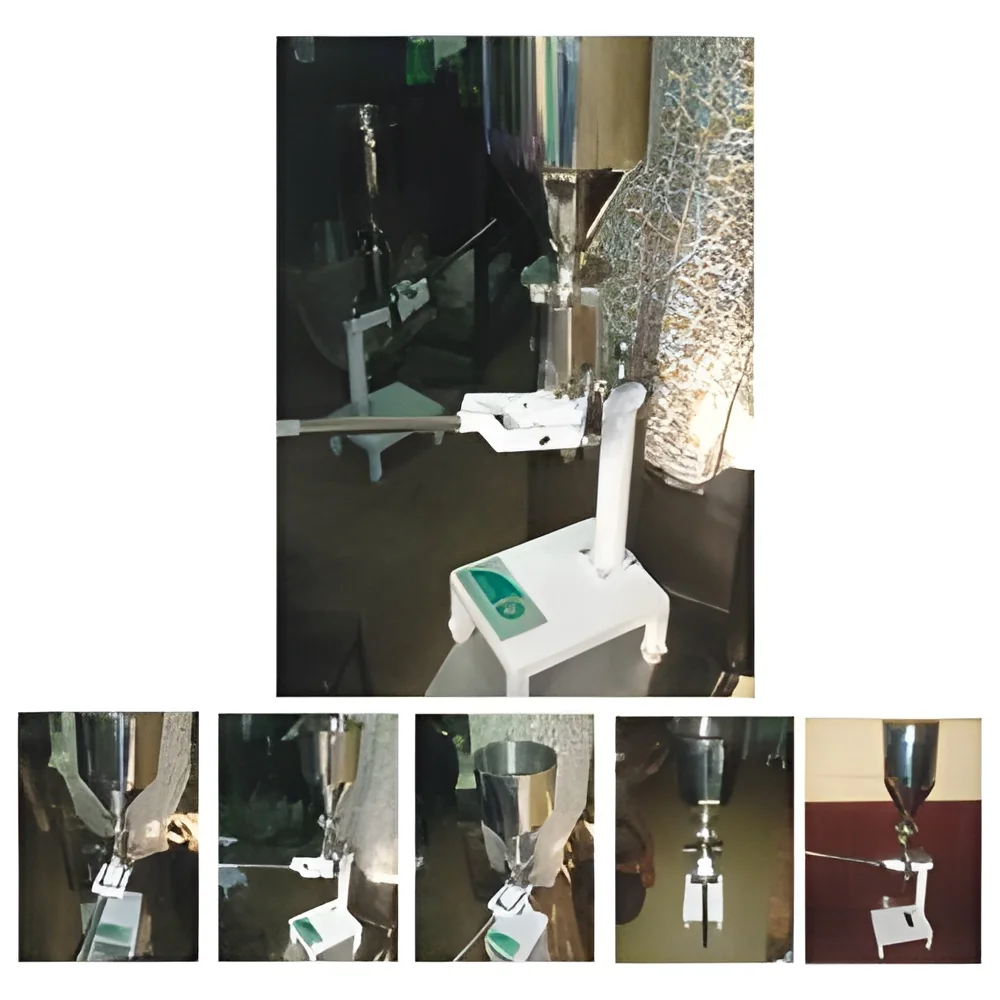
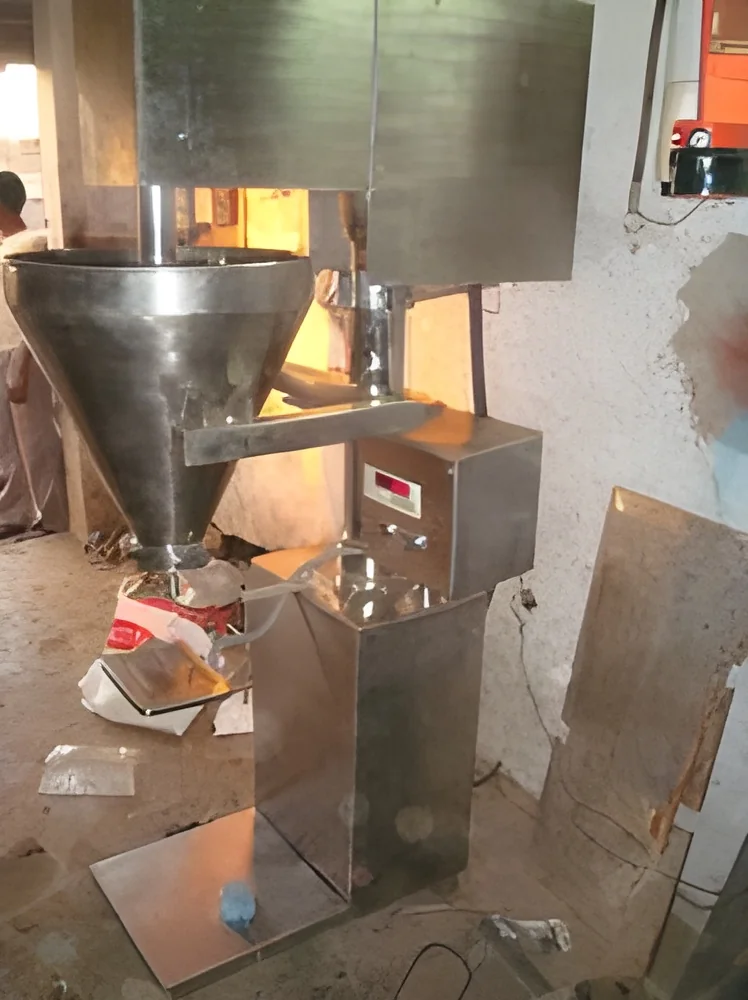
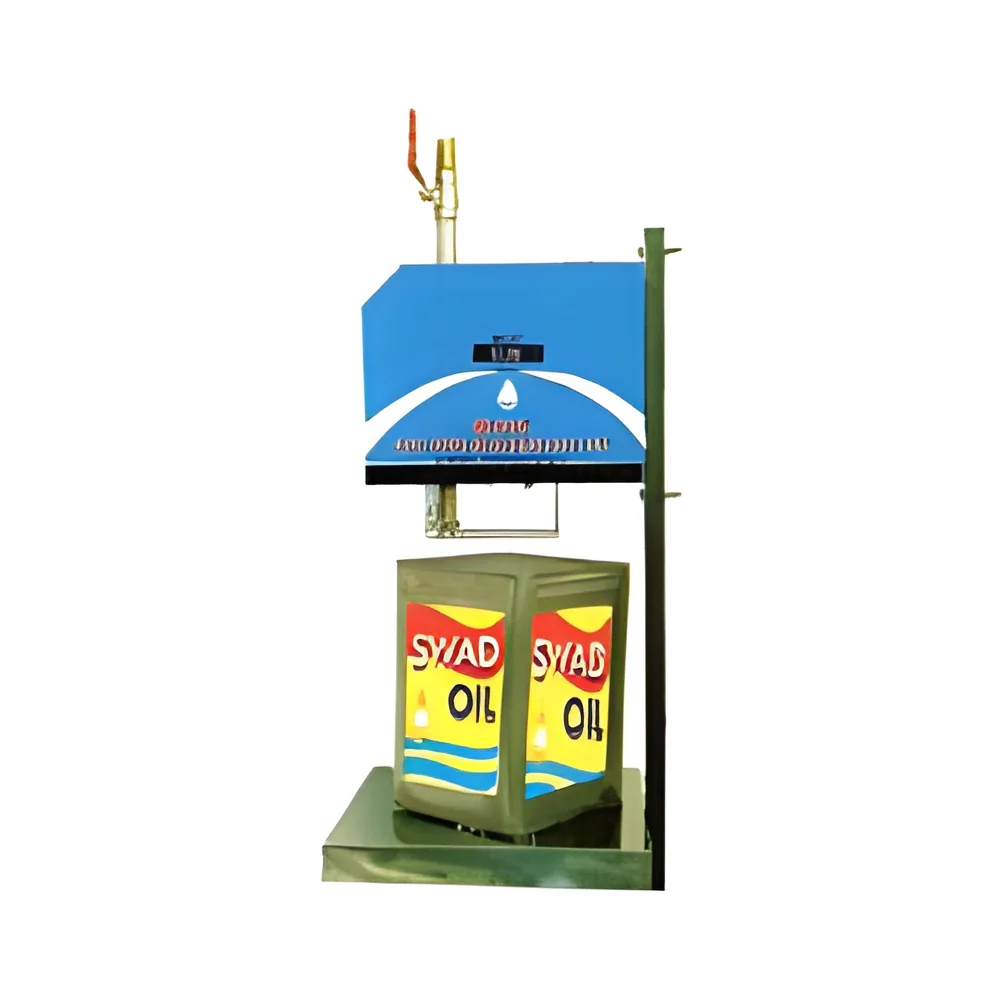
Liquid Filling Machines
13 products available
What are Liquid Filling Machines?
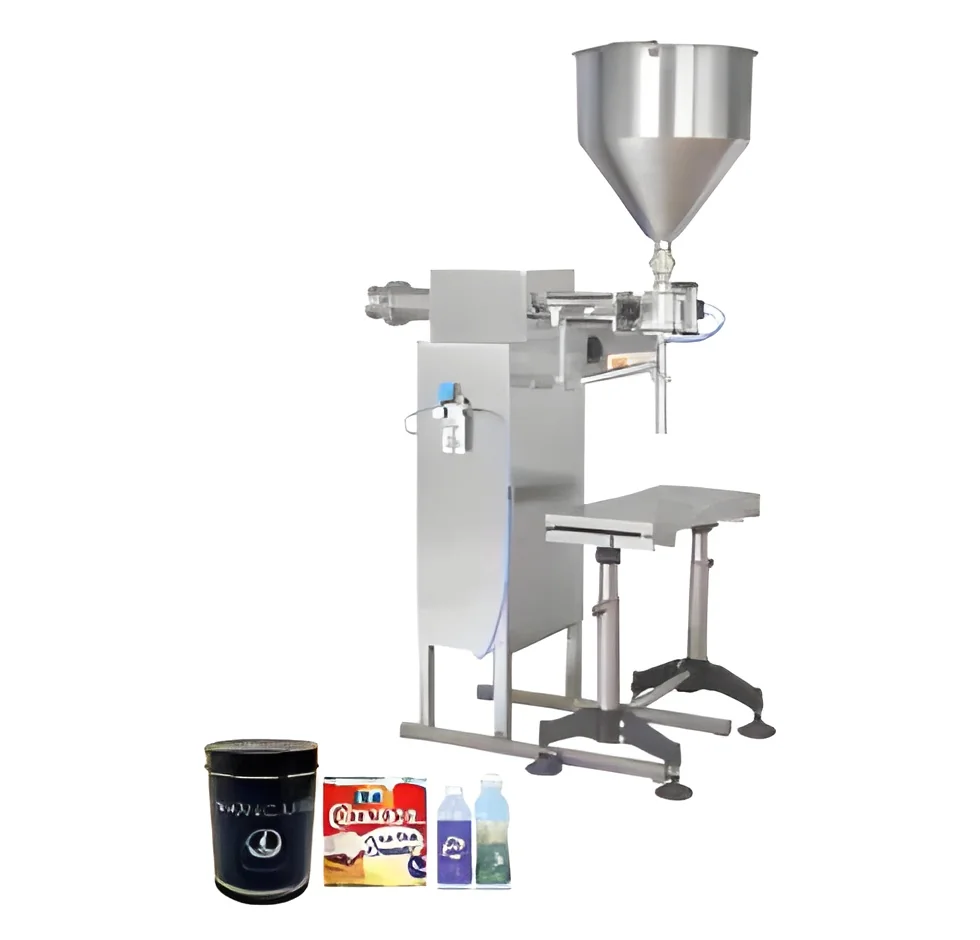
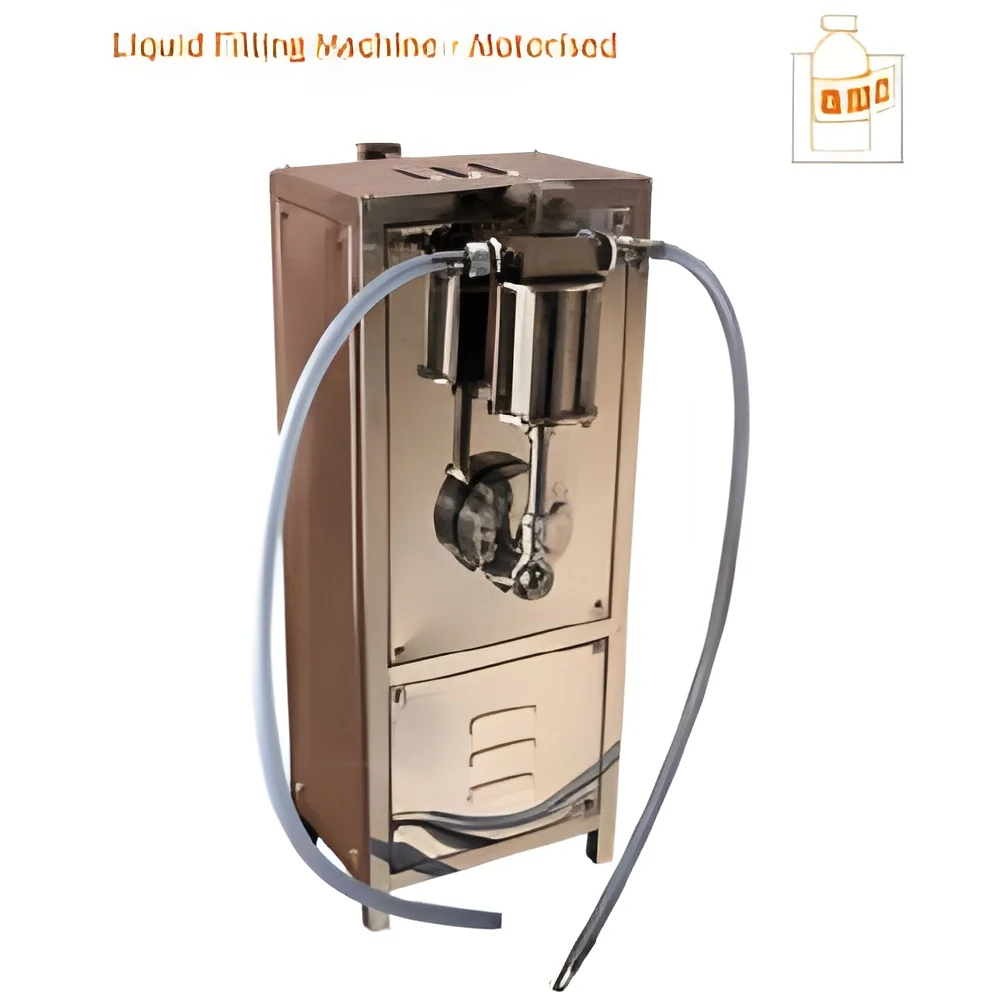
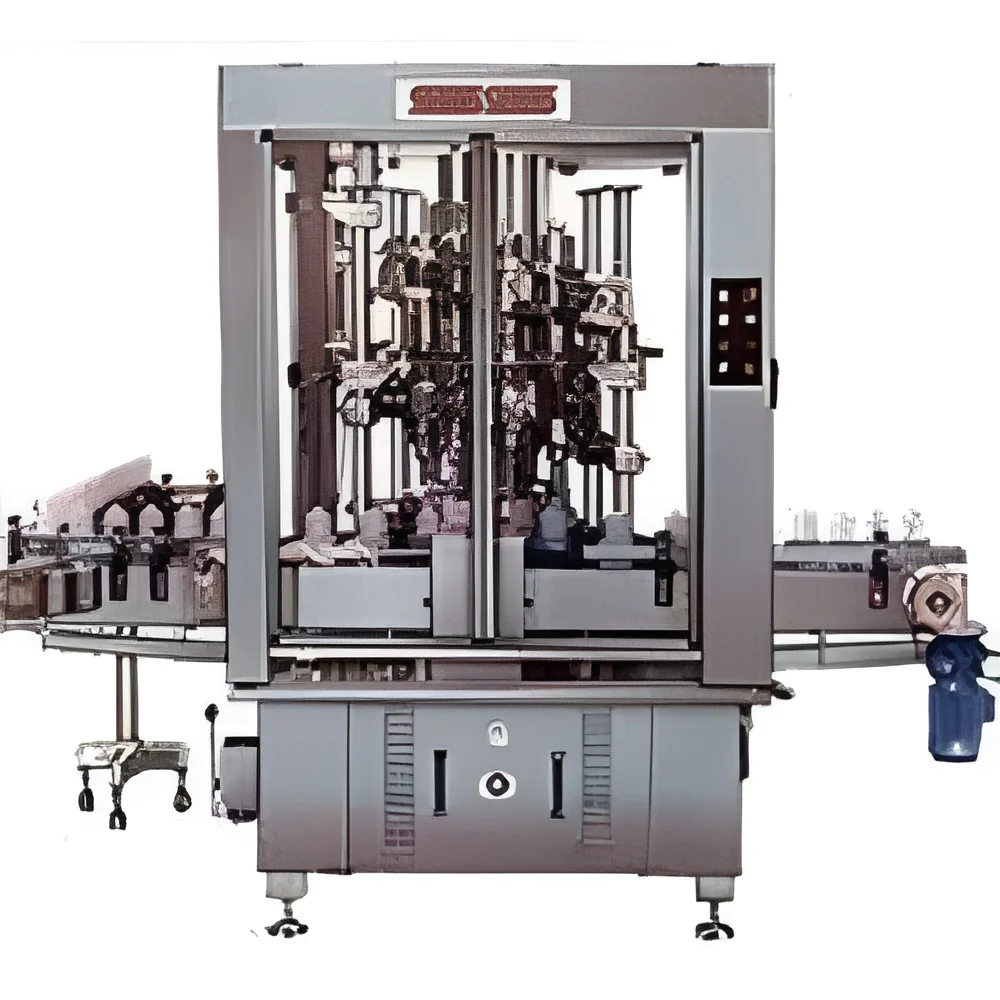
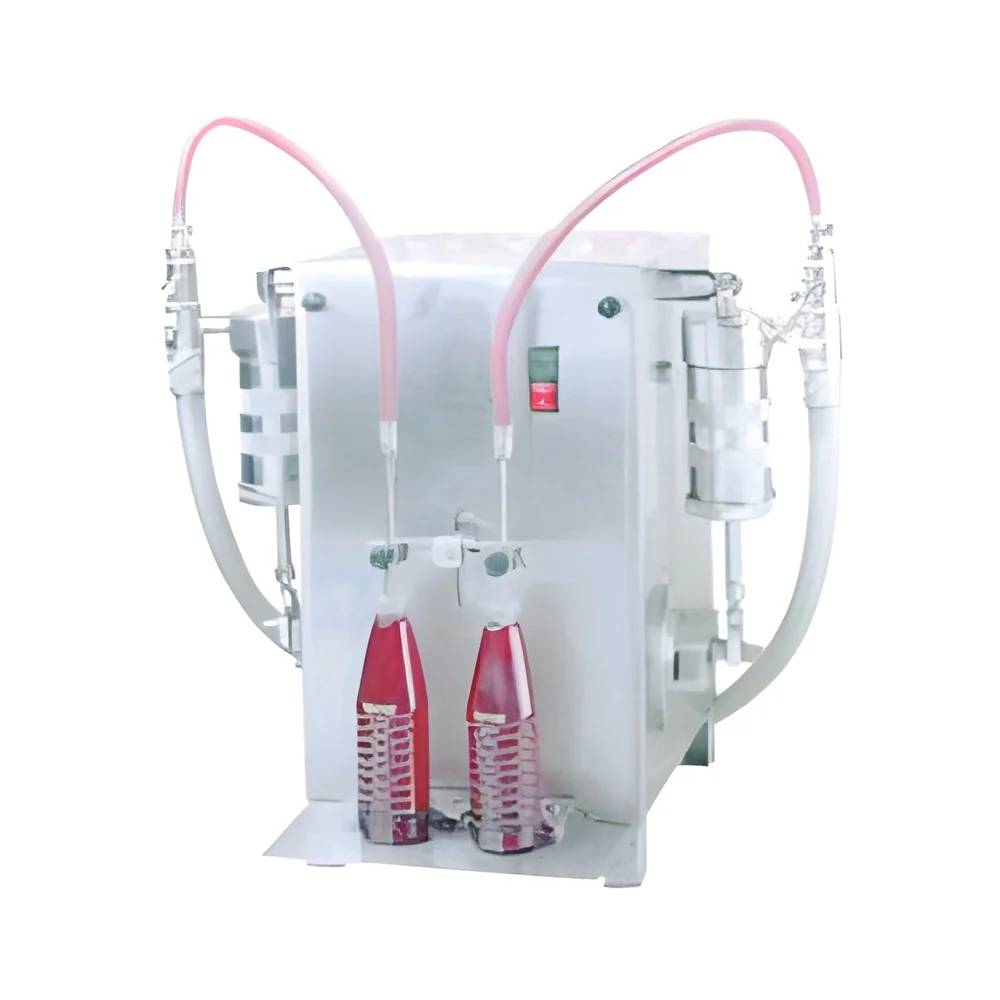
Liquid filling machines are specialized equipment designed for the precise and efficient filling of liquids into containers. These machines can handle a wide variety of liquid products, including water, oils, chemicals, and food items. Their primary function is to automate the filling process, ensuring that each container is filled to the desired level without spillage or waste. This automation not only enhances speed and accuracy but also reduces labor costs associated with manual filling.
These machines find extensive use in various industries, such as food and beverage, pharmaceuticals, cosmetics, and chemicals. In manufacturing settings, they play a crucial role in boosting productivity and ensuring consistent quality. Businesses utilize liquid filling machines to streamline their production lines, improve operational efficiency, and meet stringent regulatory standards for product safety and quality. As industries continue to focus on automation and efficiency, the relevance of liquid filling machines in the market remains strong.
Key Features and Specifications
Liquid filling machines come with a range of features and specifications tailored to meet the diverse needs of different industries. Understanding these specifications is essential for making informed purchasing decisions.
Key specifications include:
1. Filling Capacity
- Refers to the volume of liquid the machine can fill per cycle.
- Common ranges include 100 ml to 5 liters, depending on the application.
2. Filling Accuracy
- Measures the precision of the filling process.
- Typical accuracy levels are within ±1% of the target volume.
3. Speed of Operation
- Indicates the number of containers filled per minute.
- Ranges from 20 to 100 containers per minute based on machine type.
4. Container Compatibility
- Refers to the types of containers the machine can handle.
- Compatibility can include bottles, jars, and pouches of various sizes.
5. Control System
- Describes the technology used for machine operation.
- Options include manual, semi-automatic, and fully automatic systems.
6. Material of Construction
- Dictates the durability and suitability for different liquids.
- Common materials include stainless steel, plastic, and aluminum.
7. Power Consumption
- Indicates the energy required for operation.
- Generally ranges from 0.5 kW to 5 kW, depending on the model.
8. Safety Features
- Includes mechanisms to prevent accidents during operation.
- Features may include emergency stop buttons and safety guards.
In summary, selecting the right liquid filling machine involves considering these specifications to match the needs of your production line.
Common Applications and Use Cases
Liquid filling machines serve various industries, each with specific applications.
1. Food and Beverage: These machines are widely used to fill liquids like juices, sauces, and oils into bottles and containers, ensuring hygiene and accurate portioning.
2. Pharmaceuticals: In this sector, liquid filling machines are essential for packaging syrups, medications, and other liquid formulations, maintaining stringent quality standards.
3. Cosmetics: Liquid filling machines are ideal for filling lotions, perfumes, and other cosmetic products into various containers, enhancing production efficiency.
4. Chemicals: These machines are used for filling industrial liquids, such as solvents and detergents, into drums and bottles, ensuring safe handling.
5. Agriculture: They are utilized in the packaging of liquid fertilizers and pesticides, facilitating accurate dosing and minimizing spills.
6. Automotive: Liquid filling machines are employed for filling oils and lubricants into containers, ensuring precise volumes for automotive products.
7. Household Products: They are also used for filling household cleaners and detergents, enabling efficient production in bulk.
Product Variants and Subcategories
Liquid filling machines offer a diverse range of variants to cater to specific needs within different industries.
Volumetric Filling Machines
These machines utilize a piston or diaphragm mechanism to ensure accurate filling of liquids. They are suitable for various viscosity levels and are commonly used in the food and pharmaceutical industries.
Gravity Filling Machines
Designed for low-viscosity liquids, these machines use gravity to fill containers. They are simple to operate and are often employed in bottling lines for beverages and water.
Pneumatic Filling Machines
Utilizing compressed air, these machines are ideal for filling foamy or highly viscous liquids. They are commonly found in cosmetics and industrial chemical applications.
Benefits and Advantages
Liquid filling machines provide numerous benefits that enhance operational efficiency and product quality.
1. Increased Efficiency: Automating the filling process significantly reduces time and labor costs, allowing for higher production rates.
2. Enhanced Accuracy: These machines ensure precise filling, minimizing product wastage and maintaining consistency across batches.
3. Improved Hygiene: Many liquid filling machines are designed with sanitary standards in mind, reducing the risk of contamination during the filling process.
4. Versatility: They can accommodate a wide range of liquids and container types, making them suitable for various industries.
5. Reduced Labor Costs: By automating the filling process, businesses can lower their reliance on manual labor, leading to cost savings.
6. Scalability: Liquid filling machines can be easily adjusted or expanded to meet growing production needs, making them a long-term investment.
Buying Guide for B2B Buyers
When sourcing liquid filling machines, several factors should be considered to ensure the right choice for your business.
1. Quality Assessment: Evaluate the quality of materials and construction standards used in the machine. Look for certifications that indicate reliability and safety.
2. Supplier Verification: Conduct thorough research on potential suppliers. Check their reputation, customer reviews, and track record in the industry.
3. Pricing and MOQ: Understand the pricing structure and minimum order quantities. Compare quotes from multiple suppliers to ensure competitive pricing.
4. Delivery and Lead Times: Consider the logistics involved in delivery. Ensure the supplier can meet your required timelines for installation and operation.
5. Compliance Requirements: Be aware of any regulatory standards that the filling machines must meet in your industry, such as food safety regulations or chemical handling guidelines.
Compliance and Certifications
Liquid filling machines must adhere to several quality and safety standards to ensure they are suitable for their intended applications.
ISO 9001 is a widely recognized standard that ensures consistent quality management systems in manufacturing processes. Compliance with this standard indicates that the manufacturer follows strict quality control measures.
HACCP (Hazard Analysis and Critical Control Points) is essential in food manufacturing, focusing on identifying and mitigating potential hazards in food safety. Machines meeting HACCP standards ensure safe handling of food products.
CE certification is crucial for machines sold in Europe, indicating compliance with health, safety, and environmental protection standards. This certification assures buyers of the machine's reliability and safety.
In addition to these standards, manufacturers may need to consider regional compliance requirements based on local regulations. This includes safety testing and certification relevant to specific industries or markets.
Why Source Liquid Filling Machines from Pepagora?
Pepagora offers a trusted platform for sourcing liquid filling machines, providing several key advantages to B2B buyers.
Verified Supplier Network: Pepagora connects buyers with a network of verified suppliers, ensuring that you can source high-quality machines with confidence.
Streamlined RFQ Process: The platform simplifies the request for quotation process, allowing buyers to easily compare offers from multiple suppliers and select the best fit for their needs.
Trade Assurance and Support: Pepagora provides buyer protection through trade assurance, ensuring that your investment is secure and that you receive the product as promised.
Regional Coverage: With a strong presence in India, the GCC, and Southeast Asia, Pepagora facilitates access to suppliers across these regions, enhancing your sourcing options and logistics efficiency.
This comprehensive support makes Pepagora an ideal partner for businesses looking to invest in liquid filling machines.

 India
 India
 India
 India
 India
 India
 India
 India
Frequently Asked Questions
What are Liquid Filling Machines?
Liquid Filling Machines are devices used to fill containers with liquid products efficiently and accurately. They are commonly used in industries such as food and beverage, pharmaceuticals, and cosmetics to ensure precise quantities are dispensed in each package.
What are the different types of Liquid Filling Machines?
There are several types of Liquid Filling Machines, including volumetric fillers, gravimetric fillers, and piston fillers. Each type operates differently, catering to various applications and liquid viscosities, from water-thin to thicker liquids.
How do I choose the right Liquid Filling Machines?
Choosing the right Liquid Filling Machine involves considering factors such as the type of liquid, the required filling speed, and the container sizes. It is also essential to evaluate the machine's compatibility with your production line and any specific regulatory requirements.
What are the standard specifications for Liquid Filling Machines?
Standard specifications for Liquid Filling Machines typically include filling speed, accuracy, and container compatibility. Additional specifications may cover the machine's dimensions, power requirements, and materials of construction, which affect durability and hygiene.
What is the price range for Liquid Filling Machines?
The price range for Liquid Filling Machines can vary significantly based on the technology, manufacturer, and features. Generally, prices can start from a few thousand INR for basic models and go up to several lakhs for high-capacity, advanced machines.
What quality standards apply to Liquid Filling Machines?
Liquid Filling Machines may need to comply with various quality standards, including ISO certifications and industry-specific regulations. These standards ensure that the machines are safe, reliable, and capable of producing products that meet quality requirements.
Where can I find Liquid Filling Machines suppliers in India?
You can find Liquid Filling Machines suppliers in India through online B2B marketplaces like Pepagora, industry trade shows, and manufacturer directories. Researching suppliers and reading reviews can help you identify reputable manufacturers.
Can Liquid Filling Machines be customized?
Yes, many manufacturers offer customization options for Liquid Filling Machines to meet specific production needs. Customizations can include modifications in size, filling mechanisms, and features to enhance efficiency and usability.
What is the typical minimum order quantity for Liquid Filling Machines?
The typical minimum order quantity (MOQ) for Liquid Filling Machines can vary by supplier, but it usually ranges from one unit for standard machines to several units for customized or specialized models. Always check with the supplier for their specific MOQ requirements.
What is the typical lead time for Liquid Filling Machines?
The typical lead time for Liquid Filling Machines can range from a few weeks to several months, depending on the machine's complexity and the manufacturer's production schedule. It is advisable to confirm lead times with the supplier during the ordering process.
Why Businesses Trust Pepagora
Thousands of companies trust Pepagora to source smarter and sell faster
Expand Your Sales Globally

Source Smarter,Grow Faster
