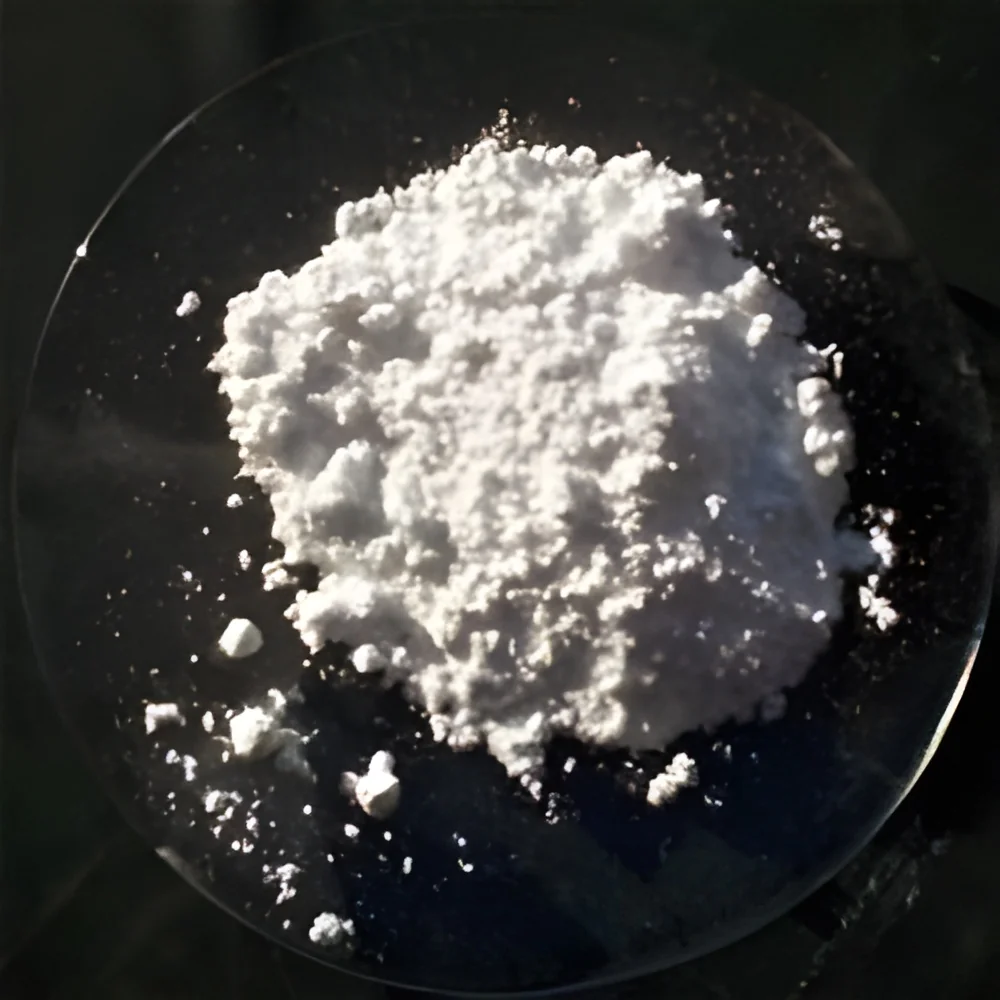
What are Limestone (Calcium Carbonate)?
Limestone, primarily composed of calcium carbonate, is a sedimentary rock that occurs naturally in various environments. It forms from the accumulation of organic materials such as shells, coral, and algae over millions of years. The chemical formula for calcium carbonate is CaCO3. This mineral is abundant and widely used in a range of applications due to its versatility and low cost.
Calcium carbonate serves as a fundamental ingredient in various industries. It is commonly used in construction for cement and concrete production, in agriculture as a soil conditioner, and in the manufacturing of glass, plastics, and paints. The mineral also plays a vital role in the food and pharmaceutical industries as a calcium supplement and an antacid. The demand for limestone is driven by its extensive applicability across sectors, making it a crucial commodity in the global market.
๐๐ฒ๐ ๐๐ฒ๐ฎ๐๐๐ฟ๐ฒ๐ ๐ฎ๐ป๐ฑ ๐ฆ๐ฝ๐ฒ๐ฐ๐ถ๐ณ๐ถ๐ฐ๐ฎ๐๐ถ๐ผ๐ป๐
Limestone (Calcium Carbonate) possesses several key features that make it valuable across various industries. It is known for its high purity, availability, and cost-effectiveness. The mineral is also characterized by its chemical stability and non-toxic nature, making it safe for diverse applications.
Key specifications include:
1. Purity Level
- Typically ranges from 95% to 99% calcium carbonate content
- Higher purity levels are preferred for food and pharmaceutical applications
2. Particle Size
- Available in various grades based on fineness
- Common sizes include microfine (less than 10 microns), fine (10-100 microns), and coarse (greater than 100 microns)
3. Bulk Density
- Generally ranges from 0.5 to 1.5 g/cmยณ
- Influences transport and handling efficiency
4. Moisture Content
- Typically less than 1% for dry grades
- Higher moisture levels can affect storage and quality
5. Color
- Usually ranges from white to off-white
- Color can indicate purity and presence of impurities
6. Chemical Composition
- Consists mainly of calcium carbonate, with minimal impurities
- Impurities can include magnesium carbonate and silica
In summary, the features and specifications of limestone ensure its adaptability and usefulness in various industrial applications.
๐๐ผ๐บ๐บ๐ผ๐ป ๐๐ฝ๐ฝ๐น๐ถ๐ฐ๐ฎ๐๐ถ๐ผ๐ป๐ ๐ฎ๐ป๐ฑ ๐จ๐๐ฒ ๐๐ฎ๐๐ฒ๐
Limestone (Calcium Carbonate) is utilized in a wide array of industries due to its beneficial properties.
1. Construction: It is integral in producing cement and concrete, providing strength and durability to structures.
2. Agriculture: Used as a soil conditioner, it helps enhance soil quality and pH balance, promoting better crop yields.
3. Manufacturing: Serves as a filler in plastics, paints, and coatings, improving product quality and reducing production costs.
4. Food and Beverage: Acts as a calcium supplement and an antacid, ensuring food safety and nutritional value.
5. Pharmaceuticals: Used in the production of tablets and capsules, providing essential calcium and aiding in drug formulation.
6. Environmental Applications: Employed in water treatment processes to neutralize acidic water and remove impurities.
7. Glass Production: A key ingredient in glass manufacturing, contributing to clarity and strength.
๐ฃ๐ฟ๐ผ๐ฑ๐๐ฐ๐ ๐ฉ๐ฎ๐ฟ๐ถ๐ฎ๐ป๐๐ ๐ฎ๐ป๐ฑ ๐ฆ๐๐ฏ๐ฐ๐ฎ๐๐ฒ๐ด๐ผ๐ฟ๐ถ๐ฒ๐
Limestone (Calcium Carbonate) comes in various forms, catering to different industrial needs. Each variant has unique features that enhance its suitability for specific applications.
Ground Calcium Carbonate (GCC)
This variant is produced by grinding high-purity limestone. It is widely used in applications such as paper, plastics, and paint production. GCC offers excellent particle size distribution and is favored for its high brightness and low abrasiveness.
Precipitated Calcium Carbonate (PCC)
PCC is synthesized through a chemical process that allows for precise control over particle size and shape. It is commonly used in high-end applications such as pharmaceuticals and advanced coatings, where specific properties are required.
๐๐ฒ๐ป๐ฒ๐ณ๐ถ๐๐ ๐ฎ๐ป๐ฑ ๐๐ฑ๐๐ฎ๐ป๐๐ฎ๐ด๐ฒ๐
Sourcing Limestone (Calcium Carbonate) provides numerous benefits for businesses across various sectors.
1. Cost-Effectiveness: Limestone is abundant and generally inexpensive, making it a budget-friendly option for manufacturers.
2. Versatility: Its wide range of applications means that businesses can utilize limestone for multiple purposes, reducing the need for various materials.
3. Environmental Benefits: Limestone acts as a natural pH balancer, making it beneficial for agricultural and environmental applications.
4. Non-Toxic: The mineral is safe for use in food and pharmaceutical applications, ensuring compliance with health standards.
5. Enhanced Product Quality: The use of high-purity limestone can improve the overall quality and performance of end products.
6. Easy Availability: Limestone is widely available and can be sourced from various suppliers, ensuring a stable supply chain.
๐๐๐๐ถ๐ป๐ด ๐๐๐ถ๐ฑ๐ฒ ๐ณ๐ผ๐ฟ ๐๐ฎ๐ ๐๐๐๐ฒ๐ฟ๐
When sourcing Limestone (Calcium Carbonate), it is important for buyers to consider several key factors to ensure they obtain a suitable product.
1. Quality Assessment: Evaluate the purity and particle size to meet application needs. Request samples to verify quality before making large purchases.
2. Supplier Verification: Research potential suppliers to ensure they have a reputable track record. Check for reviews and certifications to confirm reliability.
3. Pricing and MOQ: Understand the pricing structure and minimum order quantities. Compare quotes from different suppliers to find the best deal.
4. Delivery and Lead Times: Inquire about logistics and delivery schedules. Ensure that suppliers can meet your timelines to avoid production delays.
5. Compliance Requirements: Verify that the product meets industry standards and regulations. Confirm any certifications, such as CE, to ensure safety and quality.
๐๐ผ๐บ๐ฝ๐น๐ถ๐ฎ๐ป๐ฐ๐ฒ ๐ฎ๐ป๐ฑ ๐๐ฒ๐ฟ๐๐ถ๐ณ๐ถ๐ฐ๐ฎ๐๐ถ๐ผ๐ป๐
Limestone (Calcium Carbonate) must adhere to various quality standards and regulations to ensure safety and effectiveness in its applications. Common quality standards include ISO 9001, which focuses on maintaining high-quality management systems, and HACCP, which ensures food safety through effective hazard analysis.
Industry certifications, such as CE, are essential for products used in construction and manufacturing, indicating compliance with European safety standards. Additionally, testing requirements for purity and contamination levels are crucial for applications in food and pharmaceuticals.
Regional compliance considerations also play a significant role, as different regions may have specific regulations governing the use of calcium carbonate. Businesses must ensure that their sourced limestone meets all necessary compliance requirements to avoid legal issues and maintain product integrity.
Why Source Limestone (Calcium Carbonate) from Pepagora?
Pepagora offers a reliable platform for sourcing Limestone (Calcium Carbonate) with a focus on quality and customer satisfaction. One of the key advantages is the verified supplier network, which ensures that buyers can trust the sources of their materials.
The streamlined RFQ (Request for Quotation) process simplifies procurement, allowing buyers to efficiently compare offers and secure the best prices. This system enhances transparency and facilitates informed decision-making.
Trade assurance and support are also significant benefits when sourcing through Pepagora. Buyers can feel confident in their transactions, knowing that they are protected throughout the purchasing process.
Moreover, Pepagora provides extensive regional coverage, serving markets in India, the GCC, and Southeast Asia. This geographical reach ensures that businesses can obtain limestone products tailored to their specific needs, regardless of location.