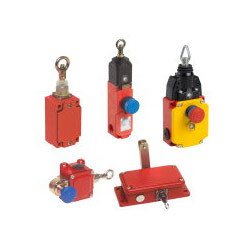
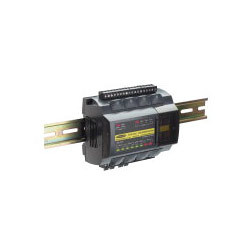
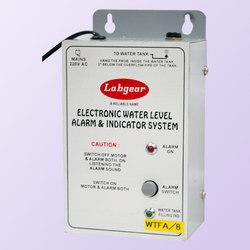
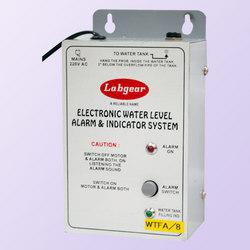
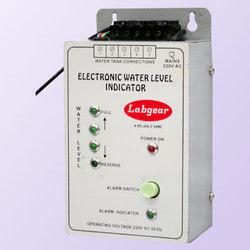
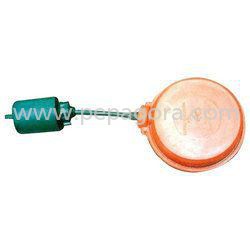
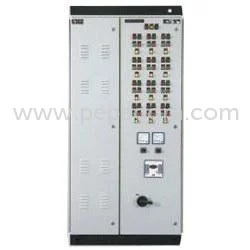
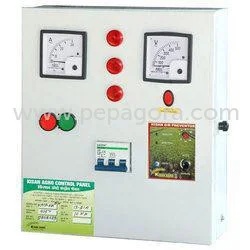
𝗪𝗵𝗮𝘁 𝗮𝗿𝗲 𝗟𝗲𝗮𝗸 𝗗𝗲𝘁𝗲𝗰𝘁𝗶𝗼𝗻 & 𝗔𝗹𝗲𝗿𝘁 𝗗𝗲𝘃𝗶𝗰𝗲𝘀?
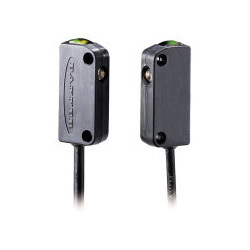
Leak Detection and Alert Devices are specialized instruments designed to identify and monitor the presence of leaks in various environments. These devices can detect liquid or gas leaks and provide real-time alerts to help prevent potential damage to property or health risks. They utilize various technologies such as sensors, alarms, and monitoring systems to ensure rapid response to leaks, helping businesses mitigate risks effectively.
These devices are primarily used in industries where the presence of leaks can lead to significant losses or safety hazards. Common applications include manufacturing facilities, chemical plants, commercial buildings, and residential properties. By implementing Leak Detection and Alert Devices, businesses can enhance their operational safety, ensure compliance with regulatory standards, and protect their assets from costly damage resulting from leaks.
As industries increasingly focus on safety and environmental responsibility, the market for Leak Detection and Alert Devices continues to grow. Companies are investing in advanced technologies to improve leak detection capabilities, driving innovation and development in the field. This trend highlights the importance of these devices across various sectors, including manufacturing, oil and gas, pharmaceuticals, and more.
𝗞𝗲𝘆 𝗙𝗲𝗮𝘁𝘂𝗿𝗲𝘀 𝗮𝗻𝗱 𝗦𝗽𝗲𝗰𝗶𝗳𝗶𝗰𝗮𝘁𝗶𝗼𝗻𝘀
Leak Detection and Alert Devices come equipped with a range of features designed to enhance their effectiveness and usability. Understanding the key specifications is essential for selecting the right device for specific applications.
Key specifications include:
1. Detection Type
- Identifies the type of substance being detected, such as water, gas, or chemicals.
- Can differentiate between multiple leak types.
2. Sensor Technology
- Utilizes advanced sensors for accurate leak detection.
- May include ultrasonic, capacitive, or optical sensors.
3. Alert Mechanism
- Provides audible and visual alerts upon detection of a leak.
- Can integrate with alarm systems for enhanced notifications.
4. Monitoring Range
- Specifies the effective area for leak detection.
- Varies by device type and application.
5. Power Source
- Options include battery-operated, wired, or solar-powered devices.
- Important for determining installation flexibility.
6. Connectivity Options
- May include Wi-Fi, Bluetooth, or wired connections for data transmission.
- Facilitates remote monitoring and integration with building management systems.
7. Environmental Resistance
- Ratings indicating resistance to water, dust, and temperature variations.
- Essential for devices used in harsh environments.
8. Certification
- Compliance with industry standards such as CE for safety and performance.
- Indicates the device has undergone rigorous testing.
These specifications are crucial for ensuring that the selected devices meet specific operational needs and regulatory requirements.
𝗖𝗼𝗺𝗺𝗼𝗻 𝗔𝗽𝗽𝗹𝗶𝗰𝗮𝘁𝗶𝗼𝗻𝘀 𝗮𝗻𝗱 𝗨𝘀𝗲 𝗖𝗮𝘀𝗲𝘀
Leak Detection and Alert Devices find applications across multiple industries, serving various critical functions.
1. Manufacturing: In manufacturing facilities, these devices monitor for leaks in production lines, ensuring safety and preventing material losses.
2. Oil and Gas: In the oil and gas sector, leak detection is vital for environmental protection and regulatory compliance, as leaks can have catastrophic consequences.
3. Pharmaceuticals: In pharmaceutical manufacturing, leak detection helps maintain sterile environments and ensures product integrity.
4. Commercial Buildings: In large commercial buildings, these devices are used to monitor plumbing systems and prevent water damage from leaks.
5. Food and Beverage: In food processing plants, leak detection ensures compliance with health and safety regulations, protecting both products and consumers.
6. Data Centers: In data centers, these devices help prevent water damage to critical equipment, ensuring operational continuity.
7. Transportation: In the transportation sector, leak detection systems are vital for monitoring fuel lines and preventing hazardous spills.
𝗣𝗿𝗼𝗱𝘂𝗰𝘁 𝗩𝗮𝗿𝗶𝗮𝗻𝘁𝘀 𝗮𝗻𝗱 𝗦𝘂𝗯𝗰𝗮𝘁𝗲𝗴𝗼𝗿𝗶𝗲𝘀
Leak Detection and Alert Devices come in various types to cater to different requirements and preferences.
Wireless Leak Detection Devices: These devices offer easy installation and flexibility, allowing for real-time monitoring without extensive wiring. They are ideal for both residential and commercial applications.
Hardwired Leak Detection Systems: Designed for permanent installations, these systems provide consistent monitoring and are often integrated into building management systems. They are suitable for larger facilities requiring extensive coverage.
Portable Leak Detection Devices: These handheld devices allow for quick inspections and are particularly useful in maintenance applications. They offer flexibility for on-the-go monitoring.
𝗕𝗲𝗻𝗲𝗳𝗶𝘁𝘀 𝗮𝗻𝗱 𝗔𝗱𝘃𝗮𝗻𝘁𝗮𝗴𝗲𝘀
Investing in Leak Detection and Alert Devices provides numerous benefits to businesses.
1. Risk Mitigation: Early leak detection helps prevent costly damage and safety hazards, reducing overall risk exposure.
2. Regulatory Compliance: These devices help businesses meet industry standards and regulations, ensuring compliance and avoiding penalties.
3. Cost Savings: By preventing leaks, companies can save on repair costs and avoid losses related to downtime or product spoilage.
4. Environmental Protection: Leak detection contributes to environmental sustainability by preventing hazardous materials from escaping into the environment.
5. Enhanced Safety: These devices promote a safer working environment by quickly alerting personnel to potential hazards.
6. Increased Operational Efficiency: Continuous monitoring allows businesses to identify and address leaks promptly, improving overall operational efficiency.
𝗕𝘂𝘆𝗶𝗻𝗴 𝗚𝘂𝗶𝗱𝗲 𝗳𝗼𝗿 𝗕𝟮𝗕 𝗕𝘂𝘆𝗲𝗿𝘀
When sourcing Leak Detection and Alert Devices, it is essential for B2B buyers to consider several key factors to ensure they make informed decisions.
1. Quality Assessment: Evaluate the quality of devices by reviewing specifications, certifications, and user reviews. Look for products that meet industry standards for reliability and performance.
2. Supplier Verification: Vet suppliers by checking their reputation, history, and customer feedback. Ensure they have a proven track record in providing reliable leak detection solutions.
3. Pricing and MOQ: Compare pricing across different suppliers and consider minimum order quantities to ensure alignment with budget and operational needs.
4. Delivery and Lead Times: Assess delivery timelines and logistics to ensure timely availability of devices, especially for urgent installations or replacements.
5. Compliance Requirements: Understand the relevant regulatory standards and certifications required for leak detection devices in your industry.
𝗖𝗼𝗺𝗽𝗹𝗶𝗮𝗻𝗰𝗲 𝗮𝗻𝗱 𝗖𝗲𝗿𝘁𝗶𝗳𝗶𝗰𝗮𝘁𝗶𝗼𝗻𝘀
Leak Detection and Alert Devices must meet various compliance and certification standards to ensure they operate safely and effectively.
Quality standards such as ISO 9001 are relevant, focusing on quality management systems and ensuring that manufacturers adhere to strict quality control measures. Compliance with HACCP (Hazard Analysis Critical Control Points) is crucial in industries like food and pharmaceuticals to ensure safety and prevent contamination.
Additionally, devices often require CE certification, which signifies that they meet European safety and environmental protection standards. This certification is vital for market acceptance in many regions.
Safety and testing requirements are also paramount. Devices must undergo rigorous testing to verify their performance under various conditions. This includes environmental testing to ensure functionality in different temperatures and humidity levels.
Regional compliance considerations may vary, so it is essential to understand specific requirements based on the geographic area where the devices will be used.
𝗪𝗵𝘆 𝗦𝗼𝘂𝗿𝗰𝗲 𝗟𝗲𝗮𝗸 𝗗𝗲𝘁𝗲𝗰𝘁𝗶𝗼𝗻 & 𝗔𝗹𝗲𝗿𝘁 𝗗𝗲𝘃𝗶𝗰𝗲𝘀 𝗳𝗿𝗼𝗺 𝗣𝗲𝗽𝗮𝗴𝗼𝗿𝗮?
Pepagora offers a trusted platform for sourcing Leak Detection and Alert Devices, providing several key advantages to buyers.
Verified Supplier Network: Pepagora maintains a network of verified suppliers, ensuring that buyers have access to high-quality devices from reputable manufacturers. This verification process enhances trust and reliability in sourcing.
Streamlined RFQ Process: The platform simplifies the request for quotation (RFQ) process, allowing buyers to easily compare offers and make informed purchasing decisions. This efficiency saves time and ensures competitive pricing.
Trade Assurance and Support: Pepagora provides trade assurance, protecting buyers from potential risks associated with transactions. The platform also offers support to assist buyers throughout the sourcing process.
Regional Coverage: Pepagora has a broad geographic reach, covering areas such as India, the Gulf Cooperation Council (GCC), and Southeast Asia. This extensive network facilitates access to local suppliers and timely delivery of devices.

 IN
IN
 India
India