
 IN
Laminar Air Flow Units
23 products available
What are Laminar Air Flow Units?
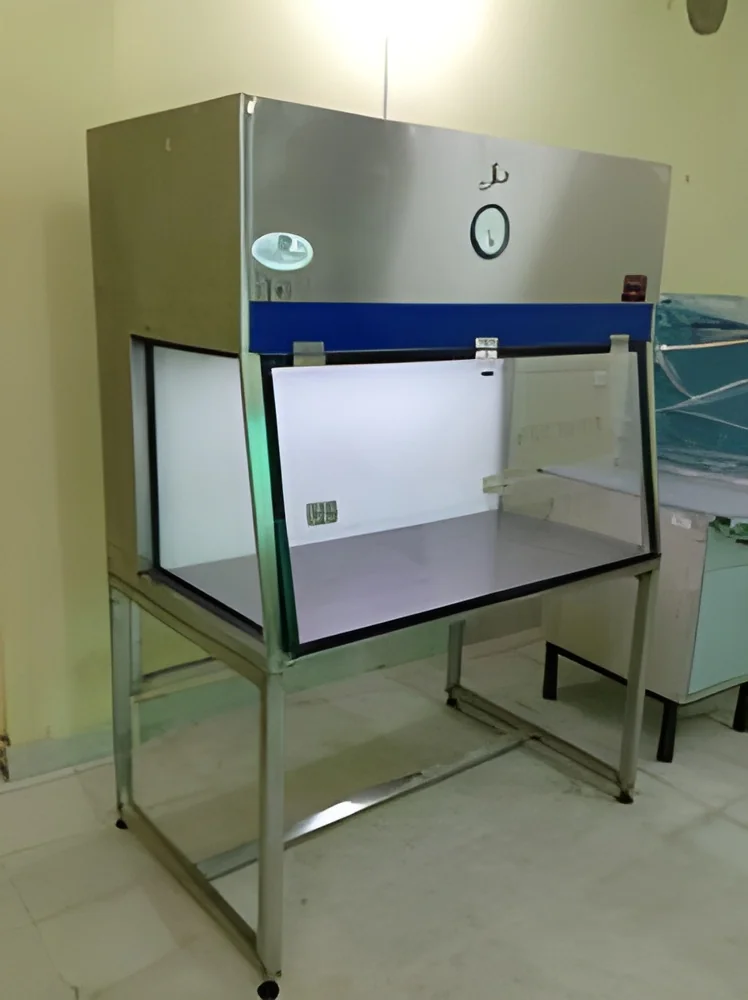
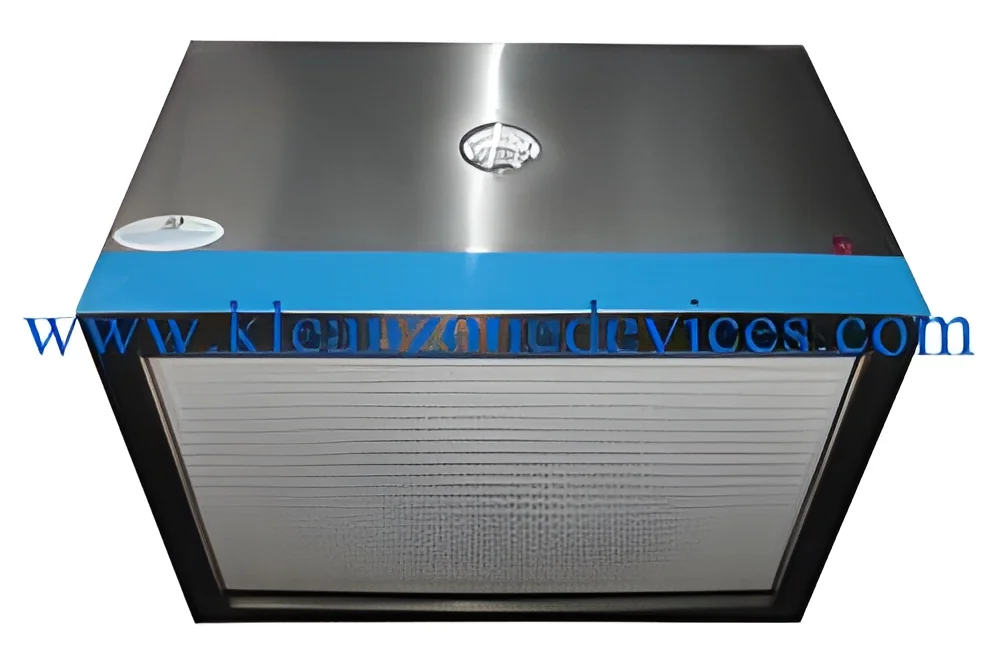
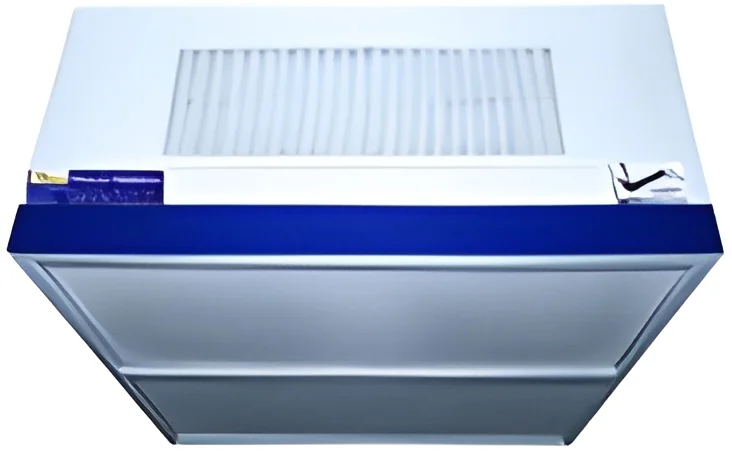
Laminar Air Flow Units are specialized devices designed to provide a controlled environment by directing air in a unidirectional flow. This technology is crucial for maintaining cleanliness in environments where contamination can compromise product quality or experimental results. The units filter incoming air through high-efficiency particulate air (HEPA) filters, removing airborne contaminants and ensuring that the airflow is free from particulate matter.
These units find primary use in industries such as pharmaceuticals, biotechnology, electronics, and laboratories. In these settings, they help create sterile workspaces essential for tasks like assembling sensitive electronic components or conducting research that requires contamination-free conditions. As cleanroom standards become more stringent, the demand for Laminar Air Flow Units continues to grow, reinforcing their importance across various sectors.
Key Features and Specifications
Laminar Air Flow Units come equipped with several essential features that enhance their performance and adaptability in different applications. Understanding these specifications is key for businesses looking to implement these systems effectively.
Key specifications include:
1. Airflow Velocity
- Typically ranges from 0.3 to 0.5 m/s.
- Ensures effective mixing and contamination control.
2. Filter Efficiency
- HEPA filters with a minimum efficiency of 99.97% for particles 0.3 microns and larger.
- Critical for maintaining air purity in sensitive environments.
3. Noise Level
- Generally operates at a noise level of 55-60 dB.
- Designed to minimize disruption in work environments.
4. Power Consumption
- Average power consumption ranges from 300 to 800 watts.
- Energy-efficient models available to reduce operational costs.
5. Dimensions
- Available in various sizes, typically ranging from 2 to 6 feet in length.
- Custom sizes may be available based on specific client requirements.
6. Control Systems
- Equipped with digital displays for monitoring airflow and filter status.
- Some models include programmable settings for enhanced usability.
7. Material Construction
- Commonly made from stainless steel or powder-coated metal.
- Durable materials enhance longevity and ease of cleaning.
In summary, Laminar Air Flow Units are characterized by their precision in airflow control, filter efficiency, and adaptability to different operational requirements.
Common Applications and Use Cases
Laminar Air Flow Units are integral to many industries due to their ability to maintain clean conditions.
1. Pharmaceuticals: In pharmaceutical manufacturing, these units are essential for sterile drug production, ensuring that no contaminants interfere with the drugs.
2. Biotechnology: In labs, they provide a clean space for research and development, particularly for experiments involving cell cultures or sensitive biological materials.
3. Electronics: In the production of sensitive electronic components, Laminar Air Flow Units prevent dust and other particles from impacting product integrity.
4. Food Processing: They help in maintaining hygiene standards during packaging and production, reducing the risk of contamination in food products.
5. Healthcare: Used in surgical centers and laboratories, they ensure a sterile environment for various medical procedures and research.
6. Aerospace: In aerospace manufacturing, these units help maintain strict cleanliness standards in the assembly of components.
7. Academic Research: Universities and research institutions employ these units for various experiments requiring controlled environments.
Product Variants and Subcategories
Laminar Air Flow Units are available in various configurations to meet specific industry needs.
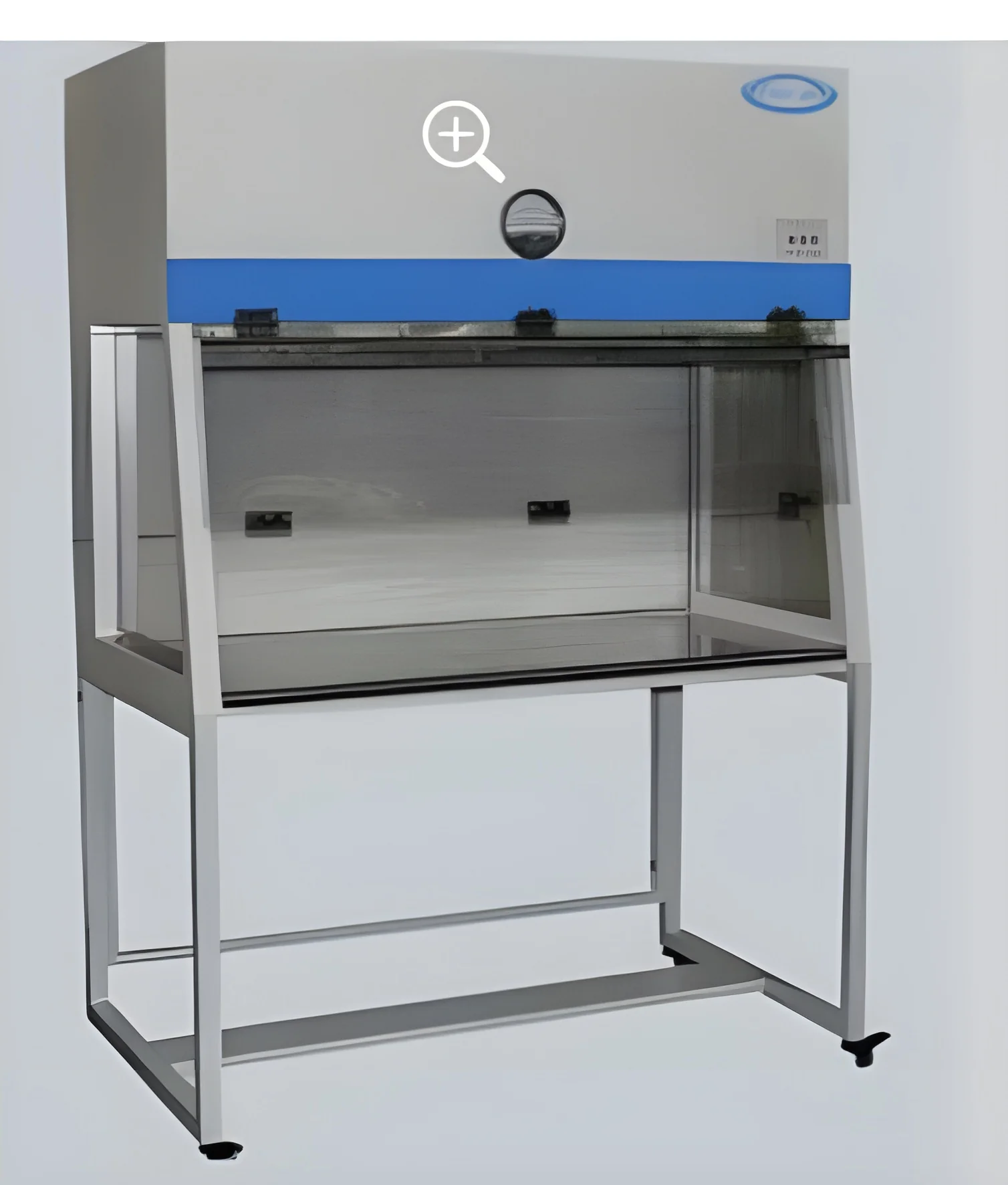
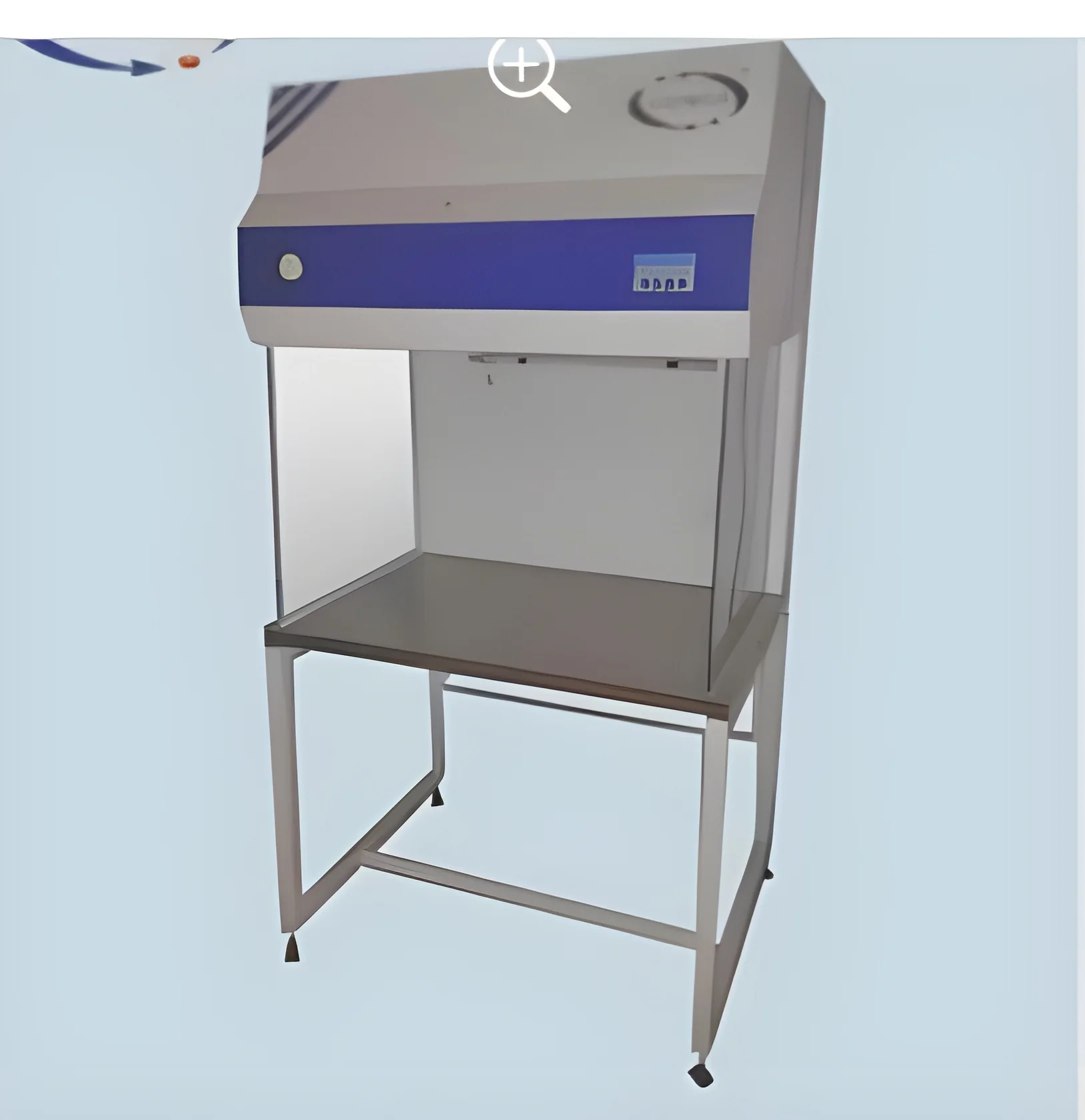
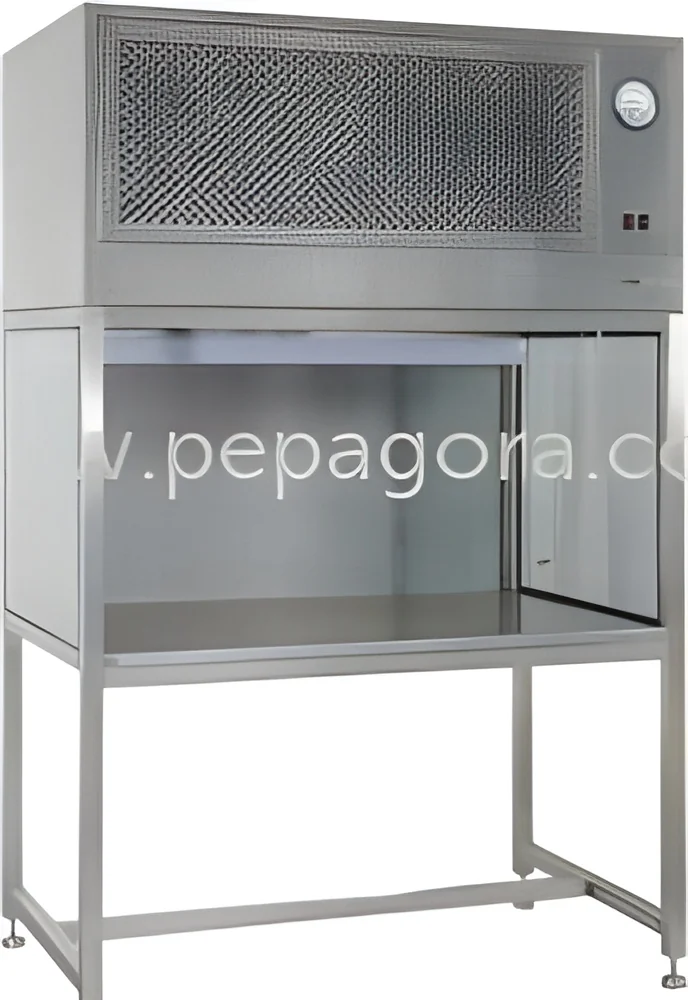
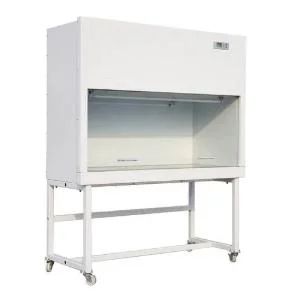
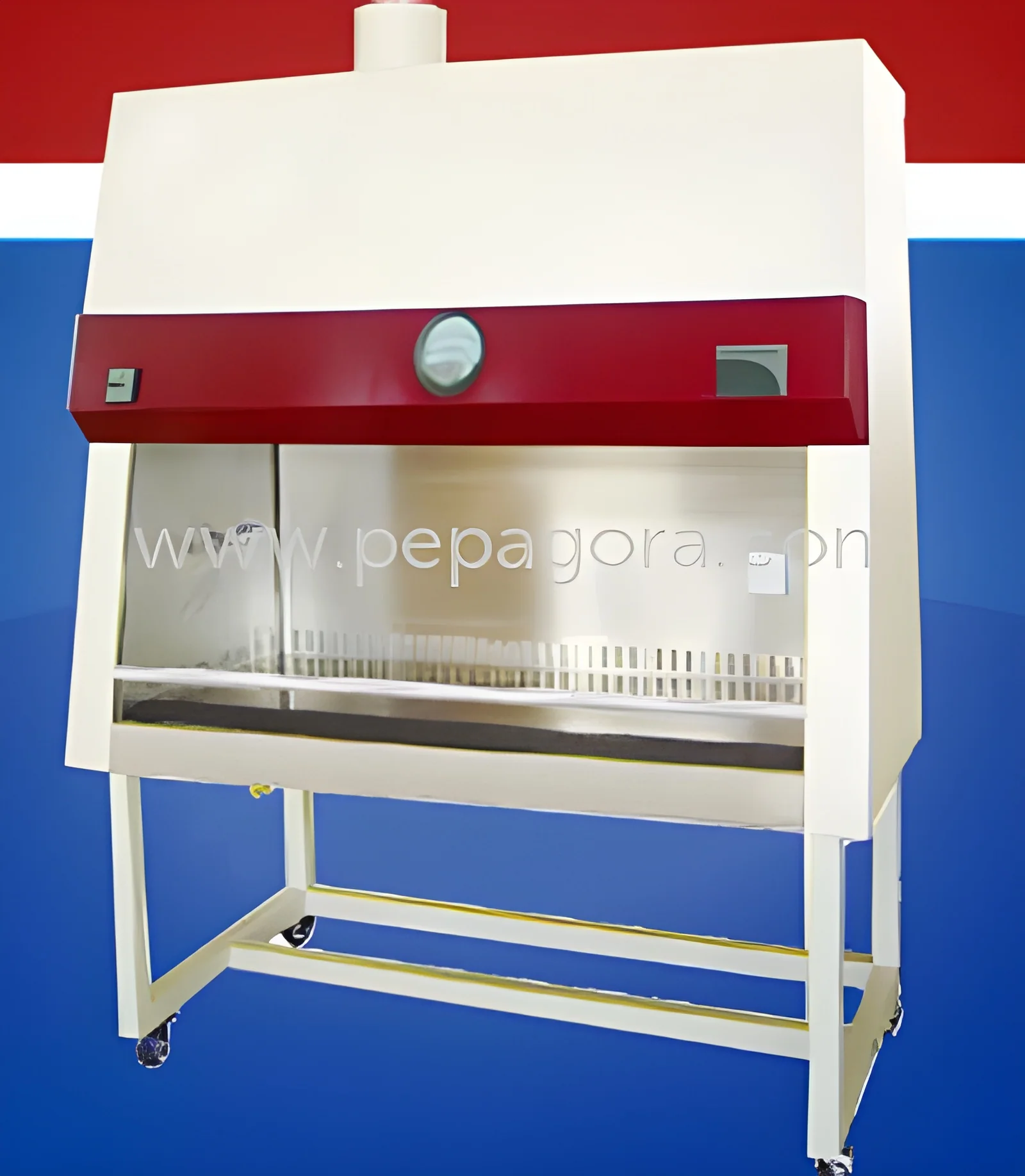
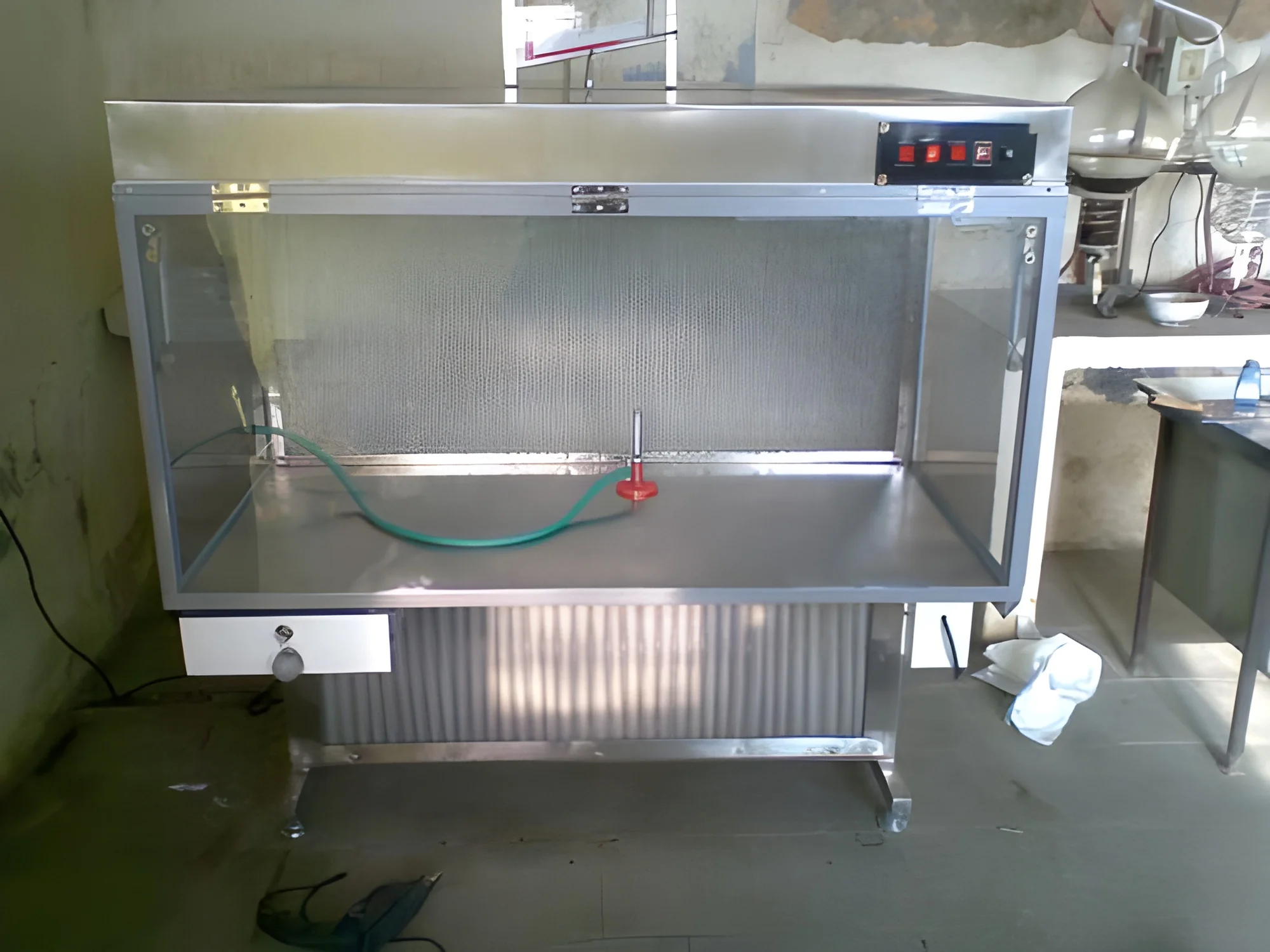
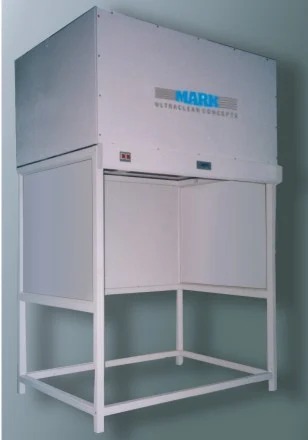
Vertical Laminar Flow Units: These units direct airflow vertically from the top down, making them ideal for applications where workspace overhead is limited. They are commonly used in laboratories and cleanrooms.
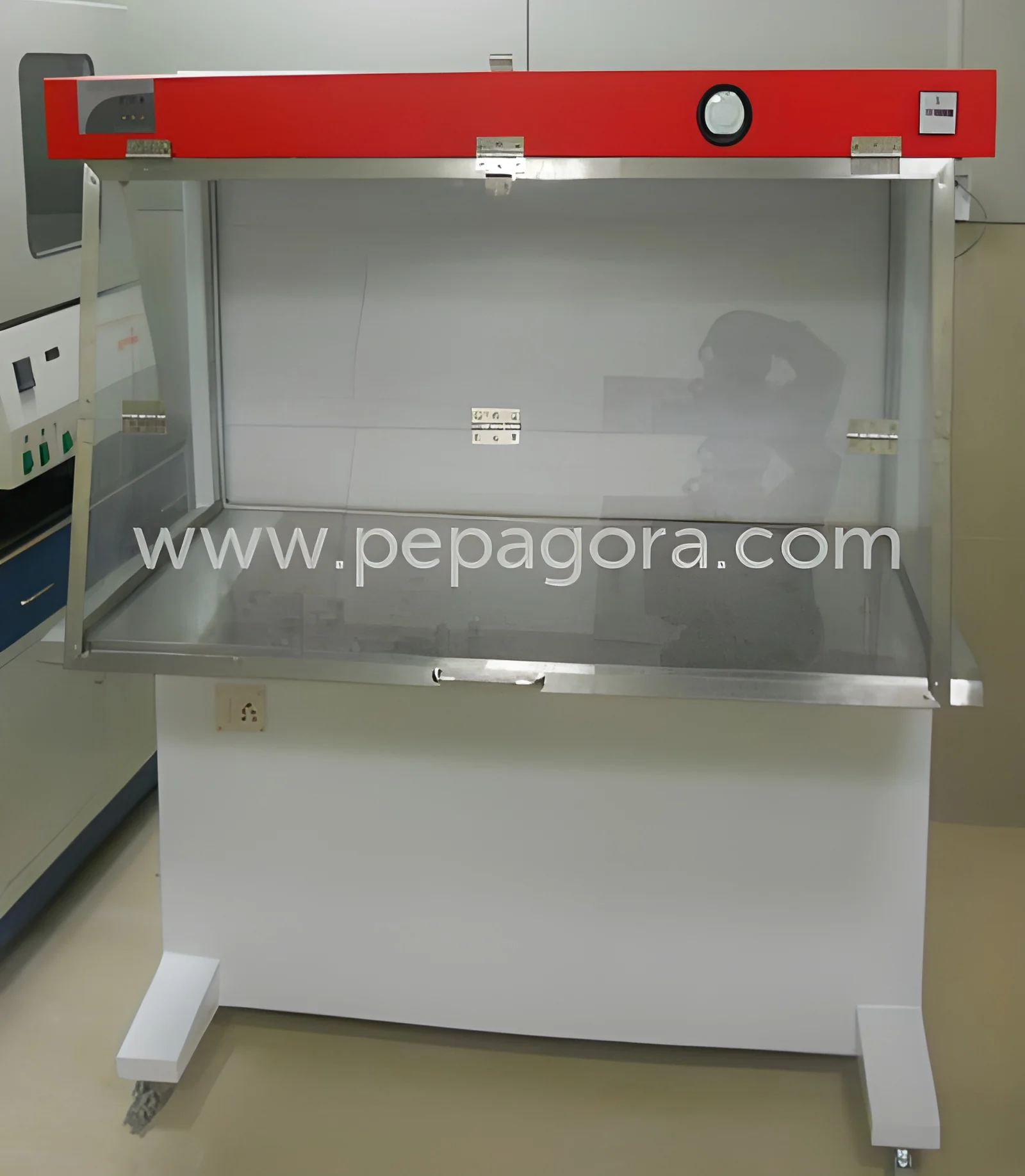
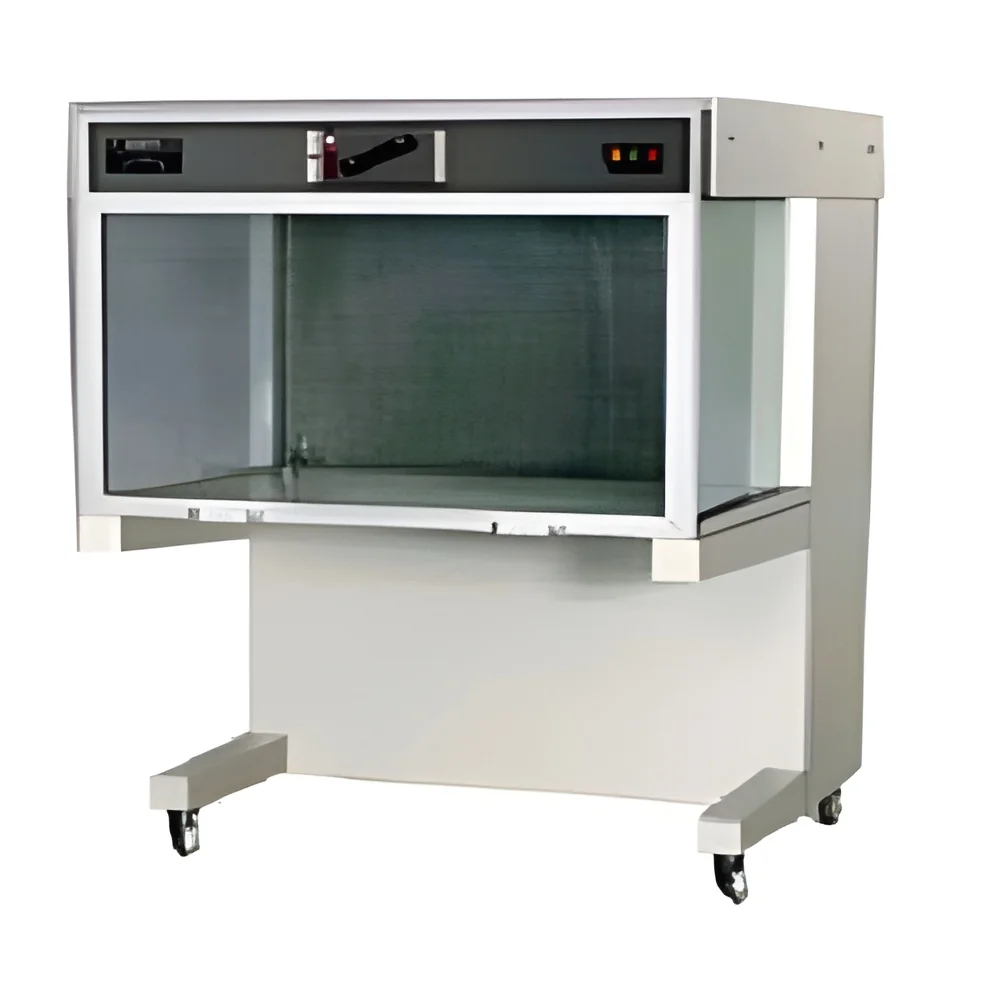
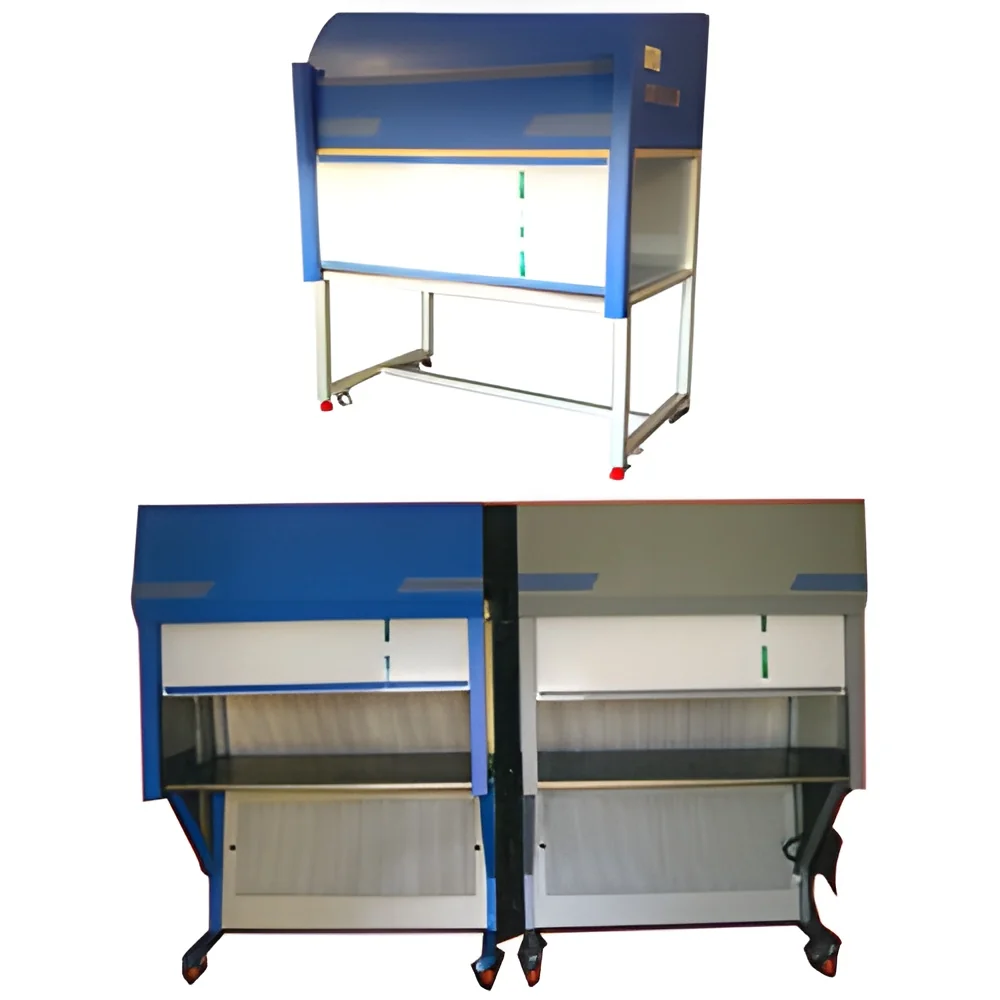
Horizontal Laminar Flow Units: Designed to deliver airflow from one side to another, these units are suitable for larger workspaces and are often utilized in pharmaceutical applications.
Mobile Laminar Flow Units: These units come on wheels, allowing for flexibility in laboratory settings. They can be moved easily to different work areas as needed.
Wall-mounted Laminar Flow Units: These space-saving units are installed on walls, providing a continuous flow of clean air without occupying valuable floor space.
Benefits and Advantages
Investing in Laminar Air Flow Units brings numerous benefits to organizations focused on maintaining high standards of cleanliness and operational efficiency.
1. Enhanced Cleanliness: These units effectively filter out contaminants, ensuring a sterile environment for sensitive processes.
2. Improved Product Quality: By minimizing contamination, businesses can enhance the quality and reliability of their products.
3. Compliance with Standards: Laminar Air Flow Units help organizations meet industry regulations and quality standards, such as ISO and GMP.
4. Versatility: These units can be used across various industries, making them a flexible solution for different applications.
5. Energy Efficiency: Many models are designed to consume less power, helping to reduce operational costs over time.
6. Easy Maintenance: Designed for user-friendliness, these units typically require minimal maintenance and have easily replaceable filters.
Buying Guide for B2B Buyers
When sourcing Laminar Air Flow Units, it is essential for B2B buyers to consider several critical factors to ensure they make informed purchasing decisions.
1. Quality Assessment: Evaluate the quality of the units by verifying certifications such as CE and compliance with industry standards. Look for reliable performance metrics and customer feedback.
2. Supplier Verification: Research and vet suppliers to ensure they have a reputable history and experience in providing Laminar Air Flow Units. Request references and case studies when possible.
3. Pricing and MOQ: Understand the pricing structure and minimum order quantities (MOQ) set by suppliers. Compare quotes and consider the total cost of ownership, including maintenance and operational costs.
4. Delivery and Lead Times: Discuss delivery timelines and logistics with suppliers to ensure that the units can arrive when needed. Consider the impact of lead times on your operations.
5. Compliance Requirements: Familiarize yourself with relevant regulatory requirements in your industry to ensure that the units you purchase meet all necessary compliance standards.
Compliance and Certifications
Compliance and certifications are critical aspects of Laminar Air Flow Units, ensuring that they meet industry standards for quality and safety.
Many Laminar Air Flow Units adhere to ISO 9001 standards, which focus on quality management systems. This certification demonstrates that the manufacturing processes are consistent and meet customer satisfaction criteria.
CE certification is also common for these units, indicating compliance with European health, safety, and environmental protection standards. This certification is essential for businesses operating within or exporting to Europe.
Safety and performance testing is crucial to ensure reliability and efficiency under operational conditions. Units should be tested for airflow consistency, filter integrity, and overall performance.
Regional compliance considerations may vary depending on the market. Buyers should be aware of local regulations that may impact the selection and use of Laminar Air Flow Units in their specific industries.
Why Source Laminar Air Flow Units from Pepagora?
Pepagora offers a trusted platform for sourcing Laminar Air Flow Units, providing several distinct advantages for B2B buyers.
Verified Supplier Network: Pepagora ensures that all suppliers are thoroughly vetted, providing buyers with access to reliable manufacturers who meet industry standards. This verification process helps avoid potential risks associated with sourcing.
Streamlined RFQ Process: The request for quotation (RFQ) system is designed to simplify the procurement process. Buyers can easily compare offers from multiple suppliers, facilitating better purchasing decisions.
Trade Assurance and Support: Pepagora provides trade assurance to protect buyers during transactions. This support includes assistance with any issues that may arise, ensuring a smooth purchasing experience.
Regional Coverage: With a strong presence in India, GCC, and Southeast Asia, Pepagora connects buyers with suppliers across these regions, making it easier to find the right Laminar Air Flow Units for diverse operational needs.

 India
 India


 India
 India
 India
 India

 India
 India
 India
 India
 India
 India
 India


 India

Frequently Asked Questions
What are Laminar Air Flow Units?
Laminar Air Flow Units are specialized equipment designed to provide a sterile and controlled environment for various applications. They work by directing a uniform flow of filtered air in a laminar manner, effectively minimizing airborne contaminants.
What are the different types of Laminar Air Flow Units?
There are primarily two types of Laminar Air Flow Units: Horizontal and Vertical. Horizontal units direct airflow horizontally across the workspace, while vertical units direct airflow from top to bottom, depending on the specific requirements of the application.
How do I choose the right Laminar Air Flow Units?
Choosing the right Laminar Air Flow Units involves assessing your specific needs, such as the size of the workspace, the level of air cleanliness required, and the type of materials you will be working with. It is also important to consider factors like energy efficiency and ease of maintenance.
What are the standard specifications for Laminar Air Flow Units?
Standard specifications for Laminar Air Flow Units typically include airflow velocity, filter efficiency, sound levels, and dimensions. Most units are designed to achieve a minimum clean air classification based on ISO standards, ensuring a controlled environment.
What is the price range for Laminar Air Flow Units?
The price range for Laminar Air Flow Units can vary widely based on factors such as size, specifications, and manufacturer. Generally, prices can start from around INR 30,000 and can go up to several lakhs for high-end models.
What quality standards apply to Laminar Air Flow Units?
Laminar Air Flow Units must comply with various quality standards, including ISO 14644 for cleanrooms and controlled environments. Manufacturers often adhere to these standards to ensure that their units provide reliable performance and maintain cleanliness.
Where can I find Laminar Air Flow Units suppliers in India?
You can find Laminar Air Flow Units suppliers in India through various online B2B marketplaces, industry trade shows, and manufacturer directories. Platforms like Pepagora.com can connect you with reputable suppliers offering a range of options.
Can Laminar Air Flow Units be customized?
Yes, many manufacturers offer customization options for Laminar Air Flow Units to meet specific customer requirements. This can include adjustments to size, airflow rates, and additional features tailored to particular applications.
What is the typical minimum order quantity for Laminar Air Flow Units?
The typical minimum order quantity (MOQ) for Laminar Air Flow Units can vary by supplier, but it is commonly around 1 to 5 units. It's advisable to check with specific manufacturers for their MOQ requirements.
What is the typical lead time for Laminar Air Flow Units?
The typical lead time for Laminar Air Flow Units can range from 2 to 6 weeks, depending on the manufacturer's production schedule and whether the units are standard or customized. It's best to confirm delivery timelines with the supplier.
Why Businesses Trust Pepagora
Thousands of companies trust Pepagora to source smarter and sell faster
Expand Your Sales Globally

Source Smarter,Grow Faster
