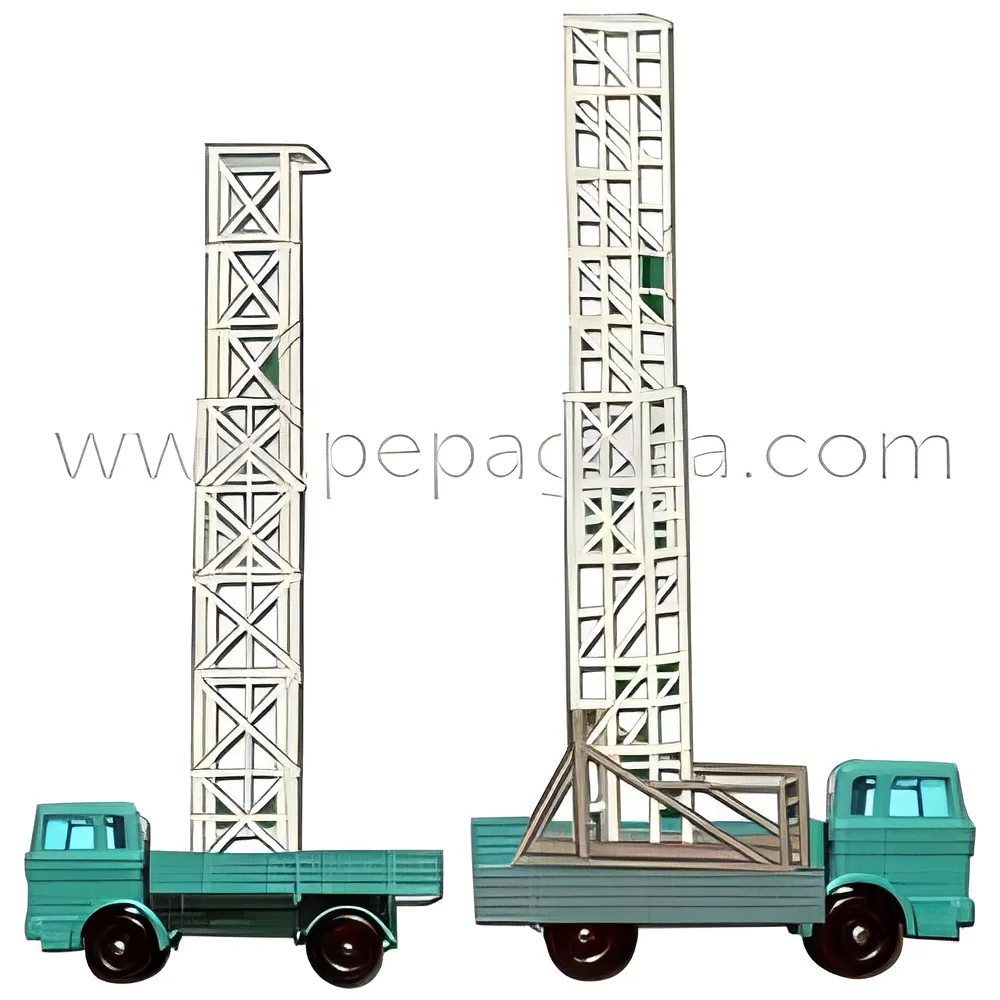
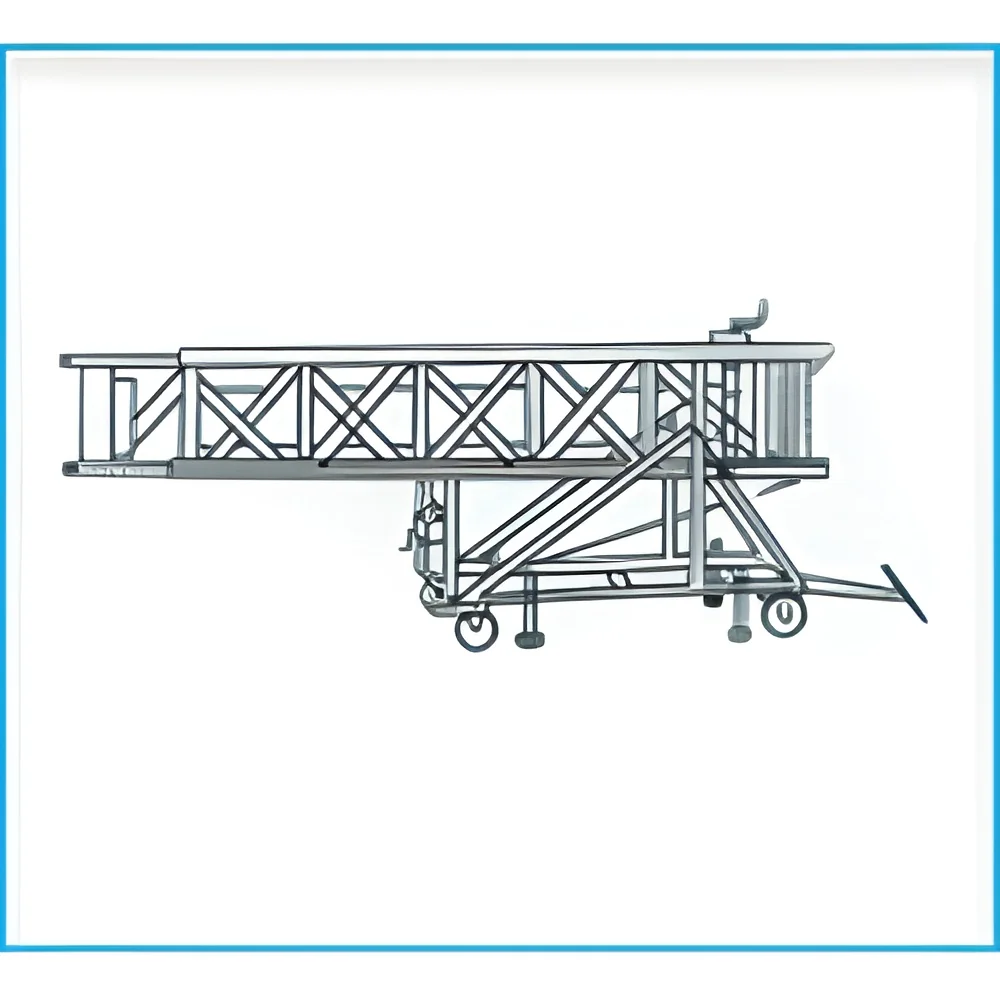
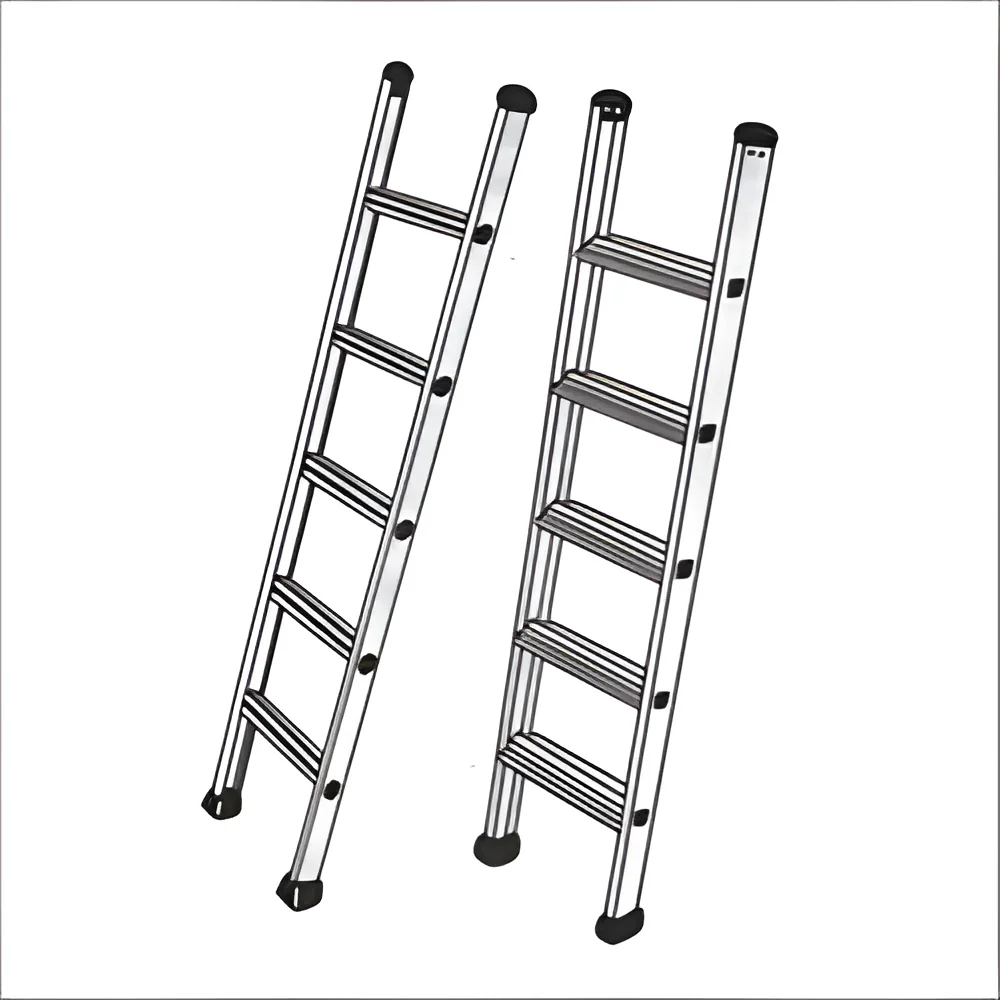
What are Ladders?
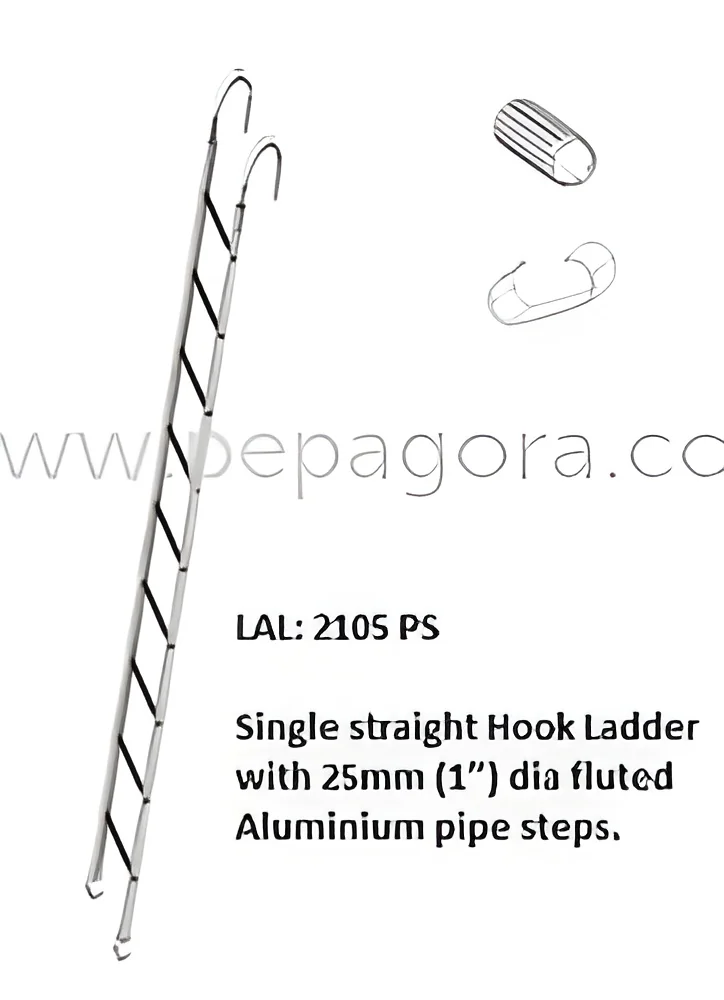
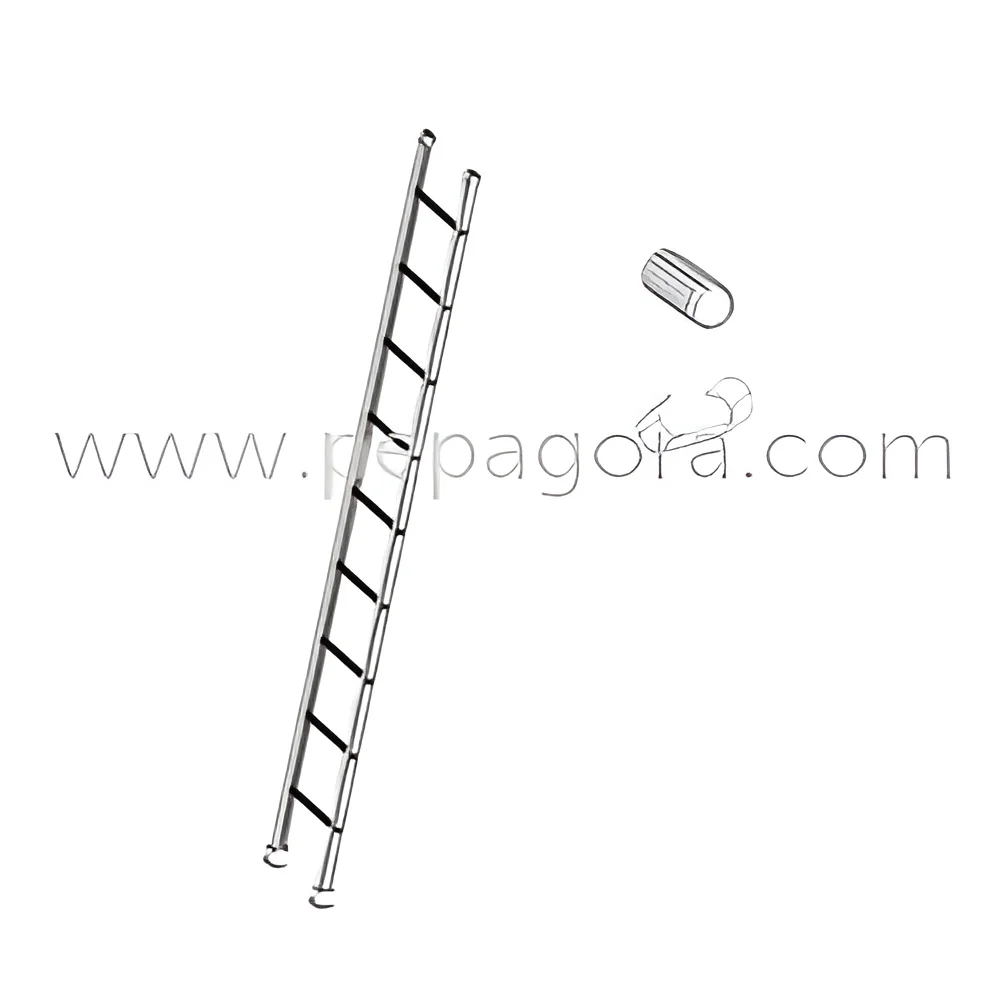
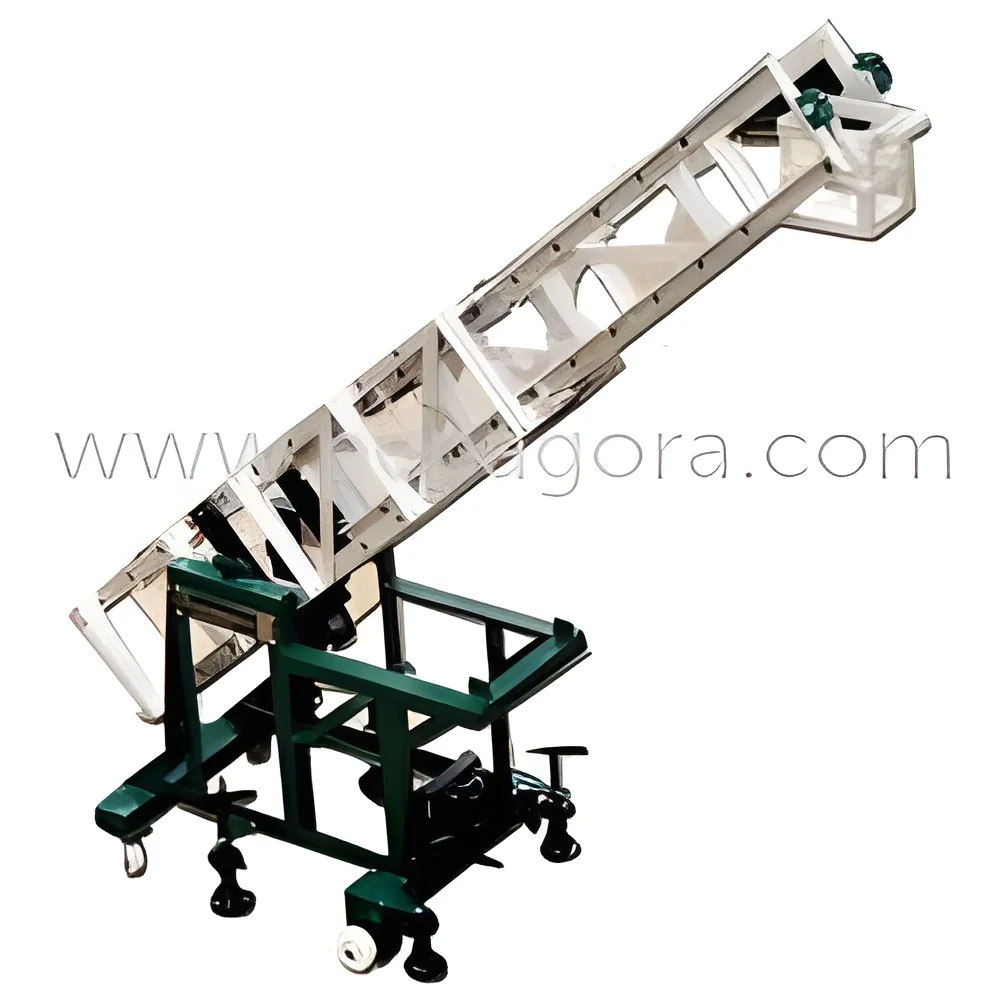
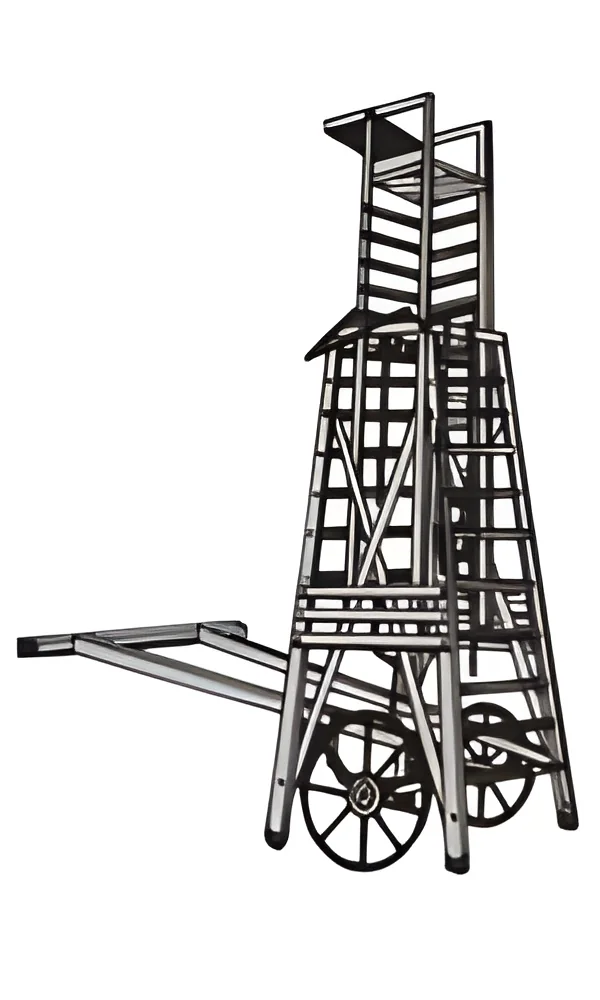
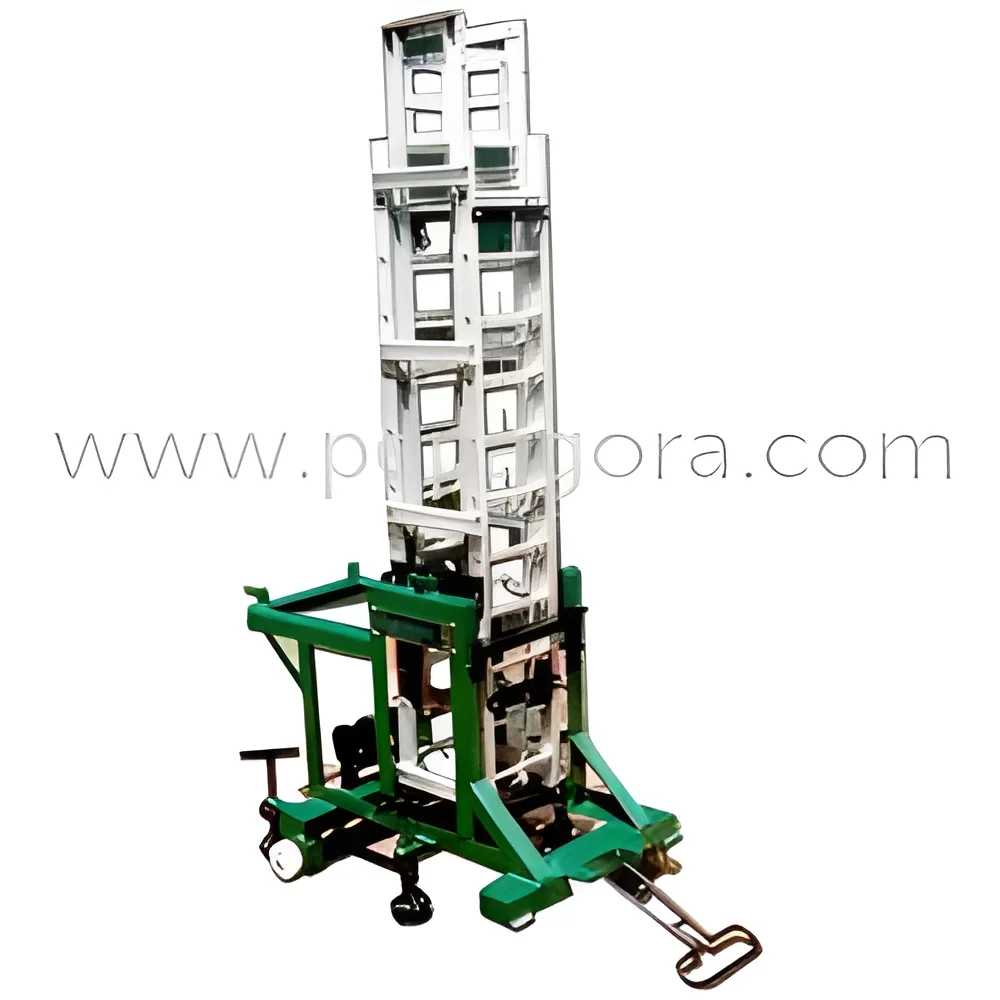
Ladders are essential tools used for reaching elevated areas safely and efficiently. They are designed to provide a stable platform for individuals to access heights that would otherwise be difficult to reach. Ladders come in various designs, materials, and configurations, making them suitable for a wide range of tasks in both residential and industrial settings.
In business applications, ladders are commonly used in construction, maintenance, and warehousing. They enable workers to perform tasks such as painting, electrical work, and inventory management. The versatility of ladders makes them a vital part of many industries, ensuring that workers can operate safely while conducting essential tasks.
The ladder market continues to grow as safety regulations increase and industries expand. With innovations in materials and designs, modern ladders are now more durable and user-friendly. The ongoing emphasis on workplace safety has further solidified the relevance of ladders in various sectors.
Key Features and Specifications
Ladders are engineered with specific features and specifications that enhance safety and usability. These characteristics vary based on the ladder's intended use and design.
Key specifications include:
1. Material
- Common materials include aluminum, fiberglass, and wood.
- Each material offers different levels of durability and weight capacity.
2. Load Capacity
- Ladders come with varying load ratings, typically ranging from 200 to 1,200 pounds.
- It is crucial to choose a ladder that can safely support the intended weight.
3. Height
- Ladders are available in various heights, from 4 feet to over 40 feet.
- Selecting the right height ensures safe access to elevated areas.
4. Type
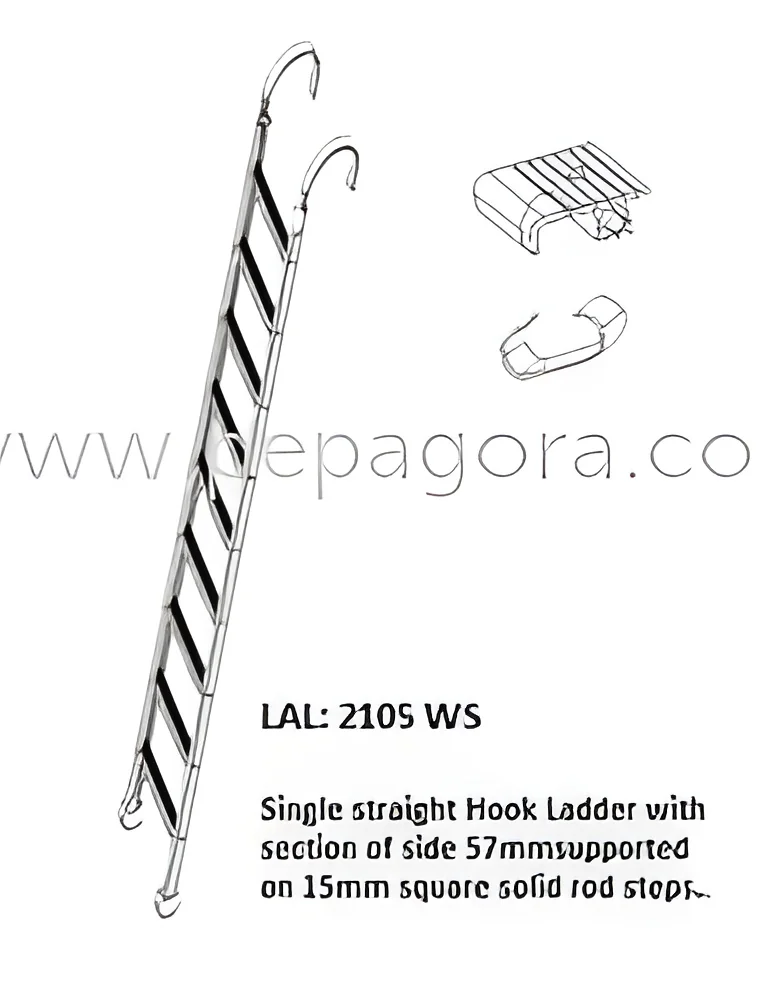
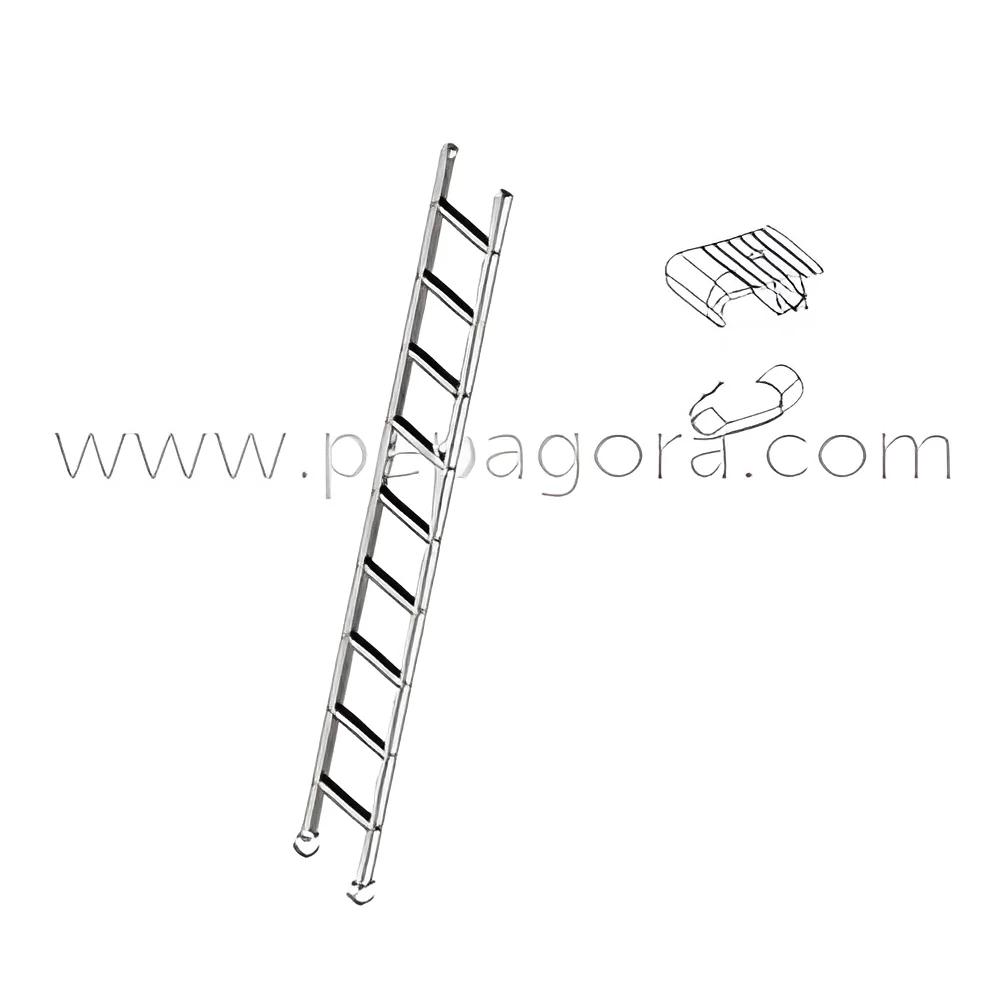
- Types include step ladders, extension ladders, and multi-position ladders.
- Each type serves different functions and environments.
5. Safety Features
- Many ladders are equipped with slip-resistant feet.
- Some models have locking mechanisms to prevent accidental collapse.
6. Portability
- Lightweight designs improve ease of transport.
- Foldable options are available for compact storage.
7. Compliance Standards
- Ladders may meet specific industry standards for safety and performance.
- Compliance with regulations like CE certification may be required.
In summary, understanding the specifications of ladders is essential for selecting the right model for various business applications.
Common Applications and Use Cases
Ladders are utilized across a broad spectrum of industries, each with unique applications.
1. Construction: Ladders are essential for accessing rooftops, scaffolding, and elevated work areas. They provide workers with the necessary height to complete tasks safely.
2. Maintenance: Facilities management teams use ladders for routine maintenance tasks such as changing light bulbs and inspecting HVAC systems.
3. Warehousing: Employees rely on ladders to retrieve products from high shelves and organize inventory efficiently.
4. Landscaping: Gardeners and landscapers use ladders to reach tall trees and perform pruning or maintenance tasks.
5. Electrical Work: Electricians use ladders to access high wiring and perform installations or repairs.
6. Painting: Painters often use ladders to reach walls and ceilings for various painting projects.
7. Telecommunications: Technicians use ladders to install and maintain communication equipment on tall structures.
Product Variants and Subcategories
Ladders come in various configurations to meet different user needs.
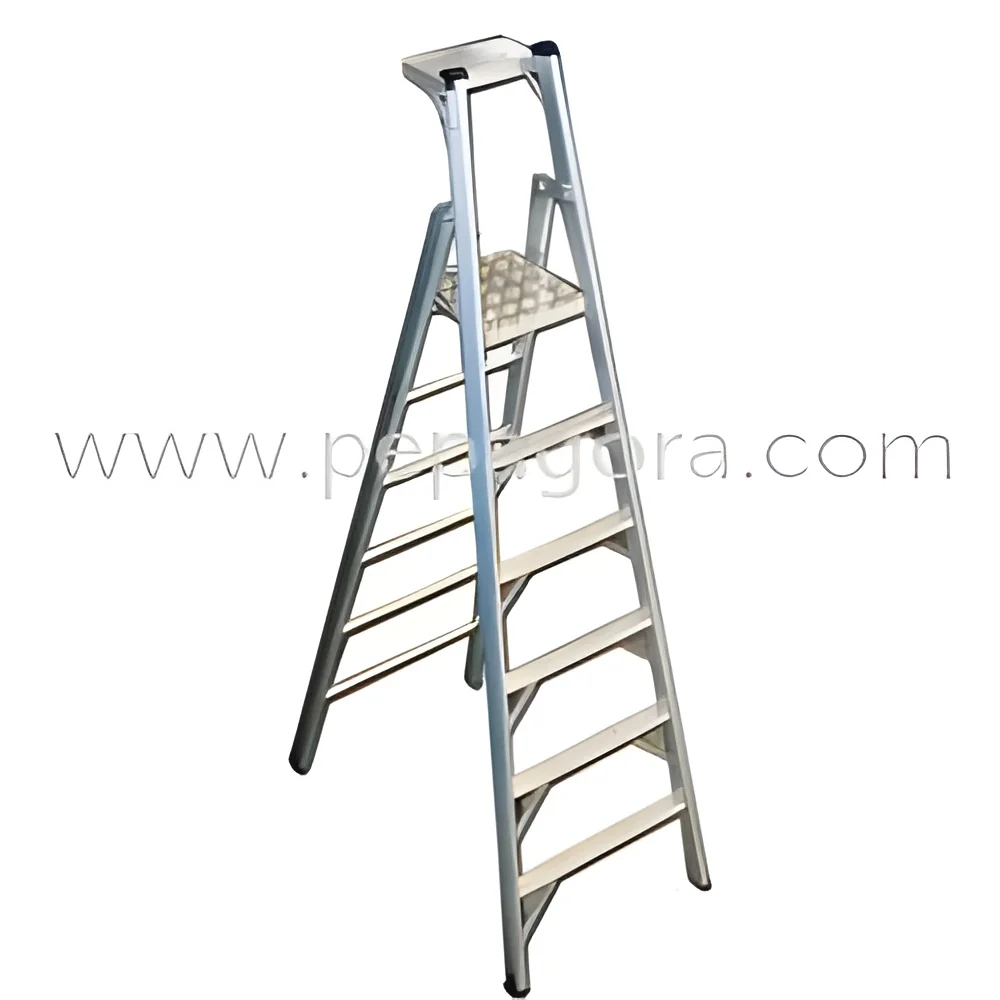
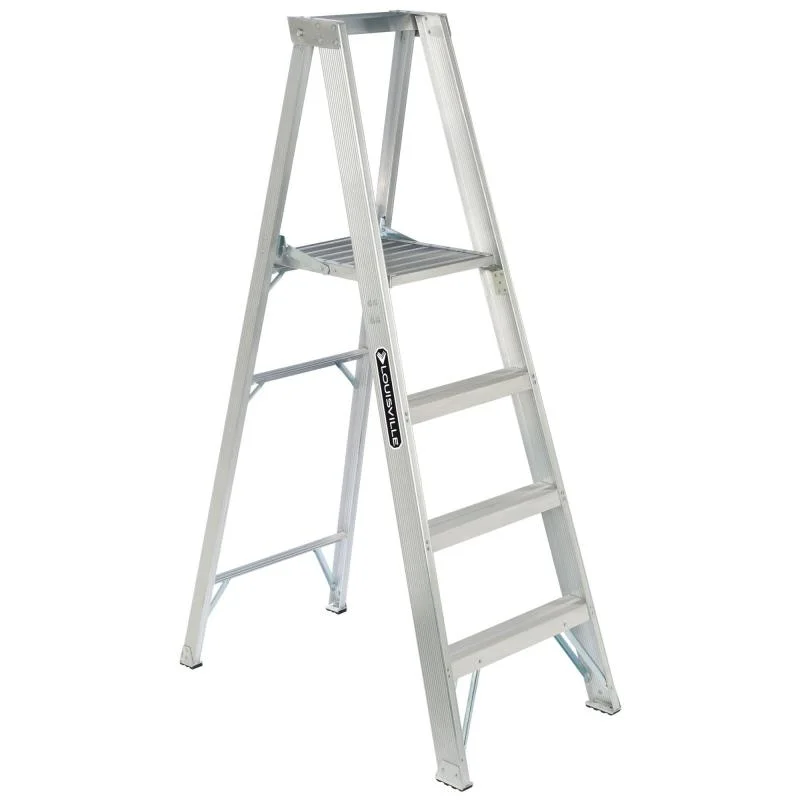
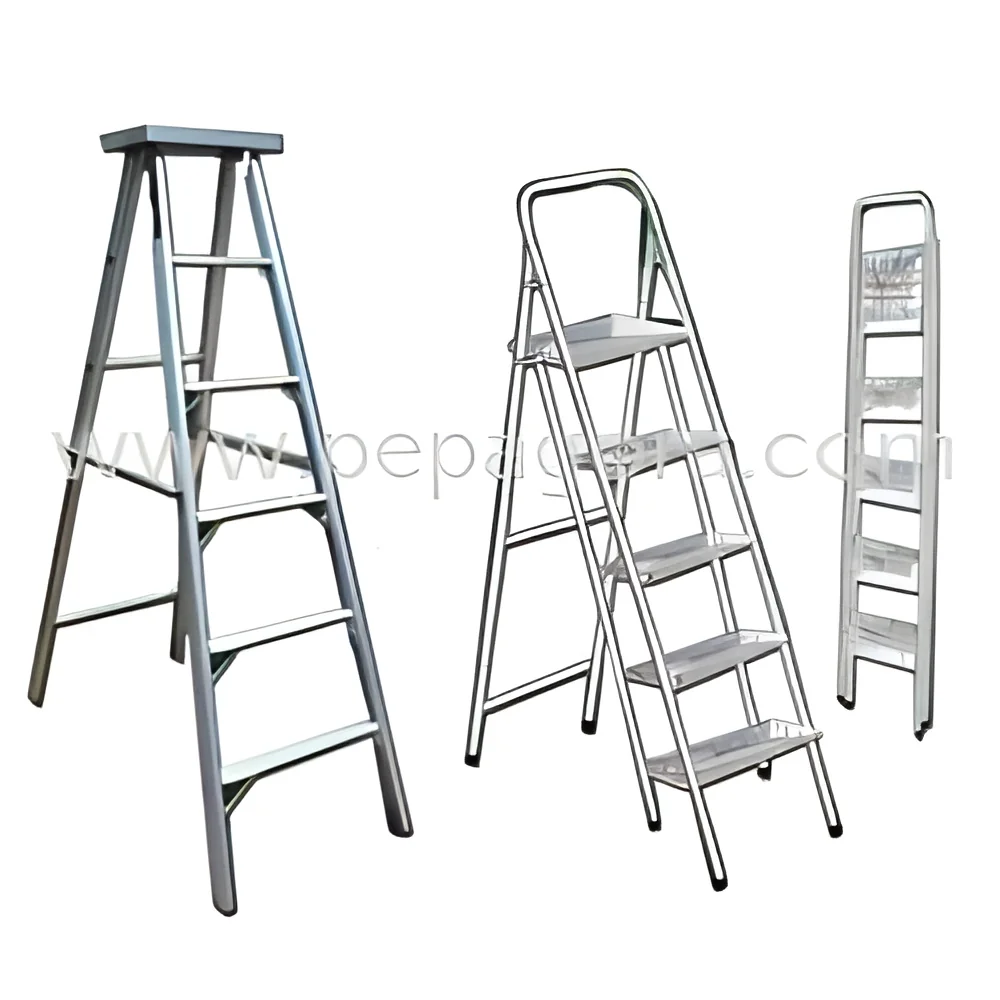
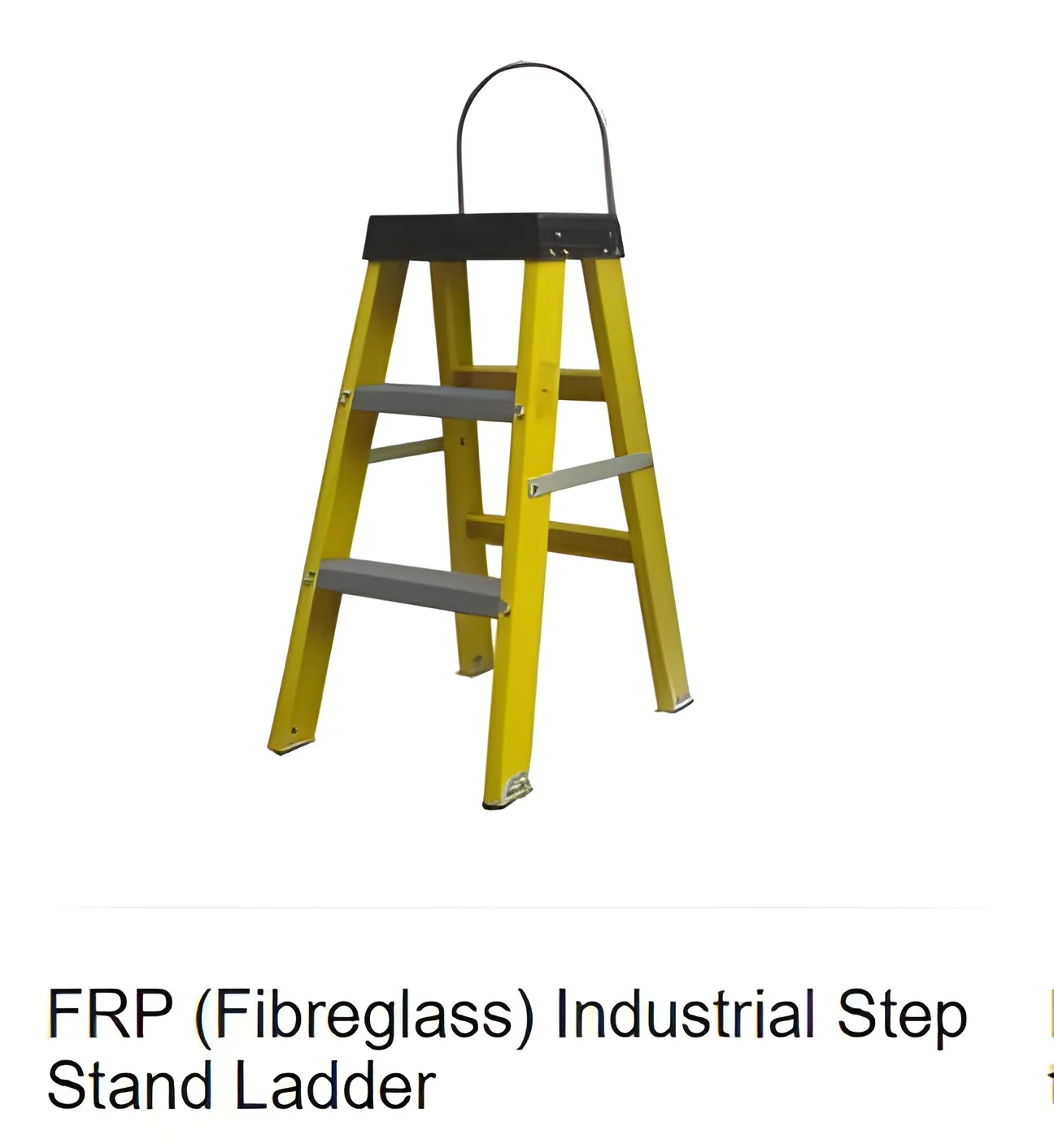
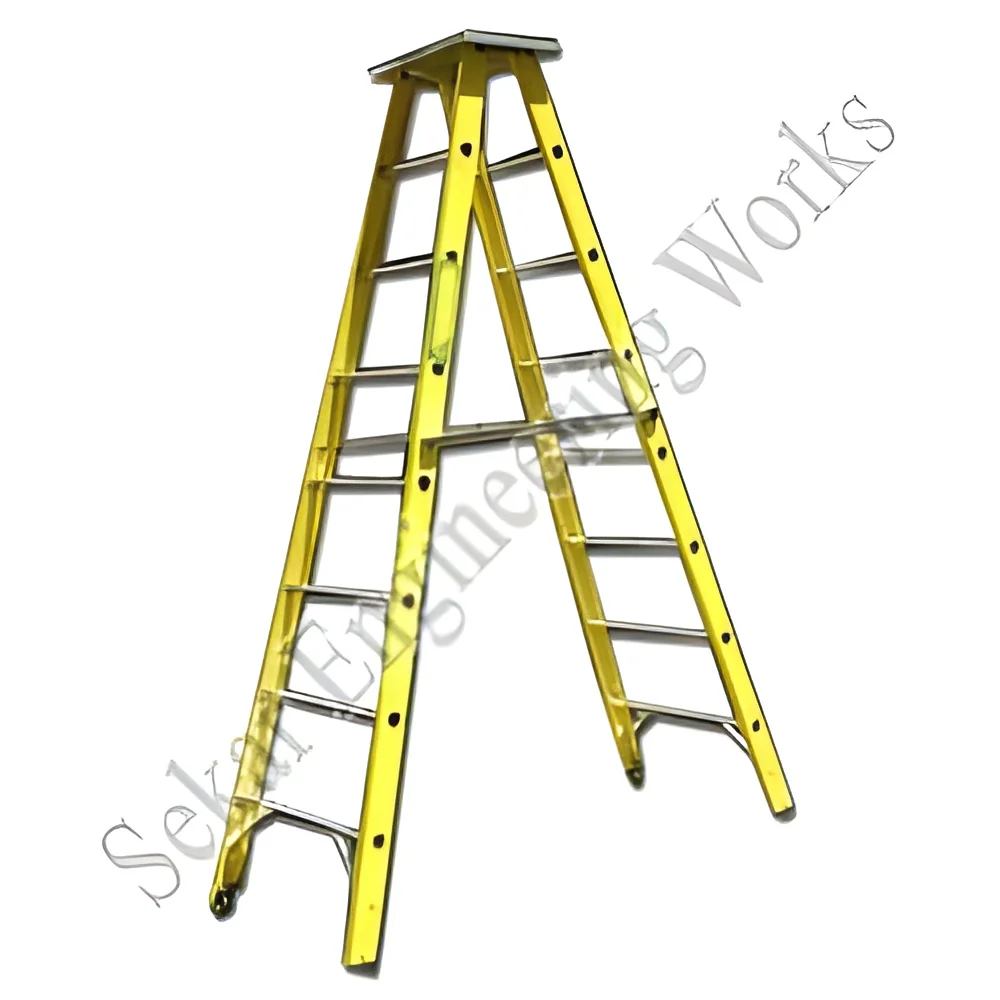
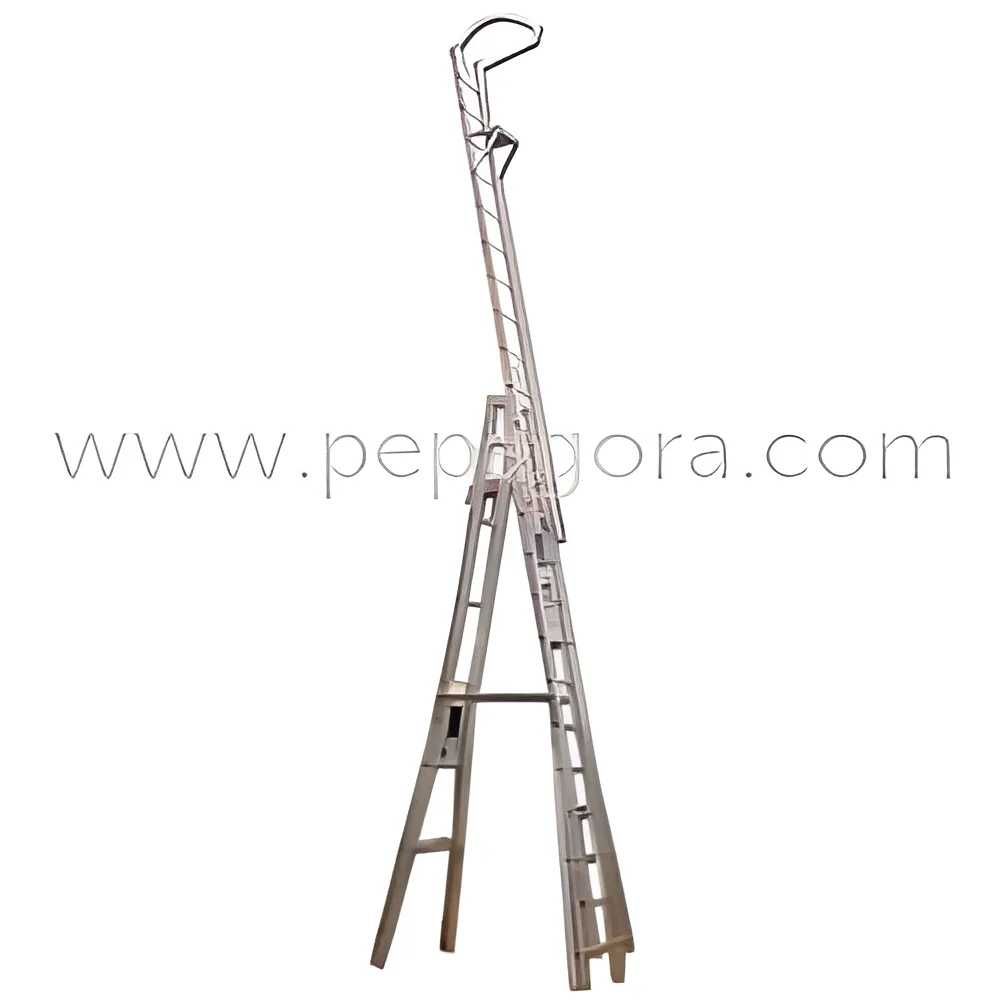
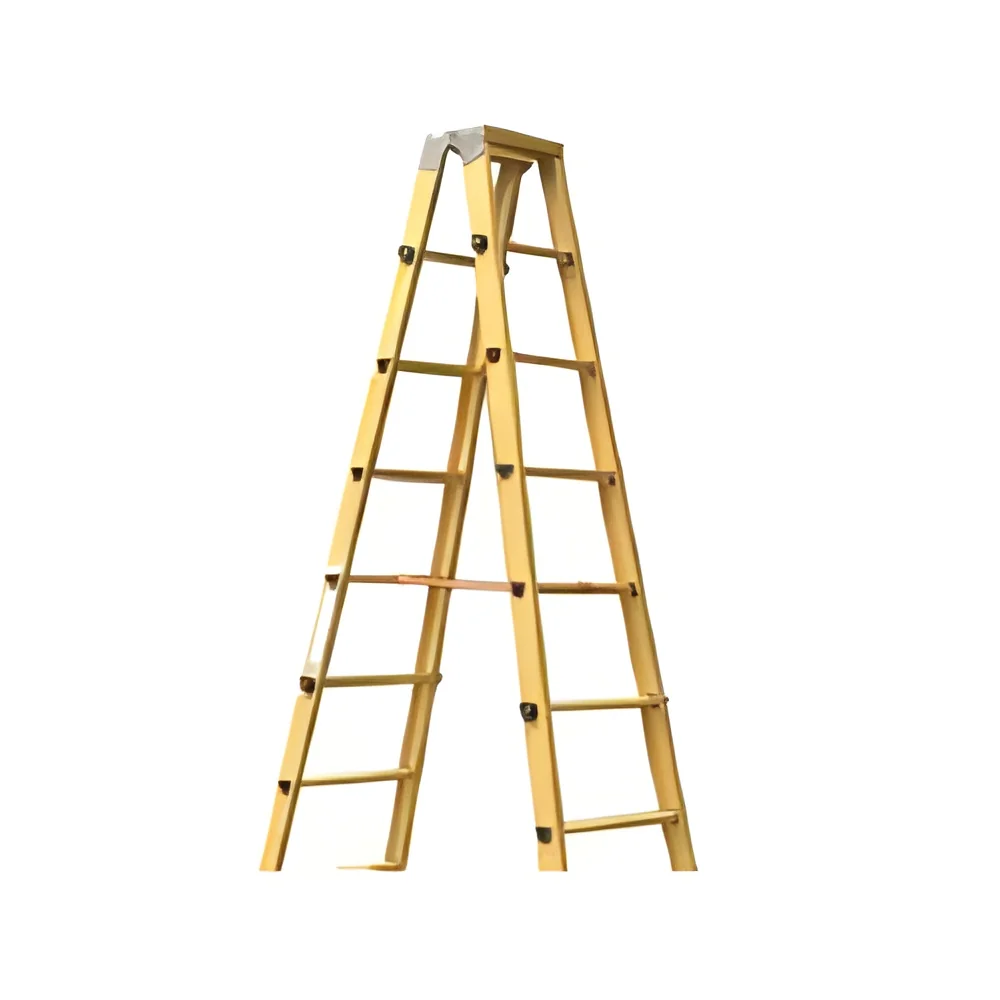
Step Ladders: These are self-supporting ladders with a wide base and steps, making them ideal for indoor tasks like painting and cleaning. They provide stability and ease of use.
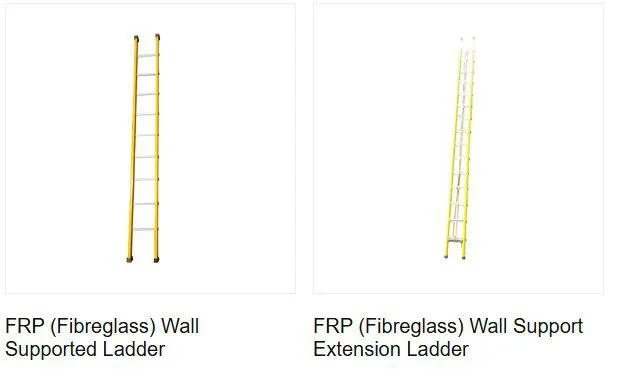
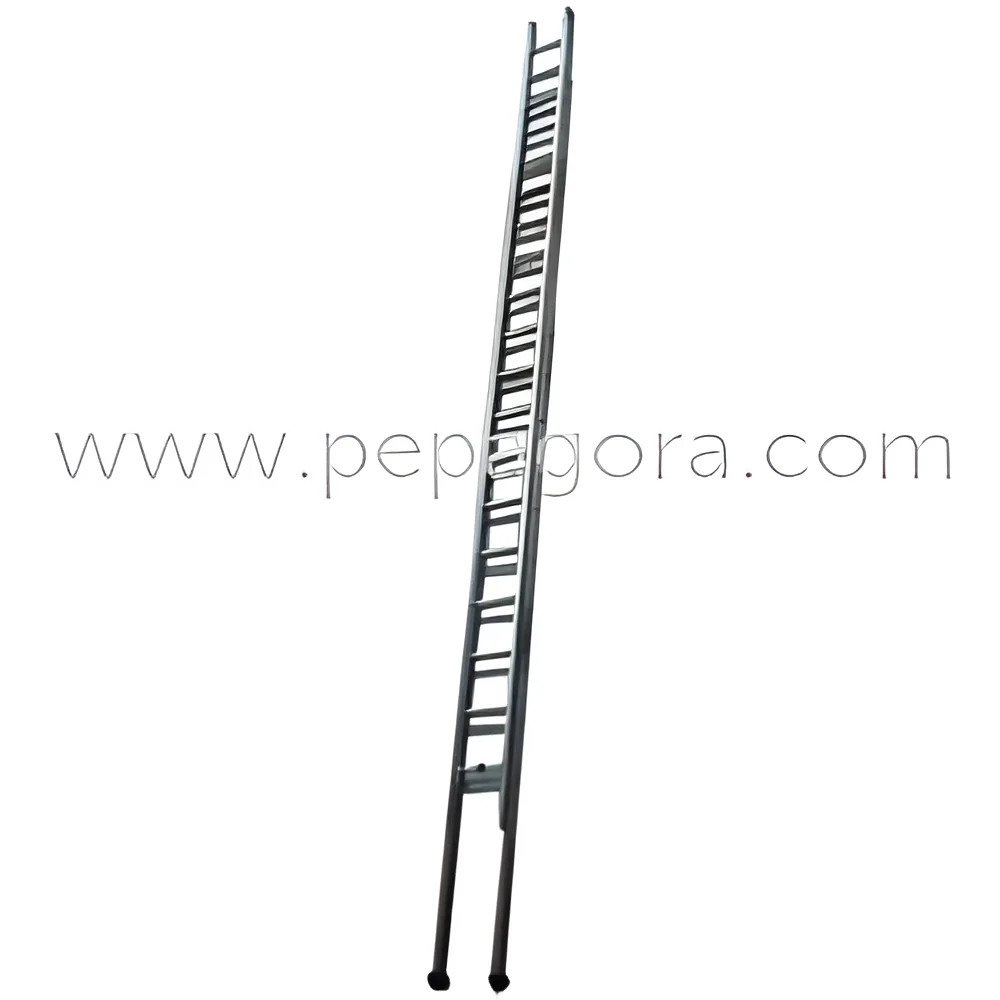
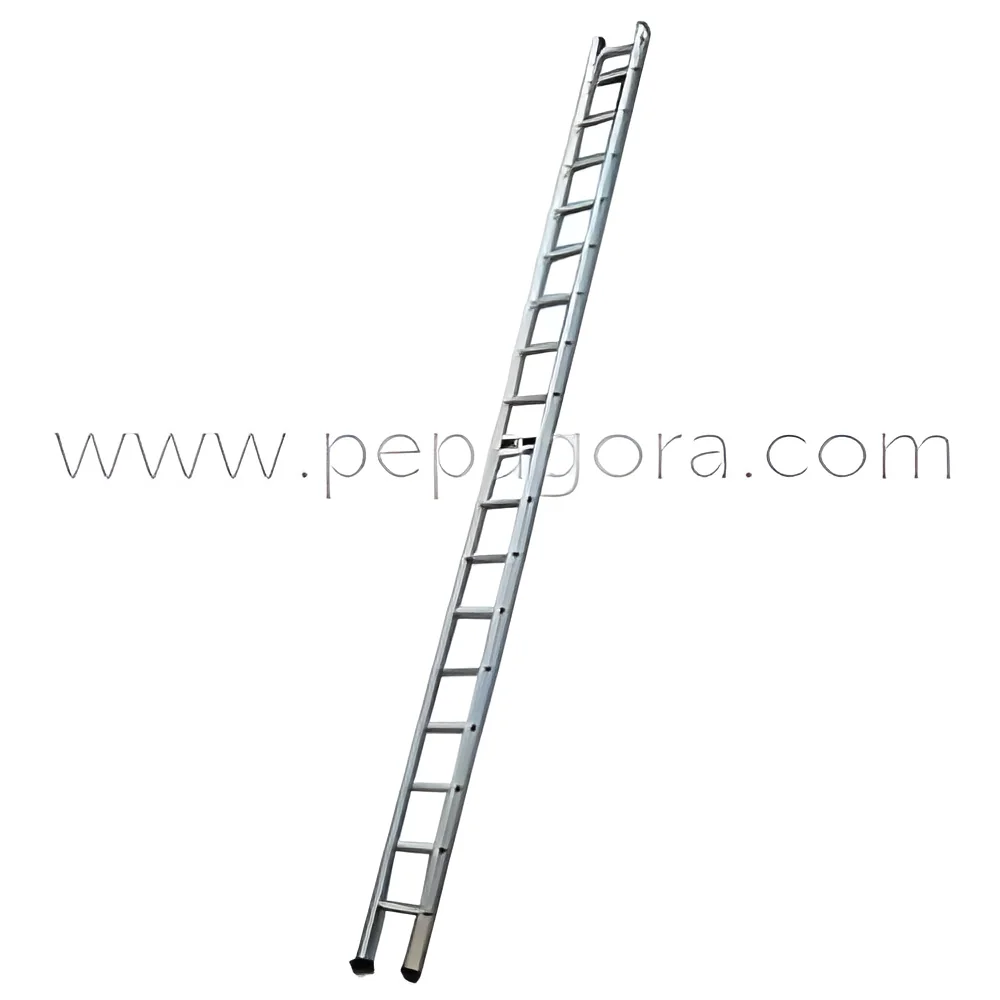
Extension Ladders: Designed to reach greater heights, these ladders can be adjusted to various lengths. They are commonly used in construction and maintenance for accessing rooftops and high structures.
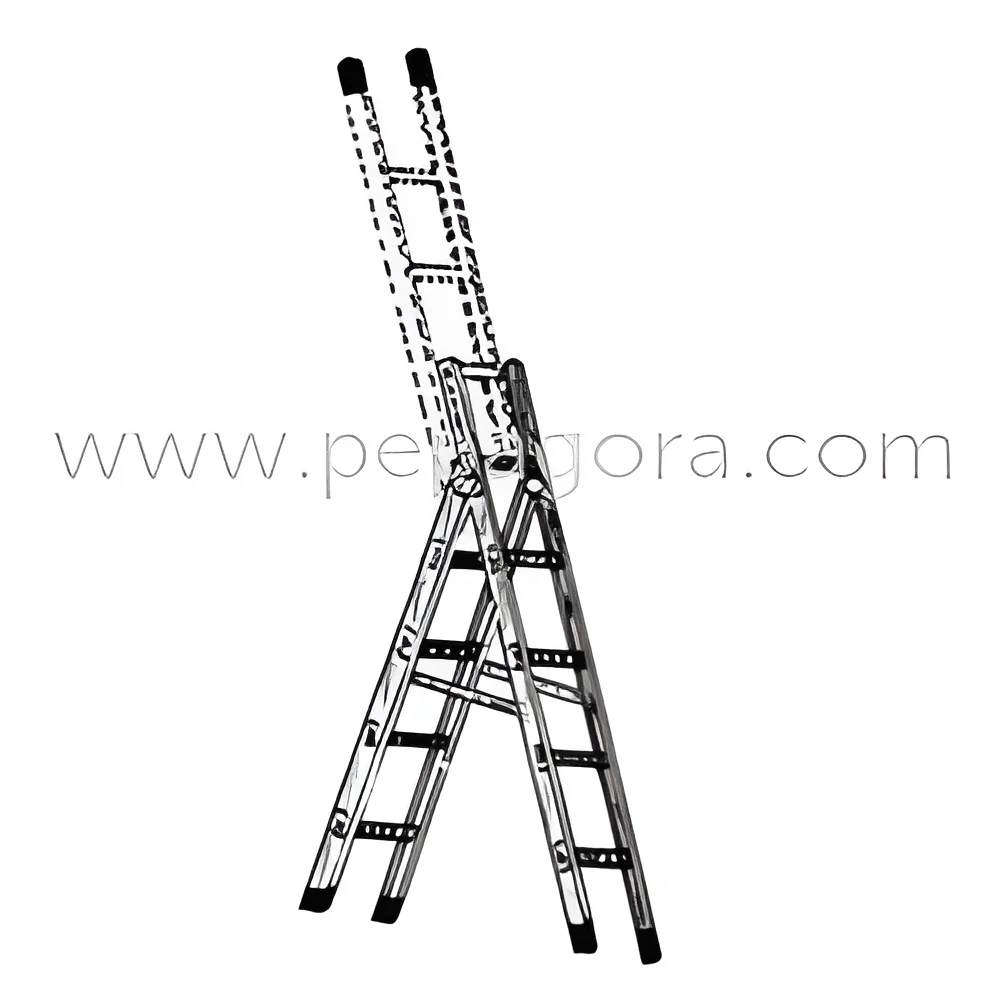
Multi-Position Ladders: These versatile ladders can be configured in multiple ways, including as a step ladder or extension ladder. Their flexibility makes them suitable for various tasks.
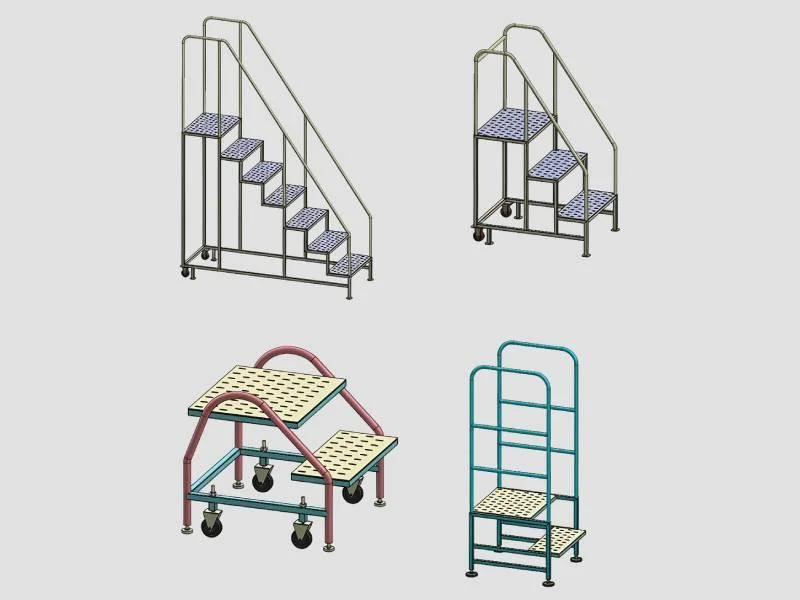
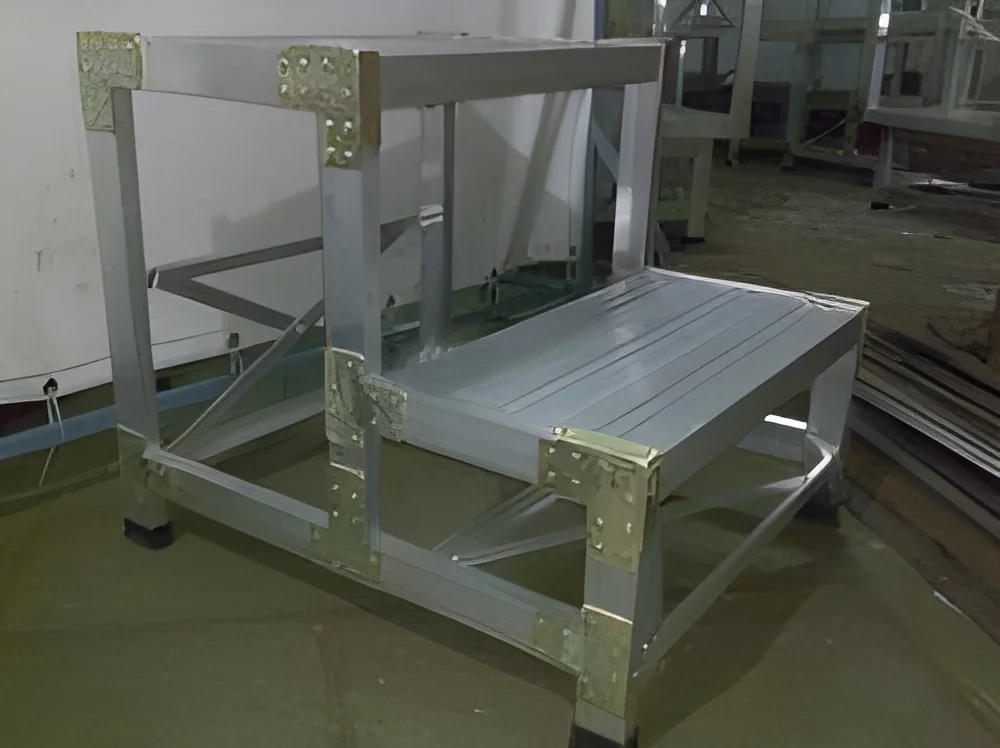
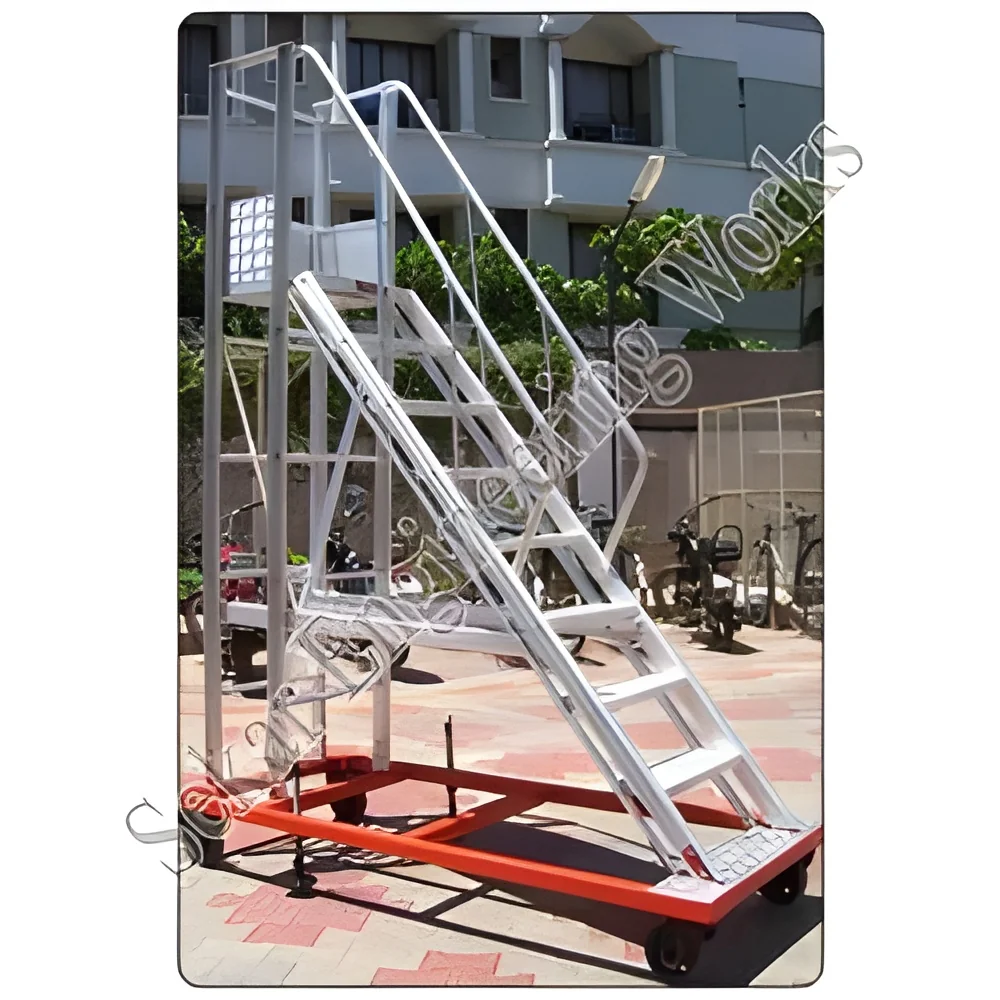
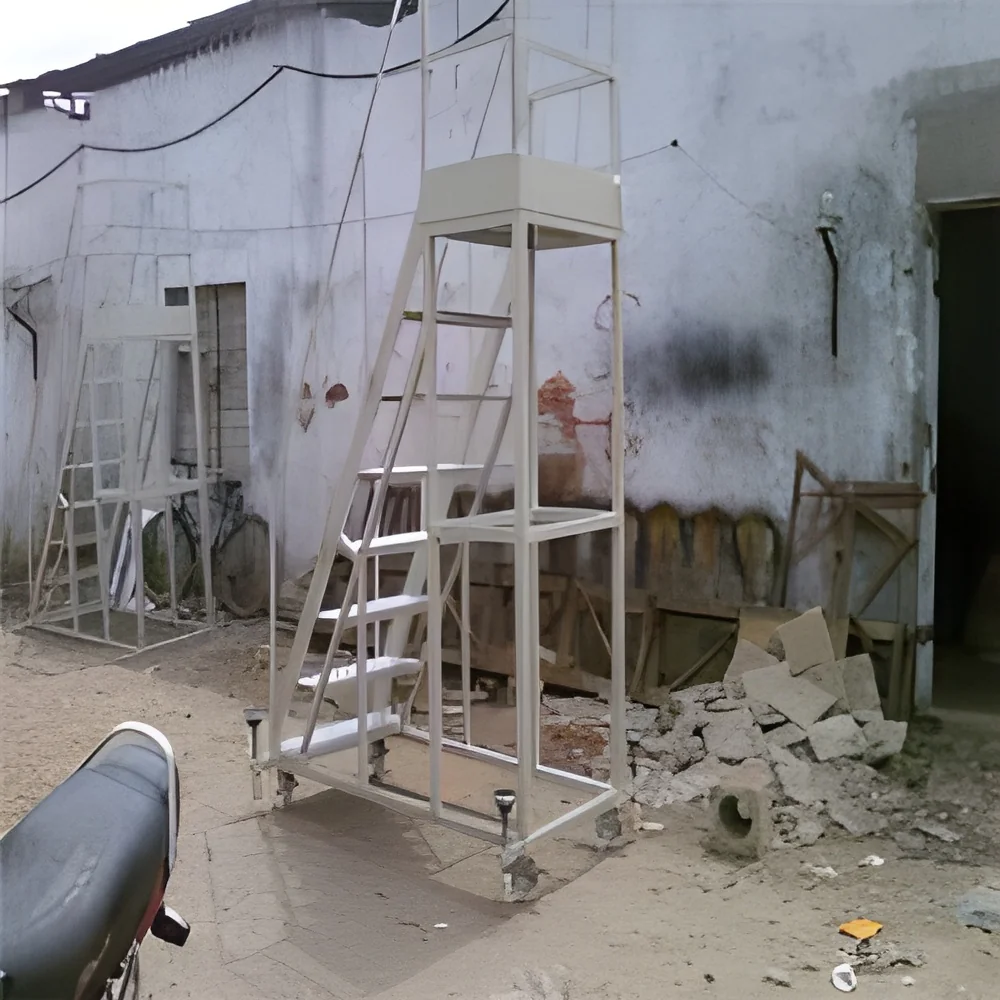
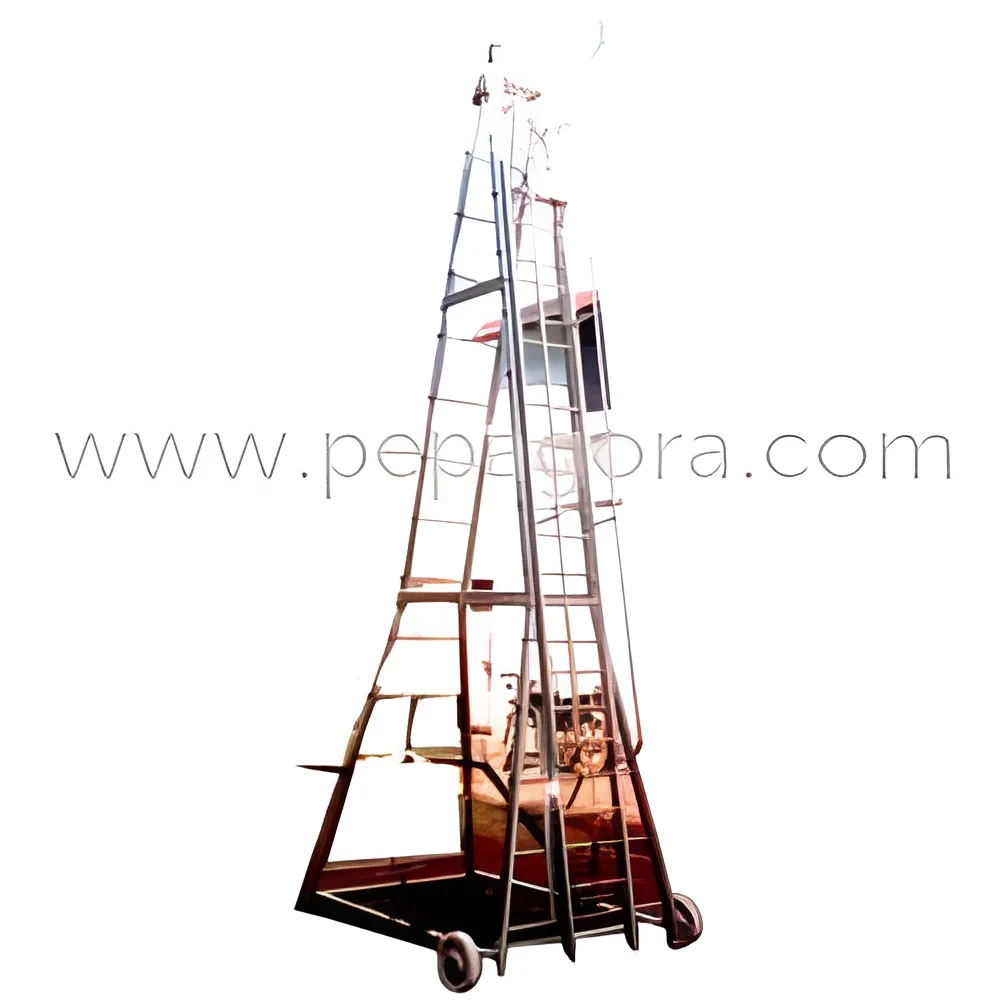
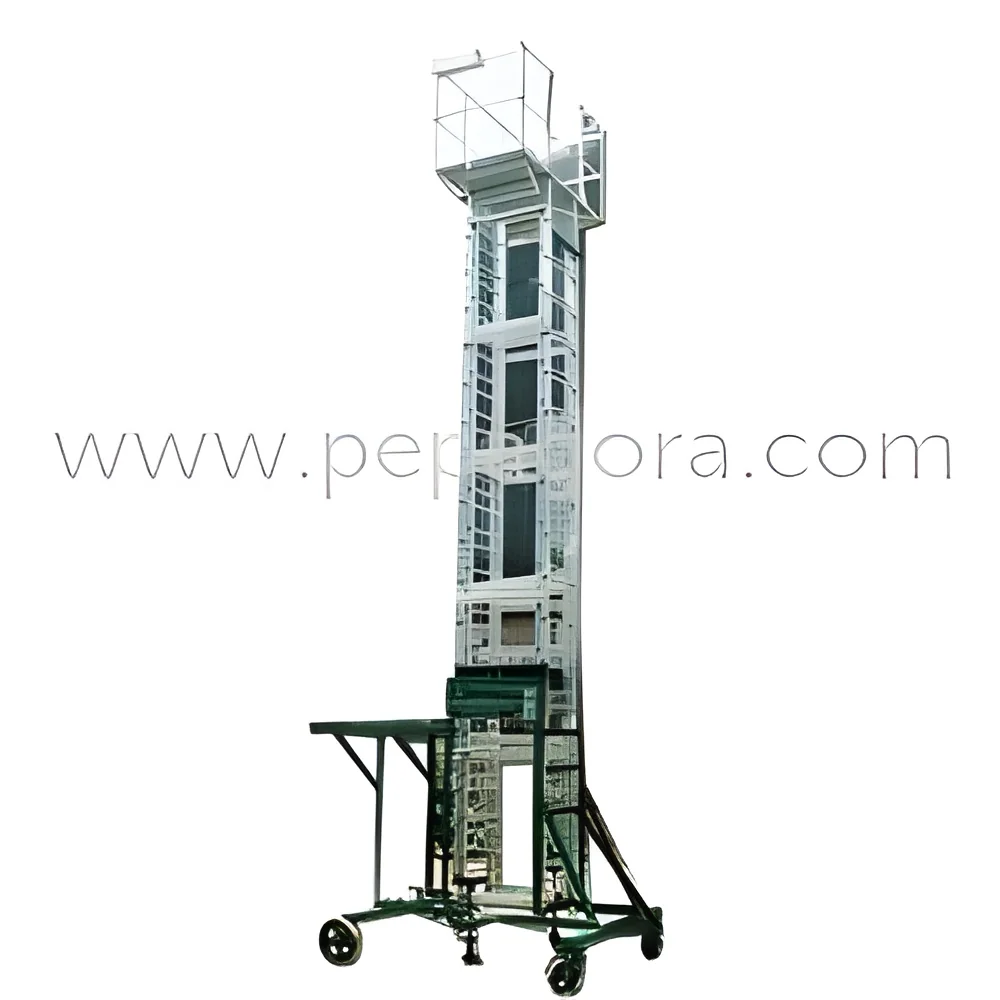
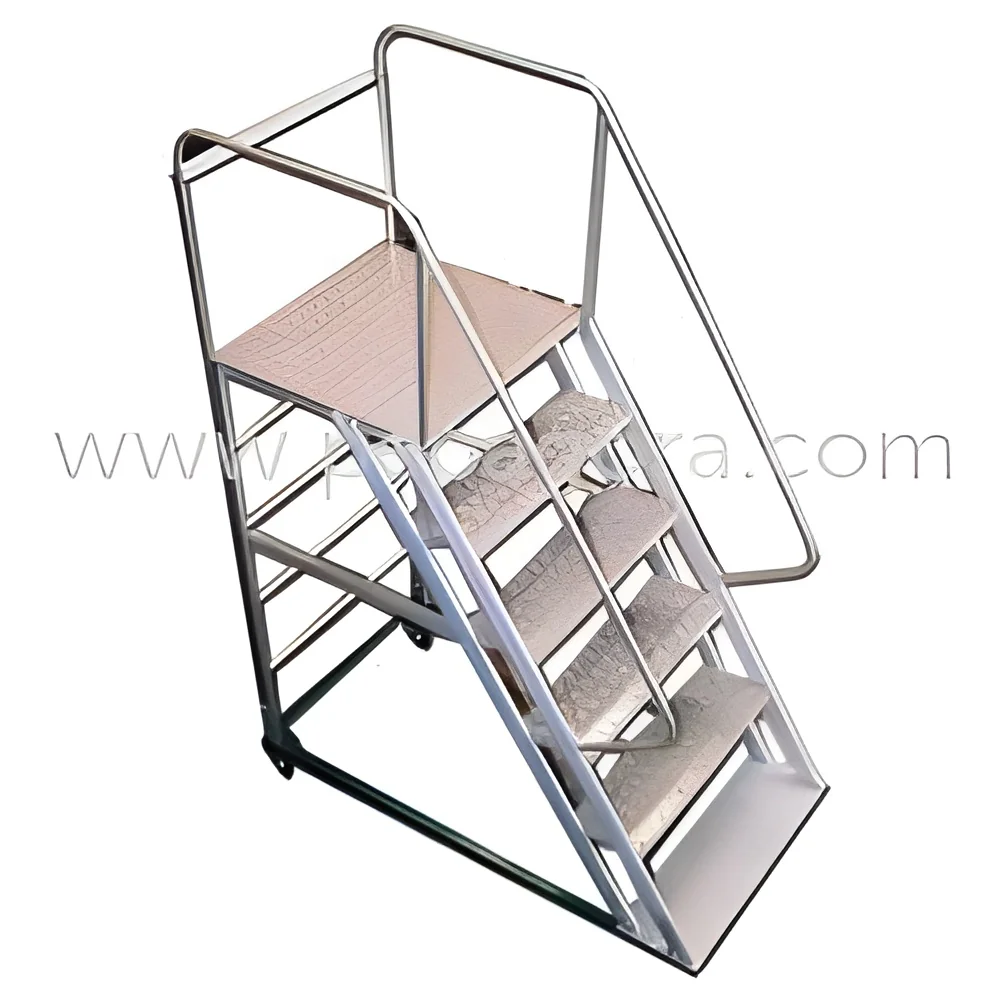
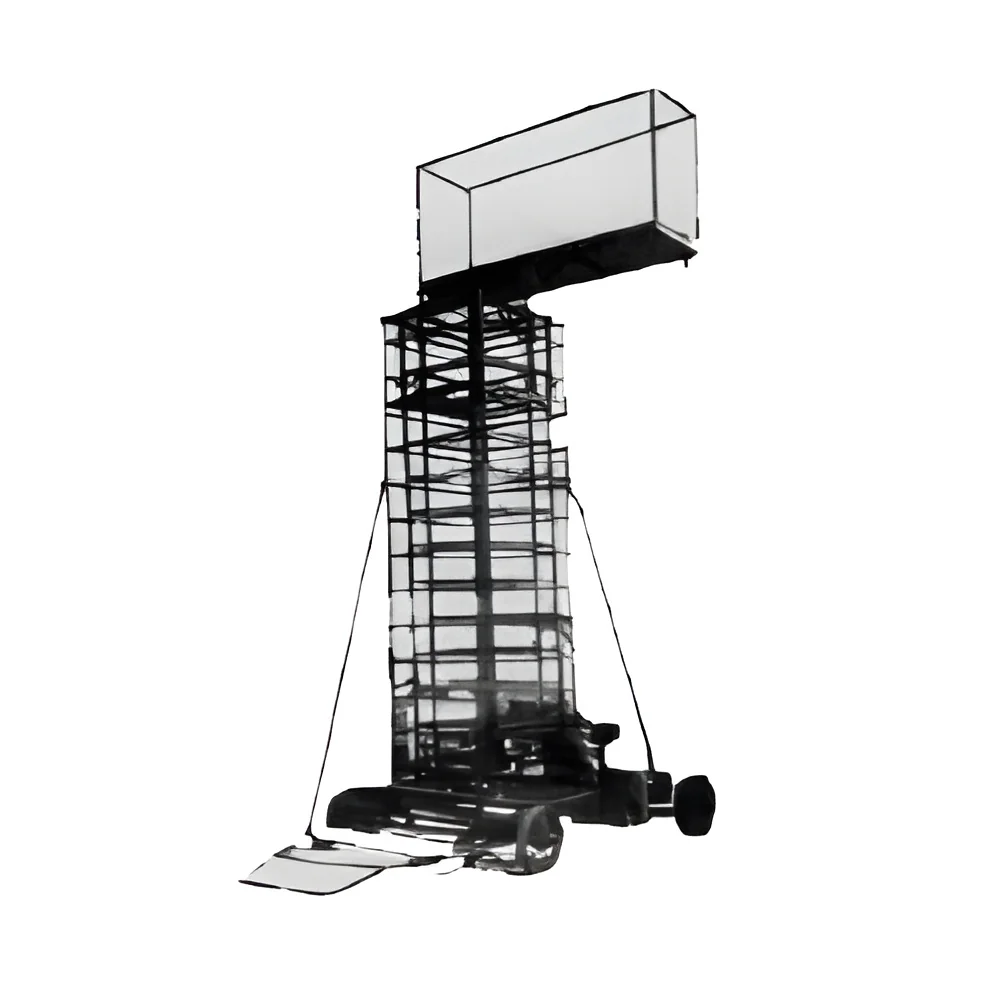
Platform Ladders: These ladders feature a large platform at the top for added stability and safety. They are often used in industrial settings where workers need to stand for extended periods.
Benefits and Advantages
Ladders provide numerous advantages that enhance work efficiency and safety.
1. Safety: High-quality ladders are designed with safety features that reduce the risk of accidents and injuries.
2. Versatility: Various types of ladders allow for use in multiple applications, making them a valuable tool for any business.
3. Efficiency: Ladders enable workers to complete tasks quickly and effectively, improving overall productivity.
4. Portability: Many ladders are designed to be lightweight and easy to transport, facilitating quick setup and use.
5. Cost-Effectiveness: Investing in durable ladders can lead to long-term savings by reducing the need for frequent replacements.
6. Compliance: Sourcing ladders that meet industry standards ensures that businesses adhere to safety regulations.
Buying Guide for B2B Buyers
When sourcing ladders, it is crucial to consider several factors to ensure the right choice.
1. Quality Assessment: Evaluate the ladder's material and construction for durability and stability. Look for features that enhance safety and usability.
2. Supplier Verification: Vet suppliers by checking their reputation, reviews, and certifications. A reliable supplier ensures quality products and service.
3. Pricing and MOQ: Understand the pricing structure and minimum order quantities. This will help in budgeting and planning your purchases effectively.
4. Delivery and Lead Times: Discuss logistics to ensure timely delivery. Consider factors such as shipping methods and expected delivery dates.
5. Compliance Requirements: Be aware of any regulatory standards that ladders must meet in your industry. Ensure suppliers provide compliant products.
Compliance and Certifications
Ladders must adhere to various quality standards and certifications to ensure safety and reliability.
ISO 9001 is a widely recognized standard that ensures quality management systems are in place, leading to consistent product quality. Compliance with ISO standards can indicate a manufacturer’s commitment to quality.
CE certification is essential for ladders sold in certain markets, particularly in Europe. It signifies that the product meets health, safety, and environmental protection standards.
Safety and testing requirements vary by region and industry. Ladders must undergo rigorous testing to ensure they can handle specified load capacities and withstand environmental conditions.
Regional compliance considerations may include specific regulations that apply to ladder use in different markets. Understanding these regulations is vital for businesses operating in multiple regions.
Why Source Ladders from Pepagora?
Pepagora offers a trusted platform for sourcing ladders, providing several key advantages to B2B buyers.
Verified Supplier Network: Pepagora connects buyers with a network of verified suppliers, ensuring quality and reliability. This reduces the risk associated with purchasing from unknown sources.
Streamlined RFQ Process: The platform simplifies the request for quotation process, allowing buyers to easily compare prices and specifications from multiple suppliers. This transparency helps in making informed purchasing decisions.
Trade Assurance and Support: Pepagora provides buyer protection through trade assurance programs. This support helps mitigate risks associated with online purchases.
Regional Coverage: With a strong presence in regions like India, the GCC, and Southeast Asia, Pepagora facilitates access to local and international suppliers. This broad geographic reach enhances sourcing options for businesses.

 IN
IN