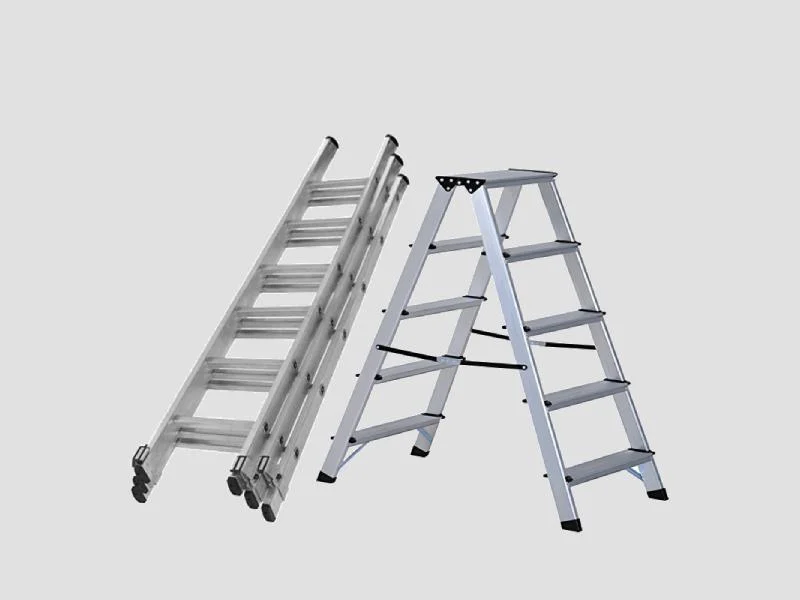
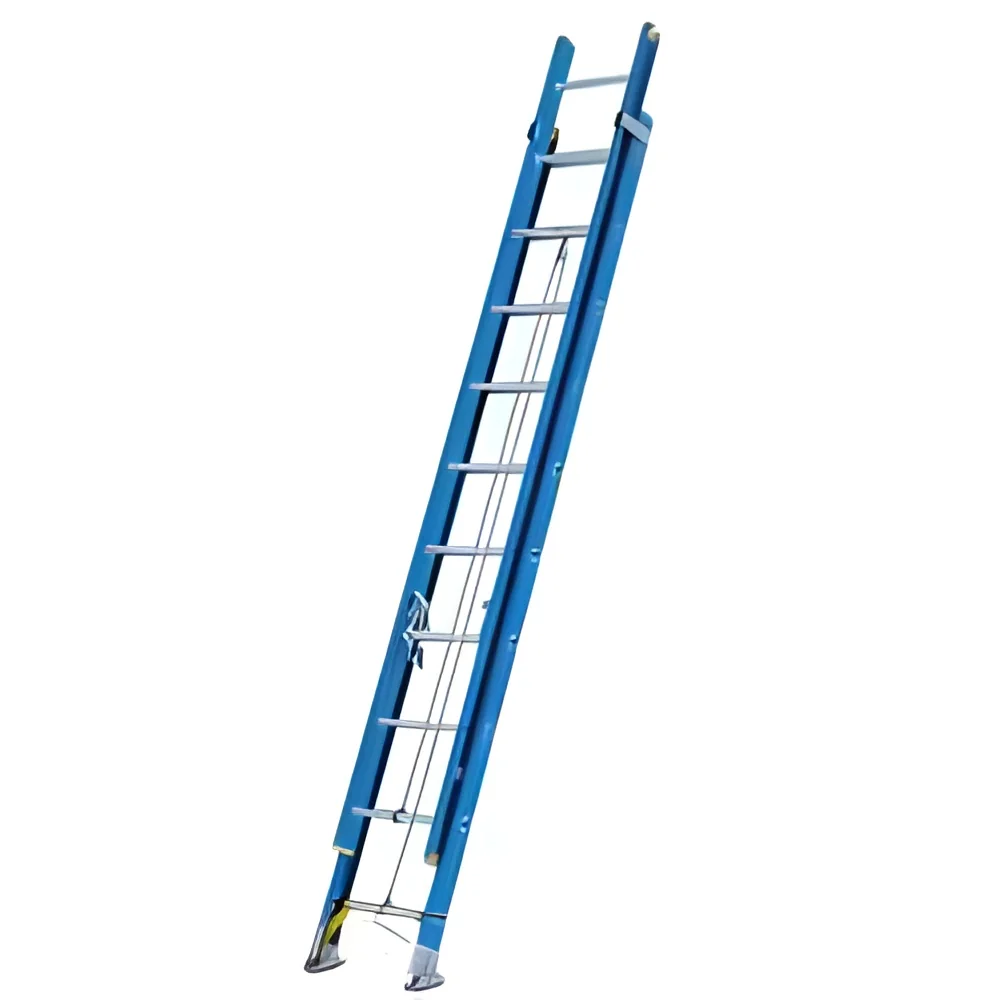
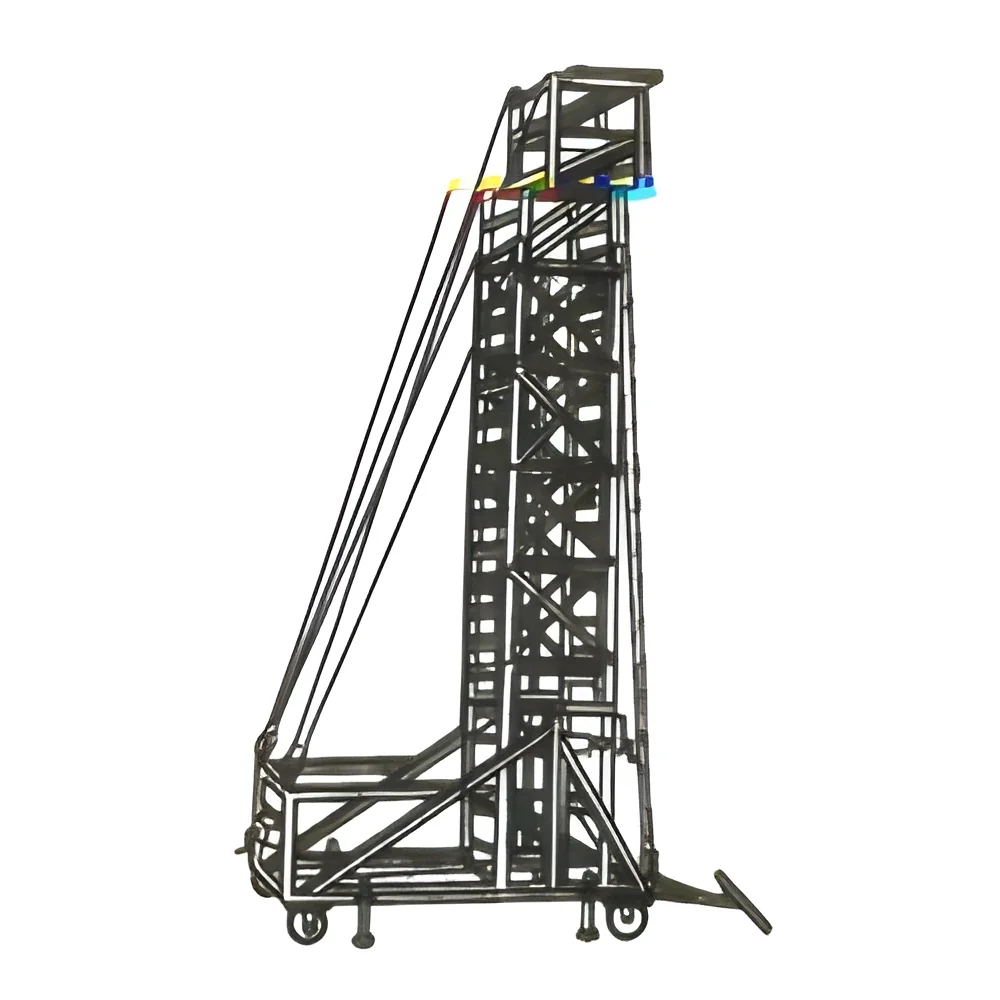
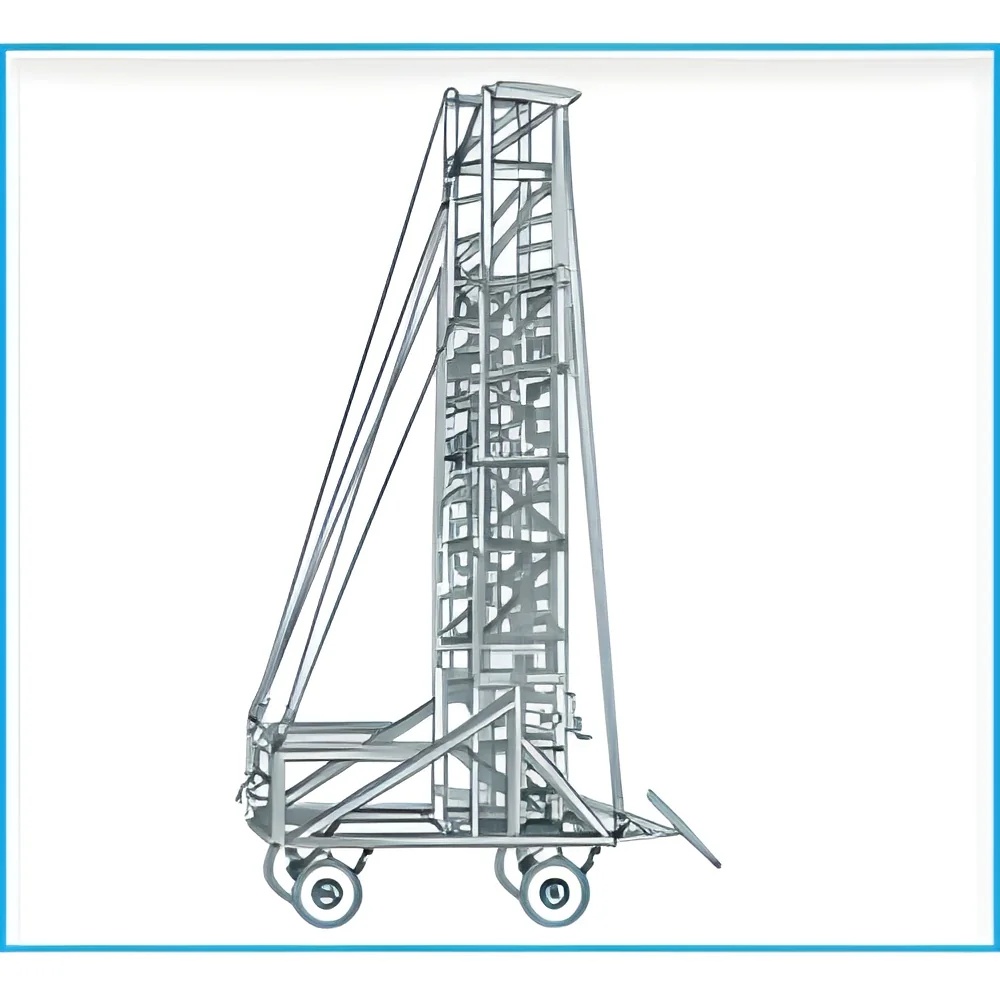
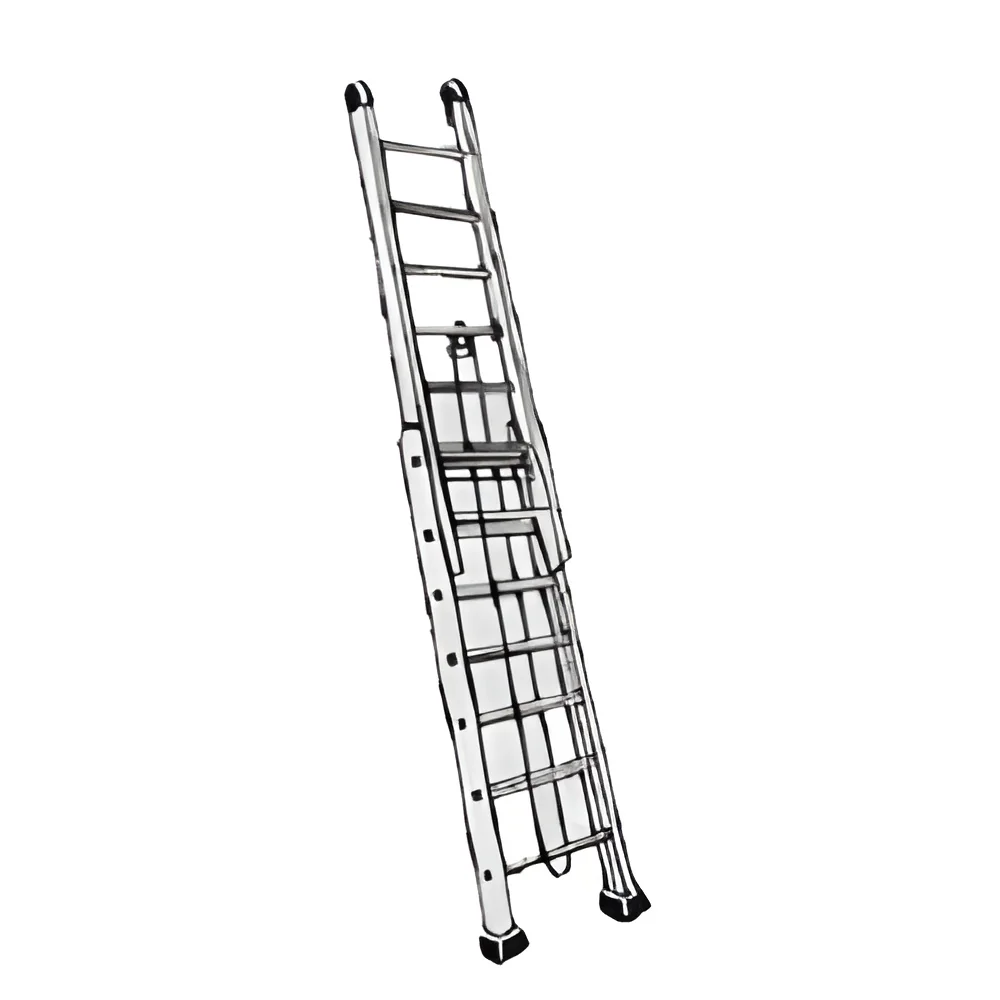
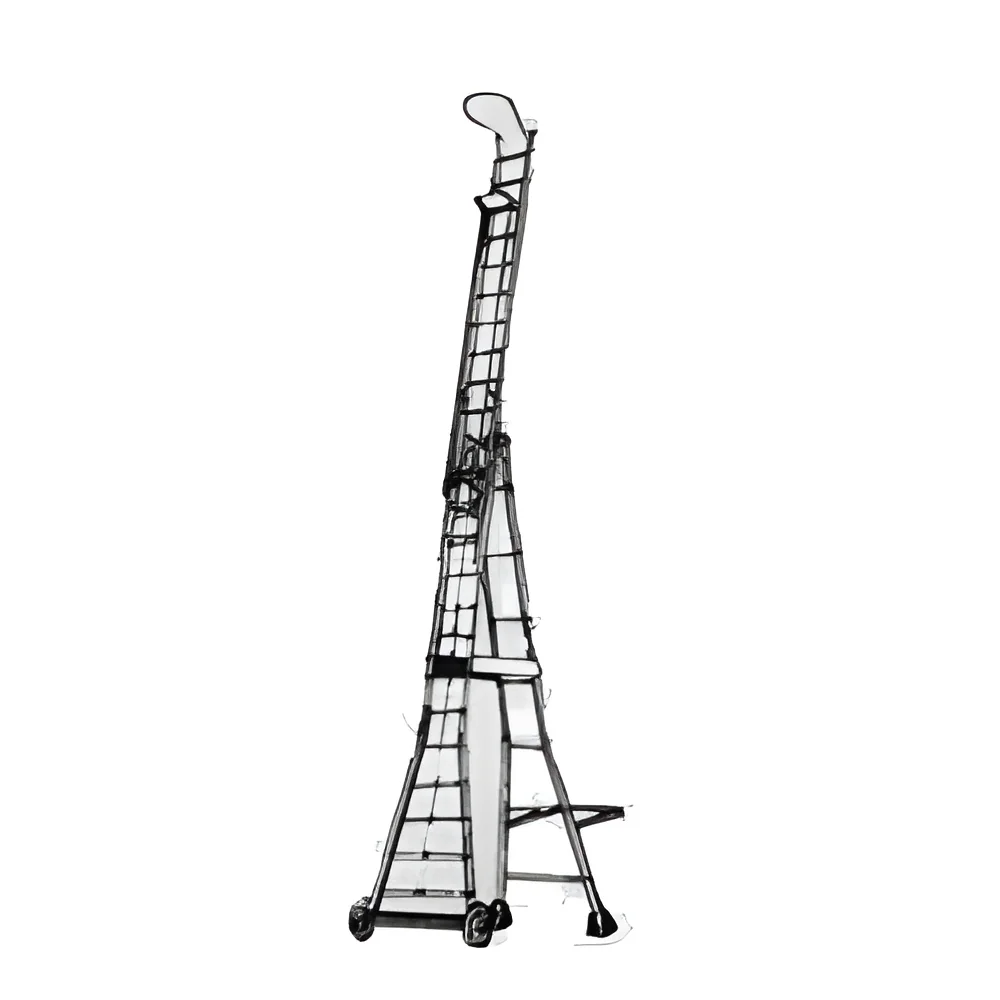
What are Extension Ladders?
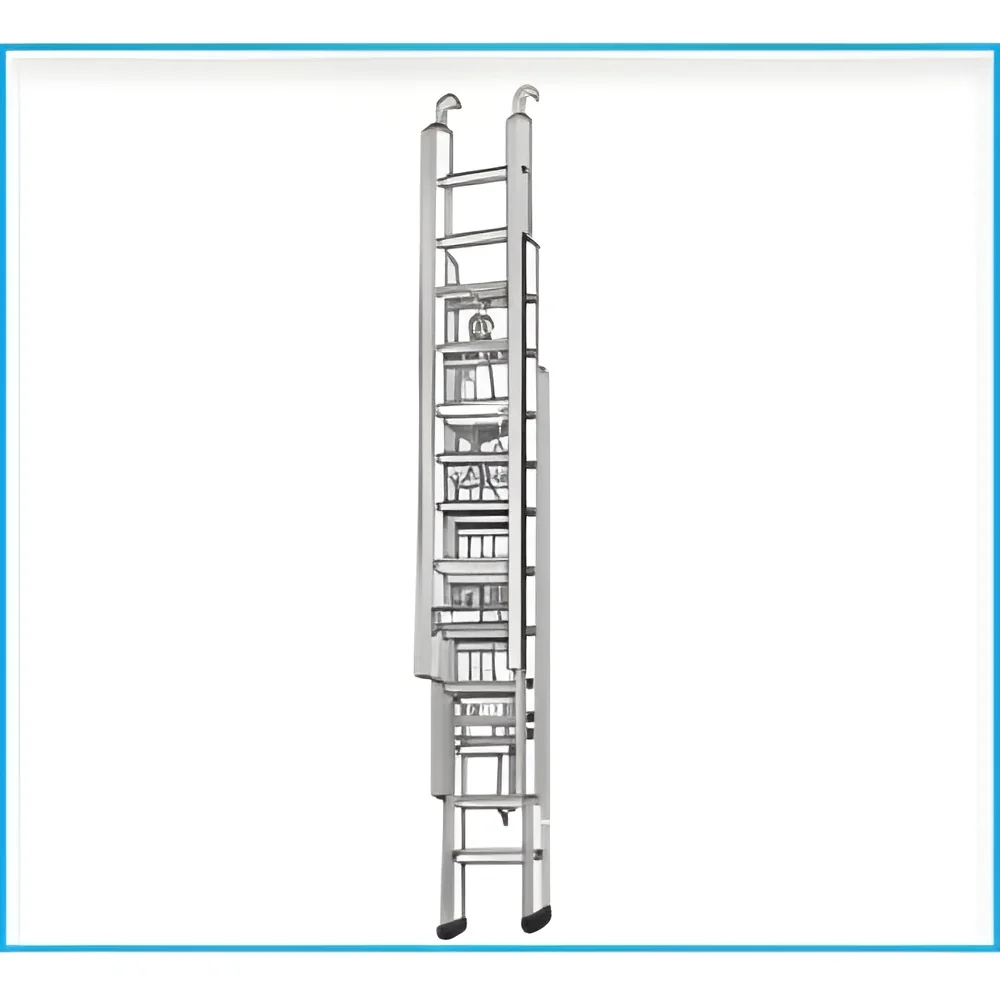
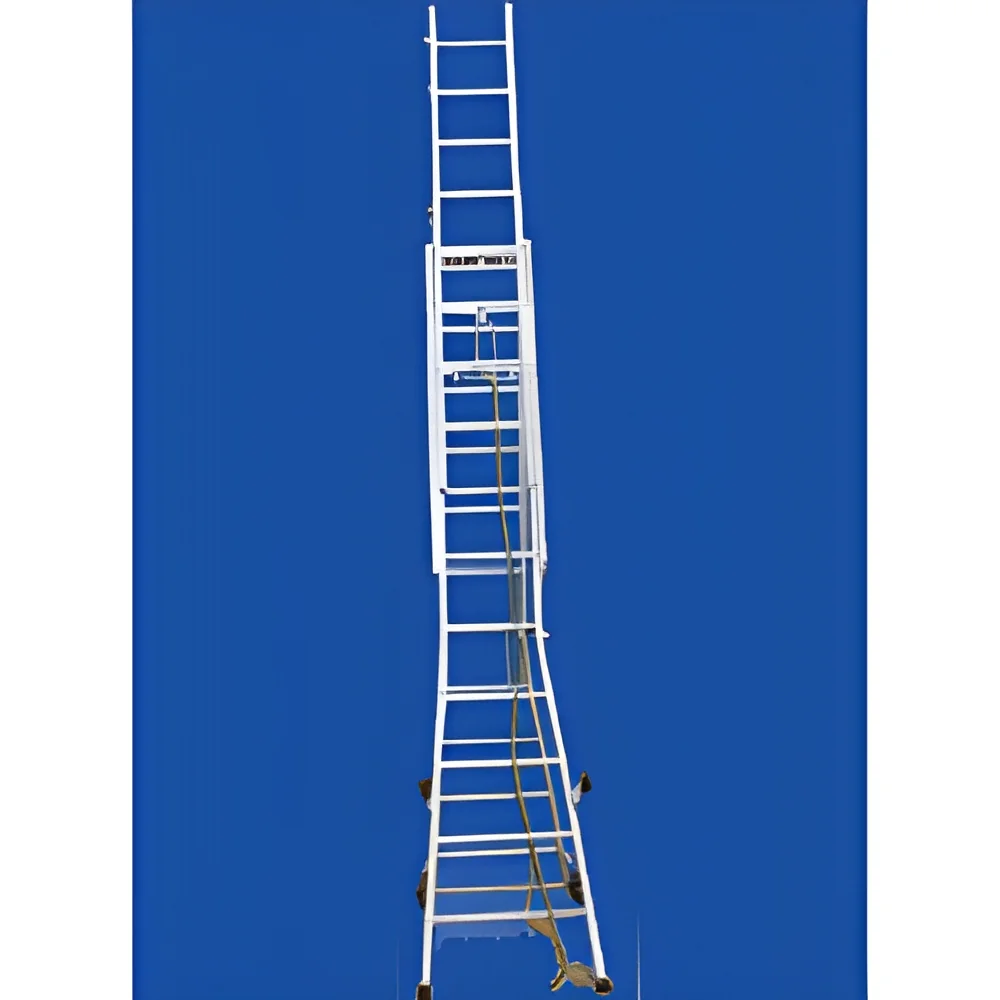
Extension ladders are versatile tools designed to provide elevation for reaching high places safely and efficiently. These ladders can be extended and retracted to various heights, allowing users to adjust them according to specific tasks. Typically made from durable materials such as aluminum or fiberglass, extension ladders are built to withstand heavy loads and provide stability during use.
In the business context, extension ladders are widely used in construction, maintenance, and industrial sectors. They are essential for tasks such as painting, roofing, electrical work, and general maintenance. Their ability to reach significant heights makes them invaluable in environments where workers need to access elevated areas quickly and securely. With the growing demand for safety and efficiency in various industries, extension ladders have become a staple tool in many workplaces.
The market for extension ladders is competitive, with numerous manufacturers offering a range of products that cater to different needs. As businesses prioritize safety and compliance with industry standards, the demand for high-quality extension ladders continues to rise. This makes understanding the features and specifications of these ladders critical for B2B buyers.
Key Features and Specifications
Extension ladders come with various features and specifications that enhance their functionality and safety. These specifications are essential for businesses to consider when selecting the right ladder for their needs.
Key specifications include:
1. Material
- Common materials are aluminum and fiberglass.
- Aluminum ladders are lightweight and rust-resistant, while fiberglass ladders offer electrical insulation.
2. Load Capacity
- Load capacities typically range from 250 to 300 pounds.
- It is crucial to choose a ladder that can safely support the intended weight.
3. Height Range
- Extension ladders can extend from 16 to 40 feet.
- The height selection depends on the specific tasks and working environment.
4. Rung Design
- Rungs are often designed to be slip-resistant for safety.
- The spacing between rungs can vary, impacting comfort during use.
5. Base Width
- Wider bases provide increased stability.
- Base widths can range from 20 to 30 inches.
6. Locking Mechanism
- A secure locking mechanism ensures that the ladder stays in place during use.
- Common types include spring-loaded locks and pin locks.
7. Certification
- Many extension ladders are certified by safety standards organizations, such as CE.
- Certification indicates compliance with safety regulations.
8. Weight
- The weight of the ladder can influence portability.
- Ladders typically weigh between 25 to 70 pounds, depending on the material and size.
In summary, understanding these key features and specifications is vital for businesses to select the right extension ladder that meets their safety and operational requirements.
Common Applications and Use Cases
Extension ladders are utilized across various industries due to their versatility and practicality.
1. Construction: In construction, extension ladders are used for accessing rooftops, scaffolding, and other elevated structures. They are essential for tasks like framing and installing roofing materials.
2. Maintenance: Maintenance teams frequently rely on extension ladders for tasks such as cleaning gutters, changing light bulbs, and performing HVAC repairs. Their adjustable height makes them ideal for indoor and outdoor maintenance.
3. Electrical: Electricians often use extension ladders to reach high installations, such as lighting fixtures and power lines. Safety features are crucial in this industry due to the electrical hazards involved.
4. Painting: Professional painters use extension ladders to access high walls and ceilings. The adjustable height allows for efficient coverage of large areas.
5. Warehousing: In warehouses, extension ladders are used to reach high shelves and storage areas. Their portability makes them a practical choice for inventory management.
6. Telecommunications: Technicians in telecommunications use extension ladders to install and maintain antennas and communication lines at heights.
7. Landscaping: Landscapers may use extension ladders to trim trees or install lighting in elevated garden areas.
Product Variants and Subcategories
Extension ladders come in different variants to cater to specific needs within various industries.
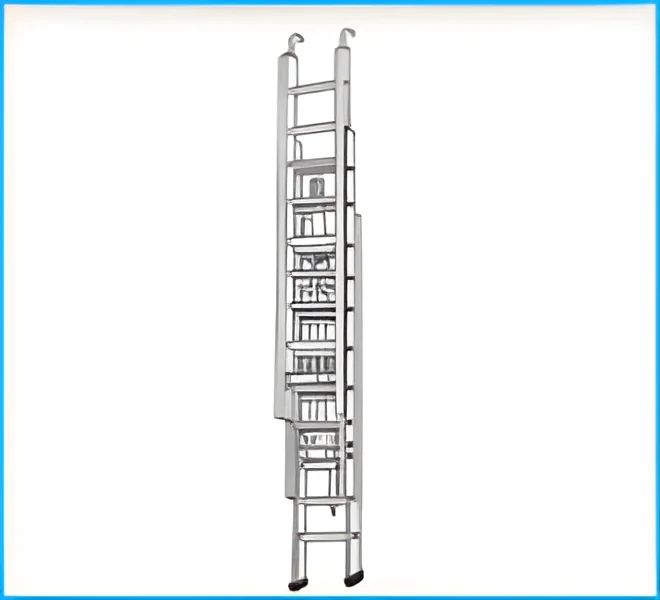
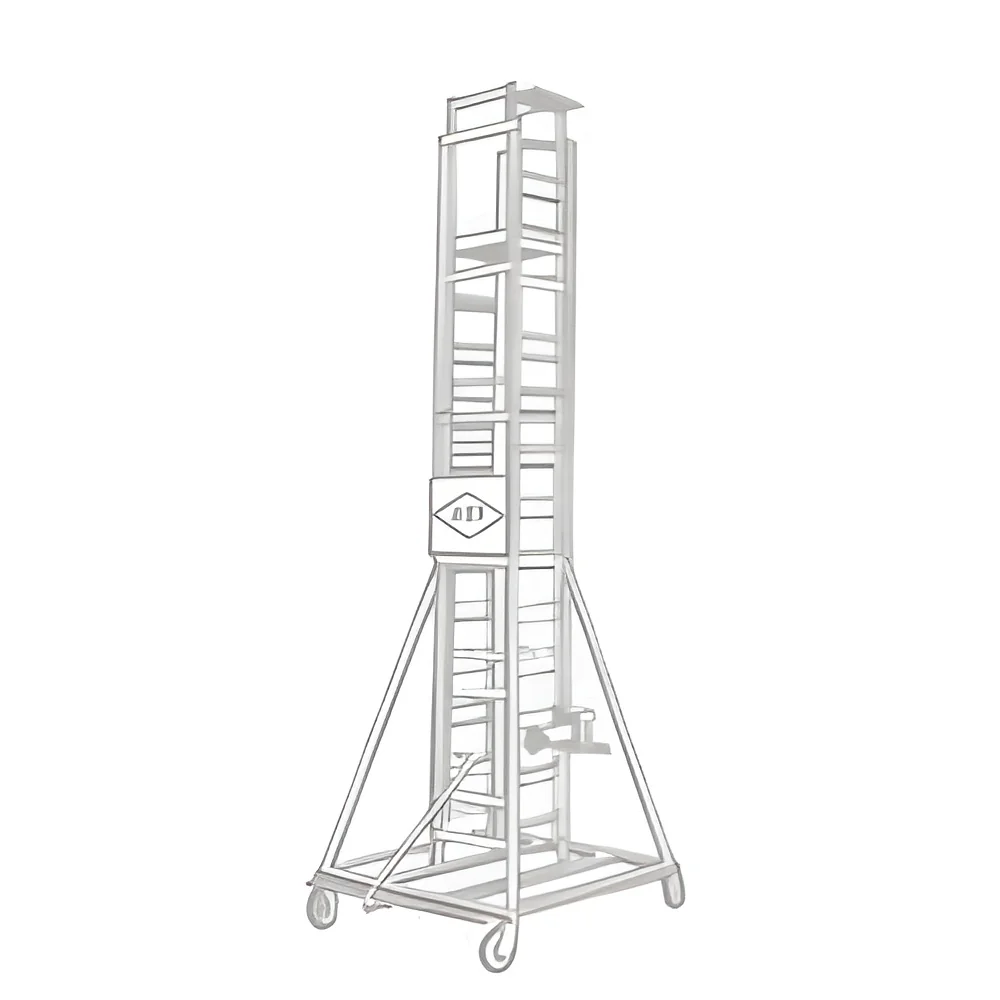
Telescoping Extension Ladders: These ladders feature a compact design that allows for easy transport and storage. They can be adjusted to various heights and are ideal for residential use or light commercial applications.
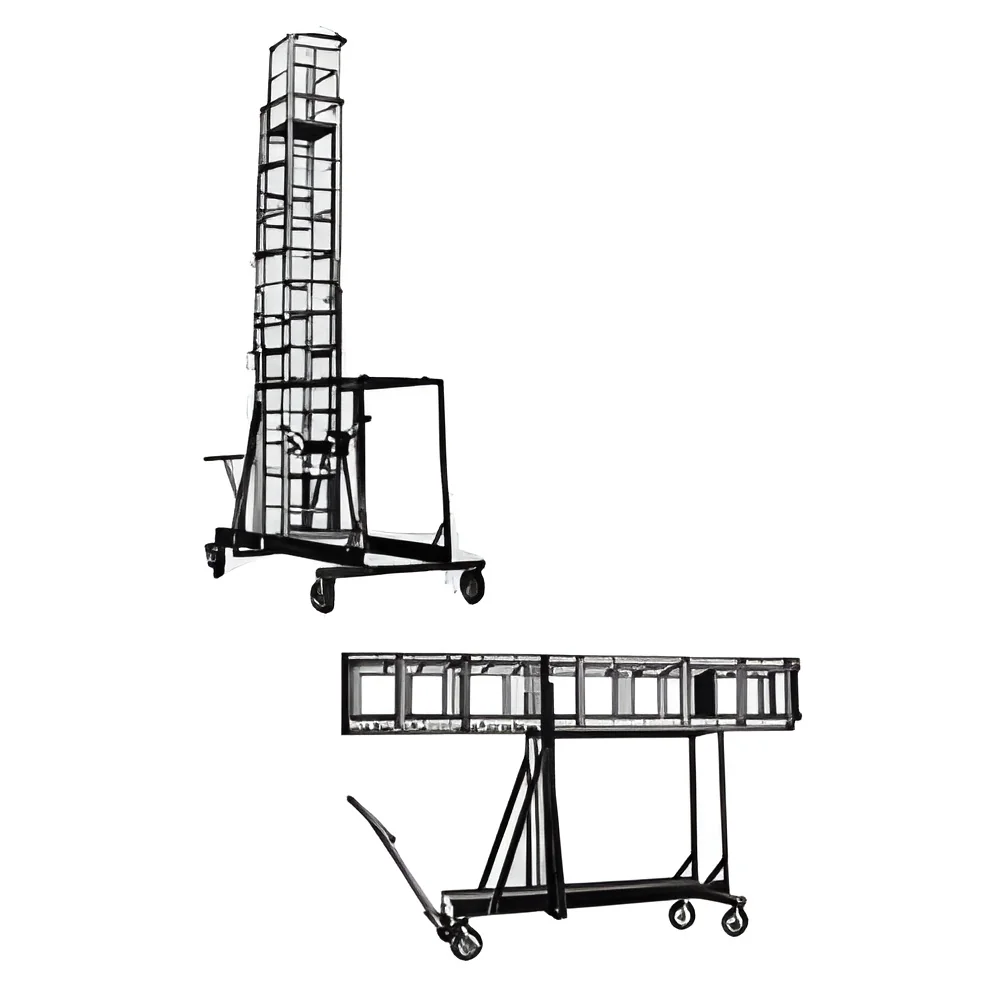
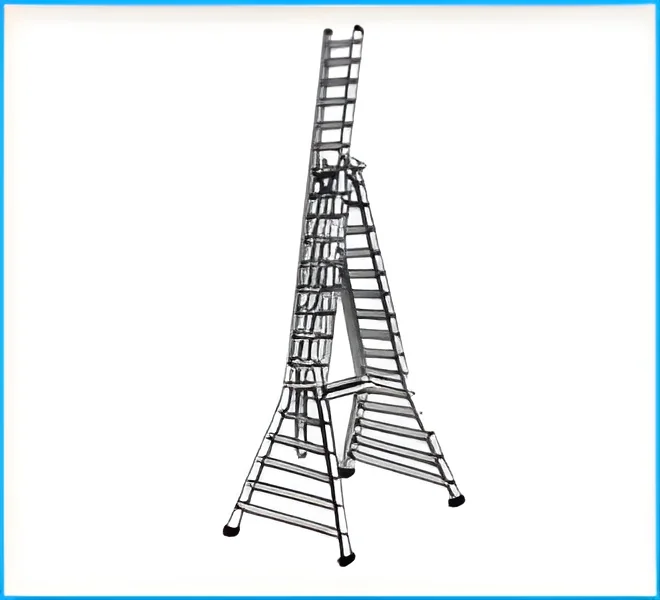
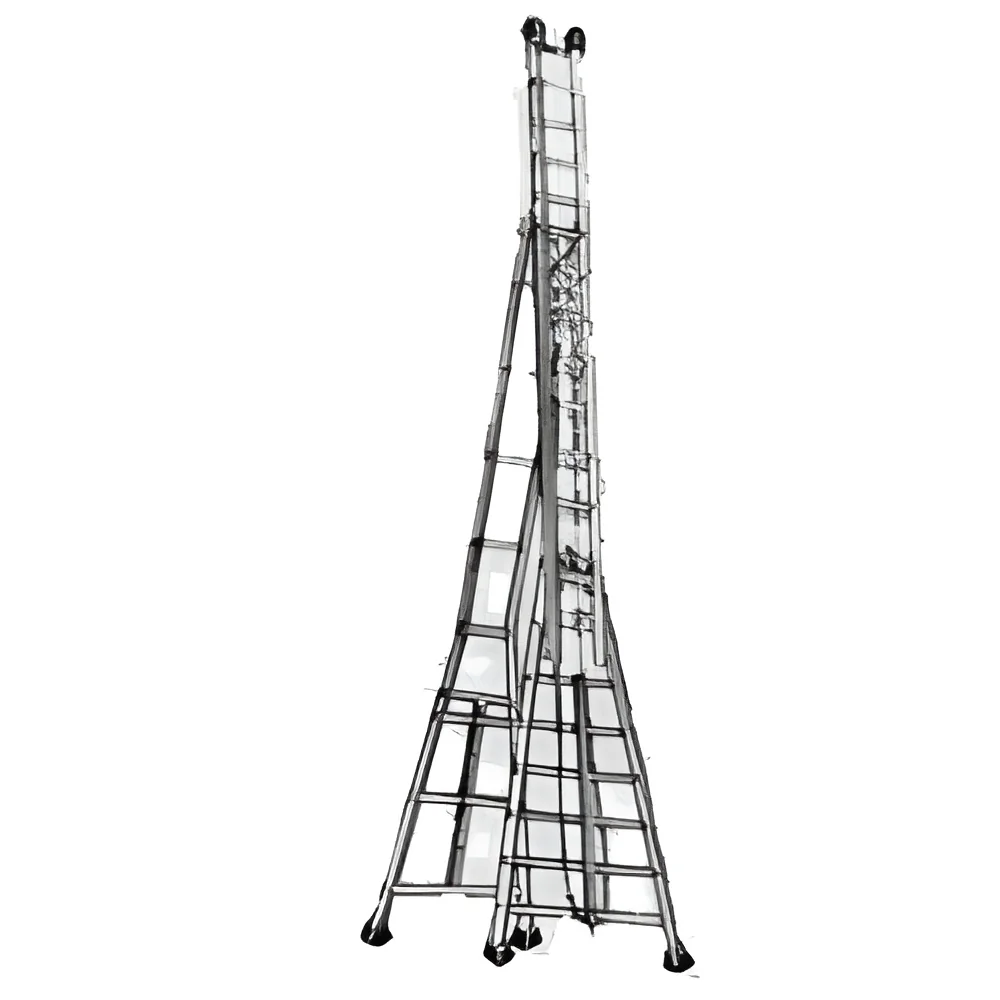
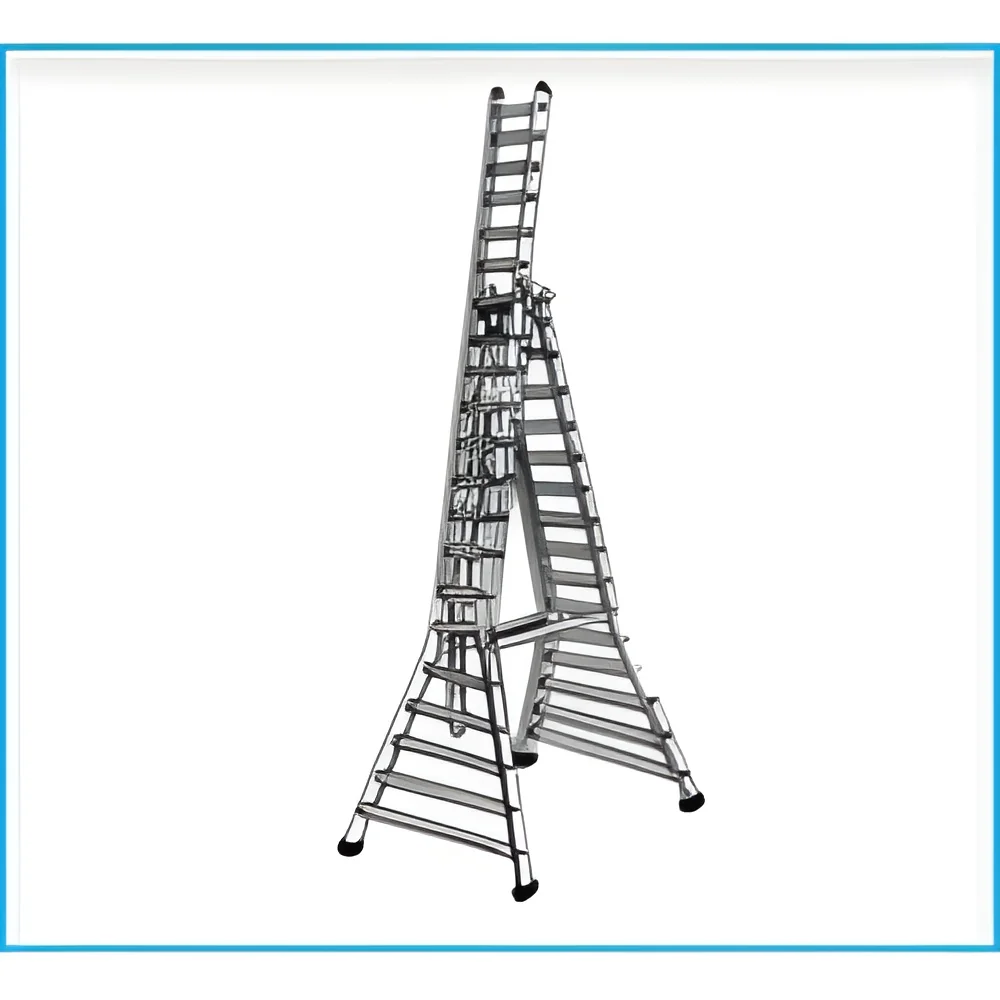
Multi-Position Ladders: Multi-position ladders can be configured in different ways, such as A-frame or extension. This versatility makes them suitable for various tasks, from painting to maintenance.
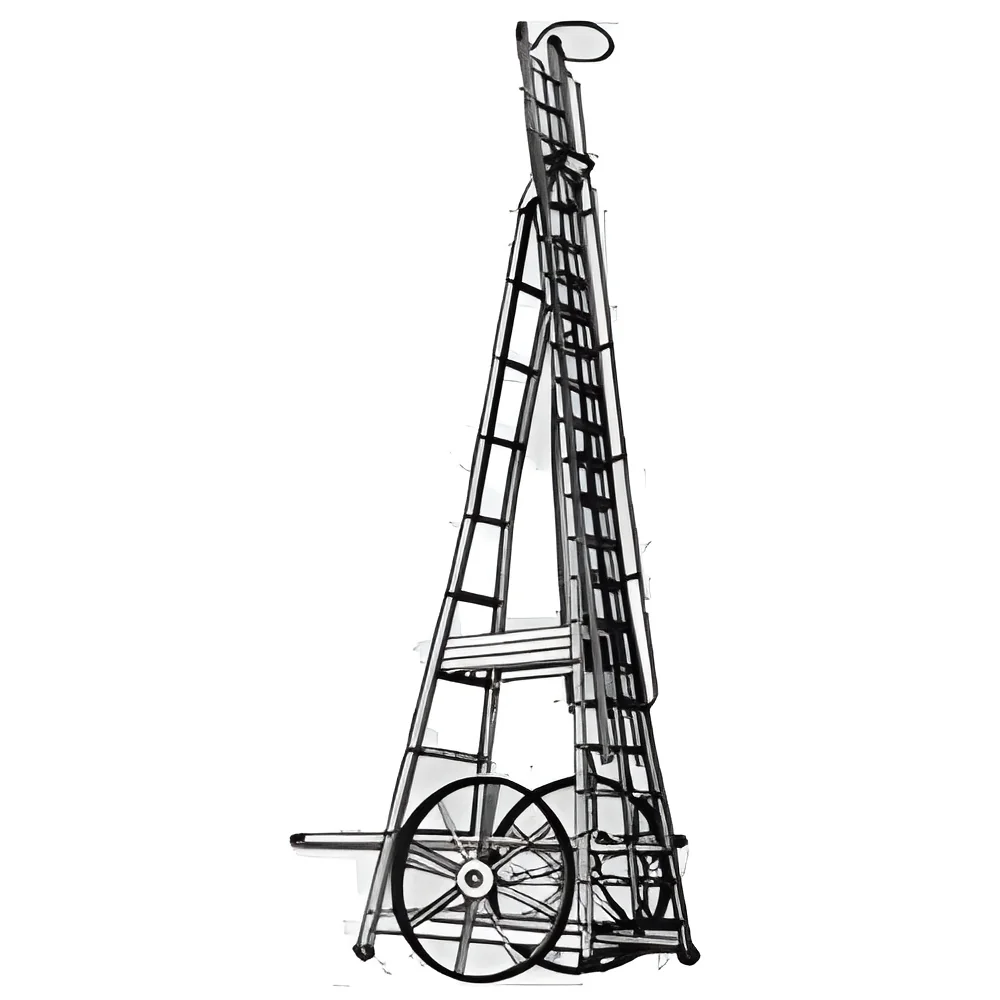
Articulating Ladders: Articulating ladders can be adjusted to multiple angles and positions, providing flexibility for unique work environments. They are particularly useful in areas with limited space.
Benefits and Advantages
Choosing extension ladders offers numerous benefits for businesses and professionals.
1. Versatility: Extension ladders can be adjusted to various heights, making them suitable for a wide range of tasks in different environments.
2. Safety: High-quality extension ladders come with safety features such as slip-resistant rungs and secure locking mechanisms, reducing the risk of accidents.
3. Durability: Made from robust materials, extension ladders are designed to withstand heavy use and harsh conditions, ensuring a long lifespan.
4. Portability: Many extension ladders are lightweight and easy to transport, allowing for convenient use in multiple locations.
5. Cost-Effectiveness: Investing in durable extension ladders can reduce the need for frequent replacements, providing long-term savings for businesses.
6. Compliance: Using certified extension ladders helps businesses adhere to safety regulations, ensuring a safer working environment.
Buying Guide for B2B Buyers
When sourcing extension ladders, businesses should consider several key factors to ensure they make informed decisions.
1. Quality Assessment: Evaluate the materials and construction of the ladders. High-quality materials enhance durability and safety.
2. Supplier Verification: Vet suppliers to ensure they offer reliable products and have a good reputation in the market. Look for reviews and feedback from other buyers.
3. Pricing and MOQ: Understand the pricing structure and minimum order quantities. This allows for budget planning and ensures that the purchase meets business needs.
4. Delivery and Lead Times: Discuss delivery options and lead times with suppliers to ensure timely access to the ladders when needed.
5. Compliance Requirements: Ensure that the ladders meet local safety and regulatory compliance standards. This is crucial for workplace safety and liability.
Compliance and Certifications
Extension ladders must adhere to various quality standards and safety regulations to ensure their reliability in use.
Many extension ladders are manufactured in compliance with ISO 9001 standards, which focus on quality management systems. This certification indicates that a manufacturer follows consistent quality assurance processes.
In addition to ISO standards, extension ladders may also comply with safety certifications such as CE. This certification signifies that the product meets European health, safety, and environmental protection standards.
Safety and testing requirements are critical in the ladder industry. Manufacturers often conduct rigorous testing to verify their products can withstand specified loads and conditions.
Regional compliance considerations can vary. Businesses should be aware of local regulations regarding ladder use and safety to ensure compliance and reduce liability.
Why Source Extension Ladders from Pepagora?
Pepagora stands out as a trusted platform for sourcing extension ladders, providing several key advantages for B2B buyers.
Verified Supplier Network: Pepagora offers a network of verified suppliers, ensuring that buyers can trust the quality and reliability of the products they purchase. This verification process helps reduce risks associated with sourcing.
Streamlined RFQ Process: The request for quotation (RFQ) system simplifies the sourcing process. Buyers can easily compare offers from multiple suppliers to find the best fit for their needs.
Trade Assurance and Support: Pepagora provides trade assurance, protecting buyers from potential issues during transactions. This support fosters confidence in purchasing decisions.
Regional Coverage: With a strong presence in India, the GCC, and Southeast Asia, Pepagora offers regional coverage that allows businesses to connect with local suppliers easily. This geographic reach enhances accessibility and convenience for buyers seeking extension ladders.

 IN
IN