
 IN
Scaffold Tubes & Pipes
7 products available
What are Scaffold Tubes & Pipes?
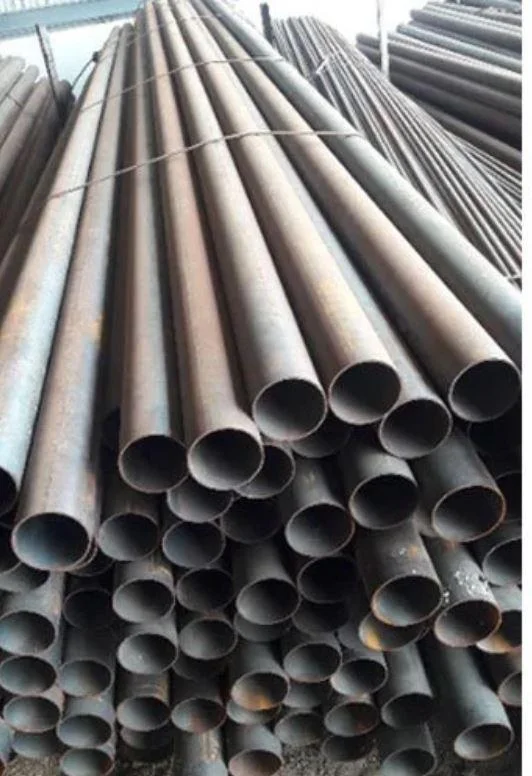
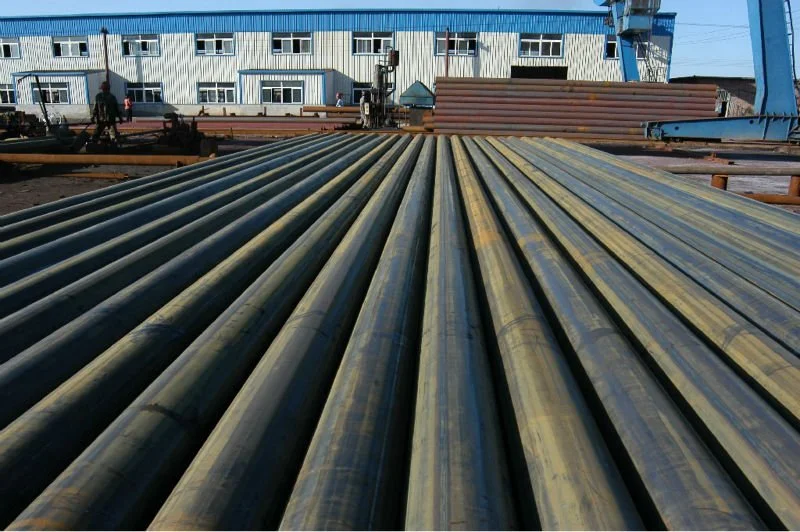
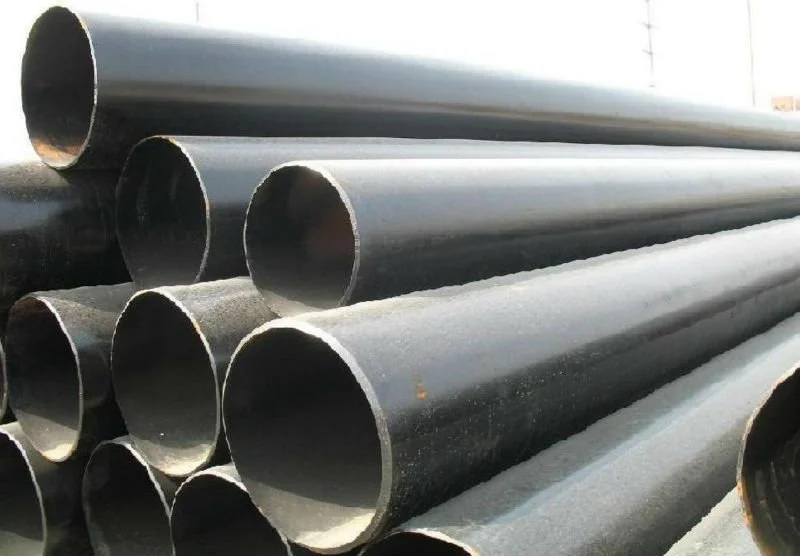
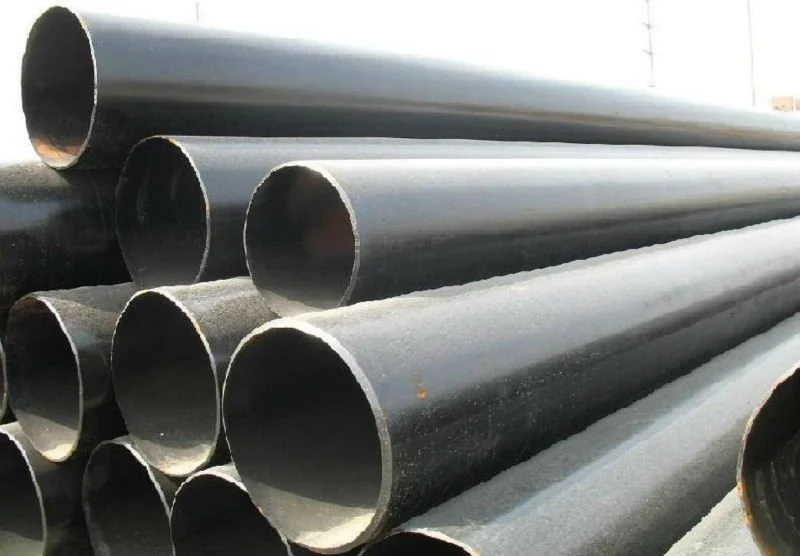
Scaffold tubes and pipes are essential components used in the construction and maintenance of structures. These tubing systems provide support and stability for scaffolding, allowing workers to perform tasks at various heights safely. Typically made from steel or aluminum, scaffold tubes are designed to withstand significant loads while being lightweight enough for easy handling and assembly.
In the construction industry, scaffold tubes and pipes are primarily used to create frameworks for scaffolding systems, providing the necessary support for workers and materials. Their versatility extends to other applications such as temporary structures, industrial maintenance, and events staging. Scaffold tubes are critical in ensuring safety and efficiency on job sites, making them a staple in construction practices. As the demand for construction services continues to grow, the market for scaffold tubes and pipes remains robust, reflecting their importance in various sectors.
Key Features and Specifications
Scaffold tubes and pipes come with various features and specifications that cater to different project requirements. These specifications ensure the products can handle the necessary loads and meet safety standards.
Key specifications include:
1. Material Type
- Typically made from steel or aluminum
- Offers strength and durability for heavy loads
2. Length Options
- Available in standard lengths of 6, 8, or 10 feet
- Custom lengths may be available depending on supplier
3. Diameter Measurements
- Common diameters include 48.3 mm for steel and specific sizes for aluminum
- Ensures compatibility with various scaffolding systems
4. Weight Capacity
- Generally, scaffold tubes can support loads ranging from 500 kg to over 1000 kg
- Varies by material and diameter specifications
5. Surface Treatment
- Often galvanized or painted for corrosion resistance
- Enhances longevity and maintenance of scaffolding systems
6. Compliance Certifications
- Must adhere to safety standards and regulations
- Common certifications include CE marking
7. Connection Features
- Equipped with standard fittings for easy assembly
- Facilitates swift setup and disassembly
In summary, the specifications of scaffold tubes and pipes are fundamental in determining their suitability for specific applications, emphasizing the need for careful selection based on project requirements.
Common Applications and Use Cases
Scaffold tubes and pipes serve various industries, making them indispensable in multiple contexts.
1. Construction: Scaffold tubes are primarily used to support scaffolding structures, providing safe access for workers at elevated heights during building and renovation projects.
2. Industrial Maintenance: These tubes are employed in maintenance and repair tasks across manufacturing plants, allowing workers to reach high machinery and equipment safely.
3. Event Staging: Scaffold tubes are often used to create temporary structures for concerts, exhibitions, and other events, providing robust support for staging and lighting.
4. Oil and Gas: In the oil and gas sector, scaffold tubes are utilized for maintenance and inspection of drilling rigs and refineries, ensuring safe working conditions in hazardous environments.
5. Shipbuilding: Scaffold tubes provide necessary support for workers during the construction and repair of ships, enabling safe access to hard-to-reach areas.
6. Telecommunications: These tubes are used to support antennas and other equipment on towers, giving technicians safe access for installation and maintenance.
7. Infrastructure Projects: Scaffold tubes are also employed in large infrastructure projects, such as bridges and tunnels, where safe access for workers is critical.
Product Variants and Subcategories
Scaffold tubes and pipes come in various forms to meet different needs in construction and maintenance.
Standard Scaffold Tubes
Standard scaffold tubes are typically made of galvanized steel and are used in most scaffolding applications. They provide excellent strength and durability, making them suitable for heavy-duty projects.
Aluminum Scaffold Pipes
Aluminum scaffold pipes are lighter than their steel counterparts, making them easier to handle and transport. They are often used in scenarios where weight is a concern, such as in concert staging or temporary structures.
Adjustable Scaffold Legs
These legs are designed to provide height adjustments and are crucial in uneven ground conditions. They ensure that the scaffold structure remains stable and level.
Benefits and Advantages
Choosing scaffold tubes and pipes comes with numerous benefits that enhance safety and efficiency.
1. High Load Capacity: Scaffold tubes are engineered to support significant weight, ensuring that they can handle the demands of various construction tasks.
2. Durability: Made from robust materials like steel or aluminum, these tubes are designed to withstand weather elements and rough handling, ensuring long-term use.
3. Versatility: Scaffold tubes can be used in numerous applications, from construction to event management, making them a valuable asset across industries.
4. Safety Compliance: Scaffold tubes are manufactured to meet strict safety standards, providing peace of mind for users in high-risk environments.
5. Easy Assembly: The standard fittings allow for quick and efficient assembly, enabling workers to set up scaffolding systems in minimal time.
6. Cost-Effective: Investing in high-quality scaffold tubes can reduce maintenance costs and enhance overall project efficiency, leading to cost savings over time.
Buying Guide for B2B Buyers
When sourcing scaffold tubes and pipes, several factors should be considered to ensure the right choice.
1. Quality Assessment: Look for products that meet industry standards and certifications. Verify the material quality to ensure it can withstand the required loads.
2. Supplier Verification: Vet suppliers to ensure reliability and reputation in the market. Check for customer reviews and past project success to gauge their credibility.
3. Pricing and MOQ: Understand the pricing structure and minimum order quantities. Compare quotes from multiple suppliers to find the best value without compromising quality.
4. Delivery and Lead Times: Assess the supplier's ability to meet delivery schedules. Timely delivery is crucial to avoid project delays.
5. Compliance Requirements: Ensure that the products meet local and international safety regulations. This may include specific certifications that validate product quality.
Compliance and Certifications
Compliance with industry standards is vital for scaffold tubes and pipes. Key quality standards include ISO 9001, which ensures effective quality management systems. Additionally, certifications such as CE mark indicate that the products meet European safety and environmental standards.
Safety and testing requirements are critical, as they determine the suitability of scaffolding materials in various applications. Regular testing for load capacity and structural integrity is necessary to maintain compliance and safety.
Regional compliance considerations may vary, so it is essential to understand local regulations to ensure that the scaffold tubes and pipes meet all necessary safety and quality requirements.
Why Source Scaffold Tubes & Pipes from Pepagora?
Pepagora provides a trusted platform for sourcing scaffold tubes and pipes with several key advantages.
Verified Supplier Network: Pepagora connects buyers with a network of verified suppliers who meet rigorous quality standards. This ensures that you receive reliable products for your projects.
Streamlined RFQ Process: The request for quotation process is designed to be efficient and user-friendly. Buyers can easily compare prices and specifications from multiple suppliers.
Trade Assurance and Support: Pepagora offers trade assurance, providing buyers with protection throughout the purchasing process. This includes support in case of disputes or issues with orders.
Regional Coverage: With a strong presence in India, the GCC, and Southeast Asia, Pepagora ensures that buyers can access scaffold tubes and pipes across these regions, enhancing availability and logistics.
By choosing Pepagora, businesses can benefit from a comprehensive sourcing experience that prioritizes quality, efficiency, and customer satisfaction.


Frequently Asked Questions
What are Scaffold Tubes & Pipes?
Scaffold tubes and pipes are essential components used in scaffolding systems to support structures during construction and maintenance projects. They provide the necessary strength and stability to create safe working platforms for laborers.
What are the different types of Scaffold Tubes & Pipes?
There are various types of scaffold tubes and pipes, including steel tubes, aluminum tubes, and galvanized pipes. Each type has its unique attributes, including weight, corrosion resistance, and load-bearing capacity, making them suitable for different applications.
How do I choose the right Scaffold Tubes & Pipes?
Choosing the right scaffold tubes and pipes depends on the specific requirements of your project, such as load capacity, height, and environmental conditions. It is also important to consider the type of scaffolding system being used and consult with suppliers or manufacturers for guidance.
What are the standard specifications for Scaffold Tubes & Pipes?
Standard specifications for scaffold tubes and pipes typically include dimensions, material grade, and weight requirements. Common standards include those set by the American ASTM and British BS, which ensure the structural integrity and safety of scaffolding systems.
What is the price range for Scaffold Tubes & Pipes?
The price range for scaffold tubes and pipes can vary widely depending on material type, size, and supplier. Generally, the cost can range from INR 50 to INR 200 per meter, but it is advisable to compare prices from multiple suppliers to get the best deal.
What quality standards apply to Scaffold Tubes & Pipes?
Scaffold tubes and pipes must meet specific quality standards to ensure safety and reliability. Common standards include IS 1239, IS 3589, and ASTM A500, which govern material quality, dimensional tolerances, and mechanical properties.
Where can I find Scaffold Tubes & Pipes suppliers in India?
You can find scaffold tubes and pipes suppliers in India through various channels, including online B2B marketplaces like Pepagora, construction trade shows, and industry directories. Researching local suppliers and checking their credentials is recommended for quality assurance.
Can Scaffold Tubes & Pipes be customized?
Yes, scaffold tubes and pipes can often be customized to meet specific project requirements. Customization may include alterations in length, diameter, or coating, depending on the supplier's capabilities and the project's needs.
What is the typical minimum order quantity for Scaffold Tubes & Pipes?
The typical minimum order quantity (MOQ) for scaffold tubes and pipes can vary between suppliers but is generally around 500 meters. It is recommended to confirm MOQ with the supplier before placing an order.
What is the typical lead time for Scaffold Tubes & Pipes?
The typical lead time for scaffold tubes and pipes can range from 2 to 4 weeks, depending on the supplier's inventory and production capabilities. Factors such as customization and order volume can also affect delivery times.
Why Businesses Trust Pepagora
Thousands of companies trust Pepagora to source smarter and sell faster
Expand Your Sales Globally

Source Smarter,Grow Faster
