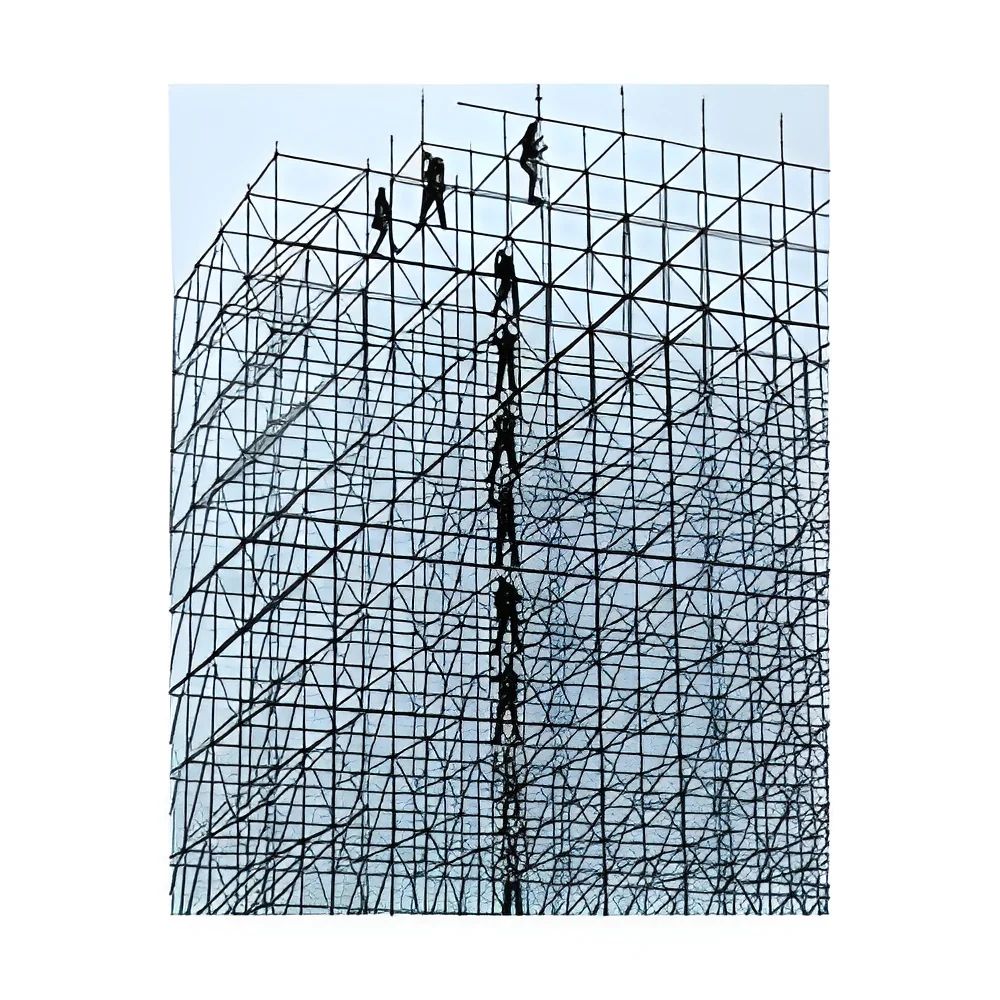
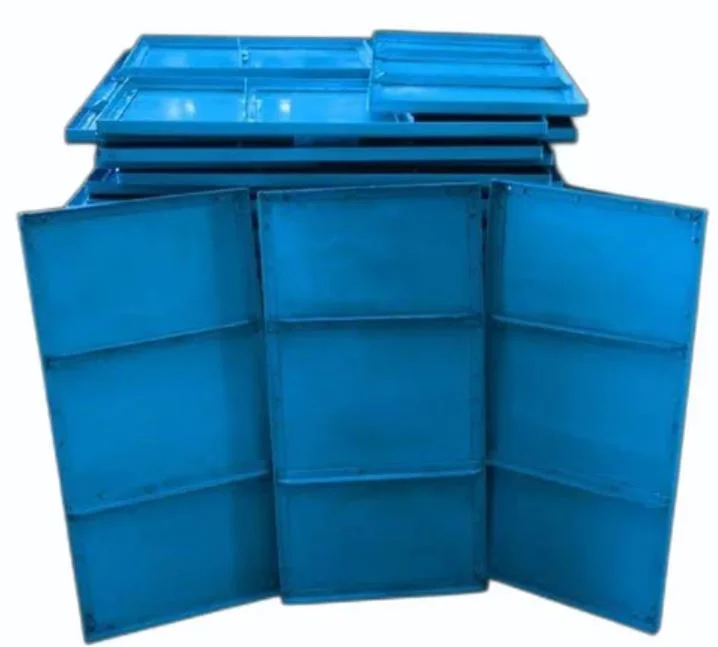
What are Formwork & Shoring Systems?
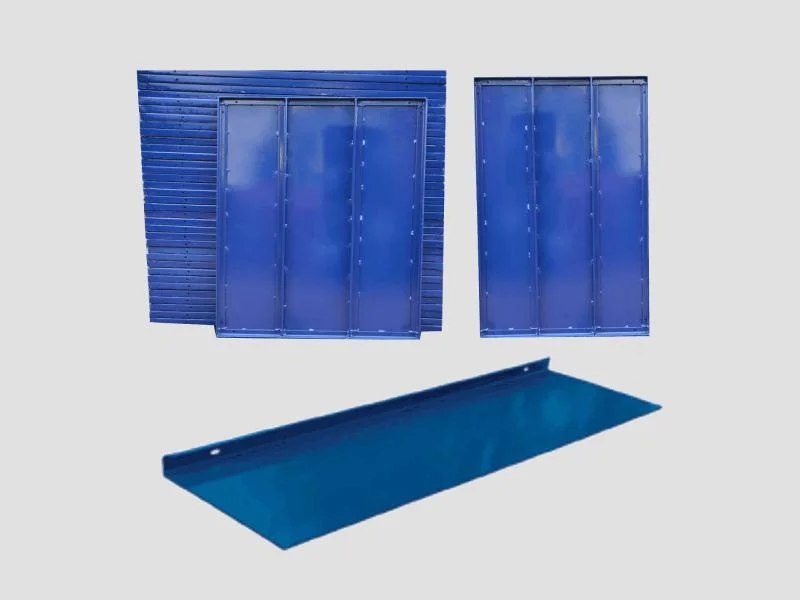
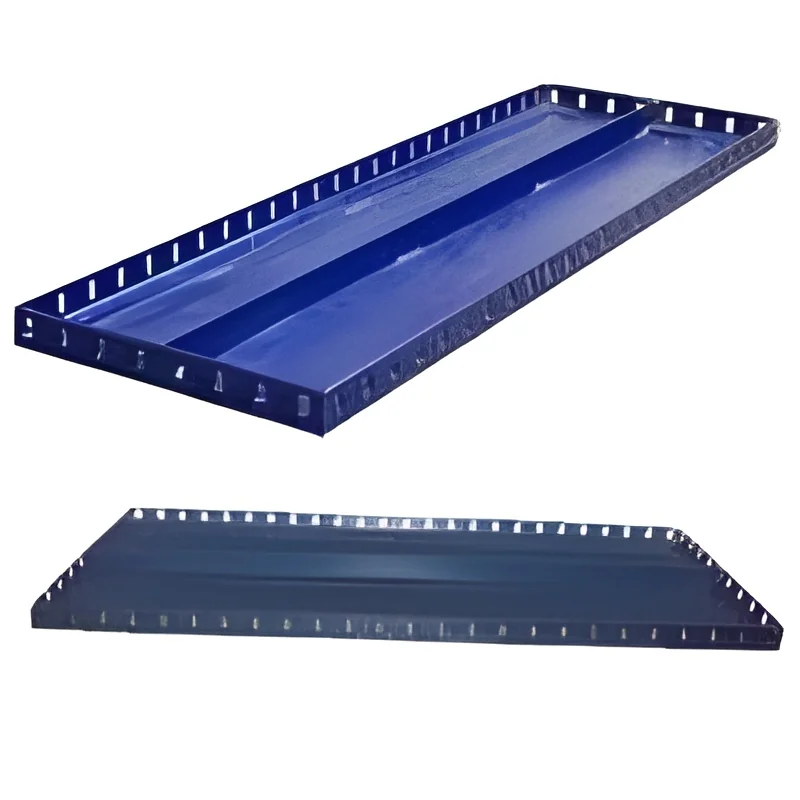
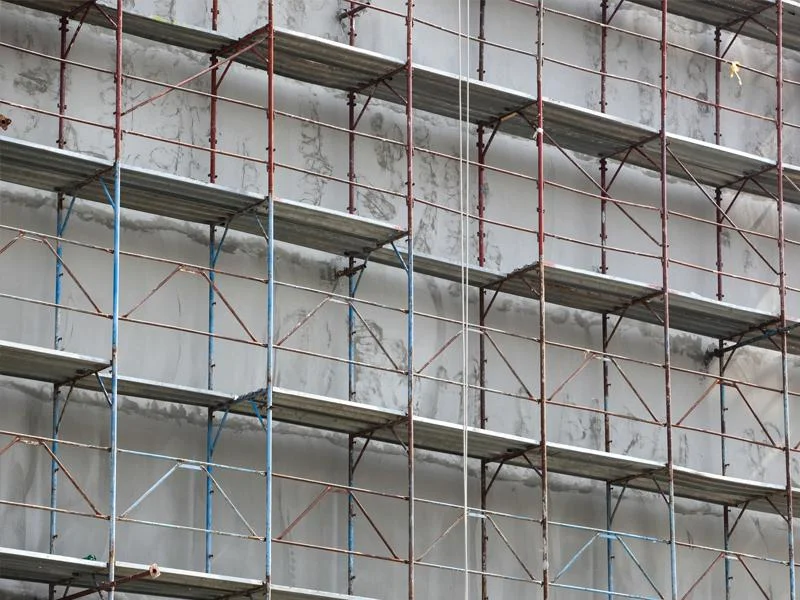
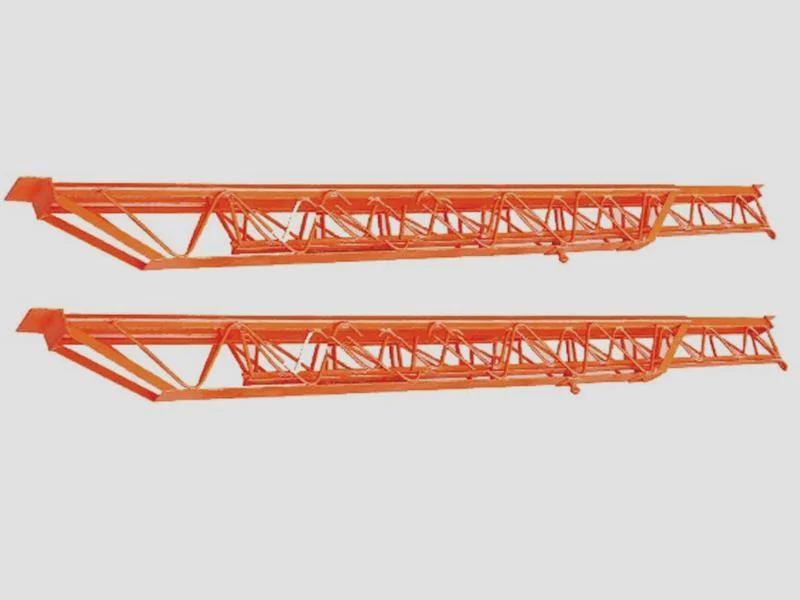
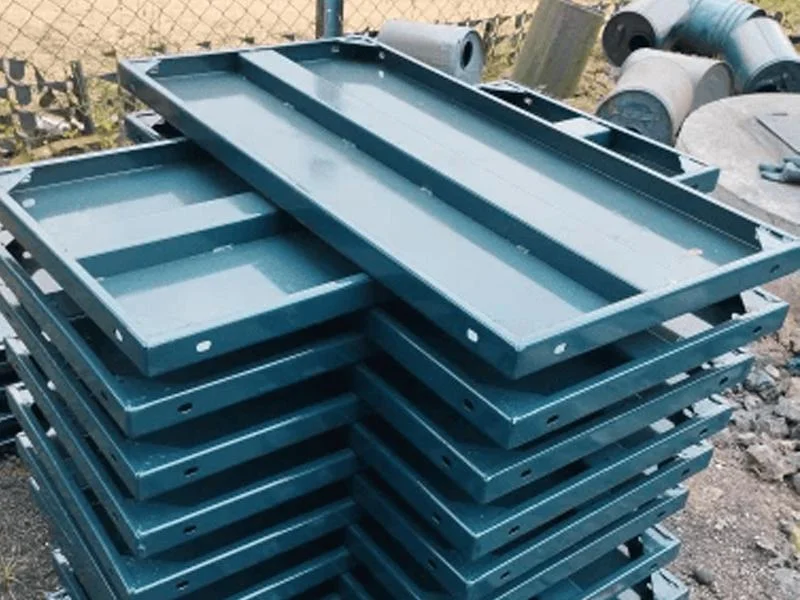
Formwork and shoring systems are essential components used in construction projects to support and shape concrete structures during the curing process. Formwork refers to the temporary or permanent molds into which concrete is poured, while shoring provides additional support to these structures until they can support themselves. These systems are critical for ensuring the safety and structural integrity of buildings and infrastructure.
The primary uses of formwork and shoring systems span various construction projects, from residential buildings to large-scale commercial structures. They enable contractors to create precise shapes and maintain stability while the concrete sets. In addition to supporting walls, slabs, and columns, these systems can also be used for bridges, tunnels, and other civil engineering applications. Their flexibility and adaptability make them indispensable in modern construction practices.
In terms of industry relevance, the market for formwork and shoring systems is expanding due to increased urbanization and infrastructure development. As construction techniques evolve, the demand for innovative and efficient formwork solutions is on the rise. Companies are seeking high-quality systems that not only enhance safety but also improve productivity and reduce costs.
Key Features and Specifications
Formwork and shoring systems are characterized by several key features that contribute to their performance and usability. These features include strength, versatility, and ease of assembly. The systems are designed to withstand the weight of wet concrete and other loads while providing a stable working environment.
Key specifications include:
1. Load Capacity
- Systems are designed to support various weight loads.
- Load capacities can range from 20 kN/m² to over 60 kN/m² depending on the system type.
2. Material Composition
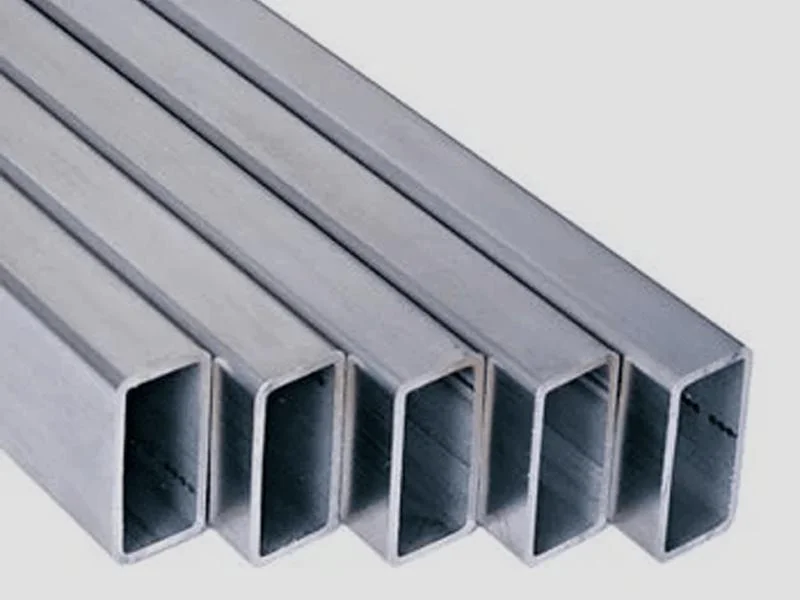
- Common materials include steel, aluminum, and plywood.
- Materials are selected based on durability and application requirements.
3. System Types
- Includes slab formwork, wall formwork, and column formwork.
- Each type has specific applications and assembly methods.
4. Surface Finish
- Formwork can provide different surface finishes for concrete.
- Options include smooth, textured, or treated surfaces.
5. Reusability
- Systems are designed for multiple uses.
- Reusability contributes to cost savings over time.
6. Assembly Time
- Systems are engineered for quick assembly and disassembly.
- Time to set up can vary from a few hours to a couple of days.
7. Safety Features
- Systems include safety mechanisms to prevent accidents.
- Features may include guardrails and anti-slip surfaces.
8. Compliance with Standards
- Systems often comply with local and international safety standards.
- Ensures reliability and safety on construction sites.
In summary, the features and specifications of formwork and shoring systems are crucial for ensuring effective performance in construction projects. Understanding these aspects helps buyers choose the right systems for their specific needs.
Common Applications and Use Cases
Formwork and shoring systems find application across various industries due to their versatility and essential role in construction.
1. Residential Construction: These systems are widely used for building foundations, walls, and slabs in houses and apartment complexes.
2. Commercial Construction: In commercial projects, formwork and shoring systems help create large open spaces in offices, malls, and hotels, accommodating various layouts.
3. Infrastructure Development: Bridges, tunnels, and highways utilize formwork systems to shape and support concrete structures during construction.
4. Industrial Facilities: Factories and warehouses rely on these systems for building strong, load-bearing structures that meet specific operational needs.
5. Civil Engineering Projects: Large-scale civil engineering works, such as dams and retaining walls, require robust formwork and shoring solutions to manage heavy loads.
6. Marine Construction: In marine environments, specialized formwork systems are used to construct piers and docks that withstand harsh conditions.
7. Precast Concrete Production: These systems assist in the production of precast concrete elements, allowing for efficient manufacturing and quality control.
Product Variants and Subcategories
The diversity of formwork and shoring systems allows for a wide range of product variants suited for various applications.
Aluminum Formwork
This variant is lightweight and easy to handle, making it ideal for residential and commercial projects. Aluminum formwork systems are reusable and provide excellent surface finishes.
Steel Formwork
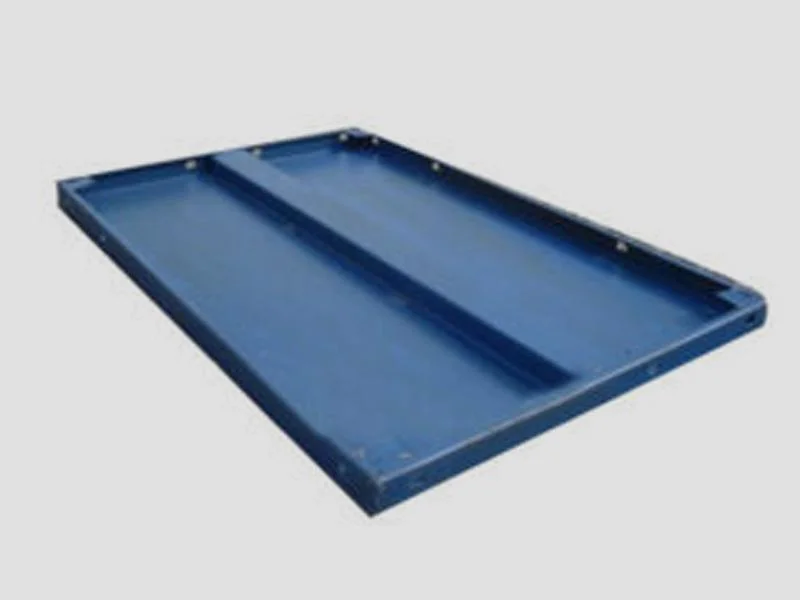
Steel systems are known for their durability and strength. They are commonly used in large commercial and industrial projects where high load capacities are necessary.
Plastic Formwork
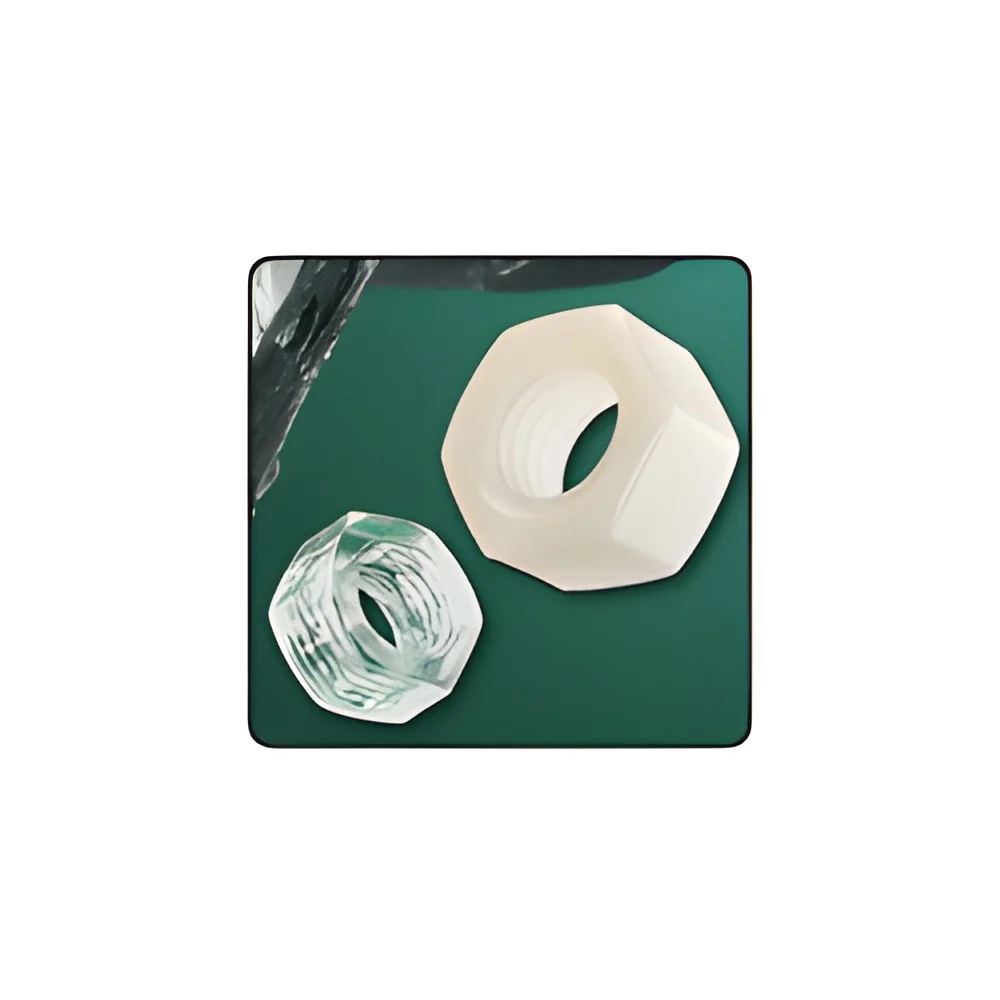
Plastic systems are lightweight and resistant to moisture, making them suitable for environments where water exposure is a concern. They are often used in residential applications.
Timber Formwork
Timber is a traditional material that offers flexibility for custom shapes. It is commonly used in smaller projects or where specific aesthetics are desired.
Benefits and Advantages
Formwork and shoring systems offer numerous benefits that enhance construction efficiency and safety.
1. Cost-Effectiveness: By allowing for reuse, these systems reduce material costs over time, making them a financially viable option for contractors.
2. Time Efficiency: Quick assembly and disassembly help minimize project timelines, allowing for faster completion of construction projects.
3. Enhanced Safety: Modern systems incorporate safety features that protect workers and ensure compliance with safety regulations on site.
4. Versatility: The adaptability of formwork and shoring systems makes them suitable for a wide range of applications across different construction sectors.
5. Improved Quality: These systems facilitate precise concrete placement, leading to better surface finishes and overall structural quality.
6. Environmental Sustainability: Many systems are designed with sustainability in mind, allowing for reduced waste and better resource management.
Buying Guide for B2B Buyers
When sourcing formwork and shoring systems, there are several critical factors to consider to ensure a successful purchase.
1. Quality Assessment: Evaluate the quality of materials and construction techniques used in the systems. High-quality systems will last longer and provide better performance.
2. Supplier Verification: Vet suppliers by checking their credentials, customer reviews, and industry experience. A reputable supplier will ensure reliable products and support.
3. Pricing and MOQ: Understand the pricing structures and minimum order quantities. Comparing prices among different suppliers will help you find the best deal.
4. Delivery and Lead Times: Confirm delivery timelines and logistics. Timely delivery is crucial to avoid project delays.
5. Compliance Requirements: Ensure that the systems meet local and international compliance and safety standards. This will help avoid legal issues and ensure safety on site.
Compliance and Certifications
Compliance and certifications are essential aspects of formwork and shoring systems, ensuring that they meet industry standards for safety and quality.
Relevant quality standards such as ISO 9001 emphasize the importance of effective quality management systems. Compliance with these standards assures buyers of the reliability and performance of the systems.
Industry certifications, including CE marking, indicate that products meet European safety and environmental requirements. This certification is crucial for companies operating in or exporting to European markets.
Safety and testing requirements are paramount in the construction industry. Formwork and shoring systems must undergo rigorous testing to ensure they can withstand expected loads and environmental conditions.
Regional compliance considerations may vary based on local regulations. Buyers should be aware of specific compliance requirements in their area to ensure adherence and avoid potential penalties.
Why Source Formwork & Shoring Systems from Pepagora?
Pepagora provides a trusted platform for sourcing formwork and shoring systems, offering several key advantages to B2B buyers.
The verified supplier network ensures that buyers can access high-quality products from reputable manufacturers. This network is built on strict vetting processes, providing peace of mind for buyers.
The streamlined RFQ process simplifies the quoting system, allowing buyers to receive multiple quotations from different suppliers quickly. This efficiency enhances the procurement process.
Trade assurance and support are vital aspects of the Pepagora platform. Buyers benefit from protections that ensure they receive the quality and service promised by suppliers.
Regional coverage extends beyond India to include the GCC and Southeast Asia. This broad geographic reach enables buyers to find suitable suppliers no matter where they are located, facilitating international trade and collaboration.

 IN
IN