
 IN
Platform Ladders
2 products available
What are Platform Ladders?
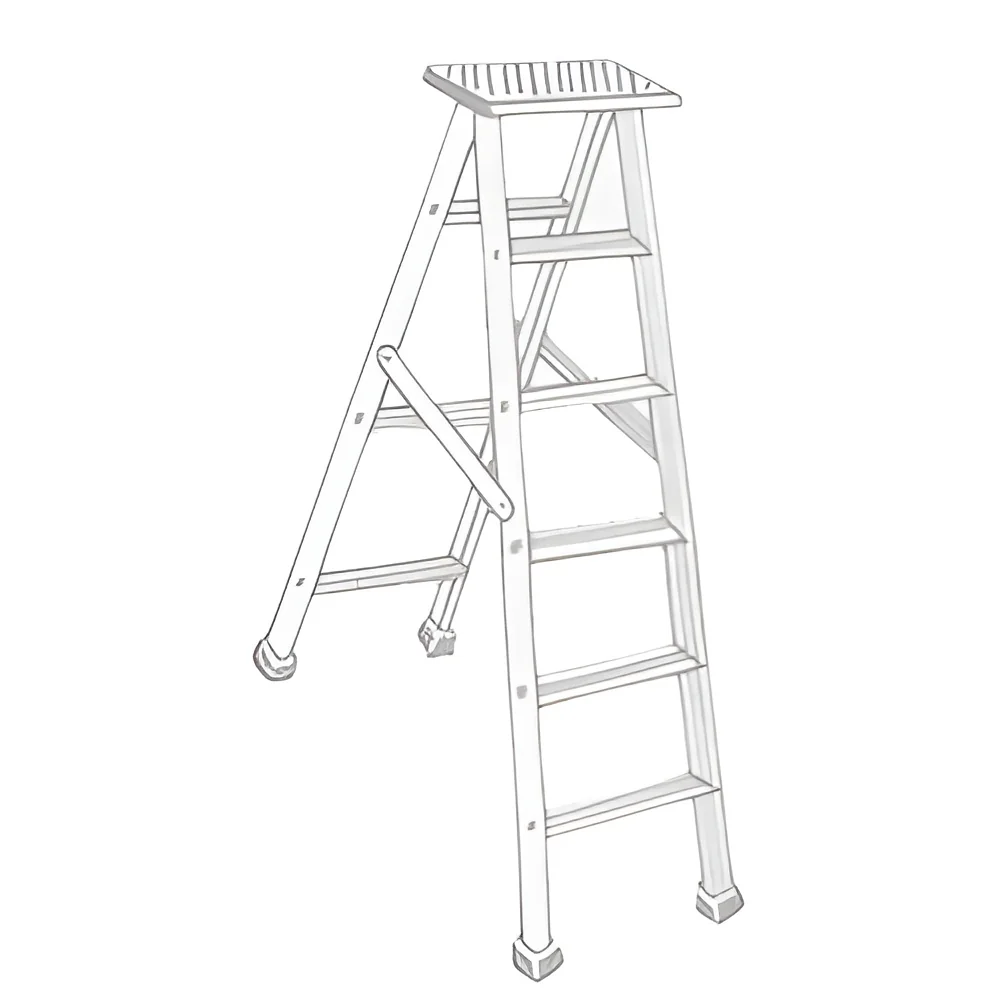
Platform ladders are a type of access equipment designed to provide a stable and secure platform for workers to perform tasks at height. These ladders typically feature a wide base and a platform that offers ample space for standing, reducing the risk of falls and ensuring greater safety compared to traditional ladders. Constructed from durable materials, platform ladders are ideal for various industrial applications where workers need to reach elevated areas while maintaining balance and stability.
These ladders are primarily used in industries such as construction, warehousing, manufacturing, and maintenance. They facilitate tasks such as inventory management, equipment repairs, and routine inspections. The robust design and safety features make platform ladders an essential tool in environments where safety regulations are strictly enforced. As businesses increasingly prioritize worker safety and operational efficiency, the demand for high-quality platform ladders continues to grow across multiple sectors.
In the current market context, platform ladders are recognized for their contributions to workplace safety and productivity. Manufacturers are continually innovating to improve the design and functionality of these ladders, ensuring compliance with safety standards and meeting the diverse needs of various industries. As a result, platform ladders have become a staple in many workplaces, underscoring their relevance in today’s industrial landscape.
Key Features and Specifications
Platform ladders come equipped with several features that enhance safety and usability. These features are designed to cater to the specific needs of various industries and applications. When selecting a platform ladder, it is crucial to consider the following specifications.
Key specifications include:
1. Height Range
- Platform ladders are available in various heights, typically ranging from 4 to 12 feet.
- This range allows users to choose a ladder that meets their specific access requirements.
2. Load Capacity
- Most platform ladders can support loads ranging from 250 to 500 pounds.
- This capacity ensures that the ladder can safely accommodate workers and tools.
3. Material Construction
- Platform ladders are typically constructed from materials such as aluminum or fiberglass.
- Aluminum ladders are lightweight and resistant to rust, while fiberglass ladders are non-conductive and ideal for electrical work.
4. Platform Size
- The platform area usually measures between 24 to 36 inches in width.
- A larger platform provides more room for stability and comfort during use.
5. Step Design
- Steps are often designed with anti-slip surfaces for added safety.
- Many ladders feature wide, deep steps to enhance foot placement and grip.
6. Mobility Features
- Some platform ladders include wheels or casters for easy movement.
- These mobility features allow users to reposition the ladder quickly and efficiently.
7. Safety Features
- Many models come equipped with guard rails and safety locks.
- These features provide additional protection and prevent accidental falls.
In summary, understanding these key specifications helps buyers select the right platform ladder for their specific needs while ensuring safety and compliance with industry standards.
Common Applications and Use Cases
Platform ladders serve various industries, making them versatile tools for numerous applications.
1. Construction: In the construction industry, platform ladders are commonly used for accessing elevated areas during building projects. They provide a stable base for workers to perform tasks such as framing, electrical installation, and roofing.
2. Warehousing: In warehouses, platform ladders facilitate inventory management. Workers use them to reach high shelves and storage racks, improving efficiency during order picking and stock replenishment.
3. Manufacturing: In manufacturing facilities, platform ladders are employed for equipment maintenance and inspections. They allow technicians to safely access machinery and perform necessary repairs without the risk of falling.
4. Retail: Retail environments use platform ladders for merchandising and stock management. Employees can easily reach high display areas to arrange products and ensure store aesthetics.
5. Maintenance Services: Maintenance teams rely on platform ladders for building upkeep. They provide access to hard-to-reach areas for cleaning, painting, and general repairs.
6. Telecommunications: In telecommunications, technicians use platform ladders to install and maintain equipment at height, such as antennas and communication towers.
7. HVAC Services: HVAC technicians utilize platform ladders to access rooftops and elevated systems for installation and repairs, ensuring optimal performance of heating and cooling systems.
Product Variants and Subcategories
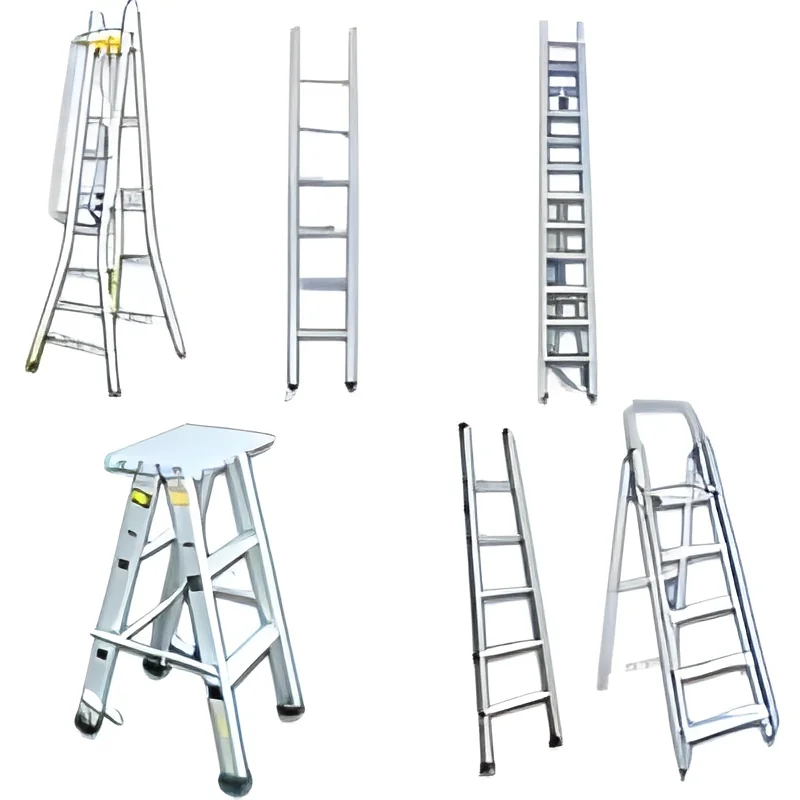
Platform ladders come in various designs to suit different needs and preferences.
Heavy-Duty Platform Ladder
This variant is built for demanding environments, featuring reinforced construction and higher load capacities. It is ideal for construction sites and industrial applications requiring frequent use.
Folding Platform Ladder
A folding platform ladder offers convenience and portability. It can be easily stored and transported, making it suitable for businesses that require flexibility in their access solutions.
Rolling Platform Ladder
This variant includes wheels for enhanced mobility. It is particularly useful in warehouses and retail environments where frequent repositioning is necessary to access different areas.
Multi-Position Platform Ladder
A multi-position platform ladder can be adjusted to various configurations, allowing it to be used as both a step ladder and a platform ladder. This versatility makes it a valuable tool for multiple applications.
Benefits and Advantages
Platform ladders offer numerous benefits that enhance workplace safety and productivity.
1. Enhanced Safety: The wide base and platform design provide stability, reducing the risk of falls and injuries.
2. Increased Productivity: With a stable platform, workers can perform tasks more efficiently, minimizing downtime and enhancing workflow.
3. Versatile Usage: Platform ladders are suitable for various applications across multiple industries, making them a valuable investment.
4. Easy Access: Their design allows users to reach elevated areas without the need for additional support, simplifying access to hard-to-reach spots.
5. Durable Construction: Made from high-quality materials, platform ladders are built to withstand rigorous use and harsh conditions.
6. Compliance with Standards: Many platform ladders meet or exceed safety regulations, providing peace of mind to businesses concerned about workplace safety.
Buying Guide for B2B Buyers
When sourcing platform ladders, there are several important factors to consider to ensure a suitable purchase.
1. Quality Assessment: Evaluate the materials and construction quality of the ladder. Look for ladders that adhere to industry standards and have a proven track record of durability.
2. Supplier Verification: Research potential suppliers to ensure they are reputable and reliable. Check reviews and testimonials to gauge their credibility in the market.
3. Pricing and MOQ: Understand the pricing structure and minimum order quantities (MOQ) of the suppliers. Compare prices to find a balance between cost and quality.
4. Delivery and Lead Times: Discuss delivery options and lead times with suppliers. Timely delivery is crucial for maintaining project schedules.
5. Compliance Requirements: Ensure that the platform ladders meet all relevant safety regulations and certifications required for your industry. This may include local safety standards and compliance with CE certification.
Compliance and Certifications
Compliance with industry standards and certifications is crucial when sourcing platform ladders.
Many platform ladders are manufactured in accordance with ISO 9001 quality standards, which ensure a consistent level of quality and performance. This certification indicates that the manufacturer adheres to international quality management principles.
Additionally, platform ladders often carry CE certification, which demonstrates compliance with European health, safety, and environmental protection standards. This certification is essential for businesses operating in or exporting to European markets.
Safety and testing requirements are also critical in the production of platform ladders. Manufacturers must conduct rigorous testing to ensure that ladders can withstand specified loads and are safe for use in various environments.
Regional compliance considerations may vary, so it is important for buyers to be aware of local regulations concerning ladder safety and usage in their specific regions.
Why Source Platform Ladders from Pepagora?
Pepagora provides a trusted platform for sourcing platform ladders, offering several key advantages for B2B buyers.
The verified supplier network ensures that buyers have access to reputable manufacturers and suppliers. This verification process helps mitigate risks associated with sourcing equipment from unreliable sources.
The streamlined RFQ (Request for Quotation) process allows buyers to quickly and efficiently obtain price quotes from multiple suppliers. This competitive approach helps businesses find the best value for their purchases.
Trade assurance and support are additional benefits that Pepagora offers. Buyers can feel confident knowing that their transactions are protected, allowing them to focus on their core operations without worrying about supply chain disruptions.
Finally, Pepagora's regional coverage extends throughout India, the GCC, and Southeast Asia. This wide geographic reach ensures that businesses in these regions have access to high-quality platform ladders, tailored to their specific needs and industry requirements.

Frequently Asked Questions
What are Platform Ladders?
Platform ladders are a type of ladder designed to provide a stable and secure platform for workers at heights. They typically feature a broad, flat surface at the top, allowing users to stand comfortably while performing tasks such as maintenance, painting, or construction work.
What are the different types of Platform Ladders?
There are several types of platform ladders, including foldable platform ladders, mobile platform ladders, and fixed platform ladders. Each type is designed for specific applications, offering varying heights, portability, and stability.
How do I choose the right Platform Ladders?
Choosing the right platform ladder depends on the height required, the weight capacity needed, and the specific tasks you will be performing. Additionally, consider factors like portability, material, and safety features to ensure the ladder meets your needs.
What are the standard specifications for Platform Ladders?
Standard specifications for platform ladders typically include height range, weight capacity, materials used (such as aluminum or steel), and safety features like handrails and non-slip surfaces. Referencing industry standards, such as those from OSHA or ANSI, can also provide guidance.
What is the price range for Platform Ladders?
The price range for platform ladders can vary significantly based on factors such as height, material, and brand. Generally, you can expect prices to start from around ₹5,000 and can go up to ₹25,000 or more for specialized or heavy-duty options.
What quality standards apply to Platform Ladders?
Platform ladders must adhere to various quality standards to ensure safety and durability. Common standards include those set by the Bureau of Indian Standards (BIS) and international standards such as ANSI and OSHA, which outline requirements for design, materials, and performance.
Where can I find Platform Ladders suppliers in India?
You can find platform ladder suppliers in India through various channels, including online B2B marketplaces like Pepagora, trade shows, and industry directories. Researching local manufacturers and suppliers can also yield options for purchasing.
Can Platform Ladders be customized?
Yes, many manufacturers offer customization options for platform ladders to meet specific requirements. Customizations can include height adjustments, additional safety features, or branding options, depending on the supplier.
What is the typical minimum order quantity for Platform Ladders?
The typical minimum order quantity (MOQ) for platform ladders can vary by supplier and product type. Generally, MOQs can range from 1 to 10 units, but it's advisable to check with specific suppliers for their policies.
What is the typical lead time for Platform Ladders?
The typical lead time for platform ladders can vary based on factors such as the supplier's stock availability and whether the ladders are customized. Generally, lead times can range from a few days to several weeks, so it is best to confirm directly with the supplier.
Why Businesses Trust Pepagora
Thousands of companies trust Pepagora to source smarter and sell faster
Expand Your Sales Globally

Source Smarter,Grow Faster
