IN
IN₹
Apparel & Fashion
Description
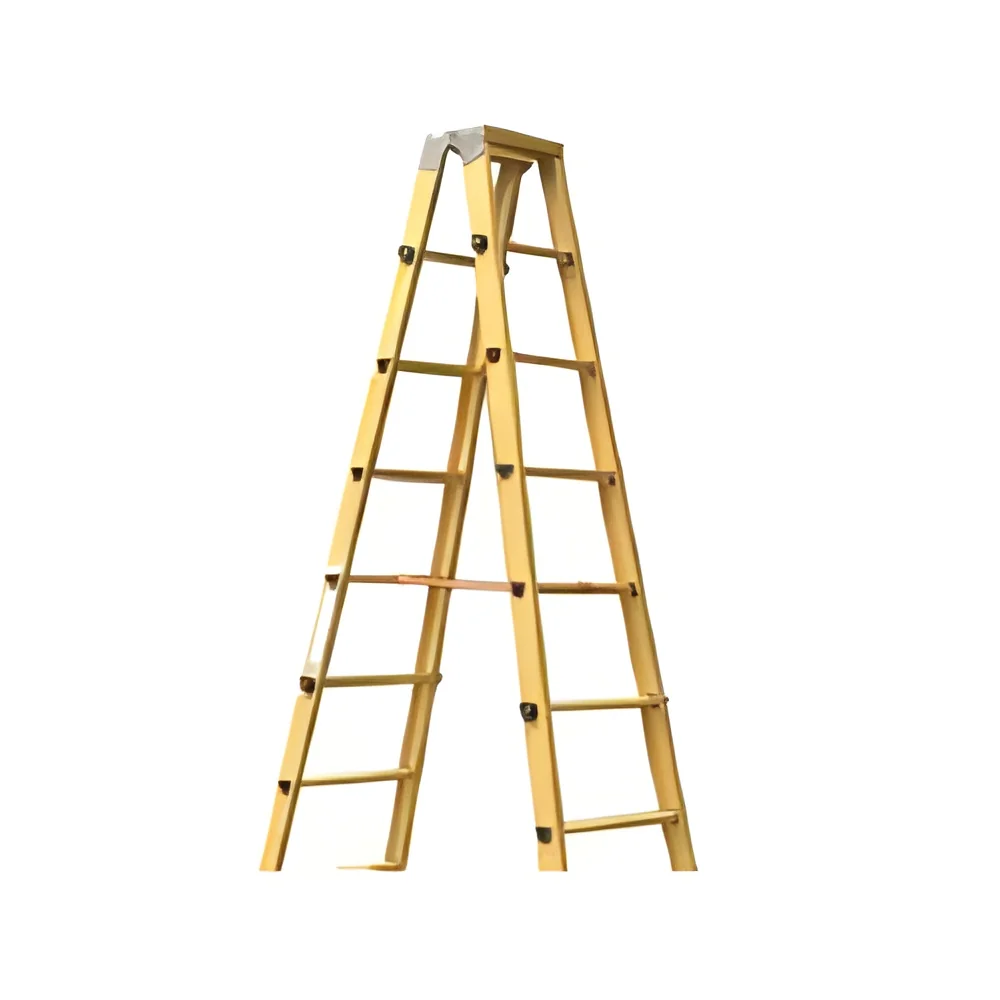
Industrial Safety ARC FRP Ladders represent the pinnacle of safe climbing equipment engineering, specifically designed for maximum protection and longevity in industrial settings. Manufactured from premium fiberglass reinforced plastic, these ladders combine exceptional strength with manageable weight for easy transportation and positioning. Each unit undergoes comprehensive quality verification and exceeds ANSI and OSHA compliance standards, guaranteeing dependable operation in the most challenging work environments. The inherent non-conductive characteristics make them indispensable for electrical applications, while their corrosion-resistant properties ensure extended service life even when exposed to harsh industrial chemicals and outdoor elements. This commitment to engineering excellence ensures consistent safety and performance through years of demanding use.

These ladders serve vital functions across numerous industrial sectors where safety protocols and equipment reliability ...
Industrial Safety ARC FRP Ladders represent the pinnacle of safe climbing equipment engineering, specifically designed for maximum protection and longevity in industrial settings. Manufactured from premium fiberglass reinforced plastic, these ladders combine exceptional strength with manageable weight for easy transportation and positioning. Each unit undergoes comprehensive quality verification and exceeds ANSI and OSHA compliance standards, guaranteeing dependable operation in the most challenging work environments. The inherent non-conductive characteristics make them indispensable for electrical applications, while their corrosion-resistant properties ensure extended service life even when exposed to harsh industrial chemicals and outdoor elements. This commitment to engineering excellence ensures consistent safety and performance through years of demanding use.

These ladders serve vital functions across numerous industrial sectors where safety protocols and equipment reliability cannot be compromised. Electrical utility companies rely on them for secure access to high-voltage installations and transmission equipment maintenance. Telecommunications providers utilize FRP ladders for cell tower servicing and equipment installations where non-conductive properties are essential. Manufacturing facilities deploy them in areas where corrosion resistance is critical, while construction companies value their durability across diverse job site conditions. The oil and gas industry, chemical processing plants, and public utility operations all benefit from the non-conductive and corrosion-resistant features that ensure worker protection and equipment durability in demanding operational environments.

The business value delivered by ARC FRP ladders includes significant cost reduction through decreased replacement frequency, minimal maintenance requirements, and enhanced workplace safety protocols. Their superior construction durability translates to fewer replacements and repairs compared to traditional aluminum or wood ladders, providing improved long-term return on investment. The non-conductive nature substantially reduces workplace electrical accident risks, potentially decreasing insurance premiums and liability expenses. The reliability engineered into every ladder through advanced manufacturing techniques and thorough inspection procedures gives purchasing managers confidence in their capital equipment investments, knowing they're acquiring products that will perform safely for years while reducing operational downtime and safety incidents.

Key Features:
- ANSI and OSHA compliant fiberglass construction ensuring maximum safety standards
- Non-conductive properties suitable for electrical work and high-voltage environments
- Corrosion and ultraviolet resistance for outdoor and harsh industrial conditions
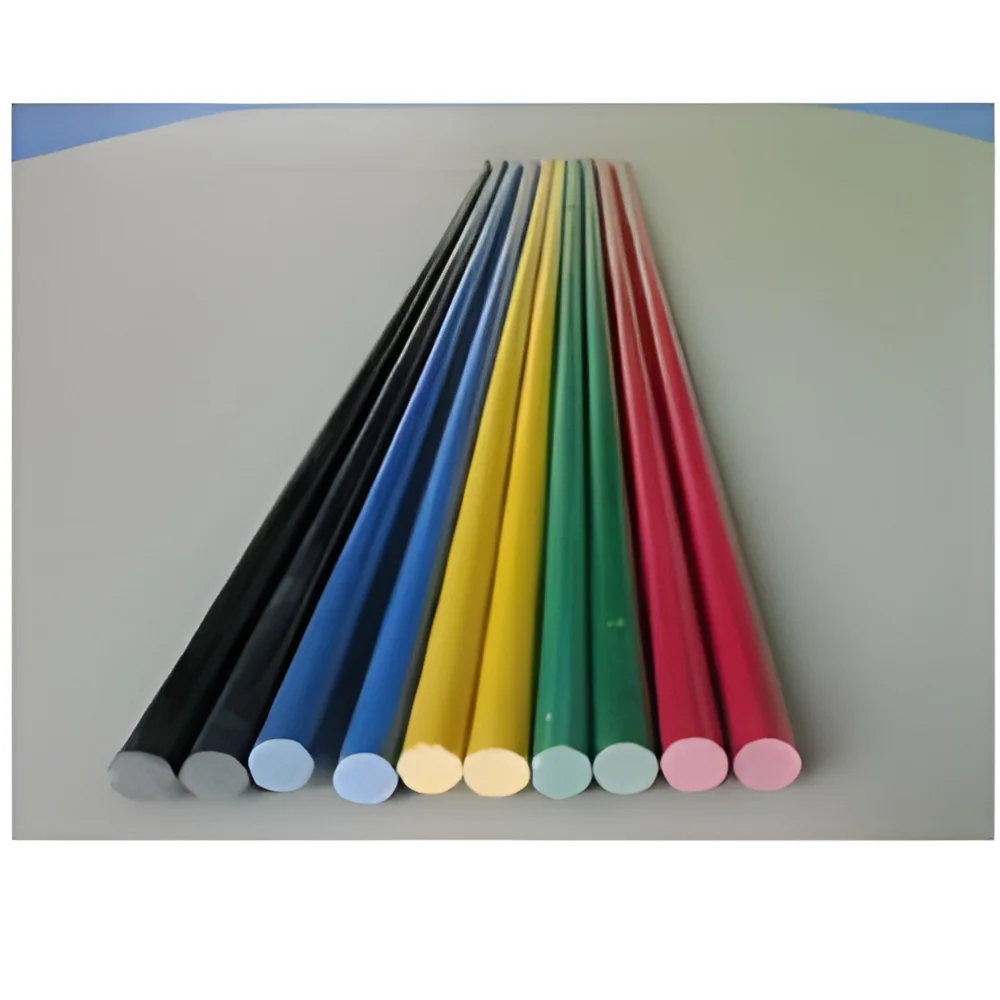
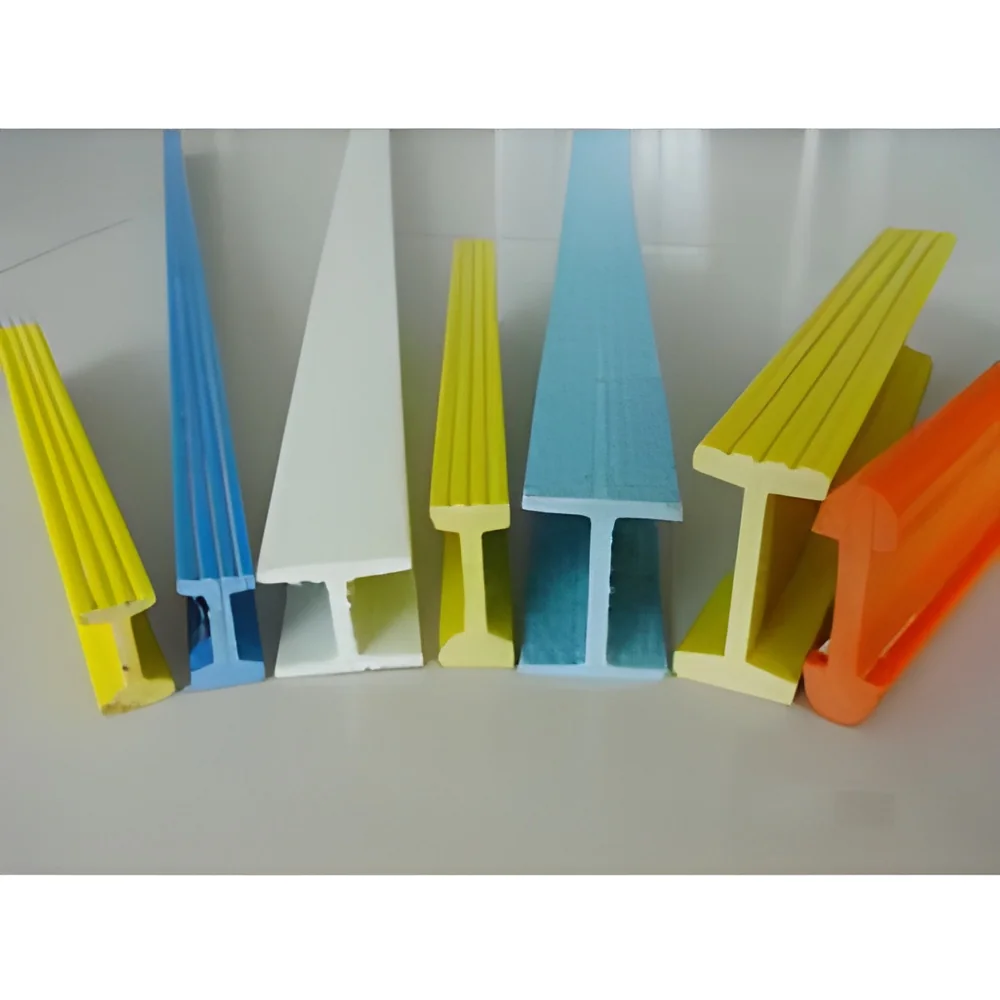
- High strength-to-weight ratio pultruded sections delivering exceptional durability
- Thermally insulated rails and non-slip surfaces providing secure handling

Benefits:
- Enhanced worker safety through reliable non-conductive fiberglass construction
- Reduced replacement costs due to corrosion resistance and durable materials
- Lower maintenance requirements compared to traditional ladder materials
- Improved operational efficiency with lightweight yet strong design
- Long-term reliability in demanding industrial environments and conditions
Specifications
| Additional Information | |
|---|---|
| Country of Origin | India |
Application
ARC FRP ladders deliver essential safety solutions for industries requiring reliable non-conductive access equipment. Their fiberglass reinforced plastic construction ensures outstanding performance in demanding environments where electrical hazards or corrosive conditions exist. These ladders maintain structural integrity through rigorous daily use while providing secure access for maintenance and installation tasks across multiple industrial sectors. The combination of lightweight design and robust construction makes them ideal for technicians and workers who need dependable equipment that prioritizes safety without compromising on performance or longevity in challenging work conditions.
Real-world applications:
- Electrical substation maintenance and high-voltage equipment servicing
- Telecommunications tower installations and antenna maintenance
- Industrial plant operations in chemical processing facilities
- Construction projects requiring elevated work platform access
- Utility infrastructure maintenance at power generation and water treatment plants
Trade Details
| Available Stock | In Stock |
| Sample Availability | No |
Payment Terms
| Payment Terms |
|
Company Profile

Arc Insulations & Insulators Pvt Ltd, West Bengal
 West Bengal, India
West Bengal, IndiaManufacturer•Distributor / Wholesaler•Importer / Exporter
Factory Details
Factory SizeBelow 1000 sqm
Annual Production Capacity0
Main Markets
South Asia
Industrial Safety ARC FRP Ladders ANSI OSHA Compliant Non Conductive
Industrial Safety ARC FRP Ladders provide ANSI OSHA compliant non-conductive fiberglass construction for electrical, telecom, and construction industries, featuring corrosion resistance and superior durability for industrial applications.
Min. Order Quantity: 1 unit
Shipping
Shipping fee and delivery date to be negotiated. Contact supplier now for more details.
Arc Insulations & Insulators Pvt Ltd
 West Bengal, India
West Bengal, IndiaManufacturer