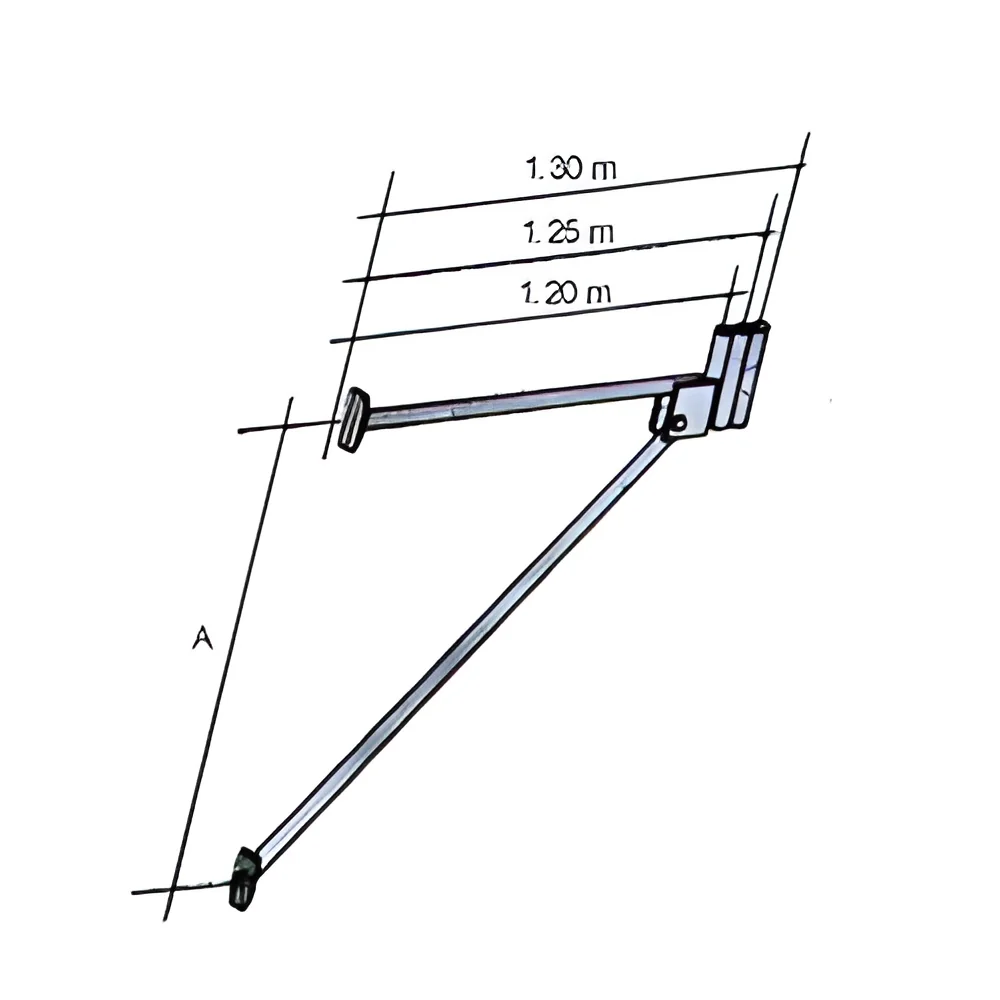
What are Cantilever Scaffold Systems?
Cantilever scaffold systems are specialized scaffolding solutions designed to support work at elevated heights without the need for ground-based support on one side. This type of scaffold features horizontal platforms that extend outward from a vertical support, providing safe access for workers and materials in areas where traditional scaffolding might be impractical. The cantilever design allows for versatility in various construction and maintenance projects, making it a preferred choice for many contractors.
These systems are primarily used in construction, maintenance, and industrial applications where access is needed to high structures such as buildings, bridges, and towers. They are particularly useful in situations where the ground is unstable or where there are obstacles that prevent standard scaffolding setups. The cantilever scaffold supports not only labor tasks but also allows for the safe storage of materials and equipment at height. As industries grow and evolve, the demand for efficient and safe access solutions like cantilever scaffold systems continues to rise.
In the current market context, cantilever scaffold systems are becoming increasingly relevant due to the growing emphasis on safety and efficiency in construction and maintenance operations. With stringent regulations and standards in place, businesses are seeking reliable products that offer both performance and compliance. This trend highlights the importance of selecting quality scaffolding solutions that meet industry requirements.
Key Features and Specifications
Cantilever scaffold systems come with a variety of key features and specifications that enhance their functionality and safety. These systems are designed to be sturdy, reliable, and easy to assemble, catering to various industrial needs.
Key specifications include:
1. Load Capacity
- Cantilever scaffold systems are typically designed to support significant weight loads.
- Standard ranges can vary from 450 to 900 kilograms, depending on the specific system and configuration.
2. Material Composition
- Most cantilever scaffolds are made from high-strength steel or aluminum.
- These materials provide durability and resistance to environmental factors.
3. Dimensions
- The dimensions of the scaffold platforms can vary to accommodate different project requirements.
- Standard platform widths range from 0.6 to 1.2 meters.
4. Height Adjustment
- Many systems offer adjustable heights to accommodate various work scenarios.
- This feature allows for flexibility in installation and use.
5. Stability Features
- Cantilever scaffolds often include safety braces and outriggers for enhanced stability.
- These components are essential for ensuring a secure working environment.
6. Assembly Design
- The systems are designed for quick assembly and disassembly, promoting efficiency.
- Modular designs allow for customization based on project needs.
7. Safety Standards
- Cantilever scaffold systems comply with relevant safety regulations and standards.
- This compliance ensures worker safety and minimizes risk during use.
In summary, the key features and specifications of cantilever scaffold systems focus on load capacity, material strength, and safety, all of which are crucial for effective operation in various industrial applications.
Common Applications and Use Cases
Cantilever scaffold systems serve a diverse range of industries, providing essential support for various applications.
1. Construction: In construction projects, cantilever scaffolds are used to provide access to elevated work areas, particularly in building facades and renovation projects.
2. Industrial Maintenance: Factories and industrial plants utilize cantilever scaffolding for maintenance tasks on machinery and overhead structures, ensuring safe access for workers.
3. Oil and Gas: In the oil and gas sector, cantilever scaffolding is employed for inspections and repairs on offshore platforms and onshore facilities, facilitating safe operations in challenging environments.
4. Shipbuilding: Shipyards use cantilever scaffolds to access ships at different stages of construction and repair, allowing workers to operate safely at height.
5. Bridge Construction: Cantilever scaffold systems are essential in bridge construction, providing necessary access to high areas for installation and maintenance tasks.
6. Telecommunications: These systems are utilized in the telecommunications industry for installing and maintaining antennas on tall structures, ensuring safe working conditions.
7. Wind Energy: In wind turbine installation and maintenance, cantilever scaffolds provide the required access to elevated components, enhancing safety for technicians.
Product Variants and Subcategories
Cantilever scaffold systems come in various configurations to meet specific project requirements.
Standard Cantilever Scaffold
This variant includes basic cantilever designs suitable for general construction and maintenance work. Its simplicity makes it a popular choice for many applications.
Heavy-Duty Cantilever Scaffold
This version is designed for more demanding environments, capable of supporting higher loads. It is ideal for industrial projects where additional strength is required.
Adjustable Cantilever Scaffold
This variant features adjustable heights, allowing users to modify the scaffold based on the specific needs of the job. It provides flexibility in various working conditions.
Compact Cantilever Scaffold
Designed for tight spaces, this compact variant is perfect for urban construction projects where space is limited. It maintains stability while maximizing accessibility.
Benefits and Advantages
Cantilever scaffold systems offer numerous benefits that make them an essential choice for various applications.
Key benefits include:
1. Enhanced Safety: The design of cantilever scaffolds reduces the risk of accidents by providing stable platforms for workers.
2. Versatility: These systems can be used in a wide range of industries and applications, making them a flexible solution for contractors.
3. Efficient Setup: The modular design allows for quick assembly and disassembly, saving time and labor costs on projects.
4. Increased Accessibility: Cantilever scaffolds provide access to hard-to-reach areas, improving workflow and productivity.
5. Durable Construction: Made from high-quality materials, these scaffolds are built to withstand harsh conditions and heavy loads.
6. Compliance with Standards: Cantilever scaffold systems meet industry safety regulations, ensuring peace of mind for users and employers.
Buying Guide for B2B Buyers
When sourcing cantilever scaffold systems, it is essential for B2B buyers to consider several key factors to ensure they make an informed decision.
1. Quality Assessment: Evaluate the quality of the scaffold systems by reviewing the material specifications and load ratings. Ensure that the products meet safety standards and are durable for long-term use.
2. Supplier Verification: Conduct thorough research on potential suppliers, checking their reputation and verifying certifications. Look for suppliers with a proven track record in the industry.
3. Pricing and MOQ: Compare prices from different suppliers while considering the minimum order quantity (MOQ). Ensure that the pricing aligns with your budget and project requirements.
4. Delivery and Lead Times: Inquire about delivery times and logistics to ensure that the scaffold systems can be delivered when needed. Timely delivery is critical for maintaining project schedules.
5. Compliance Requirements: Ensure that the cantilever scaffolds comply with relevant safety and regulatory standards in your region. This consideration is vital for avoiding potential legal issues.
Compliance and Certifications
Cantilever scaffold systems must adhere to various compliance and certification standards to ensure safety and reliability.
ISO 9001 is a standard that outlines quality management systems, ensuring that manufacturers maintain consistent quality in their products. This certification is crucial for establishing trust with buyers.
CE certification indicates that the product meets European safety, health, and environmental requirements. This certification is essential for selling scaffolding products in European markets.
Safety testing is a critical component of the production process for cantilever scaffolds. Manufacturers must perform rigorous testing to ensure that the systems can withstand specified loads and conditions.
Regional compliance considerations are also important. Different regions may have specific regulations regarding scaffold safety and construction practices. Buyers should be aware of these local requirements when sourcing cantilever scaffold systems.
Why Source Cantilever Scaffold Systems from Pepagora?
Pepagora provides a trusted platform for sourcing cantilever scaffold systems, backed by several key advantages that facilitate a smooth purchasing experience.
Verified Supplier Network: Pepagora connects buyers with a network of verified suppliers, ensuring that all products meet industry standards and safety requirements. This verification process helps buyers make informed decisions.
Streamlined RFQ Process: The Request for Quotation (RFQ) system simplifies the procurement process. Buyers can easily request quotes from multiple suppliers, allowing for competitive pricing and informed comparisons.
Trade Assurance and Support: Pepagora offers trade assurance that protects buyers from potential disputes. This support provides peace of mind, ensuring that transactions are secure and reliable.
Regional Coverage: With a strong presence in India, the GCC, and Southeast Asia, Pepagora offers extensive regional coverage. This geographic reach makes it easier for businesses in these areas to find the cantilever scaffold systems they need.
By choosing Pepagora, buyers can benefit from a comprehensive and trusted sourcing experience for cantilever scaffold systems.

 IN
IN