What are Step Ladders?
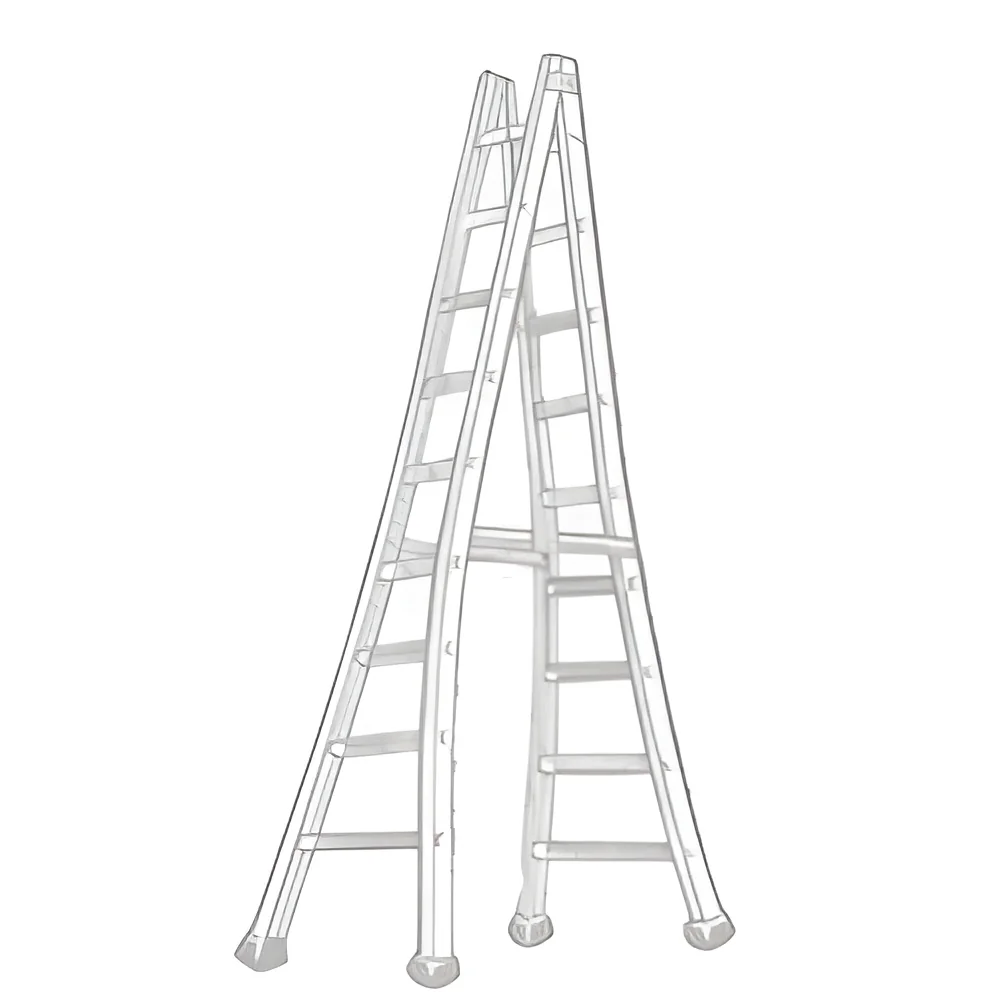
Step ladders are portable, multi-step structures designed to provide safe access to elevated areas. They are typically constructed from materials such as aluminum, fiberglass, or steel, making them both lightweight and durable. Step ladders consist of a set of horizontal steps attached to side rails, allowing users to ascend and descend with ease. The design often includes stabilizing features like rubber feet or locking mechanisms to enhance safety during use.
In a business context, step ladders are commonly used in various settings, including warehouses, retail environments, and maintenance operations. They are essential for tasks such as stock replenishment, equipment maintenance, and general repairs. Industries ranging from construction to retail rely on step ladders to facilitate a variety of operations, ensuring that workers can perform tasks safely and efficiently at height. The market for step ladders continues to grow as businesses prioritize safety and accessibility in their operations.
Key Features and Specifications
Step ladders come with several key features that enhance usability and safety. When selecting a step ladder for commercial use, it is important to understand the specifications that define their functionality and suitability for specific tasks.
Key specifications include:
1. Material
- Common materials include aluminum, fiberglass, and steel.
- Each material offers different weight capacities and durability.
2. Load Capacity
- Load capacities typically range from 225 to 500 pounds.
- This specification indicates the maximum weight the ladder can safely support.
3. Height
- Step ladders are available in various heights, usually ranging from 3 to 12 feet.
- The height chosen will depend on the intended use and workspace requirements.
4. Step Width
- Standard step widths are generally around 12 inches.
- Wider steps provide a more stable platform for users.
5. Weight
- The weight of step ladders can vary from 10 to 50 pounds.
- Lighter ladders offer easier portability, while heavier models may provide greater stability.
6. Safety Features
- Features such as non-slip feet and locking mechanisms enhance user safety.
- Some models include handrails for additional support.
7. ANSI Rating
- Ladders are rated according to the American National Standards Institute (ANSI).
- Ratings range from Type III (light duty) to Type IAA (extra heavy duty).
8. Foldability
- Most step ladders are foldable for easy storage and transport.
- Compact designs save space when not in use.
In summary, understanding the key features and specifications of step ladders is crucial for selecting the right model for your business needs.
Common Applications and Use Cases
Step ladders have versatile applications across various industries, making them essential tools in numerous settings.
1. Retail: In retail environments, step ladders are used for restocking shelves and accessing high storage areas. Employees can safely reach products without the risk of injury.
2. Construction: Construction workers frequently use step ladders for tasks such as installing fixtures, painting, and general maintenance. Their portability allows for easy transport on job sites.
3. Warehousing: In warehouses, step ladders facilitate access to high shelves and pallets. Workers can efficiently manage inventory and complete tasks at height.
4. Maintenance: Facilities maintenance teams rely on step ladders for repairs and inspections of equipment and infrastructure. They provide safe access to hard-to-reach areas.
5. Hospitality: In hotels and restaurants, staff use step ladders for cleaning and decorating tasks. They are essential for maintaining a safe and presentable environment.
6. Education: Schools and universities utilize step ladders for setting up classrooms and maintaining facilities. They help staff manage various tasks safely.
7. Household: While primarily focused on B2B applications, step ladders are also used in homes for tasks such as changing light bulbs and hanging decorations.
Product Variants and Subcategories
Step ladders come in various types designed to meet specific needs and applications. Understanding these variants can help businesses select the right option for their operations.
Folding Step Ladder
Folding step ladders are designed for easy storage and portability. They typically feature a lightweight construction and can be folded flat when not in use. These are ideal for businesses requiring mobility, such as retail or maintenance operations.
Multi-Use Step Ladder
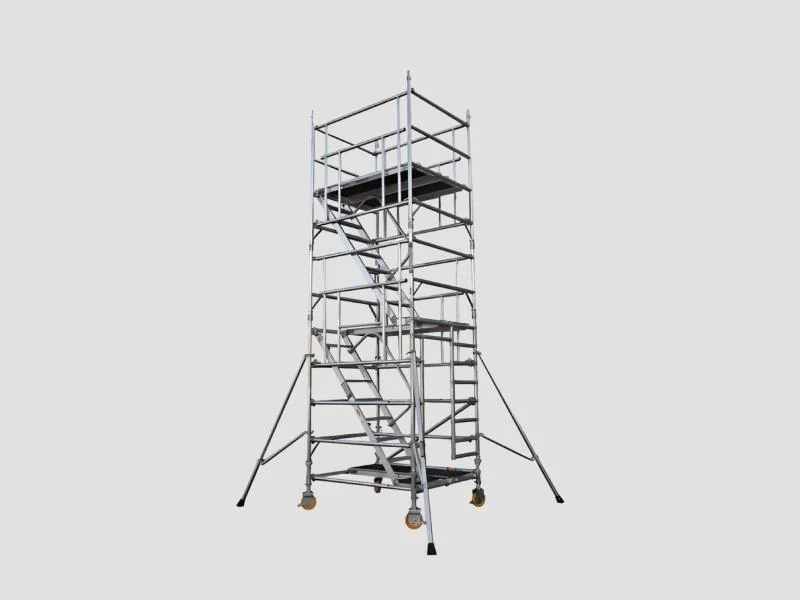
Multi-use step ladders can function as both a step ladder and a scaffold. They provide added versatility for larger projects and are ideal for contractors or maintenance crews working in diverse environments. Their adjustable height makes them suitable for various tasks.
Platform Step Ladder
Platform step ladders come with a large, flat platform at the top for added stability. They are perfect for tasks requiring prolonged standing, such as painting or maintenance work. The design allows for a wider stance, enhancing safety during use.
Benefits and Advantages
Step ladders offer numerous benefits that contribute to workplace safety and efficiency.
Key benefits include:
1. Enhanced Safety: Step ladders come equipped with safety features such as non-slip feet and locking mechanisms, reducing the risk of accidents.
2. Increased Accessibility: They enable workers to reach elevated areas quickly and safely, enhancing productivity in various tasks.
3. Portability: Many step ladders are lightweight and foldable, making them easy to transport and store, which is particularly advantageous for mobile job sites.
4. Versatility: Step ladders can be used in multiple industries for various applications, making them a valuable investment for businesses.
5. Cost-Effectiveness: High-quality step ladders provide long-lasting durability, reducing the need for frequent replacements.
6. Compliance with Safety Standards: Many step ladders meet industry safety standards, ensuring that businesses can operate within regulatory frameworks.
Buying Guide for B2B Buyers
When sourcing step ladders for business use, several factors should be considered to ensure the right choice is made.
1. Quality Assessment: Evaluate the quality of materials and construction. Look for ladders that meet safety standards and have a reputation for durability.
2. Supplier Verification: Vet potential suppliers to ensure they are reputable and provide reliable products. Check for customer reviews and testimonials.
3. Pricing and MOQ: Consider the cost of ladders and the minimum order quantity (MOQ). Ensure that pricing aligns with your budget while meeting quality expectations.
4. Delivery and Lead Times: Discuss logistics with suppliers to understand delivery times. Timely delivery is crucial for maintaining workflow and meeting project deadlines.
5. Compliance Requirements: Ensure that the ladders meet any relevant safety regulations and industry standards. This will help avoid legal issues and ensure worker safety.
Compliance and Certifications
Step ladders must adhere to various quality standards and certifications to ensure safety and reliability.
Relevant quality standards include ISO 9001, which outlines criteria for a quality management system. Compliance with this standard indicates that a company consistently provides products that meet customer and regulatory requirements.
Industry certifications, such as CE marking, signify that products meet European safety standards. This is particularly important for businesses operating in regions where compliance with such standards is mandatory.
Safety and testing requirements are crucial in the ladder manufacturing process. Products should undergo rigorous testing to ensure they can withstand the specified load capacities and meet safety performance standards.
Regional compliance considerations may vary based on geographic location. It is essential for businesses to understand the specific regulations in their operating areas to ensure compliance and protect their workforce.
Why Source Step Ladders from Pepagora?
Pepagora provides a trusted platform for sourcing step ladders, offering several key advantages to B2B buyers.
Verified Supplier Network: Pepagora connects buyers with a network of verified suppliers, ensuring quality and reliability. This reduces the risk of sourcing from untrustworthy vendors.
Streamlined RFQ Process: The platform features a streamlined Request for Quotation (RFQ) system, making it easy for businesses to obtain competitive quotes from multiple suppliers. This simplifies the procurement process and saves time.
Trade Assurance and Support: Buyers benefit from trade assurance options that protect against potential issues, such as delayed shipments or subpar quality. Pepagora offers dedicated support to assist buyers throughout the procurement journey.
Regional Coverage: With a focus on regions like India, GCC, and Southeast Asia, Pepagora provides extensive market reach. This allows businesses to access a diverse range of suppliers and products tailored to their specific needs.

 IN
IN