
 IN
Fiberglass Ladders
8 products available
What are Fiberglass Ladders?
Fiberglass ladders are specialized access tools designed for various industrial applications. Constructed from reinforced plastic fibers, these ladders offer significant advantages over traditional metal options, including lightweight design, high durability, and excellent resistance to corrosion and electrical hazards. Fiberglass ladders are non-conductive, making them a safe choice for use in environments where electrical exposure is a concern.
These ladders are commonly used in construction, maintenance, electrical work, and other fields where safety and stability are paramount. Businesses utilize fiberglass ladders for tasks such as reaching elevated areas, performing inspections, and conducting repairs. The non-conductive nature of fiberglass adds an essential layer of safety, allowing workers to perform their duties without the risk of electric shock when working around live wires.
As industries increasingly prioritize safety and efficiency, the demand for fiberglass ladders continues to grow. The market reflects a shift towards materials that enhance worker safety while maintaining functionality. With various configurations and load capacities available, fiberglass ladders cater to a wide array of professional needs.
Key Features and Specifications
Fiberglass ladders come with a range of features and specifications tailored to meet the diverse demands of industrial applications. Understanding these specifications is crucial for businesses looking to invest in reliable and safe access solutions.
Key specifications include:
1. Load Capacity
- Typical load capacities range from 225 to 300 pounds.
- Designed to accommodate various user weights and equipment.
2. Height Range
- Available in multiple height options, generally from 4 to 40 feet.
- Allows users to select the appropriate ladder for their specific needs.
3. Weight
- Generally lightweight, with most models weighing between 15 to 50 pounds.
- Facilitates easy transportation and maneuverability.
4. Rung Size
- Rungs are typically wider than standard ladders, enhancing stability.
- Standard width ranges from 2 to 3 inches.
5. Material Composition
- Made from high-quality fiberglass that is resistant to chemicals and corrosion.
- Provides durability in harsh environments.
6. Design Type
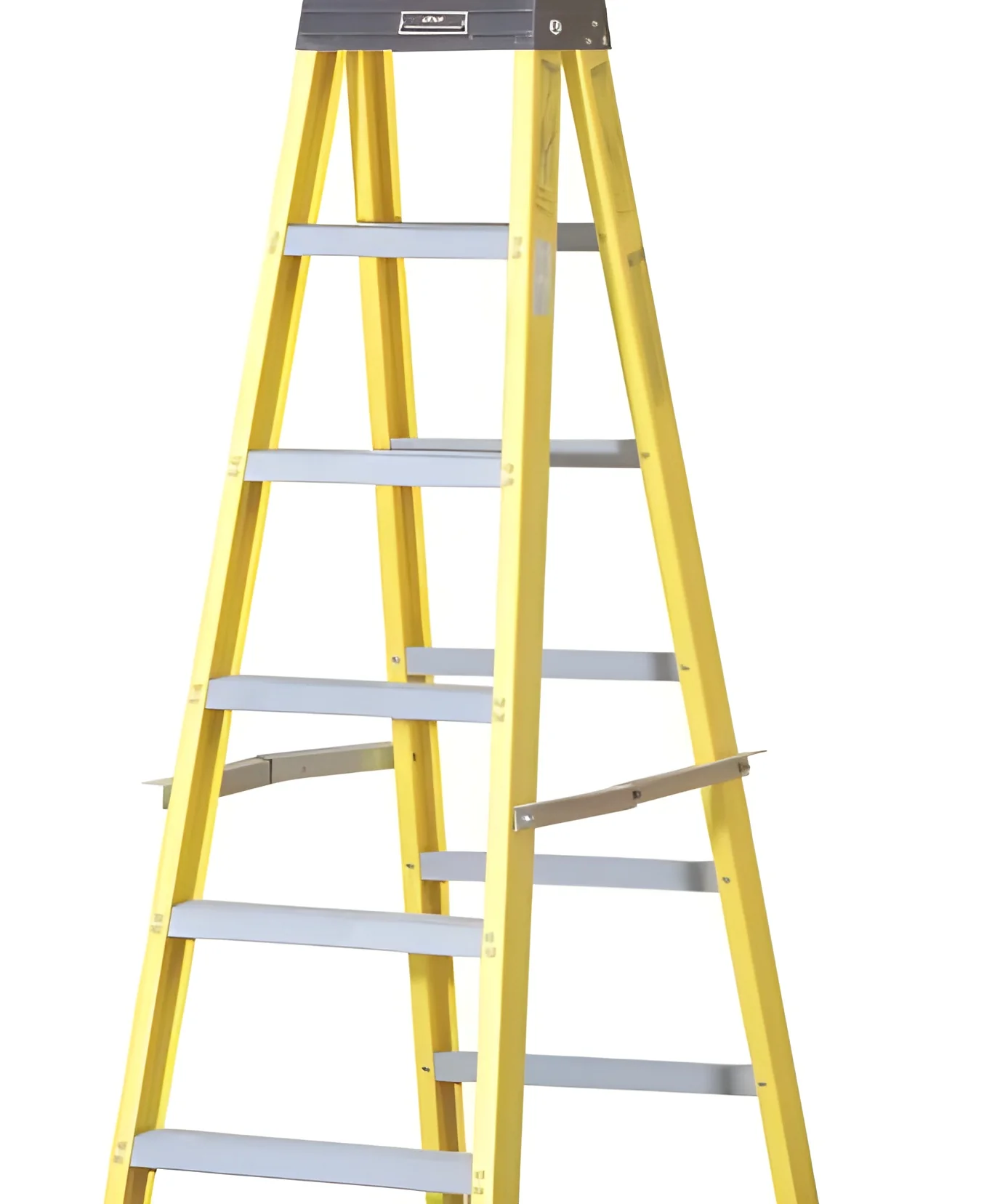
- Available in step ladders, extension ladders, and platform ladders.
- Each design serves different operational requirements.
7. Safety Features
- Equipped with anti-slip feet and rungs for enhanced safety.
- Often includes stabilizing braces for added support.
8. Compliance Standards
- Meets relevant safety standards, including CE certification.
- Ensures adherence to safety protocols in various industries.
In summary, fiberglass ladders are engineered to provide safety, durability, and versatility across a range of applications, making them a valuable investment for businesses.
Common Applications and Use Cases
Fiberglass ladders are versatile tools utilized in various industries. Their unique properties make them suitable for a wide range of applications.
1. Construction: In the construction industry, fiberglass ladders are essential for accessing high areas during building projects. Their non-conductive material makes them ideal for electrical installations.
2. Electrical Services: Electricians frequently rely on fiberglass ladders when working on projects involving live wires. The inherent safety features reduce the risk of electrical hazards.
3. Maintenance and Repair: Facilities managers use fiberglass ladders for routine maintenance tasks, such as inspecting HVAC systems or performing repairs on machinery.
4. Telecommunications: Workers in the telecommunications sector use these ladders to install and maintain communication equipment on tall structures.
5. Painting and Finishing: Painters and decorators utilize fiberglass ladders to reach elevated surfaces safely while ensuring stability during work.
6. Warehousing: In warehouses, fiberglass ladders are used for inventory management, allowing staff to safely access high shelves.
7. Aviation: In the aviation industry, fiberglass ladders assist in accessing aircraft for maintenance and inspections, ensuring worker safety around sensitive electrical systems.
Product Variants and Subcategories
Fiberglass ladders come in various types to cater to different professional needs. Each variant offers unique features tailored to specific applications.
Step Ladder: This type is ideal for tasks that require frequent upward and downward movement. Step ladders typically have a wide base for stability and can be used in tight spaces.
Extension Ladder: Designed for reaching greater heights, extension ladders can be adjusted to various lengths. They are commonly used in construction and maintenance work.
Platform Ladder: This variant features a large platform for standing and working, providing maximum stability. It is often used in painting, decorating, and maintenance tasks.
Multi-Position Ladder: This versatile ladder can be configured into different shapes, such as a step ladder or extension ladder, making it suitable for multiple tasks.
Benefits and Advantages
Choosing fiberglass ladders offers numerous benefits for businesses. Their distinctive features lead to increased safety and efficiency in the workplace.
1. Safety: The non-conductive nature of fiberglass reduces the risk of electric shock, making these ladders ideal for electrical work.
2. Durability: Fiberglass ladders are resistant to corrosion, chemicals, and weather conditions, ensuring a longer lifespan compared to traditional ladders.
3. Lightweight: The lightweight design allows for easy transportation and handling, reducing worker fatigue during use.
4. Stability: Wider rungs and bases enhance stability, minimizing the risk of accidents during use.
5. Versatility: Available in various types and sizes, fiberglass ladders can cater to diverse applications across multiple industries.
6. Compliance: Meeting safety standards and regulations ensures that businesses adhere to necessary safety protocols, protecting workers and promoting a culture of safety.
Buying Guide for B2B Buyers
When sourcing fiberglass ladders, businesses should consider several essential factors to ensure they make informed purchasing decisions.
1. Quality Assessment: Evaluate the quality of materials and construction. Look for ladders that comply with industry standards and have a good reputation in the market.
2. Supplier Verification: Vet potential suppliers by checking references, certifications, and customer reviews. Reliable suppliers will offer warranties and after-sales support.
3. Pricing and MOQ: Understand pricing structures and minimum order quantities. Compare prices among suppliers while considering the quality and features of the ladders.
4. Delivery and Lead Times: Inquire about delivery schedules and lead times to ensure timely availability of products. Consider logistics and shipping costs in your budget.
5. Compliance Requirements: Ensure that the ladders meet necessary compliance and safety standards relevant to your industry. Familiarize yourself with local regulations concerning ladder use.
Compliance and Certifications
Fiberglass ladders must adhere to certain quality standards and certifications to ensure safety and reliability. Relevant quality standards include ISO 9001, which focuses on quality management systems, ensuring that manufacturers maintain high production standards.
In addition, fiberglass ladders typically meet CE certification requirements, signifying compliance with European safety standards. This certification is crucial for manufacturers targeting markets in Europe and beyond.
Safety testing requirements often involve rigorous assessments to guarantee that the ladders can withstand specified loads and use conditions. Regional compliance considerations may vary, with different countries implementing specific regulations for ladder safety and performance.
Why Source Fiberglass Ladders from Pepagora?
Pepagora provides a trusted platform for sourcing fiberglass ladders, offering several key advantages for businesses looking for reliable solutions.
Verified Supplier Network: Pepagora partners with verified suppliers, ensuring that buyers have access to quality products from reputable manufacturers. This minimizes the risk of sourcing subpar ladders.
Streamlined RFQ Process: The platform features a user-friendly request for quotation (RFQ) system, allowing buyers to easily obtain competitive quotes from multiple suppliers. This helps businesses make informed decisions based on price and quality.
Trade Assurance and Support: Pepagora offers trade assurance services, protecting buyers against potential issues with transactions. This support ensures a smooth purchasing experience.
Regional Coverage: With a broad geographic reach, Pepagora facilitates connections for businesses in India, GCC, and Southeast Asia. This regional focus allows for efficient sourcing and delivery of fiberglass ladders tailored to local market needs.

Frequently Asked Questions
What are Fiberglass Ladders?
Fiberglass ladders are climbing devices made from fiberglass-reinforced plastic. They are known for their lightweight, durability, and resistance to corrosion, making them suitable for both indoor and outdoor use.
What are the different types of Fiberglass Ladders?
The different types of fiberglass ladders include step ladders, extension ladders, and platform ladders. Each type is designed for specific tasks and heights, catering to various industrial and commercial needs.
How do I choose the right Fiberglass Ladders?
Choosing the right fiberglass ladder involves considering the height required, the weight capacity, and the intended use. It is important to select a ladder that meets safety standards and is appropriate for the specific tasks at hand.
What are the standard specifications for Fiberglass Ladders?
Standard specifications for fiberglass ladders typically include height, load capacity, rung spacing, and material thickness. These specifications ensure structural integrity and safety during use.
What is the price range for Fiberglass Ladders?
The price range for fiberglass ladders can vary widely depending on the type, height, and manufacturer. Generally, prices can start from a few thousand rupees and go up to several tens of thousands for specialized models.
What quality standards apply to Fiberglass Ladders?
Fiberglass ladders must comply with safety standards such as ANSI (American National Standards Institute) and OSHA (Occupational Safety and Health Administration) guidelines. These standards ensure that the ladders are safe for use in various environments.
Where can I find Fiberglass Ladders suppliers in India?
You can find fiberglass ladders suppliers in India through online B2B marketplaces like Pepagora.com, industry trade shows, and local hardware stores. These platforms provide a comprehensive list of manufacturers and suppliers.
Can Fiberglass Ladders be customized?
Yes, fiberglass ladders can often be customized to meet specific requirements such as height, weight capacity, or additional features. Many manufacturers allow for tailored solutions based on customer needs.
What is the typical minimum order quantity for Fiberglass Ladders?
The typical minimum order quantity (MOQ) for fiberglass ladders varies by supplier, but it commonly ranges from 10 to 50 units. It is advisable to check with individual manufacturers for their specific MOQs.
What is the typical lead time for Fiberglass Ladders?
The typical lead time for fiberglass ladders can range from a few days to several weeks, depending on the manufacturer's production schedule and order size. Always confirm the lead time with the supplier before placing an order.
Why Businesses Trust Pepagora
Thousands of companies trust Pepagora to source smarter and sell faster
Expand Your Sales Globally

Source Smarter,Grow Faster
