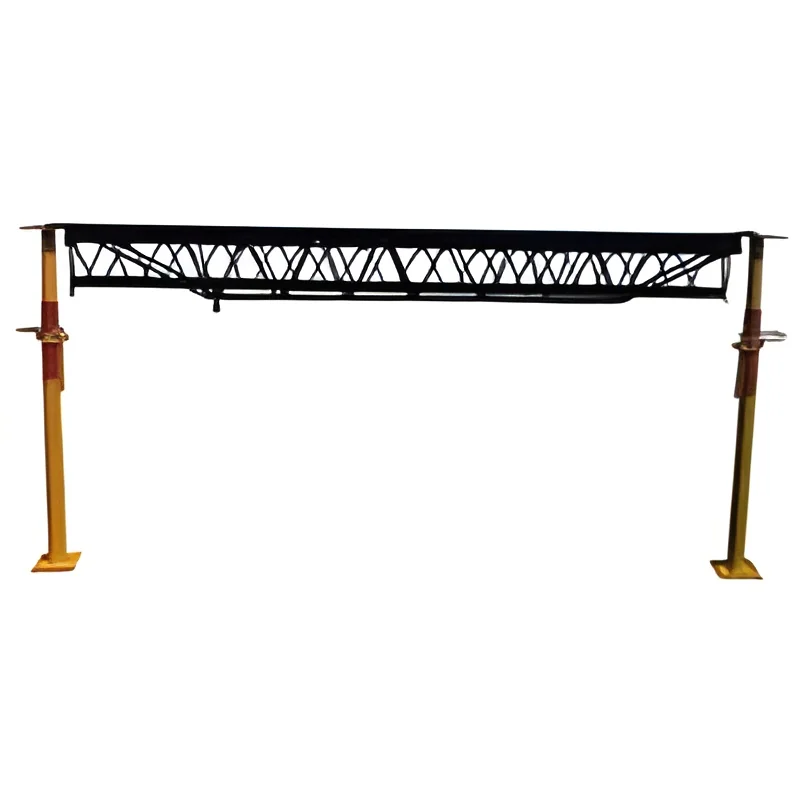
What are Bridge Scaffolds?
Bridge scaffolds are specialized support structures designed to provide safe access and work platforms for construction and maintenance tasks that involve bridges. These scaffolds are engineered to support workers, tools, and materials at varying heights while ensuring stability and safety during operations. Their design typically includes modular components that can be assembled and disassembled quickly, allowing for flexibility in various project requirements.
Primarily, bridge scaffolds find application in the construction, repair, and maintenance of bridge structures. They enable workers to perform tasks such as painting, inspection, and structural repairs from elevated positions. The use of bridge scaffolds enhances productivity by allowing multiple workers to operate simultaneously on different sections of a bridge, reducing project timelines. As urban infrastructure continues to grow and age, bridge scaffolds play a vital role in maintaining safety and efficiency in the construction industry.
The market for bridge scaffolds is closely aligned with trends in infrastructure development and maintenance. With increasing investments in transportation networks worldwide, the demand for reliable scaffolding solutions is on the rise. Companies specializing in scaffolding are continuously innovating their products to meet stringent safety regulations and operational demands.
Key Features and Specifications
Bridge scaffolds are equipped with essential features that enhance their functionality and safety. These specifications are crucial for businesses looking to invest in reliable scaffolding solutions.
Key specifications include:
1. Load Capacity
- Typical load capacities range from 200 kg to 600 kg per platform.
- Ensures the scaffold can support multiple workers and heavy equipment.
2. Height Adjustment
- Adjustable heights generally between 2 meters and 10 meters.
- Allows customization for specific project needs.
3. Material Composition
- Commonly made from high-strength steel or aluminum.
- Provides durability and resistance to environmental factors.
4. Assembly Type
- Modular design for quick assembly and disassembly.
- Facilitates easy transportation and storage.
5. Safety Features
- Equipped with guardrails and toe boards.
- Enhances worker safety and reduces the risk of falls.
6. Surface Finish
- Available in galvanized or powder-coated finishes.
- Provides corrosion resistance and longevity.
7. Compliance Standards
- Meets industry safety standards such as CE certification.
- Ensures adherence to quality and safety regulations.
8. Weight
- Average weight of modular components ranges from 25 kg to 50 kg.
- Impacts ease of handling and transportation.
In summary, bridge scaffolds offer a combination of strength, versatility, and safety features that are critical for construction and maintenance tasks in the bridge industry.
Common Applications and Use Cases
Bridge scaffolds are utilized across various industries to facilitate safe working conditions at elevated heights.
1. Construction: Used during the initial construction of new bridge structures, providing necessary access for workers and equipment.
2. Maintenance: Essential for regular inspections and repairs of existing bridges, allowing workers to access hard-to-reach areas safely.
3. Transportation: Employed in the transportation sector for the maintenance of overpasses and elevated roadways, ensuring continuity of traffic flow during repairs.
4. Utilities: Utilized by utility companies for the installation and maintenance of electrical and communication lines running over bridges.
5. Environmental Services: Important for environmental assessments and remediation efforts, providing access for environmental engineers and contractors.
6. Emergency Services: Used by emergency response teams for urgent repairs following incidents or natural disasters affecting bridge integrity.
7. Municipal Projects: Commonly employed in local government initiatives to upgrade and maintain public infrastructure.
Product Variants and Subcategories
Bridge scaffolds come in various configurations to meet specific project requirements and site conditions.
Modular Bridge Scaffolds
These scaffolds consist of interchangeable components that can be configured in multiple ways. Their flexibility makes them suitable for different bridge types and sizes.
Cantilever Bridge Scaffolds
Designed for projects where standard scaffolding cannot be installed due to space constraints. Cantilever scaffolds extend out over the edge of the bridge, providing access without compromising the roadway below.
Suspended Bridge Scaffolds
These scaffolds are hung from above, allowing for work to be carried out directly beneath. They are ideal for situations where ground access is limited or restricted.
Benefits and Advantages
Bridge scaffolds provide numerous advantages for construction and maintenance projects.
1. Enhanced Safety: Equipped with safety features such as guardrails, reducing the risk of falls and ensuring worker protection.
2. Increased Efficiency: Allows multiple workers to operate simultaneously, speeding up project timelines and reducing labor costs.
3. Versatility: Modular design enables adaptation to various bridge types and project requirements, facilitating use across different settings.
4. Cost-Effectiveness: Long-lasting materials and efficient design minimize maintenance costs over time, providing a strong return on investment.
5. Easy Assembly: Quick setup and takedown processes save time on site, allowing for more efficient project management.
6. Compliance Assurance: Built to meet industry standards, ensuring safety and reliability in high-risk environments.
Buying Guide for B2B Buyers
When sourcing bridge scaffolds, there are several critical factors to consider to ensure that you make informed purchasing decisions.
1. Quality Assessment: Evaluate the materials and construction quality of the scaffolds. Look for certifications such as CE to ensure compliance with safety standards.
2. Supplier Verification: It is essential to vet suppliers for their reputation and reliability. Check for customer reviews and previous project references.
3. Pricing and MOQ: Consider the cost of the scaffolds and the minimum order quantity (MOQ) required by suppliers. Make sure the pricing aligns with your budget without compromising quality.
4. Delivery and Lead Times: Discuss logistics with suppliers to understand delivery timelines. Ensure that they can meet your project deadlines.
5. Compliance Requirements: Verify that the products meet local and international safety regulations. This is crucial for avoiding potential legal issues and ensuring worker safety.
Compliance and Certifications
Bridge scaffolds must adhere to various quality standards to ensure safety and reliability. Key standards include ISO 9001, which emphasizes quality management systems and continuous improvement. Additionally, CE certification is essential, indicating that the product meets European safety, health, and environmental protection standards.
Safety and testing requirements are critical in the development of bridge scaffolds. Manufacturers must conduct rigorous testing to ensure that scaffolds can withstand specified loads and environmental conditions. Compliance with local regulations is also necessary, as different regions may have specific requirements for scaffolding used in construction and maintenance activities.
Understanding these compliance and certification standards is vital for businesses to ensure that they are sourcing products that not only meet industry expectations but also provide a safe working environment for employees.
Why Source Bridge Scaffolds from Pepagora?
Pepagora provides a trusted platform for sourcing bridge scaffolds, offering several key advantages that benefit B2B buyers.
Verified Supplier Network: Pepagora connects buyers with a network of verified suppliers. This ensures that businesses are dealing with reputable manufacturers who adhere to quality and safety standards.
Streamlined RFQ Process: The platform simplifies the request for quotation (RFQ) process, allowing buyers to efficiently compare prices and specifications from multiple suppliers. This saves time and facilitates better purchasing decisions.
Trade Assurance and Support: Pepagora offers trade assurance, providing buyer protection against potential issues that may arise during transactions. Their support team is readily available to assist with any inquiries or concerns.
Regional Coverage: With a strong presence in India, the GCC, and Southeast Asia, Pepagora ensures that buyers have access to a diverse range of products and suppliers, catering to various market needs. This regional expertise enhances the purchasing experience and helps businesses find the right solutions for their projects.

 IN
IN