𝗪𝗵𝗮𝘁 𝗮𝗿𝗲 𝗟𝗮𝗱𝗱𝗲𝗿𝘀 & 𝗦𝗰𝗮𝗳𝗳𝗼𝗹𝗱𝗶𝗻𝗴?
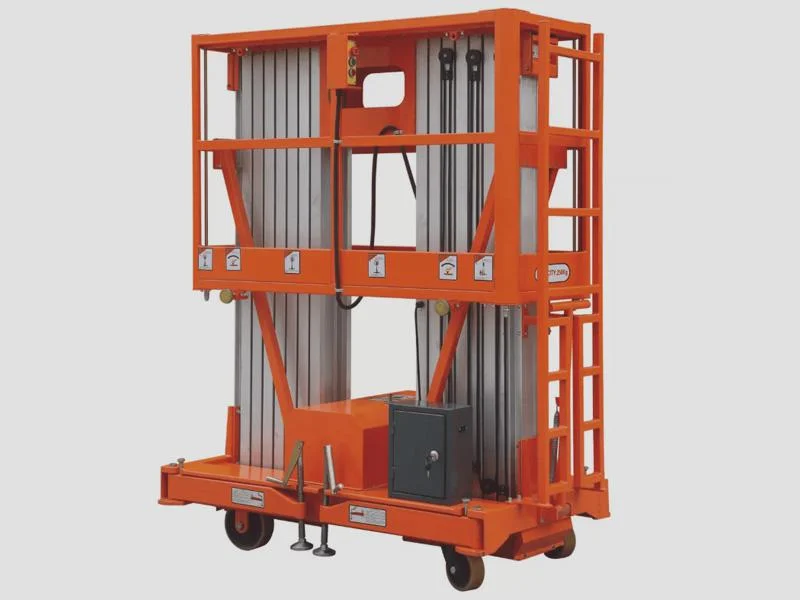
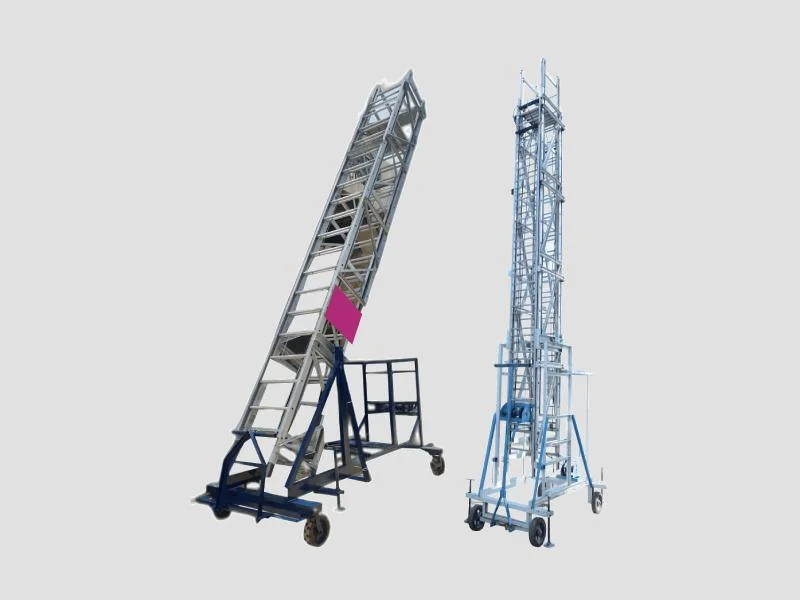
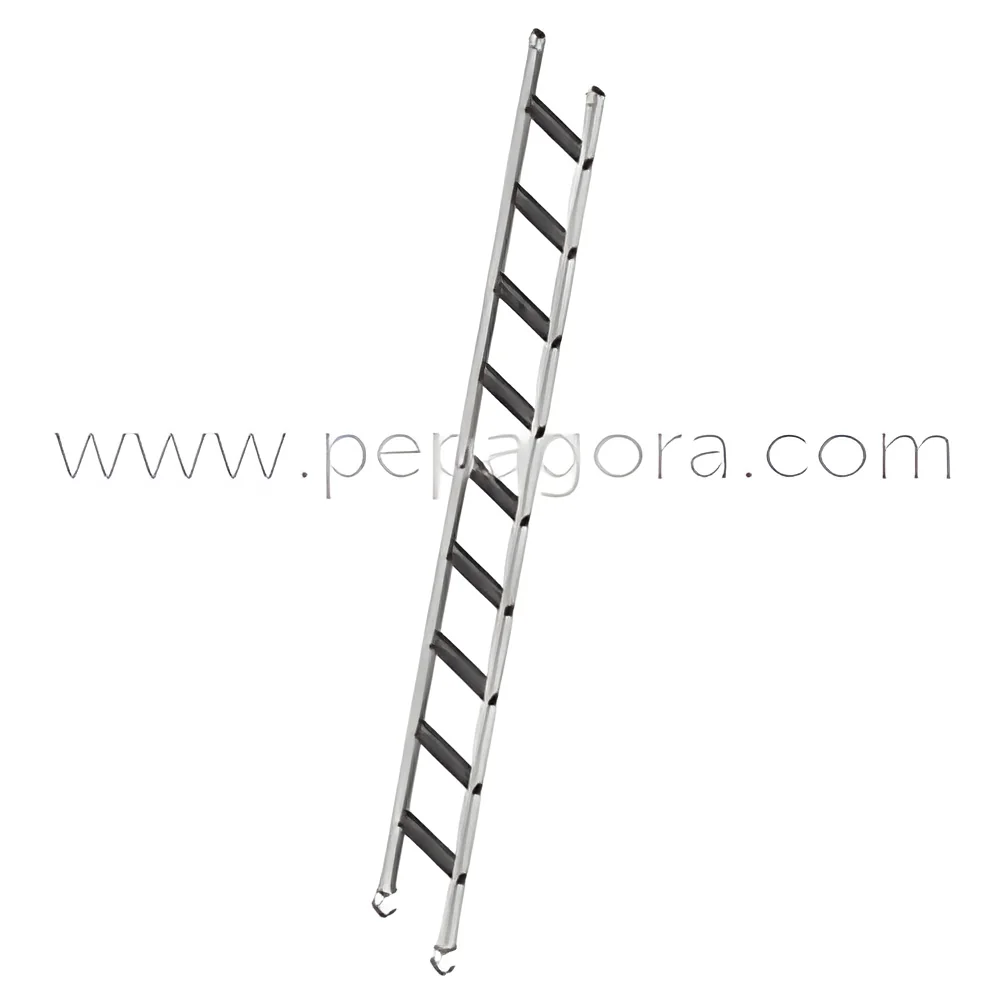
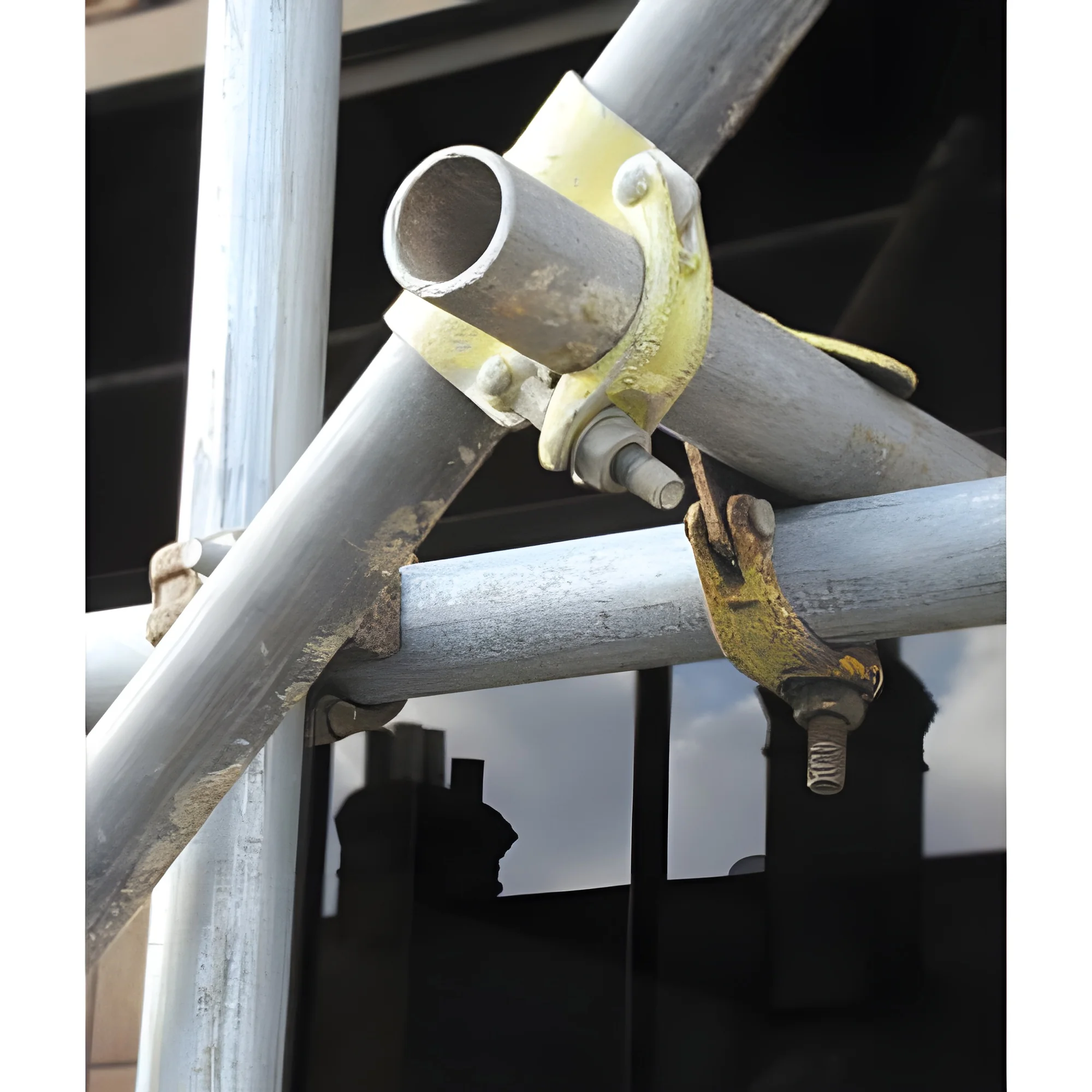
Ladders and scaffolding are essential equipment used in various industries to facilitate access and support during construction, maintenance, and repair tasks. Ladders are typically portable, consisting of two vertical supports and horizontal rungs for climbing, while scaffolding is a temporary structure used to support work crews and materials during construction or maintenance projects at height. Both tools are designed to enhance safety and efficiency when working at elevations.
These products find wide application in sectors such as construction, manufacturing, and maintenance. In the construction industry, ladders and scaffolding provide crucial support for workers performing tasks at elevated heights, ensuring safe access to rooftops, walls, and other high areas. In manufacturing and maintenance, they allow employees to reach overhead equipment and fixtures easily. The demand for high-quality ladders and scaffolding continues to grow as industries prioritize safety, efficiency, and compliance with regulatory standards.
The relevance of ladders and scaffolding in the market cannot be overstated. With increasing construction activities and a growing emphasis on workplace safety, the demand for reliable and compliant access solutions is on the rise. This segment of industrial products is constantly evolving, driven by advancements in materials and safety standards, ensuring that businesses have the tools they need to operate safely and effectively.
𝗞𝗲𝘆 𝗙𝗲𝗮𝘁𝘂𝗿𝗲𝘀 𝗮𝗻𝗱 𝗦𝗽𝗲𝗰𝗶𝗳𝗶𝗰𝗮𝘁𝗶𝗼𝗻𝘀
When selecting ladders and scaffolding, several key features and specifications should be considered. These specifications determine the suitability of the equipment for specific tasks and environments.
Key specifications include:
1. Load Capacity
- Indicates the maximum weight the ladder or scaffold can safely support.
- Typically ranges from 250 lbs to over 1,000 lbs, depending on design and material.
2. Height Range
- Refers to the extendable height of the ladder or scaffold.
- Common ranges include 6 feet to 20 feet for ladders and customizable heights for scaffolding.
3. Material Construction
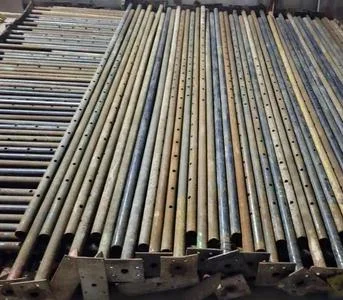
- Common materials include aluminum, fiberglass, and steel.
- Each material offers different benefits, such as weight, strength, and insulation properties.
4. Stability Features
- Elements like wide bases, locking mechanisms, and anti-slip feet enhance stability.
- Essential for ensuring worker safety during use.
5. Compliance Standards
- Products should meet relevant safety standards such as ANSI and OSHA requirements.
- Certification ensures reliability and safety in commercial applications.
6. Portability
- Design aspects that affect how easily a ladder or scaffold can be transported.
- Lightweight materials and foldable designs enhance portability.
7. Versatility
- The ability to use the product in different configurations or for various tasks.
- Features like adjustable height and modular designs increase versatility.
8. Durability
- Resistance to the elements and wear over time.
- High-quality products are designed for long-term use in demanding environments.
In summary, understanding these specifications helps businesses choose the right ladders and scaffolding for their specific operational needs, ensuring safety and efficiency.
𝗖𝗼𝗺𝗺𝗼𝗻 𝗔𝗽𝗽𝗹𝗶𝗰𝗮𝘁𝗶𝗼𝗻𝘀 𝗮𝗻𝗱 𝗨𝘀𝗲 𝗖𝗮𝘀𝗲𝘀
Ladders and scaffolding serve a variety of industries, each with specific applications that highlight the importance of these tools.
1. Construction: Ladders and scaffolding are fundamental in construction projects. They provide workers with safe access to heights needed for building, renovation, and maintenance tasks.
2. Manufacturing: In manufacturing facilities, ladders are used to reach overhead machinery and equipment, ensuring that maintenance and repairs can be performed efficiently.
3. Maintenance Services: Service technicians frequently use ladders and scaffolding to access roofs and high ceilings for inspections, repairs, and installations.
4. Warehousing: In warehouses, ladders are essential for accessing stored goods on high shelves, facilitating efficient inventory management.
5. Event Setup: For events and exhibitions, scaffolding is often employed to create stages or displays, providing a stable structure for both people and equipment.
6. Electrical Services: Electricians regularly use ladders to reach high fixtures and wiring, ensuring that installations and repairs are done safely.
7. Painting and Finishing: Painters and finishers utilize scaffolding to safely reach elevated surfaces, allowing for high-quality work without compromising safety.
𝗣𝗿𝗼𝗱𝘂𝗰𝘁 𝗩𝗮𝗿𝗶𝗮𝗻𝘁𝘀 𝗮𝗻𝗱 𝗦𝘂𝗯𝗰𝗮𝘁𝗲𝗴𝗼𝗿𝗶𝗲𝘀
Ladders and scaffolding come in various forms, each designed for specific tasks and environments.
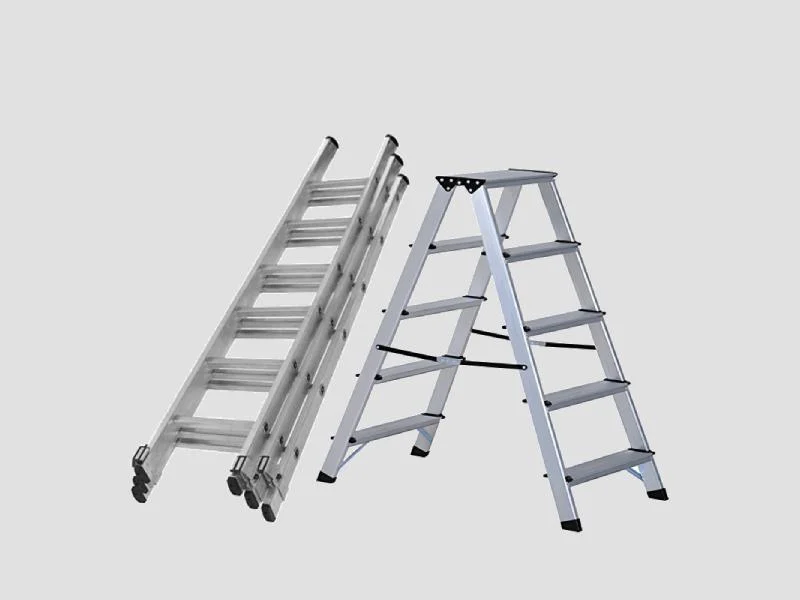
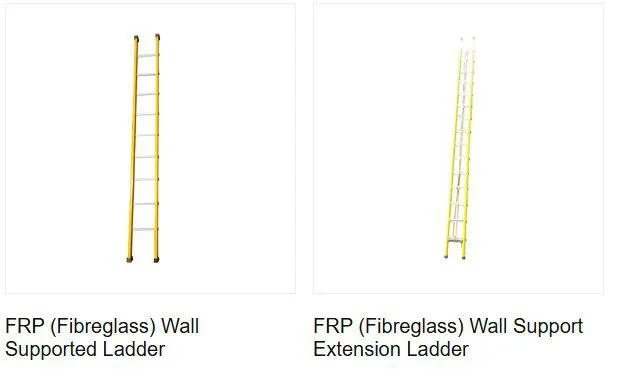
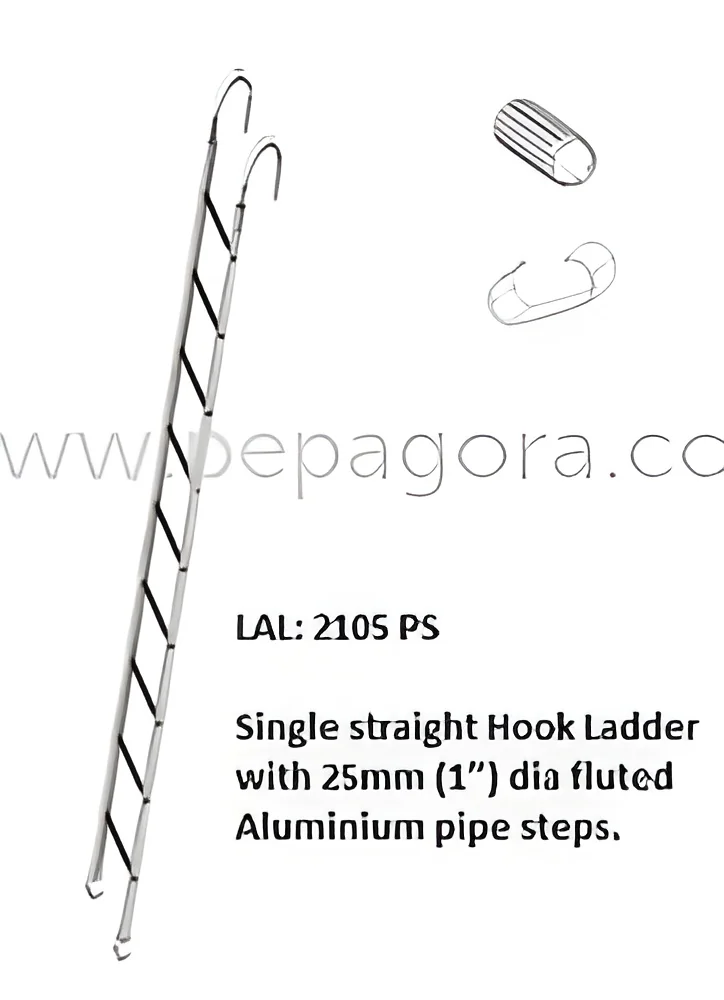
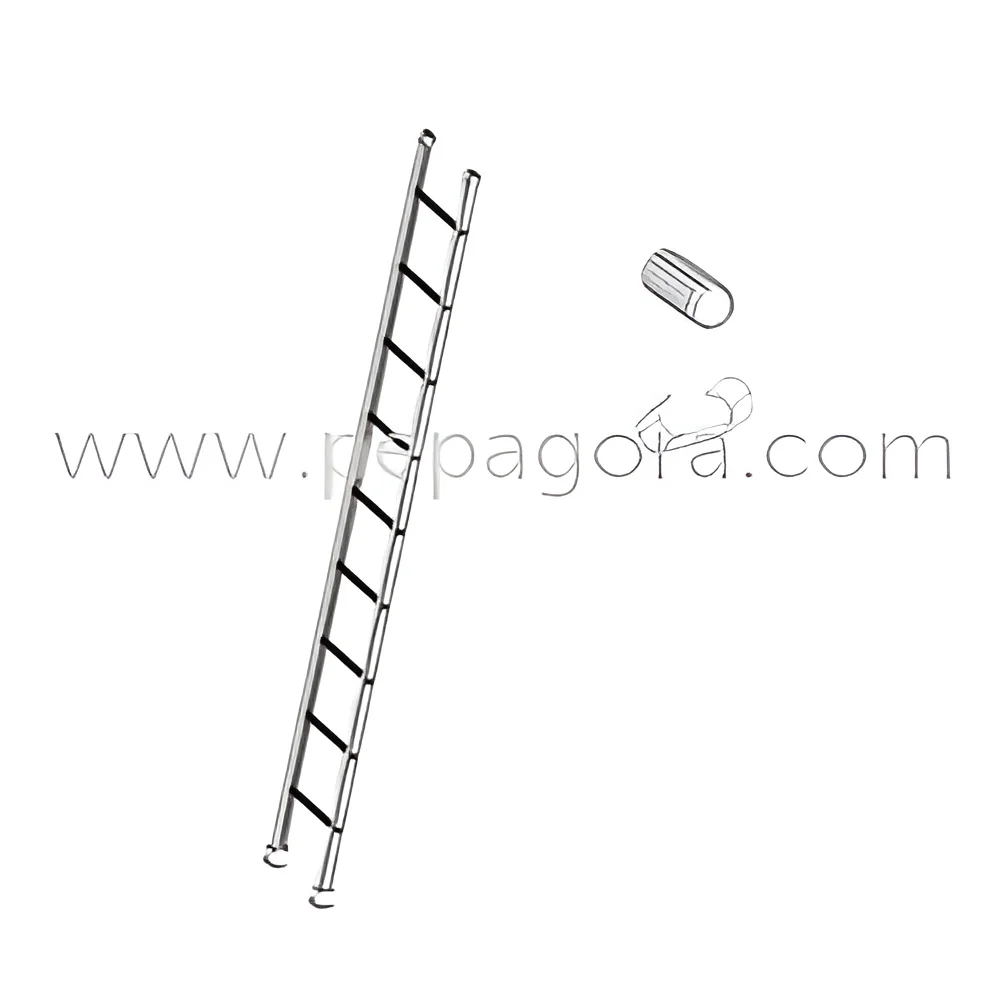
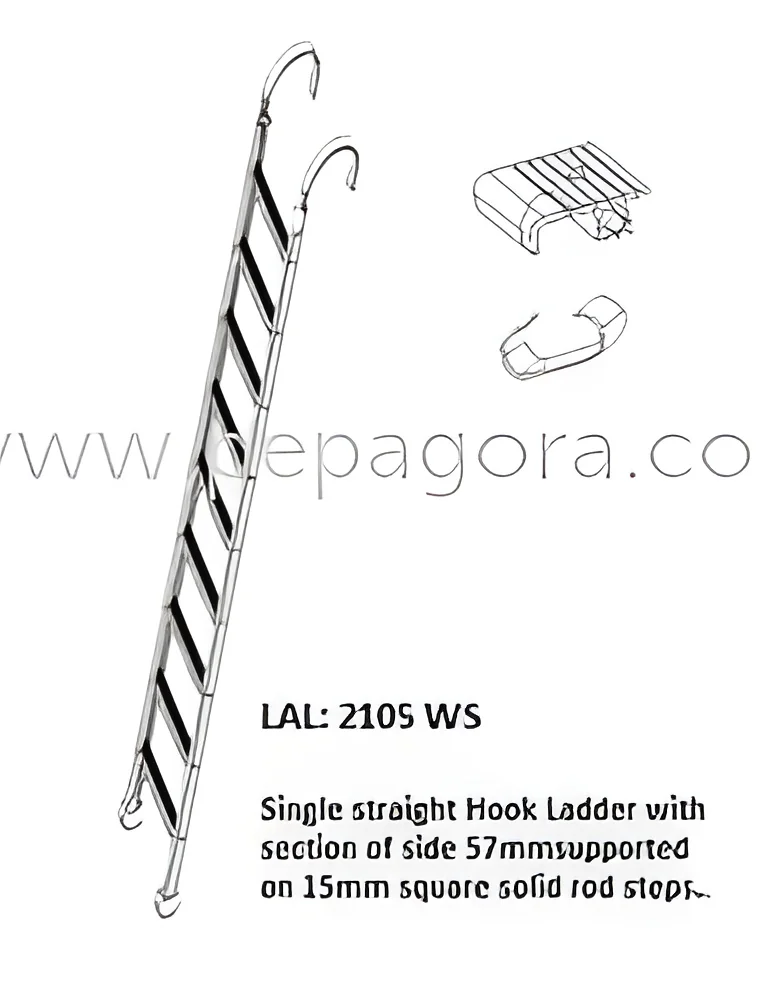
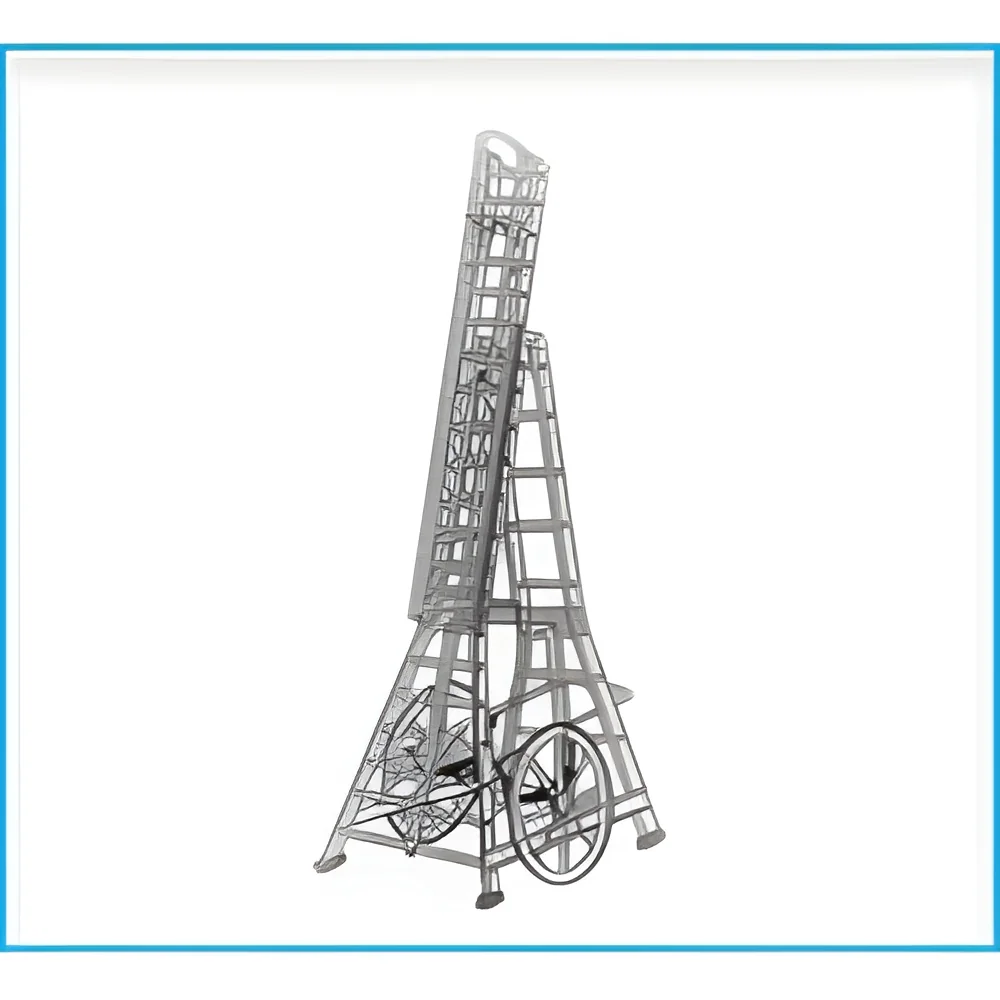
Extension Ladders: These ladders are adjustable in height, allowing for use at different elevations. They are ideal for tasks that require reaching high areas, such as roofs or tall walls.
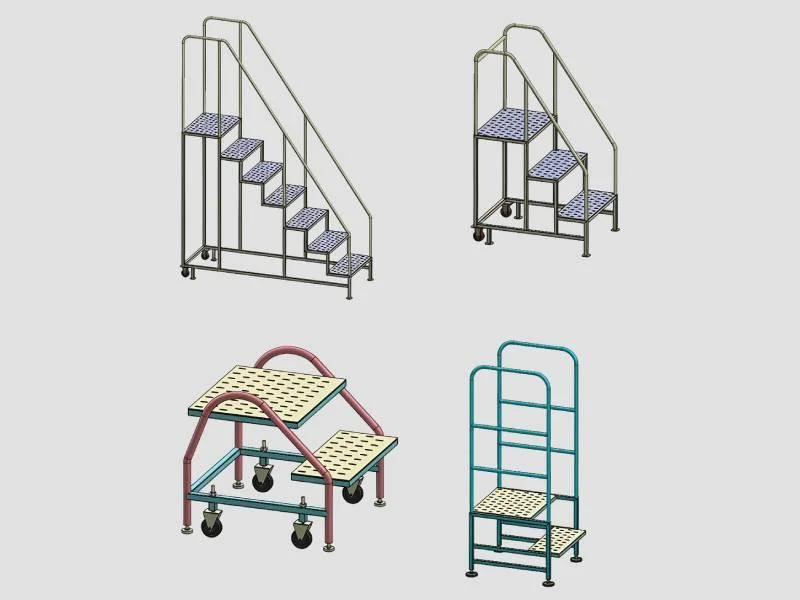
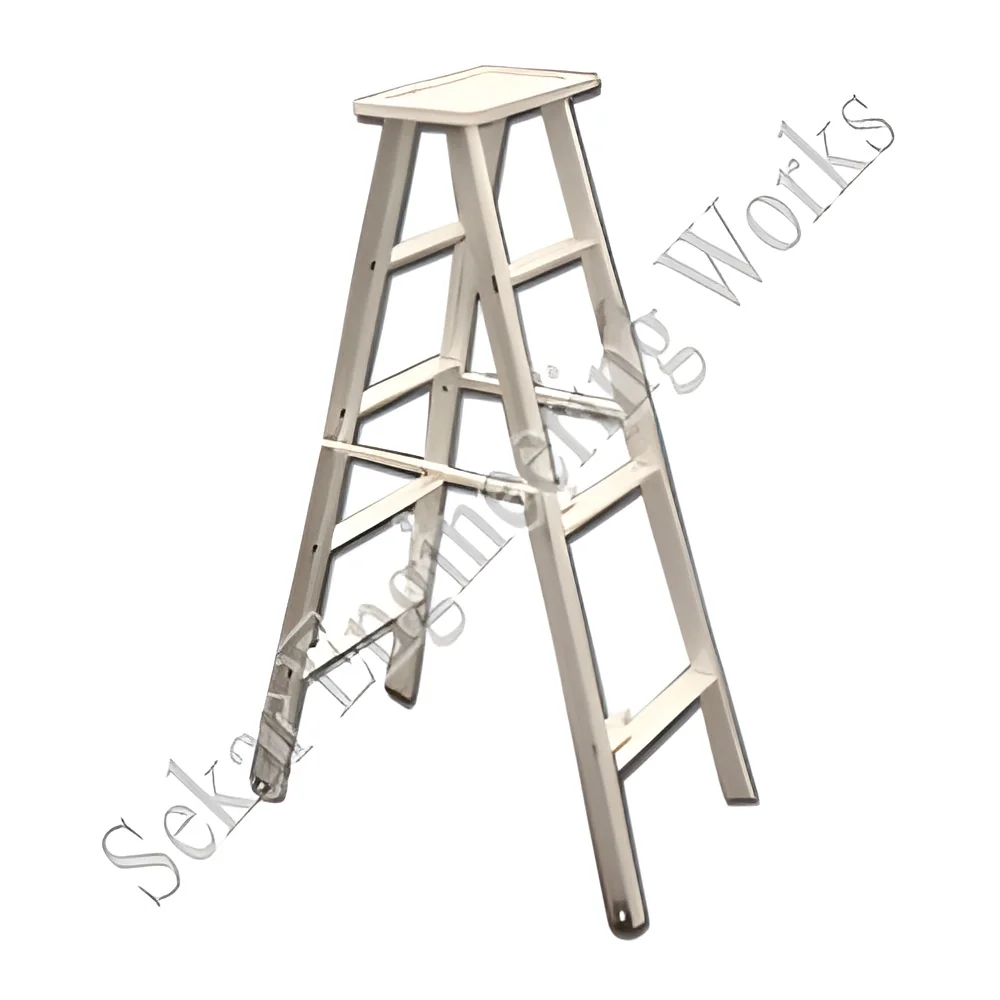
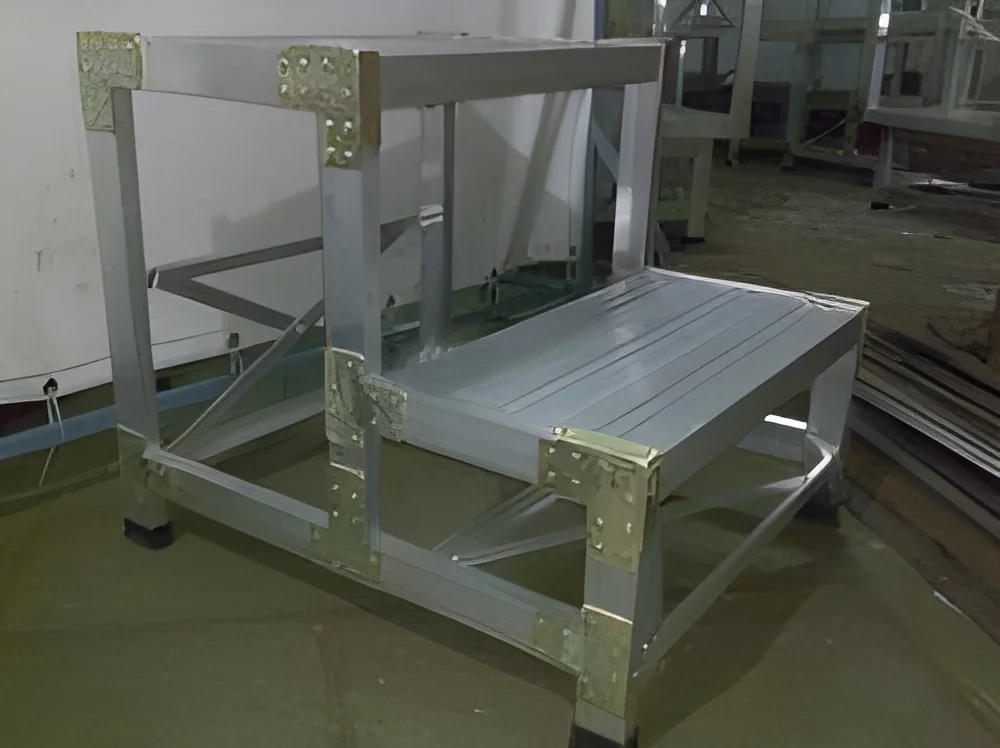
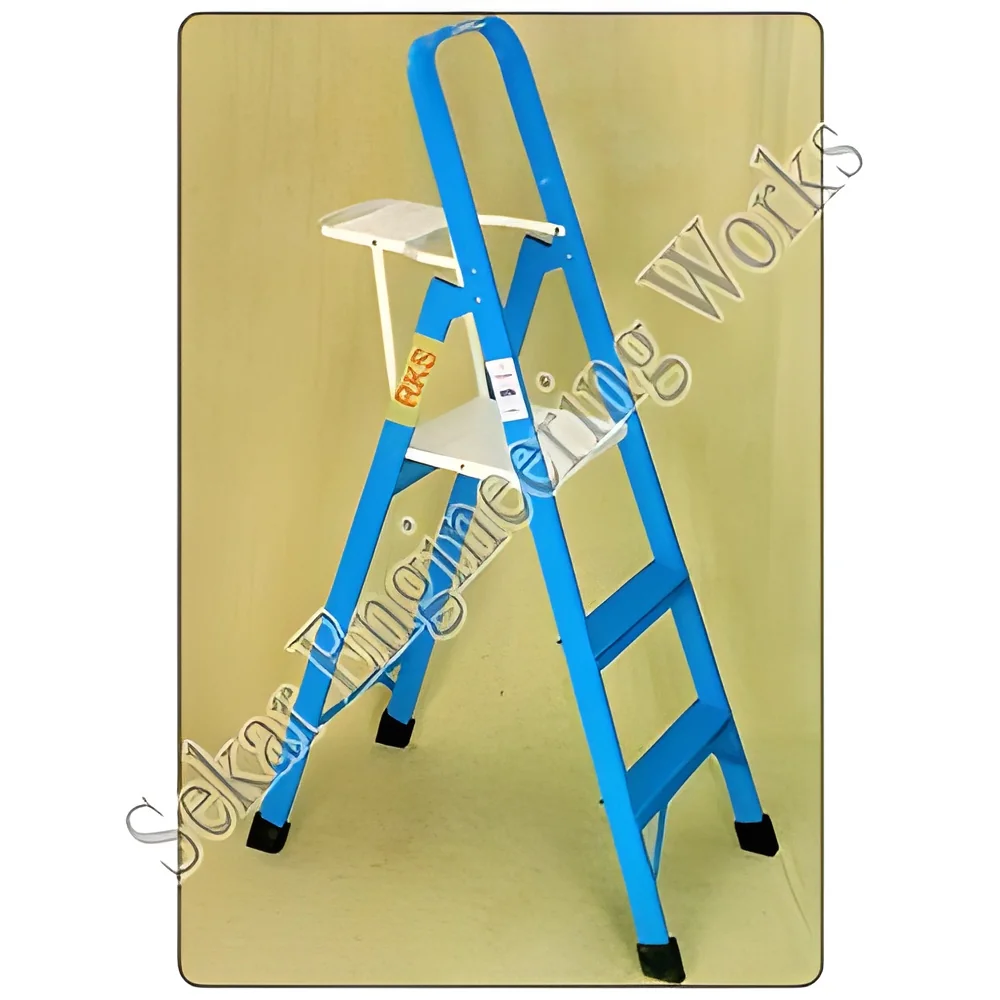
Step Ladders: Step ladders are self-supporting and portable, making them perfect for indoor tasks like painting or installing fixtures. They come in various heights to suit different applications.
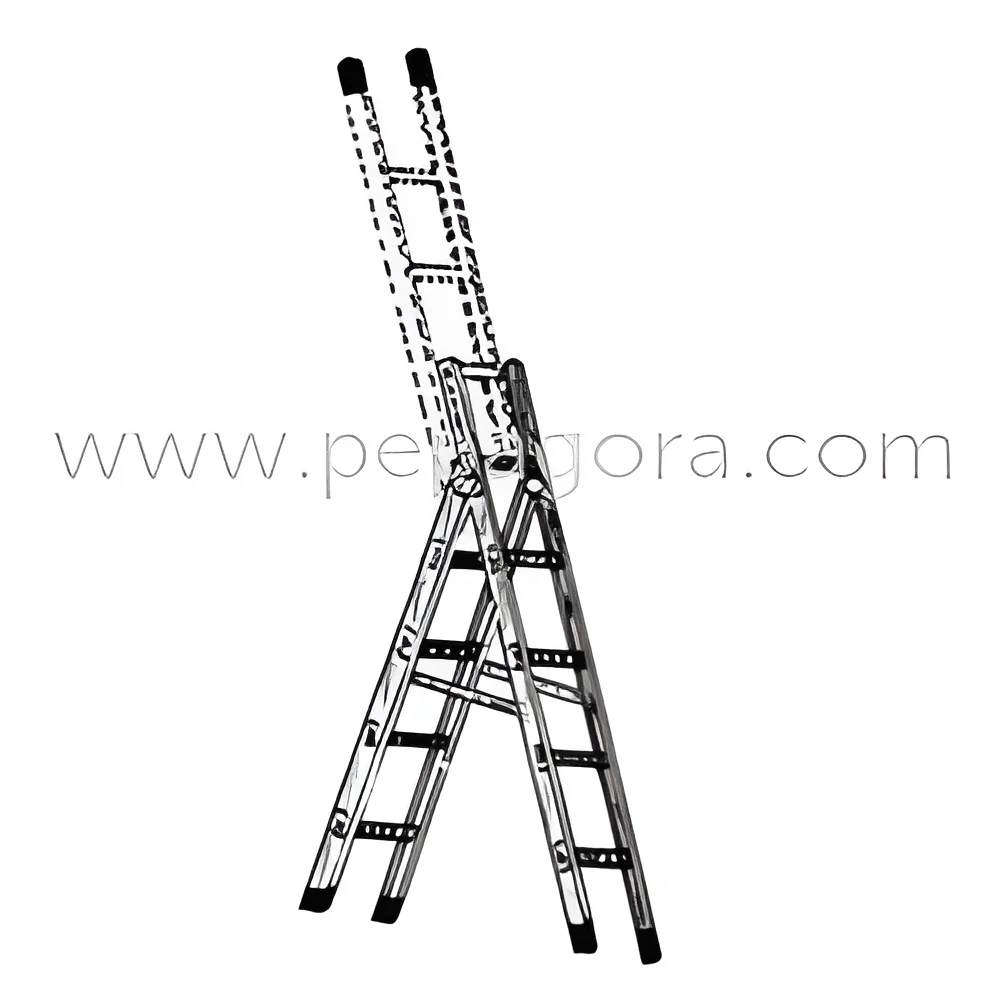
Multi-Position Ladders: These versatile ladders can be configured in multiple ways, such as an extension ladder, step ladder, or scaffold, offering flexibility for various job requirements.
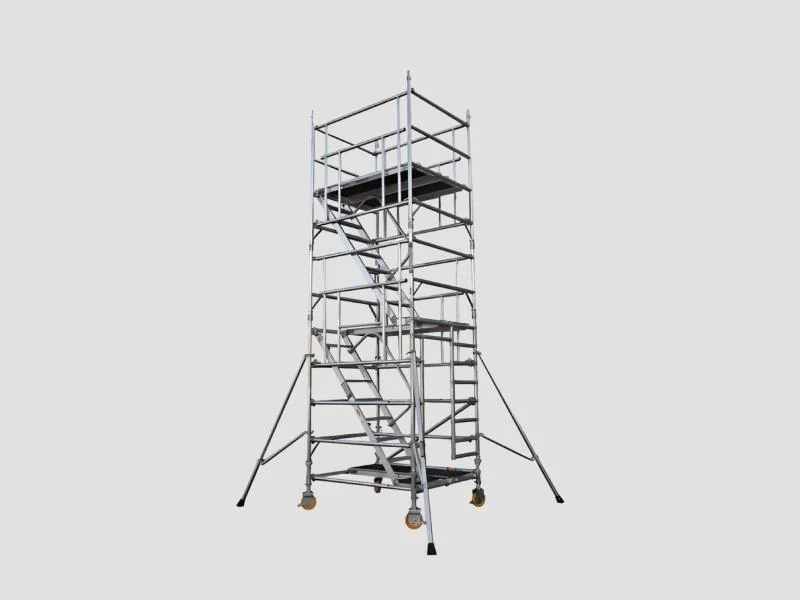
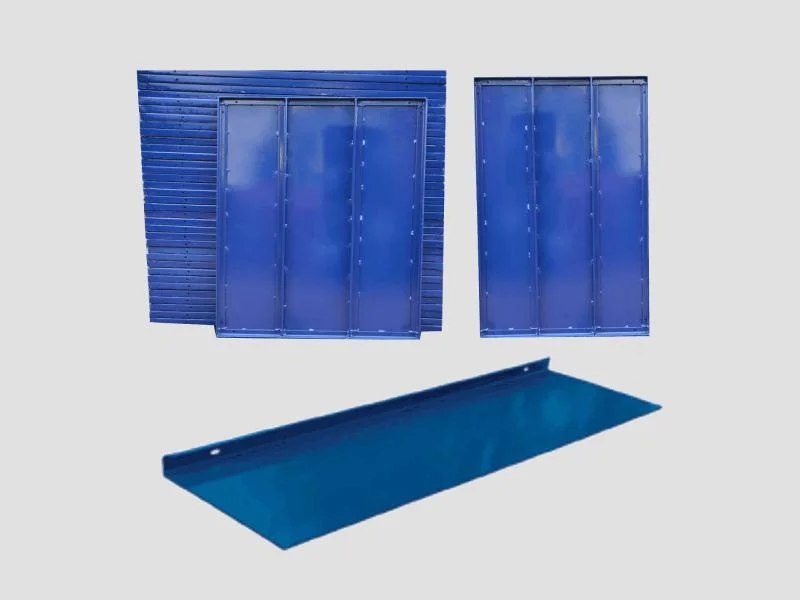
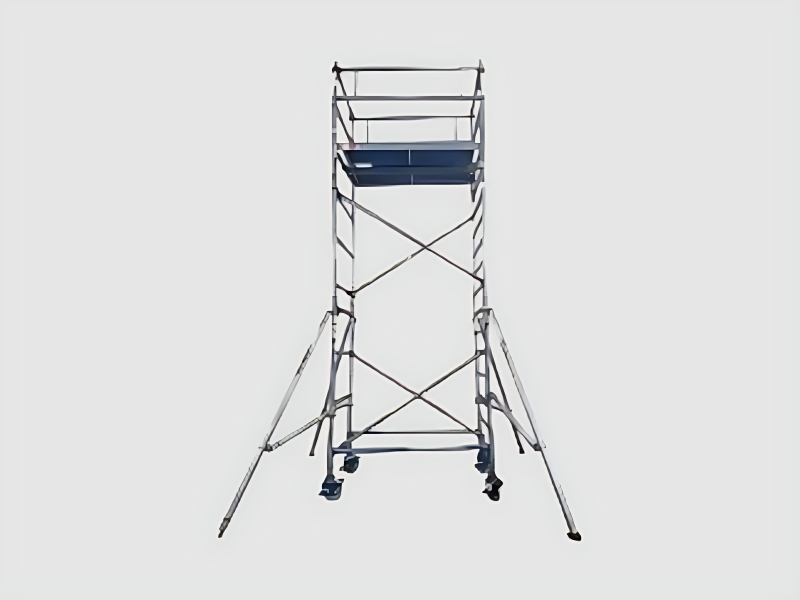
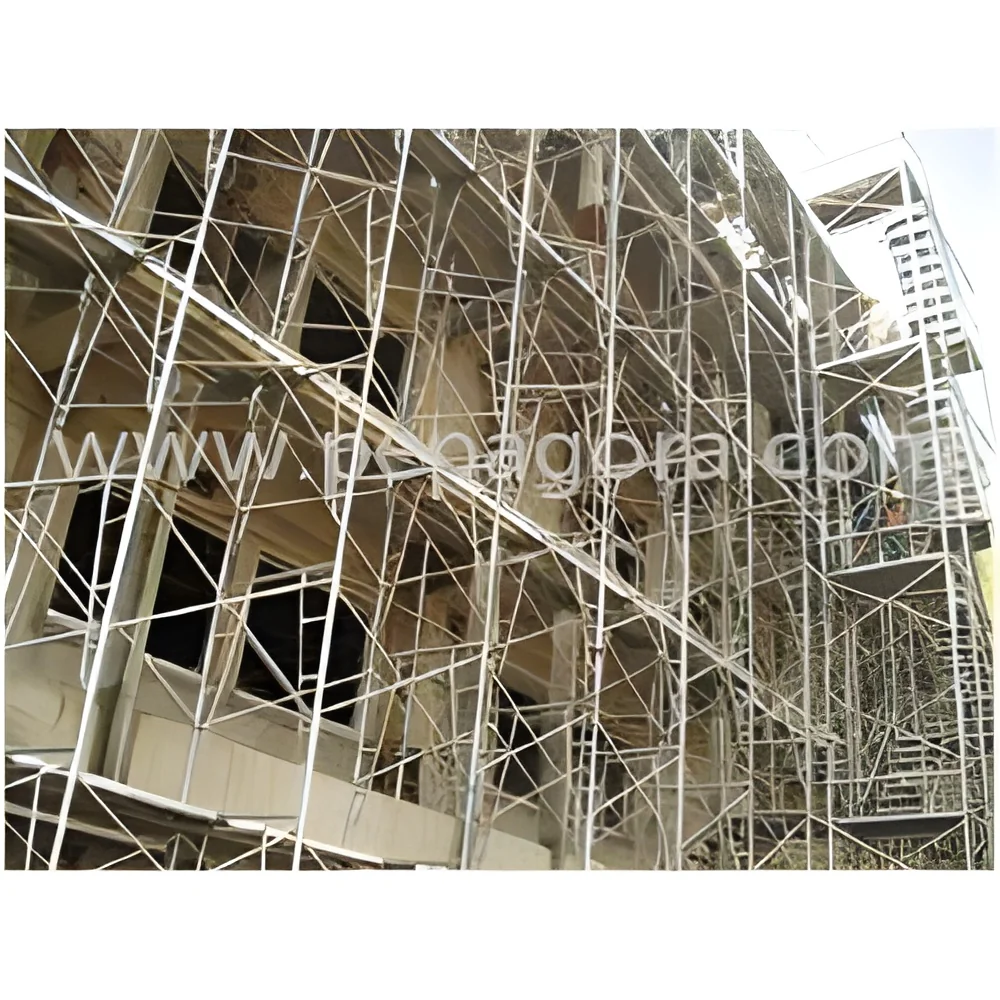
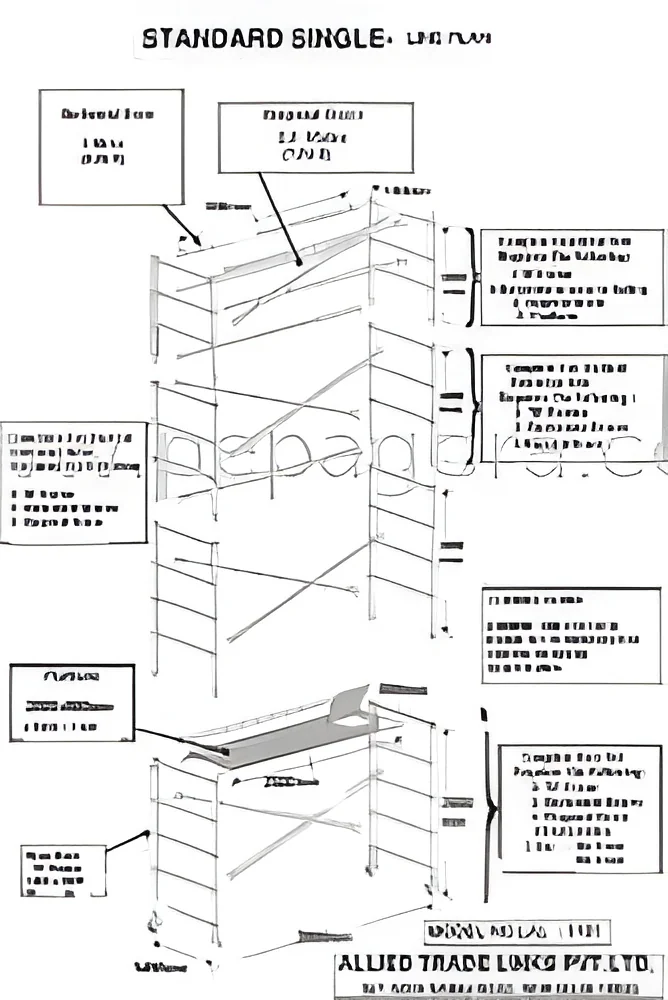
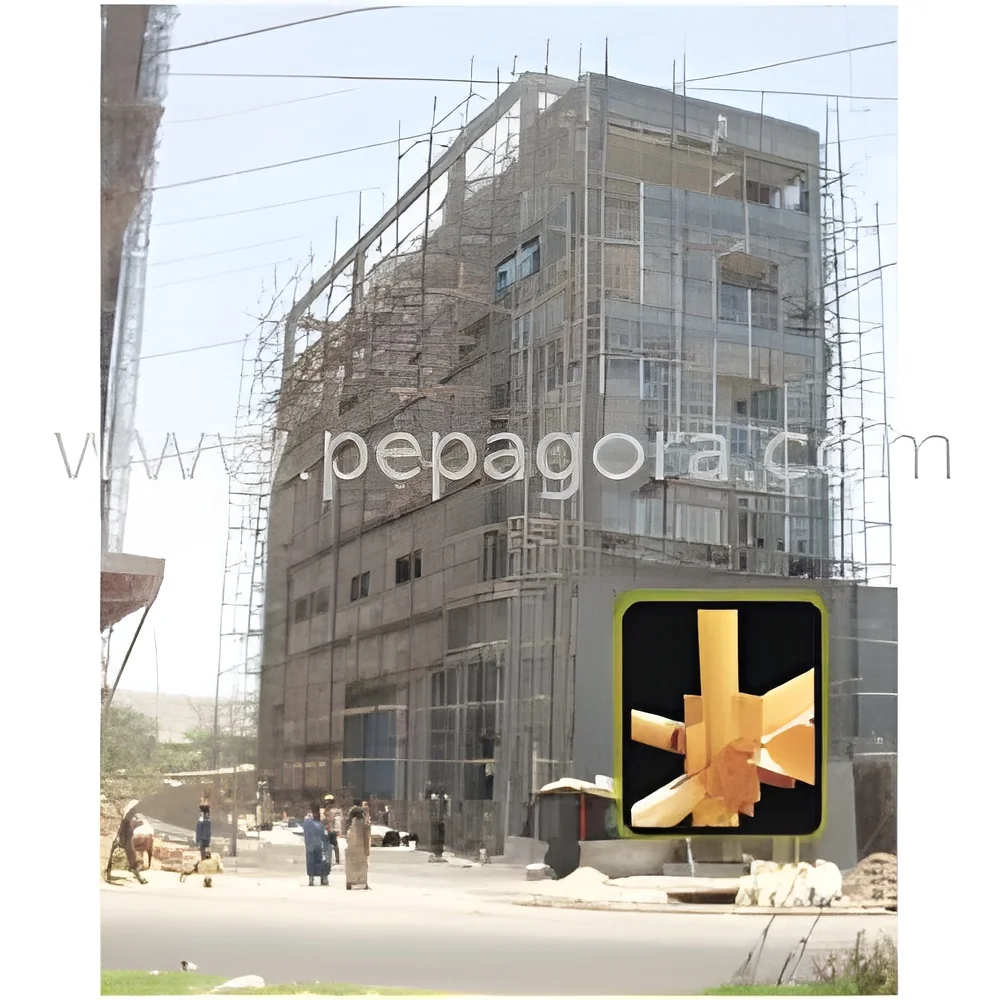
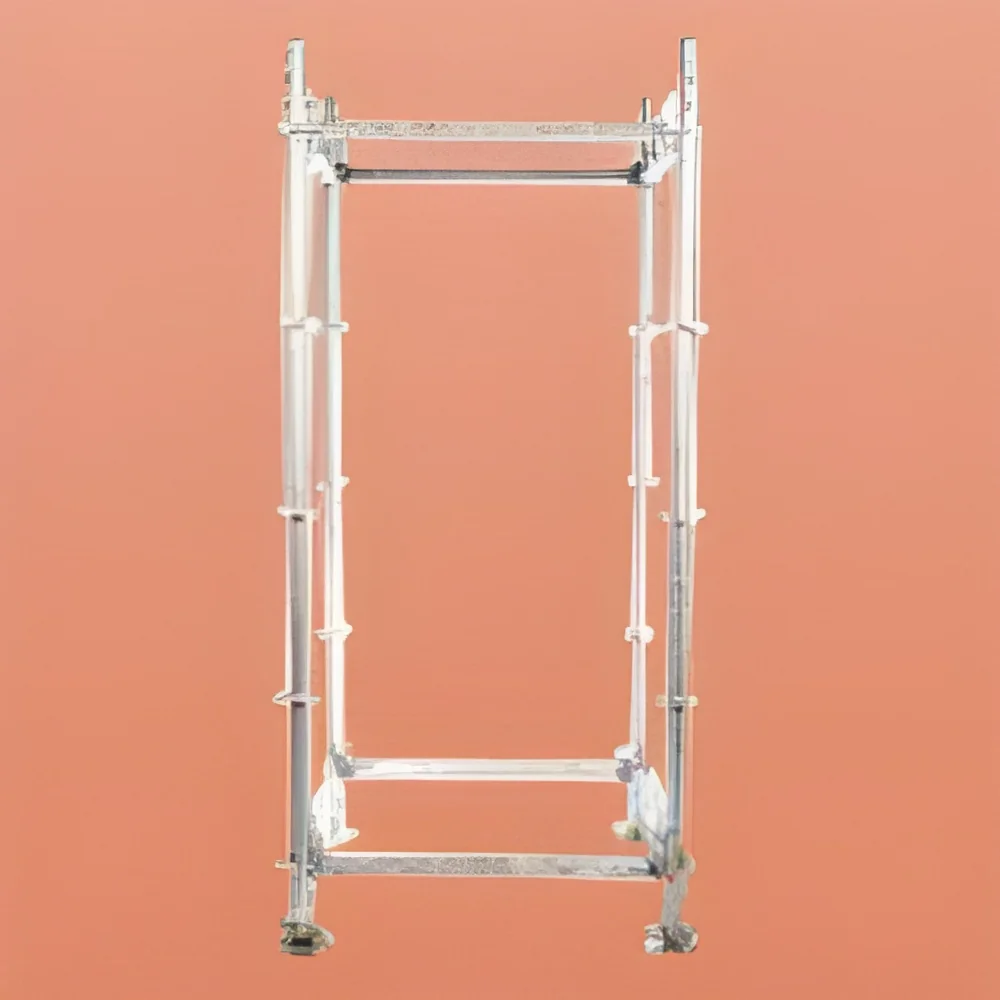
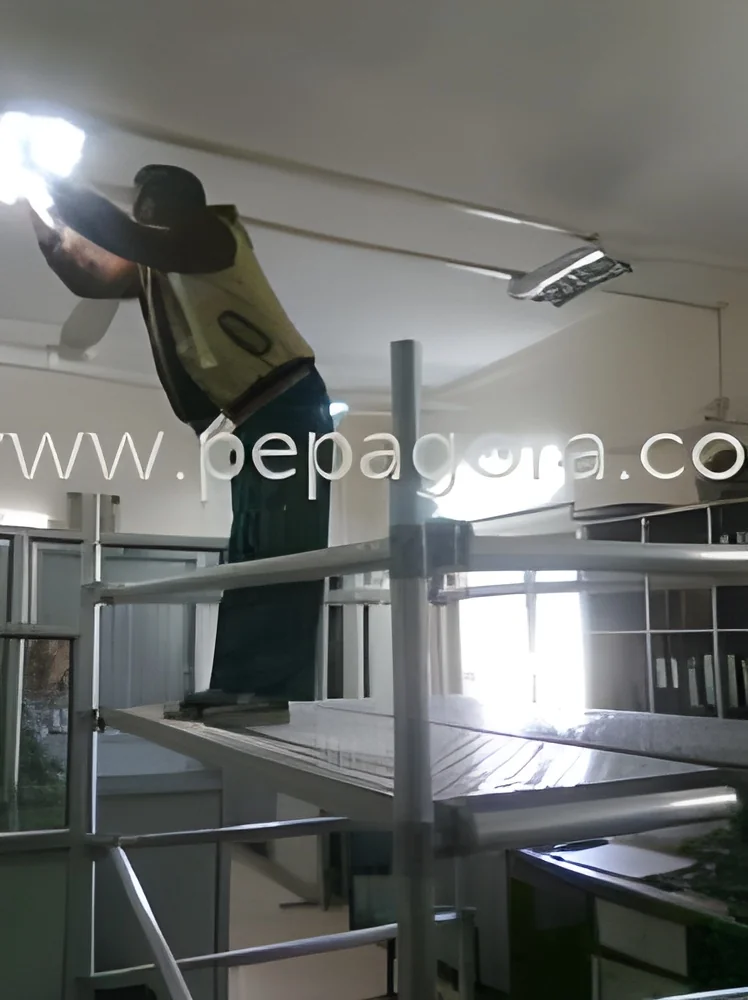
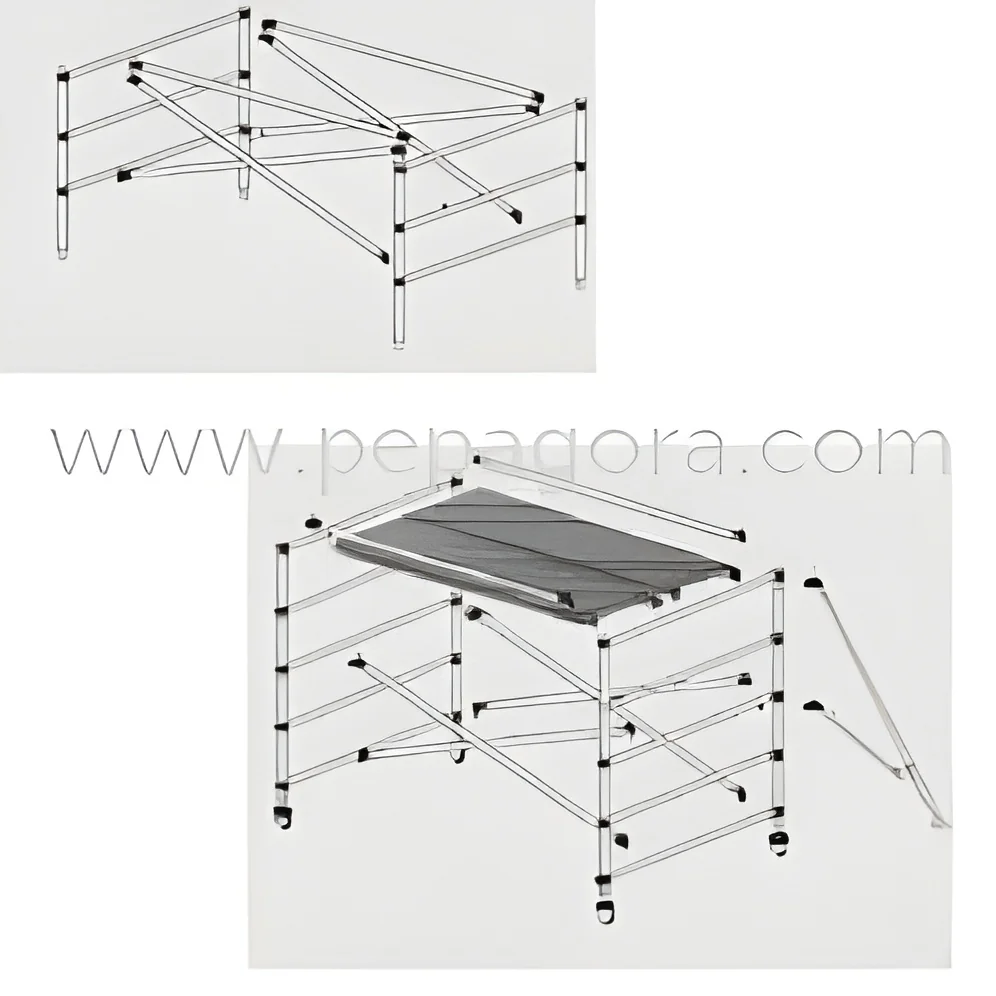
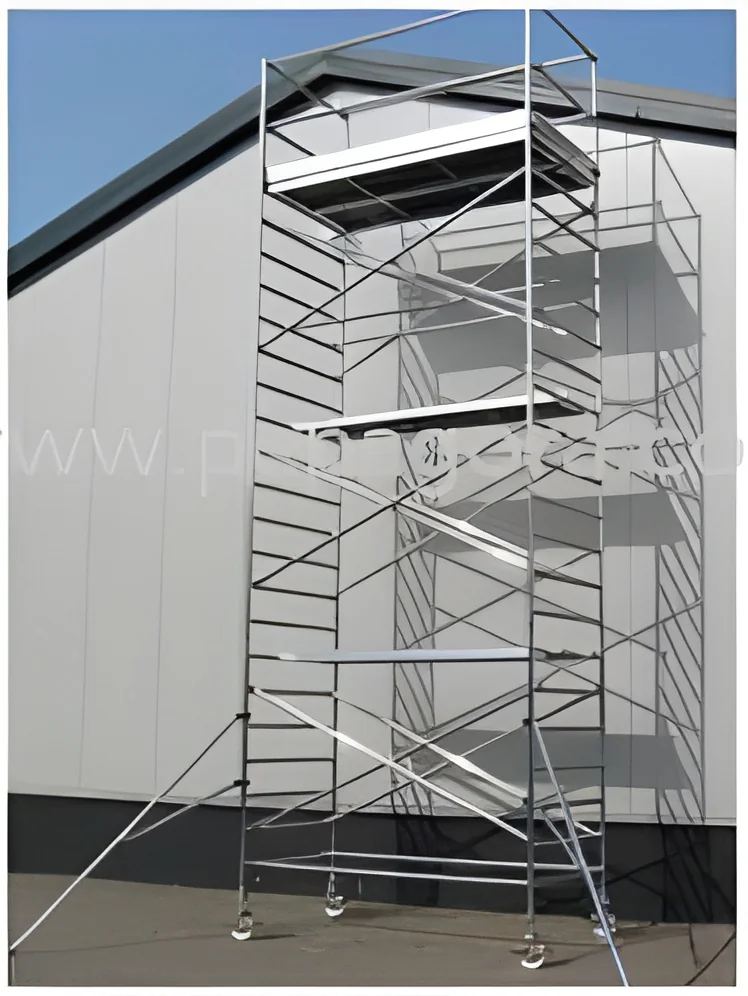
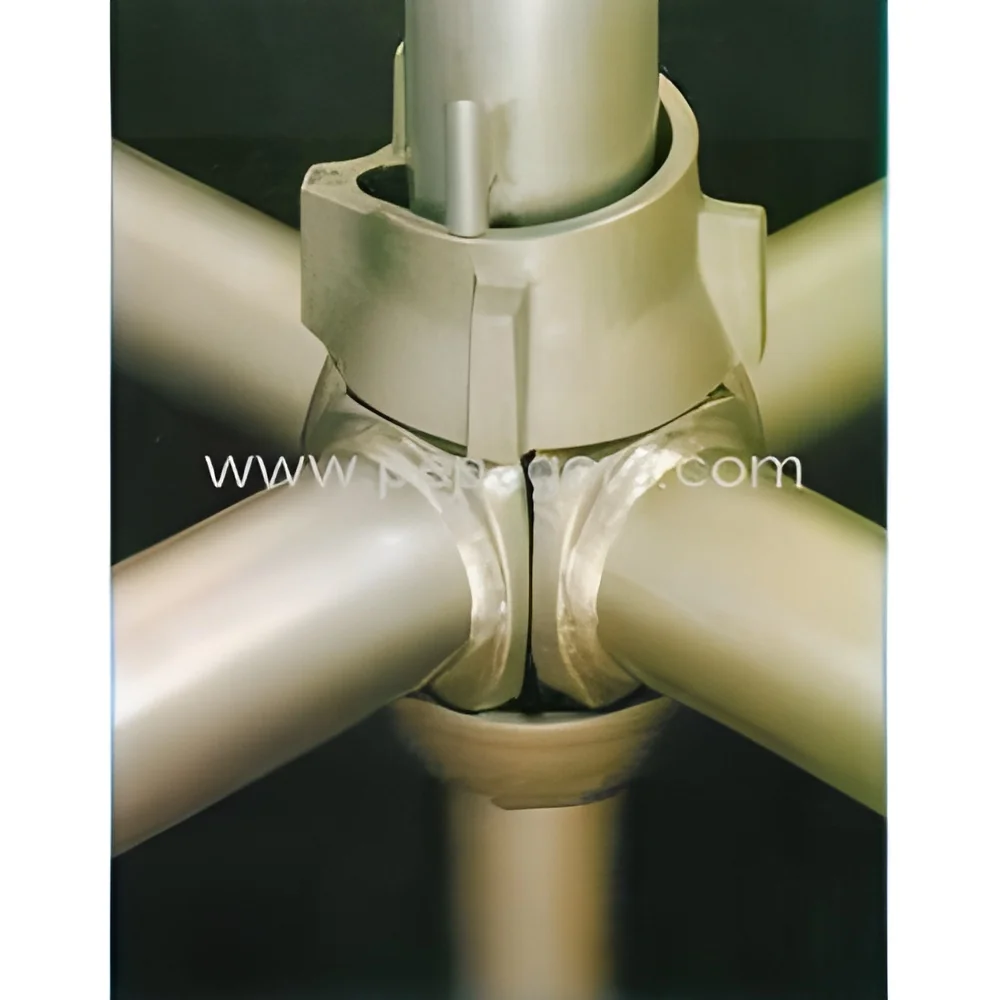
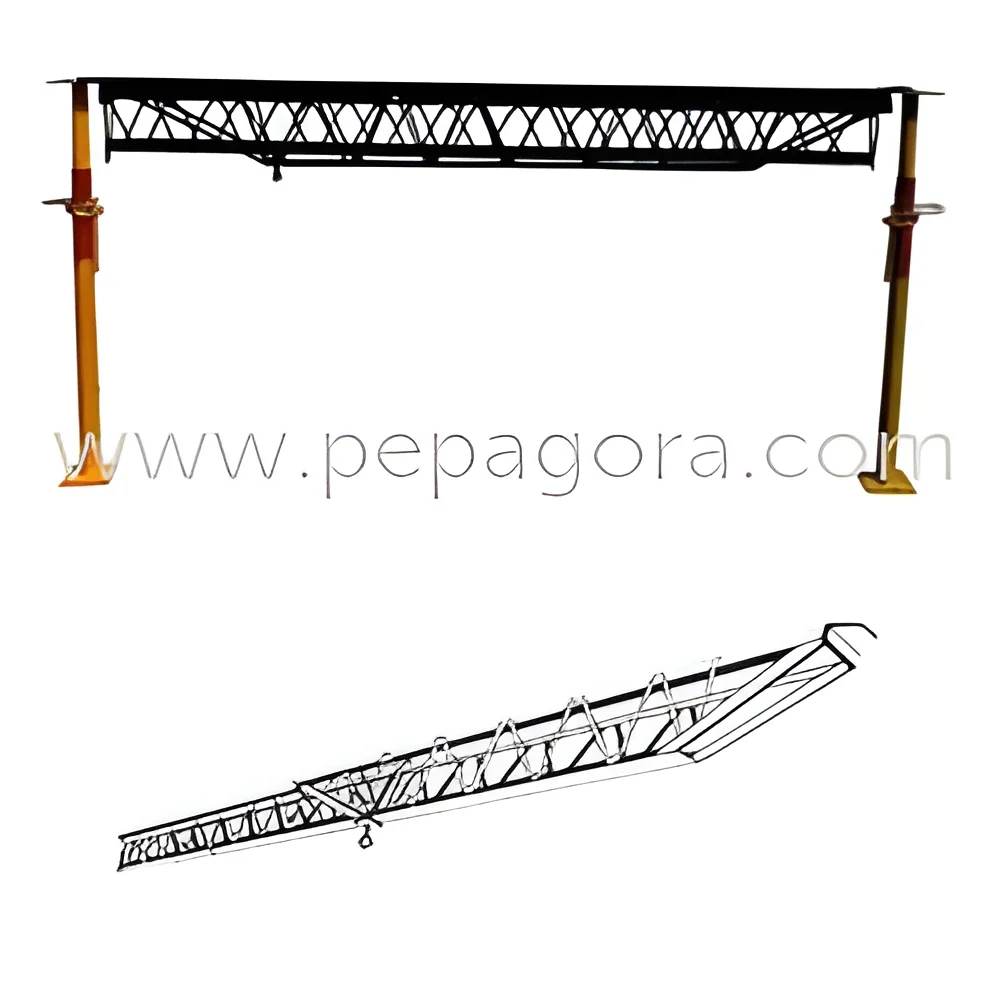
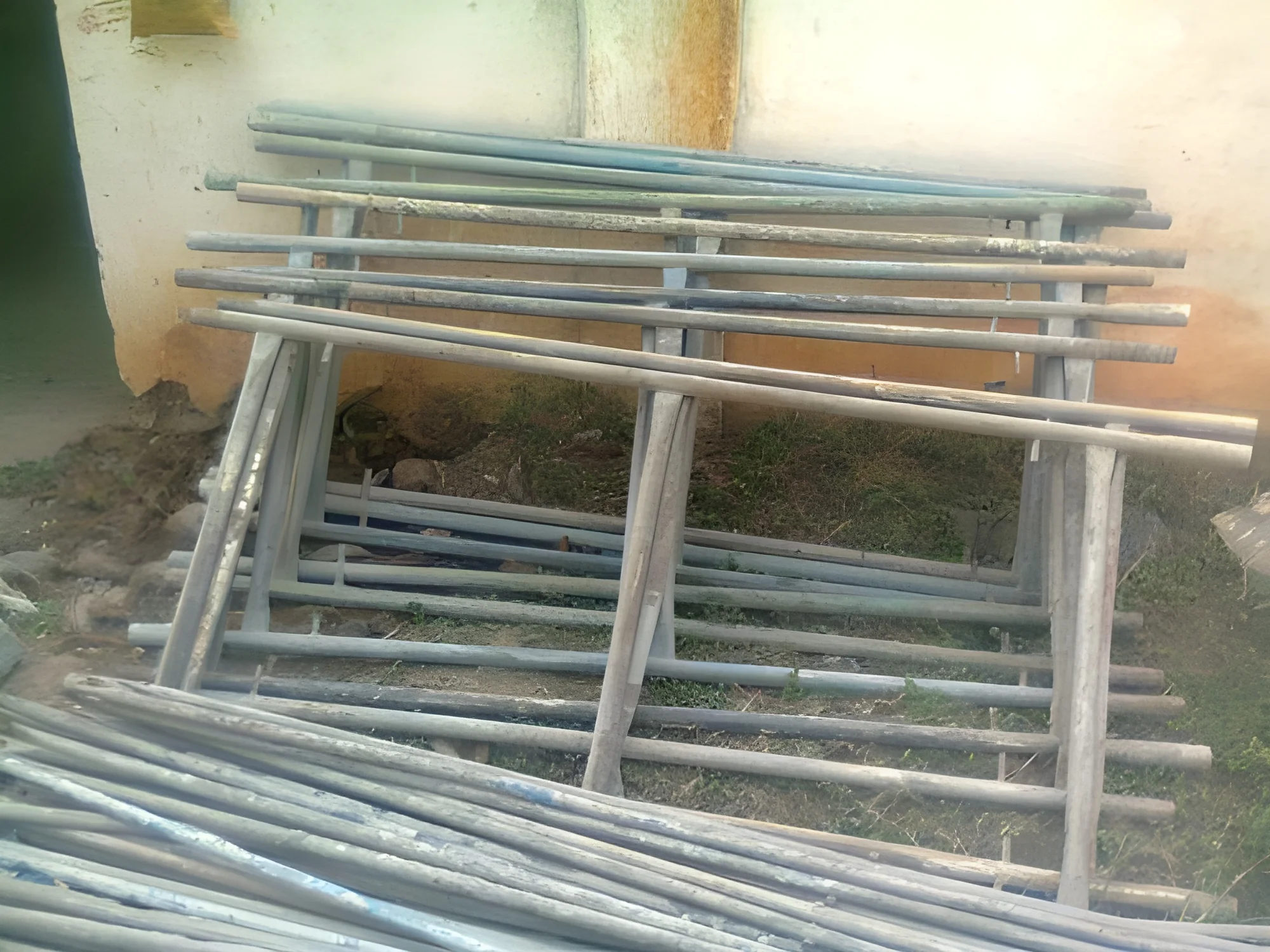
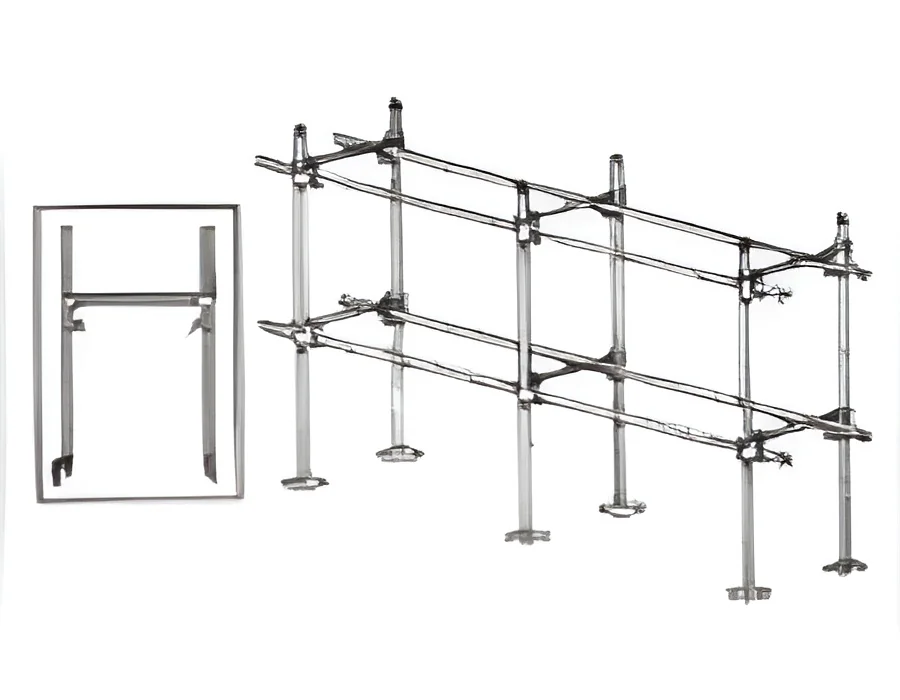
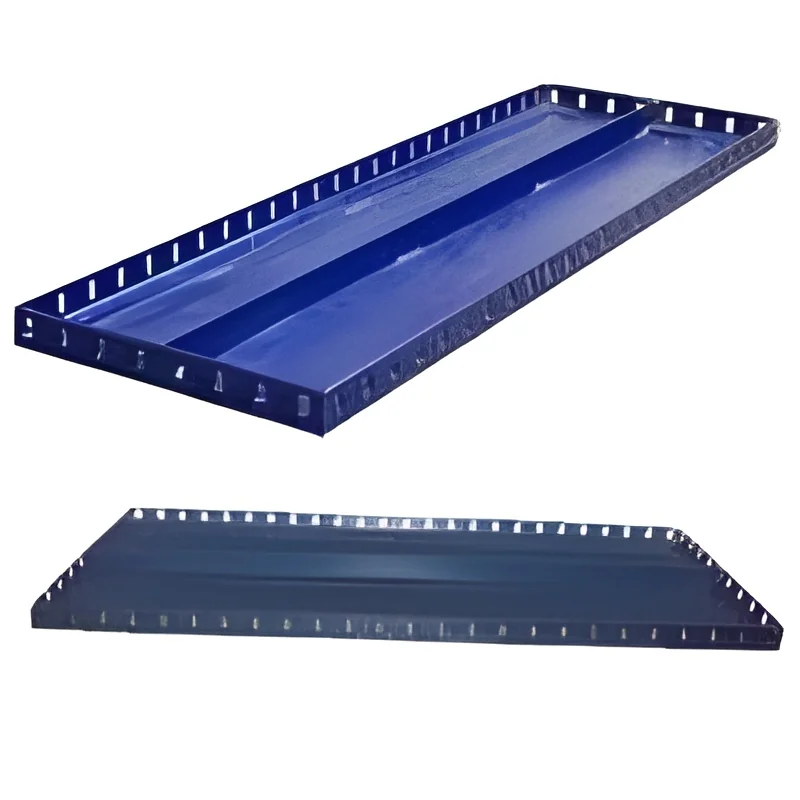
Scaffolding Systems: These modular systems are used for construction and maintenance at height. They can be assembled to create platforms for multiple workers, ensuring safety and stability.
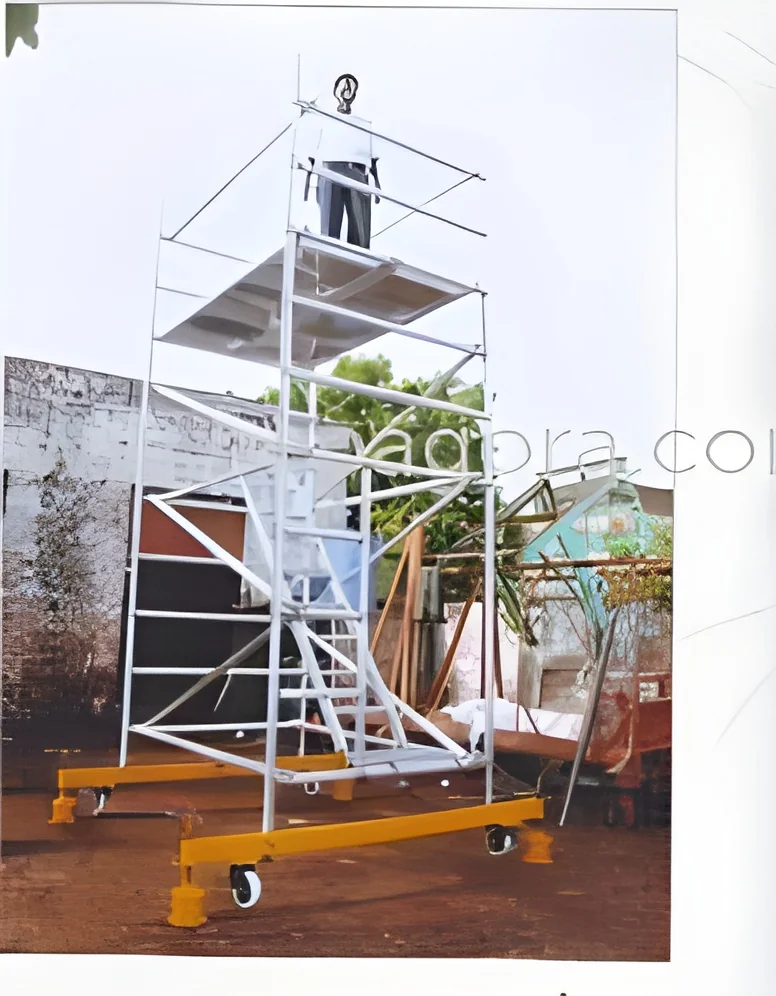
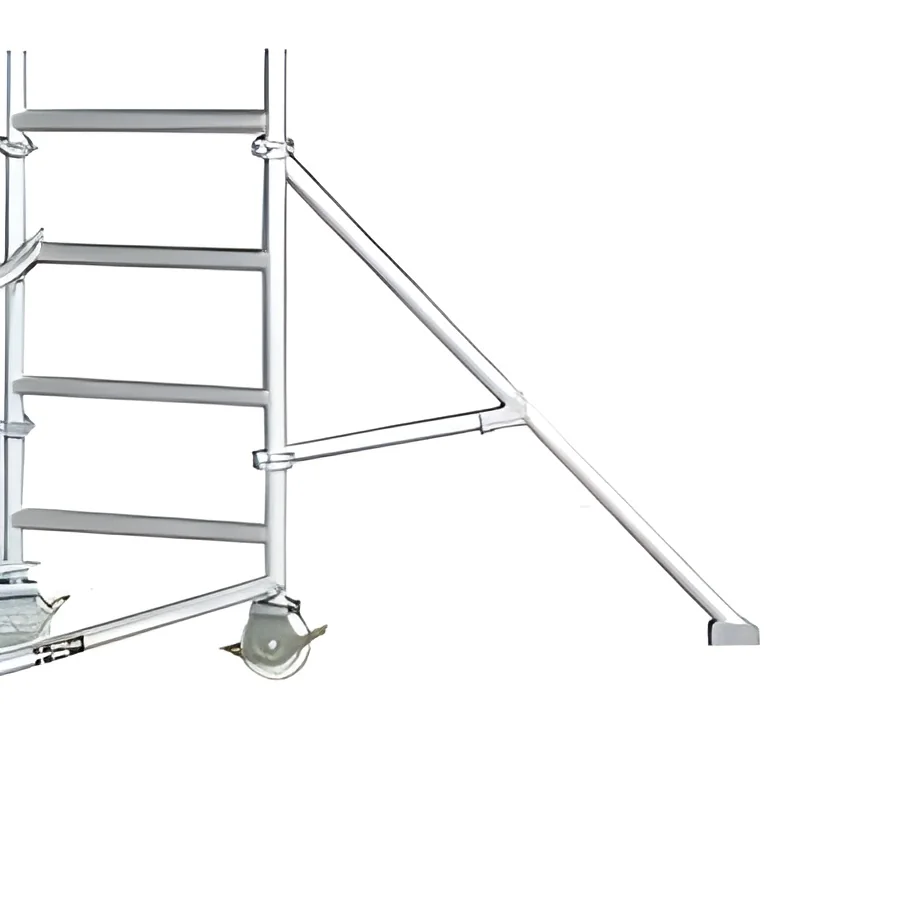
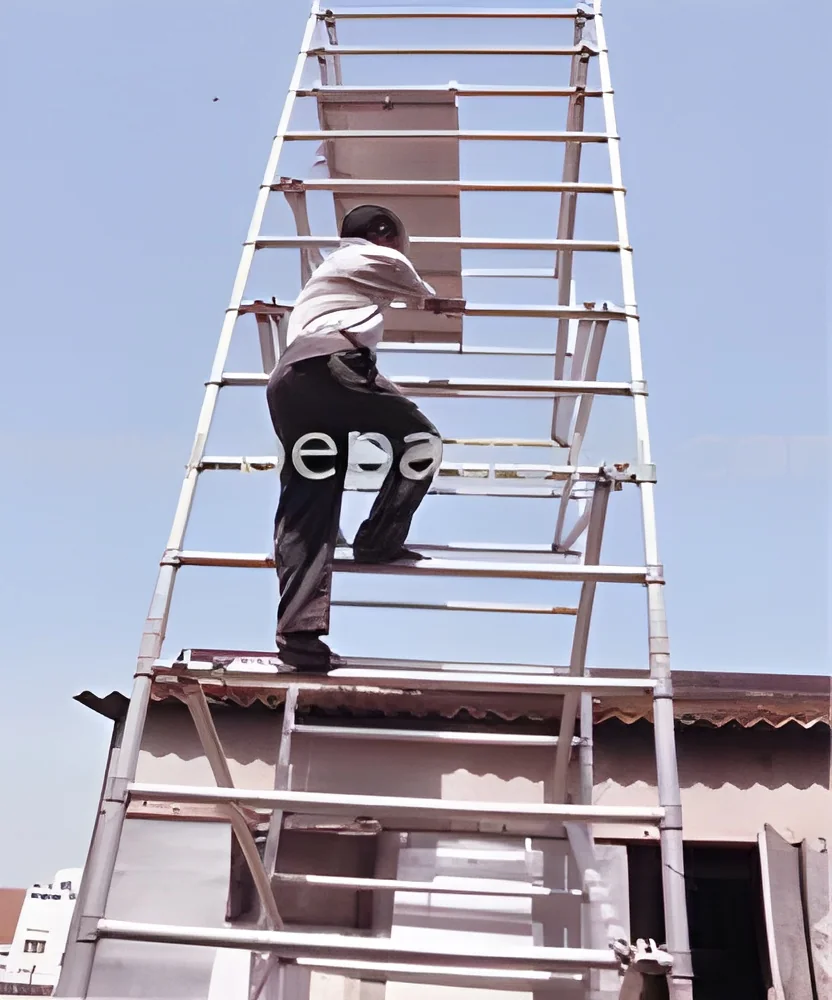
Rolling Scaffolding: Designed for mobility, rolling scaffolding can be easily moved from one location to another, making it ideal for tasks that require frequent repositioning.
𝗕𝗲𝗻𝗲𝗳𝗶𝘁𝘀 𝗮𝗻𝗱 𝗔𝗱𝘃𝗮𝗻𝘁𝗮𝗴𝗲𝘀
Investing in high-quality ladders and scaffolding provides numerous benefits to businesses.
Key benefits include:
1. Enhanced Safety: Properly designed ladders and scaffolding reduce the risk of accidents and injuries, promoting a safer work environment.
2. Increased Efficiency: By providing reliable access to elevated areas, these tools enable workers to perform their tasks more efficiently.
3. Compliance with Standards: Using certified products ensures adherence to industry regulations, reducing liability and enhancing workplace safety.
4. Versatile Applications: The diverse range of ladders and scaffolding allows for use across multiple industries and tasks, maximizing investment.
5. Cost-Effectiveness: High-quality ladders and scaffolding can endure heavy use, minimizing replacement costs over time.
6. Improved Productivity: Safe access to high areas means less downtime and a more productive workforce, ultimately benefiting the bottom line.
𝗕𝘂𝘆𝗶𝗻𝗴 𝗚𝘂𝗶𝗱𝗲 𝗳𝗼𝗿 𝗕𝟮𝗕 𝗕𝘂𝘆𝗲𝗿𝘀
When sourcing ladders and scaffolding, businesses should consider several key factors to ensure they make informed purchases.
1. Quality Assessment: Evaluate the quality of materials and construction. High-quality products are essential for safety and durability in demanding environments.
2. Supplier Verification: Vet suppliers to ensure they adhere to safety standards and provide reliable products. Look for certifications and customer reviews.
3. Pricing and MOQ: Understand the pricing structure and minimum order quantities. This will help in budgeting and planning for future needs.
4. Delivery and Lead Times: Inquire about logistics and expected delivery times. Timely delivery is crucial for project planning and execution.
5. Compliance Requirements: Ensure that the products meet industry-specific regulations and standards. Compliance is vital for safety and legal considerations.
𝗖𝗼𝗺𝗽𝗹𝗶𝗮𝗻𝗰𝗲 𝗮𝗻𝗱 𝗖𝗲𝗿𝘁𝗶𝗳𝗶𝗰𝗮𝘁𝗶𝗼𝗻𝘀
Ladders and scaffolding must adhere to various quality standards and certifications to ensure safety and reliability. ISO 9001 is a widely recognized standard that focuses on quality management systems, ensuring that manufacturers meet consistent quality criteria in their production processes.
Industry-specific certifications such as CE mark indicate that the products comply with European safety standards. This certification provides assurance regarding the safety and performance of ladders and scaffolding in commercial applications.
Safety and testing requirements are crucial for these products. They must undergo rigorous testing to confirm their load capacity, stability, and overall safety. Additionally, regional compliance considerations may vary, so businesses should be aware of local regulations that govern the use of ladders and scaffolding in their specific areas.
𝗪𝗵𝘆 𝗦𝗼𝘂𝗿𝗰𝗲 𝗟𝗮𝗱𝗱𝗲𝗿𝘀 & 𝗦𝗰𝗮𝗳𝗳𝗼𝗹𝗱𝗶𝗻𝗴 𝗳𝗿𝗼𝗺 𝗣𝗲𝗽𝗮𝗴𝗼𝗿𝗮?
Pepagora offers a trusted platform for sourcing ladders and scaffolding, ensuring businesses have access to high-quality products from verified suppliers. The supplier network is meticulously vetted to ensure that only reliable and compliant manufacturers are represented. This gives buyers peace of mind when making purchasing decisions.
The platform features a streamlined RFQ process, allowing buyers to request quotes from multiple suppliers efficiently. This system encourages competitive pricing and helps buyers find the best value for their investments.
Pepagora also provides trade assurance and support, protecting buyers throughout the purchasing process. This includes assistance with order tracking and resolution of any issues that may arise.
With a strong focus on regional coverage, Pepagora connects buyers in India, the GCC, and Southeast Asia to a wide range of suppliers. This extensive geographic reach ensures that businesses can find the ladders and scaffolding they need, no matter their location.

 IN
IN