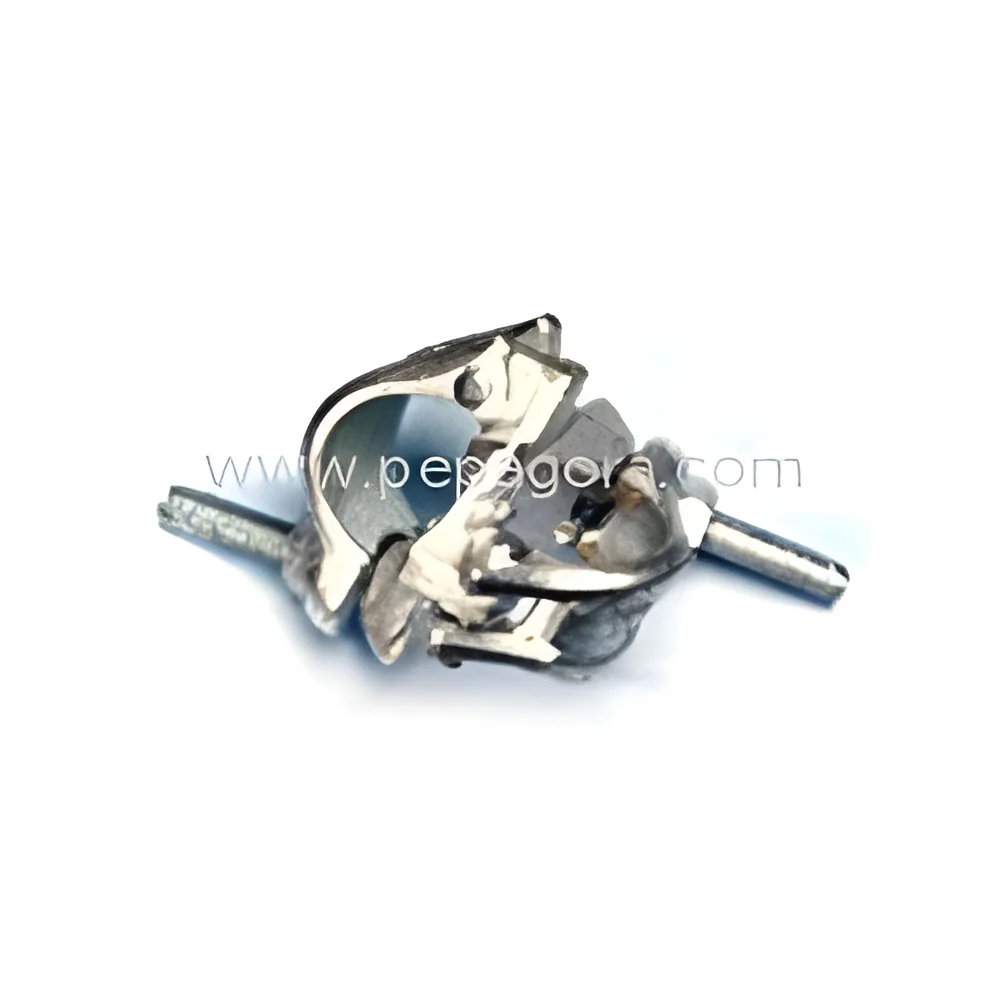
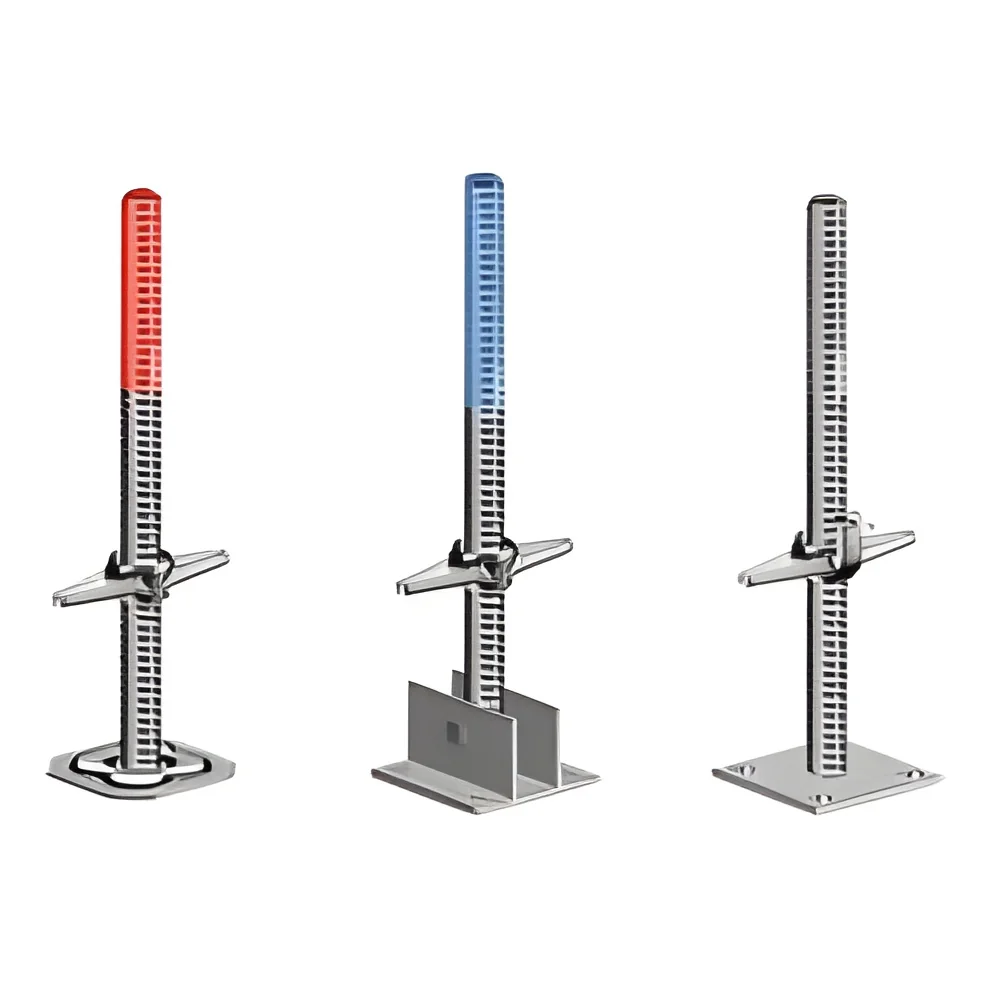
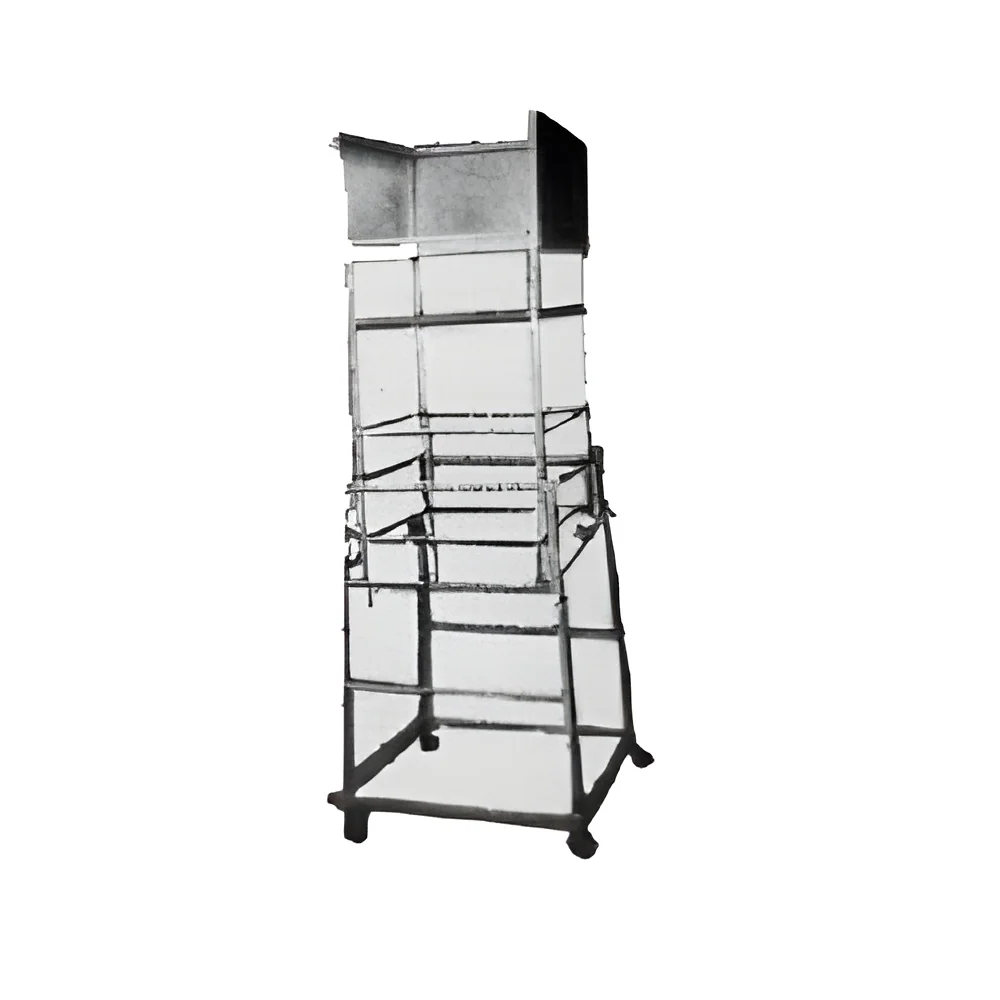
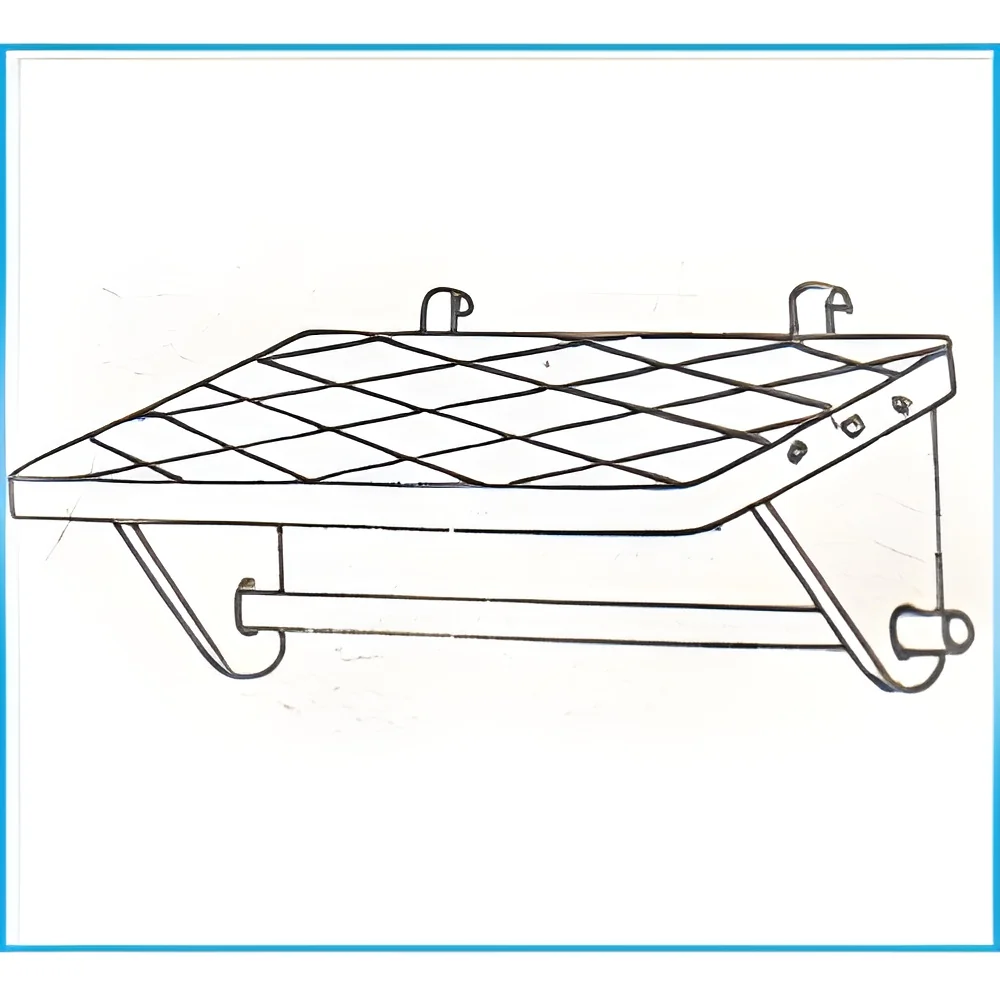
What are Other Ladders & Scaffoldings?
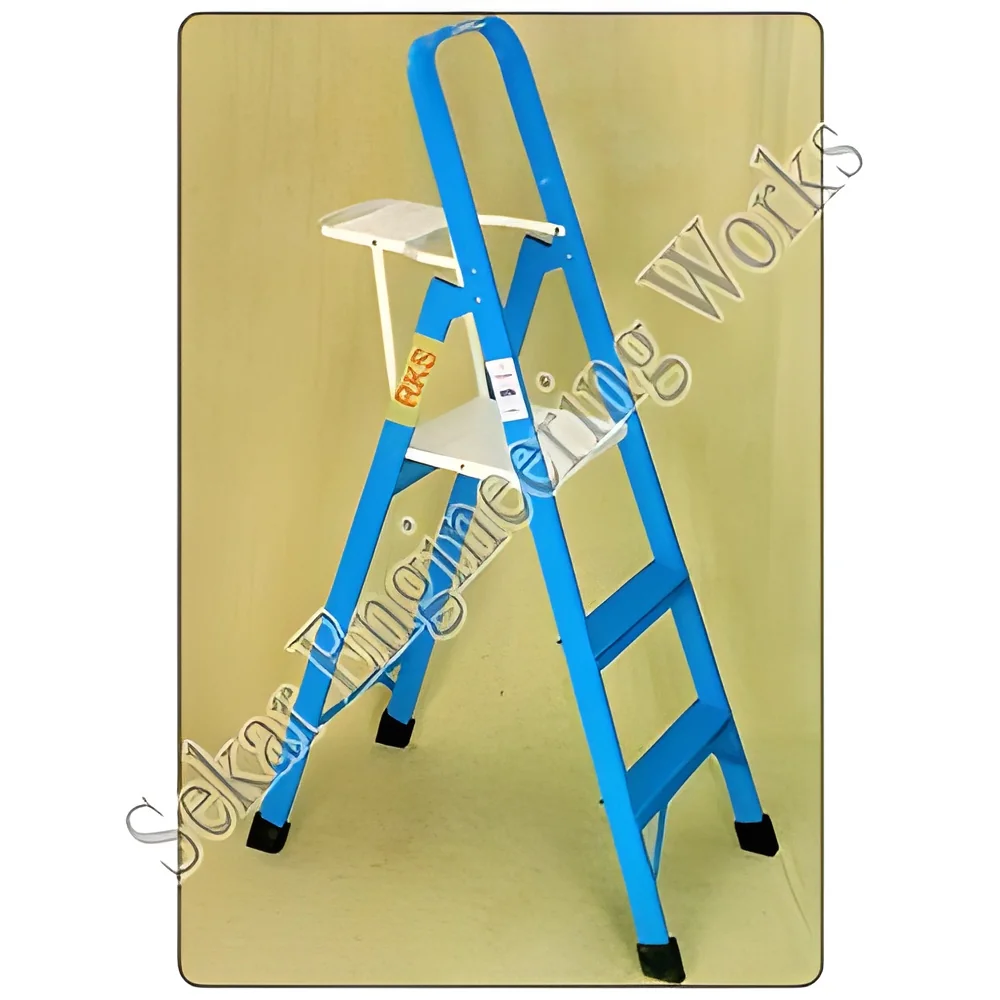
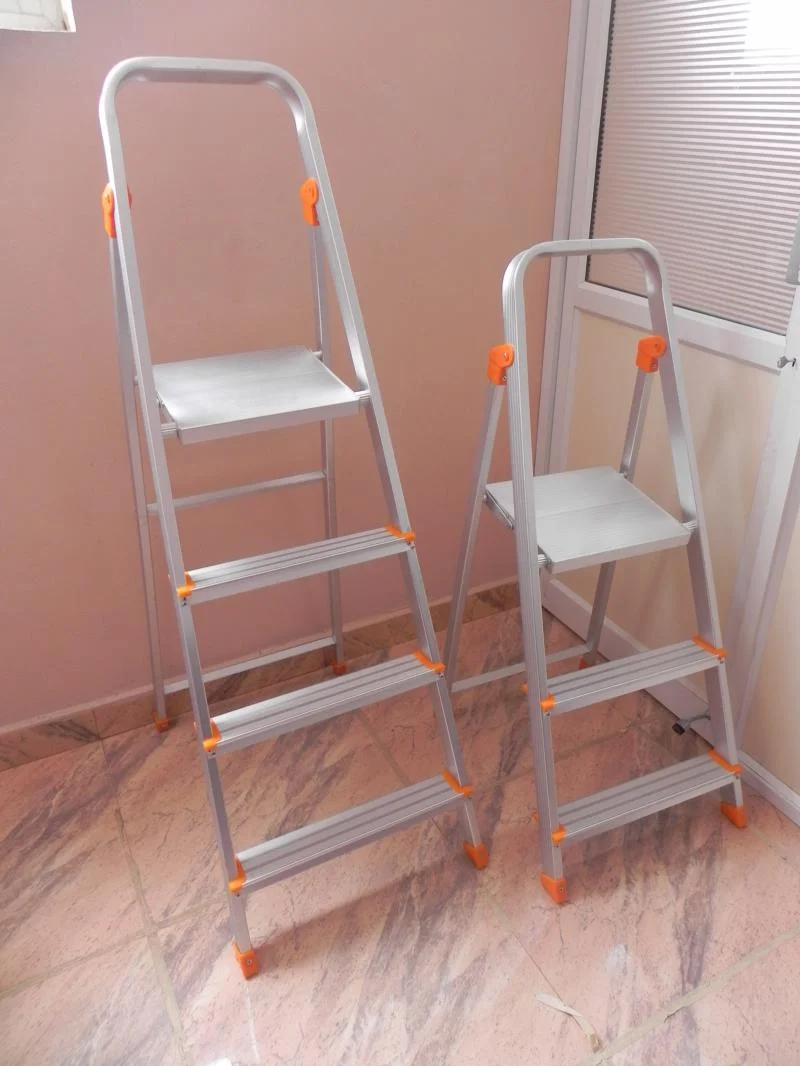
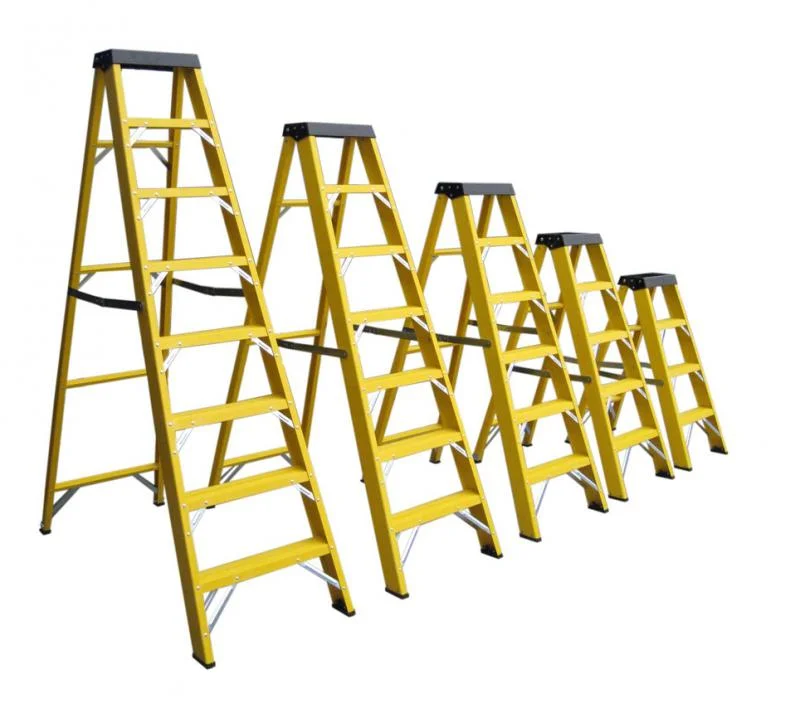
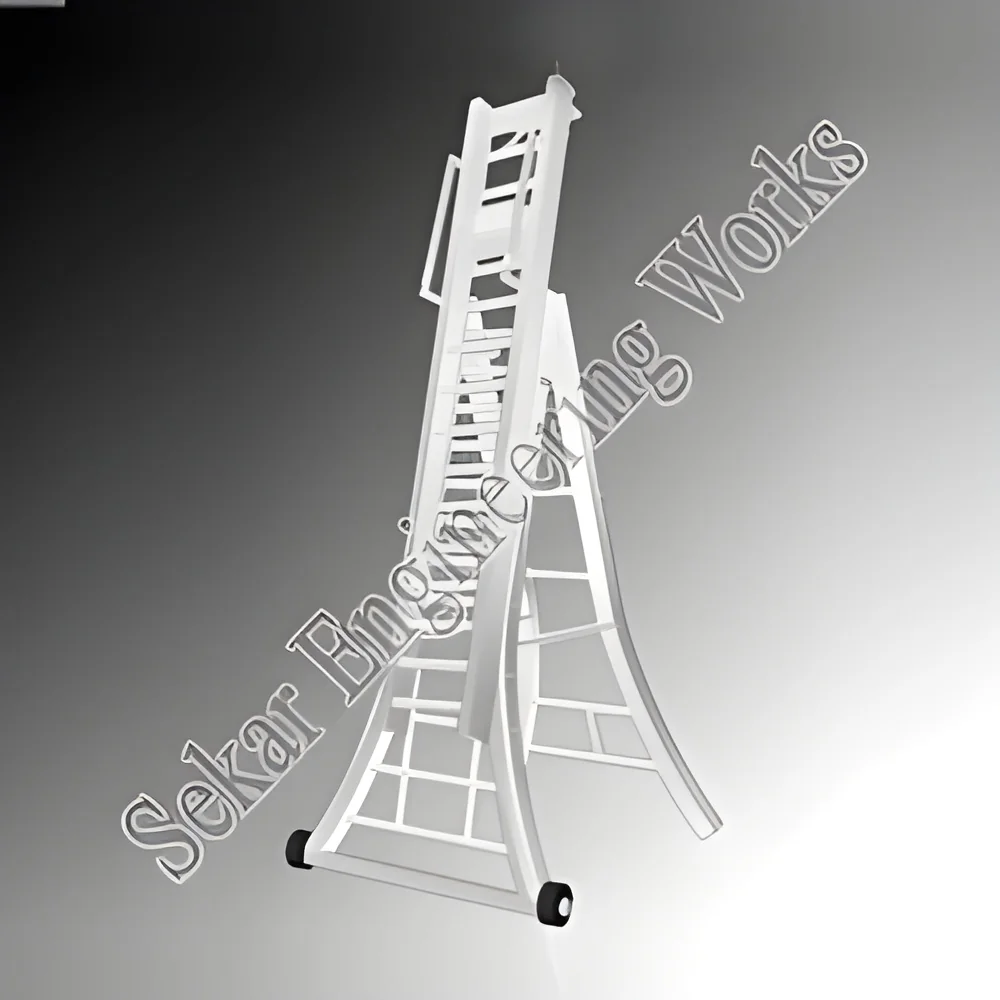
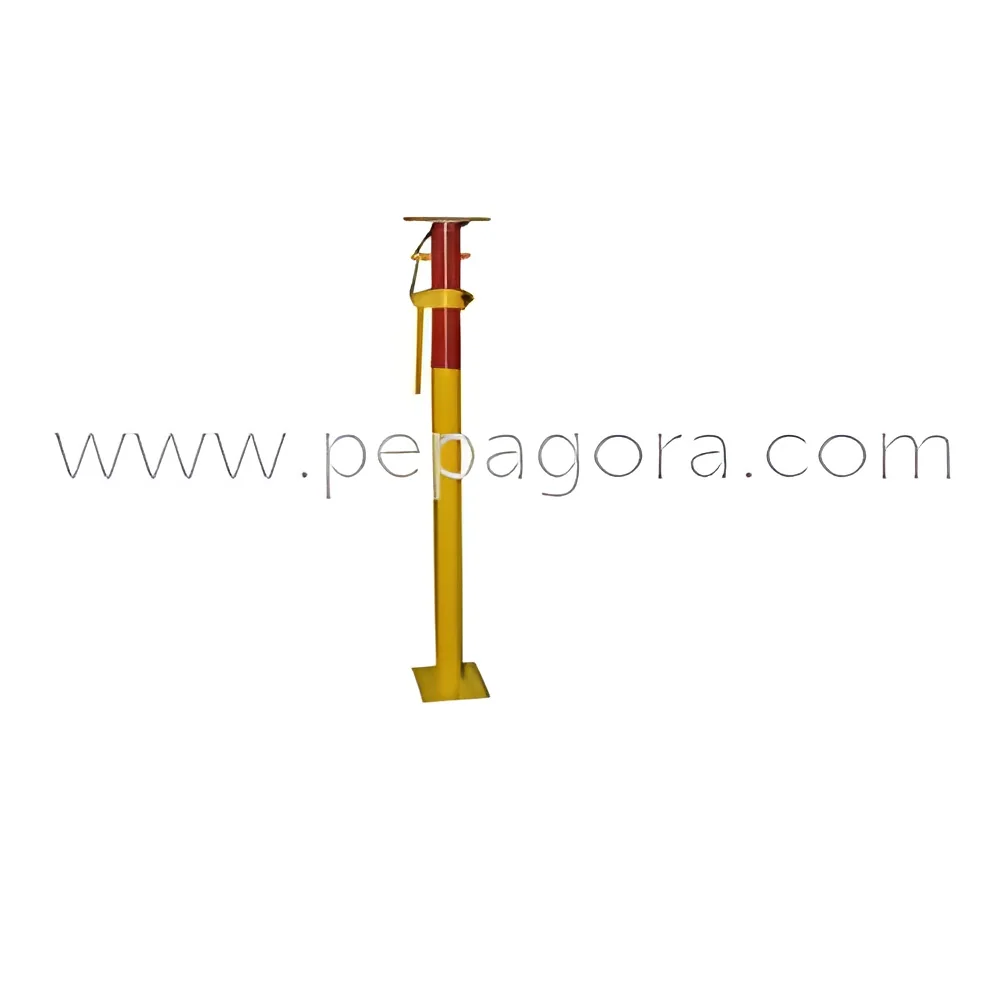
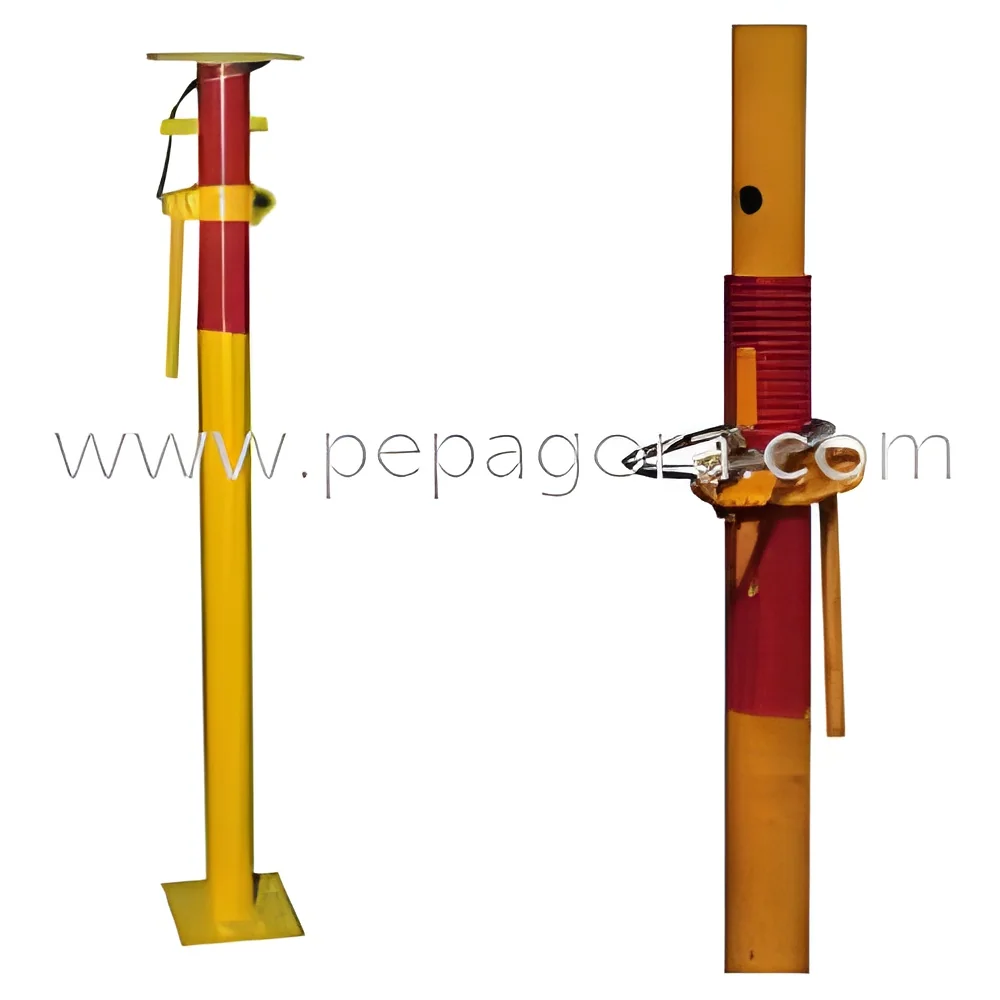
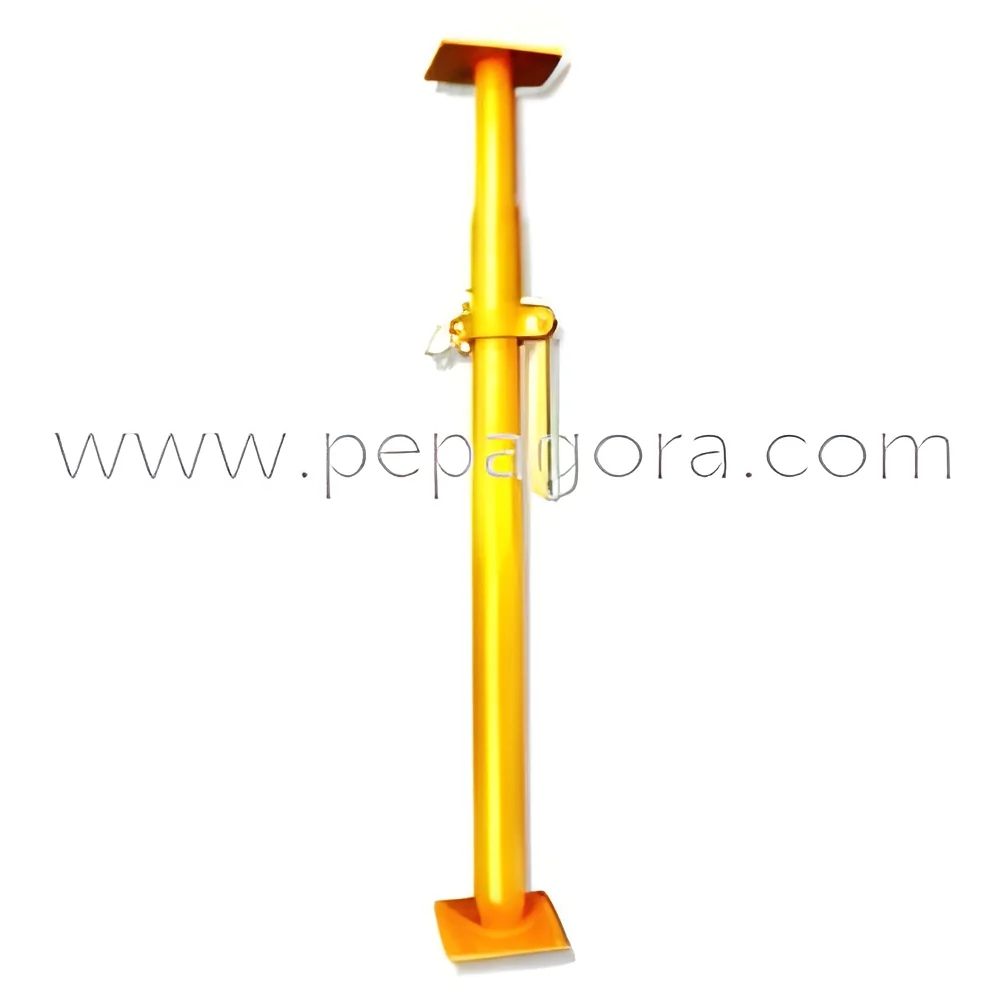
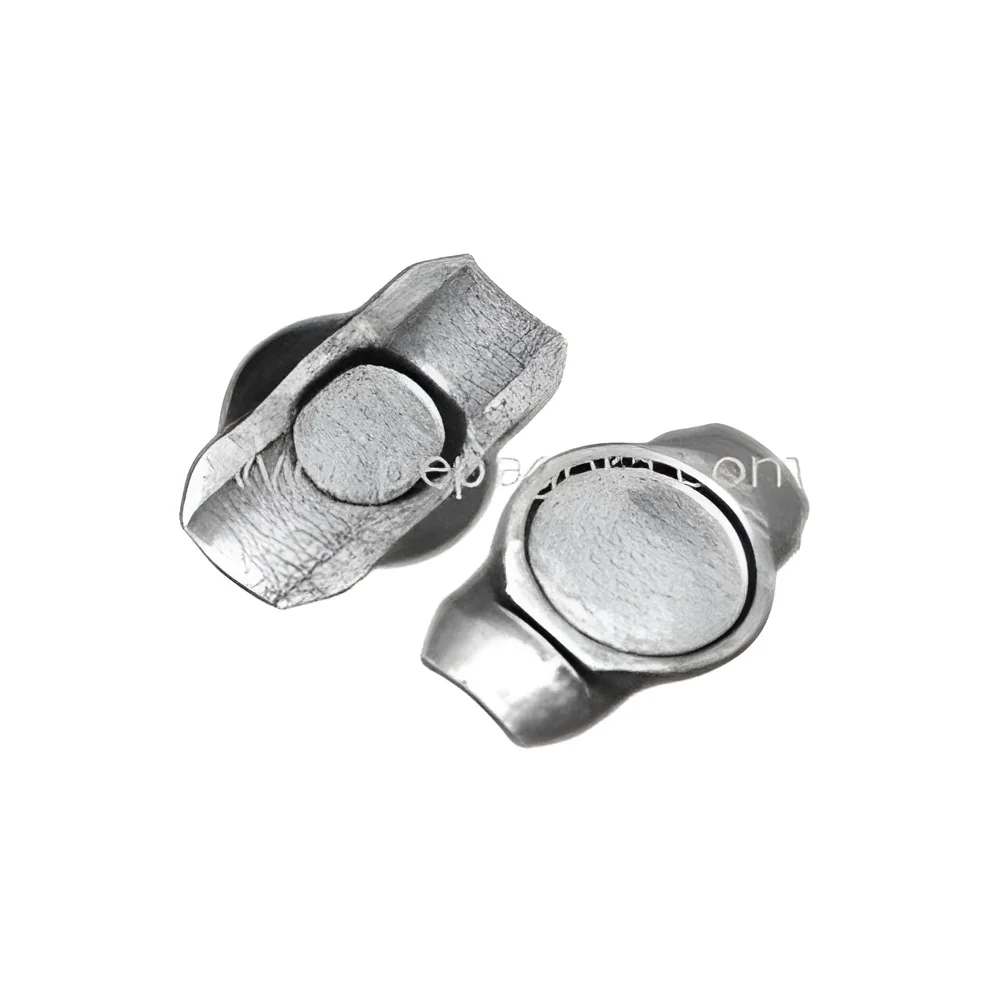
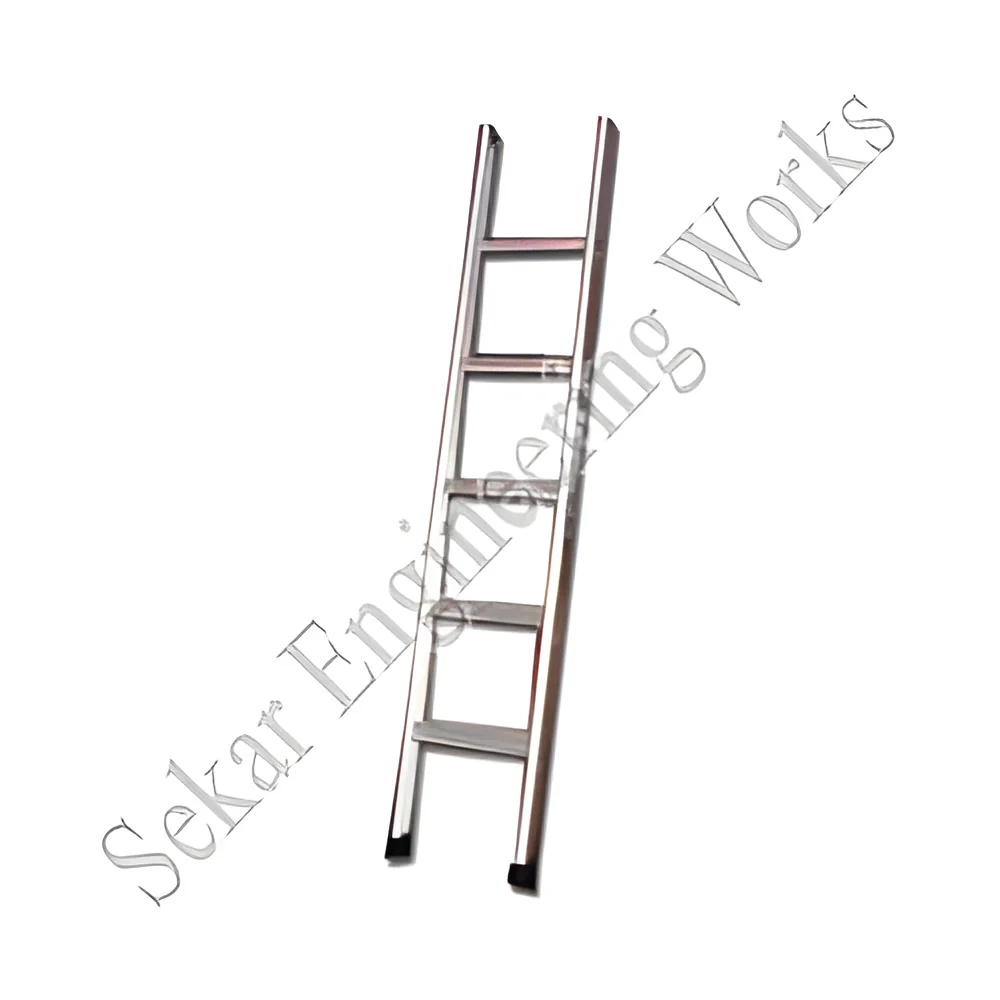
Other ladders and scaffoldings encompass a variety of equipment designed for elevated access solutions in various industrial and commercial settings. These products are engineered for safety, stability, and versatility, providing users with reliable options for reaching heights in construction, maintenance, and repair tasks. They include a wide range of structures such as step ladders, extension ladders, folding scaffolds, and mobile platforms, each tailored to meet specific operational needs.
The primary uses of other ladders and scaffoldings span numerous industries, including construction, manufacturing, warehousing, and maintenance services. These tools are essential for performing tasks such as painting, electrical work, and installations where elevated access is necessary. Their design allows for ease of use and mobility, making them critical for enhancing productivity while ensuring worker safety.
In today's market, the relevance of ladders and scaffoldings cannot be understated. With the ongoing growth in construction and infrastructure development, demand for these tools continues to rise. Businesses are increasingly seeking products that adhere to safety standards while also being cost-effective. This shift highlights the importance of selecting high-quality equipment that not only meets industry standards but also supports operational efficiency.
Key Features and Specifications
When evaluating other ladders and scaffoldings, several key features and specifications should be considered. These specifications ensure that the equipment meets safety, durability, and performance standards suitable for various applications.
Key specifications include:
1. Load Capacity
- Maximum weight that the ladder or scaffold can support
- Typically ranges from 200 to 1,500 pounds depending on design
2. Height Range
- The maximum height that the ladder or scaffold can reach
- Varies from 6 feet for smaller models to over 30 feet for larger scaffolds
3. Material Composition
- Common materials include aluminum, steel, and fiberglass
- Each material offers different benefits in terms of weight, durability, and corrosion resistance
4. Stability Features
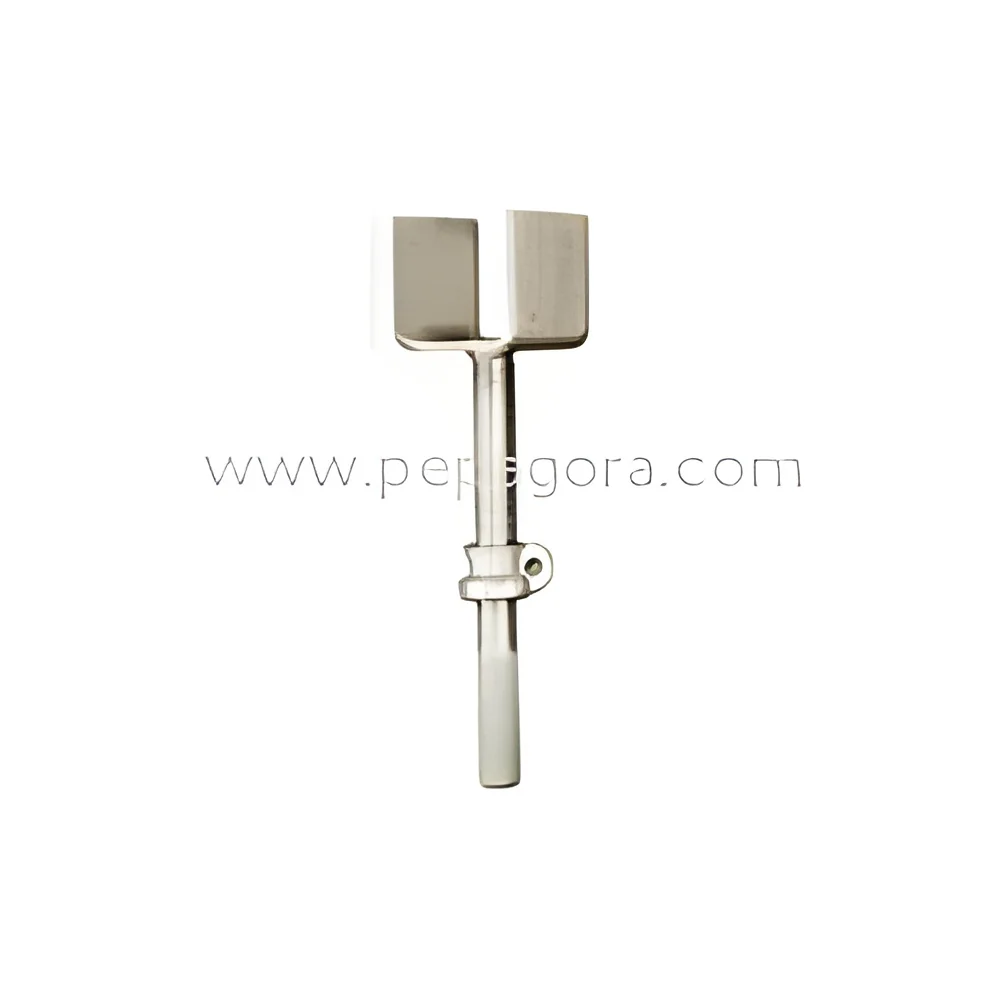
- Inclusion of anti-slip feet, locking mechanisms, and stabilizers
- Aimed to prevent tipping and enhance safety during use
5. Portability
- Design considerations for easy transport and storage
- Features like foldability and lightweight construction help improve mobility
6. Assembly Requirements
- Instructions on how easily the equipment can be assembled and disassembled
- Many models are designed for tool-free assembly for user convenience
7. Safety Certifications
- Compliance with industry standards such as CE marking
- Indicates adherence to safety protocols and quality assurance
8. Warranty Period
- Length of time the manufacturer guarantees the product against defects
- Typically ranges from one year to several years depending on the manufacturer
These specifications play a crucial role in determining the right product for specific applications, ensuring safety and efficiency in the workplace.
Common Applications and Use Cases
Other ladders and scaffoldings serve a wide range of industries, each with unique applications and requirements.
1. Construction: In the construction industry, ladders and scaffolds provide essential access points for workers performing tasks at various heights, including framing, roofing, and exterior finishing.
2. Maintenance: Facilities maintenance teams utilize these products for routine inspections, repairs, and installations, often requiring temporary access to elevated areas such as ceilings and rooftops.
3. Warehousing: In warehouses, scaffoldings are often used for inventory management and storage solutions, allowing workers to easily reach high shelves and pallets.
4. Electrical: Electricians rely on ladders to access overhead wiring and fixtures, ensuring safe and efficient installations and repairs.
5. Painting: Professional painters use scaffolds and ladders to safely reach tall walls and ceilings while ensuring a stable platform for their work.
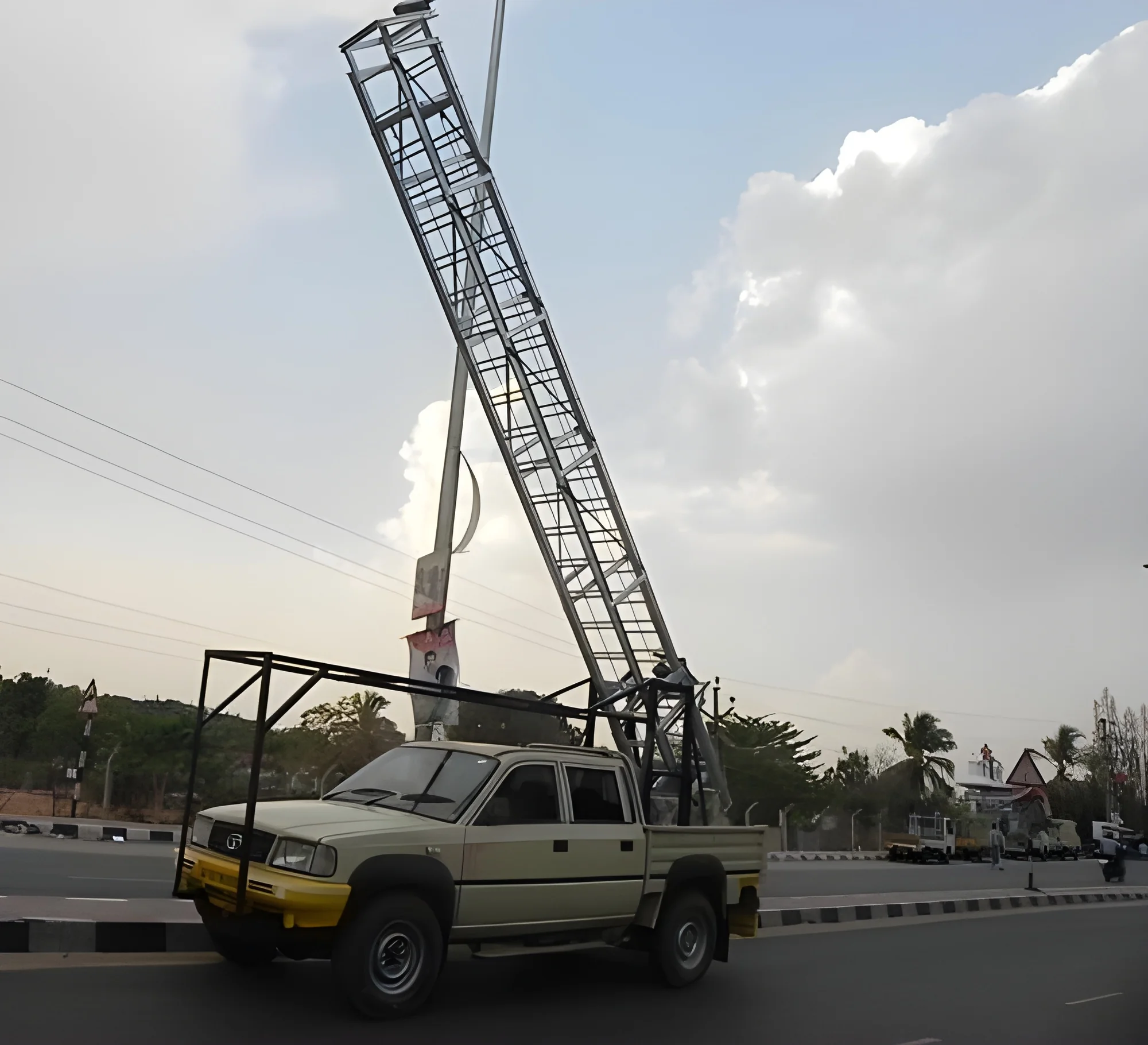
6. Telecommunications: Technicians install and maintain communication equipment at height, using ladders and scaffoldings designed for easy access to towers and poles.
7. Events Setup: Scaffoldings are often used for setting up stages, lighting, and sound equipment in various event venues, providing stable platforms for technicians.
Product Variants and Subcategories
The diversity of other ladders and scaffoldings allows businesses to select the right type for their specific needs.
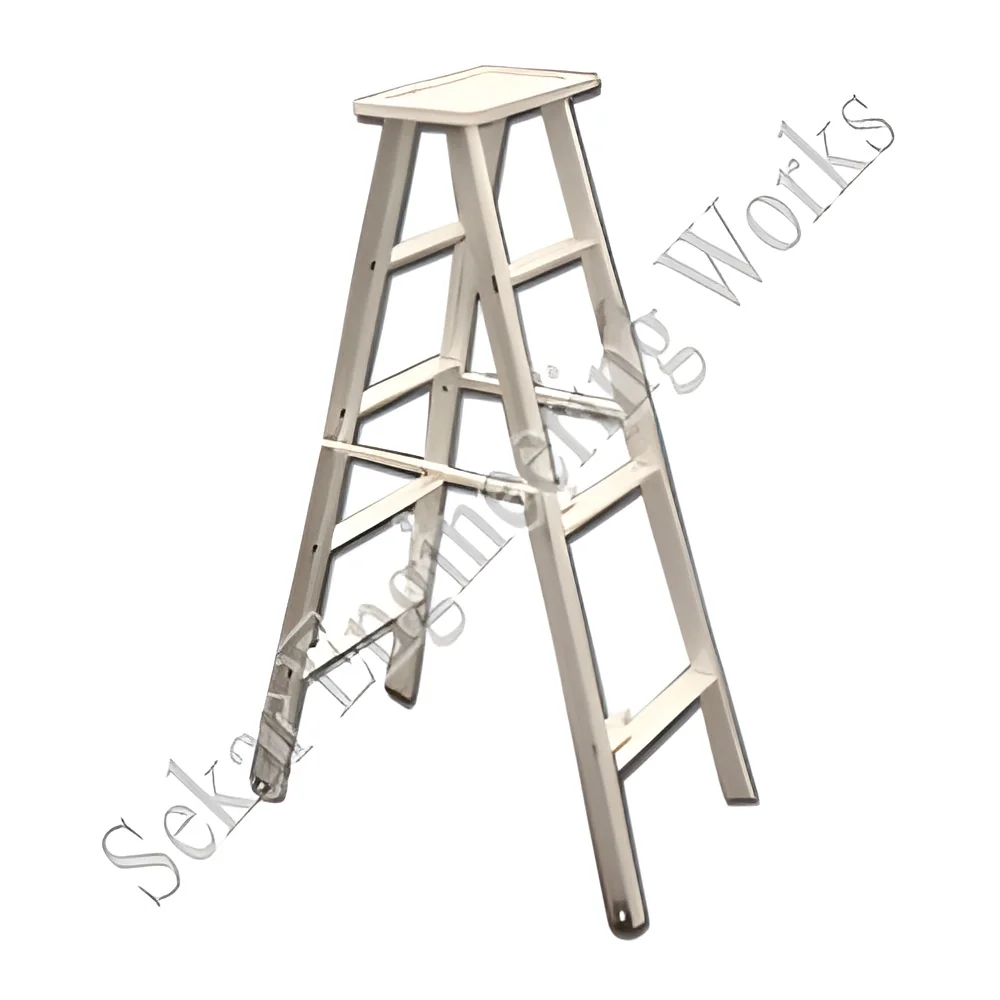
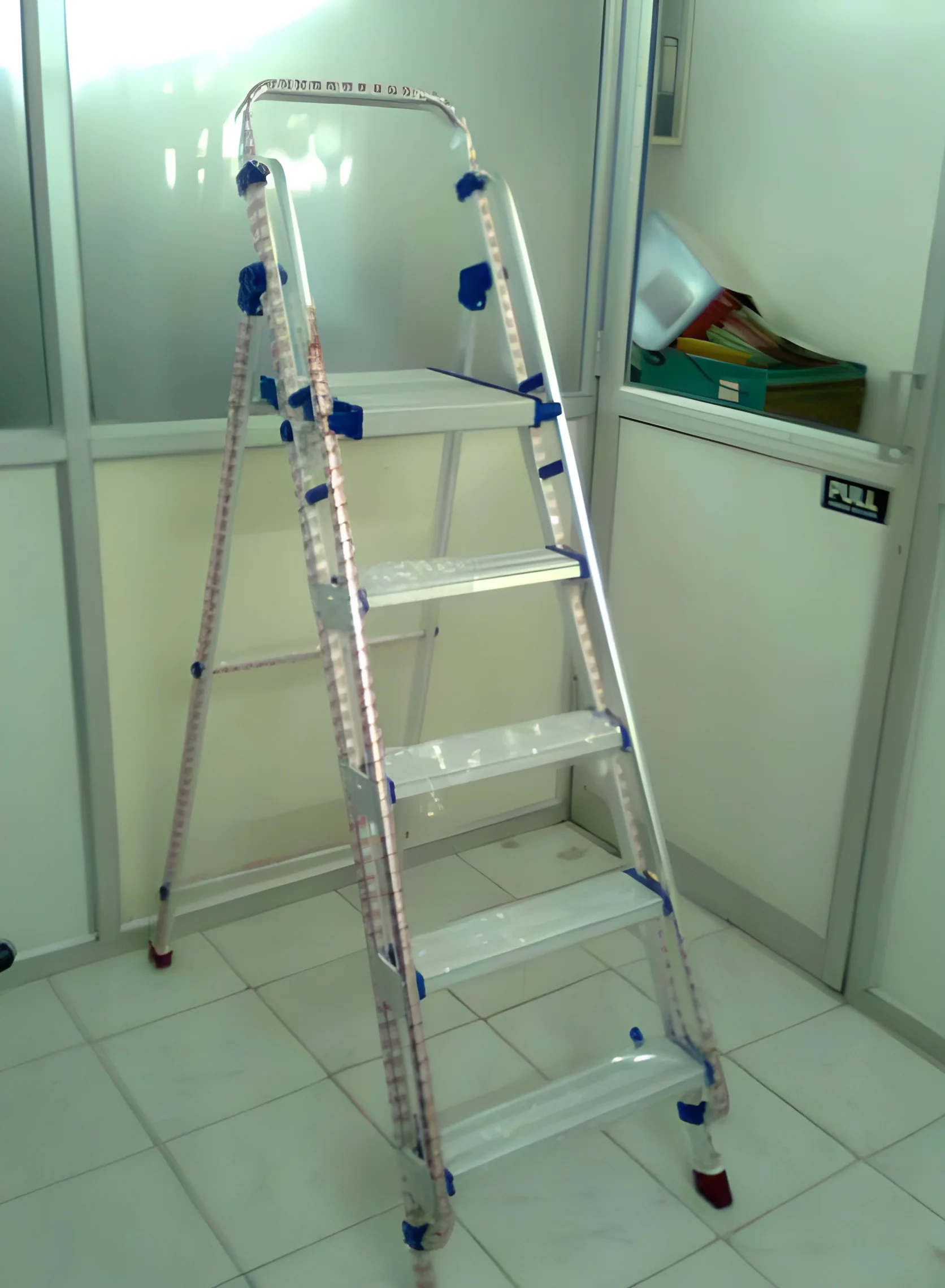
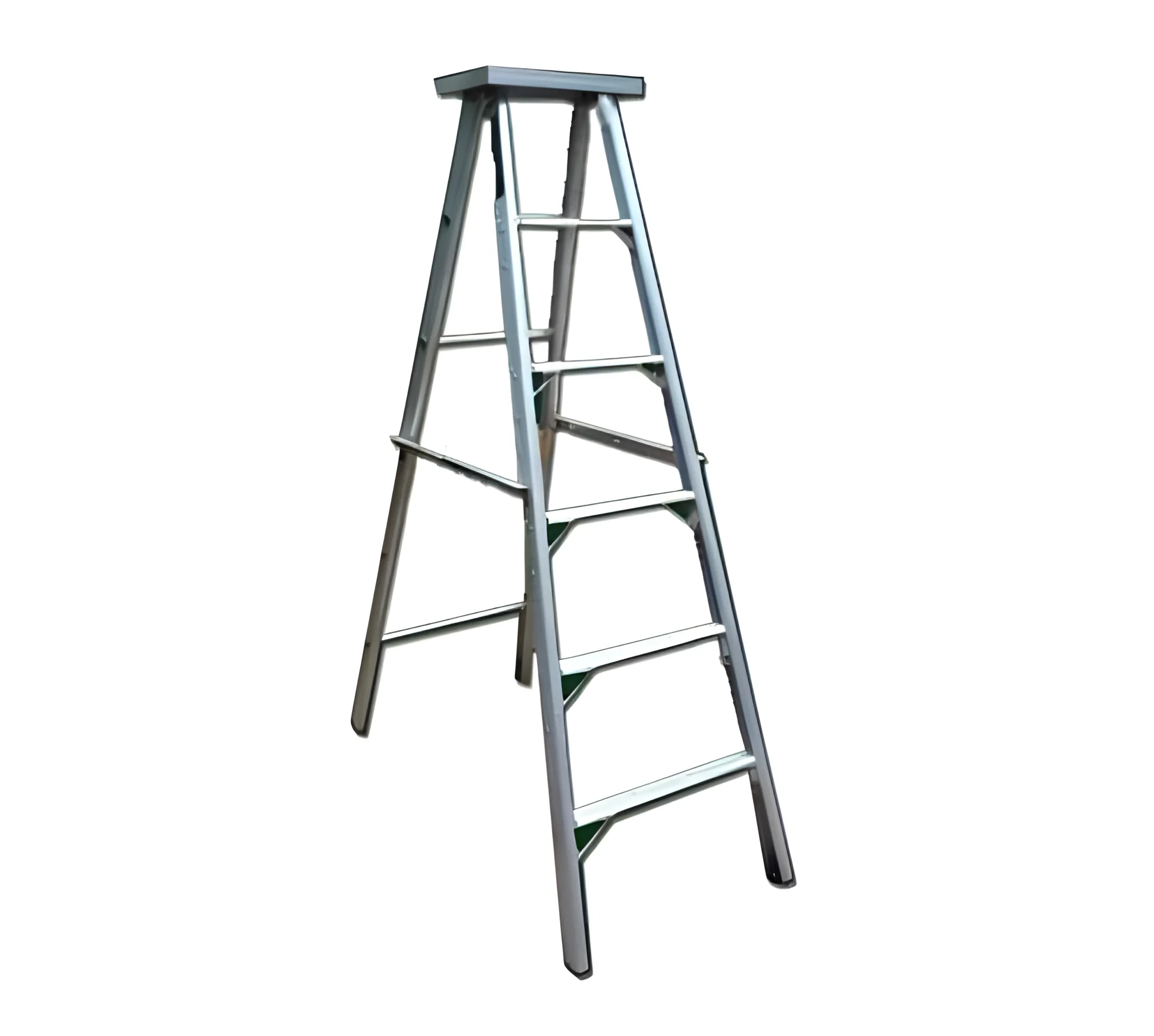
Folding Ladders: These ladders are designed for easy storage and transport, featuring a compact design that can be folded when not in use. They are ideal for residential and light commercial applications.
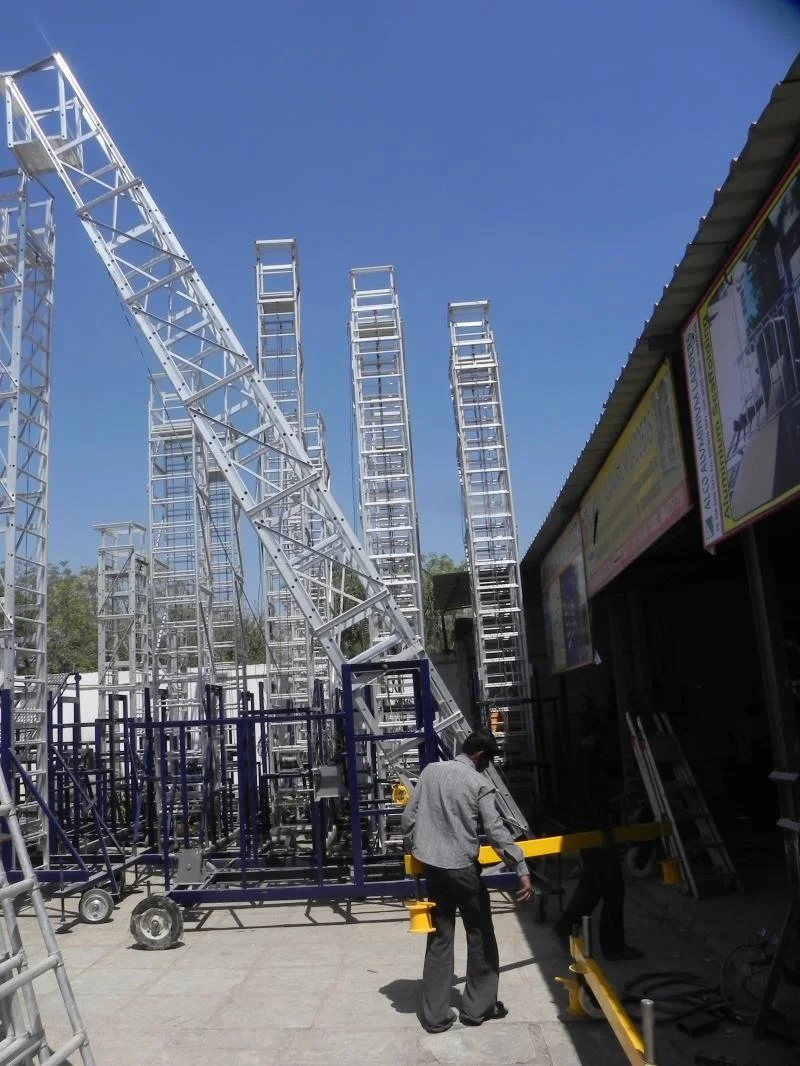
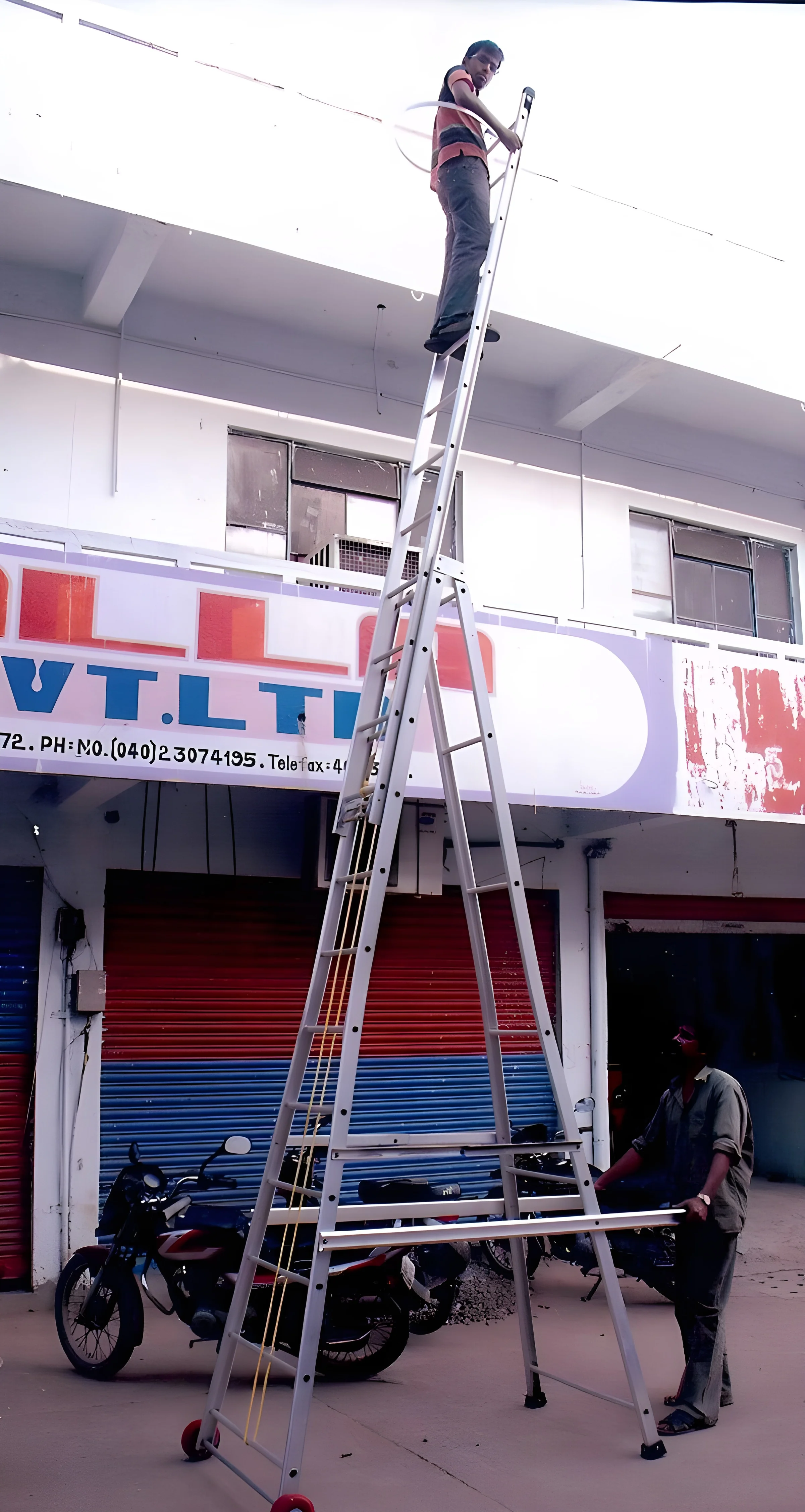
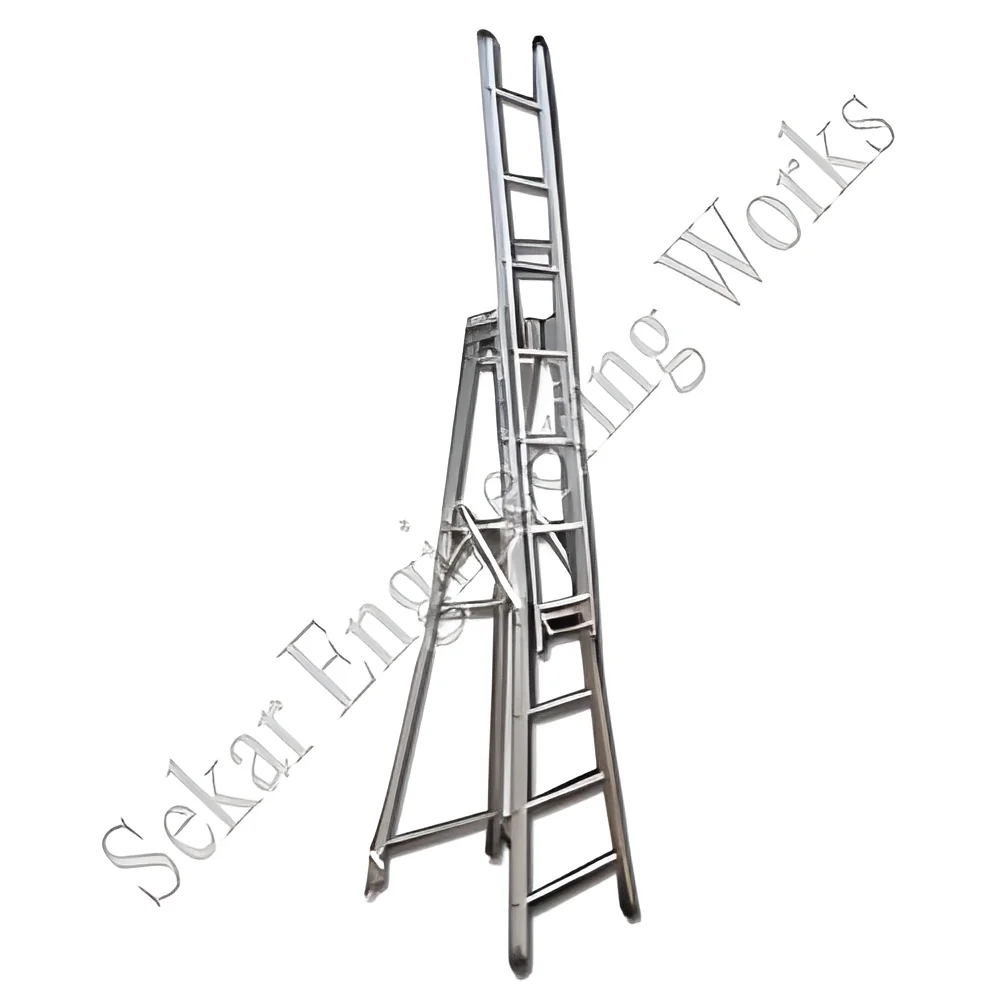
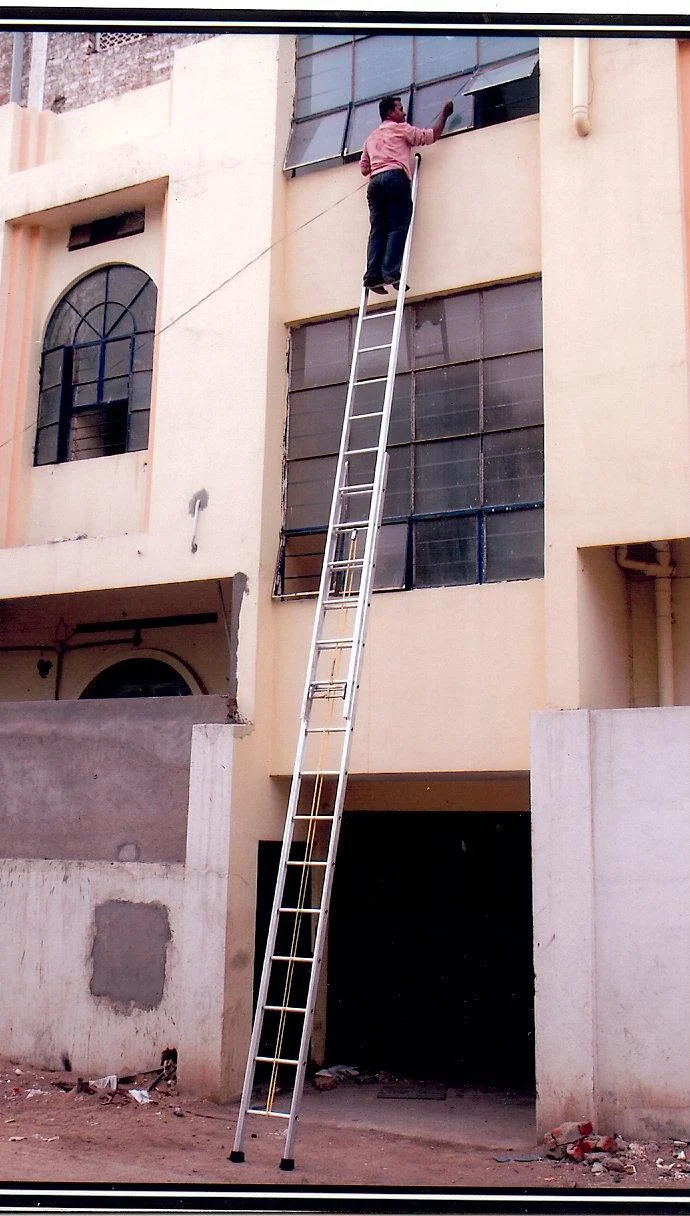
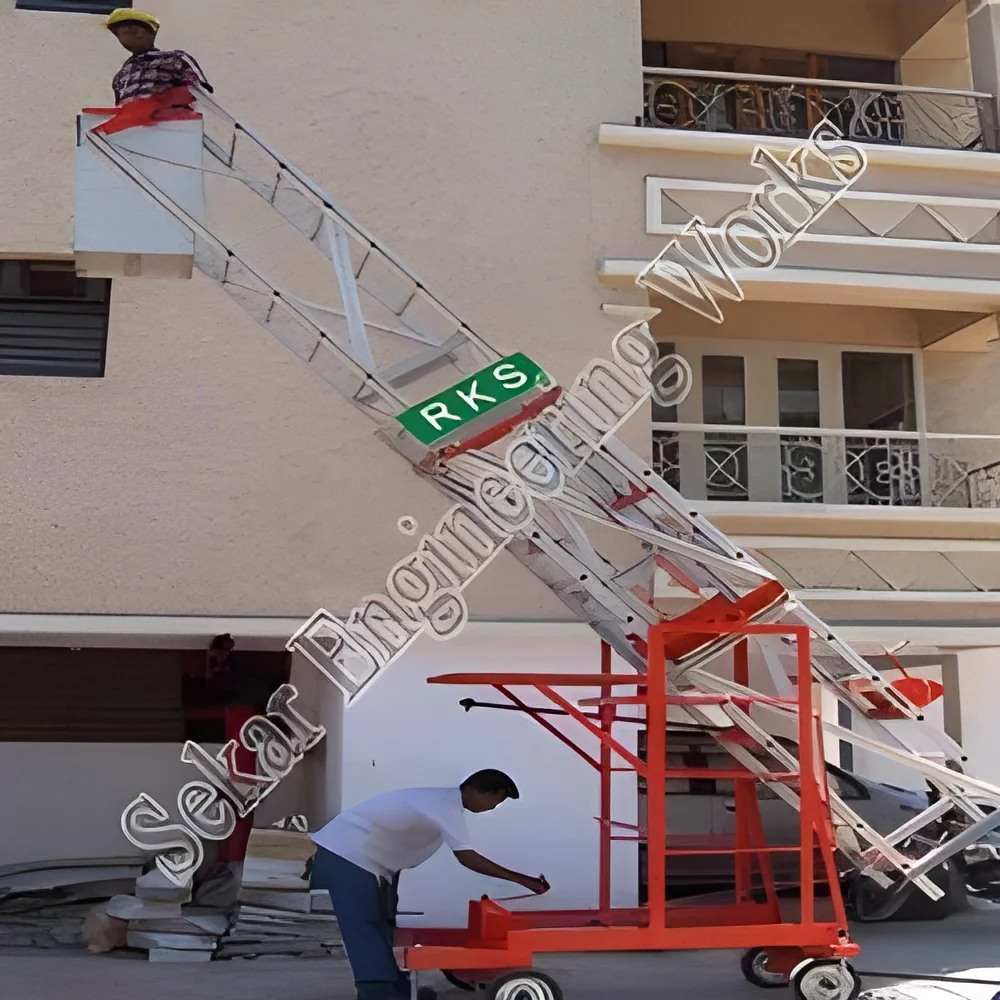
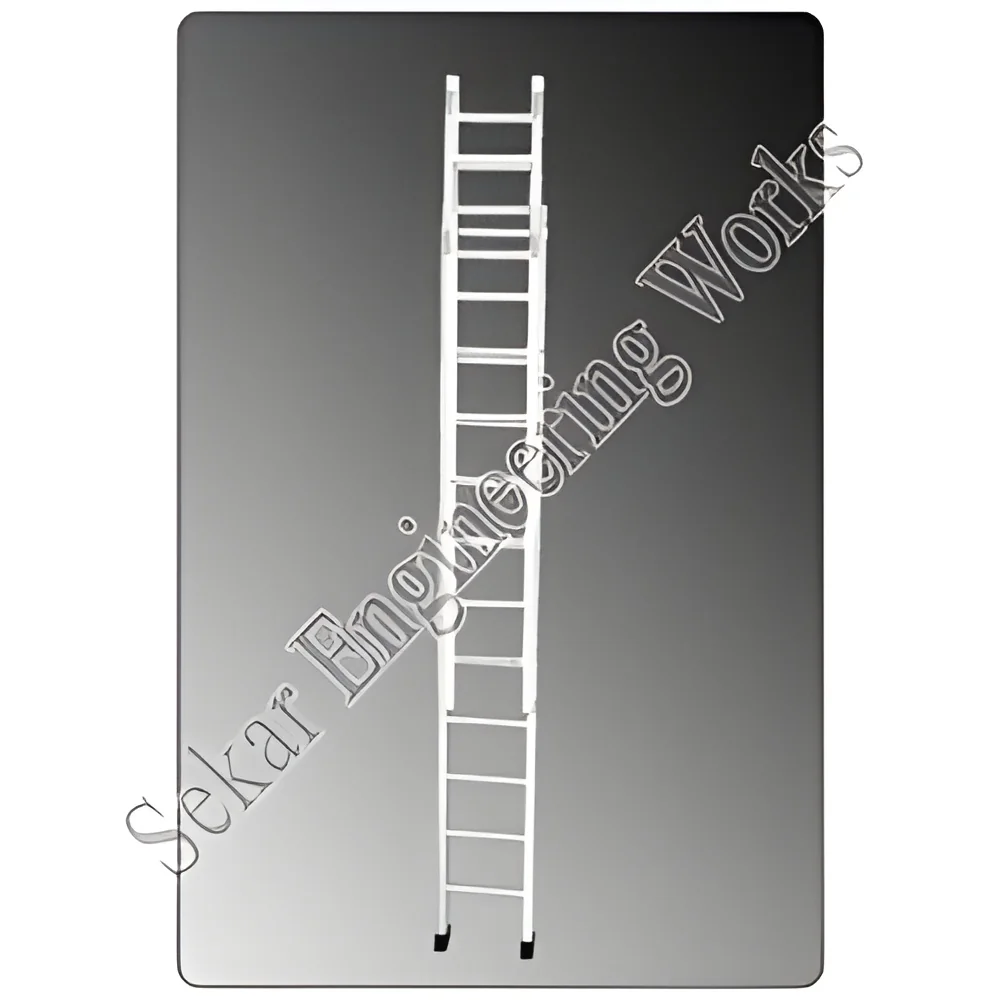
Extension Ladders: Suitable for reaching significant heights, extension ladders can be adjusted to different lengths. They are commonly used in construction and maintenance tasks that require access to rooftops or high structures.
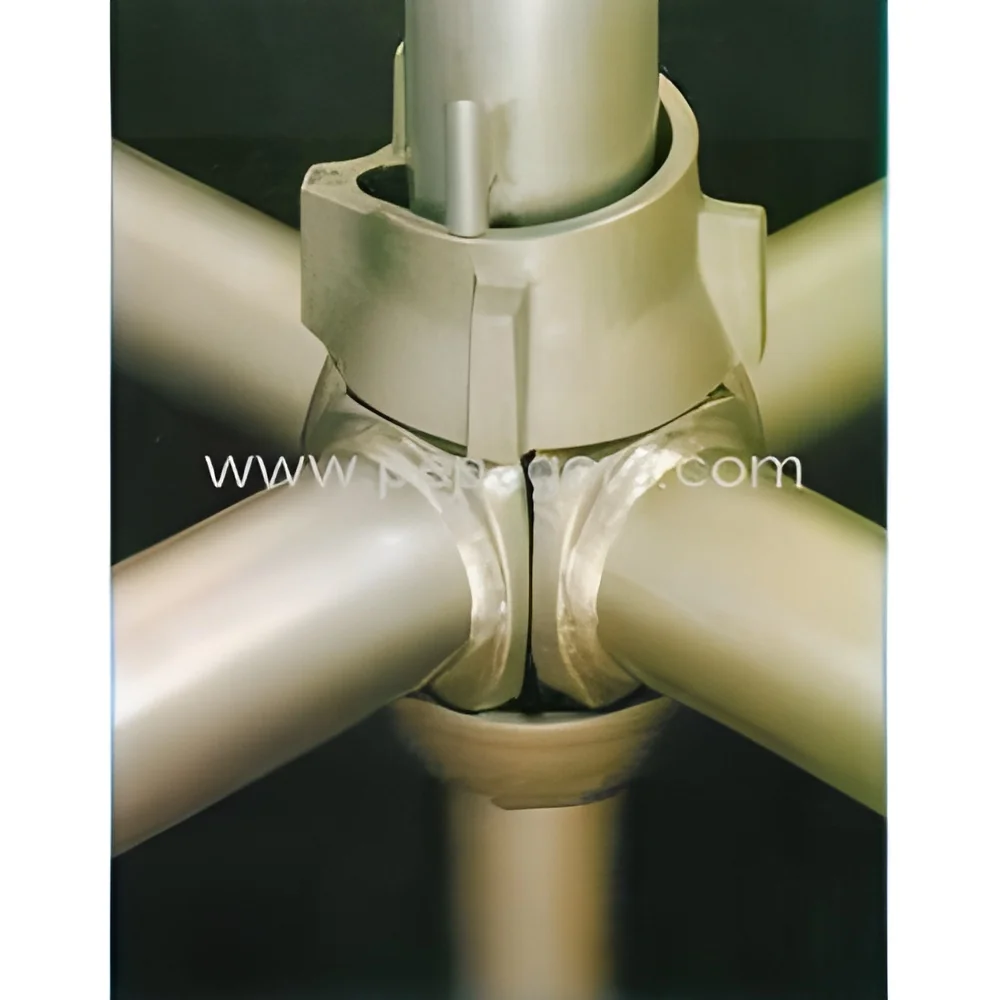
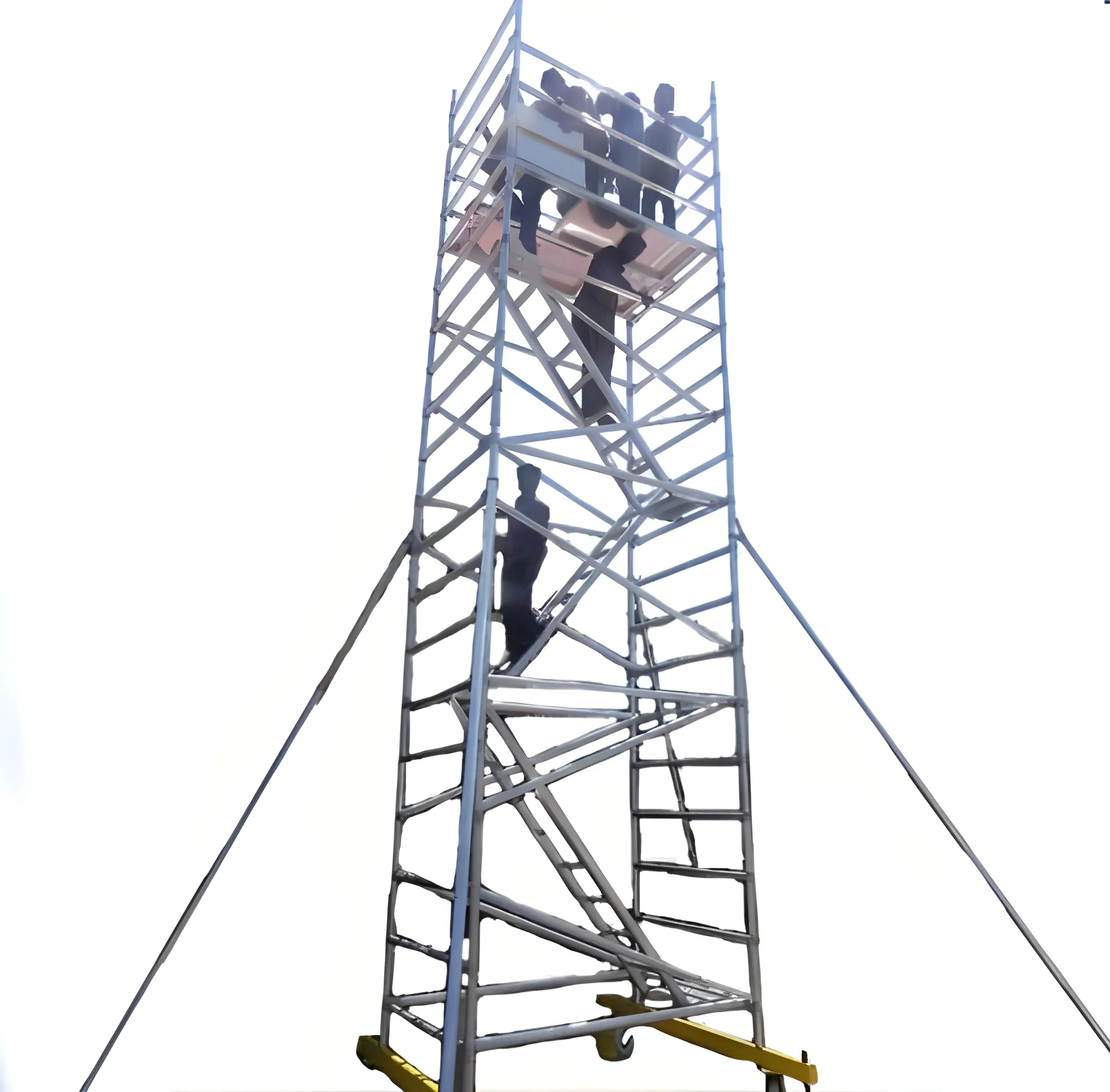
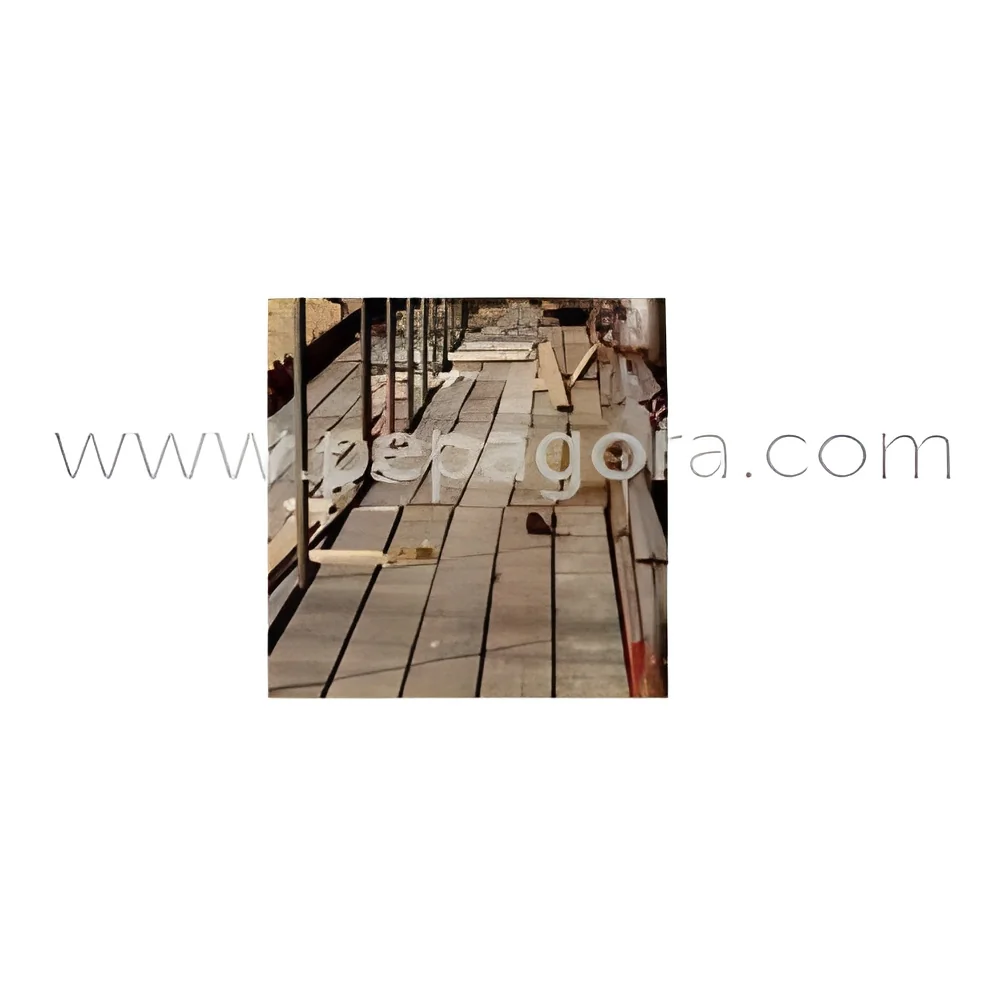
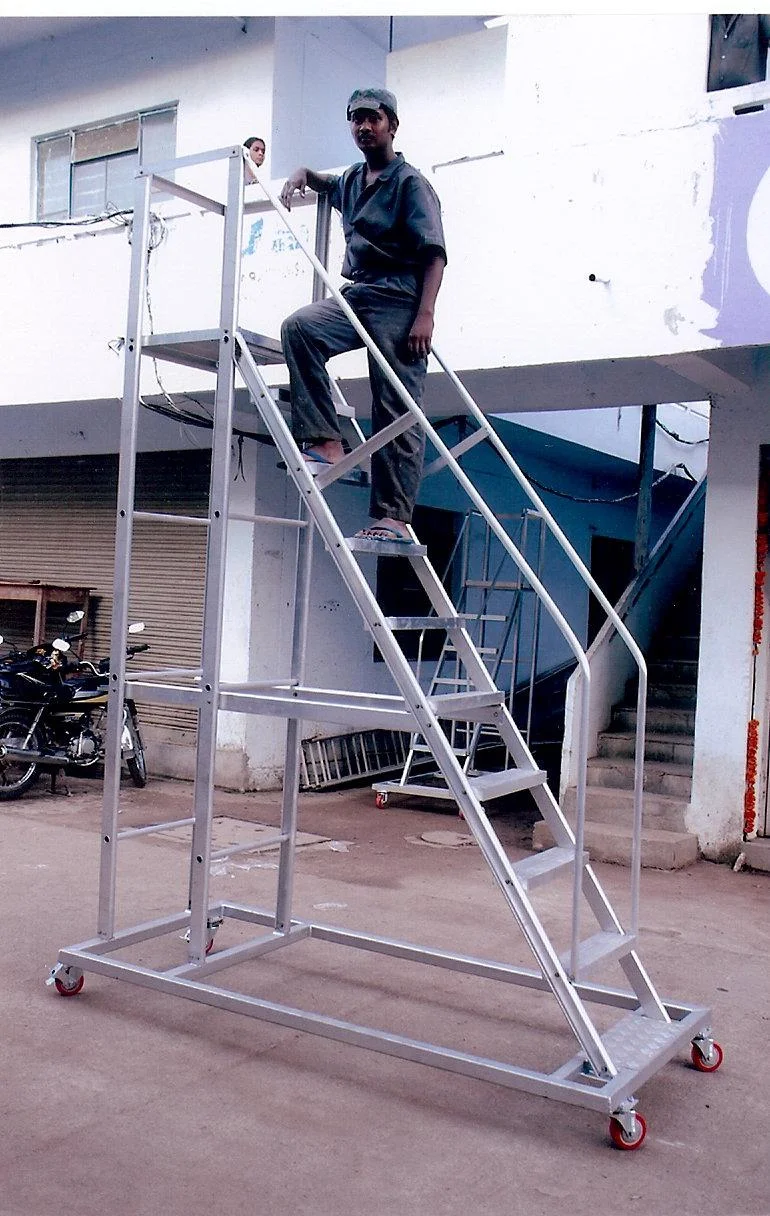
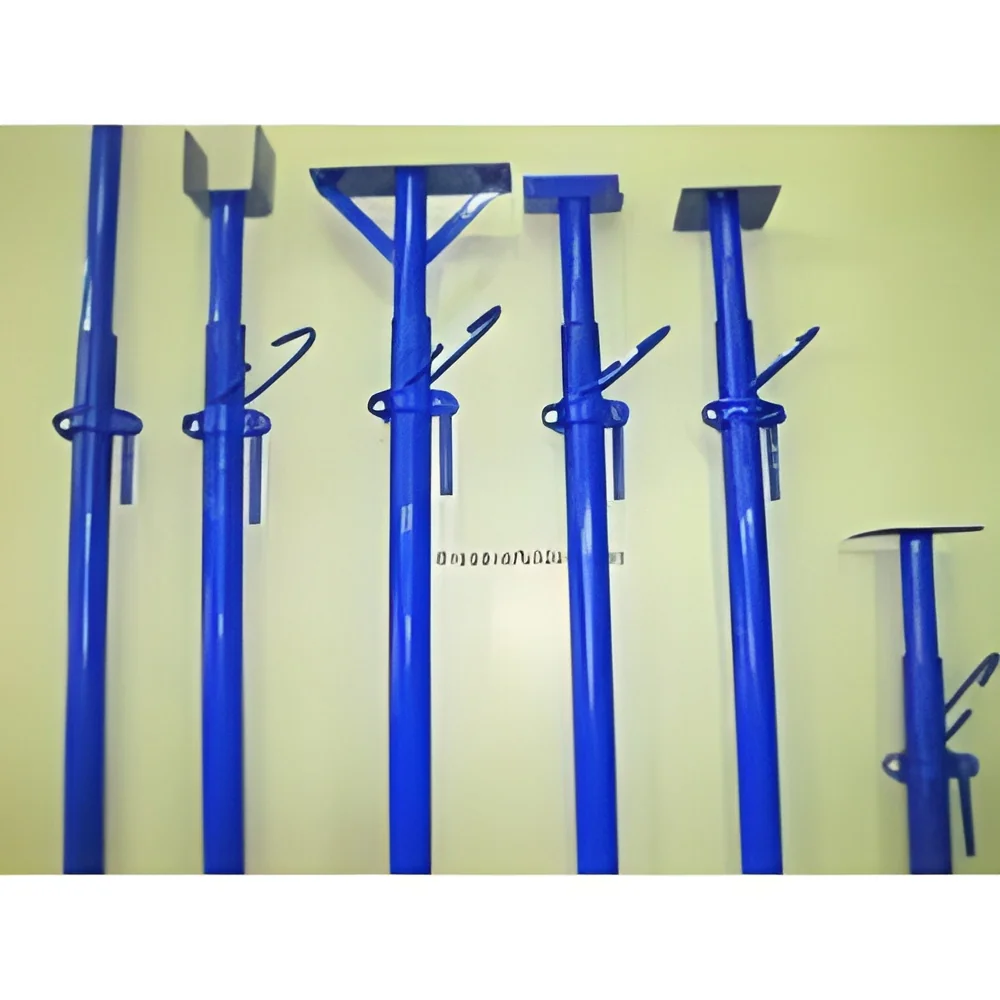
Scaffold Towers: Scaffold towers are mobile structures that provide a large work platform at height. They are commonly used in construction and maintenance for tasks that require extended periods of elevated work.
Multi-Position Ladders: These versatile ladders can function as step ladders, extension ladders, or scaffolds, making them suitable for a variety of tasks in different environments.
Benefits and Advantages
Investing in other ladders and scaffoldings offers several advantages for businesses seeking to enhance productivity and safety.
1. Enhanced Safety: Most products come equipped with safety features such as anti-slip bases and locking mechanisms, reducing the risk of accidents.
2. Increased Efficiency: Access to heights is streamlined, allowing workers to perform tasks more quickly and effectively, ultimately improving workflow.
3. Versatility: With various designs available, these tools can be used across multiple applications, making them a valuable addition to any operation.
4. Cost-Effectiveness: Quality ladders and scaffoldings reduce the likelihood of workplace injuries, potentially lowering insurance costs and minimizing downtime.
5. Compliance Assurance: Many products adhere to industry safety standards, ensuring that businesses meet regulatory requirements and avoid penalties.
6. Easy Storage: Many models are designed to be foldable or compact, enabling convenient storage when not in use, thus saving space.
Buying Guide for B2B Buyers
When sourcing other ladders and scaffoldings, businesses must consider several critical factors to ensure they make informed purchasing decisions.
1. Quality Assessment: Evaluate the materials and construction of the ladders and scaffoldings. High-quality products are more durable and safer for use, reducing the risk of injury.
2. Supplier Verification: Conduct thorough research to vet suppliers. Look for manufacturers with a strong reputation and proven track record in producing safe and reliable equipment.
3. Pricing and MOQ: Understand the price range for the products you need and inquire about minimum order quantities. This helps in budgeting and determining the feasibility of bulk purchases.
4. Delivery and Lead Times: Discuss logistics with suppliers to ascertain how long it will take to receive your order. Timely delivery is crucial for keeping projects on schedule.
5. Compliance Requirements: Ensure the products comply with relevant safety and industry standards. This is essential for meeting regulatory obligations and ensuring worker safety.
Compliance and Certifications
Compliance with quality standards is vital for ensuring the safety and reliability of other ladders and scaffoldings. Key standards include ISO 9001, which sets requirements for quality management systems, ensuring consistent quality in manufacturing processes.
Industry certifications such as CE marking indicate that products conform to health, safety, and environmental protection standards within the European Economic Area. These certifications provide assurance to buyers regarding the safety and performance of the equipment.
In addition to certifications, safety and testing requirements must be adhered to. Products should undergo rigorous testing to verify load capacity and stability. Regional compliance considerations may also play a role, as different countries may have specific regulations regarding ladder and scaffold safety.
Why Source Other Ladders & Scaffoldings from Pepagora?
Pepagora provides a trusted platform for sourcing other ladders and scaffoldings, offering several key advantages that cater to the needs of businesses.
Verified Supplier Network: Pepagora ensures that all suppliers in its network are thoroughly vetted for quality and reliability. This helps buyers find trustworthy partners who deliver safe and effective products.
Streamlined RFQ Process: The Request for Quotation process is simplified, allowing buyers to easily compare offers from multiple suppliers. This efficiency helps businesses secure competitive prices and favorable terms.
Trade Assurance and Support: Pepagora offers trade assurance measures, protecting buyers against potential issues with transactions. This added layer of security fosters confidence in the purchasing process.
Regional Coverage: With a broad geographic reach across India, the GCC, and Southeast Asia, Pepagora connects businesses with local suppliers, ensuring prompt service and support tailored to regional needs.

 IN
IN