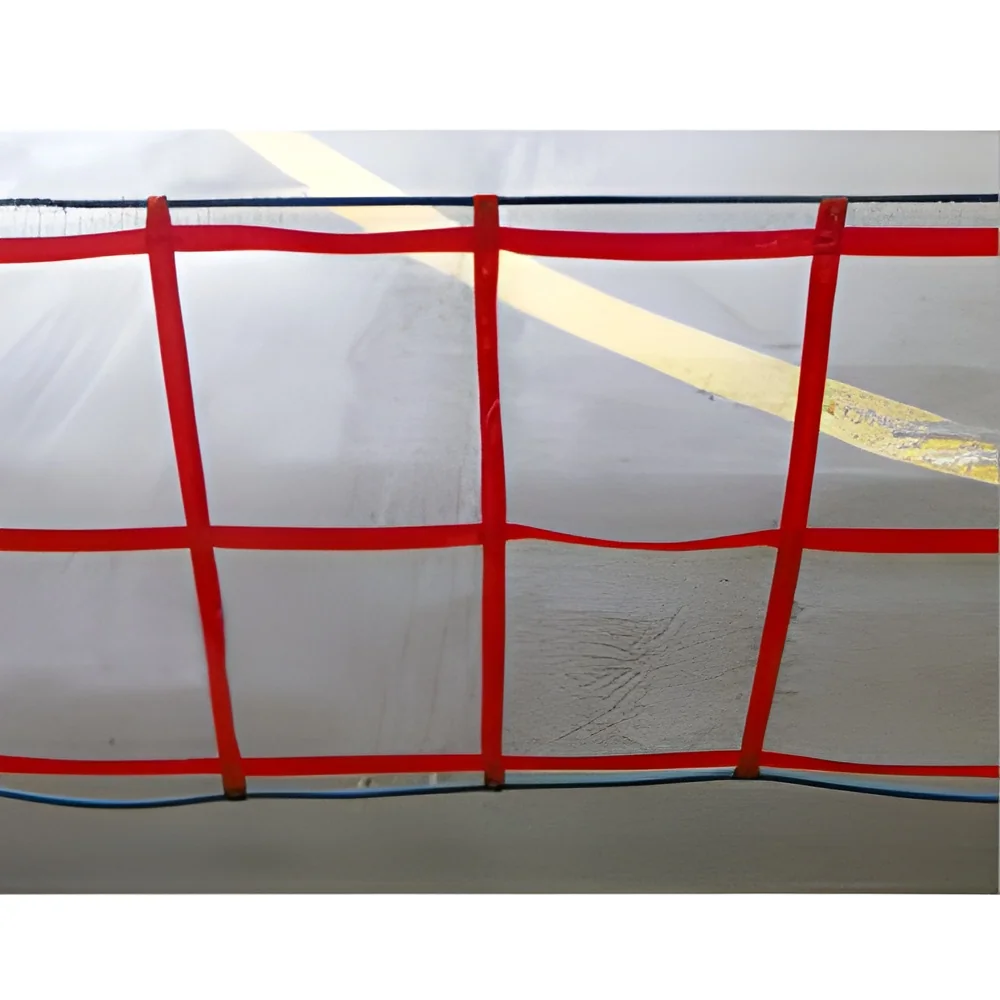
𝗪𝗵𝗮𝘁 𝗮𝗿𝗲 𝗦𝗰𝗮𝗳𝗳𝗼𝗹𝗱 𝗦𝗮𝗳𝗲𝘁𝘆 𝗡𝗲𝘁𝘀?
Scaffold safety nets are essential protective devices used in construction and industrial environments to safeguard workers and materials from falling objects. These nets are typically made from durable synthetic materials that are designed to bear heavy loads and withstand harsh weather conditions. The primary function of scaffold safety nets is to catch debris or tools that may accidentally fall from a height, thereby preventing accidents and injuries on job sites.
Scaffold safety nets are widely used in various sectors, including construction, renovation, and maintenance of buildings. They are often installed around scaffolding structures to create a perimeter barrier that enhances safety. In addition to protecting personnel, these nets also help maintain a clean worksite by containing debris. Their significance has grown in line with increased safety regulations and standards within the industry, making them a common requirement for construction projects.
The industry relevance of scaffold safety nets is underscored by the rising emphasis on workplace safety and compliance with health regulations. As construction projects become more complex and safety concerns escalate, the demand for effective safety equipment like scaffold safety nets continues to increase. This trend highlights their critical role in ensuring that construction practices meet legal safety requirements and protect the welfare of workers.
𝗞𝗲𝘆 𝗙𝗲𝗮𝘁𝘂𝗿𝗲𝘀 𝗮𝗻𝗱 𝗦𝗽𝗲𝗰𝗶𝗳𝗶𝗰𝗮𝘁𝗶𝗼𝗻𝘀
Scaffold safety nets come with various features that enhance their effectiveness and usability. These nets are designed to meet specific industry standards and offer reliable protection in construction environments. The following key specifications outline the essential characteristics of scaffold safety nets.
Key specifications include:
1. Material Composition
- Typically made from high-density polyethylene or polypropylene.
- Provides durability and resistance to wear and tear.
2. Load Capacity
- Capable of supporting significant weight to catch falling tools and materials.
- Load capacities can vary based on design and manufacturer specifications.
3. Mesh Size
- Generally features a mesh size that allows airflow while preventing small debris from falling through.
- Common mesh sizes range from 4mm to 10mm.
4. UV Resistance
- Manufactured with UV-resistant materials to extend lifespan outdoors.
- Protects against degradation from prolonged sun exposure.
5. Standard Dimensions
- Available in various sizes to fit different scaffold configurations.
- Common dimensions include widths of 2m to 3m and lengths of 25m to 50m.
6. Fire Retardancy
- Some nets are treated for fire resistance to meet safety regulations.
- Enhances safety on job sites where fire hazards may be present.
7. Color Options
- Available in different colors for visibility and identification.
- Bright colors can enhance safety by making the nets more noticeable.
8. Installation Features
- Designed for easy installation and removal.
- Includes reinforced edges and grommets for secure attachment.
Scaffold safety nets are vital safety tools designed with specific features to ensure worker protection and compliance with industry standards.
𝗖𝗼𝗺𝗺𝗼𝗻 𝗔𝗽𝗽𝗹𝗶𝗰𝗮𝘁𝗶𝗼𝗻𝘀 𝗮𝗻𝗱 𝗨𝘀𝗲 𝗖𝗮𝘀𝗲𝘀
Scaffold safety nets are utilized across a variety of industries to enhance safety and prevent accidents. Their versatility makes them suitable for numerous applications.
1. Construction: Scaffold safety nets are extensively used in construction projects to protect workers from falling debris. They are installed around scaffolding to ensure that tools and materials do not pose a risk to personnel below.
2. Renovation: During renovation projects, scaffold safety nets help contain dust and debris, maintaining a cleaner and safer working environment. They are particularly useful in urban settings where surrounding areas need protection.
3. Maintenance: In maintenance activities for high-rise buildings or structures, safety nets provide essential fall protection for workers. They ensure that any tools or materials that fall do not endanger people or property below.
4. Industrial Warehousing: In warehouses where products are stored at height, scaffold safety nets can prevent items from falling during loading or unloading operations. This application is crucial for maintaining a safe working environment.
5. Event Management: Scaffold safety nets are also used in event setups, particularly for staging and lighting installations. They provide safety for riggers and ensure that equipment remains secure.
6. Bridge Construction: In bridge construction, safety nets help protect workers from falling objects while also ensuring that debris does not fall onto the roadway below.
7. Demolition: During demolition projects, scaffold safety nets are essential for containing debris and protecting workers from hazards associated with falling materials.
𝗣𝗿𝗼𝗱𝘂𝗰𝘁 𝗩𝗮𝗿𝗶𝗮𝗻𝘁𝘀 𝗮𝗻𝗱 𝗦𝘂𝗯𝗰𝗮𝘁𝗲𝗴𝗼𝗿𝗶𝗲𝘀
Scaffold safety nets come in various forms to cater to specific needs and applications. Understanding the different variants can help businesses choose the right type for their projects.
Standard Safety Nets: These are the most common type of scaffold safety nets made from durable materials. They offer reliable protection against falling objects and are suitable for general construction use.
Heavy-Duty Safety Nets: Designed for more demanding applications, heavy-duty nets provide higher load capacity and enhanced durability. They are ideal for high-rise construction and heavy industrial environments.
Custom Safety Nets: Custom safety nets can be manufactured to specific dimensions and requirements. This option is useful for unique projects that require tailored safety solutions.
𝗕𝗲𝗻𝗲𝗳𝗶𝘁𝘀 𝗮𝗻𝗱 𝗔𝗱𝘃𝗮𝗻𝘁𝗮𝗴𝗲𝘀
Scaffold safety nets offer numerous benefits that make them essential for construction and industrial activities.
Key benefits include:
1. Enhanced Worker Safety: Scaffold safety nets significantly reduce the risk of injuries from falling objects, creating a safer work environment for employees.
2. Compliance with Regulations: Using scaffold safety nets helps companies adhere to safety regulations and standards set by regulatory bodies, minimizing legal risks.
3. Increased Productivity: A safer worksite allows workers to focus on their tasks without the constant worry of falling debris, improving overall productivity.
4. Cost-Effectiveness: Investing in scaffold safety nets can prevent costly accidents and injuries, leading to savings on potential medical expenses and legal fees.
5. Versatility: Scaffold safety nets can be used in various industries and applications, making them a flexible safety solution for different project needs.
6. Easy Installation: The straightforward installation of scaffold safety nets allows for quick setup, enabling projects to progress without delays.
𝗕𝘂𝘆𝗶𝗻𝗴 𝗚𝘂𝗶𝗱𝗲 𝗳𝗼𝗿 𝗕𝟮𝗕 𝗕𝘂𝘆𝗲𝗿𝘀
When sourcing scaffold safety nets, it is important for buyers to consider several critical factors to ensure they make informed decisions.
1. Quality Assessment: Evaluate the materials and construction quality of the nets. Look for certifications and compliance with industry standards to ensure reliability and durability.
2. Supplier Verification: Vet suppliers thoroughly to ensure they have a good reputation and a history of providing high-quality products. This can include checking references or looking for reviews from other businesses.
3. Pricing and MOQ: Understand the pricing structure and minimum order quantities (MOQ) offered by suppliers. Compare costs across multiple vendors to find competitive pricing while ensuring quality.
4. Delivery and Lead Times: Inquire about delivery schedules and lead times. Ensure that the supplier can meet your project's timelines to avoid unnecessary delays.
5. Compliance Requirements: Be aware of any local or regional regulations regarding safety nets. Ensure the nets you purchase meet these compliance standards to avoid penalties.
𝗖𝗼𝗺𝗽𝗹𝗶𝗮𝗻𝗰𝗲 𝗮𝗻𝗱 𝗖𝗲𝗿𝘁𝗶𝗳𝗶𝗰𝗮𝘁𝗶𝗼𝗻𝘀
Scaffold safety nets must adhere to various quality standards and regulations to ensure safety and reliability. Relevant certifications include CE marking, which indicates that the product meets European safety requirements.
Additionally, complying with ISO 9001 standards ensures that products are manufactured consistently with quality management principles. Safety testing is also crucial, as it verifies that the nets can withstand specified loads and environmental conditions.
Regional compliance considerations may vary, so it is essential to understand local regulations that govern the use of safety equipment in construction and industrial settings. Being aware of these requirements helps businesses avoid legal issues and promotes a culture of safety in the workplace.
𝗪𝗵𝘆 𝗦𝗼𝘂𝗿𝗰𝗲 𝗦𝗰𝗮𝗳𝗳𝗼𝗹𝗱 𝗦𝗮𝗳𝗲𝘁𝘆 𝗡𝗲𝘁𝘀 𝗳𝗿𝗼𝗺 𝗣𝗲𝗽𝗮𝗴𝗼𝗿𝗮?
Pepagora offers a trusted platform for sourcing scaffold safety nets, providing numerous advantages for businesses looking to enhance their safety measures.
Verified Supplier Network: Pepagora connects buyers with a network of verified suppliers, ensuring that all partners meet high standards of quality and reliability. This minimizes the risk associated with sourcing safety equipment.
Streamlined RFQ Process: The request for quotation (RFQ) process on Pepagora is designed to be user-friendly. Buyers can easily submit their requirements and receive competitive quotes from multiple suppliers, simplifying the purchasing process.
Trade Assurance and Support: Pepagora provides trade assurance to protect buyers throughout the procurement process. This includes support for resolving disputes and ensuring that suppliers fulfill their commitments.
Regional Coverage: With a strong presence in India, the GCC, and Southeast Asia, Pepagora facilitates access to a diverse range of suppliers and products. This geographic reach allows businesses to find the right safety solutions tailored to their specific needs.

 IN
IN