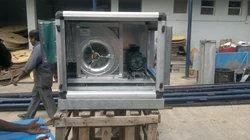
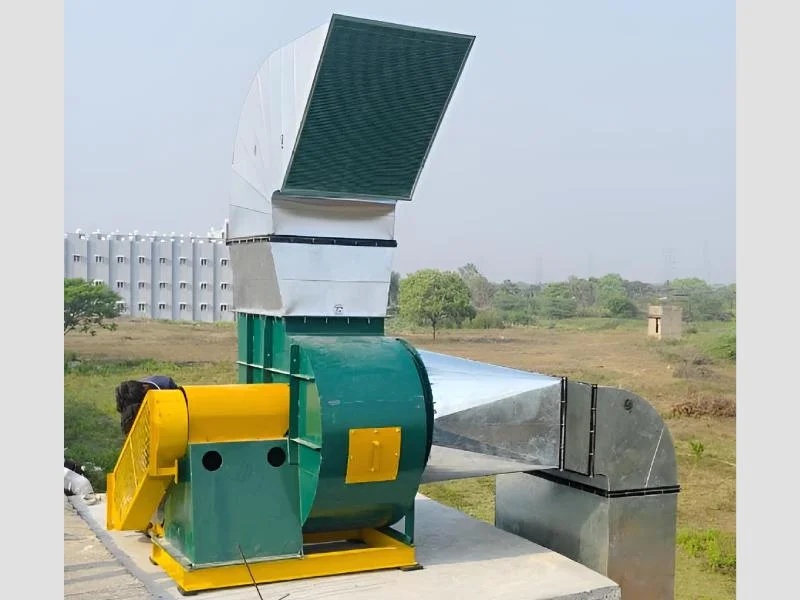
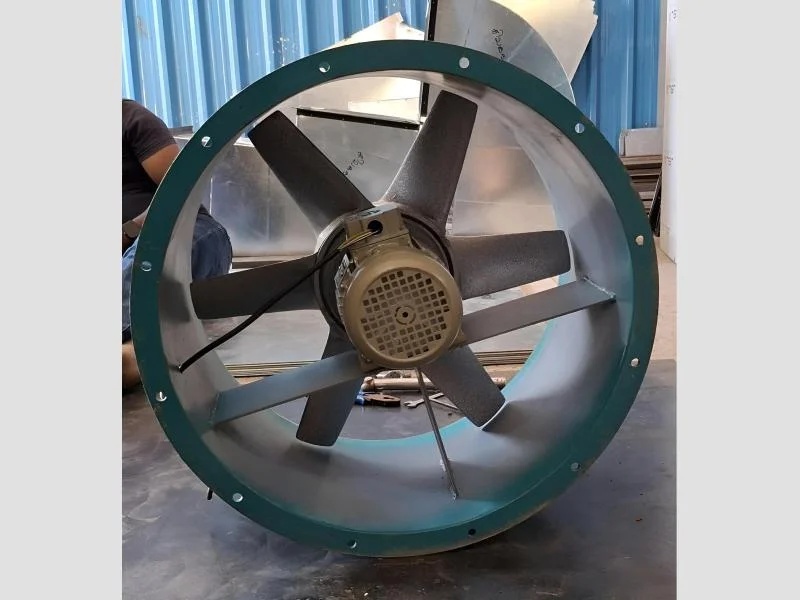
𝗪𝗵𝗮𝘁 𝗮𝗿𝗲 𝗞𝗶𝘁𝗰𝗵𝗲𝗻 𝗩𝗲𝗻𝘁𝗶𝗹𝗮𝘁𝗶𝗼𝗻 𝗛𝗼𝗼𝗱𝘀 & 𝗦𝘆𝘀𝘁𝗲𝗺𝘀?
Kitchen ventilation hoods and systems are essential components in commercial kitchens, designed to capture and exhaust smoke, steam, odors, and grease generated during cooking. These systems help maintain indoor air quality by removing contaminants and preventing the buildup of flammable materials. They work by using powerful fans and filters to ensure that the kitchen environment remains safe and comfortable for staff.
The primary uses of kitchen ventilation hoods and systems include improving air quality, enhancing safety, and ensuring compliance with health regulations. They are crucial in various business applications, such as restaurants, hotels, catering services, and food processing facilities. By efficiently removing harmful particles and odors, these systems contribute to a better working environment and improve the overall dining experience.
In the context of the industry, the market for kitchen ventilation systems is growing due to increasing awareness of health and safety standards. With rising restaurant openings and food service operations, the demand for efficient and reliable ventilation solutions continues to rise. Furthermore, advancements in technology have led to innovative designs that offer improved functionality and energy efficiency.
𝗞𝗲𝘆 𝗙𝗲𝗮𝘁𝘂𝗿𝗲𝘀 𝗮𝗻𝗱 𝗦𝗽𝗲𝗰𝗶𝗳𝗶𝗰𝗮𝘁𝗶𝗼𝗻𝘀
Kitchen ventilation hoods and systems come with a variety of features designed to enhance their effectiveness and efficiency. Understanding these specifications is crucial for making informed purchasing decisions.
Key specifications include:
1. Airflow Rate
- The volume of air that the system can move, typically measured in cubic feet per minute (CFM).
- Varies between models based on kitchen size and cooking equipment.
2. Filtration System
- Includes grease filters, charcoal filters, and other types designed to trap contaminants.
- Ensures cleaner air and reduces fire hazards.
3. Noise Level
- Measured in decibels (dB), indicating how loud the system operates.
- Important for maintaining a comfortable kitchen environment.
4. Energy Efficiency Rating
- Indicates how effectively the system uses energy.
- Higher ratings can lead to lower operational costs.
5. Material Construction
- Commonly made from stainless steel or other durable materials.
- Ensures longevity and ease of cleaning.
6. Control Systems
- May include manual, semi-automatic, or fully automated options.
- Provides flexibility in operation according to kitchen needs.
7. Size and Dimensions
- Various sizes are available to fit different kitchen layouts.
- Important for ensuring proper installation and functionality.
8. Compliance Features
- Compliance with safety and health regulations, such as CE certification.
- Ensures that the system meets industry standards.
In summary, kitchen ventilation hoods and systems offer a range of features that cater to different culinary environments. Understanding these specifications aids businesses in selecting the right product for their specific needs.
𝗖𝗼𝗺𝗺𝗼𝗻 𝗔𝗽𝗽𝗹𝗶𝗰𝗮𝘁𝗶𝗼𝗻𝘀 𝗮𝗻𝗱 𝗨𝘀𝗲 𝗖𝗮𝘀𝗲𝘀
Kitchen ventilation hoods and systems are utilized across various industries, providing essential support for cooking environments.
1. Restaurants: In a high-paced restaurant kitchen, ventilation hoods are critical for removing smoke and grease, ensuring a safe and pleasant atmosphere for chefs and diners alike.
2. Hotels: Hotel kitchens require efficient ventilation to handle large-scale food preparation while meeting health codes and providing comfort for staff.
3. Catering Services: Catering companies benefit from portable or modular ventilation systems that can be set up in various locations, ensuring compliance and safety.
4. Food Processing Plants: These facilities utilize industrial-grade ventilation systems to manage airborne particles and maintain product quality during processing.
5. Schools: Educational institutions with cafeterias need adequate ventilation to promote health and safety for students and staff during meal preparation.
6. Hospitals: In healthcare settings, proper ventilation is crucial for maintaining a sterile environment in food service areas.
7. Bakeries: Bakeries require specialized hoods to handle the steam and odors associated with baking processes, ensuring a comfortable working environment.
𝗣𝗿𝗼𝗱𝘂𝗰𝘁 𝗩𝗮𝗿𝗶𝗮𝗻𝘁𝘀 𝗮𝗻𝗱 𝗦𝘂𝗯𝗰𝗮𝘁𝗲𝗴𝗼𝗿𝗶𝗲𝘀
Kitchen ventilation hoods and systems come in a variety of types to meet specific needs across different environments.
Commercial Canopy Hoods: These hoods are designed for large cooking equipment and feature high airflow rates. Their design helps capture heat and smoke effectively in busy kitchens.
Under-Cabinet Hoods: Ideal for smaller kitchens, these hoods fit discreetly beneath cabinets, providing adequate ventilation without taking up valuable space.
Wall-Mounted Hoods: These systems are mounted against a wall and are suitable for various cooking setups. They are versatile and can accommodate different kitchen layouts.
Island Hoods: Designed for kitchens with cooking islands, these hoods provide 360-degree ventilation. They are often a focal point in kitchen design due to their aesthetic appeal.
𝗕𝗲𝗻𝗲𝗳𝗶𝘁𝘀 𝗮𝗻𝗱 𝗔𝗱𝘃𝗮𝗻𝘁𝗮𝗴𝗲𝘀
Investing in kitchen ventilation hoods and systems offers numerous benefits for businesses in the food service industry.
1. Improved Air Quality: Efficient ventilation systems remove smoke, odors, and airborne grease, promoting a healthier kitchen environment.
2. Enhanced Safety: By reducing the risk of fire hazards associated with grease buildup, these systems contribute to a safer workplace.
3. Regulatory Compliance: Proper ventilation ensures adherence to health and safety regulations, minimizing the risk of fines or shutdowns.
4. Increased Comfort: A well-ventilated kitchen allows staff to work comfortably without excessive heat or odors.
5. Energy Efficiency: Modern systems are designed to be energy-efficient, helping to lower operational costs over time.
6. Customization Options: Many manufacturers offer customizable solutions to meet specific kitchen needs, ensuring optimal performance.
𝗕𝘂𝘆𝗶𝗻𝗴 𝗚𝘂𝗶𝗱𝗲 𝗳𝗼𝗿 𝗕𝟮𝗕 𝗕𝘂𝘆𝗲𝗿𝘀
When sourcing kitchen ventilation hoods and systems, several factors should be considered to ensure the best fit for your business.
1. Quality Assessment: Evaluate the build quality and design of the systems. Look for features such as durable materials and reliable performance metrics.
2. Supplier Verification: Research potential suppliers to confirm their credibility. Check for industry certifications and customer reviews to gauge reliability.
3. Pricing and MOQ: Understand the pricing structures and minimum order quantities from suppliers. This information helps in budgeting and planning.
4. Delivery and Lead Times: Inquire about shipping options and lead times to ensure timely installation, especially in new kitchen setups.
5. Compliance Requirements: Verify that the systems meet local health and safety regulations. Compliance with standards like CE certification is crucial for operational legality.
𝗖𝗼𝗺𝗽𝗹𝗶𝗮𝗻𝗰𝗲 𝗮𝗻𝗱 𝗖𝗲𝗿𝘁𝗶𝗳𝗶𝗰𝗮𝘁𝗶𝗼𝗻𝘀
Kitchen ventilation hoods and systems must adhere to various quality standards and certifications to ensure safety and reliability. Key standards include ISO 9001, which focuses on quality management systems, and HACCP, which emphasizes food safety management.
Industry certifications such as CE indicate that products meet European safety, health, and environmental protection standards. These certifications are crucial for gaining customer trust and ensuring compliance with local regulations.
Safety and testing requirements involve rigorous assessments to ensure that the systems operate effectively and safely under specific conditions. Additionally, regional compliance considerations may vary, necessitating awareness of local laws and standards.
𝗪𝗵𝘆 𝗦𝗼𝘂𝗿𝗰𝗲 𝗞𝗶𝘁𝗰𝗵𝗲𝗻 𝗩𝗲𝗻𝘁𝗶𝗹𝗮𝘁𝗶𝗼𝗻 𝗛𝗼𝗼𝗱𝘀 & 𝗦𝘆𝘀𝘁𝗲𝗺𝘀 𝗳𝗿𝗼𝗺 𝗣𝗲𝗽𝗮𝗴𝗼𝗿𝗮?
Pepagora offers a trusted platform for sourcing kitchen ventilation hoods and systems, providing several key advantages for B2B buyers.
Verified Supplier Network: Pepagora ensures that all suppliers are thoroughly vetted, offering buyers peace of mind regarding product quality and reliability.
Streamlined RFQ Process: The platform features an efficient Request for Quotation (RFQ) system that simplifies the procurement process, allowing buyers to easily compare offers and make informed decisions.
Trade Assurance and Support: Pepagora provides buyer protection through trade assurance, ensuring that transactions are secure and that any issues are promptly addressed.
Regional Coverage: With a broad geographic reach across India, the GCC, and Southeast Asia, Pepagora connects buyers with suppliers in key markets, facilitating smoother transactions and timely deliveries.

 IN
IN
 India
India