
 IN
Irrigation Tubing & Fittings
5 products available
What are Irrigation Tubing & Fittings?
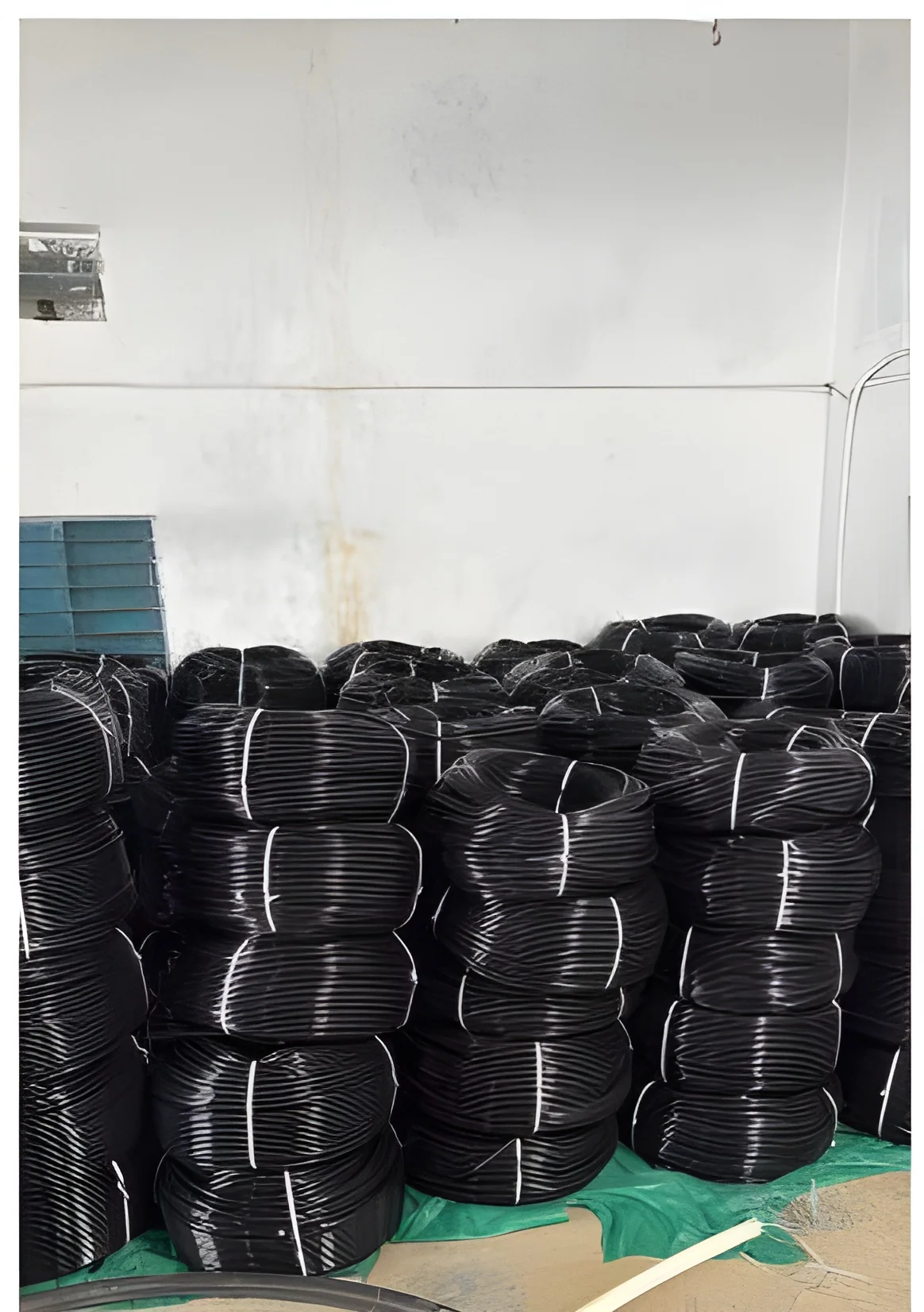
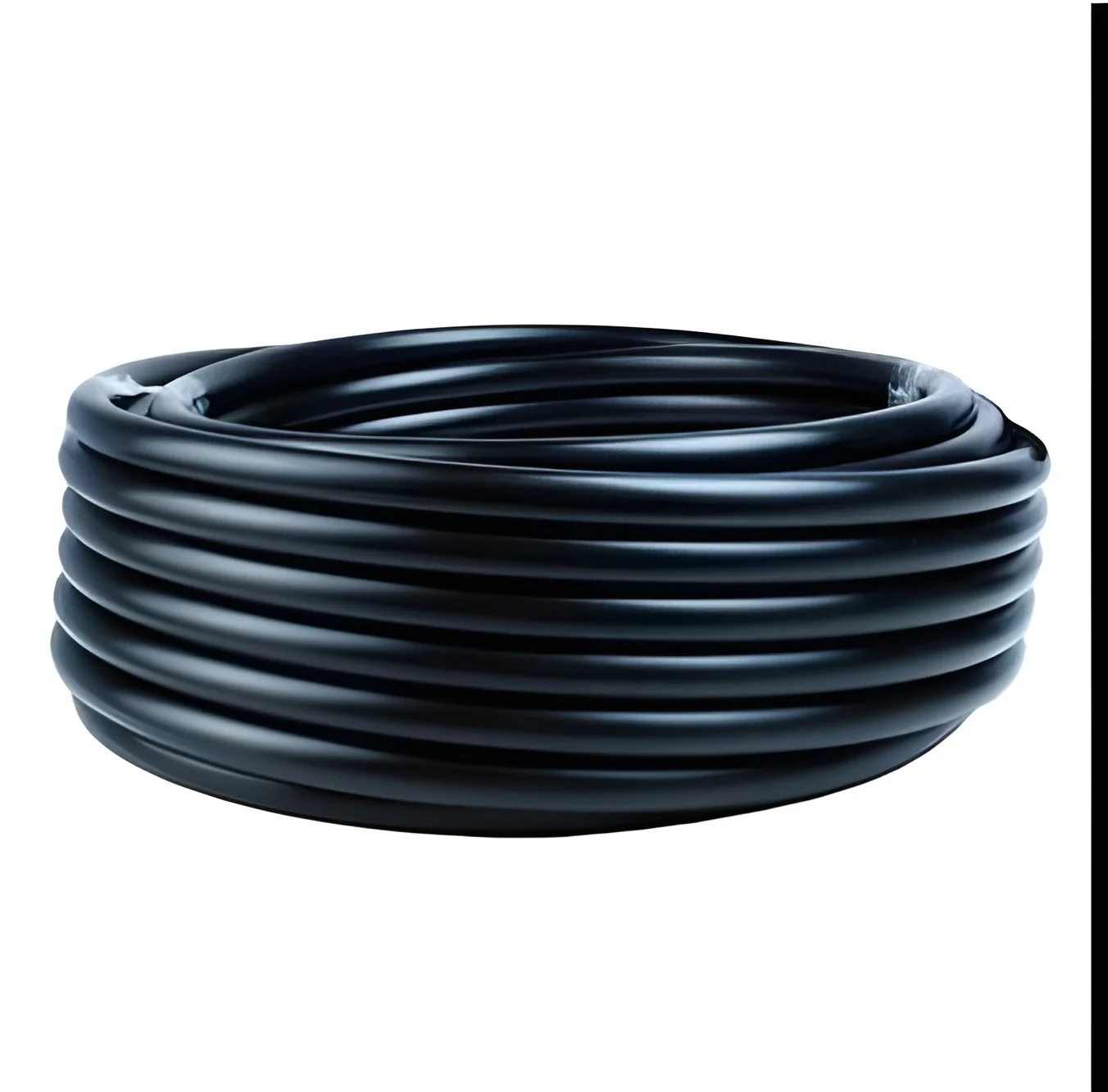
Irrigation tubing and fittings are essential components used in agricultural and horticultural irrigation systems. They facilitate the efficient delivery of water from a source to various parts of a field or garden. Tubing is typically made from durable materials like polyethylene, providing flexibility and resistance to environmental factors. Fittings are connectors that join sections of tubing, allowing for seamless integration and effective water distribution.
These products are primarily used in various applications, including agriculture, landscaping, and greenhouse operations. They support the precise watering of crops, ensuring optimal growth conditions. By utilizing irrigation tubing and fittings, businesses can enhance water efficiency, reduce waste, and improve crop yields, making them vital in modern farming practices.
In the context of the growing demand for sustainable agriculture, the market for irrigation tubing and fittings is expanding. As water conservation becomes more critical, these products play a significant role in promoting efficient irrigation methodologies. Businesses are increasingly looking for reliable solutions that not only meet their watering needs but also adhere to environmentally friendly practices.
Key Features and Specifications
Irrigation tubing and fittings come with various features and specifications that cater to different irrigation needs. Understanding these can help businesses make informed choices when selecting the right products.
Key specifications include:
1. Material Type
- Commonly made from polyethylene or PVC
- Offers resistance to UV rays and chemical exposure
2. Diameter Options
- Available in various diameters, typically ranging from 1/4 inch to 2 inches
- Allows selection based on flow requirements and application
3. Pressure Rating
- Designed to withstand varying pressure levels, usually between 10 to 100 psi
- Ensures safe operation under different irrigation conditions
4. Temperature Resistance
- Suitable for a range of temperatures, though specific data not available
- Ensures durability in varying climates
5. Flexibility
- Highly flexible, allowing for easy installation around obstacles
- Facilitates custom layouts for irrigation setups
6. Fitting Types
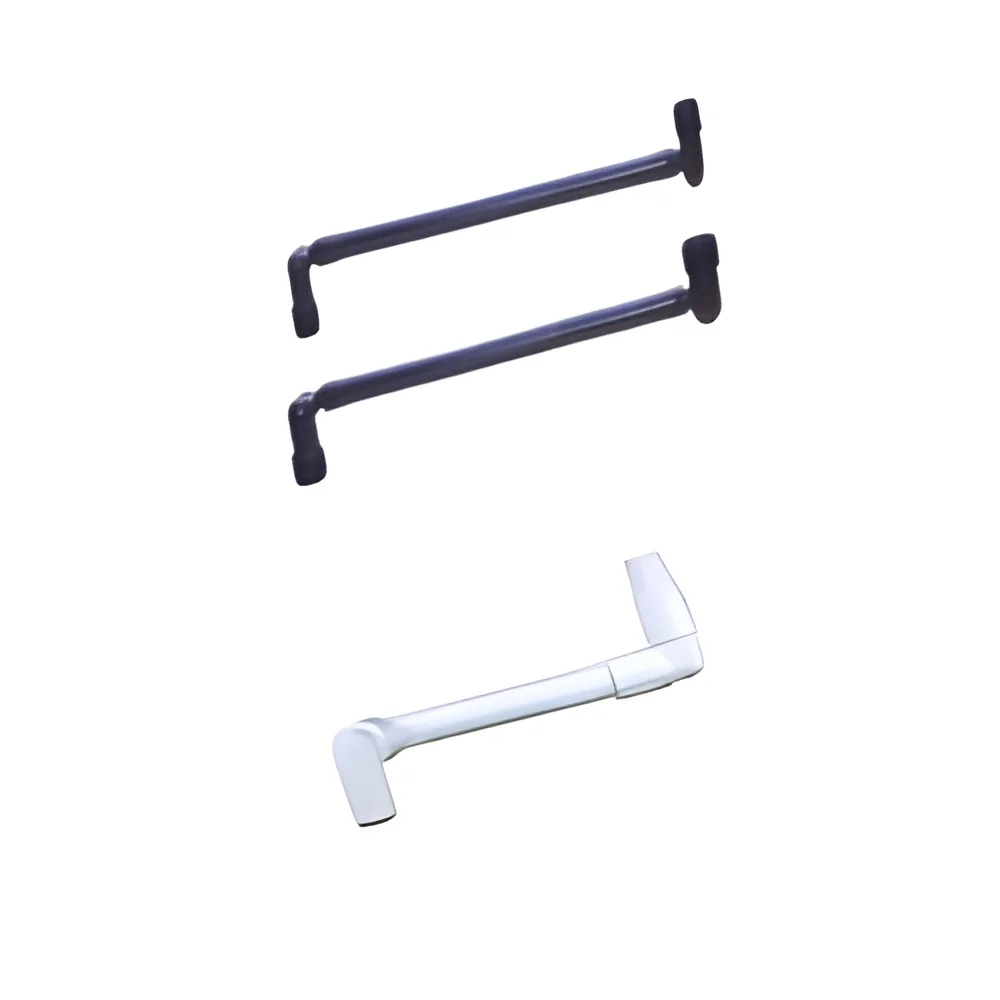
- Includes connectors, elbows, tees, and stakes for secure installation
- Provides versatility in system design
7. Length Options
- Available in rolls or pre-cut lengths
- Tailored to meet specific project requirements
8. Compatibility
- Designed to work seamlessly with various irrigation systems
- Facilitates easy integration with existing setups
These specifications help buyers assess the suitability of irrigation tubing and fittings for their specific applications.
Common Applications and Use Cases
Irrigation tubing and fittings serve various industries, providing tailored solutions for effective water management.
1. Agriculture: Widely used in crop irrigation systems, they ensure consistent water supply to fields, enhancing crop health and yield.
2. Landscaping: Utilized in residential and commercial landscaping projects to maintain plant health through efficient watering practices.
3. Greenhouses: Essential for climate-controlled environments, they support precise irrigation, aiding in the growth of sensitive plants.
4. Sports Fields: Employed in maintaining grass quality and health in athletic fields, ensuring optimal playing conditions year-round.
5. Nurseries: Used in plant nurseries for delivering water directly to seedlings, promoting faster growth and reducing water waste.
6. Orchards: Helps in the effective watering of fruit trees, ensuring proper hydration during critical growth phases.
7. Golf Courses: Essential for maintaining lush greens, they facilitate efficient irrigation management across expansive areas.
Product Variants and Subcategories
Irrigation tubing and fittings come in a range of variants to meet diverse agricultural and horticultural needs.
Drip Irrigation Tubing
This variant is designed for low-flow applications, delivering water directly to the root zone of plants. It minimizes evaporation and runoff, making it highly efficient for water-sensitive crops.
Sprinkler Tubing
This type is used in sprinkler systems to distribute water evenly across larger areas. It is typically more rigid and can withstand higher pressure, making it ideal for lawns and gardens.
Soaker Hoses
Soaker hoses are porous tubes that allow water to seep out slowly along their length. They are perfect for garden beds and rows of plants, ensuring deep watering without pooling.
Benefits and Advantages
Irrigation tubing and fittings provide numerous benefits that make them essential for effective water management.
1. Water Efficiency: They promote optimal water use, reducing waste and enhancing irrigation effectiveness.
2. Cost-Effectiveness: Investing in quality tubing and fittings can lead to long-term savings through reduced water usage and improved crop yields.
3. Easy Installation: Most systems are designed for quick and straightforward installation, allowing for immediate use.
4. Versatile Applications: These products can be adapted to various irrigation methods, from drip systems to sprinkler setups.
5. Durability: Made from high-quality materials, they offer long service life, even in harsh environmental conditions.
6. Customizable Solutions: Available in multiple sizes and configurations, they can be tailored to fit specific project needs.
Buying Guide for B2B Buyers
When sourcing irrigation tubing and fittings, businesses should consider several key factors to ensure optimal selection.
1. Quality Assessment: Look for products made from high-quality materials that meet industry standards. Check for durability and resistance to environmental factors.
2. Supplier Verification: Vet suppliers to ensure they have a good reputation and provide reliable products. Check for reviews and industry certifications.
3. Pricing and MOQ: Consider the pricing structure and minimum order quantities. Compare multiple suppliers to find competitive pricing that fits your budget.
4. Delivery and Lead Times: Assess logistics and the supplier’s ability to meet your required delivery schedules. Timely delivery is crucial for project planning.
5. Compliance Requirements: Ensure products meet local regulatory standards and certifications. This reduces the risk of non-compliance issues in your operations.
Compliance and Certifications
Compliance with industry standards and certifications is crucial for ensuring the quality and safety of irrigation tubing and fittings. Many products adhere to relevant quality standards such as ISO 9001, ensuring effective quality management systems are in place.
In addition to ISO certifications, products may also comply with specific safety and testing requirements, including CE marking. This certification indicates that the product meets European safety and health regulations, providing buyers with assurance of its quality.
Regional compliance considerations are also important. Depending on the geographic location, there may be specific regulations regarding materials and installation practices. Buyers should stay informed about local requirements to ensure all products used are compliant.
Why Source Irrigation Tubing & Fittings from Pepagora?
Pepagora provides a trusted platform for sourcing irrigation tubing and fittings, offering several key advantages to B2B buyers.
Verified Supplier Network: Pepagora connects buyers with a network of verified suppliers, ensuring high standards of quality and reliability. This verification process helps businesses find trustworthy partners for their irrigation needs.
Streamlined RFQ Process: The request for quotation (RFQ) process is designed to be efficient and user-friendly. Buyers can easily submit their requirements and receive competitive quotes from multiple suppliers, simplifying the decision-making process.
Trade Assurance and Support: Pepagora offers trade assurance, providing protection for buyers throughout the purchasing process. This support helps mitigate risks and ensures a smoother transaction experience.
Regional Coverage: With a strong presence in India, the GCC, and Southeast Asia, Pepagora facilitates access to a wide range of irrigation products across different markets. This regional coverage allows businesses to find solutions tailored to their specific needs and locations.

 India
 India
Frequently Asked Questions
What are Irrigation Tubing & Fittings?
Irrigation Tubing & Fittings are essential components used in irrigation systems to transport water from a source to the plants. The tubing is flexible and durable, allowing for easy installation, while fittings connect different sections of tubing or other irrigation components.
What are the different types of Irrigation Tubing & Fittings?
There are various types of Irrigation Tubing & Fittings, including polyethylene (PE) tubing, PVC tubing, drip lines, and microtubing. Fittings can include connectors, elbows, tees, and stakes, designed to accommodate different irrigation setups.
How do I choose the right Irrigation Tubing & Fittings?
To choose the right Irrigation Tubing & Fittings, consider factors such as the type of plants, the size of the area to be irrigated, and the water pressure. Additionally, evaluate the material compatibility and whether the fittings will withstand the environmental conditions of your irrigation setup.
What are the standard specifications for Irrigation Tubing & Fittings?
Standard specifications for Irrigation Tubing & Fittings typically include diameters, wall thickness, pressure ratings, and material types. It's important to refer to industry standards, such as those set by the American Society for Testing and Materials (ASTM) or similar organizations.
What is the price range for Irrigation Tubing & Fittings?
The price range for Irrigation Tubing & Fittings can vary significantly based on material, size, and manufacturer. Generally, prices can range from a few rupees per meter for basic tubing to higher costs for specialized fittings and high-quality materials.
What quality standards apply to Irrigation Tubing & Fittings?
Quality standards for Irrigation Tubing & Fittings often include compliance with IS (Indian Standards) and ASTM guidelines. Manufacturers should ensure that their products undergo rigorous testing for durability, pressure tolerance, and resistance to environmental factors.
Where can I find Irrigation Tubing & Fittings suppliers in India?
You can find Irrigation Tubing & Fittings suppliers in India through B2B marketplaces like Pepagora, industry trade shows, or local agricultural supply stores. It's beneficial to compare suppliers based on their product range, pricing, and customer reviews.
Can Irrigation Tubing & Fittings be customized?
Yes, many manufacturers offer customization options for Irrigation Tubing & Fittings to meet specific agricultural needs. Customizations can include variations in length, diameter, and the inclusion of specialized fittings.
What is the typical minimum order quantity for Irrigation Tubing & Fittings?
The typical minimum order quantity (MOQ) for Irrigation Tubing & Fittings can vary by supplier but often ranges from 100 meters to several thousand meters. It's advisable to check with individual suppliers for their specific MOQs.
What is the typical lead time for Irrigation Tubing & Fittings?
The typical lead time for Irrigation Tubing & Fittings can range from a few days to several weeks, depending on the supplier and the complexity of the order. Factors such as customization and production capacity can also influence lead times.
Why Businesses Trust Pepagora
Thousands of companies trust Pepagora to source smarter and sell faster
Expand Your Sales Globally

Source Smarter,Grow Faster
