
 IN
High Voltage Cables
36 products available
What are High Voltage Cables?
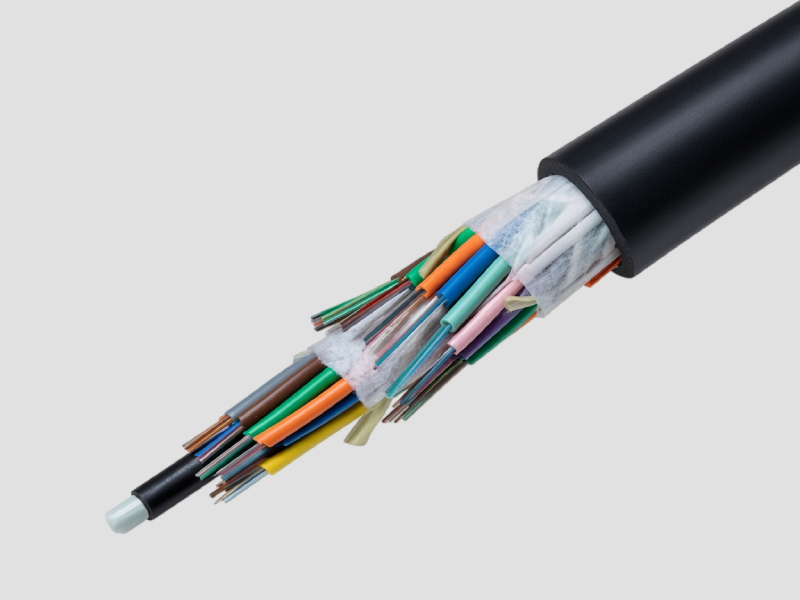
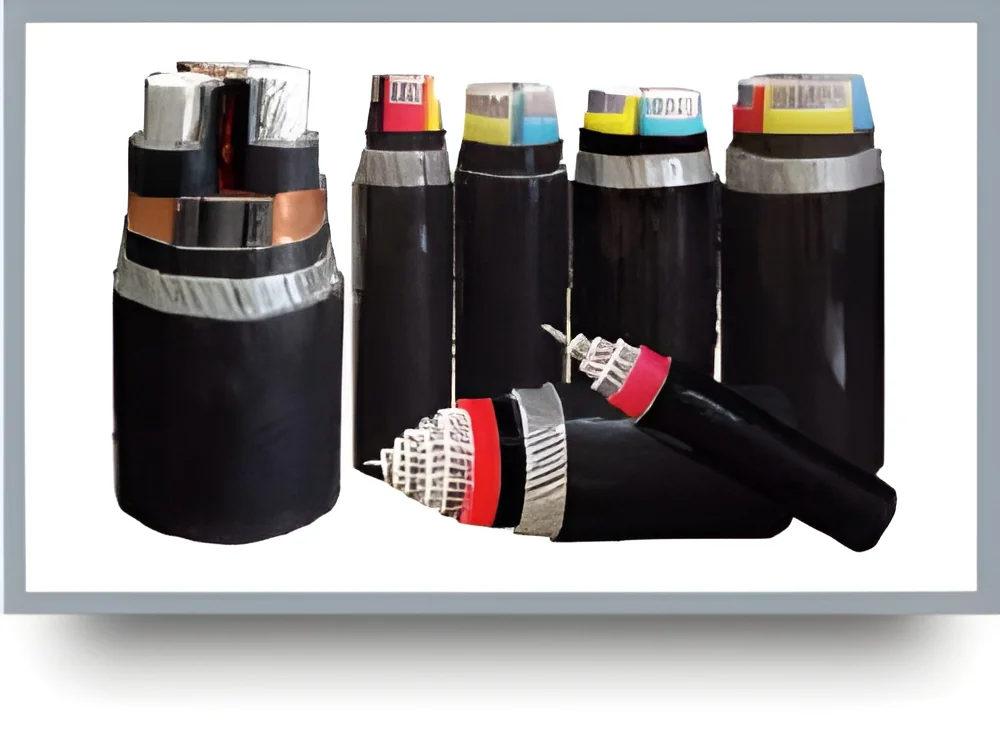
High Voltage Cables are specialized electrical cables designed to transmit electrical power at high voltages, typically exceeding 1,000 volts. These cables are engineered to ensure minimal power loss and high reliability while maintaining performance over long distances. The construction of high voltage cables includes insulation layers, shielding, and conductive materials, designed to withstand the electrical and environmental stresses encountered in various applications.
These cables find primary uses in power generation, transmission, and distribution systems. They are essential in connecting substations to the grid, linking renewable energy sources, and in industrial applications where large amounts of power are required. High voltage cables are critical for ensuring efficient energy delivery, especially as industries shift towards more sustainable energy practices and require robust solutions for energy management.
In the current energy landscape, high voltage cables are increasingly relevant. The growth of renewable energy sources, such as wind and solar, necessitates the development of efficient transmission systems. Additionally, the demand for electrical infrastructure in developing regions contributes to the expanding market for high voltage cables. As industries aim for energy efficiency and sustainability, the role of these cables becomes more pronounced in the global energy network.
Key Features and Specifications
High Voltage Cables come with various features and specifications that cater to the demanding requirements of power transmission. Understanding these specifications is crucial for selecting the right cable for specific applications.
Key specifications include:
1. Voltage Rating
- Determines the maximum voltage the cable can handle
- Typically ranges from 1 kV to 765 kV
2. Conductor Material
- Commonly made from copper or aluminum
- Chosen based on conductivity, weight, and cost considerations
3. Insulation Type
- Various materials such as XLPE, PVC, or EPR are used
- Insulation must withstand electrical stresses and environmental conditions
4. Shielding
- Provides protection against electromagnetic interference
- Can be constructed from copper tape or wires
5. Temperature Rating
- Indicates the operating temperature limits
- Typically between -40°C to 90°C depending on the insulation type
6. Bending Radius
- Specifies the minimum radius at which the cable can be bent without damage
- Ensures proper installation and longevity of the cable
7. Sheath Material
- Protects the cable from external environmental factors
- Common materials include PVC, PE, or rubber
8. Length and MOQ
- Available in various lengths to suit project needs
- Minimum order quantities can vary between suppliers
These specifications ensure that high voltage cables meet industry standards for safety and performance, contributing to their reliability in critical infrastructure.
Common Applications and Use Cases
High Voltage Cables serve a wide array of industries, each with specific applications that highlight their importance.
1. Energy and Utilities: These cables are essential for connecting power plants with transmission lines, facilitating the distribution of electricity to residential and commercial users.
2. Renewable Energy: In solar and wind energy setups, high voltage cables connect generation sources to substations, enabling efficient energy transfer and grid integration.
3. Industrial Manufacturing: High voltage cables are used in large manufacturing facilities to power heavy machinery and equipment, ensuring uninterrupted operations.
4. Transportation: Rail systems and electric vehicle charging stations require high voltage cables for effective power supply, enhancing transport efficiency.
5. Telecommunications: High voltage cables support the infrastructure of telecommunications networks, ensuring reliable operation of data transmission systems.
6. Mining: In mining operations, these cables provide power to remote equipment and operations, critical for productivity and safety.
7. Construction: High voltage cables are used in large construction projects for powering tools and systems, essential for project completion.
Product Variants and Subcategories
High Voltage Cables come in various configurations to meet different application needs. While specific subcategories may not be available, the diversity in design and application is significant.
Single Core Cables: These cables consist of a single conductor and are often used in underground installations. Their design minimizes space and is suitable for high voltage applications.
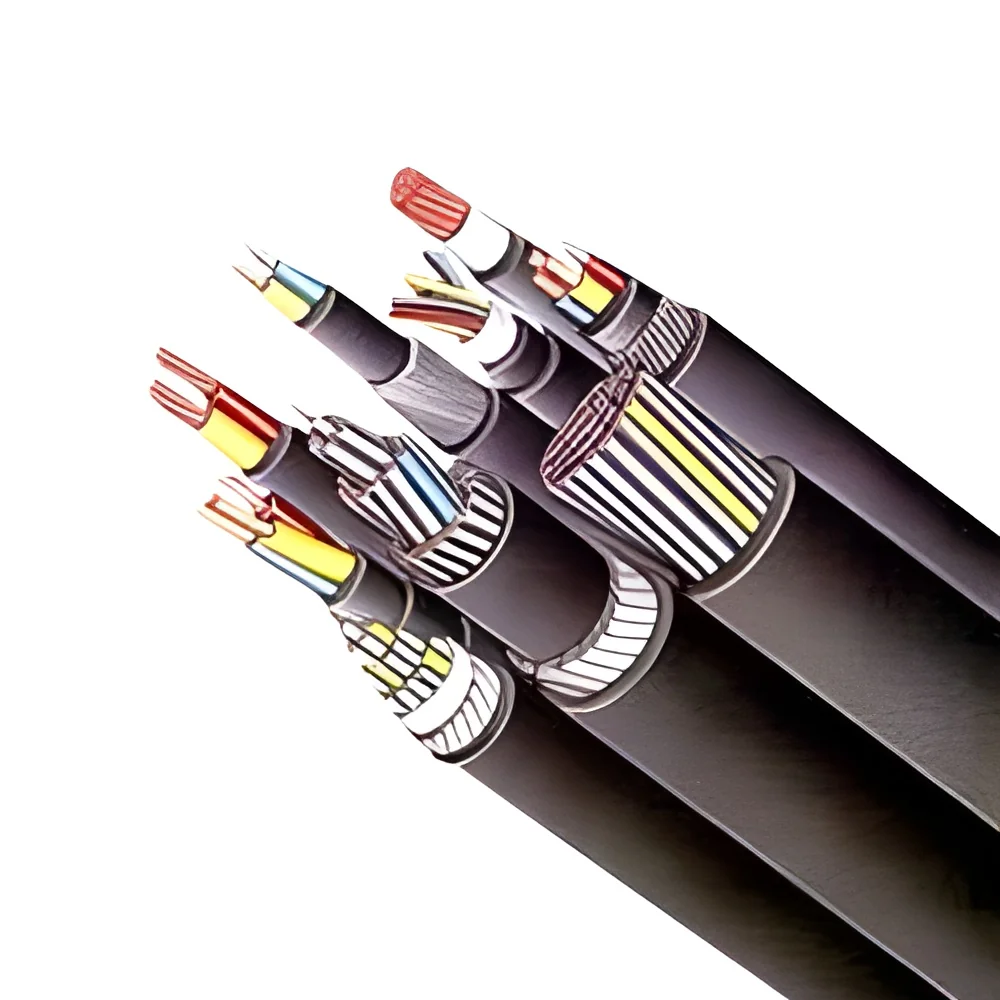
Multi-Core Cables: Comprising multiple conductors, these cables are ideal for applications requiring multiple power phases. They provide flexibility and ease of installation in complex environments.
Armored Cables: These cables feature additional protection layers to withstand harsh environmental conditions. They are commonly used in outdoor applications and industrial settings.
Benefits and Advantages
High Voltage Cables offer numerous benefits that make them indispensable in modern power systems.
1. High Efficiency: These cables minimize energy loss during transmission, ensuring that more power reaches the end user.
2. Reliability: Constructed with robust materials, high voltage cables are designed for longevity and consistent performance in demanding environments.
3. Safety: High voltage cables are engineered to meet stringent safety standards, reducing the risk of electrical hazards.
4. Versatility: Available in various configurations, these cables can be tailored to suit a wide range of applications across different industries.
5. Environmental Resistance: Many high voltage cables are designed to resist moisture, temperature fluctuations, and mechanical stress, ensuring durability.
6. Reduced Maintenance: The materials and designs used in high voltage cables require less maintenance over their lifespan, leading to lower operational costs.
Buying Guide for B2B Buyers
When sourcing High Voltage Cables, it is essential for B2B buyers to consider several factors to ensure they select the right product.
1. Quality Assessment: Evaluate the quality of cables by looking for industry-standard certifications and testing results. Reliable suppliers should provide documentation proving compliance with relevant standards.
2. Supplier Verification: Conduct thorough background checks on potential suppliers. Verify their reputation, delivery capabilities, and financial stability to ensure they can meet your project needs.
3. Pricing and MOQ: Compare prices among different suppliers while considering the minimum order quantities. Understand the pricing structure and ensure it aligns with your budget and quantity requirements.
4. Delivery and Lead Times: Assess the suppliers' ability to meet your timelines. Efficient logistics and delivery systems are crucial for project continuity.
5. Compliance Requirements: Ensure that the cables meet all regulatory and safety requirements specific to your region. This includes understanding local standards and certifications needed for installation.
Compliance and Certifications
Compliance with industry standards and certifications is critical when selecting high voltage cables. The most relevant quality standard is ISO 9001, which ensures that manufacturers adhere to quality management principles.
Furthermore, high voltage cables often require industry certifications such as CE, indicating compliance with European safety regulations. These certifications ensure that the cables meet essential safety and performance criteria, providing peace of mind for buyers.
Safety and testing requirements for high voltage cables include rigorous assessments to verify their ability to withstand electrical and environmental stresses. This testing ensures that cables perform reliably under various conditions.
Regional compliance considerations may vary, with different regions having specific regulations regarding electrical installations. Understanding these requirements is essential for ensuring that the cables used in projects are compliant and safe.
Why Source High Voltage Cables from Pepagora?
Pepagora provides a trusted platform for sourcing High Voltage Cables, offering several key advantages that enhance the buyer's experience.
Verified Supplier Network: Pepagora features a network of verified suppliers, ensuring that buyers have access to reputable vendors. This verification process helps mitigate risks associated with supplier selection.
Streamlined RFQ Process: The platform simplifies the request for quotation process, allowing buyers to easily compare options and receive timely responses from multiple suppliers. This efficiency saves time and aids in making informed decisions.
Trade Assurance and Support: Pepagora offers trade assurance programs that protect buyers throughout the purchasing process. This support includes assistance with negotiations and dispute resolution, enhancing buyer confidence.
Regional Coverage: With a strong presence in markets such as India, GCC, and Southeast Asia, Pepagora ensures that buyers can source high voltage cables tailored to local needs, whether for infrastructure projects or industrial applications.




 India


 India
 India

 India
 India
 India
 India
 India
 India
 India
 India
 India
 India
 India
 India
 India
 India

 India
 India



 India
Frequently Asked Questions
What are High Voltage Cables?
High Voltage Cables are electrical cables designed to carry electricity at voltages higher than 1,000 volts. These cables are primarily used in power transmission and distribution systems, ensuring the safe and efficient transfer of electrical energy over long distances.
What are the different types of High Voltage Cables?
The main types of High Voltage Cables include overhead cables, underground cables, and submarine cables. Each type is designed for specific applications and environments, accommodating factors such as installation conditions and voltage ratings.
How do I choose the right High Voltage Cables?
Choosing the right High Voltage Cables involves considering factors such as voltage rating, cable type, insulation materials, and installation environment. It is essential to assess the specific requirements of your project and consult with manufacturers or suppliers for recommendations.
What are the standard specifications for High Voltage Cables?
Standard specifications for High Voltage Cables typically include voltage ratings, conductor size, insulation type, and temperature ratings. Additionally, compliance with international standards such as IEC and BIS ensures reliability and safety in various applications.
What is the price range for High Voltage Cables?
The price range for High Voltage Cables can vary significantly based on factors such as type, material, and length. Generally, prices can start from a few hundred rupees per meter and can go up to several thousand rupees for specialized cables.
What quality standards apply to High Voltage Cables?
High Voltage Cables must adhere to various quality standards, including international and national regulations such as IEC 60840 and IS 7098. These standards ensure that cables are tested for performance, safety, and durability under high voltage conditions.
Where can I find High Voltage Cables suppliers in India?
You can find High Voltage Cables suppliers in India through online B2B marketplaces like Pepagora, industry trade shows, and electrical equipment exhibitions. Additionally, local electrical distributors and manufacturers often provide a range of high voltage solutions.
Can High Voltage Cables be customized?
Yes, many manufacturers offer customization options for High Voltage Cables to meet specific project requirements. Customizations may include variations in cable length, conductor size, insulation material, and additional features to enhance performance.
What is the typical minimum order quantity for High Voltage Cables?
The typical minimum order quantity (MOQ) for High Voltage Cables can vary by supplier but often ranges from 100 meters to 1 kilometer. It is advisable to check with individual suppliers for their specific MOQ requirements.
What is the typical lead time for High Voltage Cables?
The typical lead time for High Voltage Cables can range from a few days to several weeks, depending on the manufacturer's inventory and production capabilities. Factors such as customization and order volume can also affect the lead time.
Why Businesses Trust Pepagora
Thousands of companies trust Pepagora to source smarter and sell faster
Expand Your Sales Globally

Source Smarter,Grow Faster
