Key Features and Specifications
Cable accessories are characterized by several key features and specifications that make them suitable for various applications. Understanding these specifications is crucial for selecting the right products for specific needs.
Key specifications include:
1. Material Composition
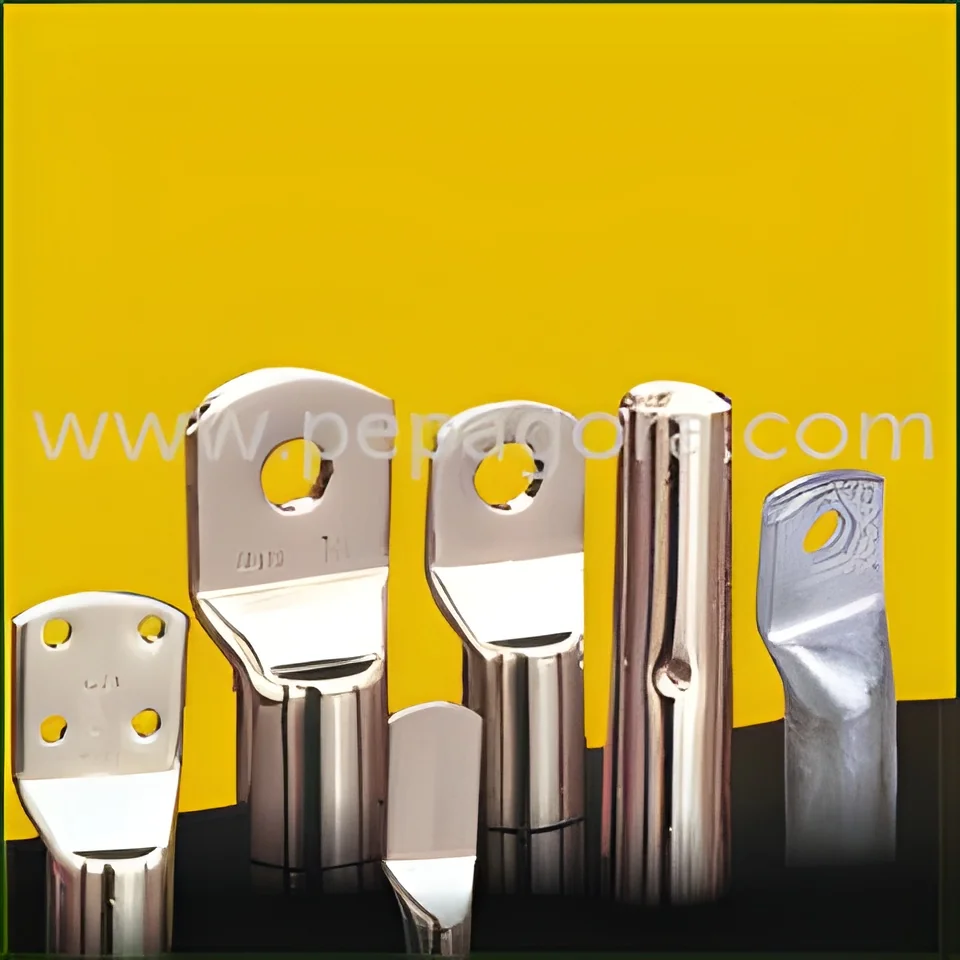
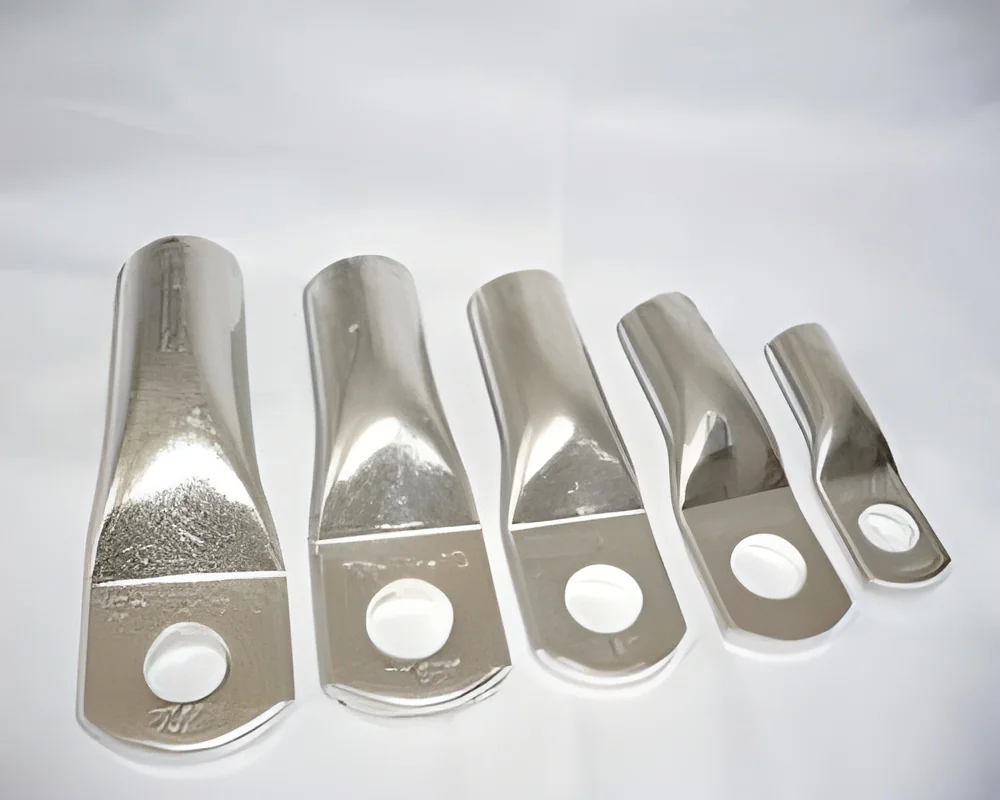
- Typically made from materials such as copper or aluminum for lugs.
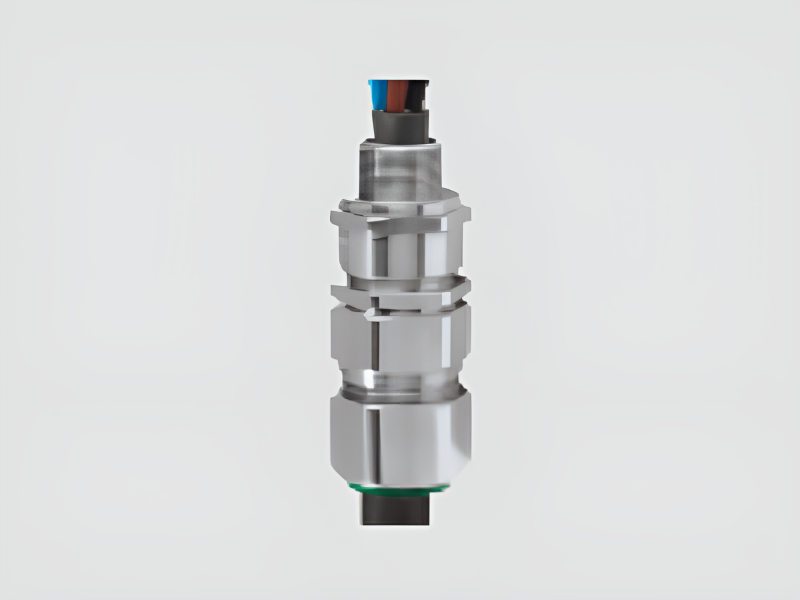
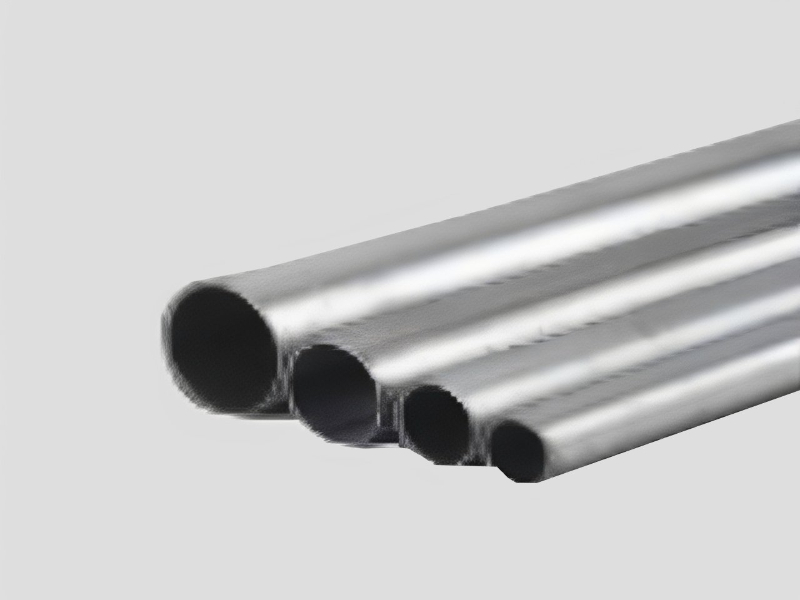
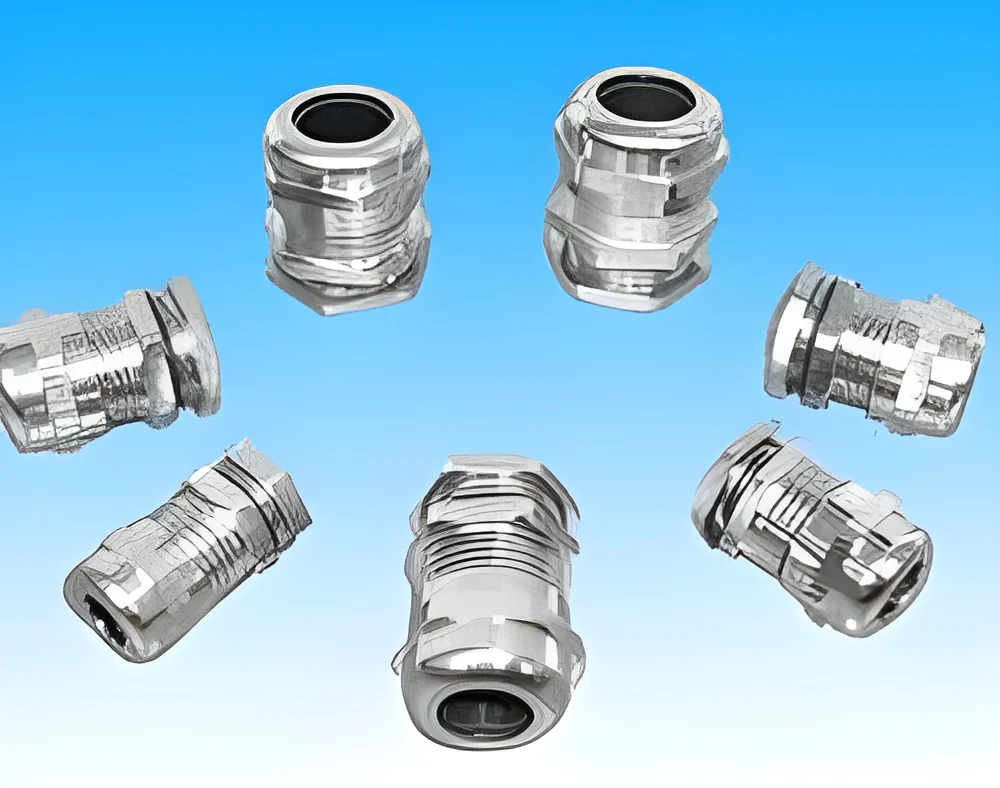
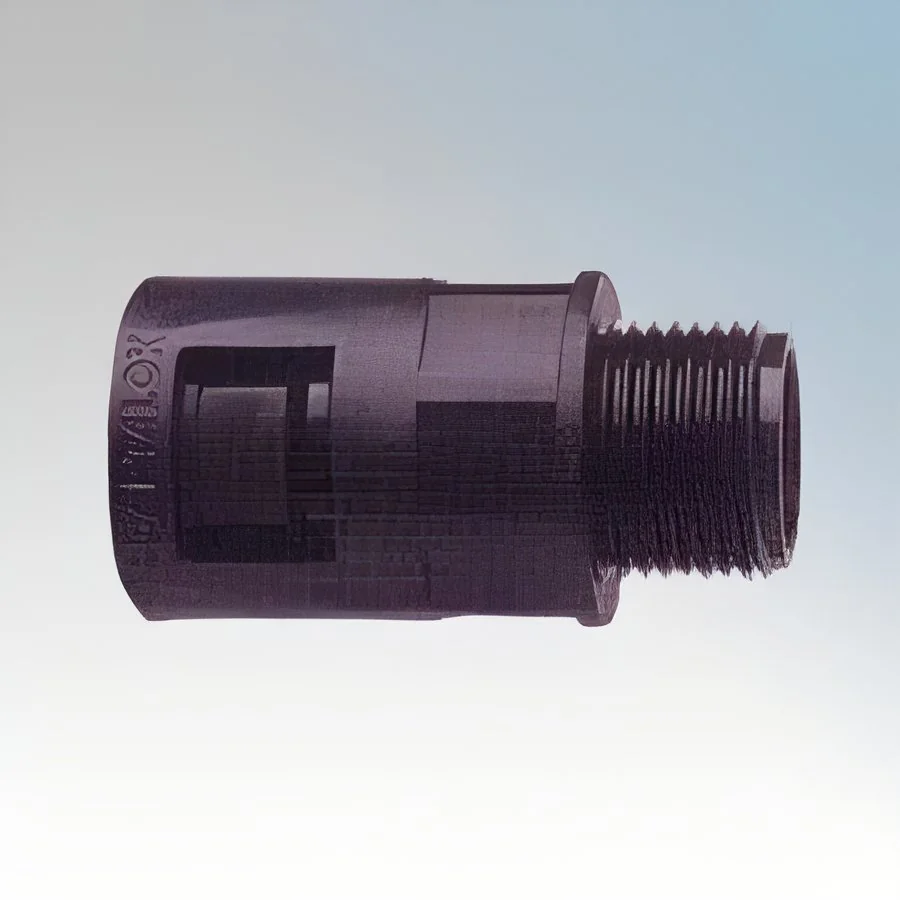
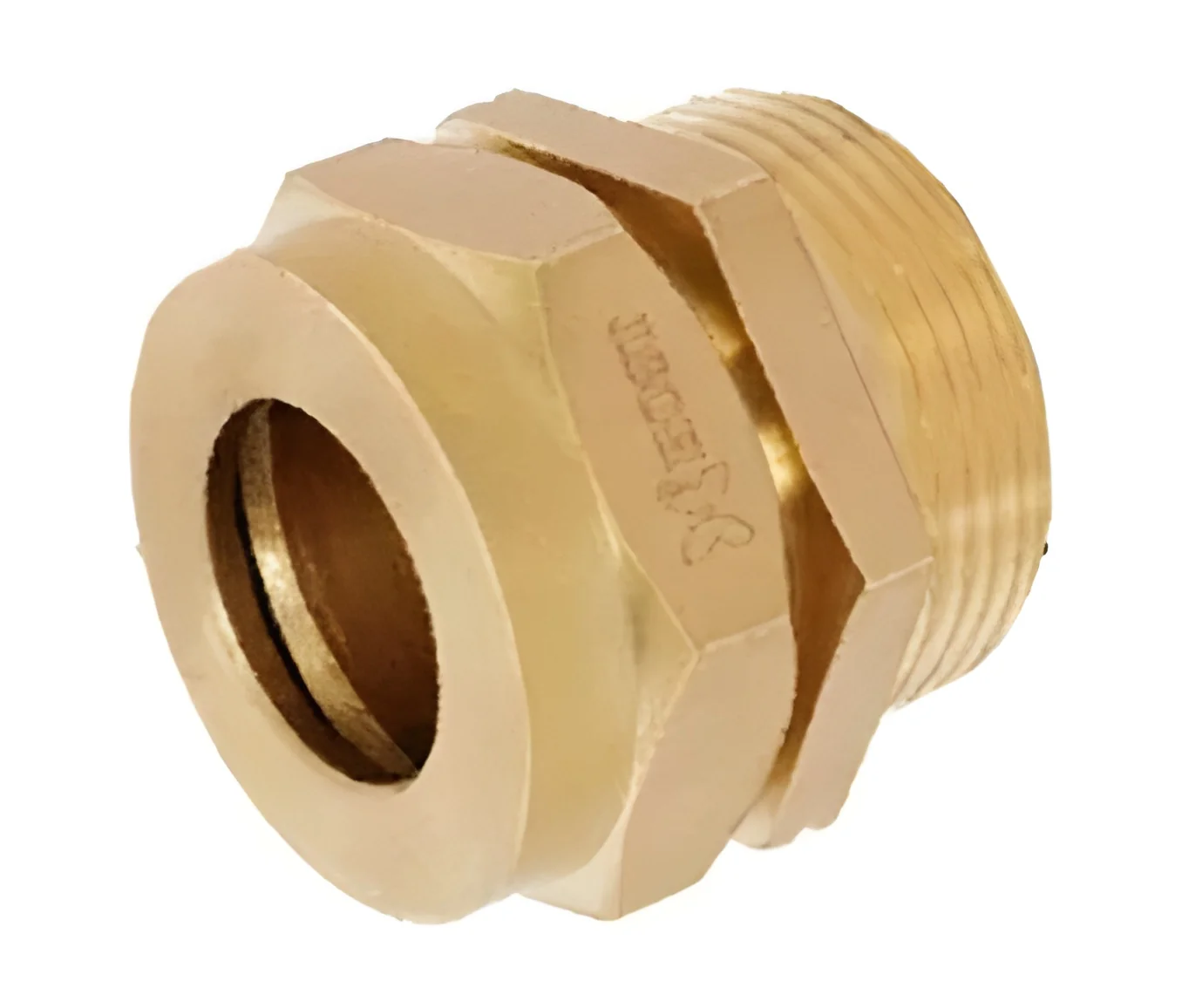
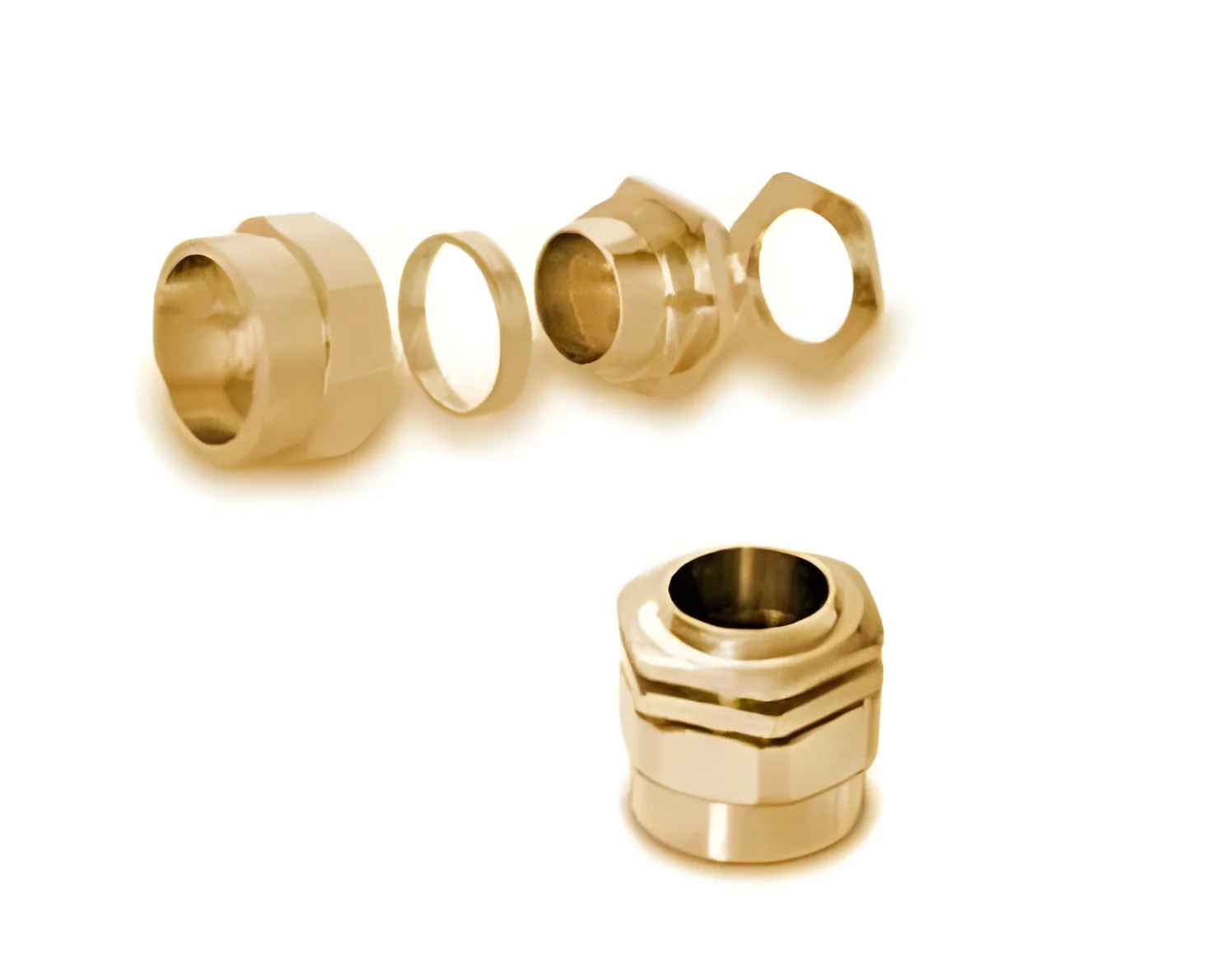
- Glands are often made from brass, plastic, or stainless steel to ensure durability.
2. Size and Dimensions
- Available in various sizes to accommodate different cable types.
- Standard sizes ensure compatibility with a wide range of applications.
3. Temperature Resistance
- Designed to operate effectively within a specific temperature range.
- Some products can withstand extreme temperatures, ensuring reliability.
4. Protection Rating
- Rated according to IP standards for ingress protection.
- Indicates resistance to dust and water ingress, enhancing durability.
5. Electrical Conductivity
- High conductivity materials ensure minimal energy loss during transmission.
- Essential for maintaining efficiency in electrical systems.
6. Compliance Standards
- Adherence to industry standards such as CE certification.
- Ensures products meet safety and performance requirements.
7. Mechanical Strength
- Designed to withstand mechanical stress and strain.
- Important for applications in industrial settings where cables are subject to movement.
8. Installation Type
- Options for different installation methods, including screw-on and push-fit designs.
- Facilitates ease of installation and maintenance.
In summary, understanding these key specifications helps businesses select the appropriate cable accessories for their specific operational needs.
Common Applications and Use Cases
Cable accessories serve a wide range of industries, each with specific applications that leverage their unique features.
1. Manufacturing: In manufacturing plants, lugs and glands are used to connect machinery and power distribution systems, ensuring safe and reliable operations.
2. Construction: During construction, these accessories help secure electrical wiring and provide protection against environmental factors, ensuring compliance with safety regulations.
3. Telecommunications: In telecom applications, cable accessories manage and protect the extensive cabling required for communication systems, enhancing signal integrity and reliability.
4. Renewable Energy: In solar and wind energy projects, cable accessories are crucial for connecting solar panels and turbines to the grid, ensuring efficient energy transmission.
5. Automotive: In the automotive industry, these components are used to manage electrical systems in vehicles, ensuring safety and performance.
6. Oil and Gas: In the oil and gas sector, cable accessories protect cables in harsh environments, ensuring uninterrupted operations.
7. Data Centers: In data centers, proper management of electrical cables is vital for maintaining operational efficiency, making these accessories essential for infrastructure.
Product Variants and Subcategories
Cable accessories come in various variants, each tailored for specific applications and requirements.
Lugs
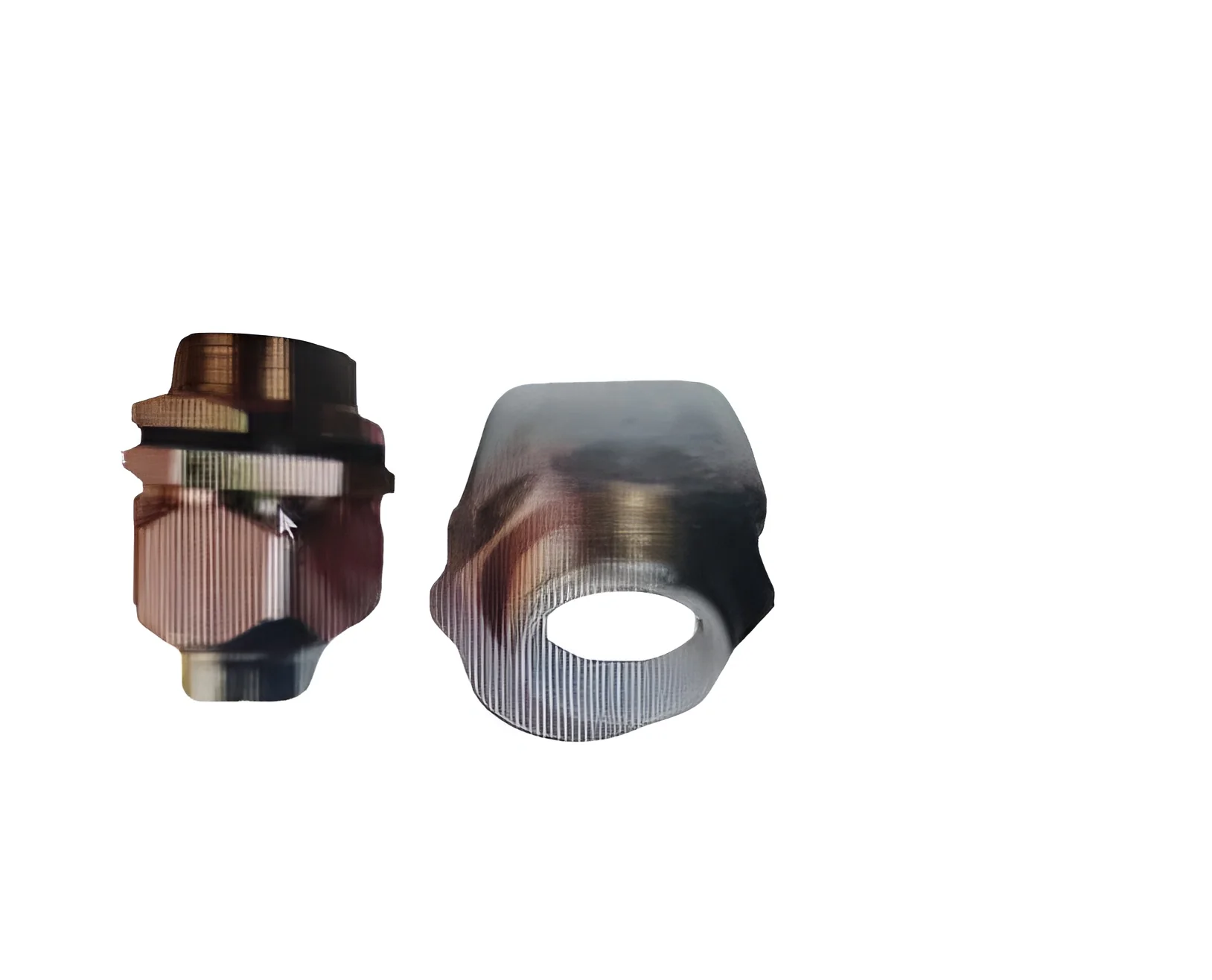
Lugs are available in different styles, including crimp and bolt types. They provide reliable electrical connections for various cable sizes, making them ideal for use in power distribution and industrial machinery.
Glands
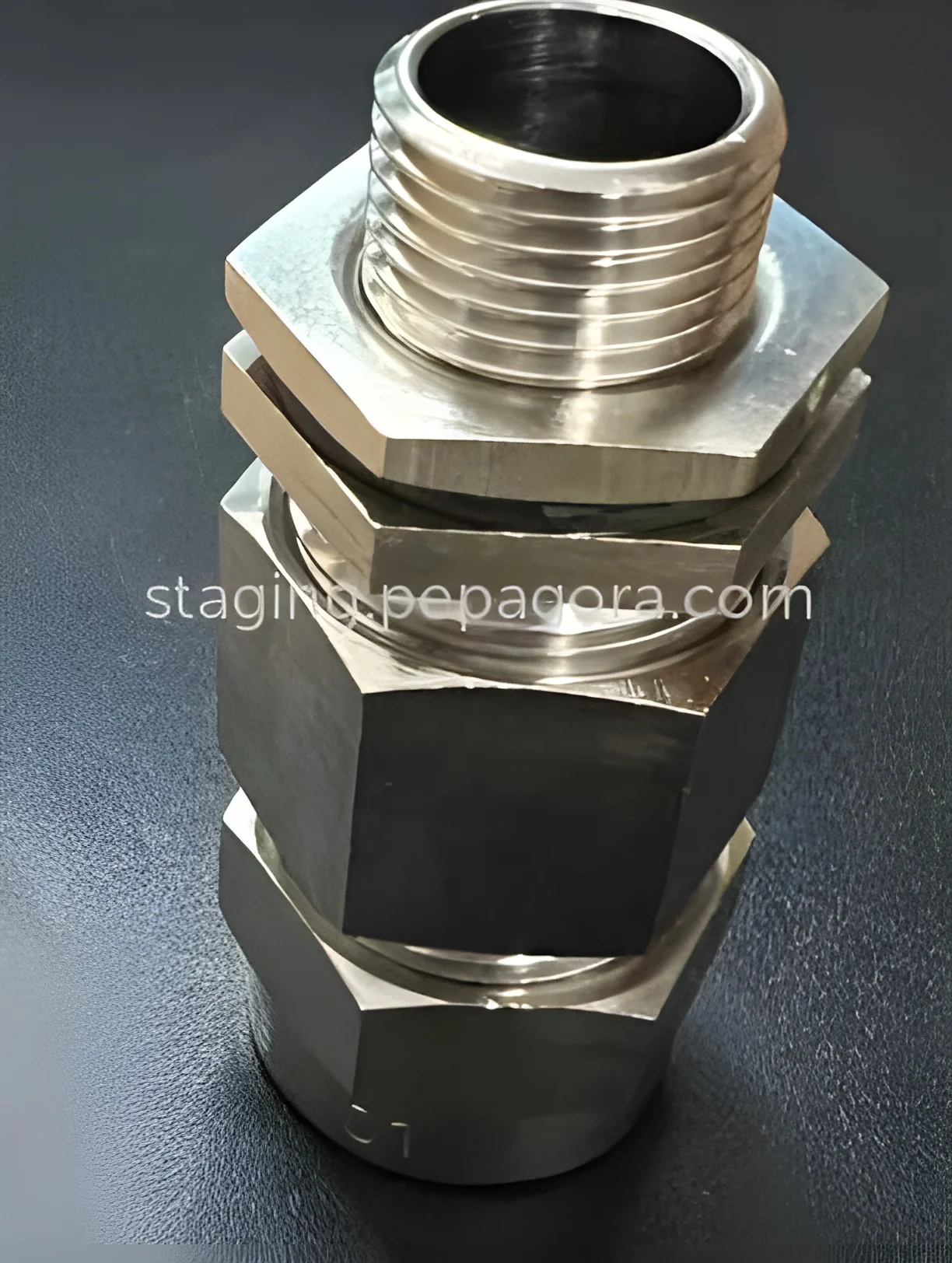
Glands are designed to accommodate different cable types, including armored and non-armored cables. They provide secure entry and exit points for cables, preventing moisture and dust ingress, crucial for sensitive equipment.
Sleeves
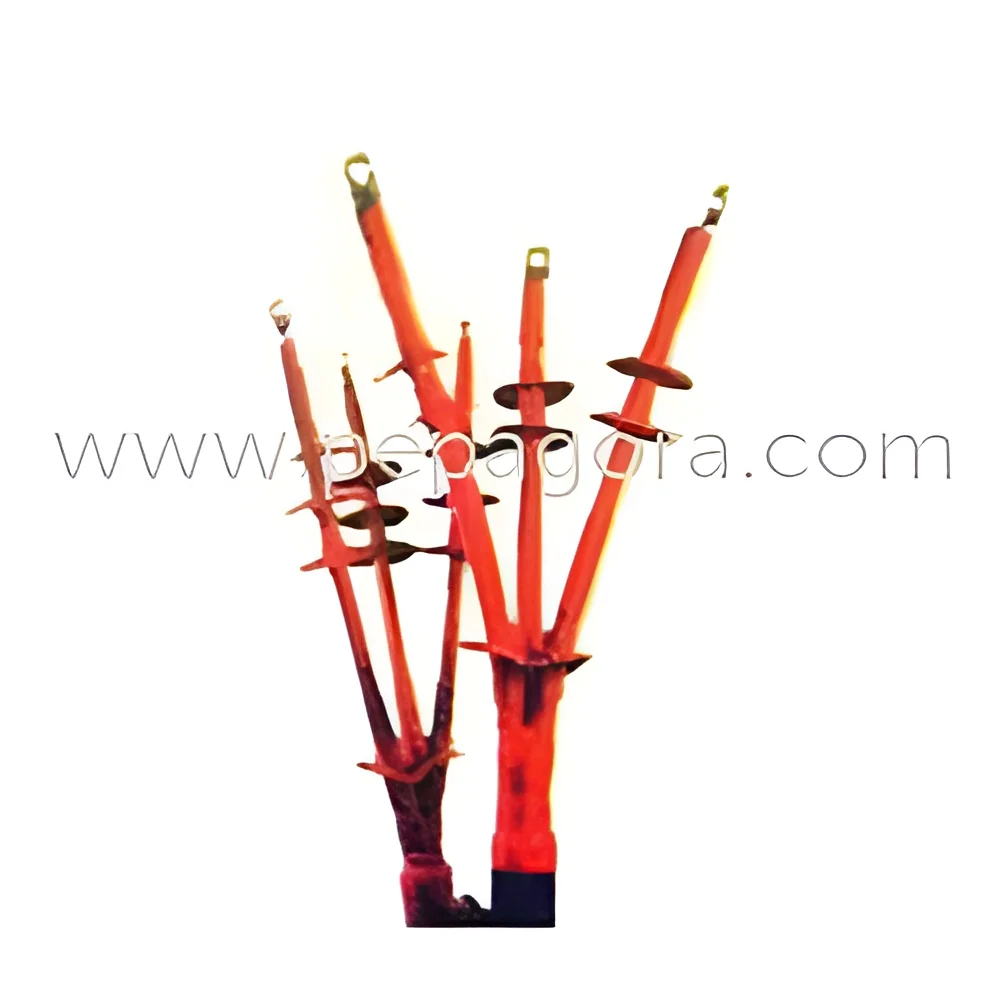
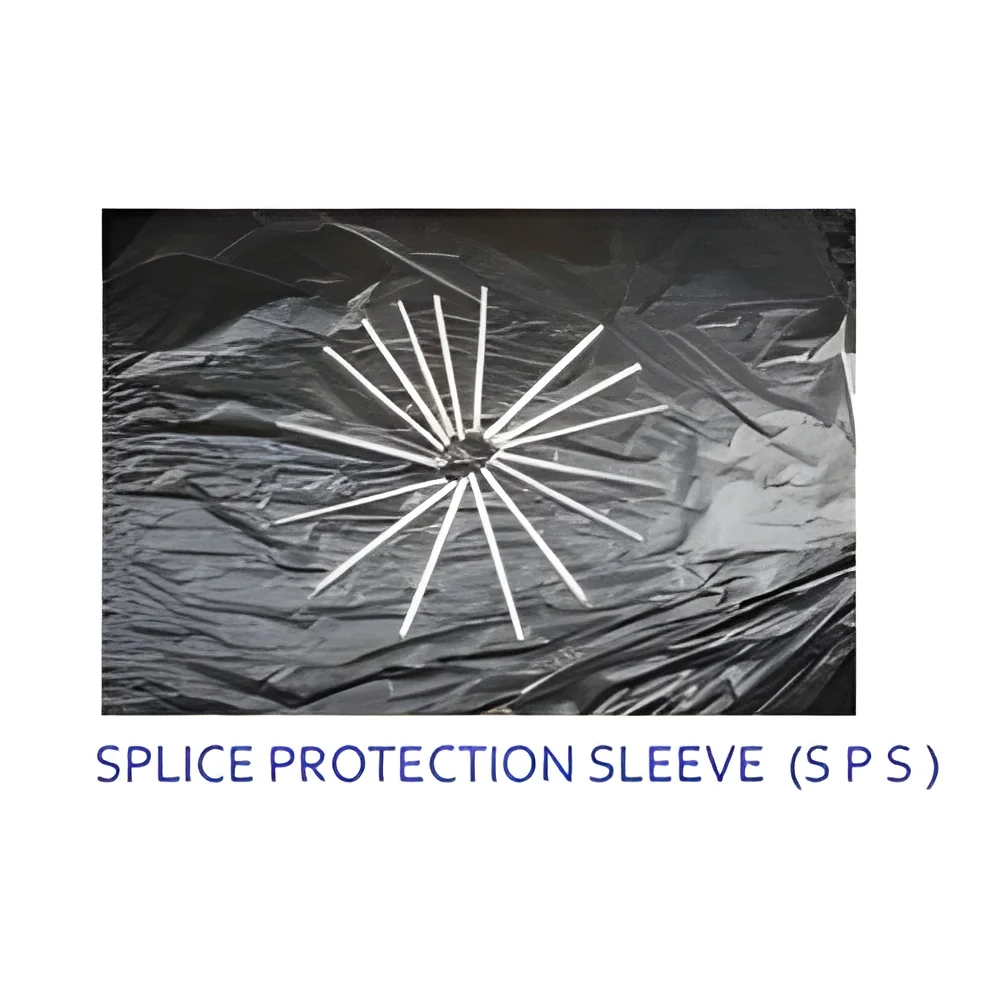
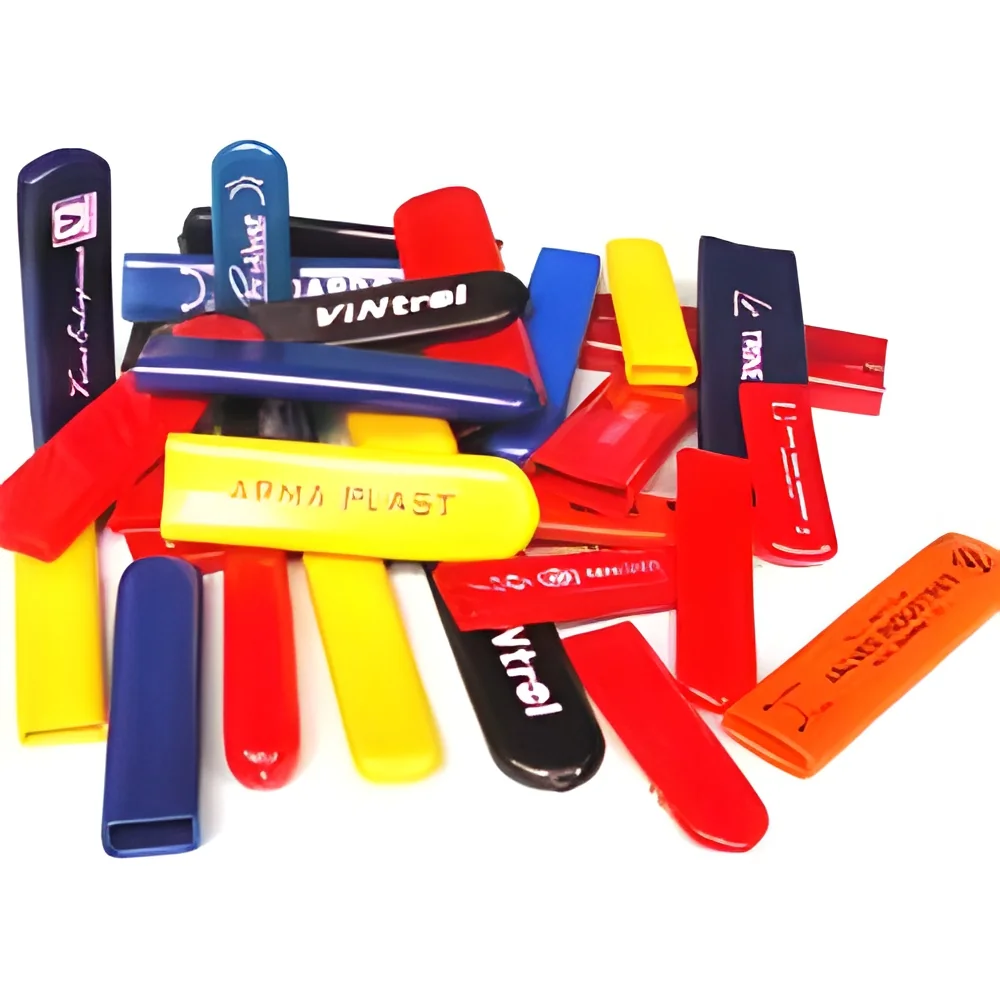
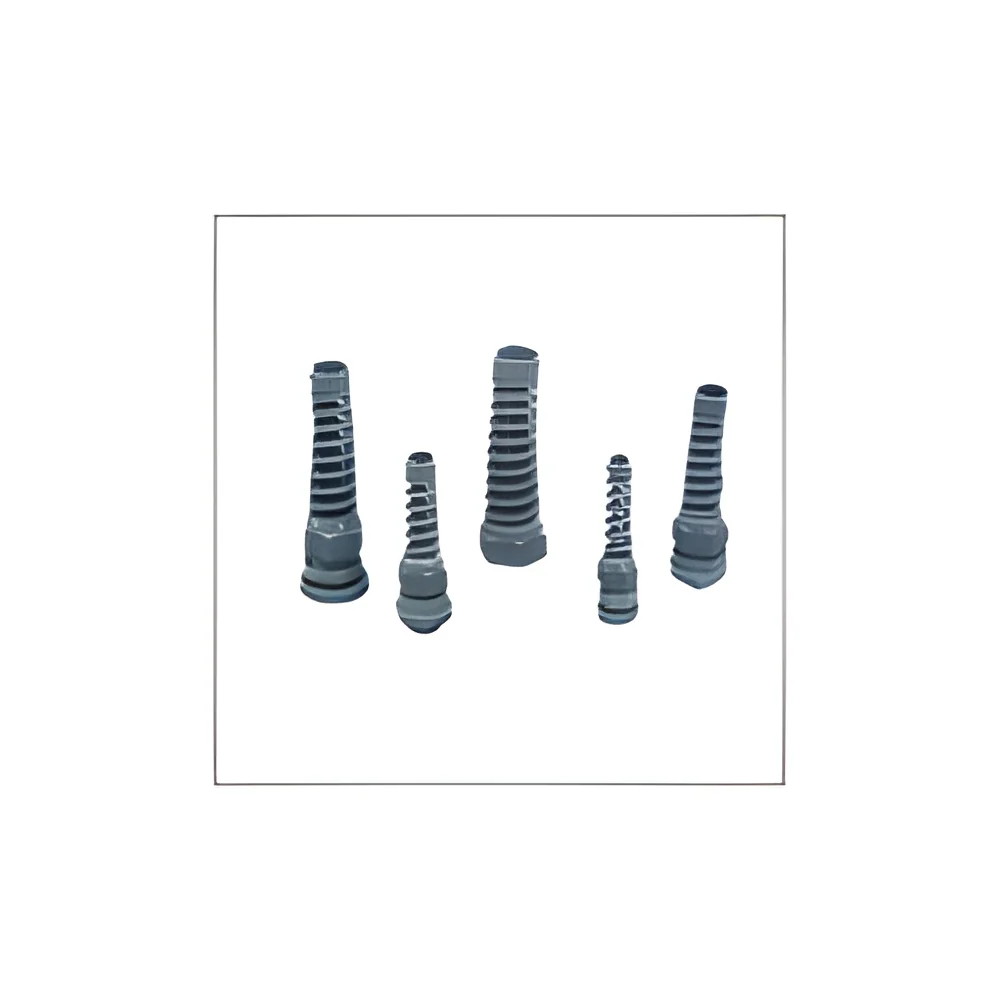
Sleeves serve to insulate and protect cables from damage. Available in various lengths and diameters, they can be used in applications ranging from automotive wiring to industrial installations.
Benefits and Advantages
Choosing the right cable accessories offers several key advantages.
1. Enhanced Safety: Properly installed cable accessories minimize the risk of electrical faults and accidents, enhancing overall safety in operations.
2. Improved Efficiency: High-quality materials ensure better electrical conductivity, reducing energy loss and improving system efficiency.
3. Durability: Designed to withstand environmental factors, these accessories offer long-lasting performance, reducing the need for frequent replacements.
4. Versatility: Available in various types and sizes, they can be used in multiple applications across different industries.
5. Compliance Assurance: Sourcing certified products ensures compliance with industry standards, which is crucial for business operations.
6. Cost-Effectiveness: Investing in reliable cable accessories can lead to long-term savings by reducing maintenance and replacement costs.
Buying Guide for B2B Buyers
When sourcing cable accessories, businesses should consider several important factors to ensure they make informed purchasing decisions.
1. Quality Assessment: Evaluate the quality of materials and manufacturing processes. Look for products that meet established standards to ensure reliability.
2. Supplier Verification: Vet suppliers to confirm their reputation and reliability. Check for customer reviews and certifications to ensure they meet industry expectations.
3. Pricing and MOQ: Understand the pricing structures and minimum order quantities (MOQ). Compare different suppliers to find the best value while meeting your requirements.
4. Delivery and Lead Times: Assess logistics and lead times to ensure timely delivery of products. This is crucial for project timelines and operational continuity.
5. Compliance Requirements: Ensure that products meet necessary compliance and safety standards relevant to your industry, which can vary by region and application.
Compliance and Certifications
Compliance with industry standards and certifications is critical for ensuring the safety and performance of cable accessories.
Many cable accessories are manufactured according to ISO 9001 quality management standards, which emphasize consistent quality and reliability in production. Additionally, CE certification is often required, indicating that the products meet European safety and performance standards.
It is essential for buyers to verify that the accessories meet relevant safety and testing requirements. This may include assessments for electrical conductivity, mechanical strength, and environmental suitability.
Regional compliance considerations should also be taken into account, as different markets may have varying regulations. Ensuring that products comply with these standards protects businesses from potential liabilities and enhances their operational credibility.
Why Source Cable Accessories (Lugs, Glands, Sleeves) from Pepagora?
Pepagora offers a reliable platform for sourcing cable accessories, providing numerous advantages for B2B buyers.
Verified Supplier Network: Pepagora connects buyers with a network of verified suppliers, ensuring that all products meet high-quality standards. This reduces the risk of sourcing subpar materials.
Streamlined RFQ Process: The platform features a user-friendly request-for-quotation (RFQ) process that simplifies the procurement of cable accessories. Buyers can easily compare offers from multiple suppliers, facilitating better decision-making.
Trade Assurance and Support: Pepagora provides trade assurance, offering buyers protection throughout the purchasing process. This includes support for any potential disputes, ensuring a smooth transaction experience.
Regional Coverage: With a strong presence in regions like India, the GCC, and Southeast Asia, Pepagora enables businesses to tap into a vast market of suppliers, enhancing sourcing capabilities and promoting competitive pricing.
In conclusion, partnering with Pepagora for cable accessories ensures access to quality products, reliable suppliers, and a streamlined purchasing process, making it an ideal choice for businesses in need of these essential components.

 IN
IN