What are Flexible Cables?
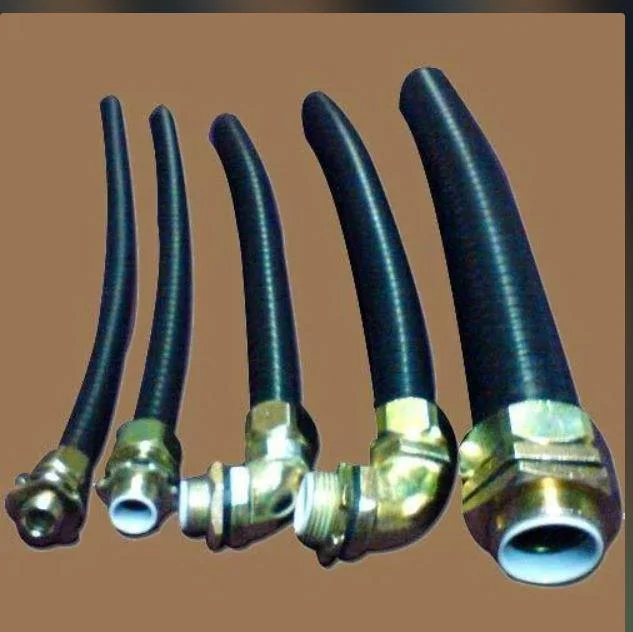
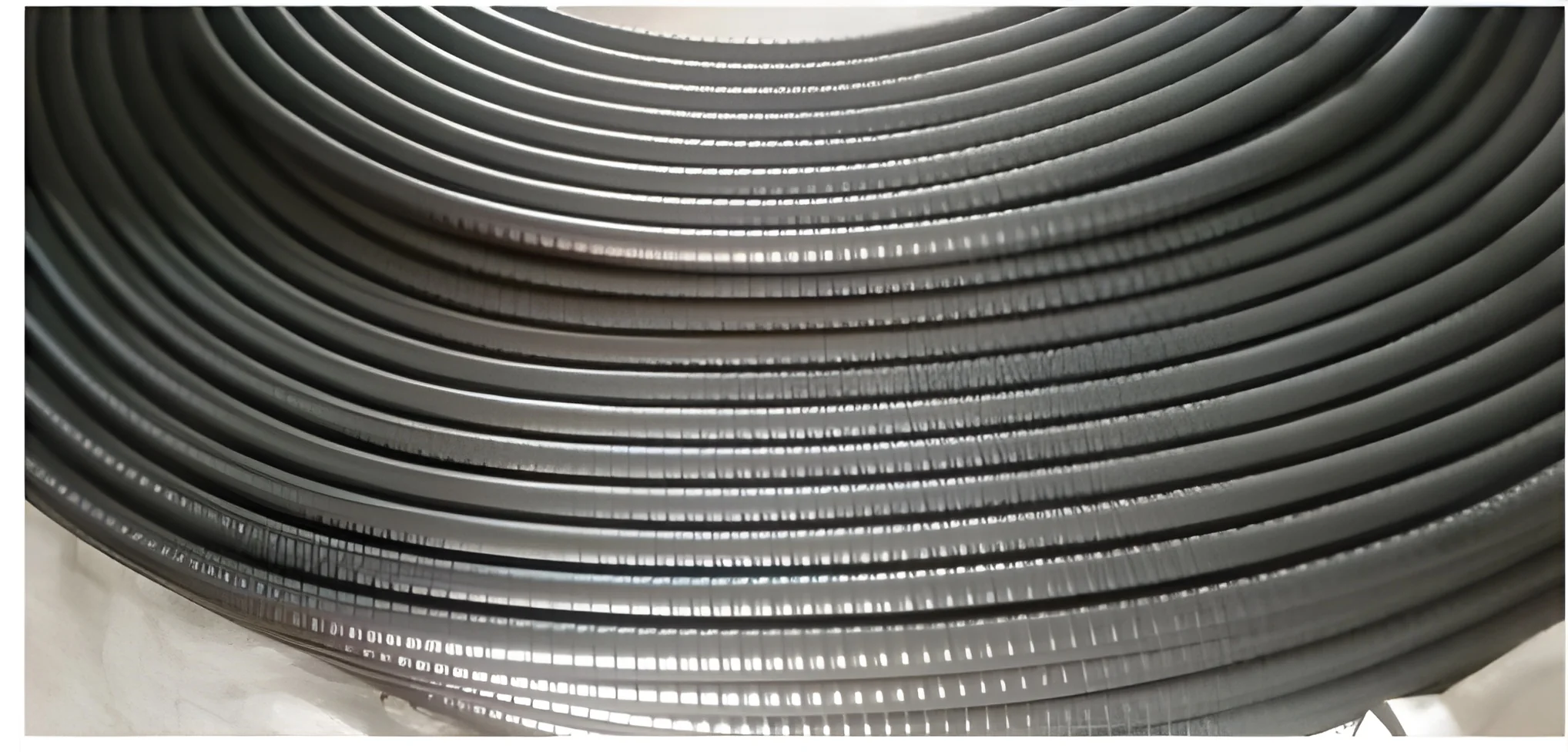
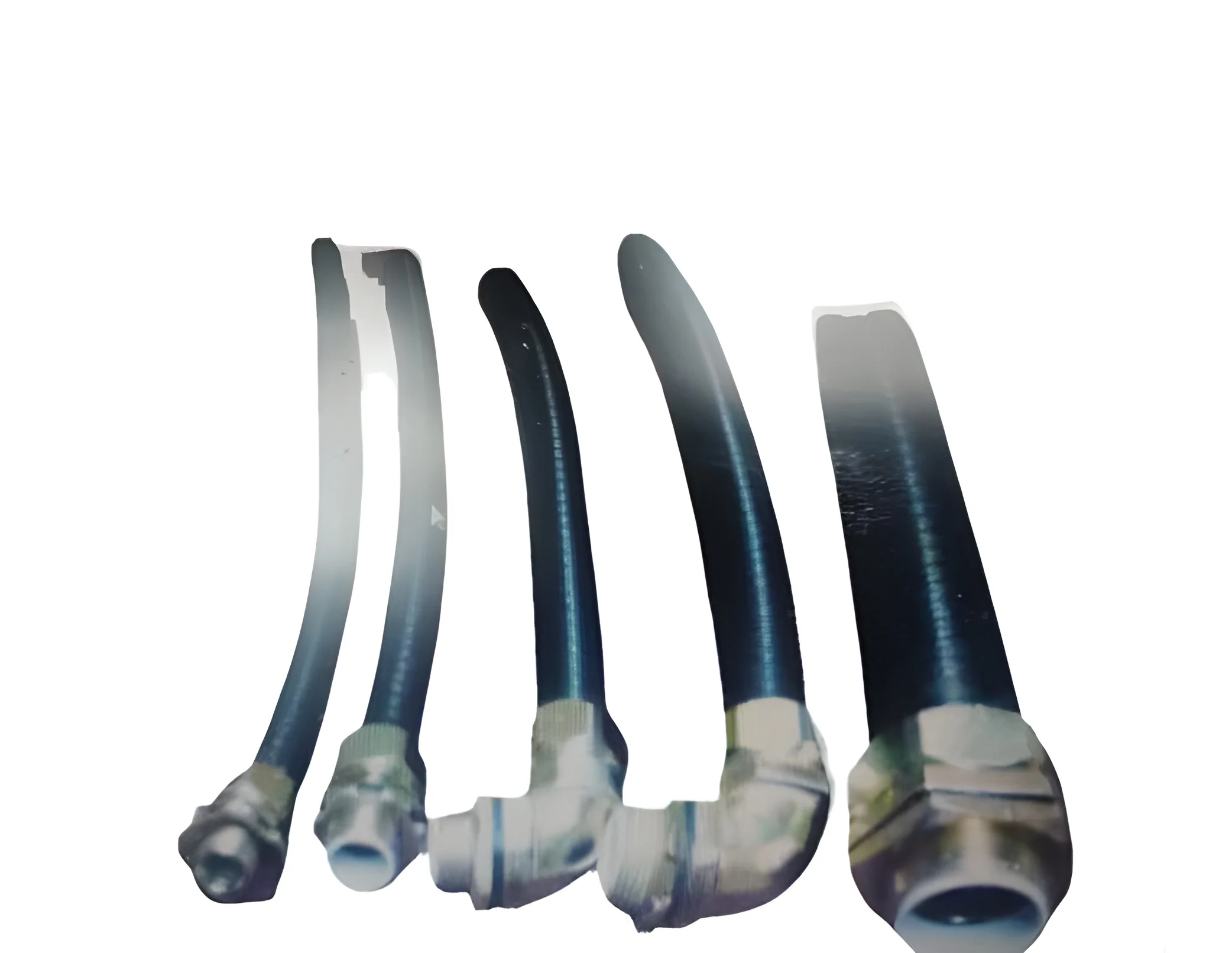
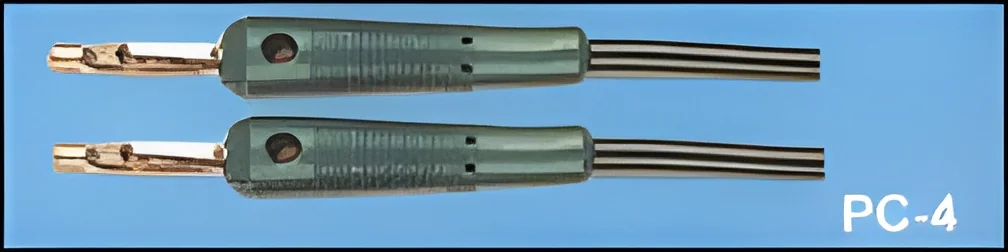
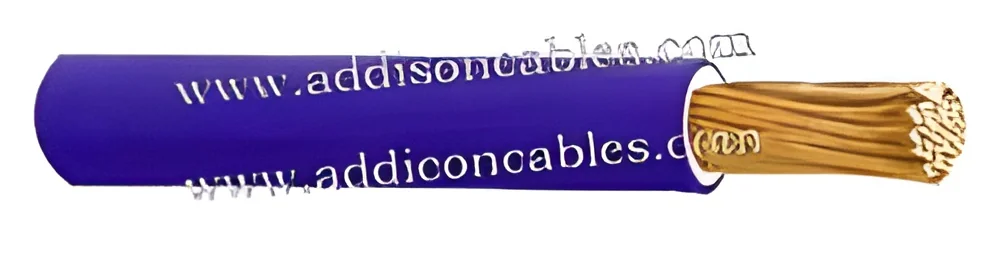
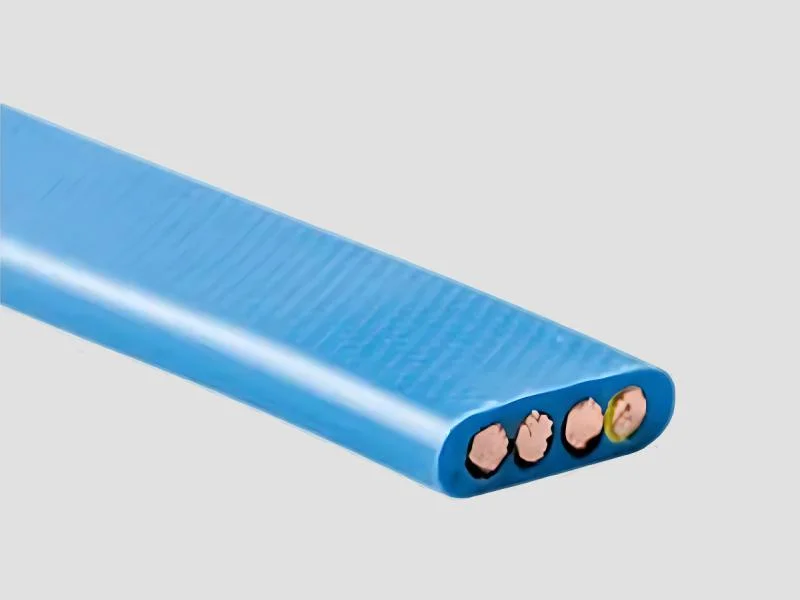
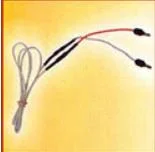
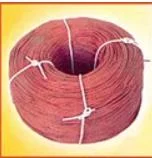
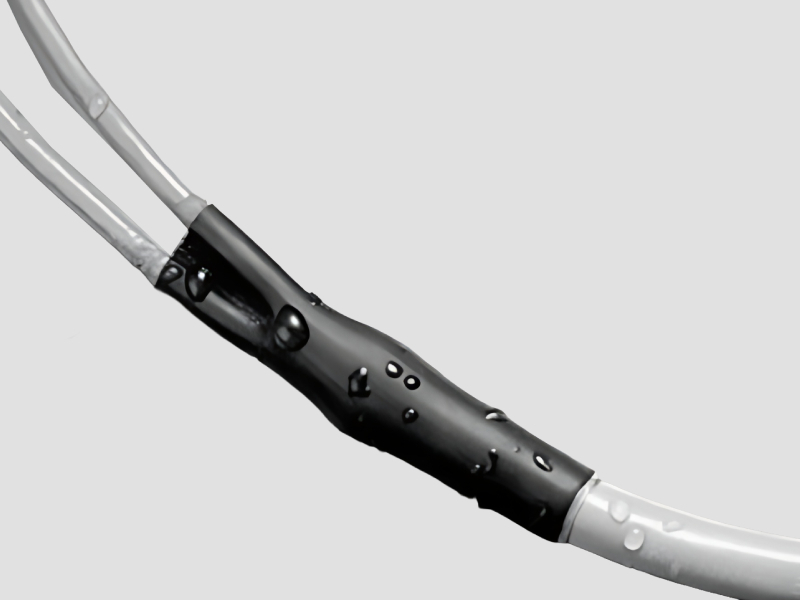
Flexible cables are electrical conductors designed to bend easily and adapt to various configurations without breaking. Unlike rigid cables, flexible cables consist of multiple strands of wire, which allow for increased maneuverability and resilience in demanding environments. These cables are often insulated to protect against environmental factors and electrical interference, making them suitable for a wide range of applications.
Flexible cables find extensive use in industries such as manufacturing, automotive, construction, and telecommunications. They are commonly utilized in machinery, tools, and power distribution systems where flexibility is essential. Their ability to handle dynamic movements, such as in robotic applications or movable equipment, contributes to their growing demand in modern industrial settings. As industries evolve towards automation and sophisticated machinery, the market for flexible cables continues to expand.
Key Features and Specifications
Flexible cables are characterized by several key features that enhance their functionality and versatility. These specifications ensure that the cables meet the varying requirements of different industries.
Key specifications include:
1. Conductor Material
- Typically made from copper or aluminum
- Provides excellent conductivity and durability
2. Insulation Type
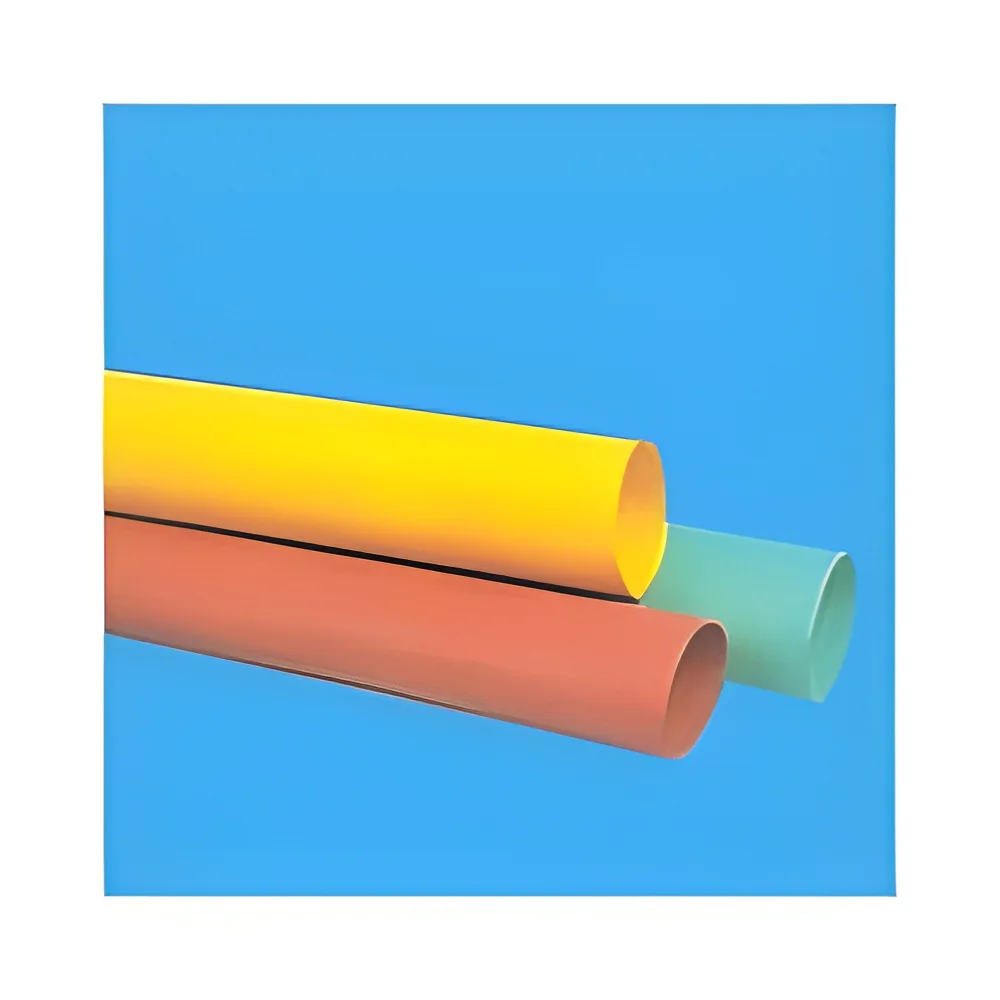
- Commonly uses PVC, rubber, or thermoplastic elastomers
- Offers protection against moisture, chemicals, and physical damage
3. Temperature Rating
- Capable of operating in a range from -40°C to +90°C
- Ensures performance in extreme conditions
4. Voltage Rating
- Standard ratings often range from 300V to 1000V
- Determines suitability for specific applications
5. Stranding
- Features fine-stranded wires for flexibility
- Enhances bending capabilities without compromising electrical performance
6. Shielding Options
- Available with or without shielding
- Reduces electromagnetic interference (EMI) in sensitive applications
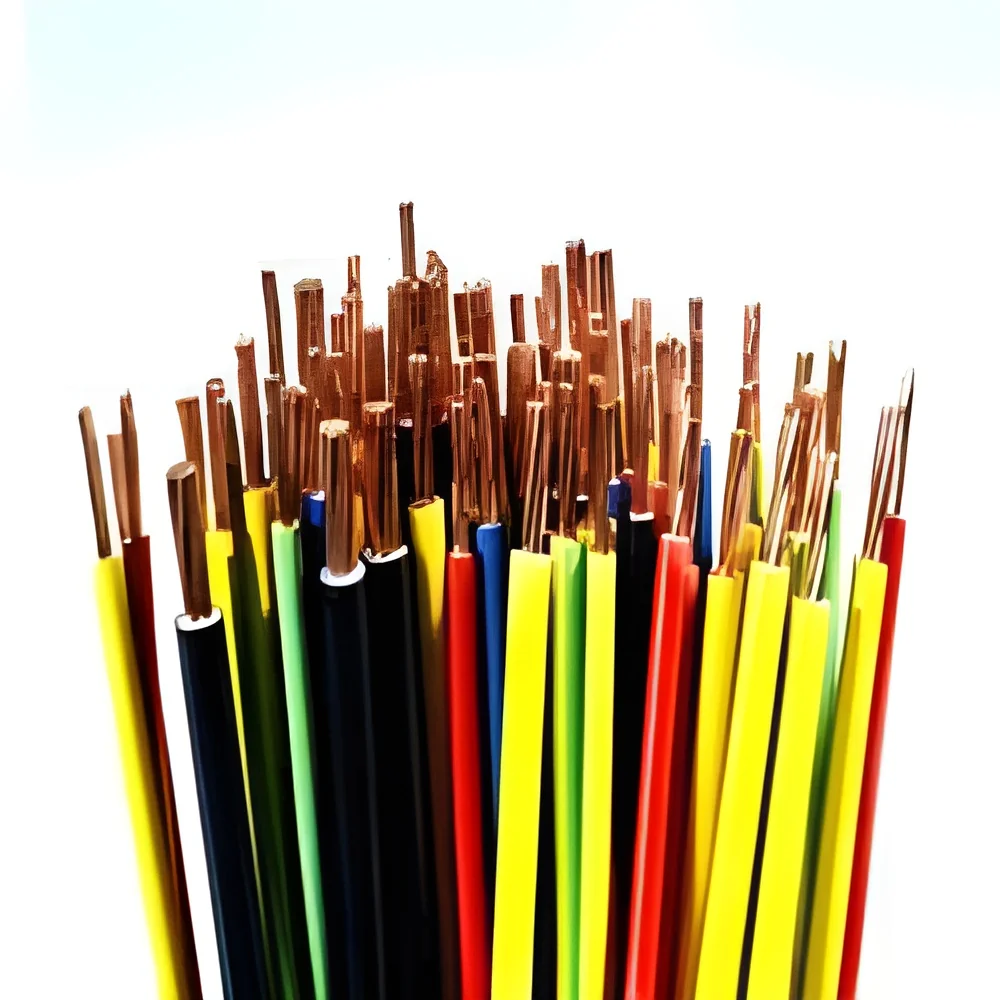
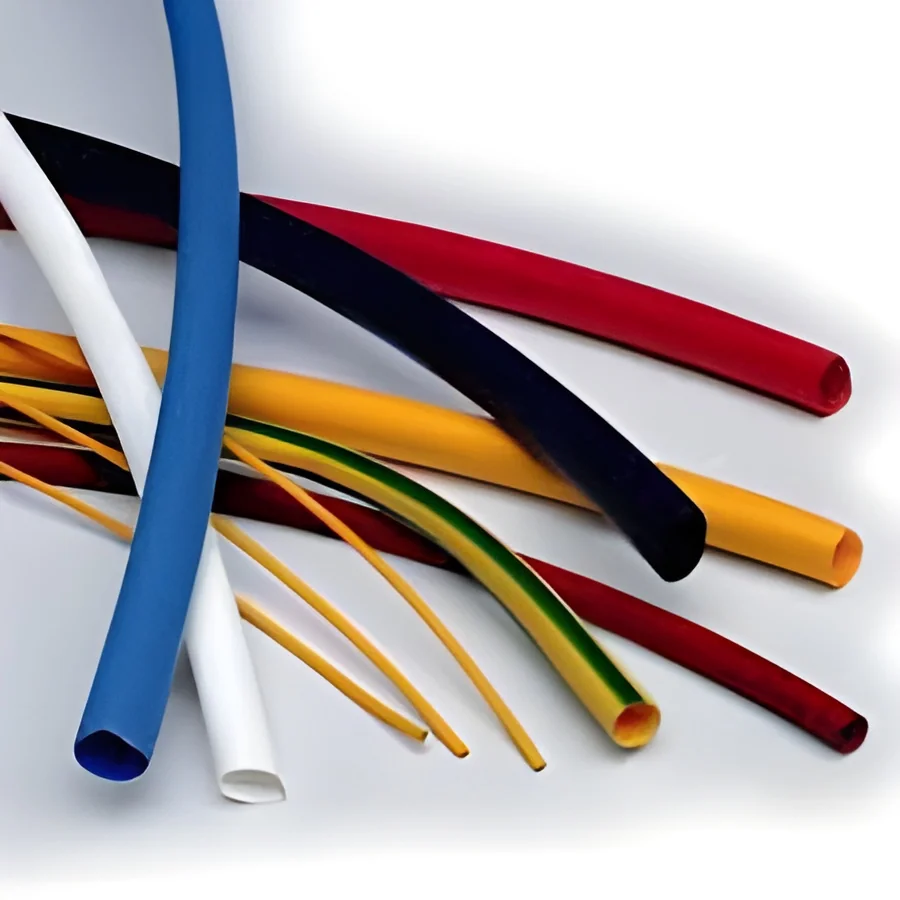
7. Color Coding
- Often color-coded for easy identification during installation
- Facilitates maintenance and troubleshooting
8. Certifications
- Compliance with industry standards such as CE
- Ensures safety and reliability in applications
Flexible cables are engineered to meet the demands of diverse industrial environments, providing reliability and efficiency.
Common Applications and Use Cases
Flexible cables are utilized across various sectors due to their adaptability and reliability.
1. Automotive Industry: Flexible cables are used for wiring harnesses, connecting various electrical components within vehicles, such as engines and lighting systems.
2. Manufacturing Sector: In factories, these cables are often found in robotic systems and conveyor belts where movement and flexibility are critical for operations.
3. Construction Industry: Flexible cables provide power to tools and machinery at job sites, allowing for ease of movement and setup.
4. Telecommunications: They are essential in telecommunications infrastructure, connecting devices and facilitating data transmission in dynamic setups.
5. Aerospace: In the aerospace industry, flexible cables are used in aircraft systems where space and weight are critical considerations.
6. Marine Applications: Waterproof flexible cables are used in boats and ships for various electrical systems, ensuring safety and reliability in challenging environments.
7. Renewable Energy: These cables are employed in solar panel installations and wind turbines, where flexibility aids in installation and maintenance.
Product Variants and Subcategories
Flexible cables come in various types to suit specific applications and requirements.
PVC Insulated Flexible Cable: This variant features a PVC insulation layer that provides excellent durability and resistance to abrasion. It is commonly used in indoor applications and general wiring.
Rubber Insulated Flexible Cable: Designed for heavy-duty applications, this cable variant offers superior flexibility and resilience in harsh environments, making it ideal for outdoor use and industrial machinery.
Silicone Insulated Flexible Cable: Known for its heat resistance, this cable variant is suited for high-temperature applications, such as in ovens or furnaces.
Low Smoke Zero Halogen (LSZH) Cable: This variant minimizes toxic smoke emissions during combustion. It is often used in public buildings and transportation systems where safety is a priority.
Benefits and Advantages
Flexible cables offer several advantages that make them a preferred choice in various applications.
1. Enhanced Flexibility: The design allows for easy routing and installation, particularly in tight spaces or moving parts.
2. Durability: Flexible cables are built to withstand mechanical stress, reducing the likelihood of damage and failure over time.
3. Versatility: They can be used in a wide range of applications across multiple industries, adapting to different operational needs.
4. Safety Features: Many flexible cables come with insulation types that provide protection against moisture and chemicals, enhancing safety.
5. Customization Options: Flexible cables can often be tailored to meet specific requirements, including length and insulation type.
6. Cost-Effectiveness: Their durability and reliability can lead to lower maintenance costs and increased operational efficiency.
Buying Guide for B2B Buyers
When sourcing flexible cables, it is crucial for B2B buyers to consider several key factors.
1. Quality Assessment: Evaluate the materials and construction of the cables to ensure they meet industry standards and performance requirements. Look for certifications that guarantee quality.
2. Supplier Verification: Vet suppliers by checking their reputation, customer reviews, and history. A reliable supplier is essential for ensuring timely deliveries and consistent quality.
3. Pricing and MOQ: Understand the pricing structure and minimum order quantities (MOQ) required by suppliers. This will help in budgeting and planning purchases effectively.
4. Delivery and Lead Times: Inquire about the expected delivery times and logistics involved. Timely delivery is crucial for maintaining project schedules.
5. Compliance Requirements: Ensure that the cables meet any necessary regulatory standards relevant to your industry. Compliance can impact safety and performance.
Compliance and Certifications
The manufacturing of flexible cables adheres to various quality standards and certifications.
ISO 9001 is a widely recognized standard that ensures organizations maintain effective quality management systems. Compliance with this standard indicates a commitment to quality and customer satisfaction.
CE certification is essential for products sold within the European Economic Area, confirming that they meet health, safety, and environmental protection standards.
Safety and testing requirements are critical to ensure that flexible cables can withstand operational stresses and environmental factors. This includes rigorous testing for electrical performance and durability.
Regional compliance considerations may vary, so it is essential to verify that the cables meet local regulations and standards in the intended market.
Why Source Flexible Cables from Pepagora?
Pepagora offers a reliable platform for sourcing flexible cables, providing numerous key advantages for B2B buyers.
Verified Supplier Network: Our platform features a network of verified suppliers, ensuring that buyers can access high-quality products from reputable manufacturers.
Streamlined RFQ Process: Pepagora simplifies the request for quotation (RFQ) process, allowing buyers to receive competitive bids efficiently and make informed purchasing decisions.
Trade Assurance and Support: We prioritize buyer protection through trade assurance, offering support throughout the transaction process to ensure satisfaction and confidence in purchases.
Regional Coverage: With a broad geographic reach spanning India, the GCC, and Southeast Asia, Pepagora connects buyers with suppliers across multiple regions, enhancing accessibility and convenience in sourcing flexible cables.

 IN
IN