
 IN
Fiber Optic Cables
5 products available
What are Fiber Optic Cables?
Fiber optic cables are high-speed data transmission lines that utilize light to transmit information. Made from glass or plastic fibers, these cables are designed to carry data over long distances with minimal loss. Unlike traditional copper cables, fiber optics rely on the principle of light transmission, which enables them to achieve faster speeds and greater bandwidth capabilities. The core of the fiber optic cable is surrounded by a cladding layer that reflects light back into the core, thereby facilitating efficient transmission.
These cables are primarily used in telecommunications, internet services, and network infrastructure. Businesses leverage fiber optic technology to enhance communication systems, connect data centers, and support high-speed internet access. Additionally, fiber optics are crucial in industries requiring secure and reliable data transmission, such as healthcare, finance, and broadcasting. In today's digital age, the demand for fiber optic cables continues to grow as businesses seek to improve their connectivity and data handling capabilities.
Key Features and Specifications
Fiber optic cables are distinguished by several key features that contribute to their performance and utility in various applications. Understanding these specifications is essential for businesses looking to implement fiber optic technology effectively.
Key specifications include:
1. Core Diameter
- Commonly ranges from 8 to 62.5 micrometers for multimode fibers.
- Single-mode fibers typically have a core diameter of 9 micrometers.
2. Maximum Transmission Distance
- Multimode fibers can transmit data over distances up to 2 kilometers.
- Single-mode fibers can cover distances exceeding 40 kilometers.
3. Bandwidth Capacity
- Fiber optic cables can support bandwidths in the range of hundreds of gigabits per second.
- This capacity allows for high-volume data transfer and efficient network performance.
4. Operating Temperature Range
- Generally, fiber optic cables operate effectively in temperatures ranging from -40°C to 85°C.
- Specific temperature ratings may vary based on manufacturer specifications.
5. Attenuation Rate
- Attenuation rates for multimode fibers are typically around 3 dB/km.
- Single-mode fibers have lower attenuation rates, often around 0.2 dB/km.
6. Connector Types
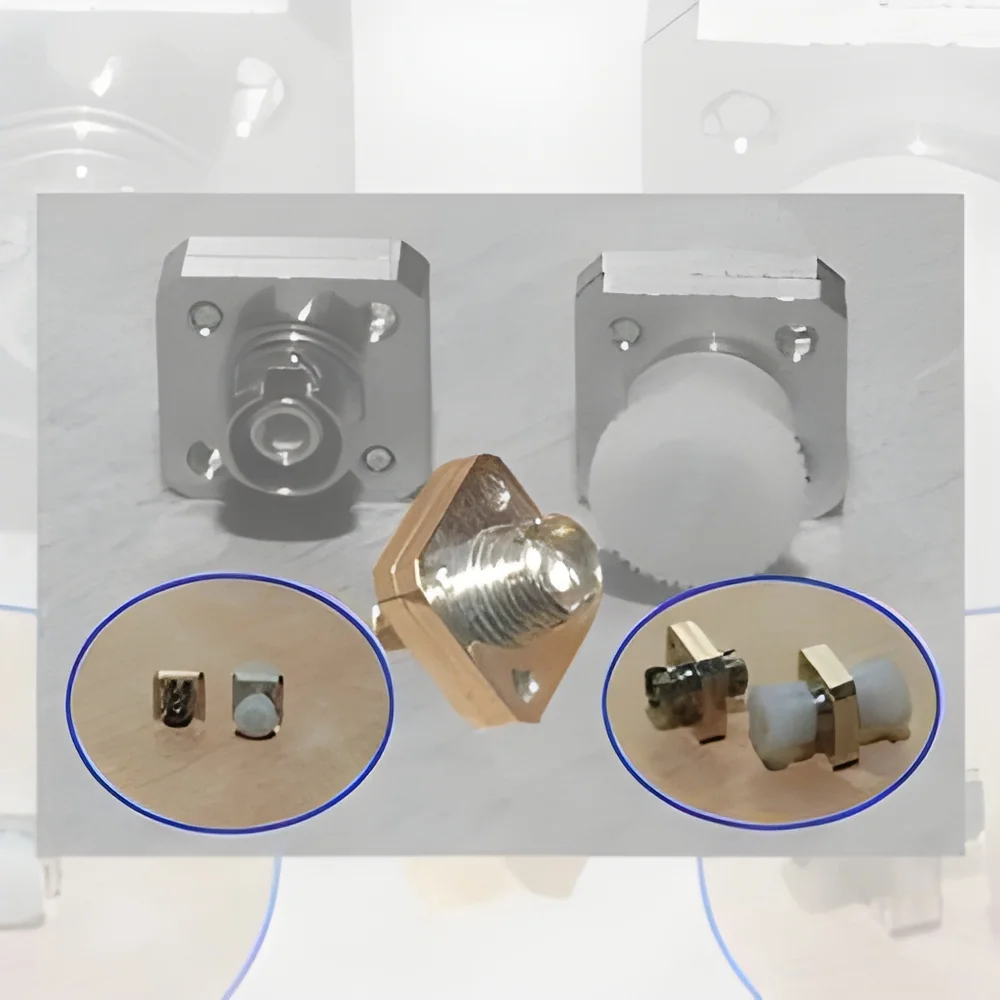
- Common connectors include SC, LC, ST, and MTP/MPO types.
- Compatibility with various connectors can affect installation and system performance.
7. Number of Fibers
- Cables can range from a few fibers to several hundred fibers in a single unit.
- The choice depends on the specific network requirements.
8. Sheathing and Protection
- Fiber optic cables are often protected with durable sheathing materials.
- These materials provide resistance to environmental factors, such as moisture and chemicals.
In summary, understanding the key features and specifications of fiber optic cables is crucial for businesses to ensure they choose the right products for their specific applications.
Common Applications and Use Cases
Fiber optic cables serve various industries by providing reliable and high-speed data transmission solutions.
1. Telecommunications: In this sector, fiber optics are used for backbone networks, enabling high-speed internet and voice services to residential and commercial customers.
2. Data Centers: Fiber optic cables connect servers and storage systems, facilitating fast data transfer and improving overall efficiency in data handling.
3. Healthcare: Hospitals and medical facilities utilize fiber optics for secure data transmission between devices, including imaging equipment and patient monitoring systems.
4. Broadcasting: Media companies employ fiber optic technology to transmit high-definition video signals over long distances, ensuring quality and reliability.
5. Industrial Automation: Fiber optics are used in manufacturing environments for sensor networks and communication between machinery, enhancing operational efficiency.
6. Military and Aerospace: These industries rely on fiber optics for secure communication systems and data transfer in challenging environments.
7. Smart Cities: Fiber optic cables are integral to the infrastructure of smart cities, supporting IoT devices and facilitating real-time data collection and analysis.
Product Variants and Subcategories
Fiber optic cables come in various types and configurations to meet specific needs.
Single-Mode Fiber Cables: These cables are designed for long-distance communication, utilizing a single light pathway to reduce signal loss. They are ideal for telecommunications and high-speed internet applications.
Multimode Fiber Cables: These cables support multiple light paths, making them suitable for shorter distances. They are commonly used in local area networks and data centers.
Armored Fiber Optic Cables: Designed with additional protective layers, these cables are suitable for harsh environments where physical damage is a concern.
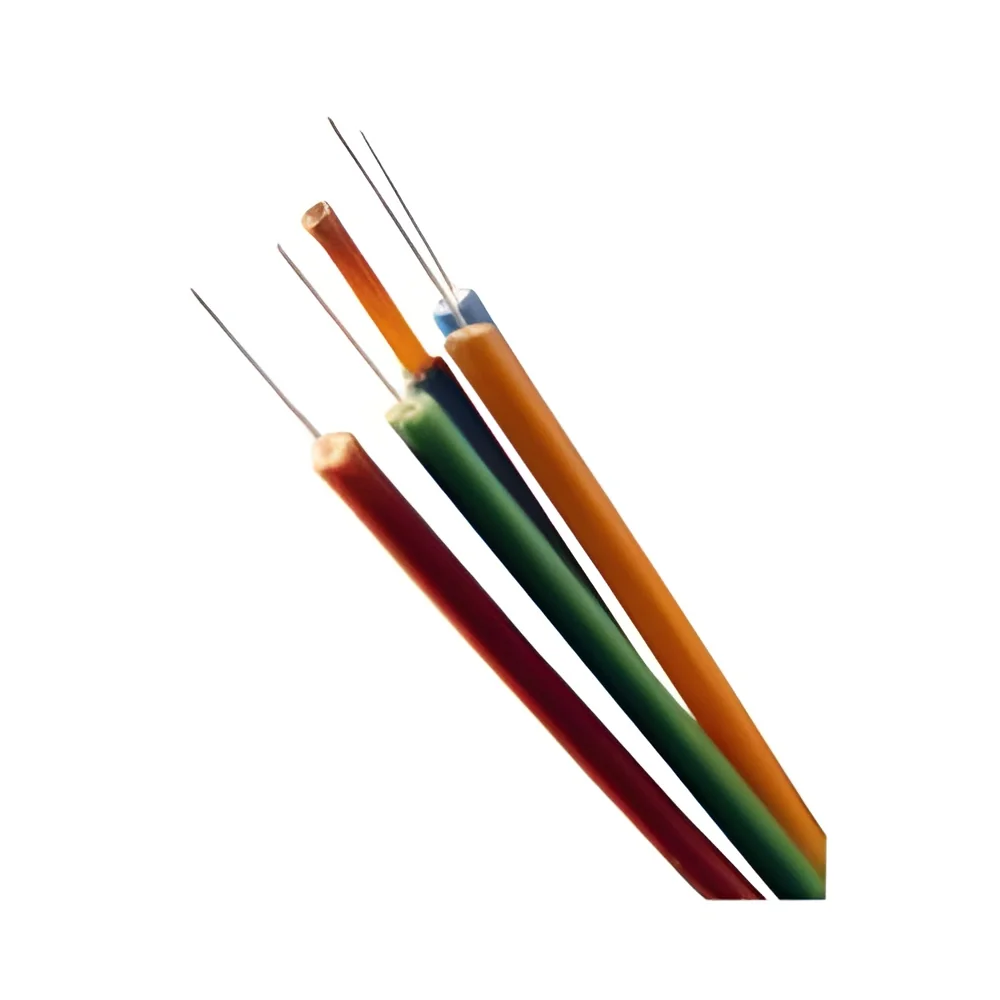
Hybrid Fiber Cables: These cables combine fiber optics with copper wires, allowing for both data and power transmission. They are often used in applications requiring both functionalities.
Benefits and Advantages
Fiber optic cables offer several advantages over traditional copper cables.
Key benefits include:
1. Higher Bandwidth: Fiber optics can handle significantly more data than copper, supporting high-speed internet and large data transfers.
2. Longer Transmission Distances: Fiber optic cables can transmit data over greater distances without degradation, reducing the need for repeaters.
3. Immunity to Electromagnetic Interference: Fiber optics are not affected by electromagnetic interference, ensuring more reliable data transmission.
4. Enhanced Security: Data transmitted through fiber optics is more secure, making it difficult to tap into without detection.
5. Lower Latency: Fiber optics provide faster data transfer speeds, resulting in reduced lag times for applications.
6. Reduced Physical Size: Fiber optic cables are thinner and lighter than copper cables, making them easier to install in tight spaces.
Buying Guide for B2B Buyers
When sourcing fiber optic cables for business needs, there are several key factors to consider.
1. Quality Assessment: Ensure that the cables meet industry standards and specifications. Look for certifications that confirm the quality and performance of the product.
2. Supplier Verification: Vet potential suppliers for reliability and experience in the industry. A verified supplier is crucial for ensuring consistent product quality.
3. Pricing and MOQ: Understand the pricing structure and minimum order quantities. Compare costs among suppliers to ensure competitive pricing.
4. Delivery and Lead Times: Evaluate suppliers on their ability to provide timely delivery. Consider lead times to ensure that your project schedules are met.
5. Compliance Requirements: Verify that the products comply with relevant regulations and standards. This includes checking for certifications such as CE to ensure safety and quality.
Compliance and Certifications
Fiber optic cables must adhere to various quality standards and certifications to ensure reliability and safety.
ISO 9001 is a widely recognized quality management standard that ensures manufacturers follow consistent processes to meet customer expectations. Compliance with this standard indicates a commitment to quality in production.
CE certification is crucial for products sold in Europe, signifying compliance with health, safety, and environmental protection standards. This certification assures buyers that the product meets essential requirements.
Safety and testing requirements are also critical in the manufacturing process. Fiber optic cables undergo rigorous testing to assess their performance under various conditions, ensuring they are suitable for their intended applications.
Regional compliance considerations may vary, so it is vital for businesses to understand the specific regulations that apply in their operating regions. This ensures that all products sourced meet local legal and regulatory requirements.
Why Source Fiber Optic Cables from Pepagora?
Pepagora provides a trusted platform for sourcing fiber optic cables, offering numerous advantages to B2B buyers.
Verified Supplier Network: Pepagora connects buyers with a network of verified suppliers who have undergone stringent vetting processes. This ensures that businesses can source high-quality products from reliable manufacturers.
Streamlined RFQ Process: The request for quotation process on Pepagora is designed to be efficient and user-friendly. Buyers can quickly submit their specifications and receive competitive quotes from multiple suppliers, facilitating informed purchasing decisions.
Trade Assurance and Support: Pepagora offers trade assurance to protect buyers, ensuring that transactions are secure and that buyers receive the products as described. Furthermore, dedicated support is available to address any concerns during the purchasing process.
Regional Coverage: With a strong presence in India, the GCC, and Southeast Asia, Pepagora offers geographic coverage that enables businesses to source fiber optic cables from trusted suppliers in their regions. This localized approach helps to reduce lead times and improve logistics efficiency.

Frequently Asked Questions
What are Fiber Optic Cables?
Fiber optic cables are data transmission mediums that use light to transmit information. They consist of thin strands of glass or plastic fibers encased in protective materials, enabling high-speed data transfer over long distances with minimal signal loss.
What are the different types of Fiber Optic Cables?
The two main types of fiber optic cables are single-mode and multi-mode cables. Single-mode cables are designed for long-distance communication, while multi-mode cables are used for shorter distances, allowing for multiple light paths within the fiber.
How do I choose the right Fiber Optic Cables?
Selecting the right fiber optic cables depends on factors such as distance, bandwidth requirements, and the type of network you are implementing. It's essential to assess your specific needs and consult with suppliers for recommendations based on your application.
What are the standard specifications for Fiber Optic Cables?
Standard specifications for fiber optic cables include parameters like core diameter, transmission distance, and bandwidth capacity. Additionally, compliance with international standards such as IEC and TIA/EIA is crucial for ensuring reliability and performance.
What is the price range for Fiber Optic Cables?
The price range for fiber optic cables can vary widely based on factors such as type, length, and manufacturer. Generally, prices can range from a few hundred to several thousand Indian Rupees per kilometer, depending on the specifications.
What quality standards apply to Fiber Optic Cables?
Fiber optic cables must meet specific quality standards to ensure performance and safety, including ISO/IEC 11801 and Telcordia GR-20. Compliance with these standards helps guarantee that the cables can withstand environmental factors and provide reliable data transmission.
Where can I find Fiber Optic Cables suppliers in India?
You can find fiber optic cable suppliers in India through various channels, including online B2B marketplaces like Pepagora.com, trade shows, and industry directories. It's advisable to compare multiple suppliers to find the best options for your requirements.
Can Fiber Optic Cables be customized?
Yes, fiber optic cables can be customized to meet specific requirements, such as length, connector types, and cable jacket materials. Many manufacturers offer customization options to cater to unique project needs.
What is the typical minimum order quantity for Fiber Optic Cables?
The typical minimum order quantity (MOQ) for fiber optic cables varies by supplier and product type. Generally, MOQs can range from 100 meters to several kilometers, depending on the manufacturer and the specifications of the cables.
What is the typical lead time for Fiber Optic Cables?
The typical lead time for fiber optic cables can vary based on the supplier and the order size. Generally, lead times can range from a few days to several weeks, especially for customized orders.
Why Businesses Trust Pepagora
Thousands of companies trust Pepagora to source smarter and sell faster
Expand Your Sales Globally

Source Smarter,Grow Faster
