What are Instrumentation Cables?
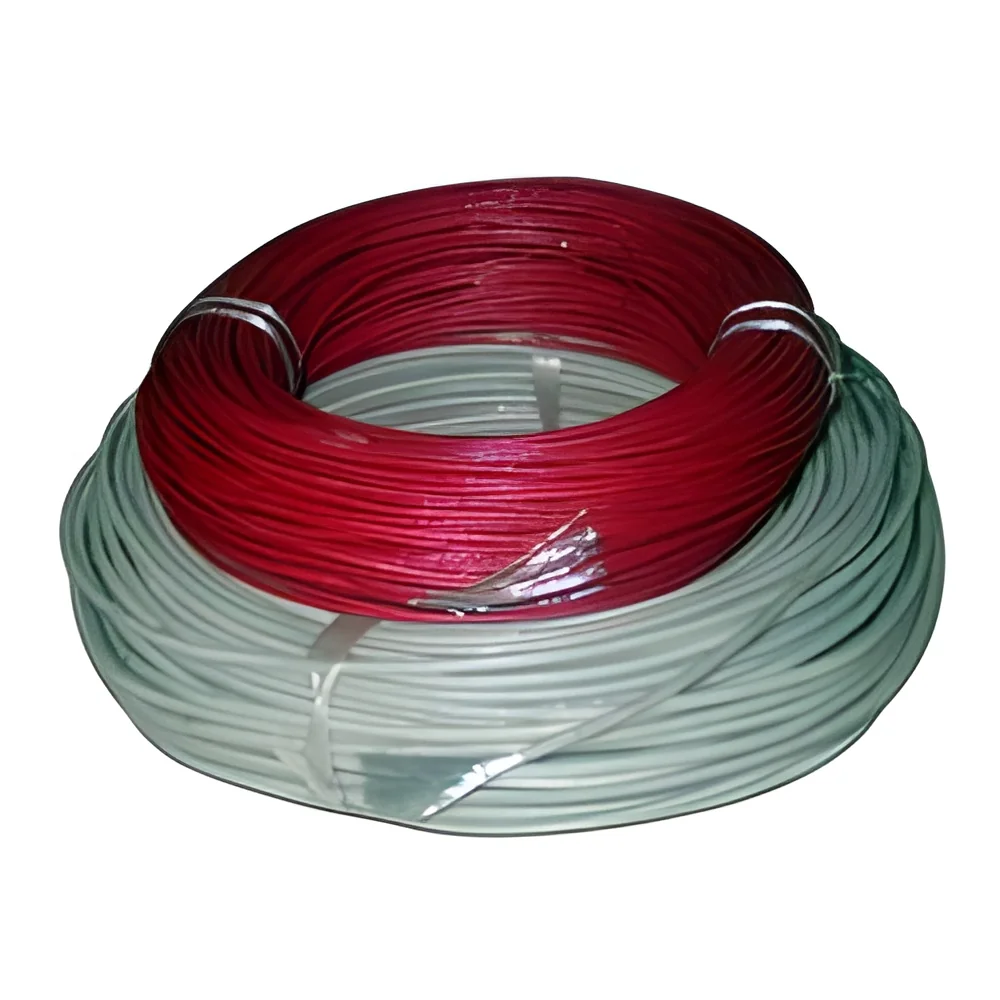
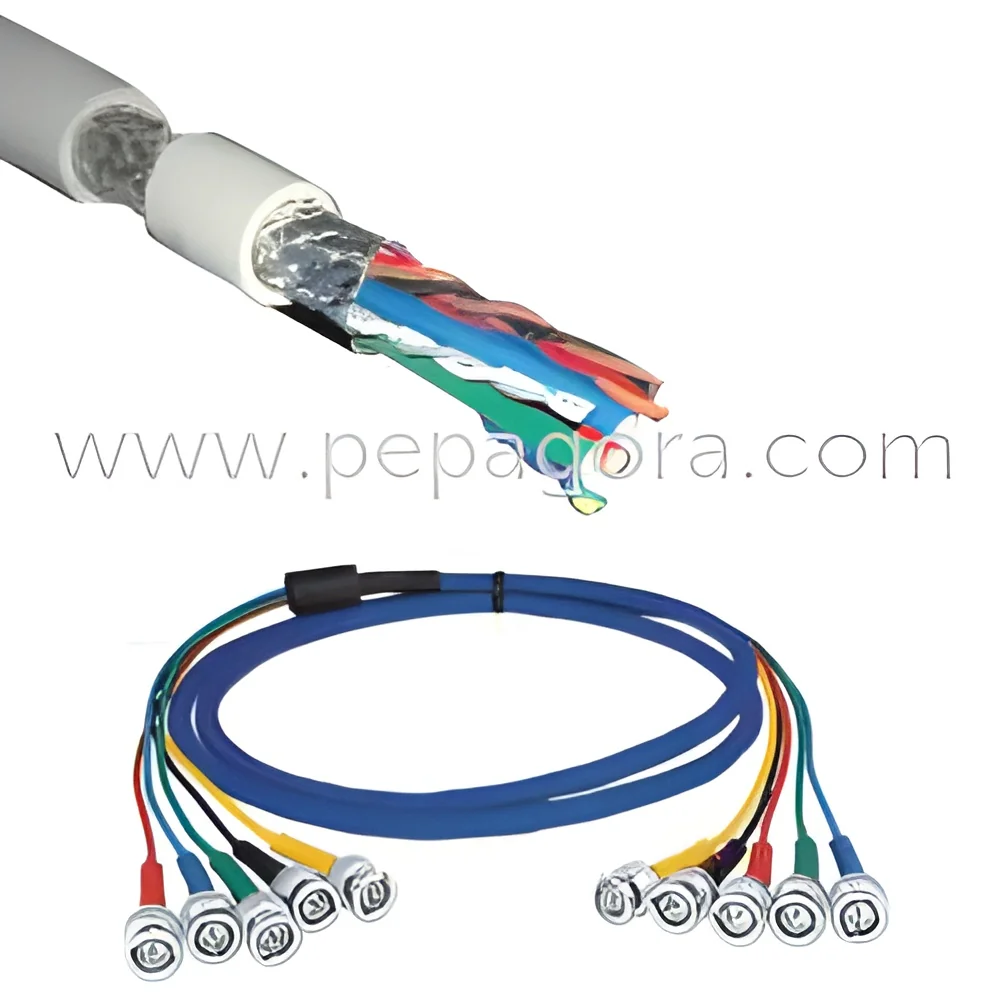
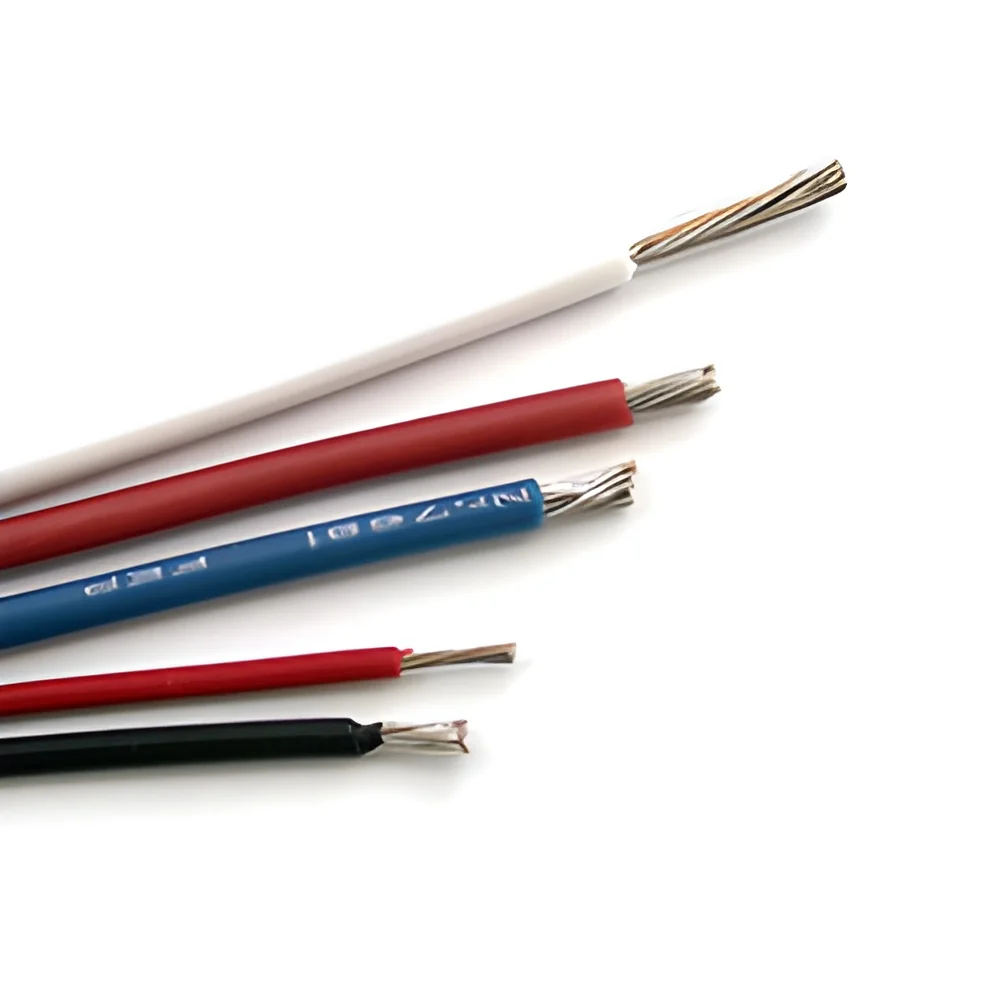
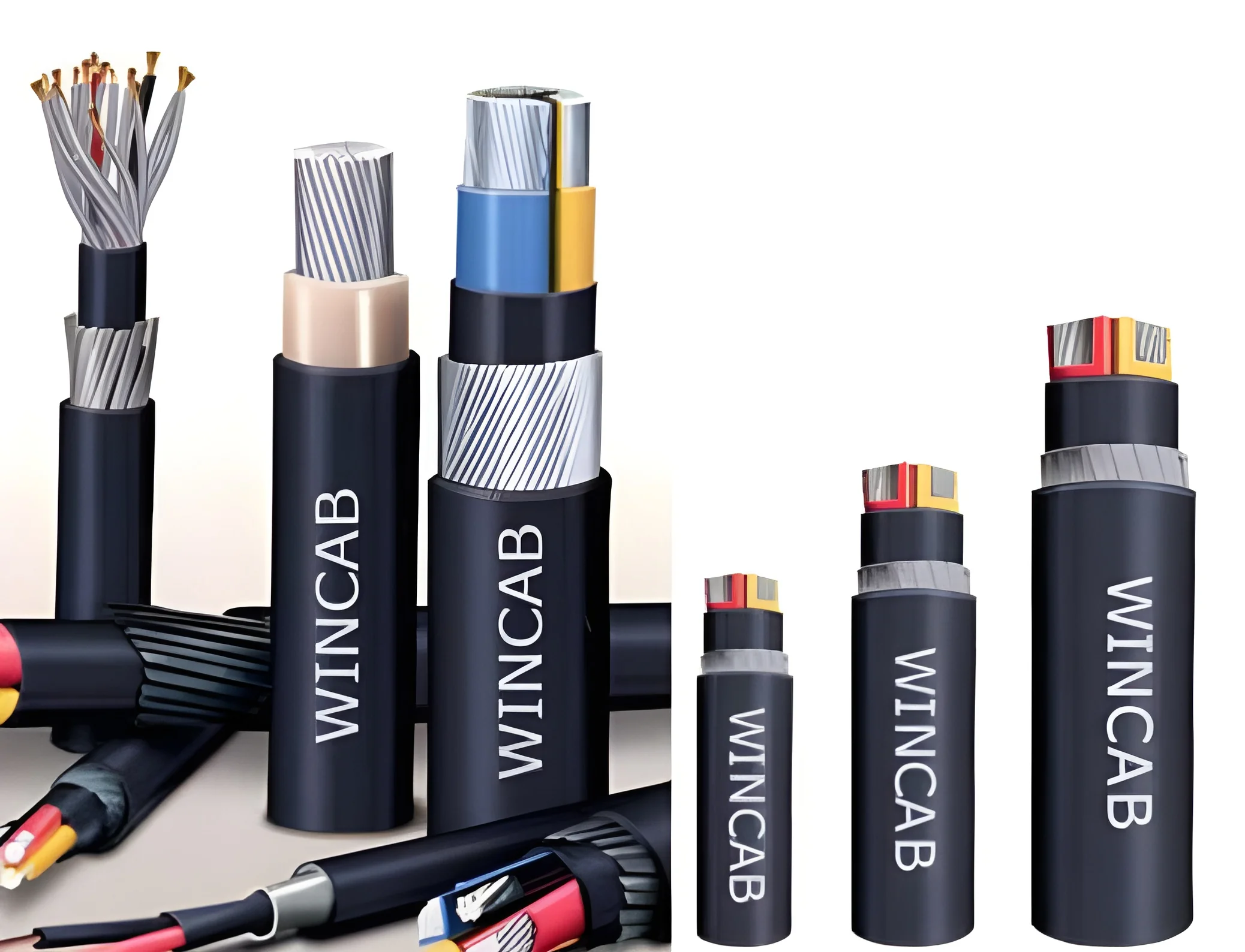
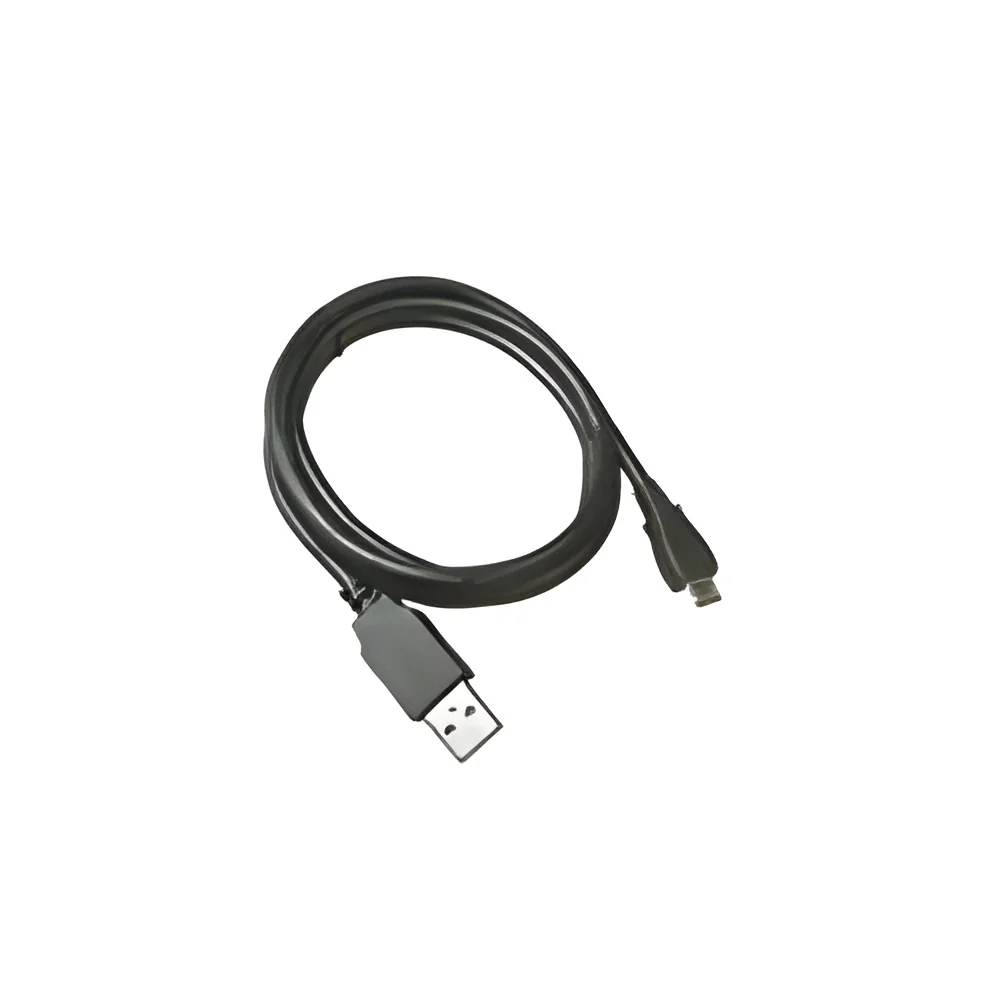
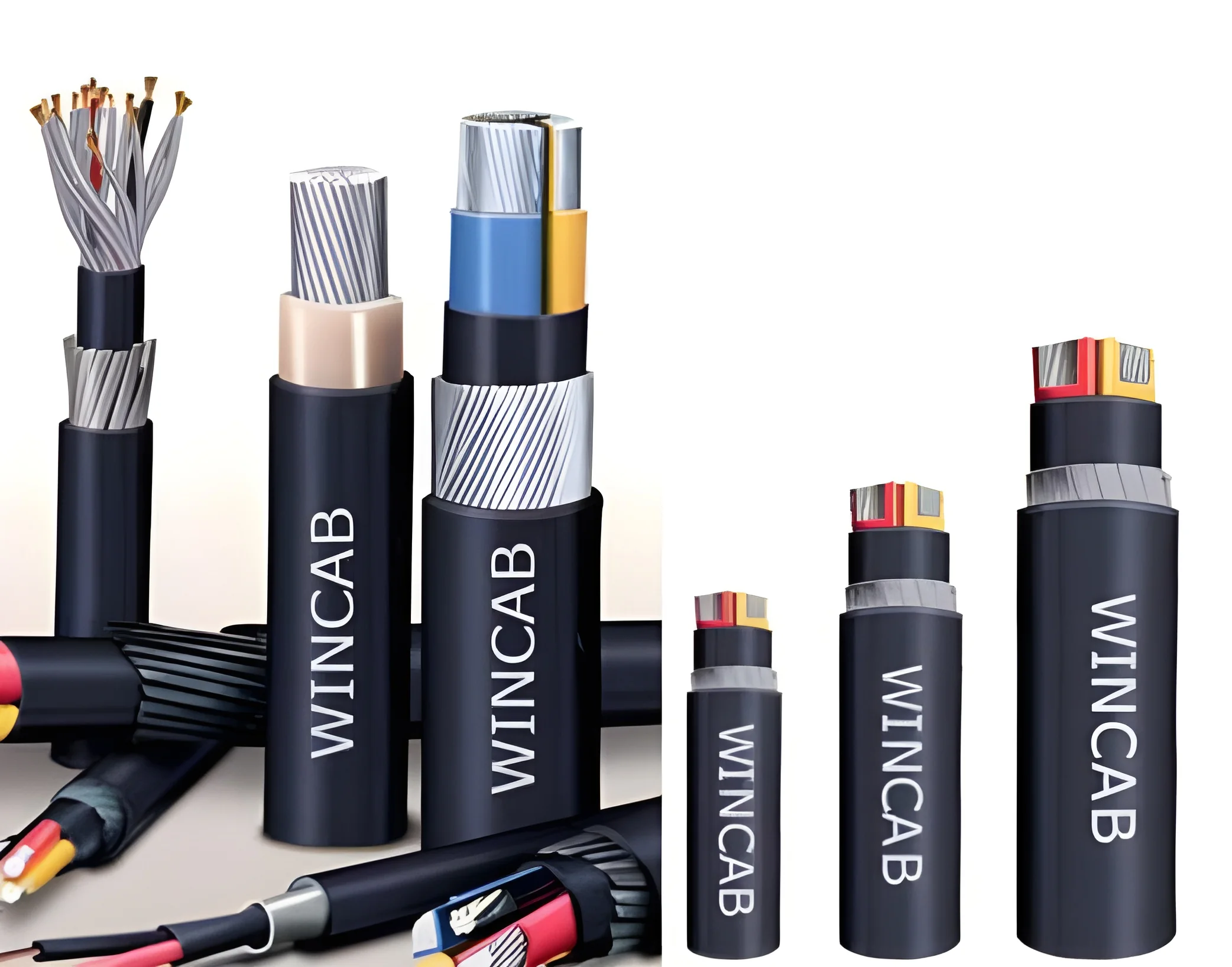
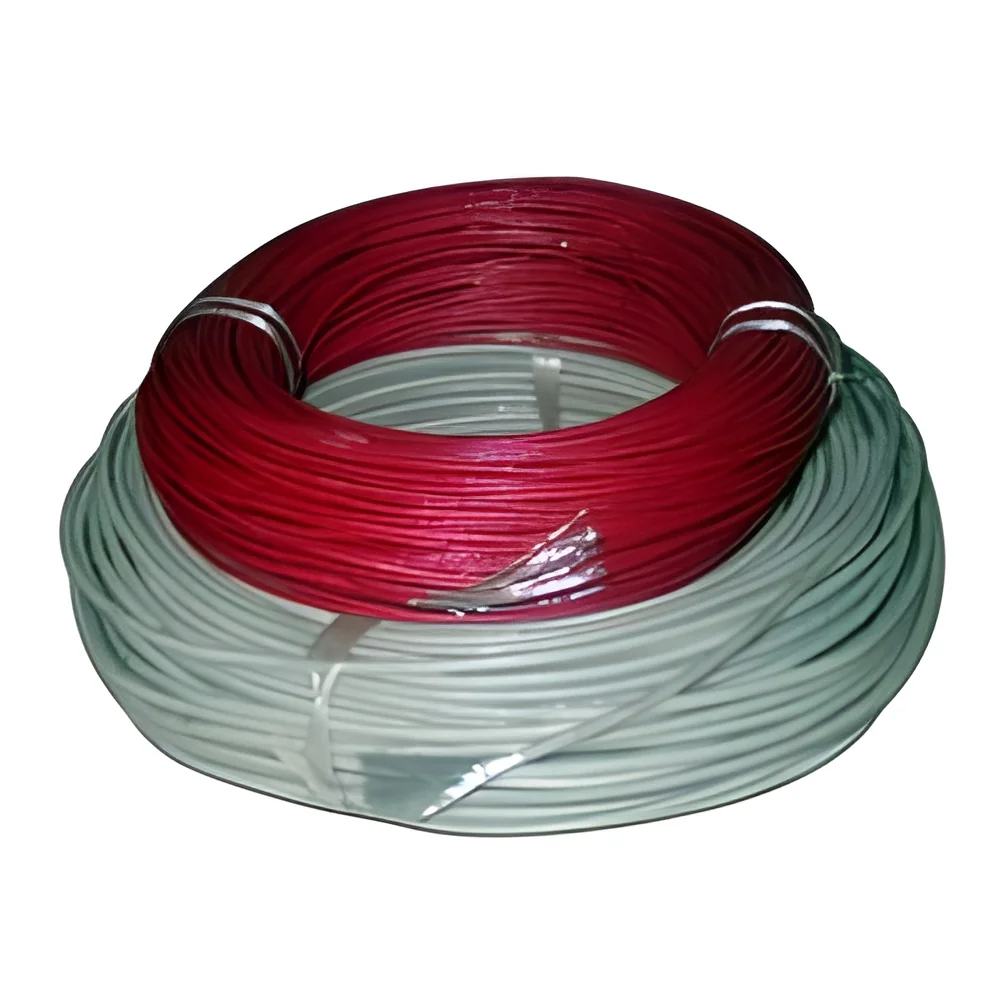
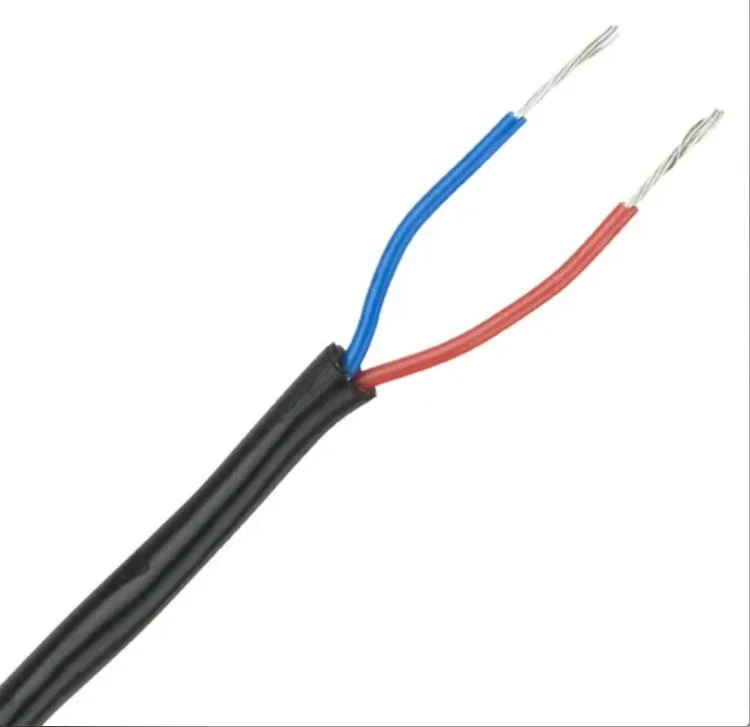
Instrumentation cables are specialized cables designed for the transmission of signals in control and monitoring systems. They are primarily used in industrial environments to connect various equipment such as sensors, transmitters, and controllers. These cables are engineered to provide reliable performance, ensuring minimal signal loss and interference in environments that may be challenging due to various factors like temperature fluctuations and electromagnetic interference.
Instrumentation cables find extensive applications in industries such as oil and gas, chemical processing, power generation, and manufacturing. They play a crucial role in facilitating communication between different equipment, allowing for efficient monitoring and control of processes. Given their importance in critical systems, these cables are designed to meet rigorous industry standards, ensuring safety and reliability in applications that require consistent performance.
The market for instrumentation cables is growing, driven by advancements in technology and increasing automation in various sectors. As industries continue to evolve, the need for reliable and efficient signal transmission becomes even more critical, highlighting the relevance of instrumentation cables in modern industrial operations.
Key Features and Specifications
Instrumentation cables are characterized by specific features that ensure their effectiveness in various applications. These features contribute to their reliability and durability in demanding environments.
Key specifications include:
1. Conductor Material
- Typically made from copper or aluminum.
- Ensures excellent conductivity and low resistance.
2. Insulation Material
- Commonly uses PVC, XLPE, or other thermoplastic materials.
- Provides protection against moisture and environmental damage.
3. Number of Conductors
- Cables may have multiple conductors, often ranging from two to 24.
- Allows for the transmission of multiple signals simultaneously.
4. Shielding Type
- Can be unshielded or shielded with foil or braided copper.
- Shielding minimizes interference and enhances signal integrity.
5. Temperature Rating
- Generally designed to operate within a range of -20°C to 90°C.
- Ensures performance in various environmental conditions.
6. Voltage Rating
- Typically rated for voltages up to 600V.
- Ensures safe operation in industrial environments.
7. Fire Resistance
- May comply with fire safety standards such as IEC 60332.
- Important for installations in areas requiring enhanced safety measures.
8. Compliance with Standards
- Often certified by relevant industry standards such as CE.
- Ensures quality and reliability in performance.
In summary, instrumentation cables are designed with specific features that cater to the needs of industrial applications. Their robust specifications ensure they can withstand harsh conditions while maintaining signal integrity.
Common Applications and Use Cases
Instrumentation cables are utilized across various industries, highlighting their versatility and importance in modern operations.
1. Oil and Gas: In this sector, instrumentation cables are used for connecting field devices such as pressure sensors, temperature transmitters, and flow meters. Their reliability is crucial for ensuring safety and operational efficiency in extraction and refining processes.
2. Chemical Processing: Instrumentation cables facilitate the monitoring of chemical processes by connecting sensors to control systems. Their resistance to chemical exposure makes them suitable for this demanding environment.
3. Power Generation: These cables are essential for connecting instrumentation in power plants, allowing for precise monitoring and control of equipment such as turbines and generators.
4. Water and Wastewater Treatment: In this industry, instrumentation cables connect various sensors and control devices to ensure effective monitoring of water quality and system performance.
5. Manufacturing: Instrumentation cables are used to link sensors and programmable logic controllers (PLCs) in automated production lines, enhancing efficiency and productivity.
6. HVAC Systems: They are employed in heating, ventilation, and air conditioning systems for monitoring environmental conditions and ensuring optimal performance.
7. Building Automation: Instrumentation cables are integral to smart building systems, connecting various sensors to centralized control systems for improved energy management and comfort.
Product Variants and Subcategories
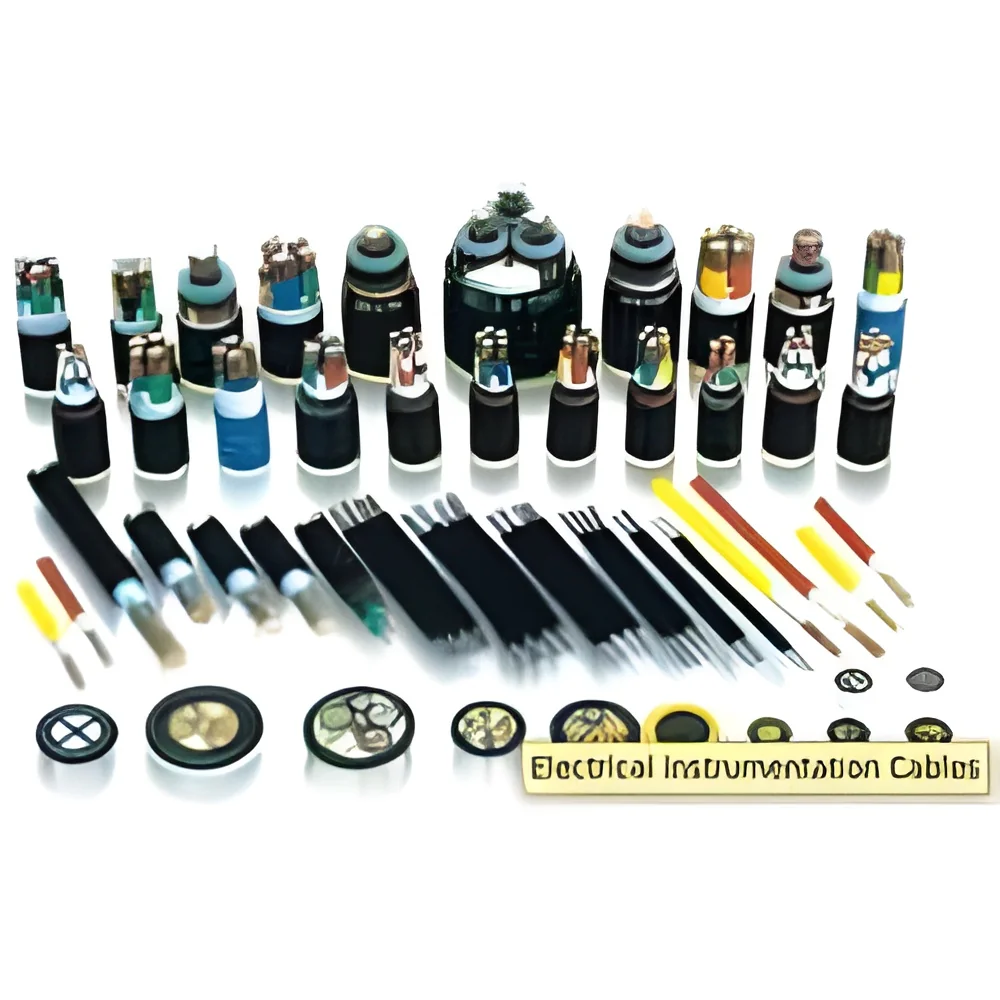
Instrumentation cables come in various configurations to meet diverse application needs.
Variant 1: Multi-Pair Instrumentation Cables
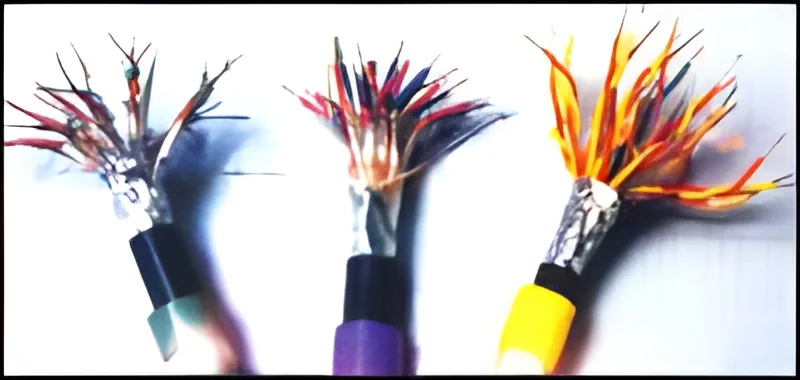
These cables consist of multiple pairs of conductors, allowing for simultaneous signal transmission. They are particularly useful in complex systems where numerous signals need to be monitored and controlled.
Variant 2: Armored Instrumentation Cables
Armored variants provide additional protection against mechanical damage. They are ideal for applications in harsh environments where physical impact or abrasion may occur.
Variant 3: High-Temperature Instrumentation Cables
Designed to operate in elevated temperature conditions, these cables are suitable for industries such as petrochemical and power generation, where high heat is a factor.
Benefits and Advantages
Instrumentation cables offer numerous benefits that enhance their value in industrial applications.
1. Enhanced Signal Integrity: These cables are designed to minimize signal loss and interference, ensuring reliable communication between devices.
2. Durability: Built to withstand harsh environmental conditions, instrumentation cables provide long-lasting performance and reduce the need for frequent replacements.
3. Versatility: With various configurations available, they can be tailored to meet specific industry requirements and applications.
4. Safety Compliance: Instrumentation cables often meet industry safety standards, ensuring that installations adhere to regulations and enhance workplace safety.
5. Cost-Effectiveness: Reliable performance leads to fewer operational disruptions, contributing to overall cost savings in maintenance and downtime.
6. Ease of Installation: Many variants are designed for straightforward installation, reducing labor costs and time associated with setup.
Buying Guide for B2B Buyers
When sourcing instrumentation cables, several factors should be considered to ensure the right choice for your applications.
1. Quality Assessment: Evaluate the quality of the cables based on their specifications, materials used, and compliance with industry standards. Look for certifications that demonstrate reliability and performance.
2. Supplier Verification: Vet potential suppliers by checking their reputation, customer reviews, and experience in the industry. A reliable supplier can provide the necessary support and assurance.
3. Pricing and MOQ: Consider the cost per unit and any minimum order quantities. It's essential to balance quality with budget constraints to ensure value for money.
4. Delivery and Lead Times: Assess the supplier's ability to meet your project timelines. Reliable delivery schedules can significantly impact project execution.
5. Compliance Requirements: Ensure that the cables meet relevant regional and industry-specific compliance standards. This is vital for safety and operational integrity.
Compliance and Certifications
Instrumentation cables must adhere to various quality standards and certifications to ensure their reliability and safety in industrial applications.
Relevant quality standards include ISO 9001, which focuses on quality management systems, ensuring that manufacturers maintain high-quality production processes. Compliance with HACCP and GDP standards may also be relevant in specific industries, particularly in food processing and pharmaceuticals.
Industry certifications such as CE indicate conformity with European safety standards. This certification is essential for products sold in the European market, ensuring that they meet strict safety and performance criteria.
Safety and testing requirements are crucial to guarantee that instrumentation cables can withstand environmental factors and mechanical stresses. Manufacturers often conduct rigorous testing to meet these requirements, ensuring that their products are safe for use in various applications.
Regional compliance considerations may vary, with different areas having specific regulations that must be followed. It is important for buyers to understand these requirements to avoid legal issues and ensure operational safety.
Why Source Instrumentation Cables from Pepagora?
Pepagora provides a trusted platform for sourcing instrumentation cables, offering several key advantages to B2B buyers.
Verified Supplier Network: Pepagora has established a rigorous vetting process for suppliers, ensuring that only reputable and reliable manufacturers are featured on the platform. This gives buyers peace of mind when selecting their source for instrumentation cables.
Streamlined RFQ Process: The request for quotation (RFQ) system simplifies the procurement process, allowing buyers to quickly receive competitive quotes from multiple suppliers. This efficiency helps in making informed purchasing decisions without prolonged negotiations.
Trade Assurance and Support: Pepagora offers trade assurance to protect buyers throughout the purchasing process. This includes support for resolving any issues that may arise, ensuring a smooth transaction experience.
Regional Coverage: With a strong presence in India, the GCC, and Southeast Asia, Pepagora provides extensive geographic reach. This allows buyers to access a diverse range of suppliers and products tailored to their specific regional needs, enhancing procurement efficiency.

 IN
IN