IN
IN₹
Apparel & Fashion
Description
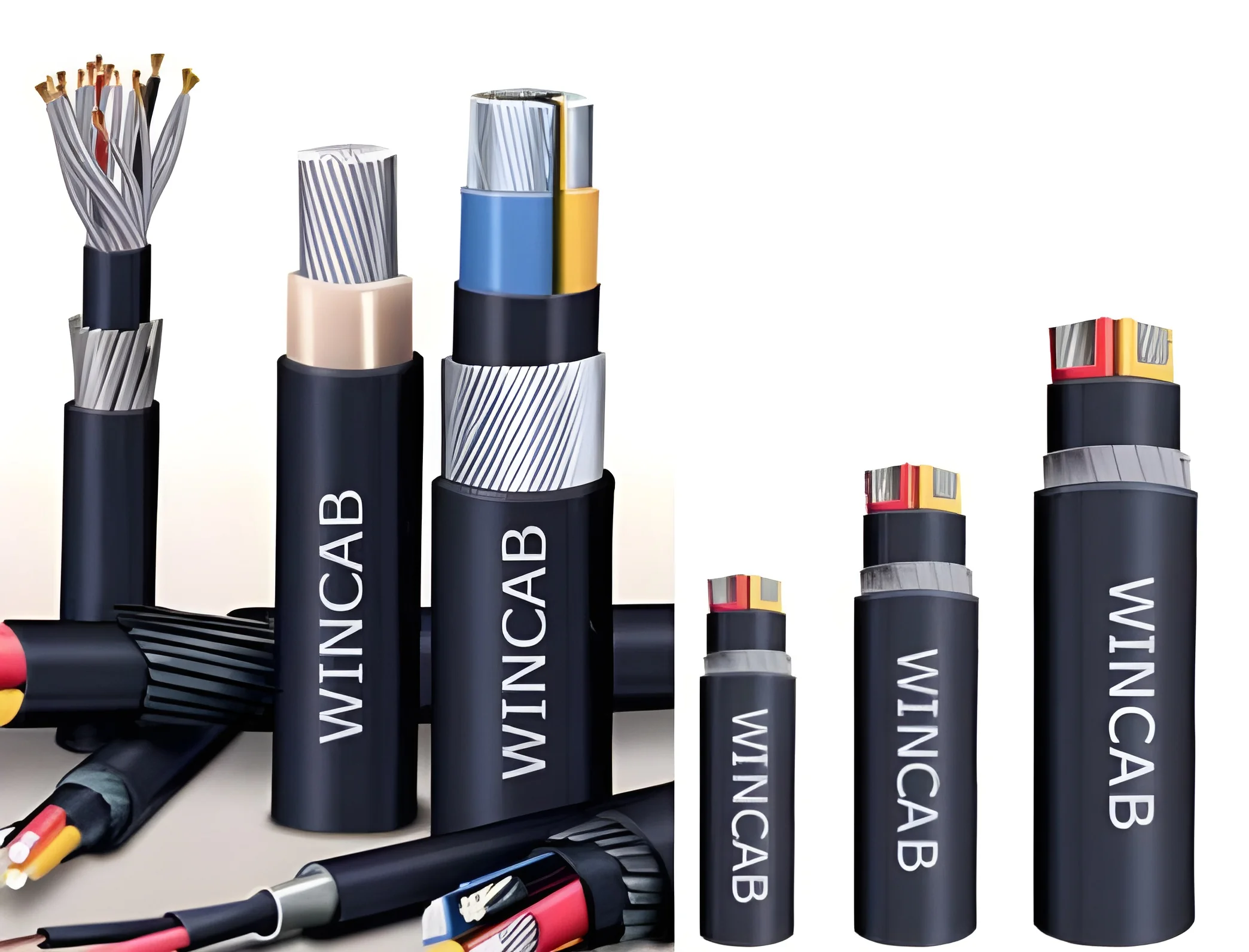
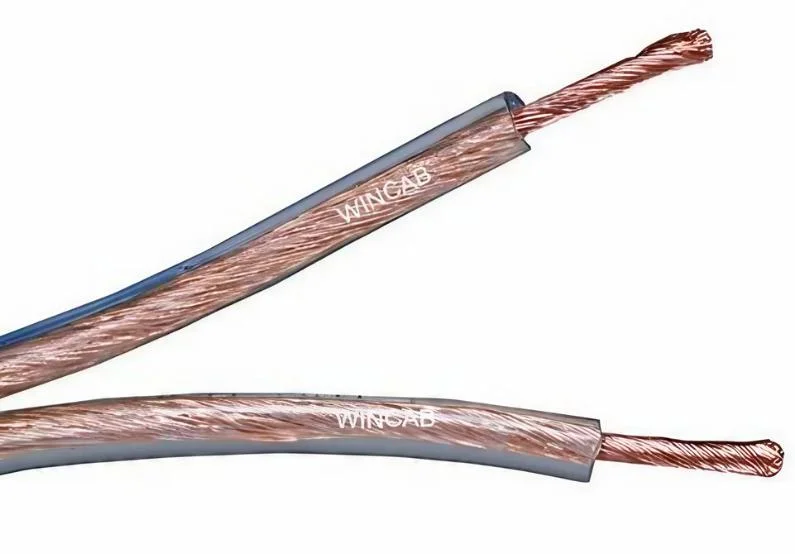
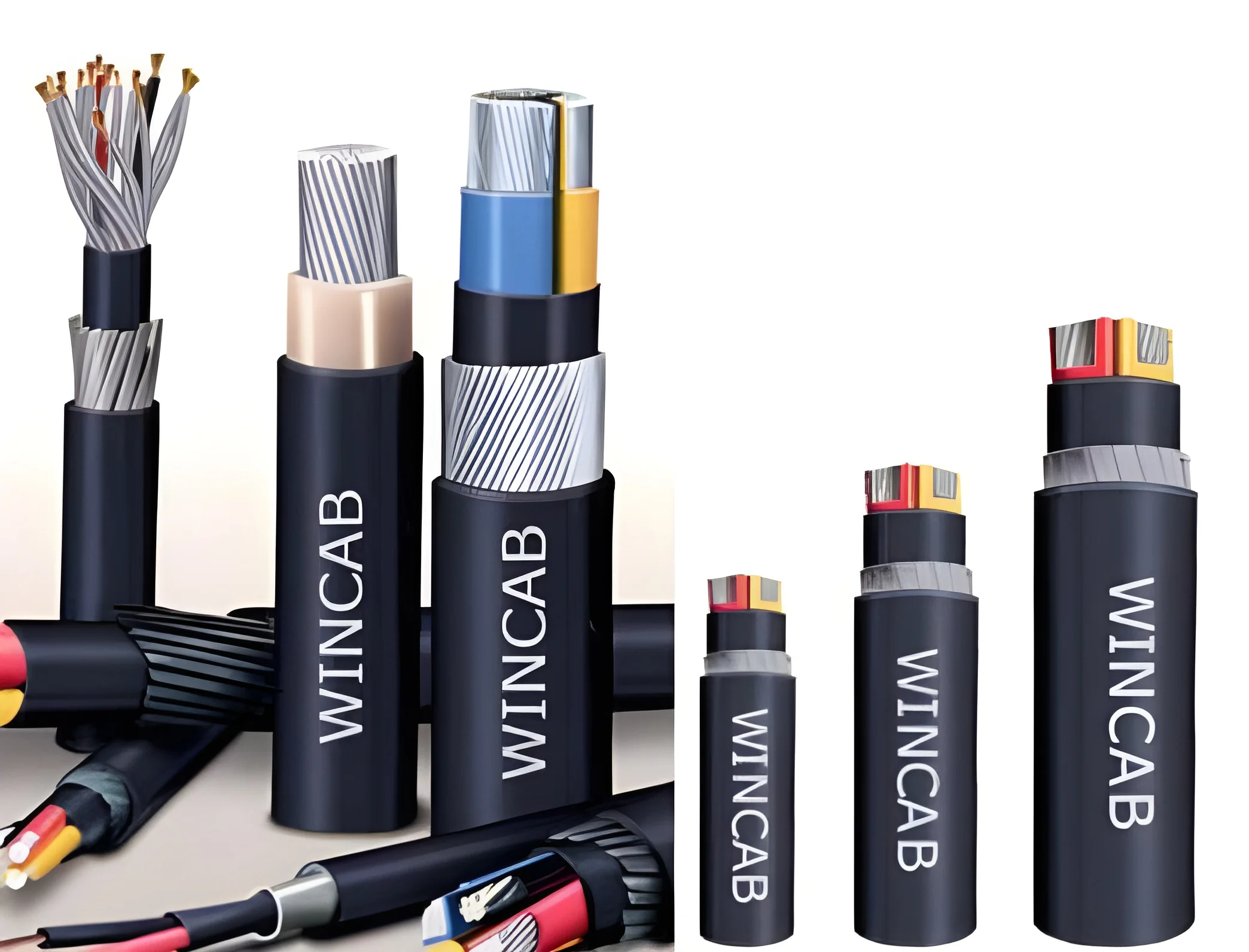
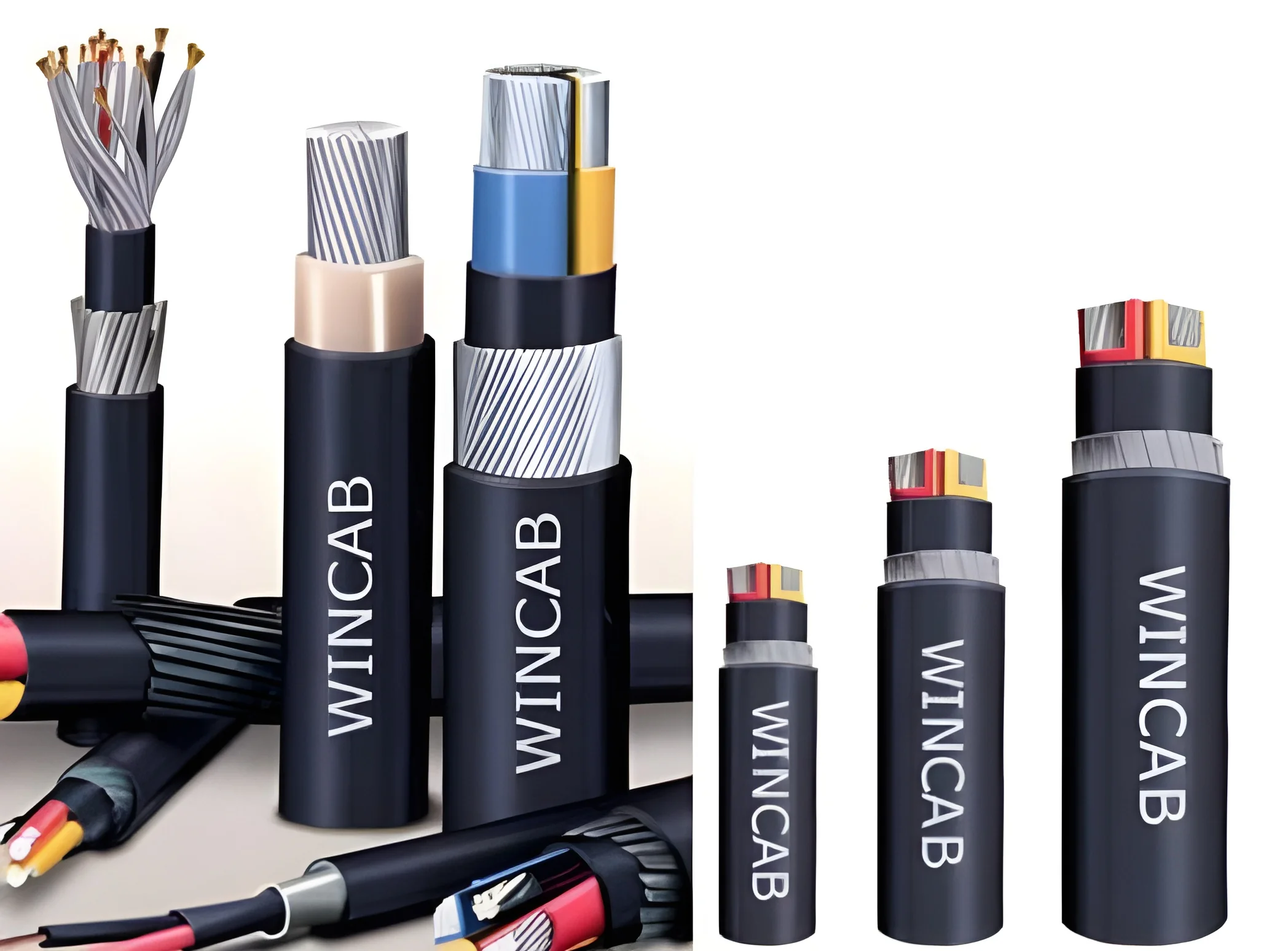
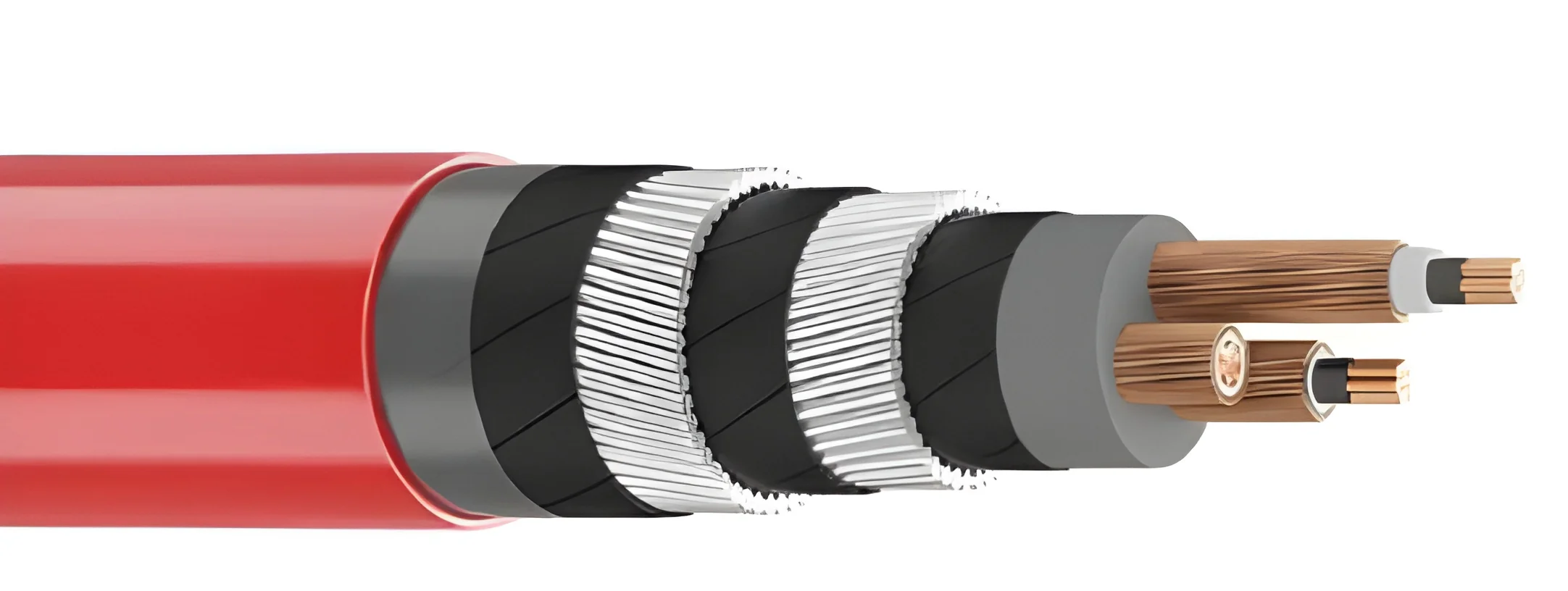
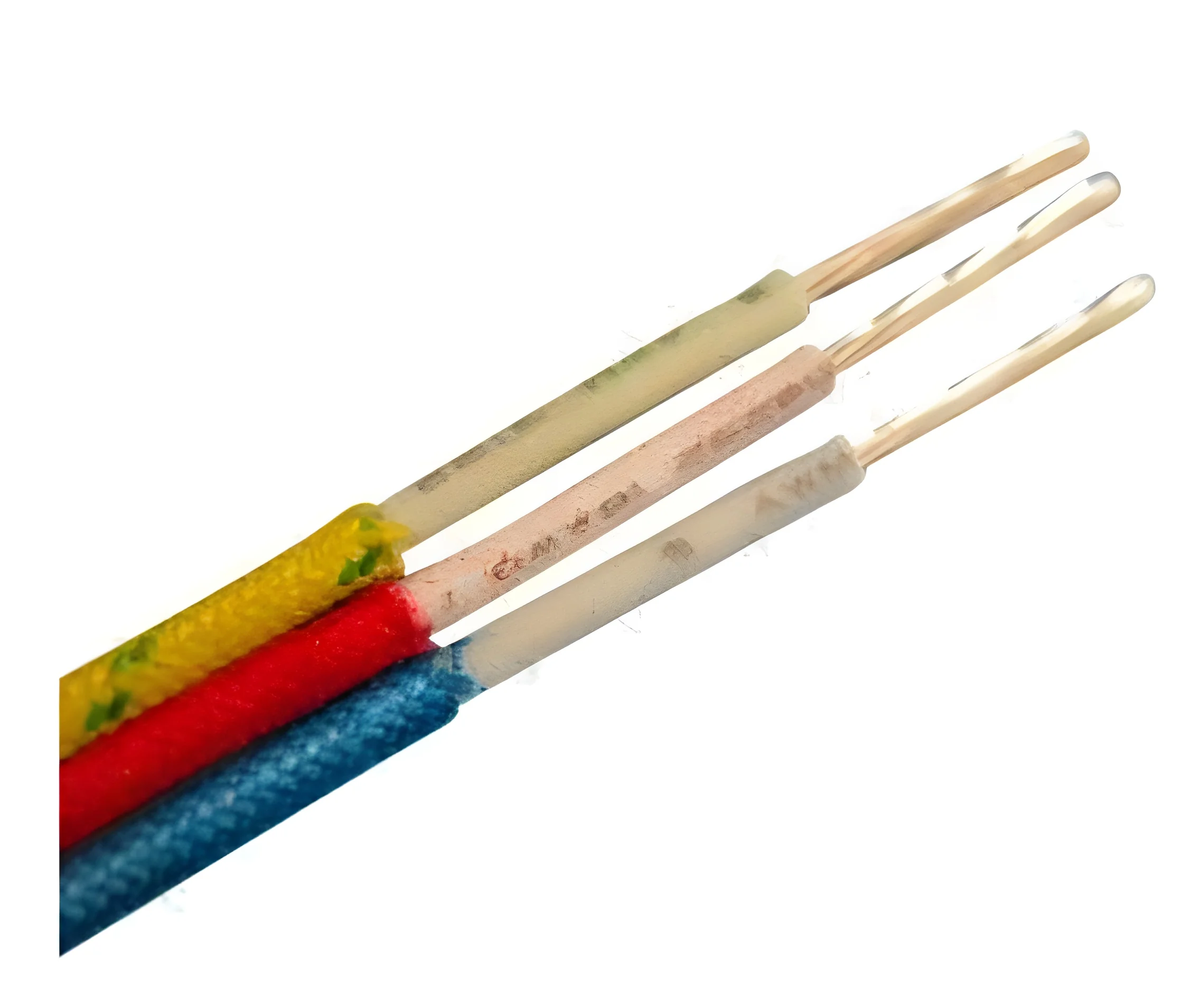
Our premium oil resistant cables represent advanced industrial electrical solutions engineered specifically for environments where standard cables fail. These cables feature high-grade materials including stranded copper conductors and specialized rubber compounds that provide exceptional resistance to industrial oils, lubricants, chemicals, and mechanical wear. The advanced insulation system maintains flexibility even in extreme temperatures, ensuring easy installation and reliable performance in the most demanding conditions. Each cable undergoes rigorous testing to guarantee it meets the highest standards for durability and electrical safety, making it the ideal choice for operations that cannot afford downtime due to cable failure. This commitment to quality ensures consistent performance where it matters most.

These cables serve critical roles across multiple industries including manufacturing, automotive, chemical processing, and heavy machinery operations. In manufacturing plan...
Our premium oil resistant cables represent advanced industrial electrical solutions engineered specifically for environments where standard cables fail. These cables feature high-grade materials including stranded copper conductors and specialized rubber compounds that provide exceptional resistance to industrial oils, lubricants, chemicals, and mechanical wear. The advanced insulation system maintains flexibility even in extreme temperatures, ensuring easy installation and reliable performance in the most demanding conditions. Each cable undergoes rigorous testing to guarantee it meets the highest standards for durability and electrical safety, making it the ideal choice for operations that cannot afford downtime due to cable failure. This commitment to quality ensures consistent performance where it matters most.

These cables serve critical roles across multiple industries including manufacturing, automotive, chemical processing, and heavy machinery operations. In manufacturing plants, they power CNC machines and automated assembly lines where constant exposure to cutting fluids and lubricants is unavoidable. The automotive industry relies on them for assembly line equipment, robotic welding systems, and testing machinery. Chemical processing facilities utilize these cables for pumps, mixers, and control systems where resistance to solvents and aggressive chemicals is essential. Their versatility also extends to mining operations, marine applications, and food processing plants where washdown procedures involve oil-based cleaning agents. This wide applicability demonstrates their fundamental role in modern industrial infrastructure.

The business value of these oil resistant cables extends beyond product specifications to tangible operational benefits. Their exceptional reliability translates to reduced maintenance costs, minimized production downtime, and enhanced workplace safety. The extended service life significantly lowers total cost of ownership compared to standard cables that require frequent replacement in oil-rich environments. The consistent performance under stress provides peace of mind for facility managers and maintenance teams, while the robust construction reduces the risk of electrical failures that could disrupt operations. These cables represent a smart investment in operational continuity and risk mitigation, delivering long-term value through dependable performance in challenging conditions.

Key Features:
- Specialized rubber compound insulation resistant to industrial oils and chemicals
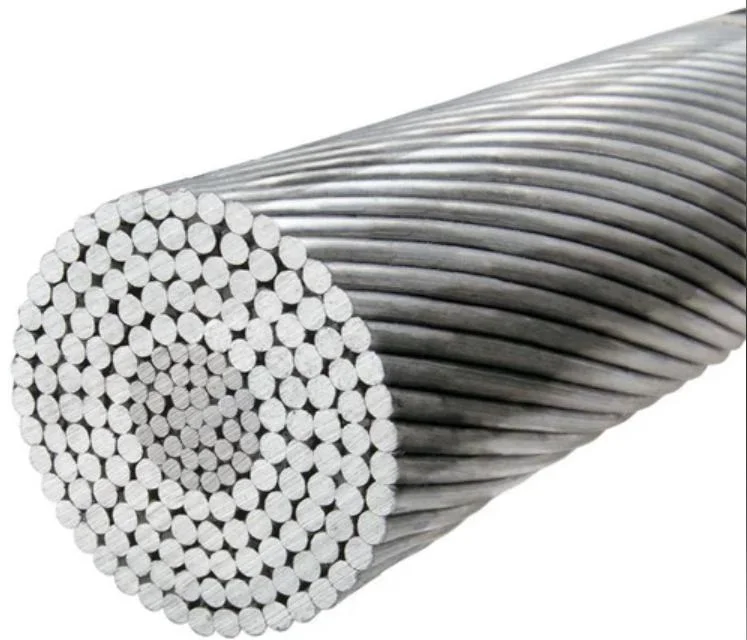
- Stranded copper conductors for optimal flexibility and conductivity
- Robust outer jacket providing mechanical abrasion protection
- Temperature resistance from -40°C to 90°C for versatile application
- UV and ozone resistant for extended outdoor durability

Benefits:
- Significantly extended service life in oil-exposed environments
- Reduced maintenance costs and production downtime
- Enhanced electrical safety and operational reliability
- Easy installation and routing due to superior flexibility
- Consistent performance under mechanical stress and temperature variations
Specifications
| Additional Information | |
|---|---|
| Country of Origin | 106 |
Application
These industrial-grade oil resistant cables are specifically designed for demanding environments where exposure to lubricants, hydraulic fluids, and chemical agents is constant. They maintain electrical integrity and physical durability under challenging conditions, providing dependable connections for heavy machinery and mobile equipment across multiple sectors. Their robust construction ensures continuous operation in factories, manufacturing plants, and industrial facilities where standard cables would quickly deteriorate from oil exposure and physical stress. The specialized materials withstand mechanical abrasion, temperature variations, and frequent flexing without compromising performance or safety.
Real-world applications:
- Powering CNC machines and automated manufacturing equipment in industrial plants
- Electrical connections for welding machines and portable power tools on construction sites
- Supply cables for hydraulic systems and lubrication equipment in automotive manufacturing
- Wiring for food processing machinery requiring frequent washdowns with cleaning agents
- Electrical installations in chemical plants and refineries with oil and solvent exposure
Trade Details
| Available Stock | In Stock |
| Sample Availability | No |
Payment Terms
| Payment Terms |
|
Shipping & Logistics
| Port of Dispatch | Indore, Madhya Pradesh, India |
Company Profile
Electro Cables Industries, Madhya Pradesh
 Madhya Pradesh, India
Madhya Pradesh, IndiaElectronics & Electrical•Manufacturer•Distributor / Wholesaler•Importer / Exporter
Factory Details
Factory SizeBelow 1000 sqm
Annual Production Capacity0
Industrial Oil Resistant Cables For Harsh Environments
Industrial oil resistant cables provide reliable power transmission in harsh environments. Engineered for superior durability and protection against oils, chemicals, and mechanical stress to ensure long-lasting performance for critical industrial operations.
Min. Order Quantity: 1 Meter
Shipping
Shipping fee and delivery date to be negotiated. Contact supplier now for more details.
Electro Cables Industries
 Madhya Pradesh, India
Madhya Pradesh, IndiaElectronics & ElectricalManufacturer