IN
IN₹
Apparel & Fashion
Description
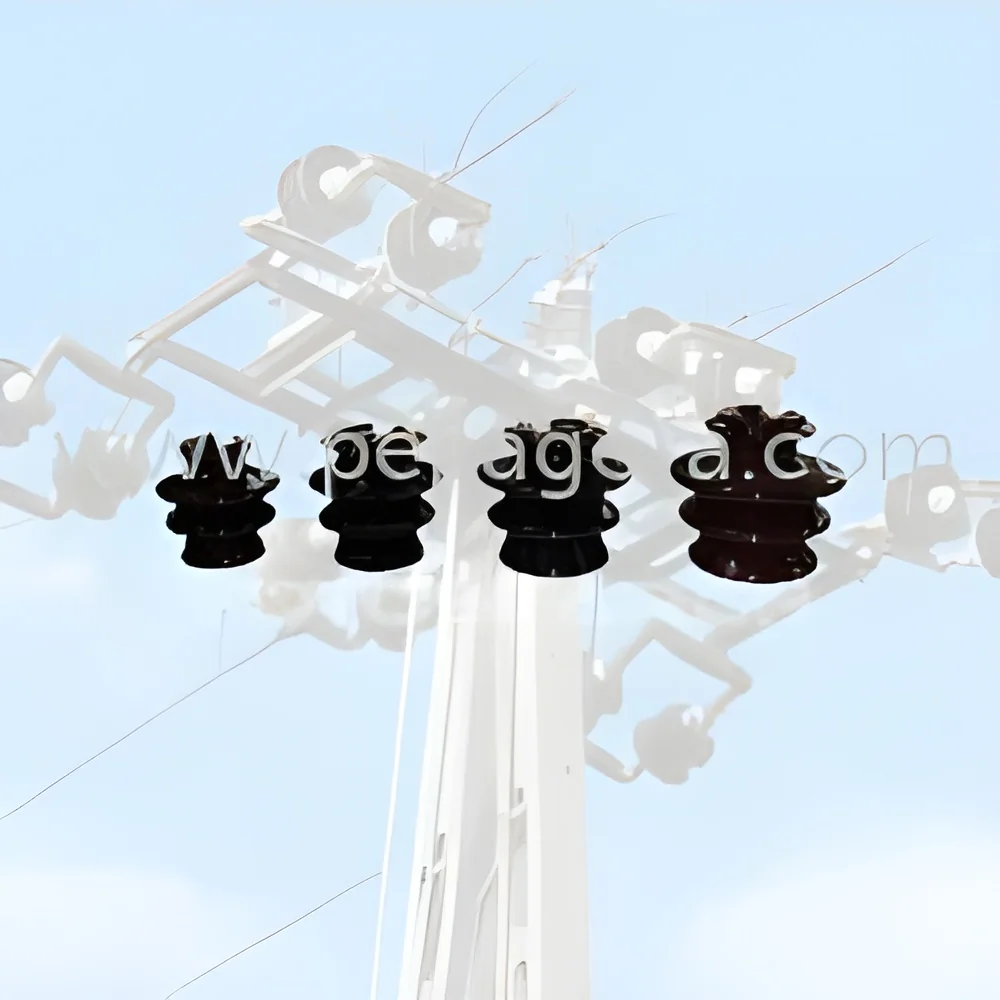
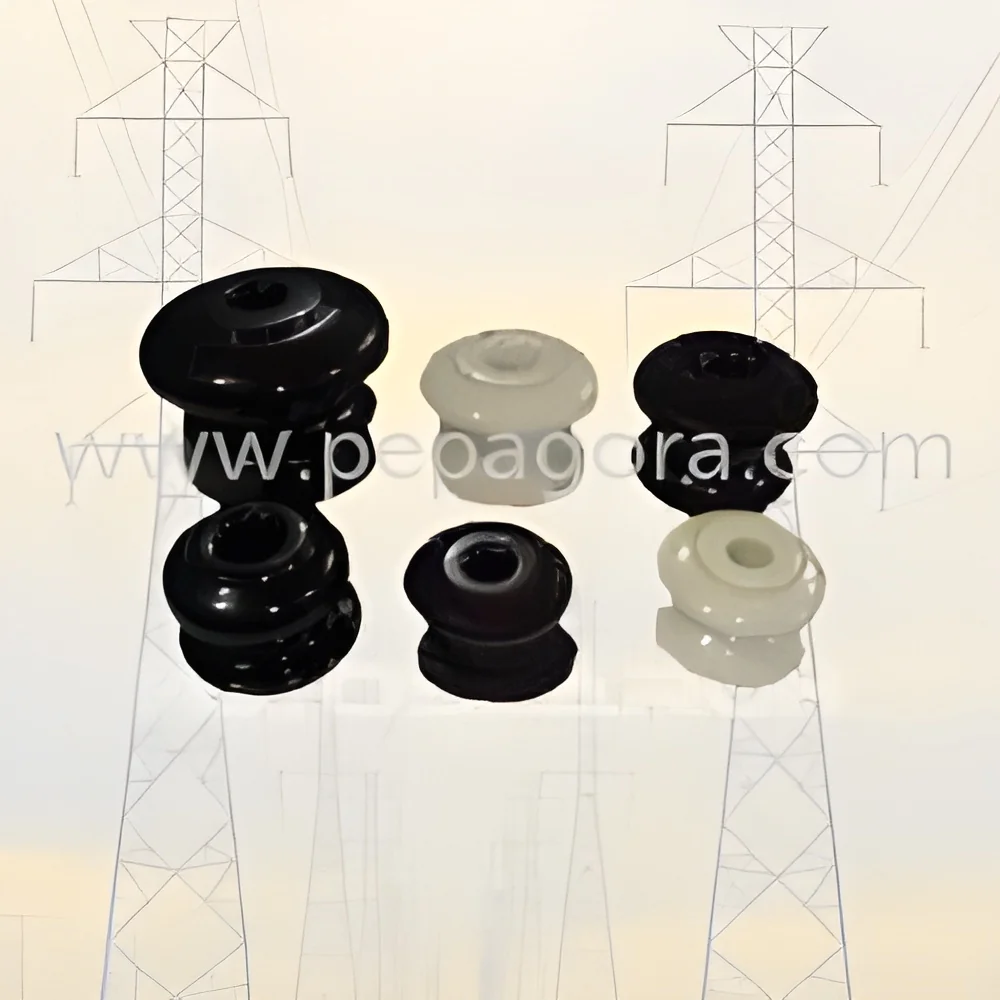
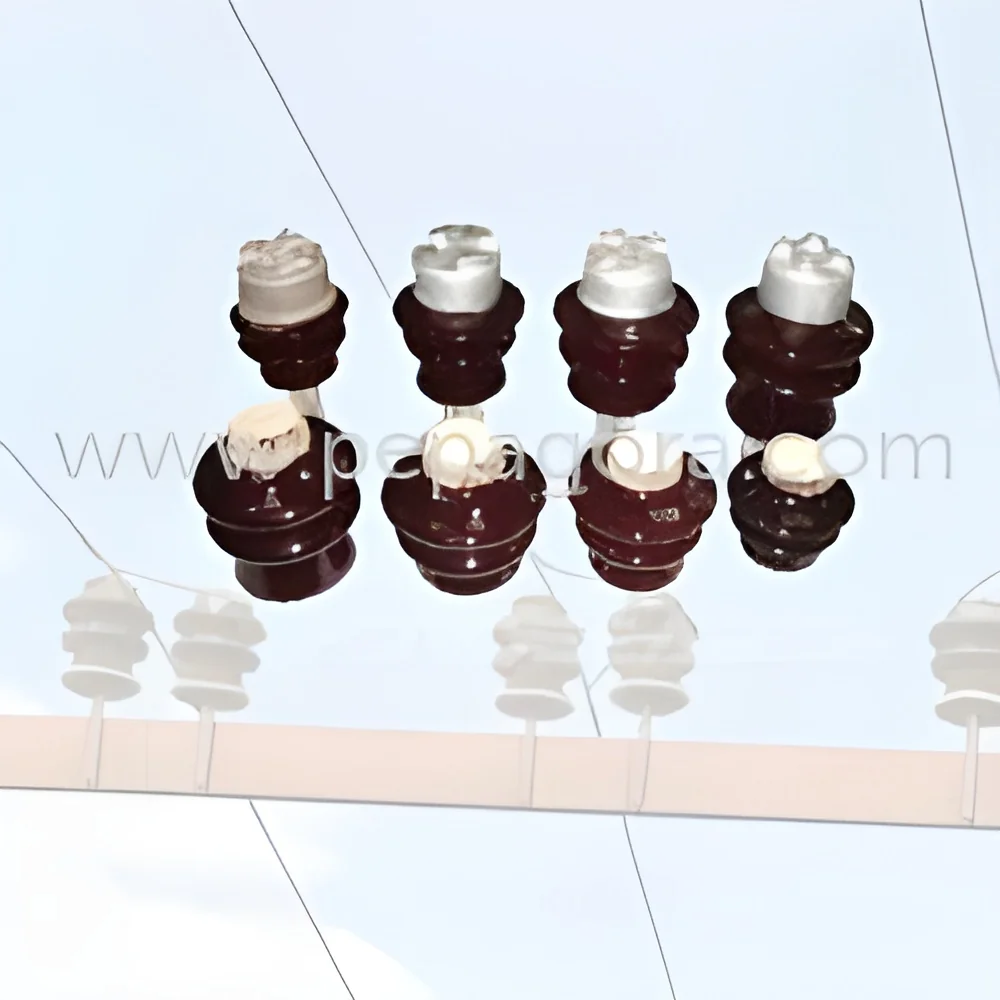
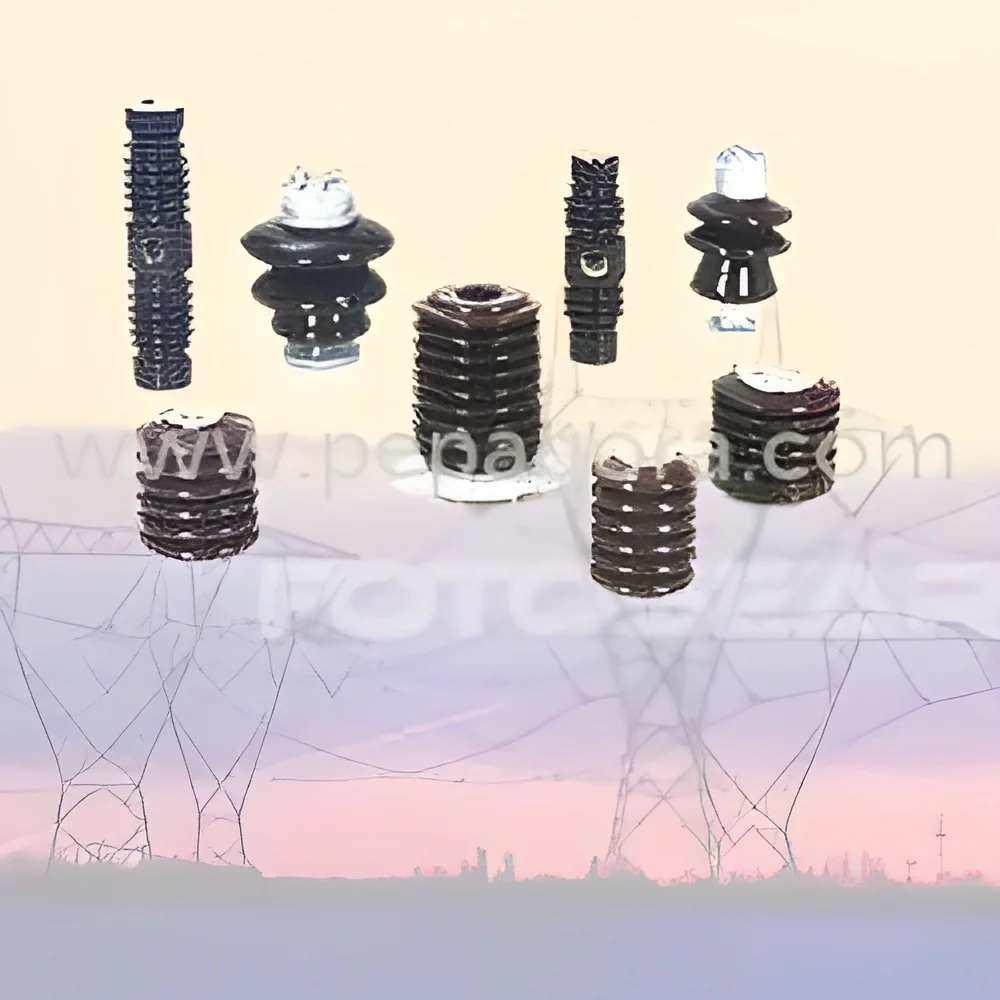
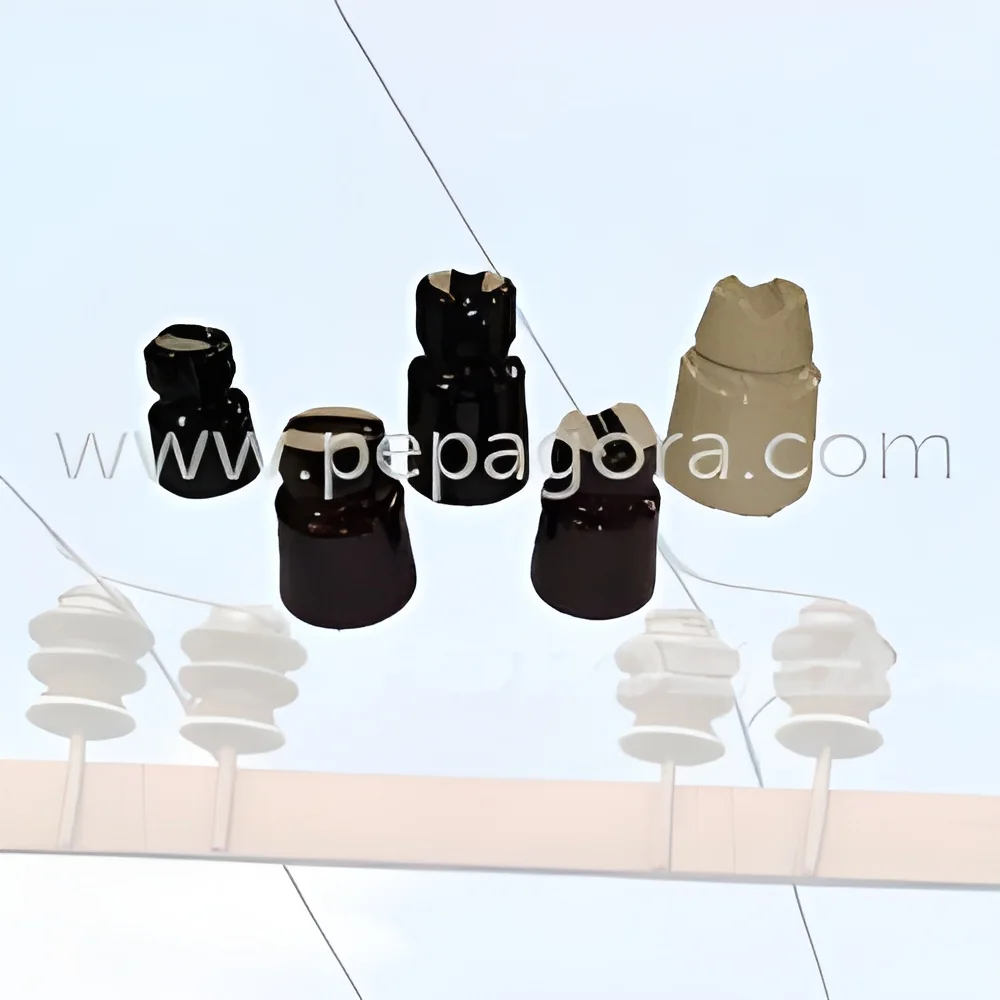
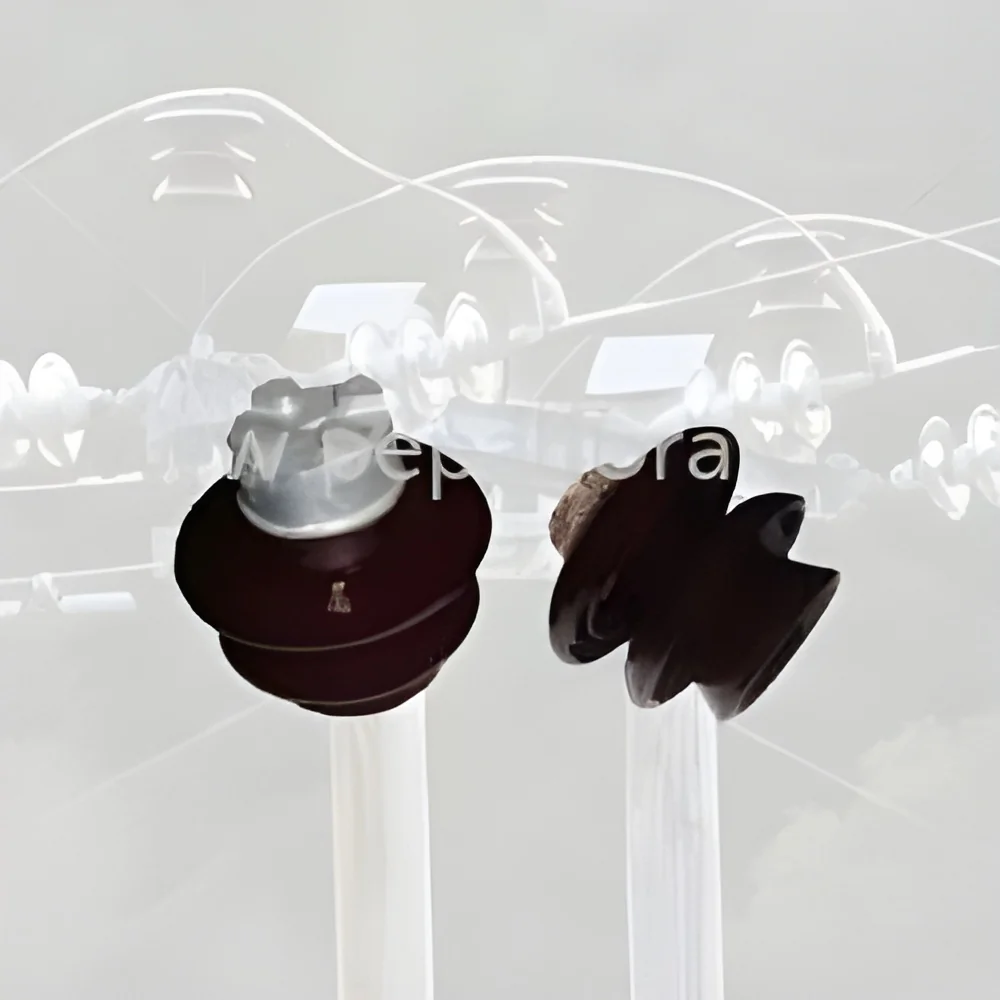
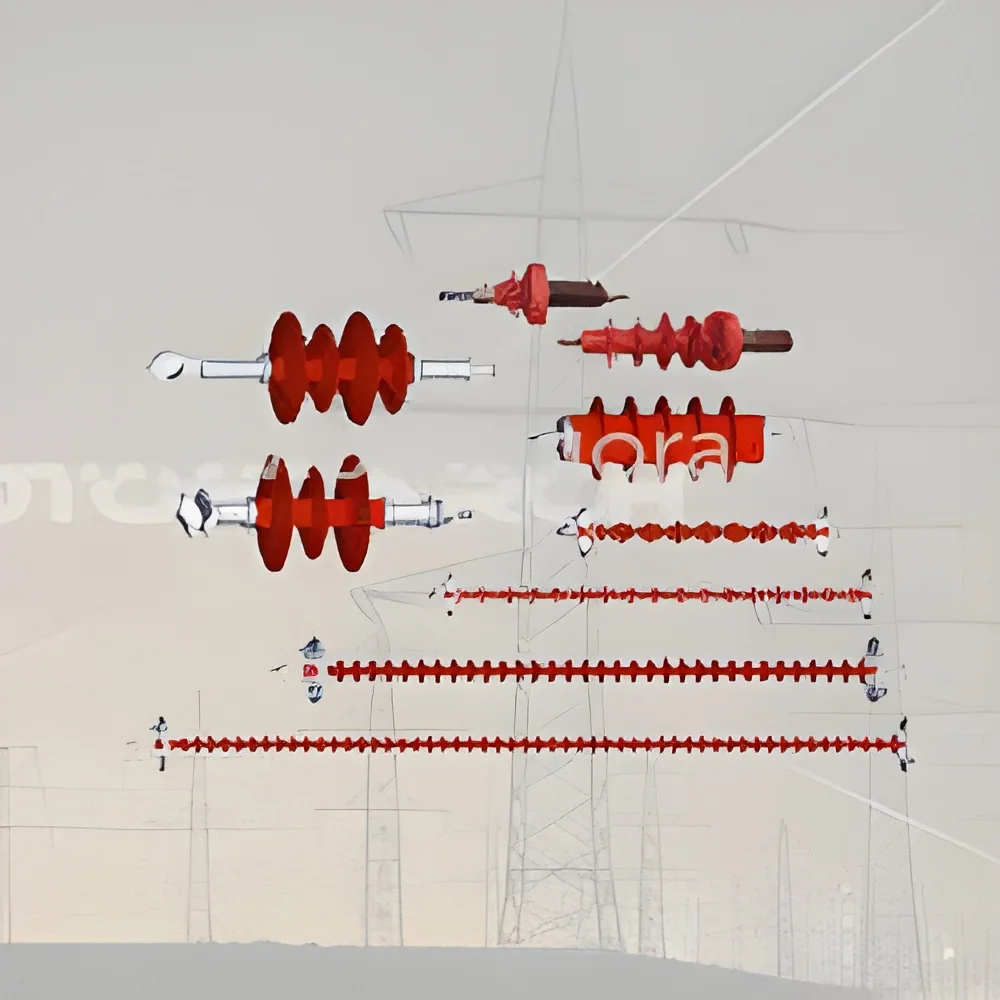
High Performance Polymeric Composite Insulators represent advanced electrical insulation technology combining polymer materials with fiberglass reinforcement for superior performance. These insulators feature a high-strength fiberglass core surrounded by weather sheds made from silicone rubber, providing excellent hydrophobic properties and environmental resistance. Unlike traditional porcelain or glass insulators, composite designs offer significant advantages in weight reduction, impact resistance, and installation efficiency. The manufacturing process ensures precise control of material composition and interface bonding for consistent electrical and mechanical performance across various operating conditions. These insulators meet international standards including IEC and ANSI requirements for different voltage classes and specific application needs.

These insulators serve critical roles across multiple industries requiring reliable electrical insulation. Power utilities deploy them...
High Performance Polymeric Composite Insulators represent advanced electrical insulation technology combining polymer materials with fiberglass reinforcement for superior performance. These insulators feature a high-strength fiberglass core surrounded by weather sheds made from silicone rubber, providing excellent hydrophobic properties and environmental resistance. Unlike traditional porcelain or glass insulators, composite designs offer significant advantages in weight reduction, impact resistance, and installation efficiency. The manufacturing process ensures precise control of material composition and interface bonding for consistent electrical and mechanical performance across various operating conditions. These insulators meet international standards including IEC and ANSI requirements for different voltage classes and specific application needs.

These insulators serve critical roles across multiple industries requiring reliable electrical insulation. Power utilities deploy them in transmission networks ranging from 11kV to 765kV systems, particularly in coastal areas with salt pollution and industrial zones with chemical contamination. Railway operators utilize composite insulators for electrification systems needing lightweight solutions with high mechanical strength. Renewable energy projects benefit from their corrosion resistance in wind farm and solar installation connections. Industrial sectors including mining, oil and gas, and chemical processing employ these insulators for their non-tracking properties and durability in challenging environments. Telecommunications applications also utilize them for tower grounding and lightning protection systems.

The business value of polymeric composite insulators centers on lifecycle cost reduction and operational reliability. These units provide approximately 40-50% weight savings compared to traditional alternatives, reducing transportation costs and enabling easier installation with smaller work crews. Their vandal-resistant characteristics minimize replacement costs in accessible locations, while superior pollution performance reduces maintenance cleaning requirements. The design accommodates specific creepage distances, connection types, and mechanical loads to match exact project specifications. Manufacturers supply comprehensive testing documentation including mechanical load tests, power frequency tests, and impulse voltage tests to verify performance. Reliability is further ensured through quality control processes monitoring material consistency, interface integrity, and final product performance against international standards.

Key Features:
- High-strength fiberglass core providing mechanical reliability and tensile strength
- Silicone rubber weather sheds with excellent hydrophobic properties
- UV resistant and anti-tracking properties for extended service life
- Lightweight construction reducing handling and installation requirements
- Corrosion and vandal resistance for reduced maintenance costs

Benefits:
- Reduced installation time and labor costs through lightweight design
- Lower maintenance requirements with pollution-resistant performance
- Enhanced grid reliability across diverse environmental conditions
- Long service life with UV and weather resistance properties
- Cost-effective solution with reduced transportation and handling expenses
Specifications
| Additional Information | |
|---|---|
| Country of Origin | India |
Application
Polymeric composite insulators deliver superior electrical insulation and mechanical support for overhead transmission and distribution lines. Their lightweight design and excellent pollution performance make them ideal for both urban installations and remote locations where reliability is critical. These insulators maintain performance under extreme weather conditions including heavy rain, UV exposure, and temperature variations, ensuring long-term operational stability across diverse environments.
These insulators serve multiple sectors including power utilities, railway electrification systems, renewable energy projects, and industrial power distribution networks. The composite material construction provides inherent corrosion resistance and vandal protection, significantly reducing maintenance requirements while enhancing grid resilience. Their design flexibility accommodates specific voltage requirements, tower configurations, and environmental challenges across various geographic regions and operating conditions.
- High voltage transmission lines for power grid operators and utility companies
- Railway electrification systems including overhead catenary networks
- Substation bus supports and switchgear insulation in distribution networks
- Renewable energy interconnections for wind farms and solar power plants
- Industrial power distribution in chemical plants, mining operations, and harsh environments
Trade Details
| Available Stock | In Stock |
| Sample Availability | No |
Payment Terms
| Payment Terms |
|
Company Profile
Naresh Potteries, Uttar Pradesh
 Uttar Pradesh, India
Uttar Pradesh, IndiaManufacturer•Importer / Exporter
Factory Details
Factory SizeBelow 1000 sqm
Annual Production Capacity0
High Performance Polymeric Composite Insulators For Electrical Transmission
High Performance Polymeric Composite Insulators provide reliable electrical insulation for transmission networks. Lightweight, durable construction withstands harsh environments with excellent pollution performance for utilities and industrial applications.
Min. Order Quantity: 1 unit
Shipping
Shipping fee and delivery date to be negotiated. Contact supplier now for more details.
Naresh Potteries
 Uttar Pradesh, India
Uttar Pradesh, IndiaManufacturer