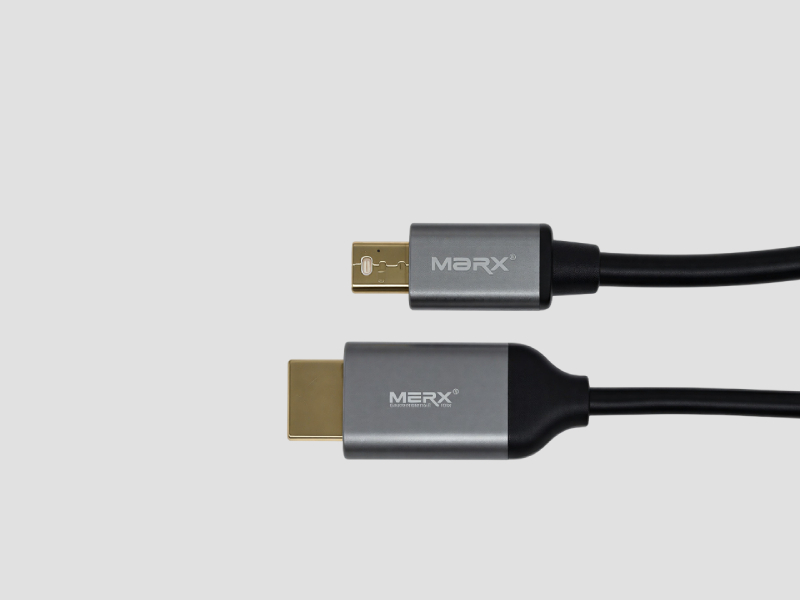
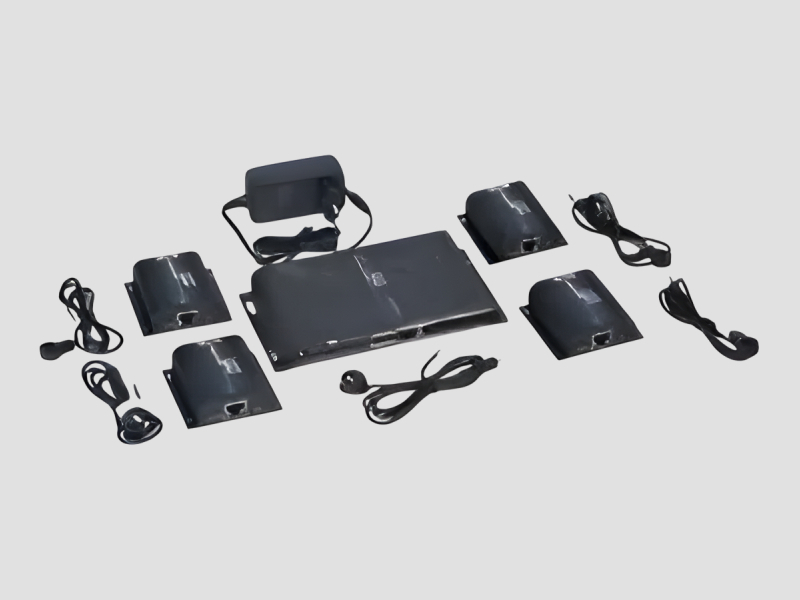
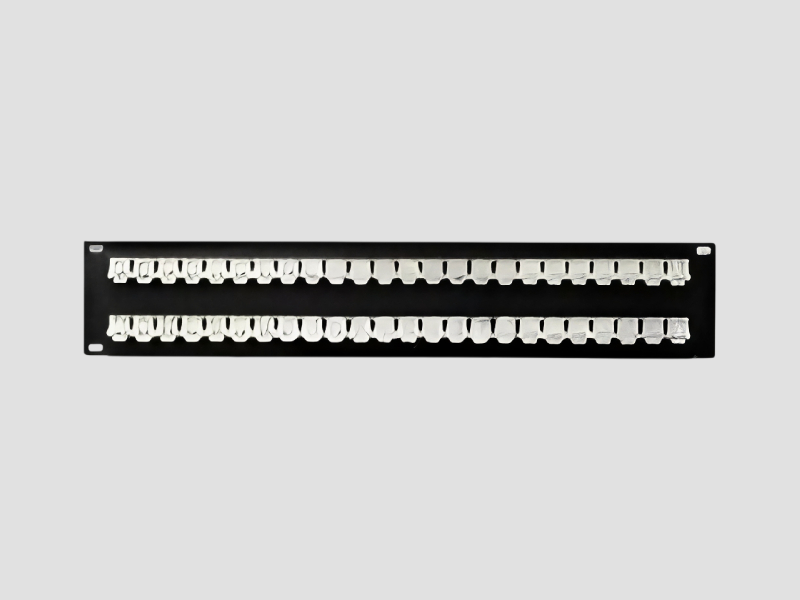
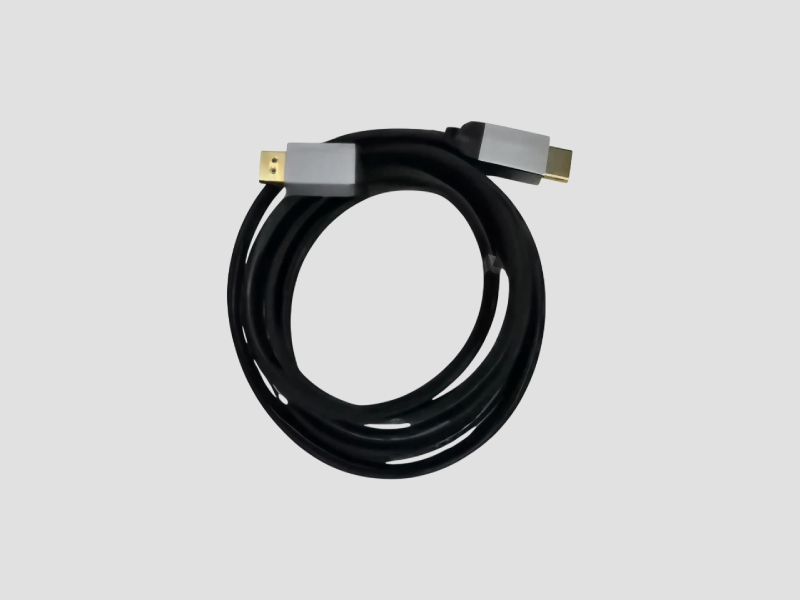
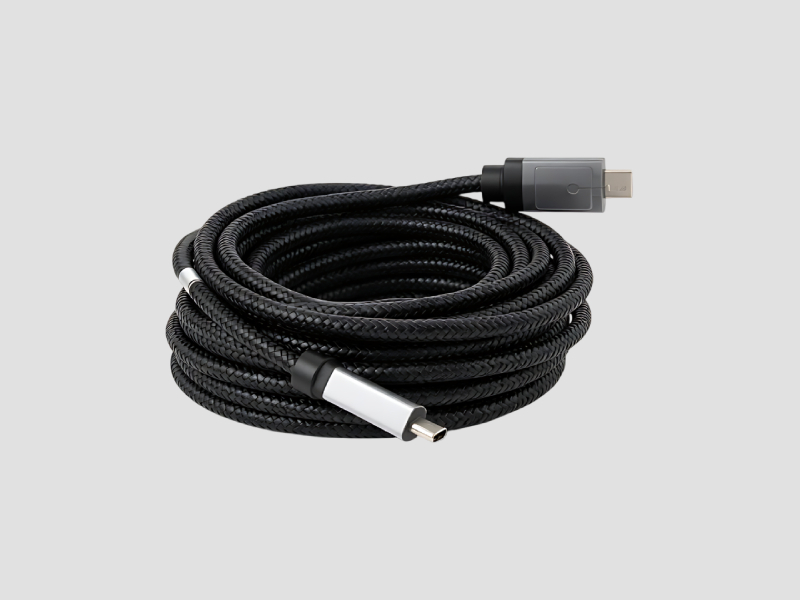
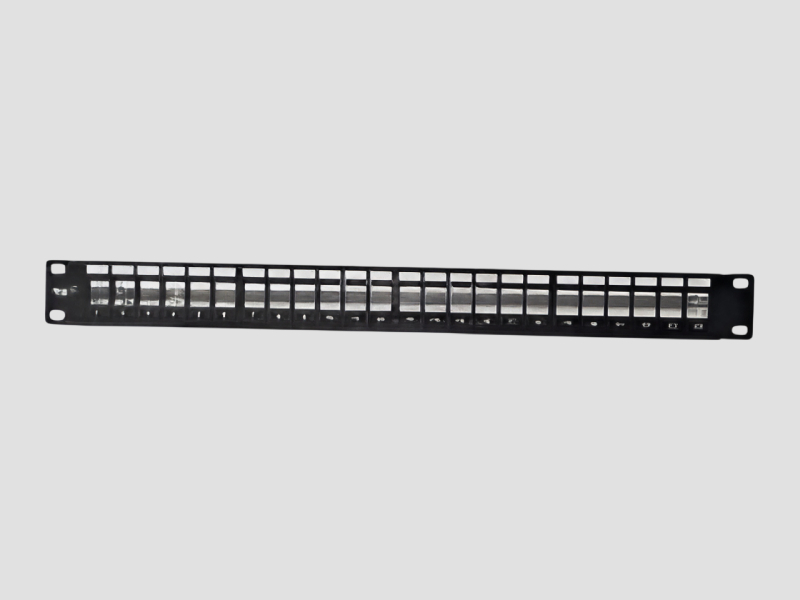
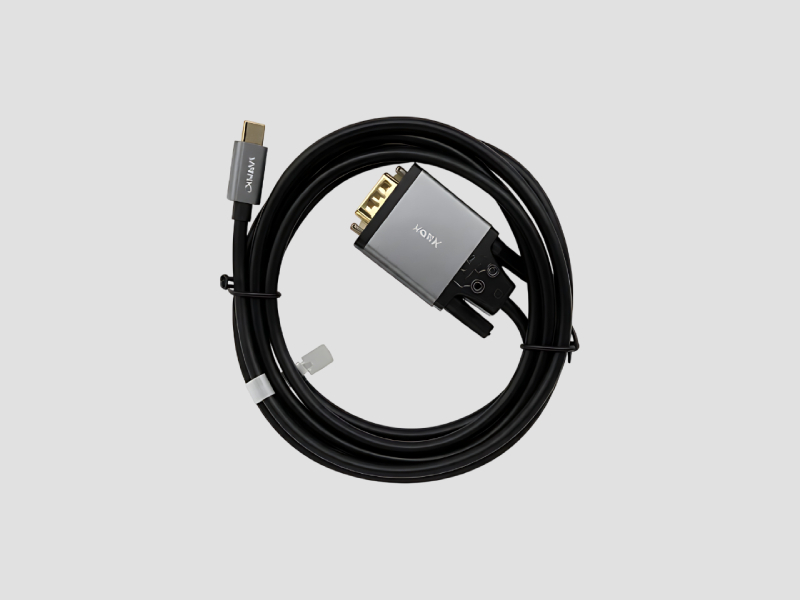
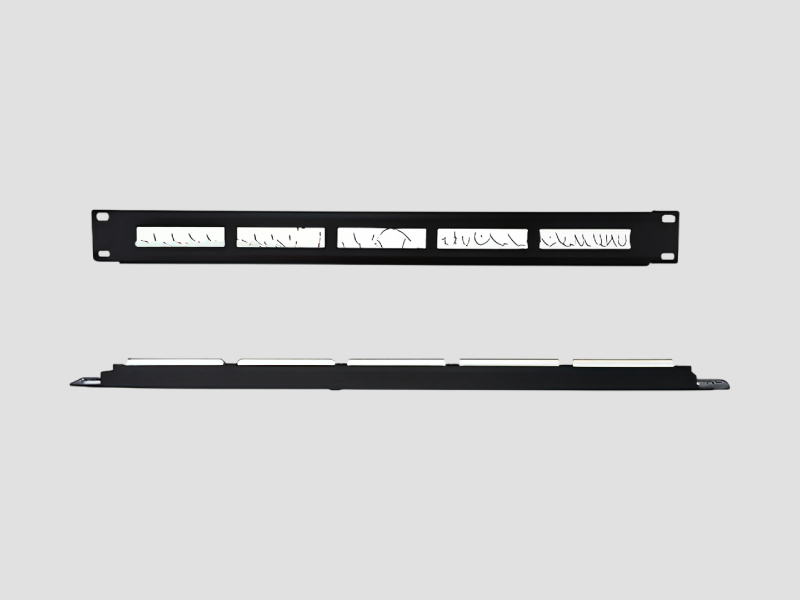
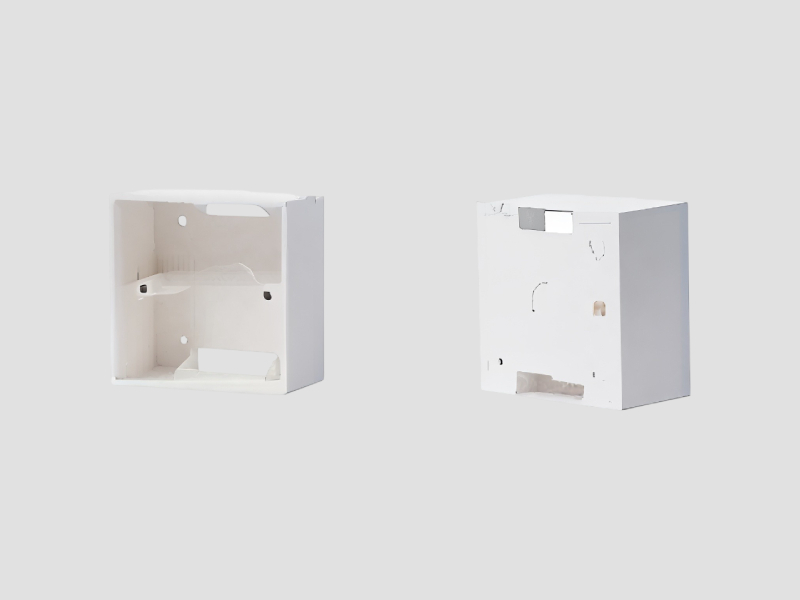
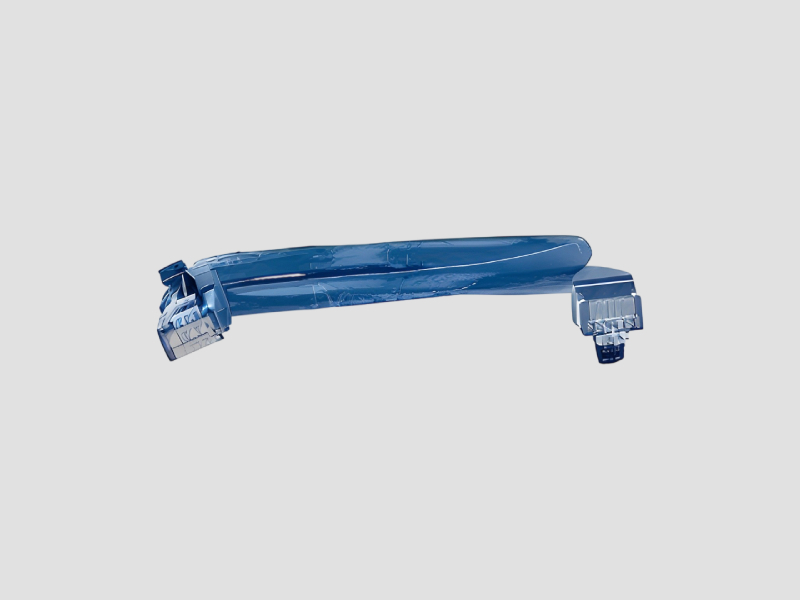
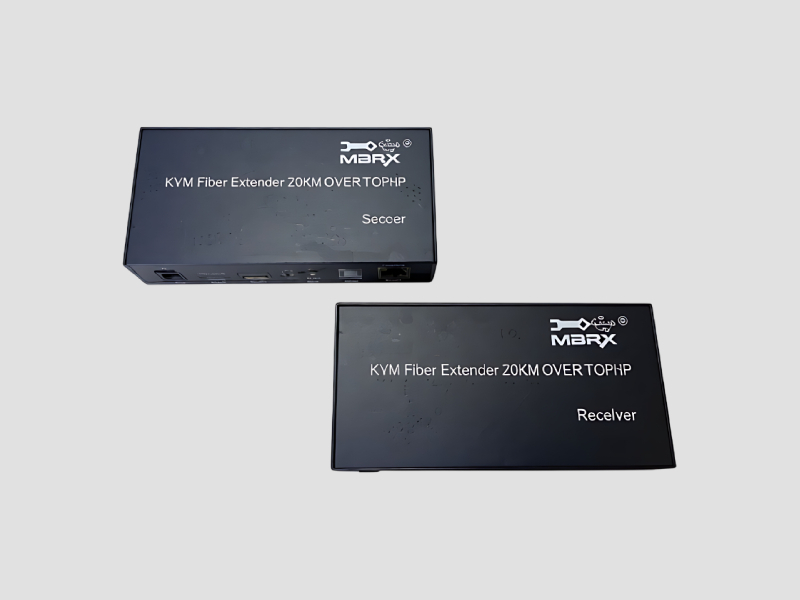
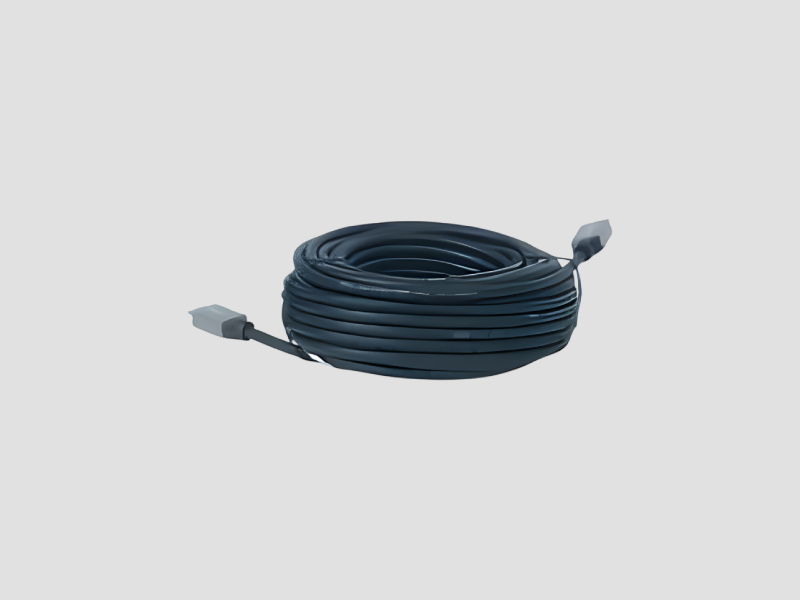
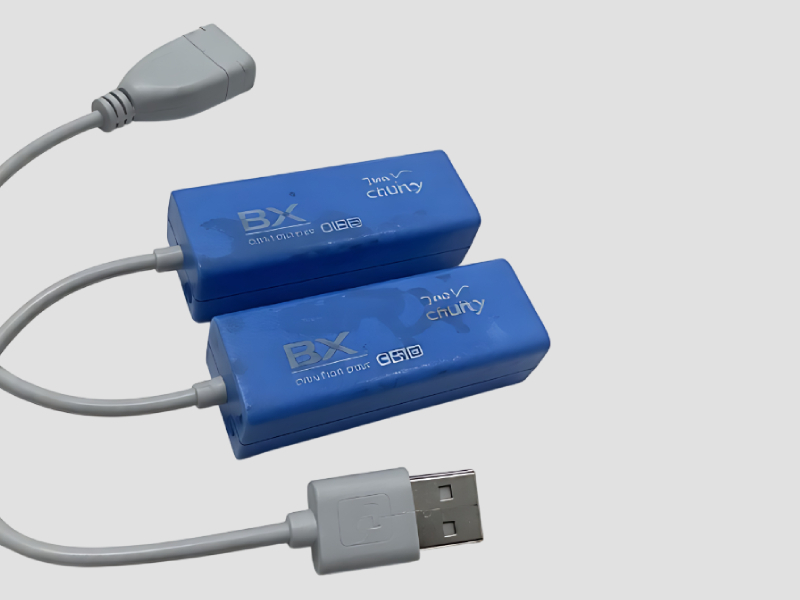
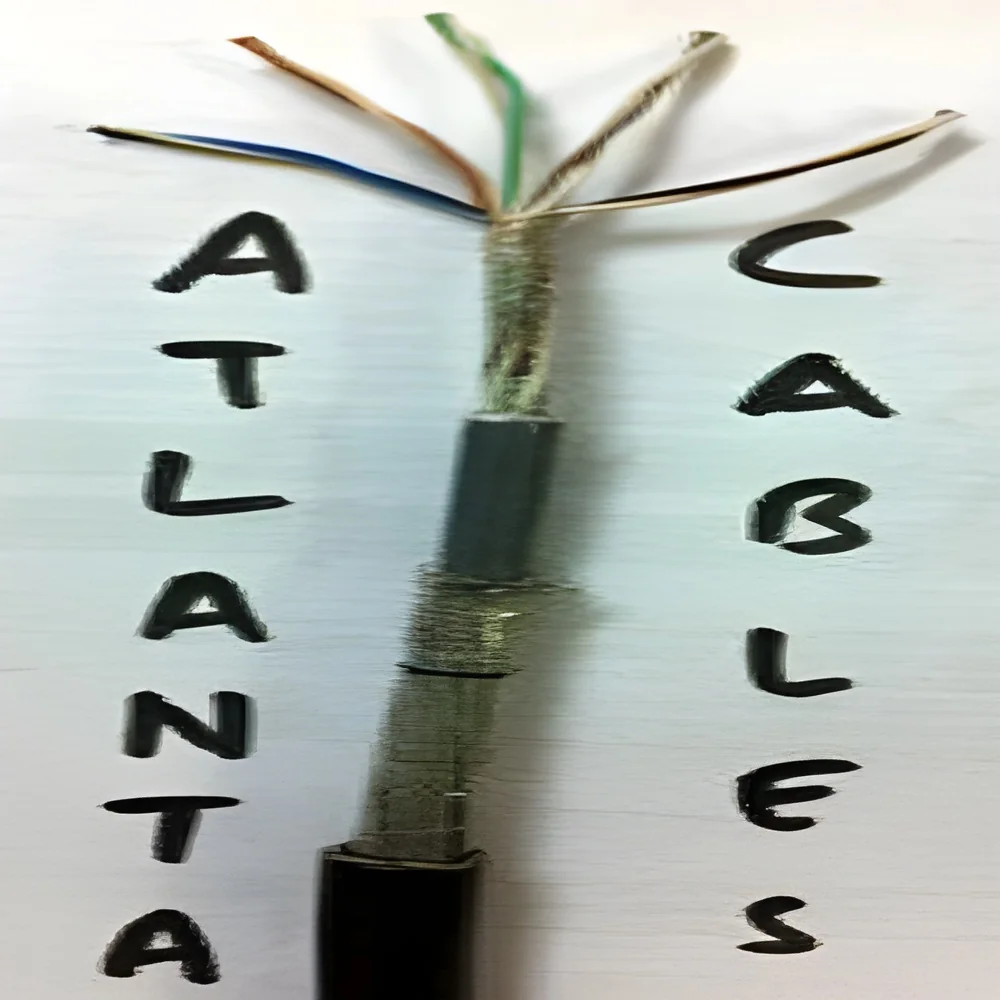
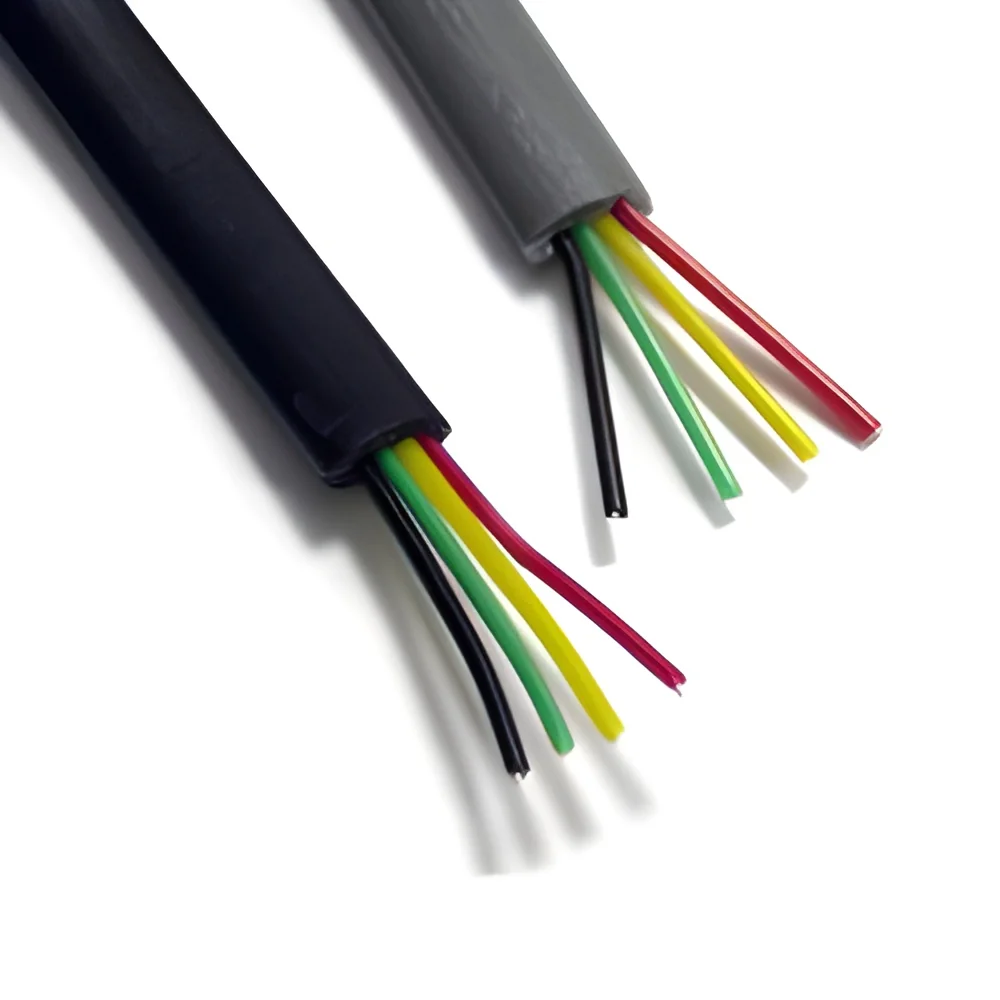
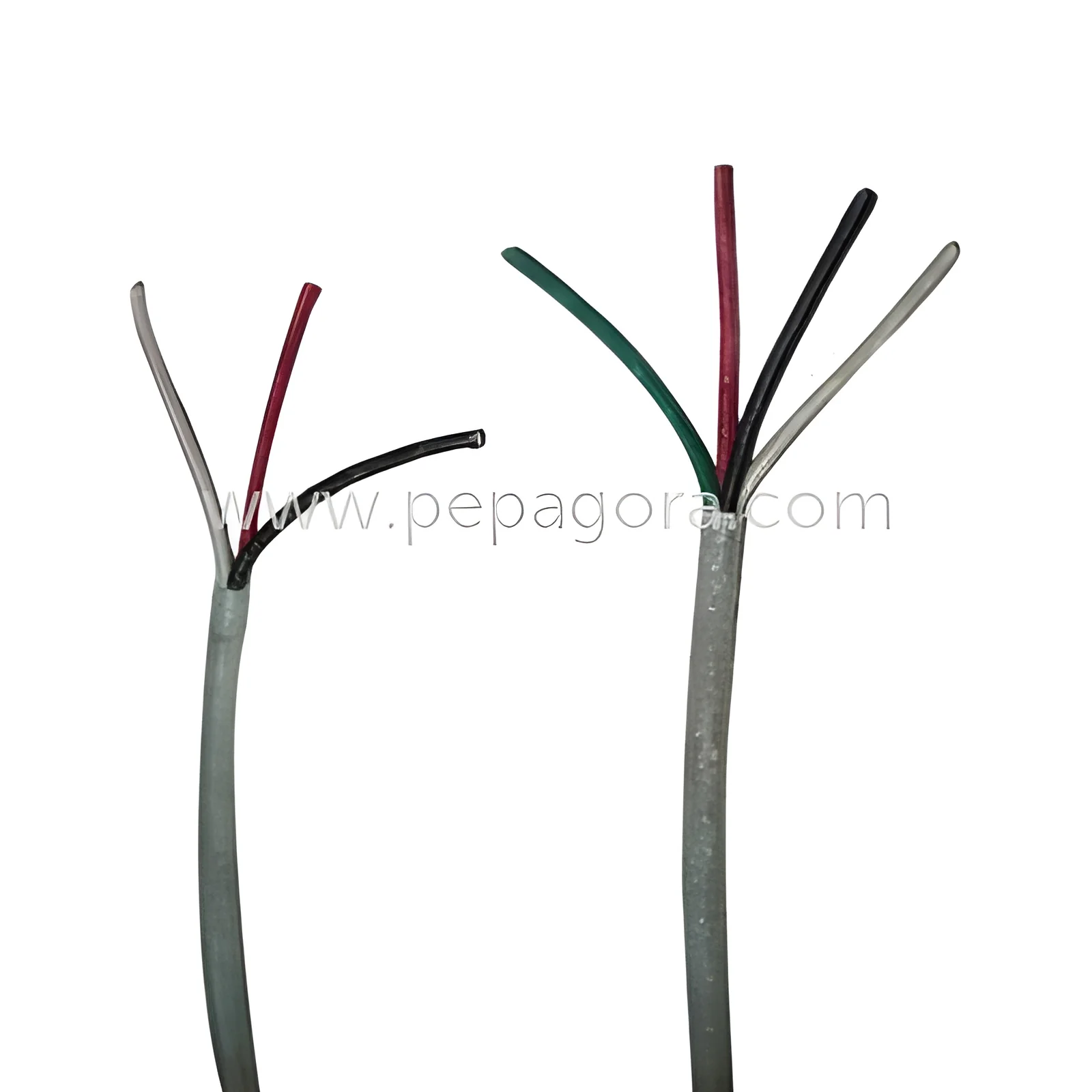
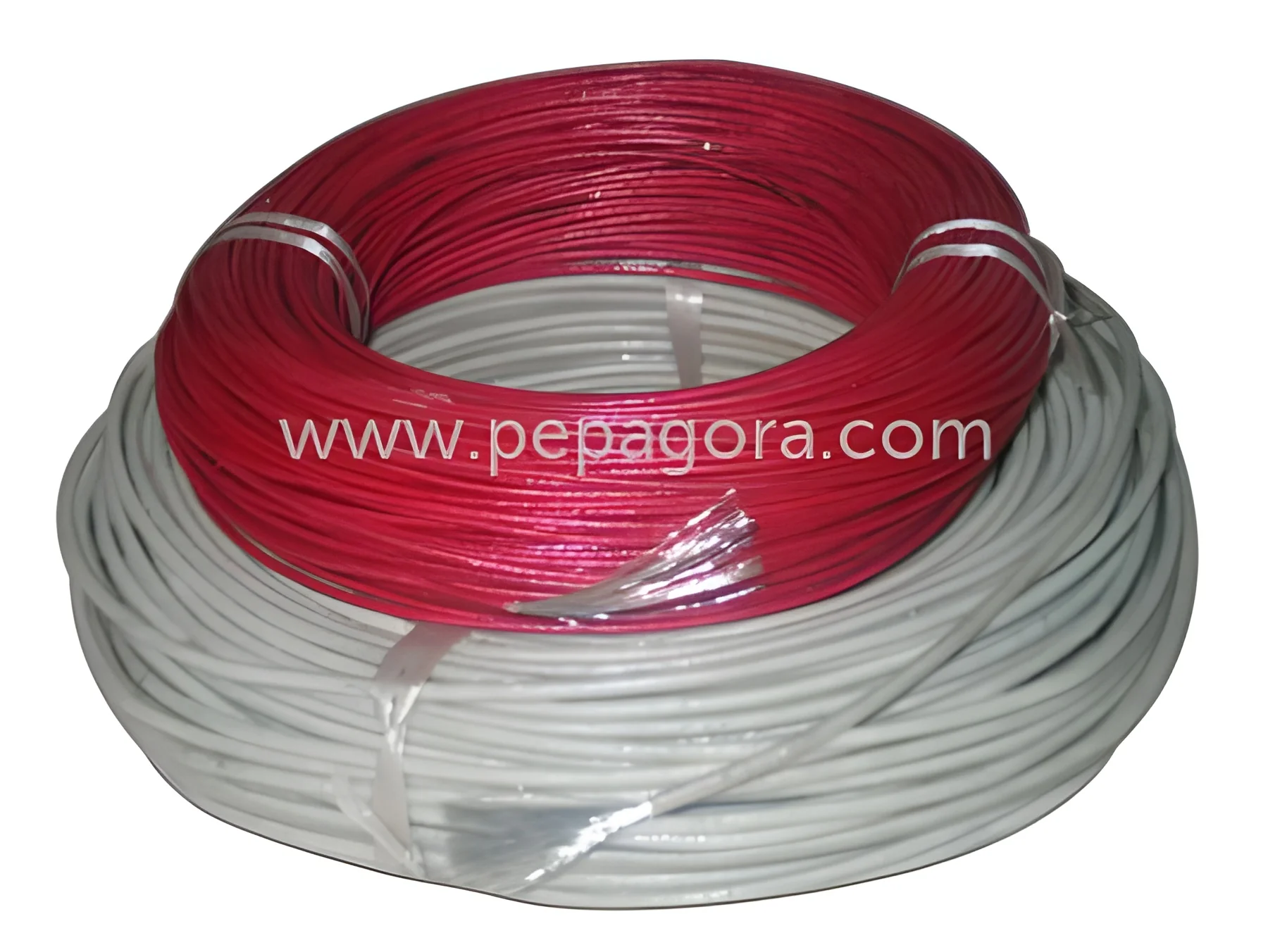
What are Data & Communication Cables?
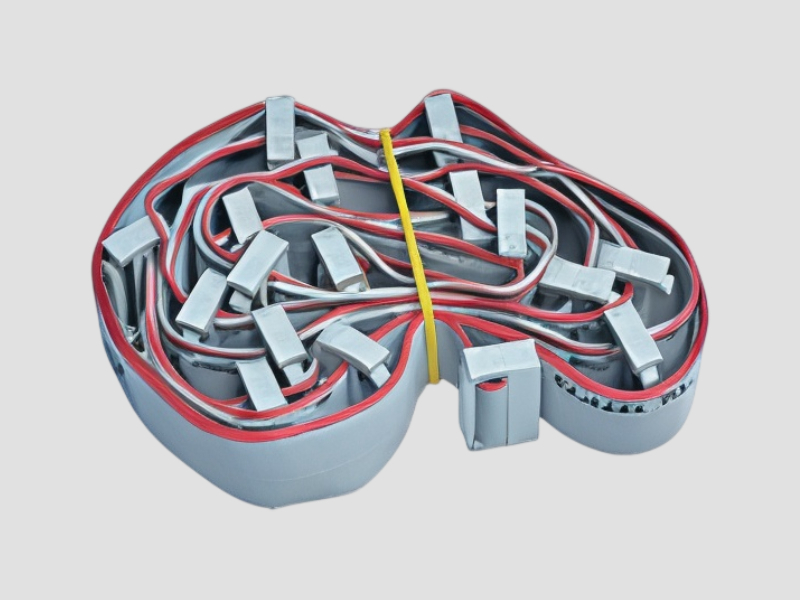
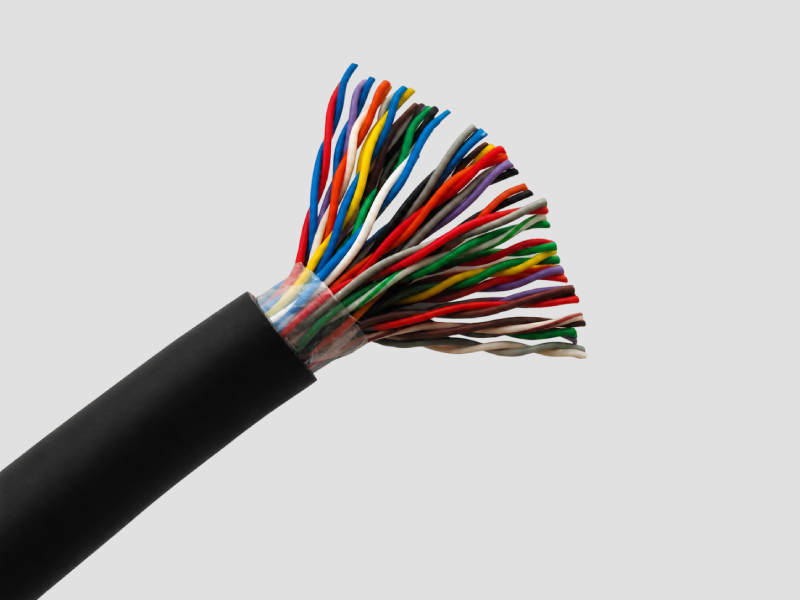
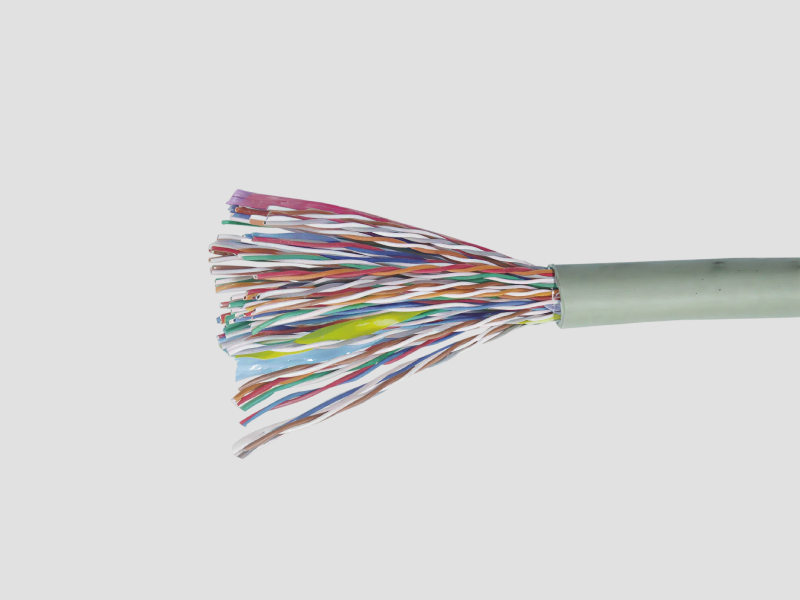
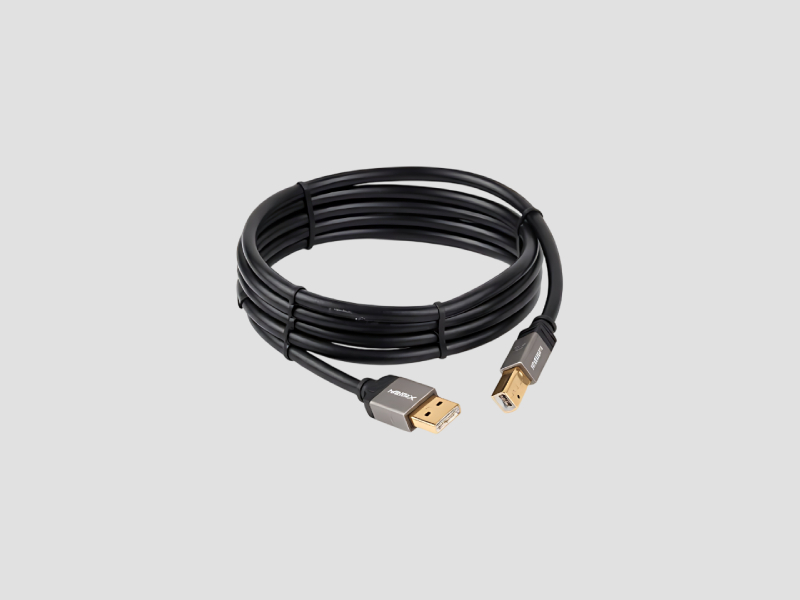
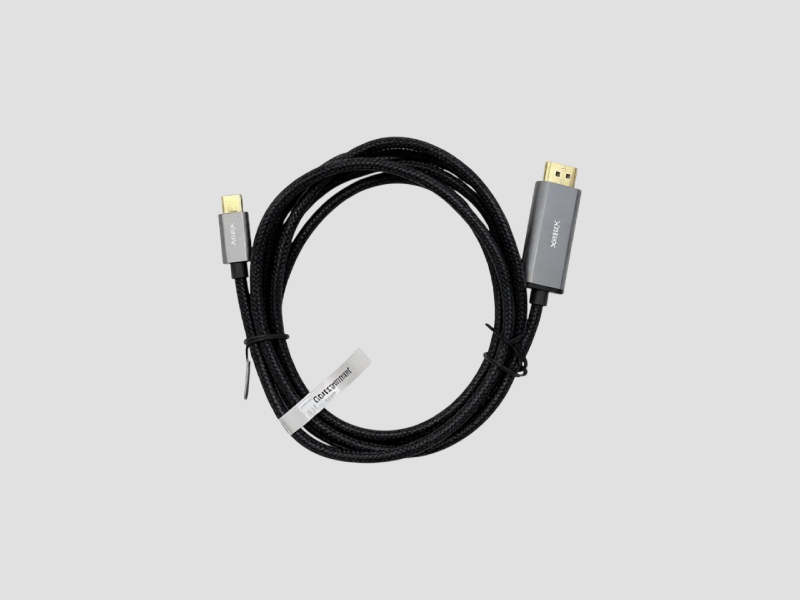
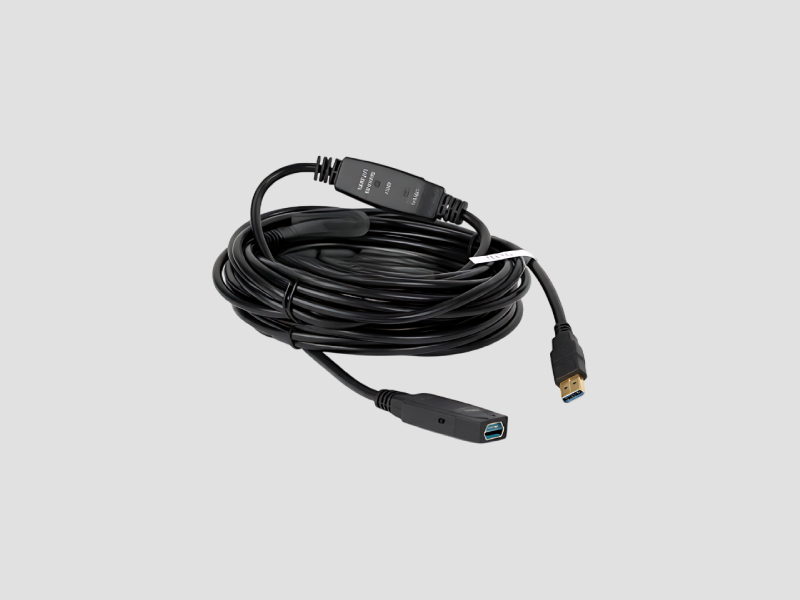
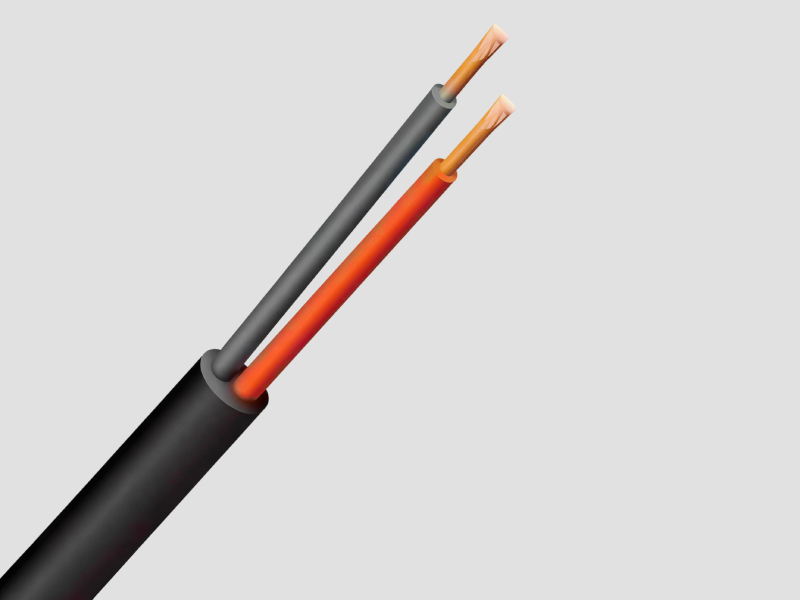
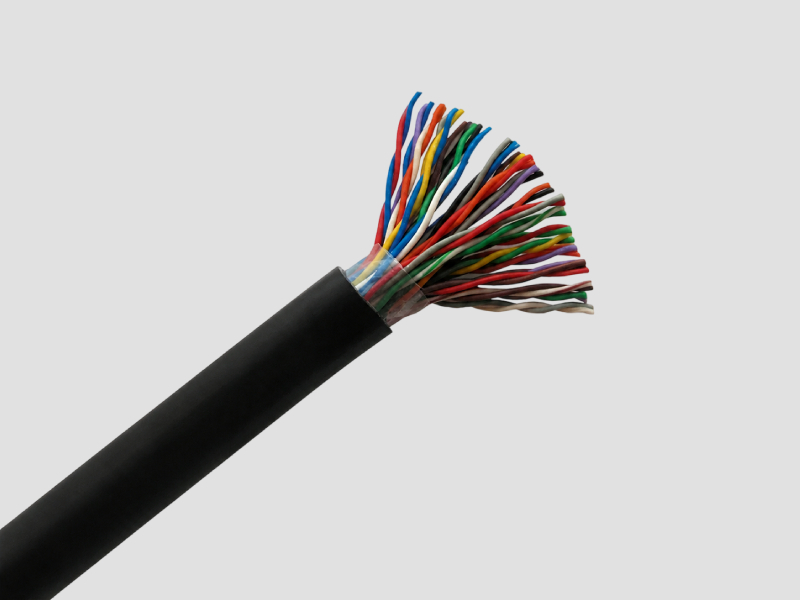
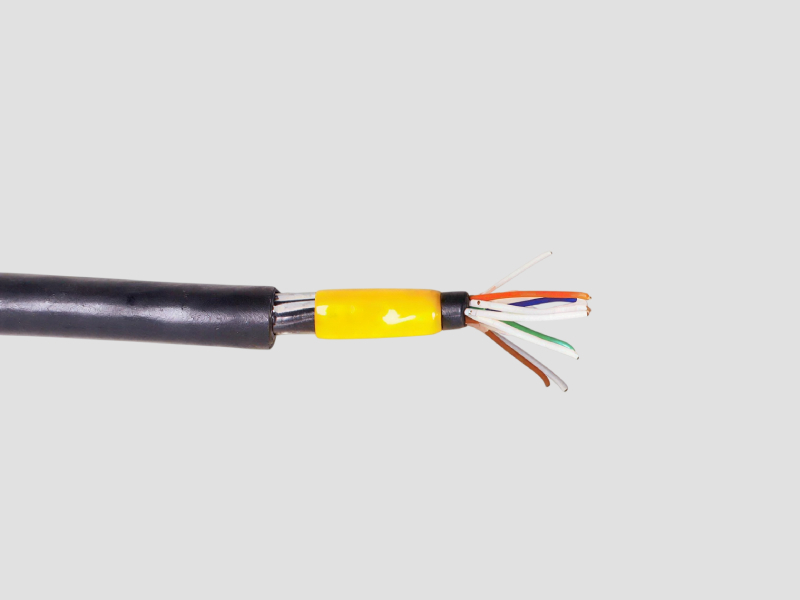
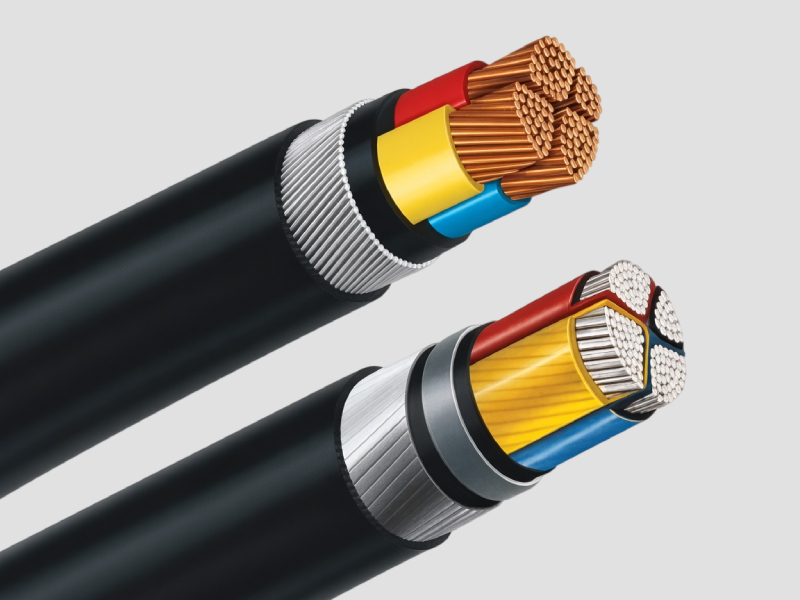
Data and communication cables are essential components in modern networking and telecommunication systems. These cables are designed to transmit data signals between devices, ensuring efficient communication within various systems. They come in different types, including twisted pair cables, coaxial cables, and fiber optic cables, each suited for specific applications and environments. By facilitating the transfer of information, these cables play a critical role in maintaining connectivity in diverse settings.
The primary uses of data and communication cables span across several industries, including telecommunications, information technology, and industrial automation. In telecommunications, they connect telephones and data networks. In IT, they link computers and servers, enabling data exchange and internet access. Meanwhile, in industrial settings, they support control systems and machinery, ensuring seamless operations. As businesses increasingly rely on digital solutions, the demand for robust and high-performance data and communication cables continues to grow significantly.
In the current market landscape, data and communication cables are vital to infrastructure development. The rapid growth of the Internet of Things (IoT) and smart technologies has heightened the importance of reliable data transmission. As industries evolve, the need for high-speed, efficient communication solutions remains crucial, solidifying the relevance of data and communication cables in today’s economy.
Key Features and Specifications
Data and communication cables exhibit a variety of features and specifications that cater to different requirements. Understanding these key specifications is essential for businesses looking to make informed purchasing decisions.
Key specifications include:
1. Cable Type
- Different types include twisted pair, coaxial, and fiber optic cables.
- Each type serves specific applications based on distance, bandwidth, and signal integrity.
2. Data Transmission Speed
- Measured in megabits per second (Mbps) or gigabits per second (Gbps).
- Determines how quickly data can be transmitted over the cable.
3. Bandwidth Capacity
- Refers to the maximum amount of data that can be transmitted at once.
- Higher bandwidth allows for more data transfer simultaneously.
4. Distance Limitations
- Each cable type has a maximum effective length for optimal performance.
- Twisted pair cables generally support shorter distances compared to fiber optics.
5. Environmental Resistance
- Includes specifications for temperature and humidity tolerance.
- Essential for cables used in harsh industrial environments.
6. Connector Types
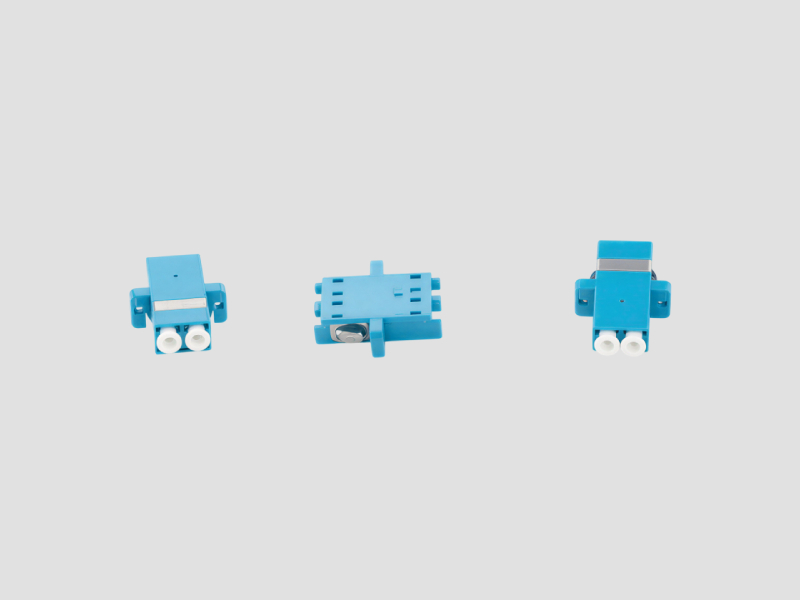
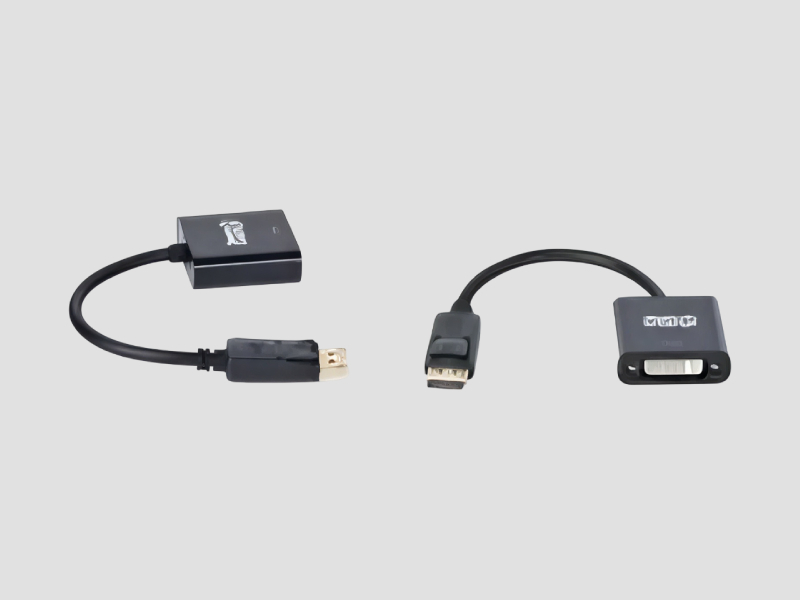
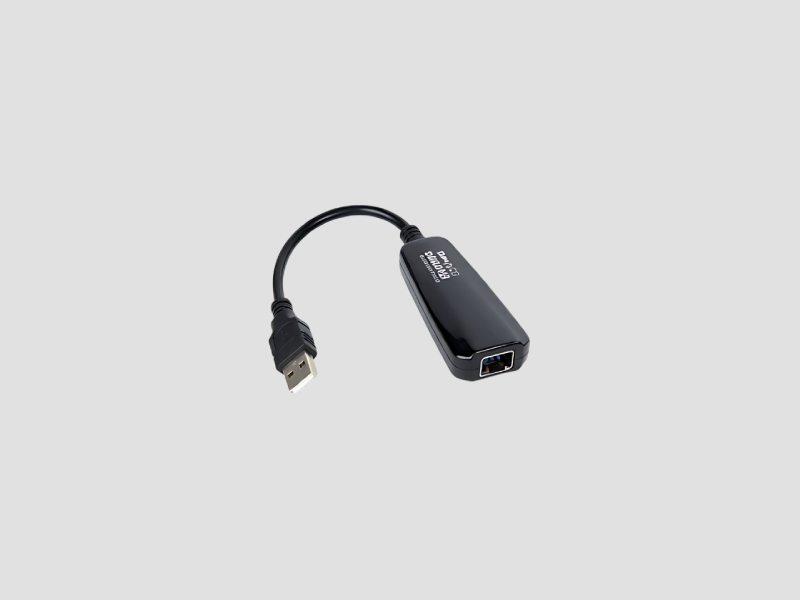
- Various connectors such as RJ45 for Ethernet or LC/SC for fiber optics.
- Ensures compatibility with devices and systems.
7. Shielding
- Refers to protective layers that minimize electromagnetic interference (EMI).
- Important for maintaining signal integrity in noisy environments.
8. Compliance Standards
- Must adhere to specific industry standards and certifications.
- Ensures quality and reliability in performance.
Understanding these features helps businesses select the right cables for their specific needs, enhancing communication efficiency.
Common Applications and Use Cases
Data and communication cables are widely utilized across various industries, each with unique applications that highlight their versatility and importance.
1. Telecommunications: These cables are fundamental in connecting telephone lines and internet services, enabling reliable communication for consumers and businesses alike.
2. Information Technology: In IT environments, data cables link computers, servers, and other devices, supporting data transfer, networking, and internet access.
3. Industrial Automation: Data cables are integral to control systems and machinery in manufacturing settings, facilitating communication between sensors, actuators, and control units.
4. Security Systems: Used in surveillance and alarm systems, these cables transmit video and data signals, ensuring effective monitoring and response capabilities.
5. Broadcasting: In the media industry, data cables connect equipment such as cameras, microphones, and broadcasting systems, ensuring high-quality transmission of audio and video.
6. Healthcare: In medical settings, data cables connect devices and systems for patient monitoring and data management, enhancing patient care and operational efficiency.
7. Smart Buildings: Data cables support smart technology systems, including lighting, HVAC, and security, promoting energy efficiency and automation.
These examples illustrate the critical role that data and communication cables play in diverse applications, enhancing connectivity and operational effectiveness.
Product Variants and Subcategories
Data and communication cables come in various forms to meet specific requirements across different sectors. Each variant offers unique features tailored to specific applications.
Twisted Pair Cables: These cables are commonly used for Ethernet connections in networking. They consist of pairs of wires twisted together to reduce interference. They are suitable for both residential and commercial applications.
Coaxial Cables: Known for their durability, coaxial cables are often used for cable television and internet access. Their design allows for high-frequency signal transmission over longer distances.
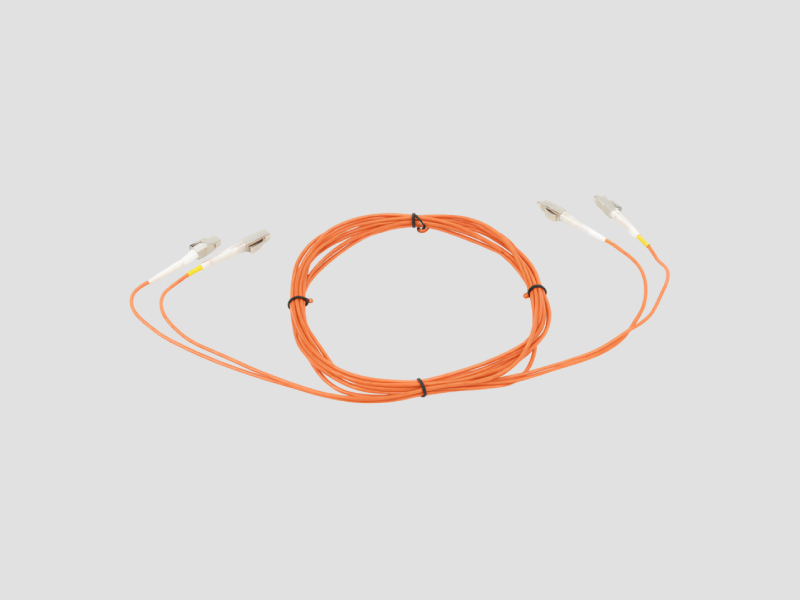
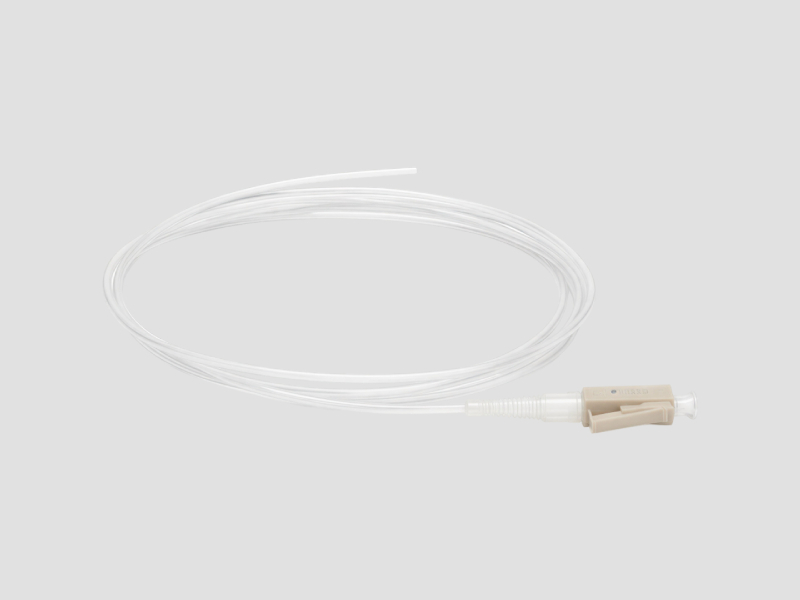
Fiber Optic Cables: These cables utilize light to transmit data, offering high-speed and long-distance communication capabilities. They are ideal for high-bandwidth applications such as data centers and telecommunications networks.
Data not available for additional variants.
Benefits and Advantages
Data and communication cables offer a range of benefits that make them essential for businesses across various industries.
Key benefits include:
1. Enhanced Data Transmission: These cables enable faster data transfer rates, improving overall network performance and efficiency.
2. Reliability: High-quality cables ensure consistent and reliable communication, minimizing downtime and disruptions in operations.
3. Versatility: With various types available, data and communication cables can be tailored to meet specific industry needs and applications.
4. Reduced Interference: Shielded cables reduce electromagnetic interference, ensuring clearer signal transmission and higher data integrity.
5. Long-Distance Communication: Fiber optic cables allow for high-speed data transmission over long distances, making them ideal for extensive networks.
6. Scalability: Businesses can easily expand their network infrastructure by integrating additional data and communication cables as needed.
These advantages highlight why investing in quality data and communication cables is crucial for maintaining efficient operations.
Buying Guide for B2B Buyers
When sourcing data and communication cables, B2B buyers should consider several key factors to ensure they select the right products for their needs.
1. Quality Assessment: Look for cables that meet industry standards and specifications. Assess the materials used and check for certifications that guarantee quality and performance.
2. Supplier Verification: Vet potential suppliers by checking their reputation, customer reviews, and industry experience. A reliable supplier can provide consistent quality and support.
3. Pricing and MOQ: Consider the pricing structure and minimum order quantities. Compare prices from multiple suppliers to find a cost-effective solution without compromising on quality.
4. Delivery and Lead Times: Inquire about delivery times and logistics. Ensure that suppliers can meet your timeline and have a reliable shipping process to avoid delays.
5. Compliance Requirements: Verify that the cables meet relevant compliance standards and regulations in your industry. This ensures safety and reliability in use.
By keeping these factors in mind, B2B buyers can make informed decisions when sourcing data and communication cables.
Compliance and Certifications
Compliance with relevant standards and certifications is crucial for data and communication cables to ensure quality and safety. Industry standards like ISO 9001 focus on quality management systems, ensuring that manufacturers adhere to strict quality control processes.
Certifications such as CE indicate that products meet European safety, health, and environmental protection standards. These certifications provide assurance to buyers that the cables are designed and manufactured to a high standard.
Moreover, safety and testing requirements play a critical role in the production of data and communication cables. Manufacturers should conduct rigorous testing to ensure performance under various conditions. Regional compliance considerations are also essential, as different regions may have specific regulations and standards that must be met.
Understanding these compliance and certification aspects is vital for businesses to ensure they are purchasing reliable and safe data and communication cables.
Why Source Data & Communication Cables from Pepagora?
Pepagora is a trusted platform for sourcing data and communication cables, offering several key advantages for B2B buyers.
Verified Supplier Network: Pepagora connects buyers with a network of verified suppliers, ensuring that all listed manufacturers meet stringent quality and reliability standards. This verification process helps buyers make informed decisions.
Streamlined RFQ Process: The platform simplifies the request for quotation process, allowing buyers to easily compare prices and specifications from multiple suppliers. This efficiency helps in finding the best deals quickly.
Trade Assurance and Support: Pepagora provides trade assurance, protecting buyers from potential risks associated with their purchases. Additionally, the platform offers customer support to assist with any inquiries or issues that may arise.
Regional Coverage: With a significant presence in India, the GCC, and Southeast Asia, Pepagora offers extensive regional coverage. This geographic reach ensures that buyers can access a wide range of suppliers and products tailored to their specific market needs.
In summary, Pepagora serves as a reliable partner for businesses looking to source high-quality data and communication cables efficiently and effectively.

 IN
IN