What are Telephone Cables?
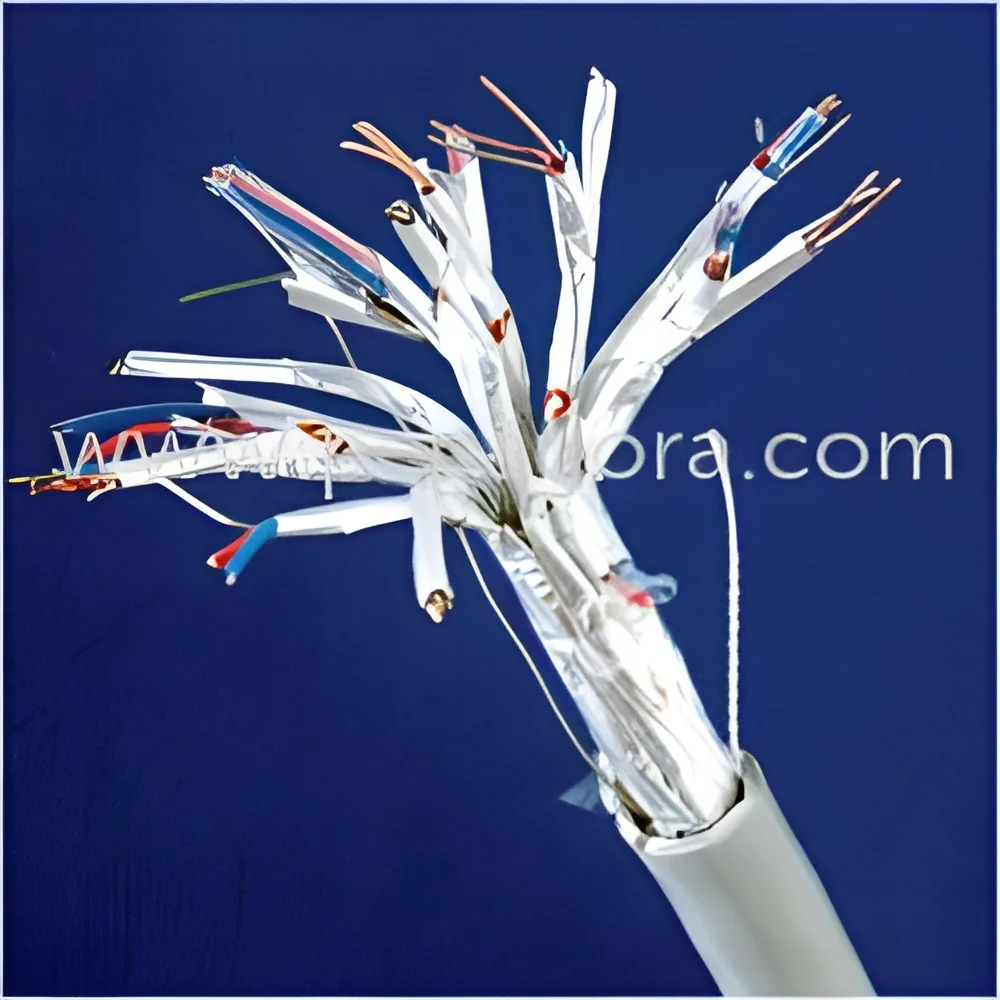
Telephone cables are specialized wiring systems designed to transmit voice and data signals over long distances. They consist of multiple insulated copper or fiber optic wires, which are grouped together within a protective sheath. This construction allows for efficient signal transmission while minimizing interference and signal loss. Telephone cables are essential components in both traditional landline systems and modern telecommunications networks.
These cables find extensive use in various business applications, including office communications, residential telephone services, and data transmission networks. They are integral to ensuring reliable connectivity in environments ranging from small businesses to large corporate offices. With the increasing reliance on communication technologies, telephone cables remain a critical element in the infrastructure of telecommunications.
In the current market, telephone cables are relevant due to the ongoing demand for effective communication solutions. As businesses continue to enhance their connectivity, the need for high-quality telephone cables is more significant than ever. This relevance positions telephone cables as a vital product within the telecommunications industry, catering to a diverse range of customer requirements.
Key Features and Specifications
Telephone cables offer a variety of features and specifications that enhance their performance and usability. These characteristics are key considerations for businesses looking to implement or upgrade their communication systems.
Key specifications include:
1. Conductor Material
- Typically made from copper or fiber optics
- Copper offers excellent conductivity, while fiber optics provide higher bandwidth
2. Number of Pairs
- Available in various configurations, such as 2, 4, 6, 8 pairs, etc.
- More pairs allow for additional lines and enhanced communication capabilities
3. Cable Length
- Offered in standard lengths ranging from 100 feet to several thousand feet
- Longer cables can cover extensive distances but may require signal boosters
4. Insulation Type
- Common insulation materials include PVC and polyethylene
- Insulation protects against environmental factors and reduces signal interference
5. Shielding Options
- Shielded or unshielded cables available
- Shielded cables provide better protection against electromagnetic interference
6. Temperature Rating
- Designed to operate within specific temperature ranges
- Typically rated for use between -20°C to 60°C
7. Compliance Standards
- Must meet industry standards such as CE certification
- Compliance ensures safety and reliability in various applications
In summary, understanding these specifications helps businesses select the right telephone cables for their specific needs, ensuring optimal performance and reliability in their communication systems.
Common Applications and Use Cases
Telephone cables serve a wide range of industries, facilitating effective communication solutions across various sectors.
1. Telecommunications: Telephone cables are crucial for connecting residential and business telephony systems, ensuring reliable voice communication.
2. Data Centers: In data centers, telephone cables are used for connecting servers and networking equipment, enabling efficient data transmission.
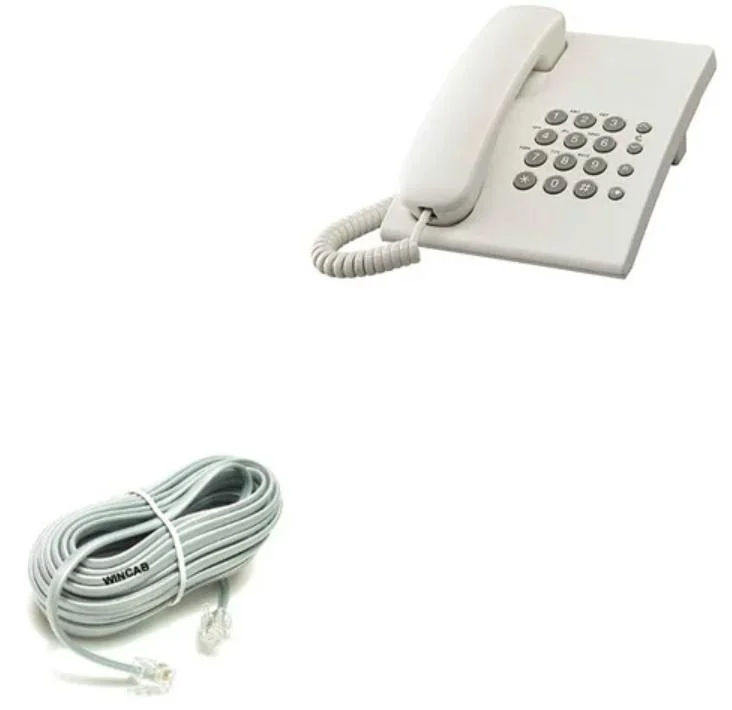
3. Office Environments: Businesses utilize telephone cables to set up internal communication systems, including landline phones and fax machines.
4. Educational Institutions: Schools and universities rely on telephone cables for intercom systems and administrative communications.
5. Healthcare Facilities: Hospitals use telephone cables for emergency communication systems and patient monitoring equipment.
6. Manufacturing: In manufacturing plants, telephone cables facilitate communication between different departments and machinery.
7. Retail: Retail establishments use telephone cables for point-of-sale systems and customer service operations.
Product Variants and Subcategories
Telephone cables come in a variety of types to suit different applications and environments. Each variant is designed to meet specific requirements.
Unshielded Twisted Pair (UTP)
UTP cables are commonly used for telephone and data applications. They offer flexibility and are cost-effective, making them suitable for general office use.
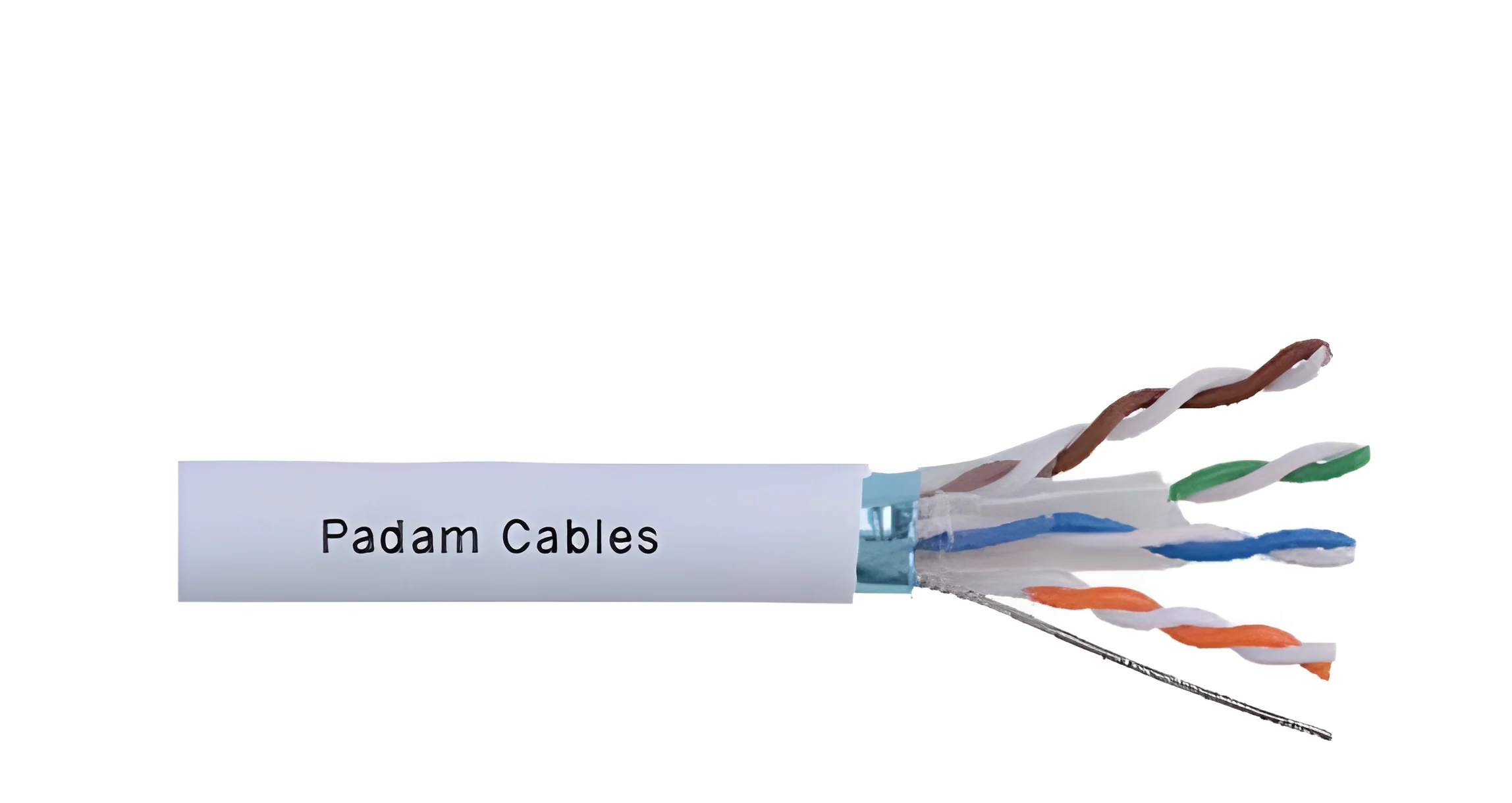
Shielded Twisted Pair (STP)
STP cables provide enhanced protection against electromagnetic interference. They are ideal for environments with high levels of electronic noise, such as industrial settings.
Ethernet Cables
While primarily used for data transmission, some Ethernet cables can also support telephone communications. They are often used in modern office setups for VoIP systems.
Benefits and Advantages
Sourcing telephone cables provides numerous advantages for businesses looking to enhance their communication systems.
Key benefits include:
1. Enhanced Connectivity: Telephone cables ensure reliable connections, reducing downtime and improving overall communication efficiency.
2. Versatile Applications: They can be used in various settings, from homes to large enterprises, accommodating diverse communication needs.
3. Cost-Effective Solutions: Telephone cables offer an economical choice for establishing communication networks without significant investment.
4. Easy Installation: Most telephone cables are designed for straightforward installation, minimizing the need for specialized skills or equipment.
5. Durability: High-quality materials used in telephone cables ensure longevity and resistance to wear, making them a reliable choice for long-term use.
6. Compliance with Standards: Telephone cables are manufactured to meet industry standards, ensuring safety and performance.
Buying Guide for B2B Buyers
When sourcing telephone cables, it is important for B2B buyers to consider several key factors to ensure they make informed purchasing decisions.
1. Quality Assessment: Buyers should evaluate the materials and construction of the cables to ensure they meet performance expectations. Look for reputable brands that adhere to industry standards.
2. Supplier Verification: It is essential to vet suppliers by checking their credentials and past performance. Reliable suppliers will provide certifications and references for their products.
3. Pricing and MOQ: Understand the pricing structure, including bulk purchase discounts and minimum order quantities. This will help in budgeting and ensuring cost-effectiveness.
4. Delivery and Lead Times: Consider the logistical aspects of sourcing cables, including delivery times and shipping options. Timely delivery is crucial for project planning.
5. Compliance Requirements: Ensure that the cables meet all necessary regulatory compliance requirements for the intended application, including safety and environmental standards.
Compliance and Certifications
Telephone cables must adhere to various quality standards and certifications to ensure safety and reliability. One of the primary standards is ISO 9001, which outlines the requirements for a quality management system. Compliance with this standard indicates that manufacturers maintain consistent quality in their production processes.
Additionally, many telephone cables are certified by CE, which signifies compliance with European safety standards. This certification is important for products sold in the European market, ensuring they meet essential health and safety requirements.
Testing and safety requirements are also critical in the production of telephone cables. Manufacturers must conduct rigorous testing to assess the performance and durability of the cables under various conditions. Regional compliance considerations may vary, so it is essential for buyers to understand the specific regulations applicable in their area.
Why Source Telephone Cables from Pepagora?
Pepagora provides a trusted platform for sourcing telephone cables with several key advantages.
Verified Supplier Network: Pepagora connects buyers with a network of verified suppliers, ensuring that all products meet high-quality standards. This verification process helps eliminate risks associated with sourcing.
Streamlined RFQ Process: The platform offers a streamlined request for quotation (RFQ) process, making it easy for buyers to obtain competitive pricing from multiple suppliers. This efficiency enables quicker decision-making.
Trade Assurance and Support: Pepagora offers trade assurance programs that protect buyers throughout the purchasing process. This support includes assistance with dispute resolution and guarantees on product quality.
Regional Coverage: With a broad geographic reach covering India, the GCC, and Southeast Asia, Pepagora caters to businesses across diverse markets. This regional presence ensures that buyers have access to local suppliers and resources.
By choosing Pepagora, businesses can confidently source telephone cables that meet their specific needs while enjoying the benefits of a reliable supply chain.

 IN
IN