What are Coaxial Cables?
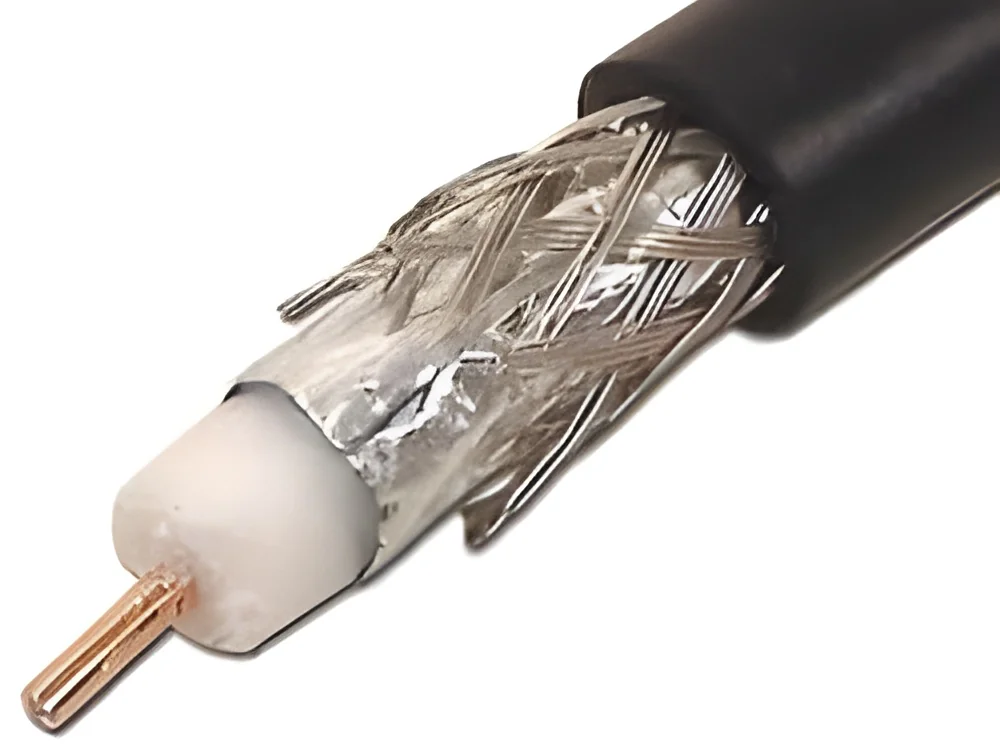
Coaxial cables are a type of electrical cable that consists of a central conductor, an insulating layer, a metallic shield, and an outer insulating layer. This design allows coaxial cables to transmit data with minimal interference and signal loss. The central conductor typically carries the electrical signals, while the insulating layer prevents contact with the metallic shield, which serves as a ground and protects the signal from external electromagnetic interference.
Coaxial cables are primarily used for transmitting radio frequency signals, making them essential in various applications. They are commonly utilized in the telecommunications industry for cable television, internet connections, and radio transmissions. Businesses rely on coaxial cables for high-speed data transfer, ensuring reliable communication networks. The growing demand for high-bandwidth applications in today’s digital landscape has increased the relevance of coaxial cables across multiple industries.
In the current market context, coaxial cables are critical in supporting advancements in technology, such as the Internet of Things (IoT) and smart city initiatives. The ability to maintain strong signal integrity over long distances makes them a preferred choice in both commercial and industrial settings. As businesses continue to invest in network infrastructure, the demand for high-quality coaxial cables is expected to rise.
Key Features and Specifications
Coaxial cables are designed with specific features that enhance their performance and reliability. Understanding these specifications is crucial for businesses looking to implement coaxial cable solutions.
Key specifications include:
1. Impedance
- Standard values typically range from 50 ohms to 75 ohms.
- Impedance affects signal quality and compatibility with devices.
2. Attenuation
- Measured in decibels per unit length.
- Indicates how much signal loss occurs over distance, influencing transmission quality.
3. Frequency Range
- Ranges from 5 MHz to 3 GHz or higher.
- Determines the bandwidth and usability for various applications.
4. Shielding
- Types include braided and foil shielding.
- Shielding effectiveness impacts resistance to electromagnetic interference.
5. Operating Temperature
- Typically rated for -40°C to +80°C.
- Ensures performance in various environmental conditions.
6. Connector Types
- Common types include BNC, F-type, and RCA connectors.
- Compatibility with devices is essential for installation.
7. Cable Diameter
- Varies based on the application and use case.
- Affects flexibility and installation requirements.
8. Material Composition
- Often made from copper or aluminum conductors.
- Material choice impacts conductivity and durability.
In summary, selecting the right coaxial cable involves understanding these key specifications to ensure optimal performance for specific applications.
Common Applications and Use Cases
Coaxial cables have a wide range of applications across various industries. Their design allows them to excel in environments that demand high-quality signal transmission.
1. Telecommunications: Coaxial cables are extensively used in telecom networks for internet and television distribution, enabling high-speed data transfer.
2. Broadcasting: They are vital in radio and television broadcasting, providing reliable signal transmission for audio and video content.
3. Security Systems: Coaxial cables are used in CCTV systems to transmit video signals from cameras to monitors or recording devices.
4. Military: In military communications, coaxial cables are employed for secure data transmission in various equipment.
5. Industrial Automation: They facilitate communication between sensors and controllers in manufacturing setups, ensuring accurate data transfer.
6. Medical Equipment: Coaxial cables are utilized in medical imaging technologies, such as ultrasound and MRI machines, for high-fidelity signal transmission.
7. Aerospace: In aerospace applications, coaxial cables support communication systems in aircraft, ensuring reliable operation.
Product Variants and Subcategories
Coaxial cables come in various types to meet specific needs. The diversity in product variants allows businesses to choose the most suitable option for their applications.
Standard Coaxial Cables: These cables are designed for general-purpose use, providing reliable performance for everyday applications such as cable TV and internet.
High-Frequency Coaxial Cables: Engineered to operate at higher frequencies, these cables are ideal for telecommunications and broadcasting, ensuring minimal signal loss.
Low-Loss Coaxial Cables: These cables are optimized for long-distance transmission, reducing attenuation and maintaining signal integrity over extended runs.
Flexible Coaxial Cables: Designed for applications requiring flexibility, these cables can be bent or twisted without compromising performance, making them suitable for tight spaces.
Benefits and Advantages
Coaxial cables offer numerous benefits that make them a preferred choice for businesses looking to enhance their communication infrastructure.
Key benefits include:
1. Minimal Signal Interference: The design of coaxial cables significantly reduces electromagnetic interference, ensuring clear signal transmission.
2. High Bandwidth: Coaxial cables can handle high-frequency signals, making them suitable for bandwidth-intensive applications.
3. Durability: The robust construction of coaxial cables allows them to withstand harsh environmental conditions, ensuring long-term reliability.
4. Cost-Effectiveness: Coaxial cables provide a budget-friendly solution for high-quality data transmission, making them accessible for various businesses.
5. Versatility: Their widespread applications across industries make coaxial cables a versatile choice for different communication needs.
6. Ease of Installation: Coaxial cables are relatively straightforward to install, reducing labor costs and downtime during setup.
Buying Guide for B2B Buyers
When sourcing coaxial cables, several factors should be considered to ensure a successful procurement process.
1. Quality Assessment: Evaluate the quality of the cables based on their specifications and manufacturing standards. Look for certifications such as CE to ensure compliance.
2. Supplier Verification: Vet suppliers thoroughly to ensure they have a proven track record of providing high-quality products and reliable customer service.
3. Pricing and MOQ: Consider the pricing structure and minimum order quantities (MOQ) offered by suppliers to align with budgetary constraints and project needs.
4. Delivery and Lead Times: Discuss logistics and expected lead times with suppliers to ensure timely delivery of cables for your projects.
5. Compliance Requirements: Ensure that the cables meet all relevant regulatory standards and compliance requirements specific to your industry.
Compliance and Certifications
Coaxial cables must adhere to various compliance and certification standards to ensure safety and quality. One of the key quality standards is ISO 9001, which focuses on effective quality management systems in manufacturing processes.
In addition to ISO standards, coaxial cables may require industry certifications such as CE, indicating compliance with European safety standards. These certifications assure buyers of the product's reliability and safety.
Safety and testing requirements also play a vital role in the manufacturing of coaxial cables. Manufacturers must conduct rigorous testing to ensure that cables can withstand environmental stresses and perform consistently.
Regionally, compliance considerations may vary depending on the market. Buyers should be aware of local regulations and standards that apply to their specific applications, ensuring that sourced cables meet all necessary requirements.
Why Source Coaxial Cables from Pepagora?
Pepagora provides a trusted platform for sourcing coaxial cables, offering several key advantages for B2B buyers.
Verified Supplier Network: Pepagora has established a comprehensive network of verified suppliers, ensuring that buyers can access high-quality coaxial cables from reputable manufacturers. This verification process helps mitigate risks associated with sourcing.
Streamlined RFQ Process: The platform features a user-friendly Request for Quotation (RFQ) system, allowing buyers to receive competitive quotes from multiple suppliers quickly. This efficiency simplifies the procurement process.
Trade Assurance and Support: Pepagora offers trade assurance and support to buyers, providing protection against potential issues during the sourcing process. This commitment enhances buyer confidence and satisfaction.
Regional Coverage: With a focus on markets in India, the GCC, and Southeast Asia, Pepagora ensures broad geographic reach, making it easier for businesses to find suitable coaxial cable suppliers in their respective regions.
By choosing Pepagora, businesses can benefit from a reliable sourcing experience, ensuring they get the coaxial cables needed for their operations.

 IN
IN