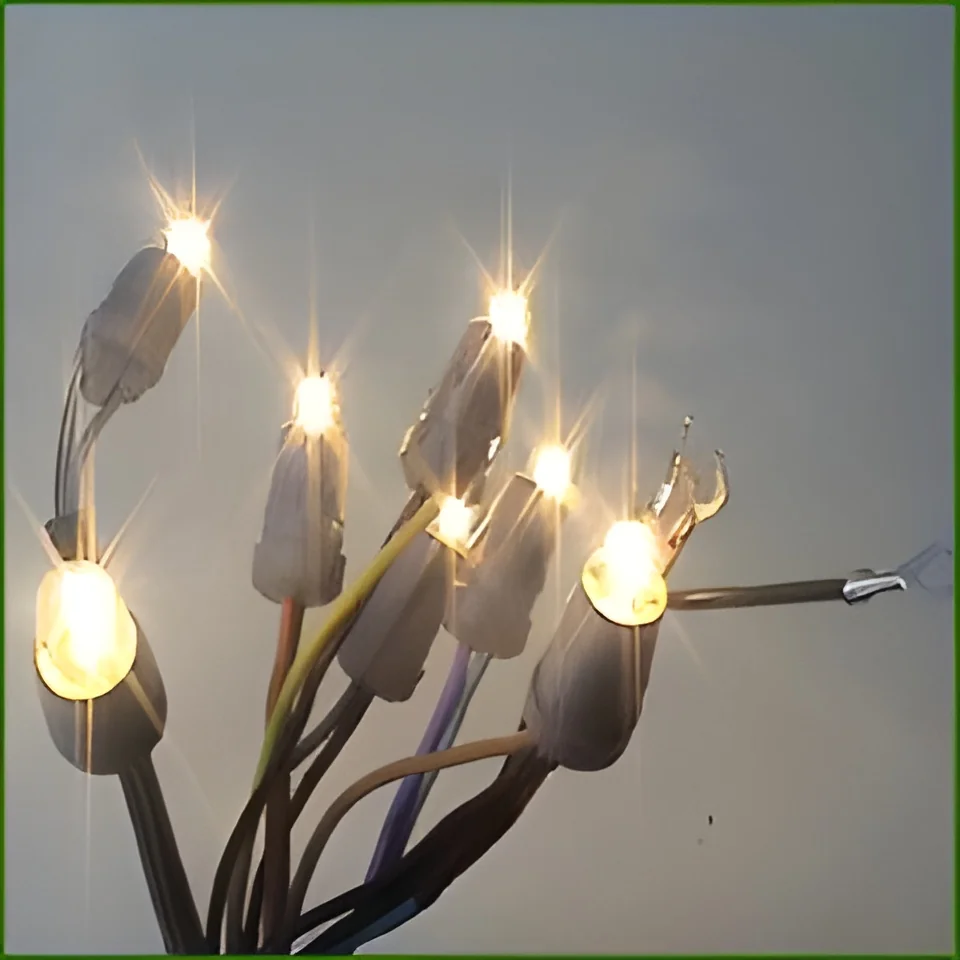
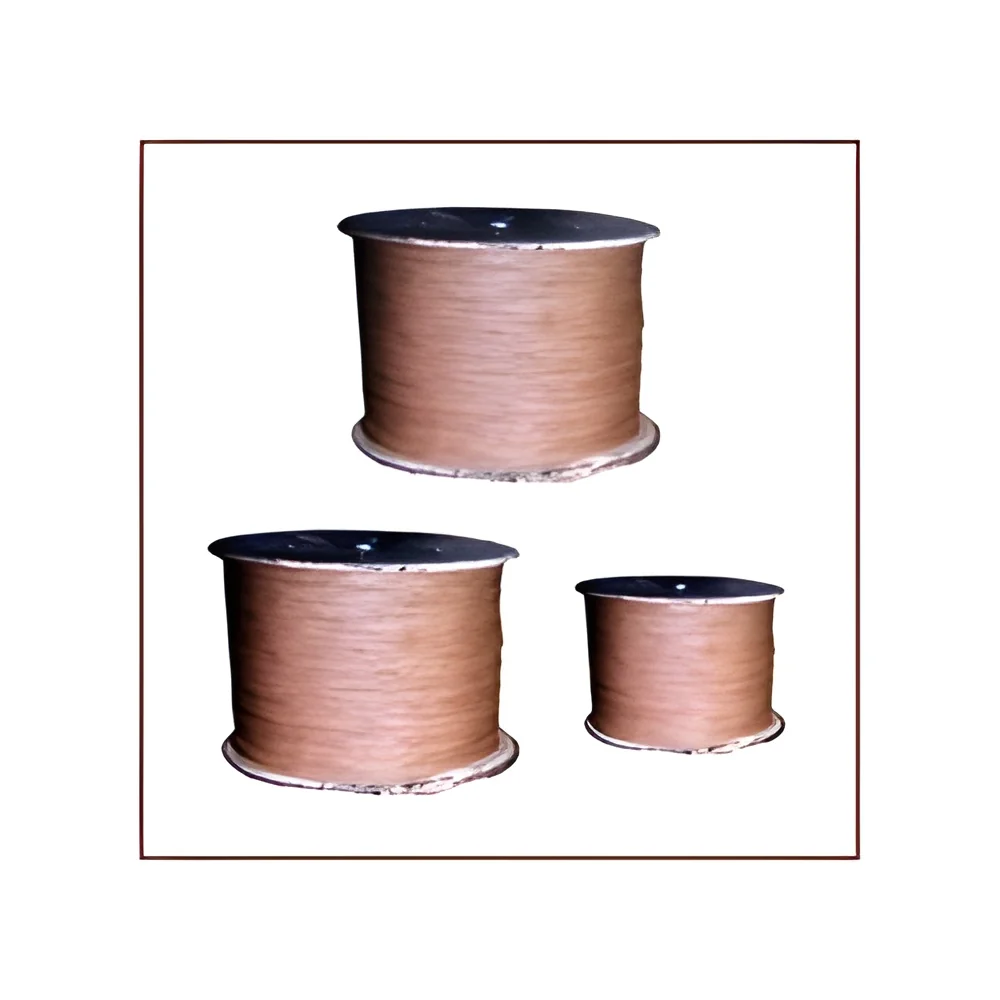
What are Electrical Wires?
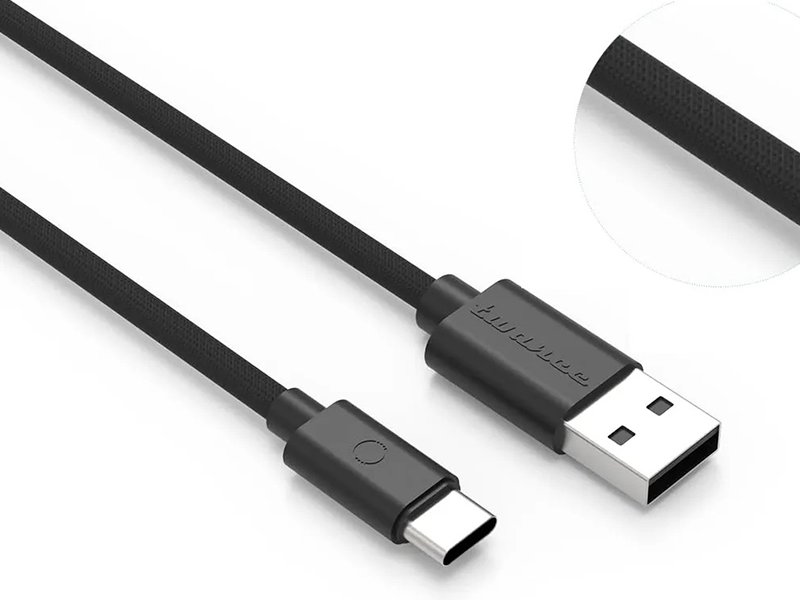
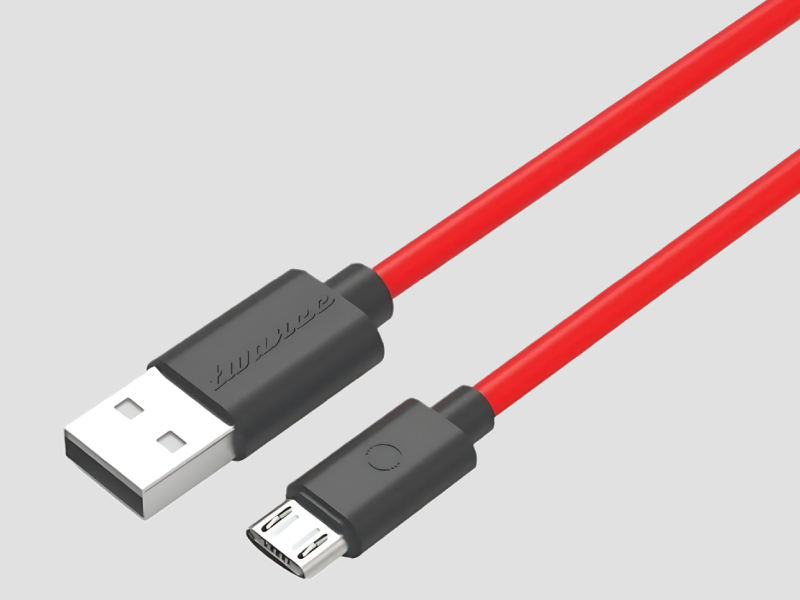
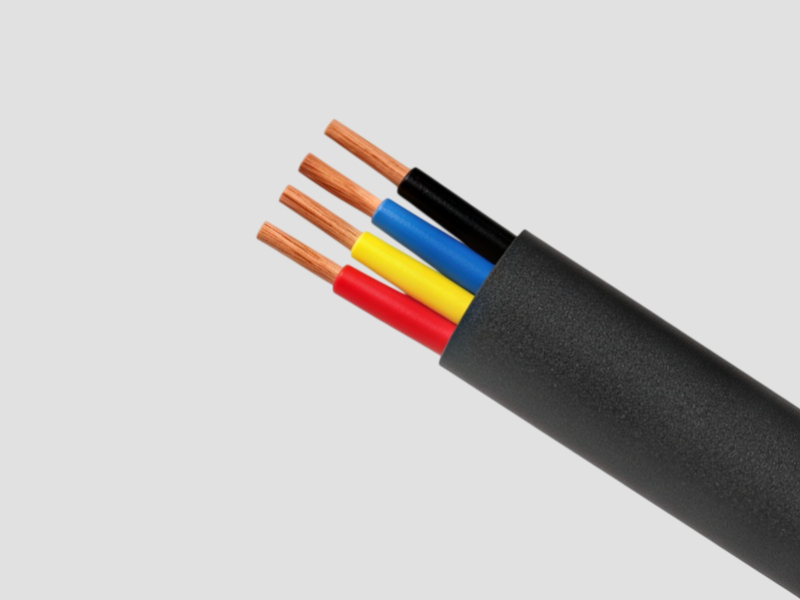
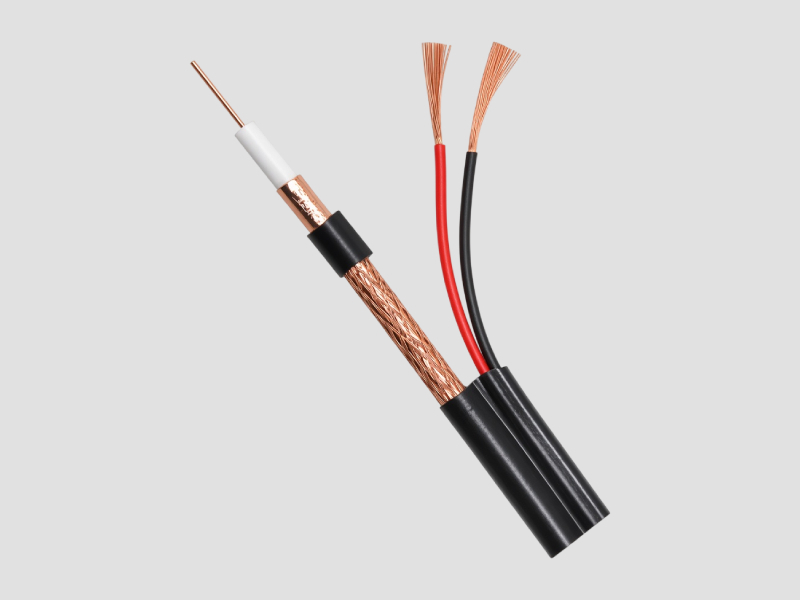
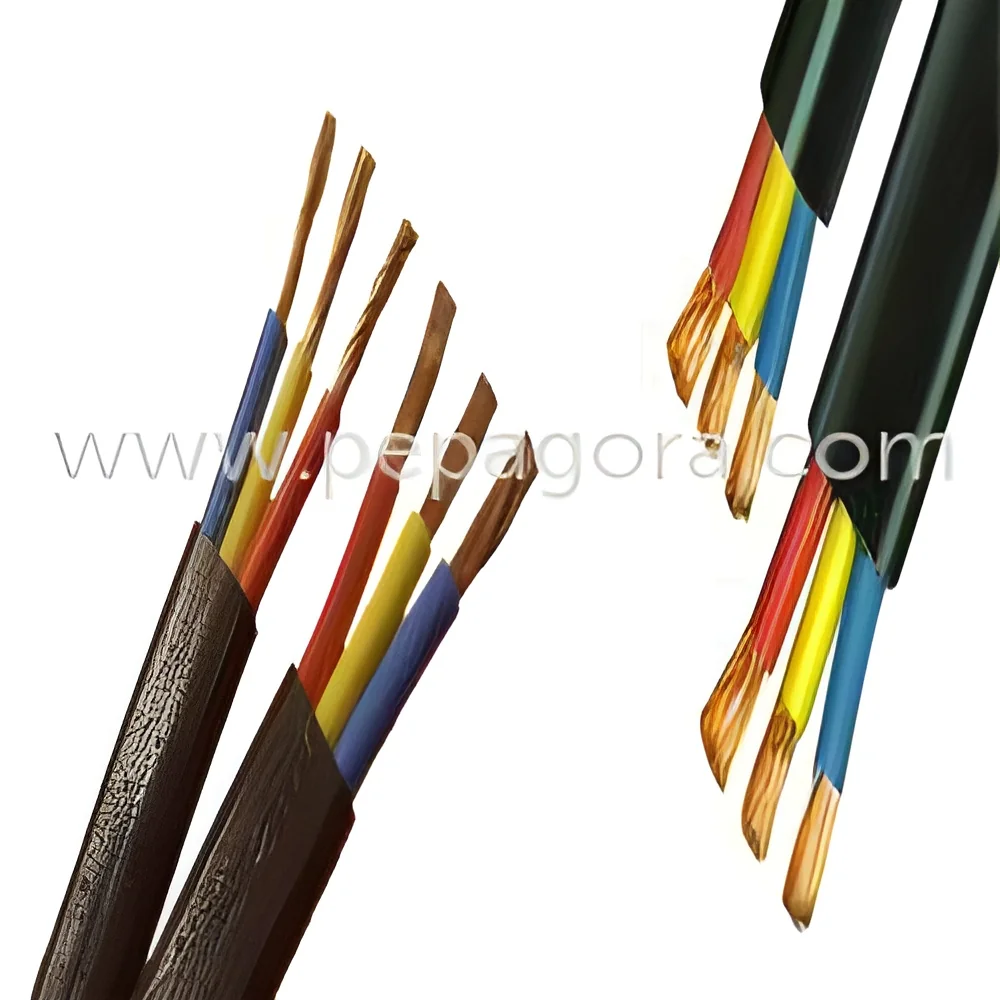
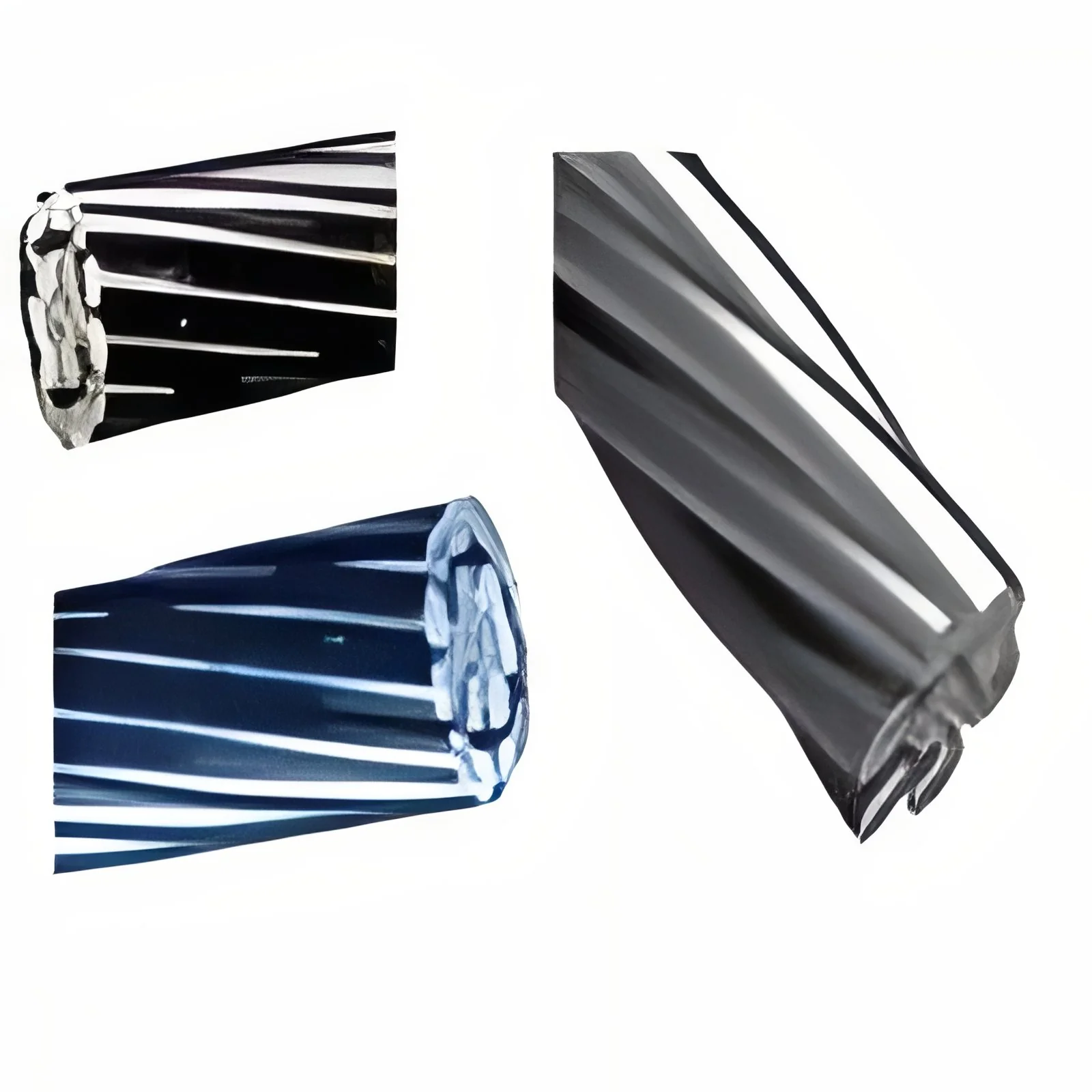
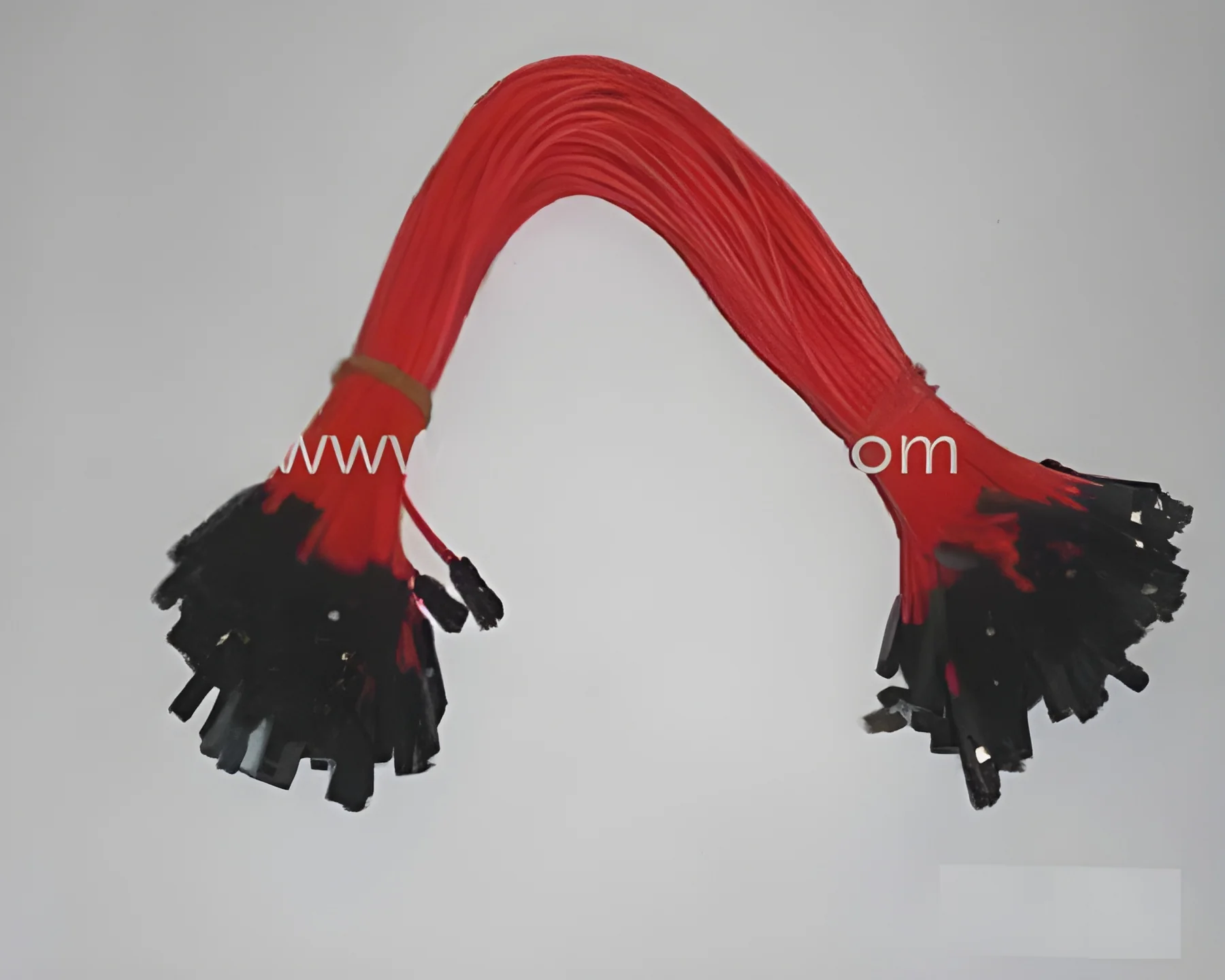
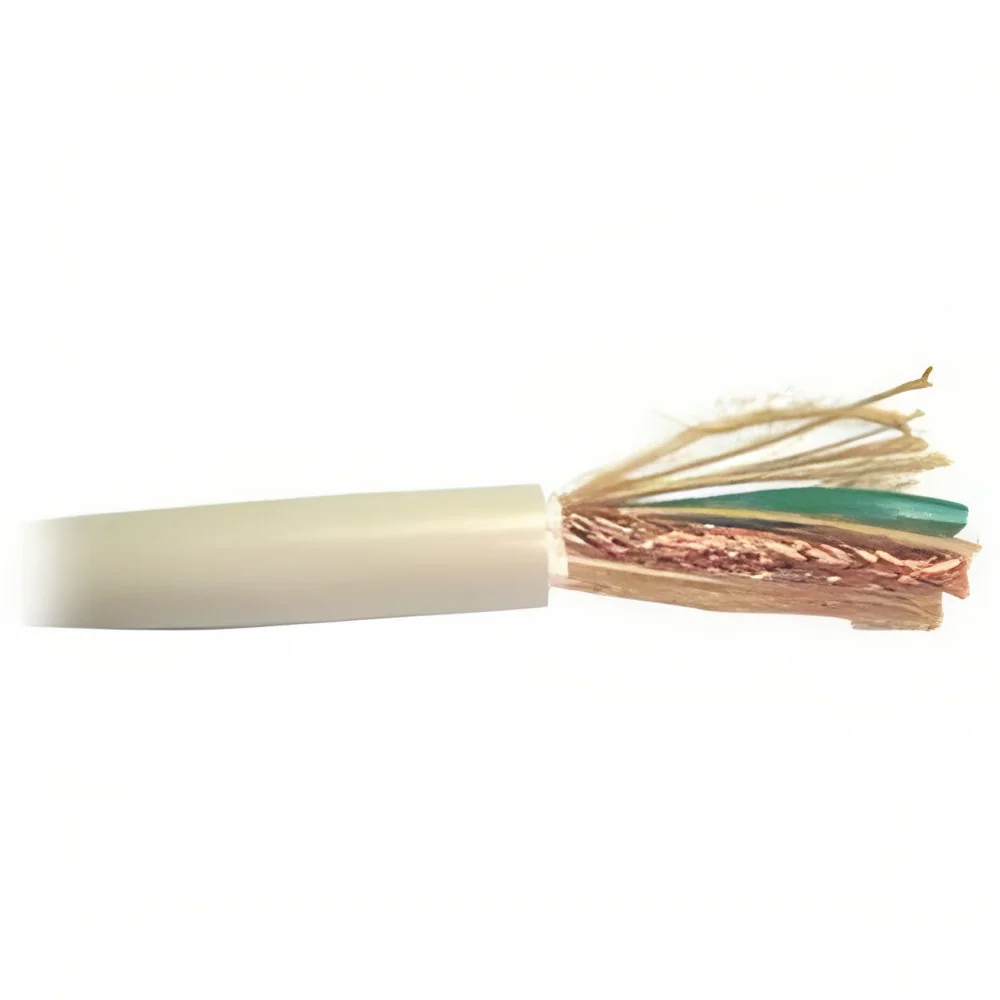
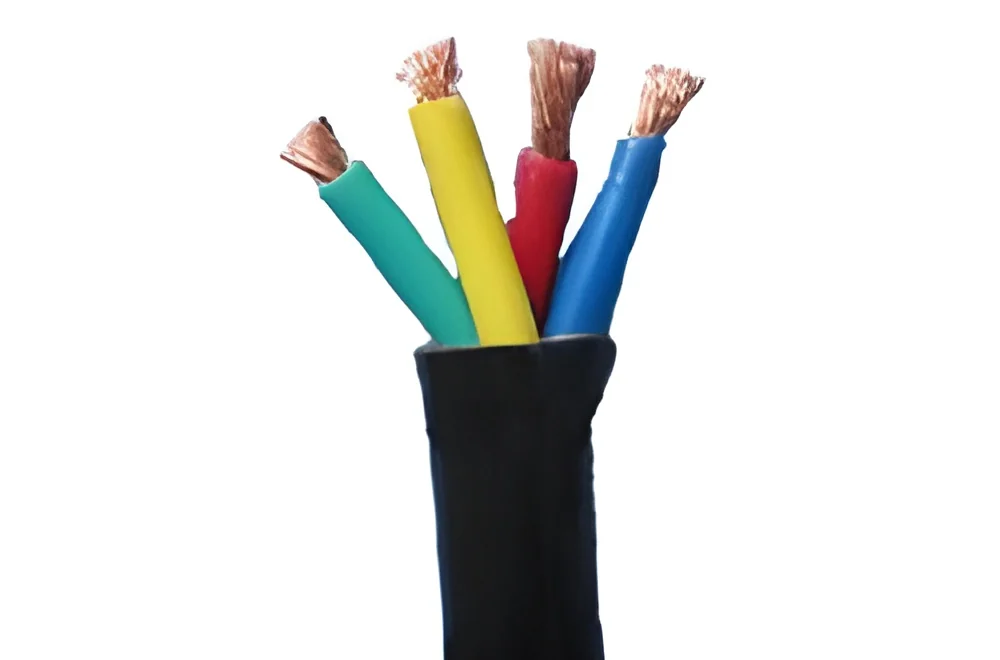
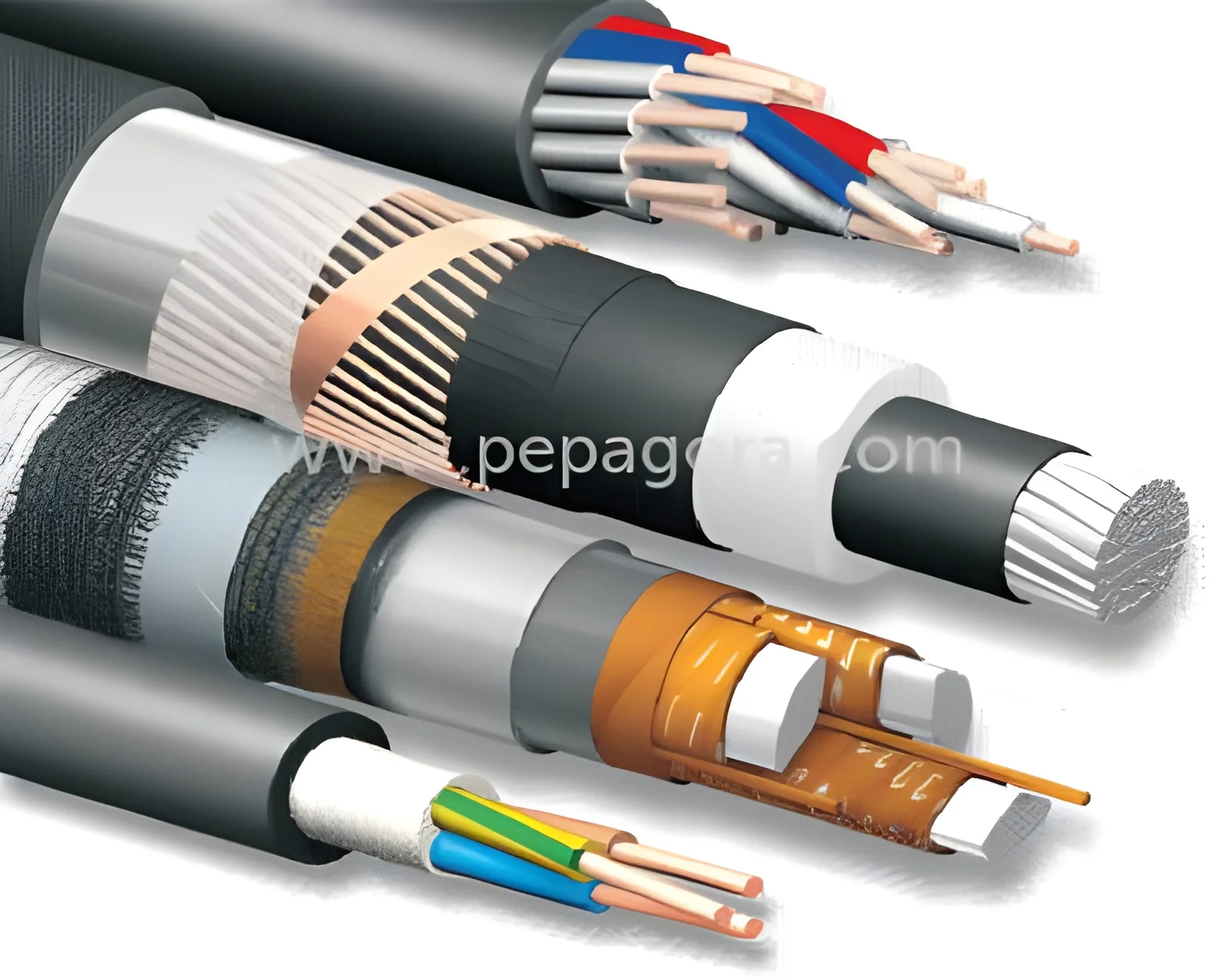
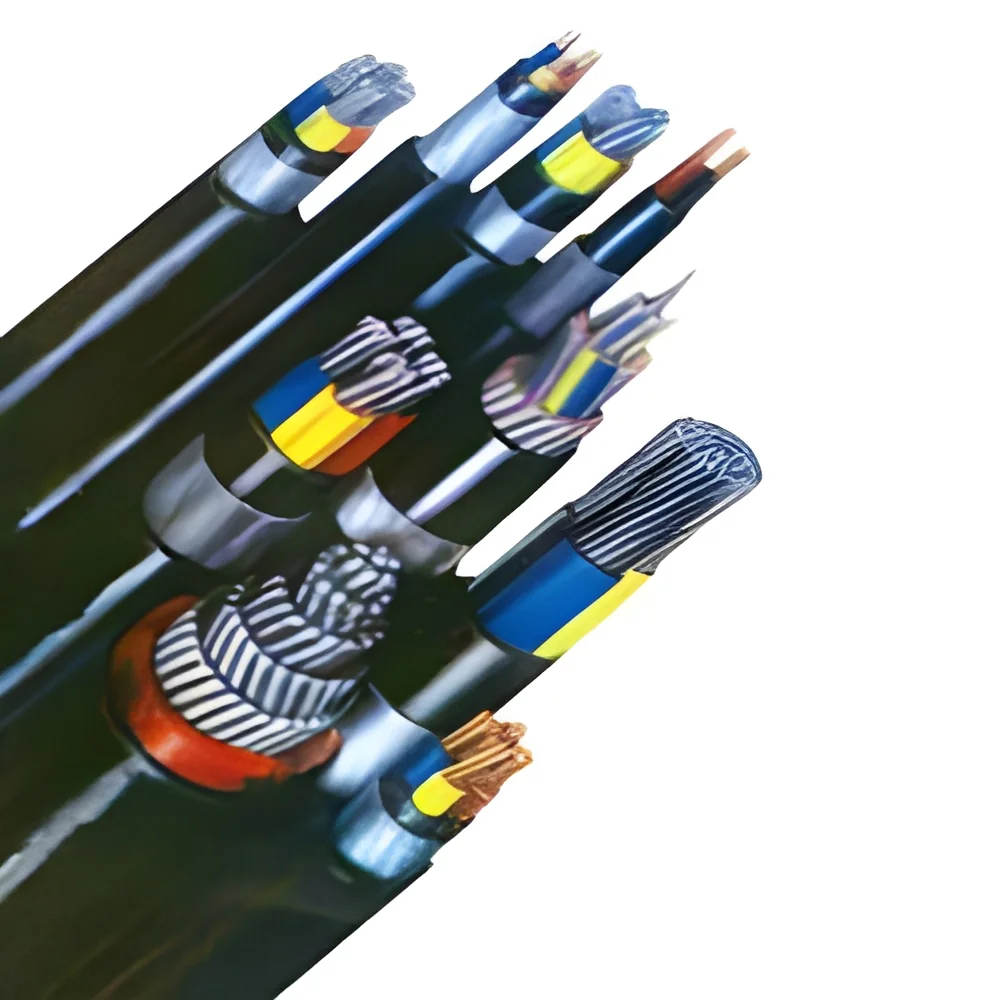
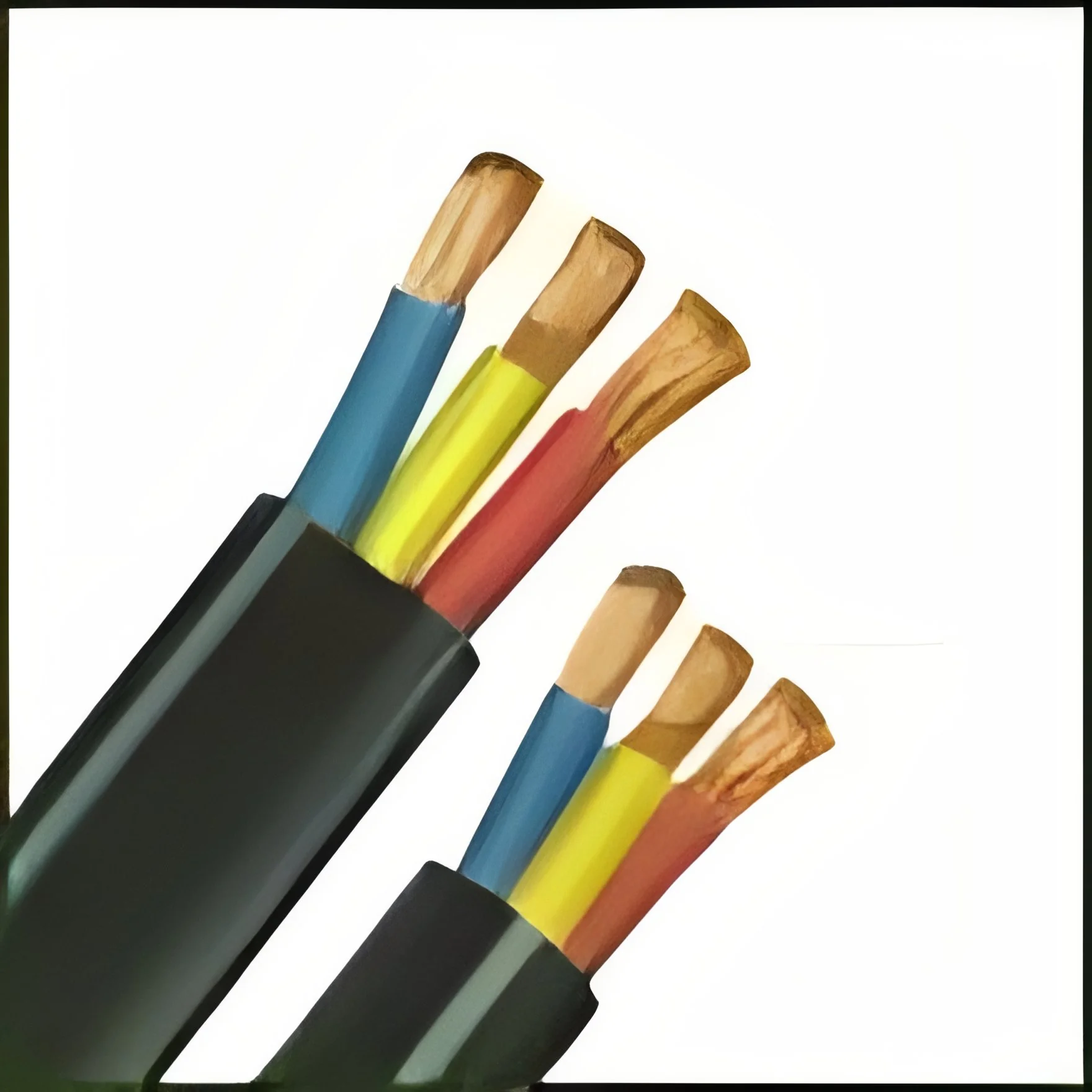
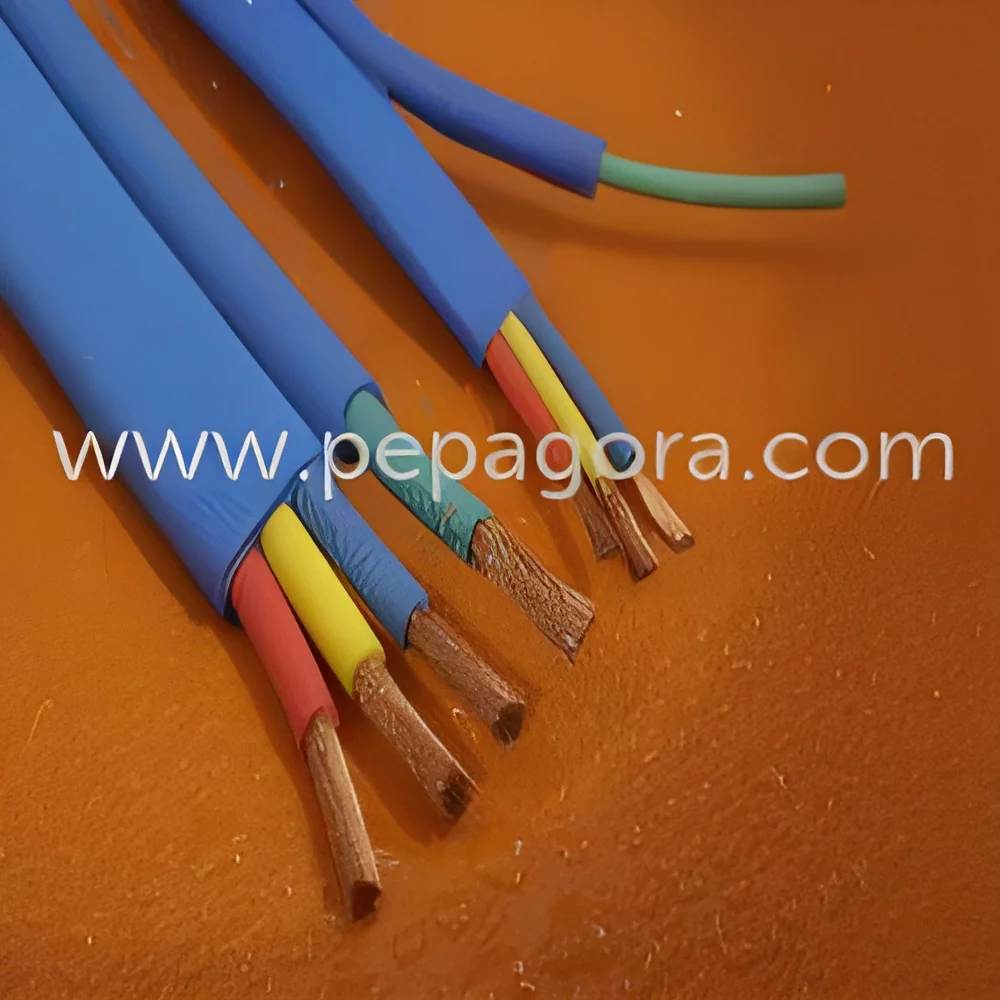
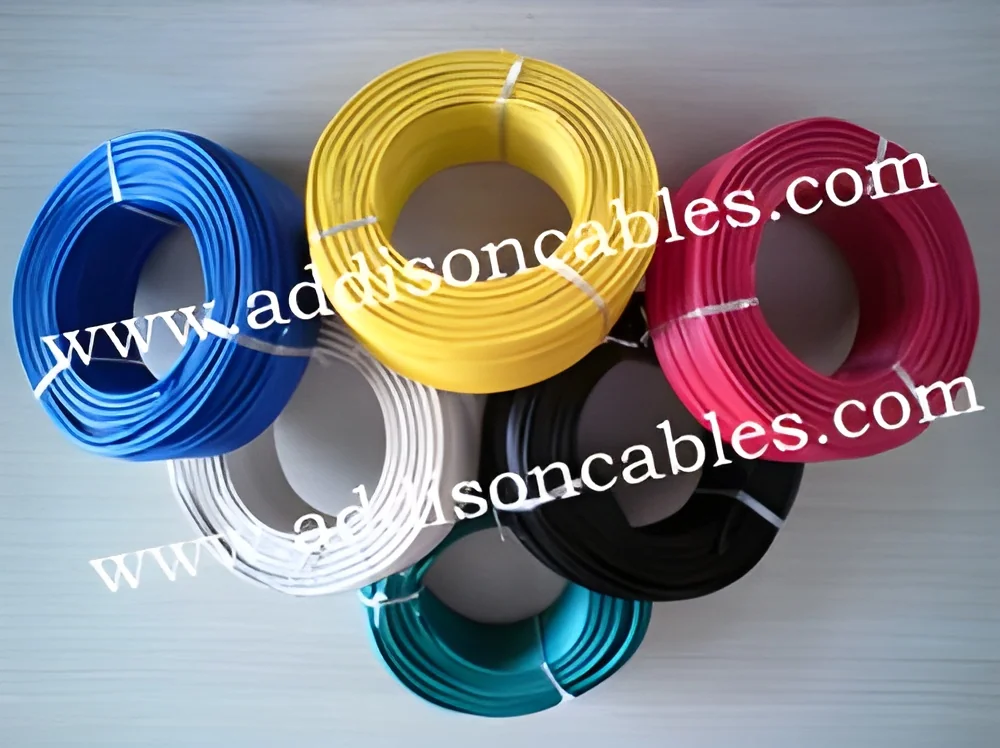
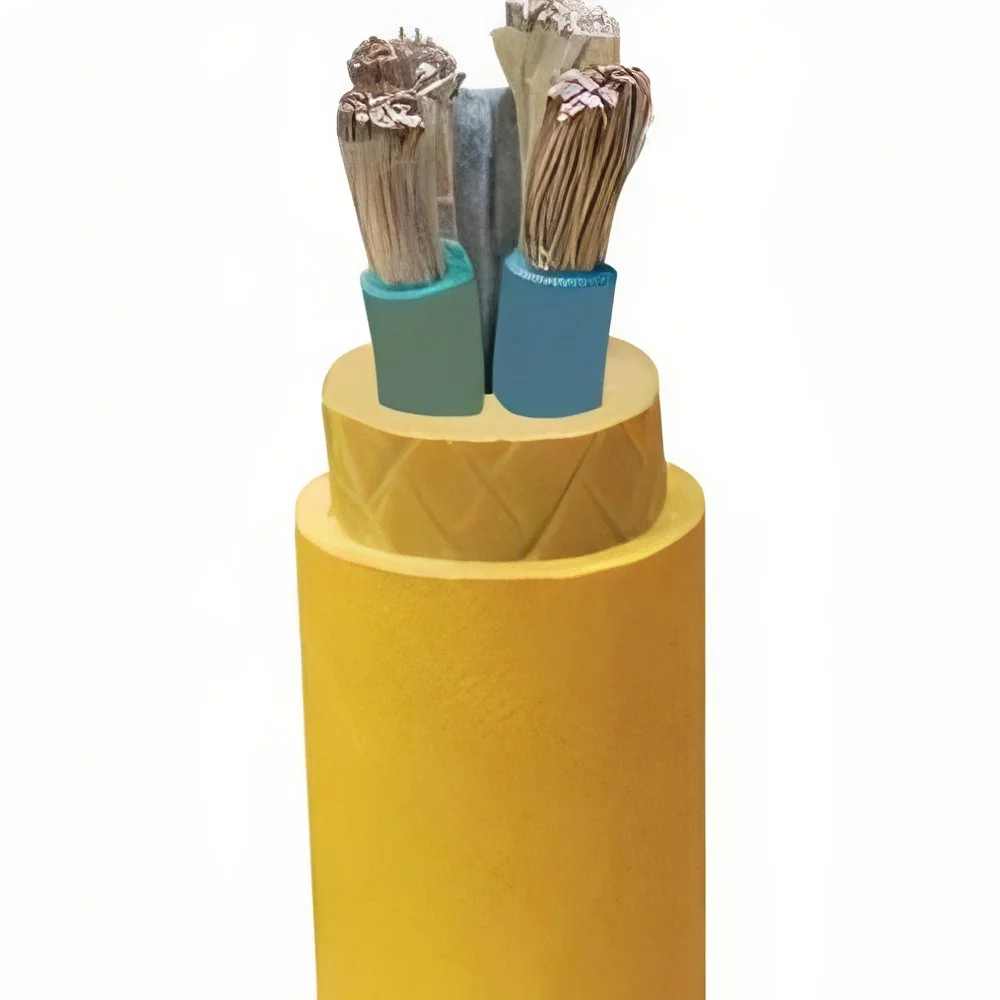
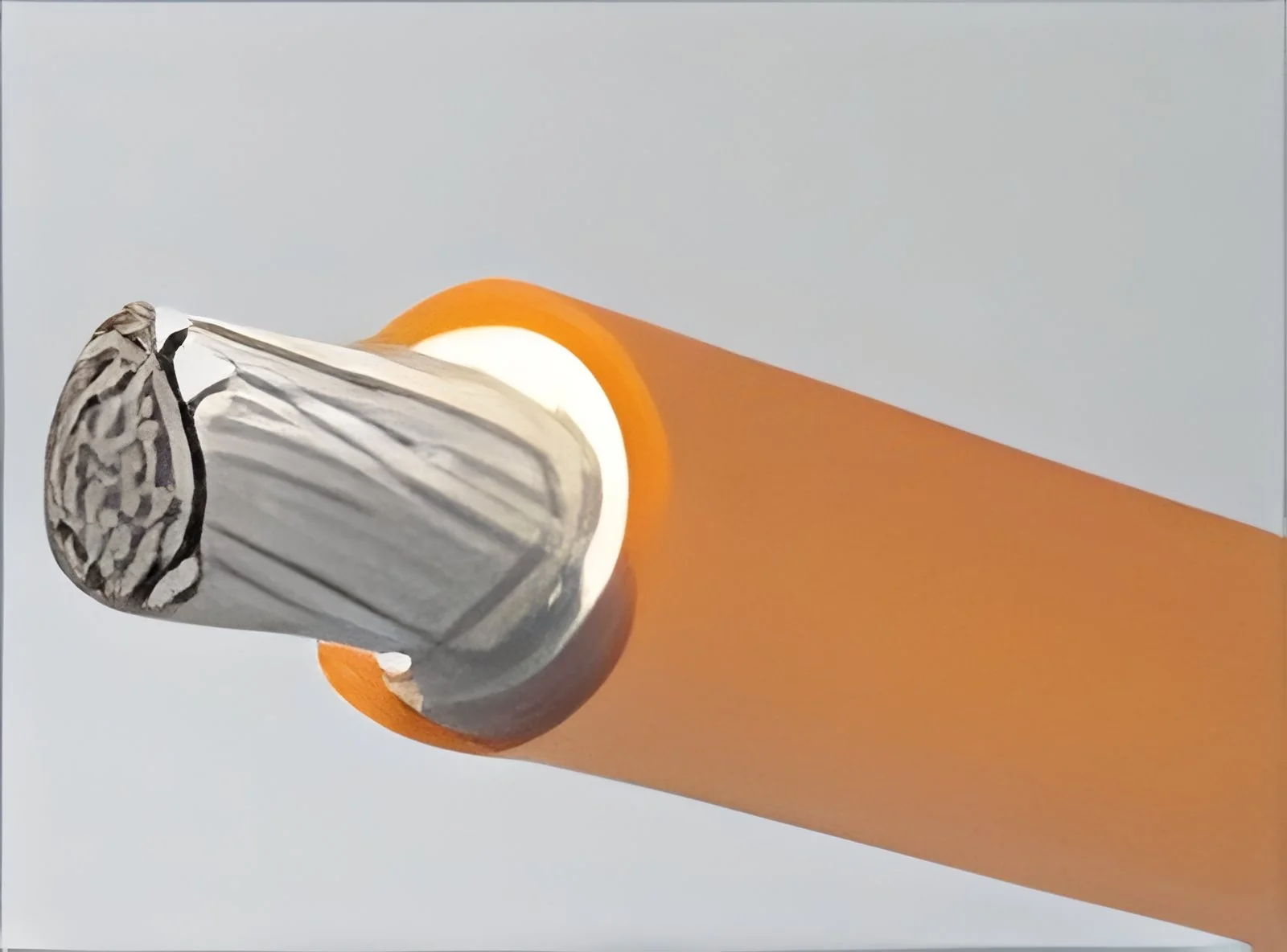
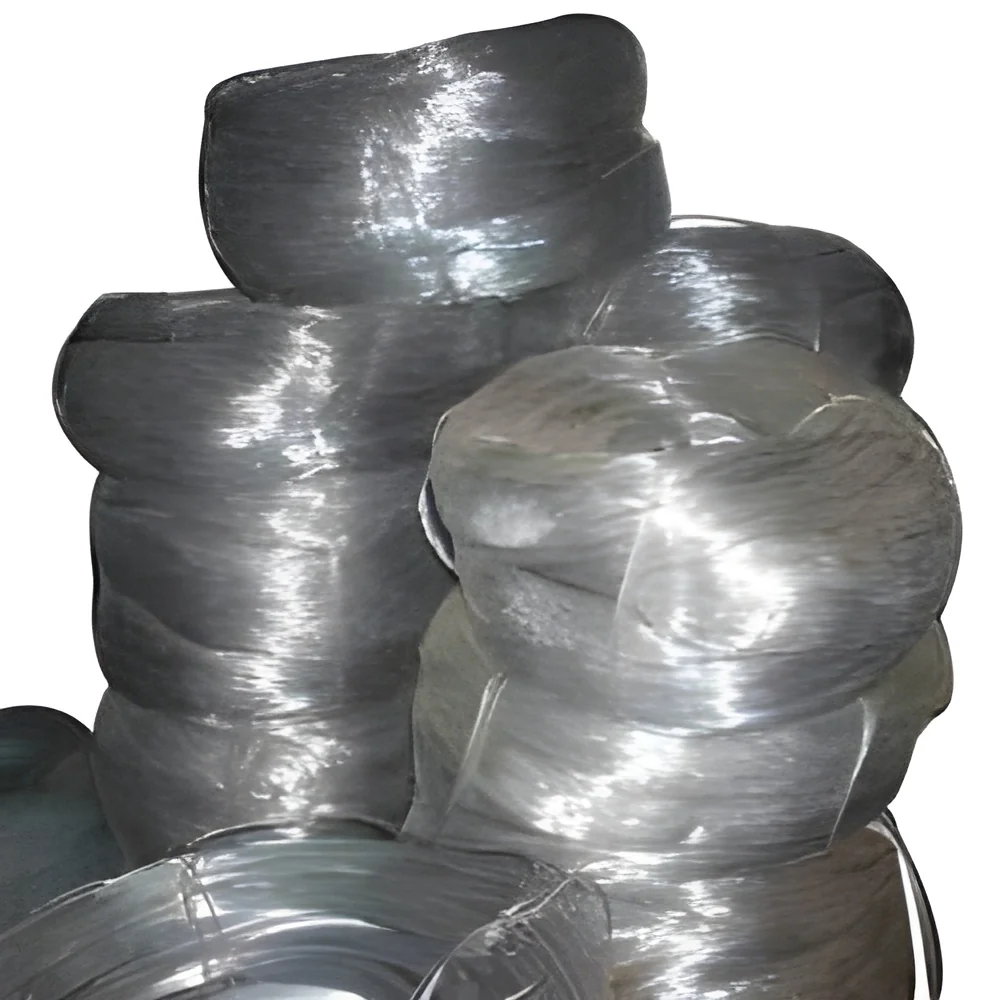
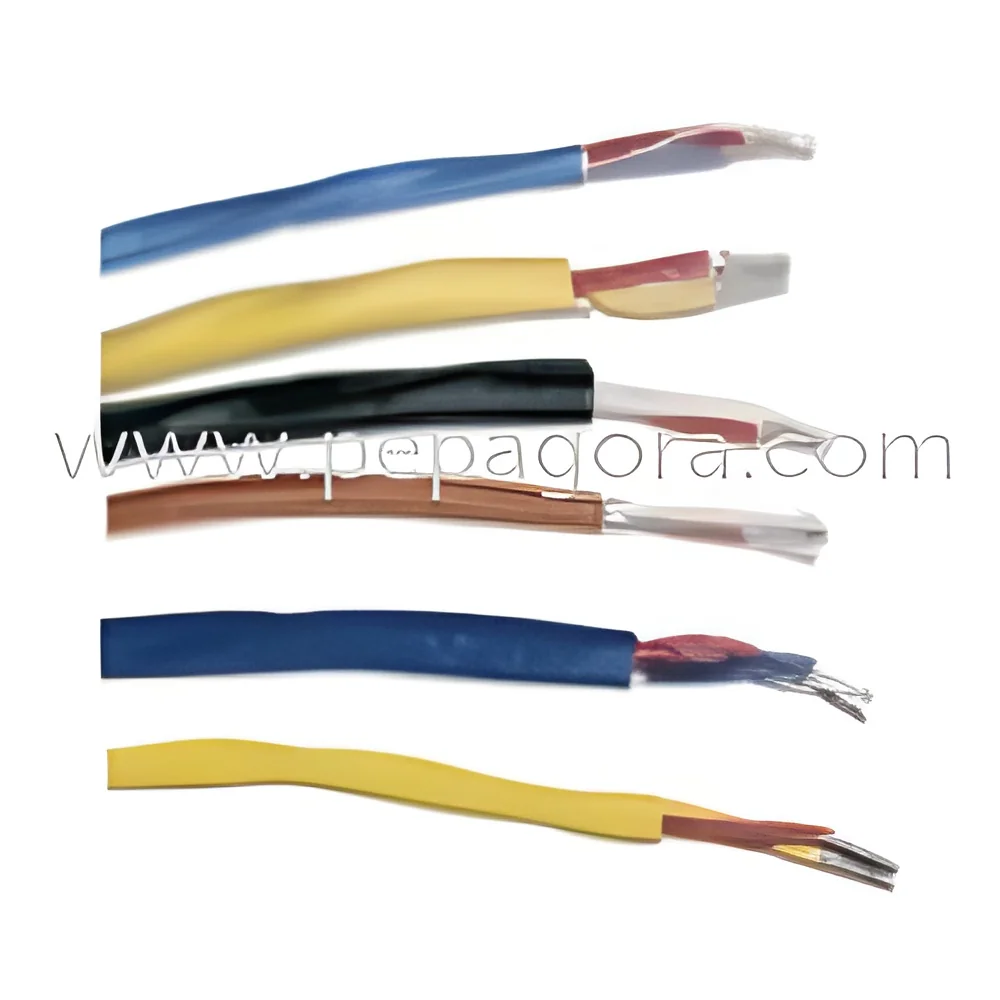
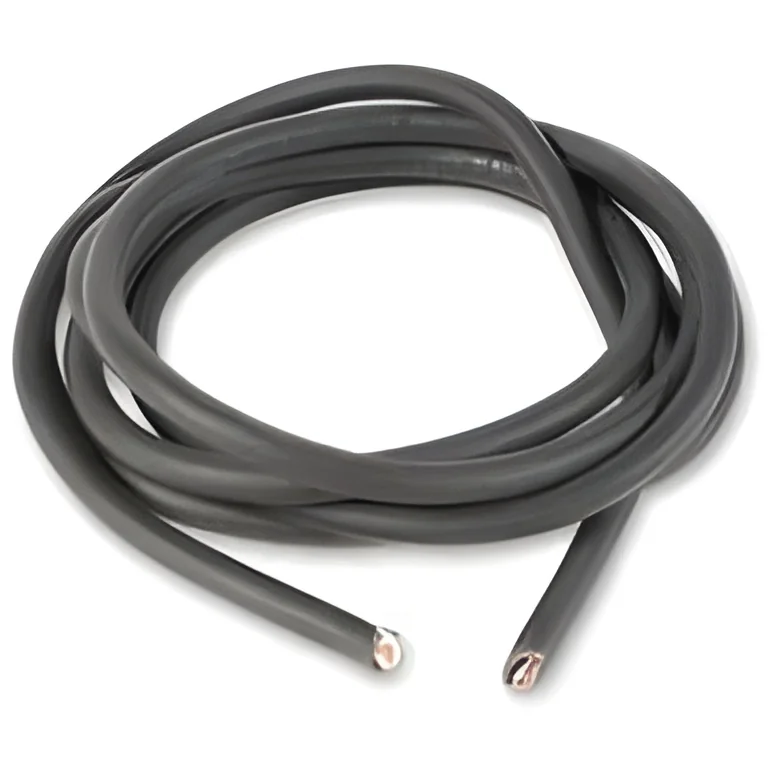
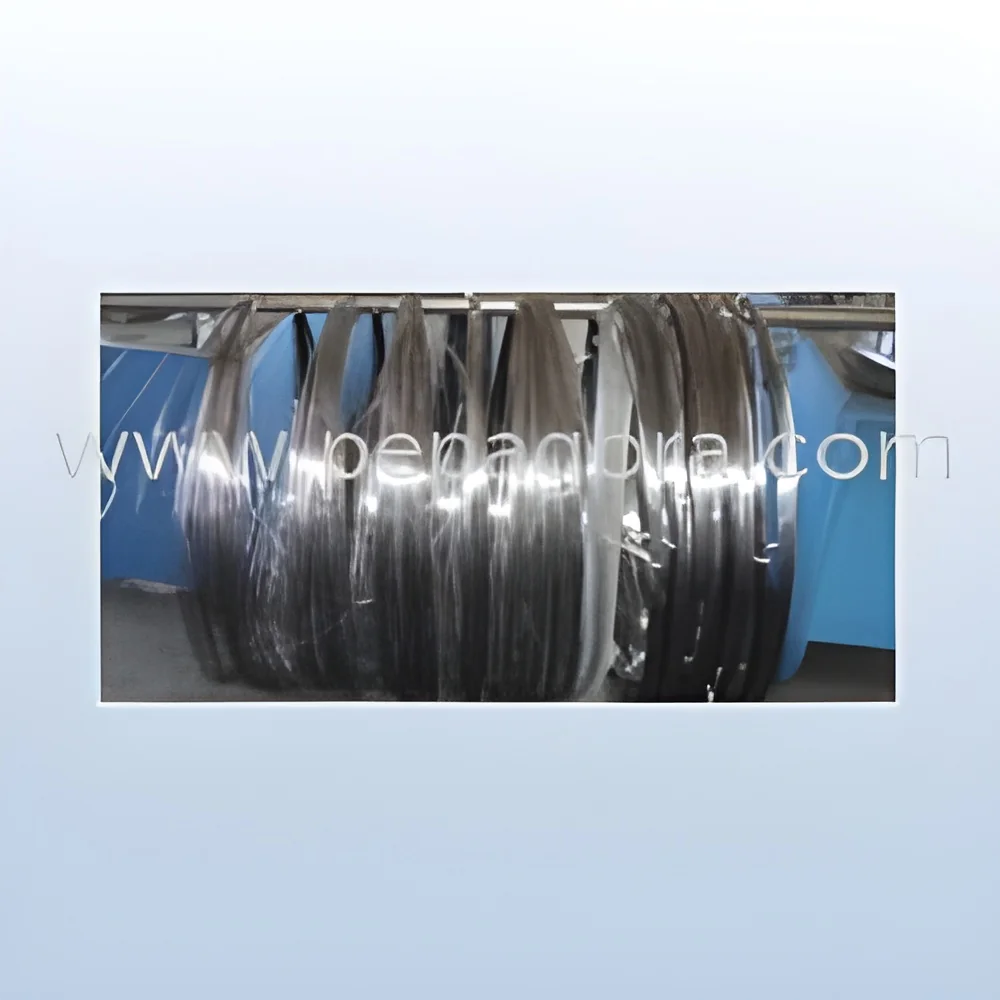
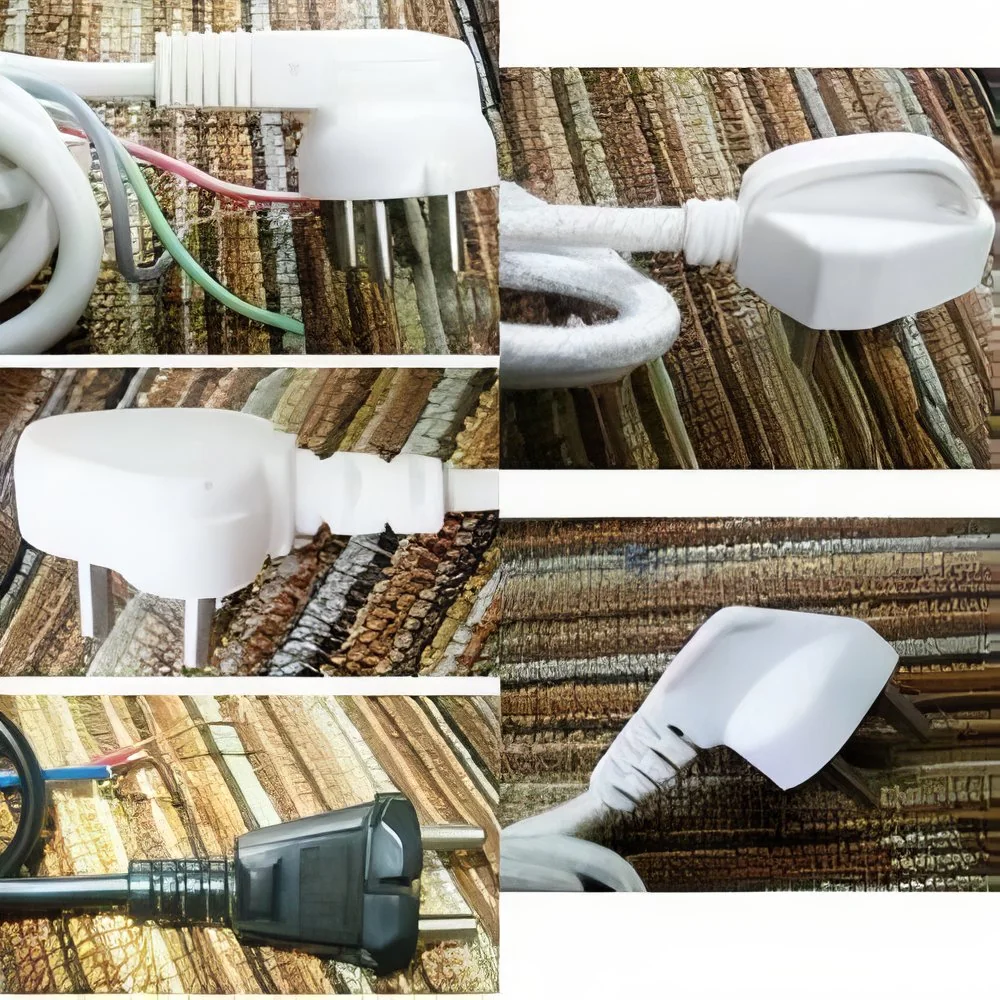
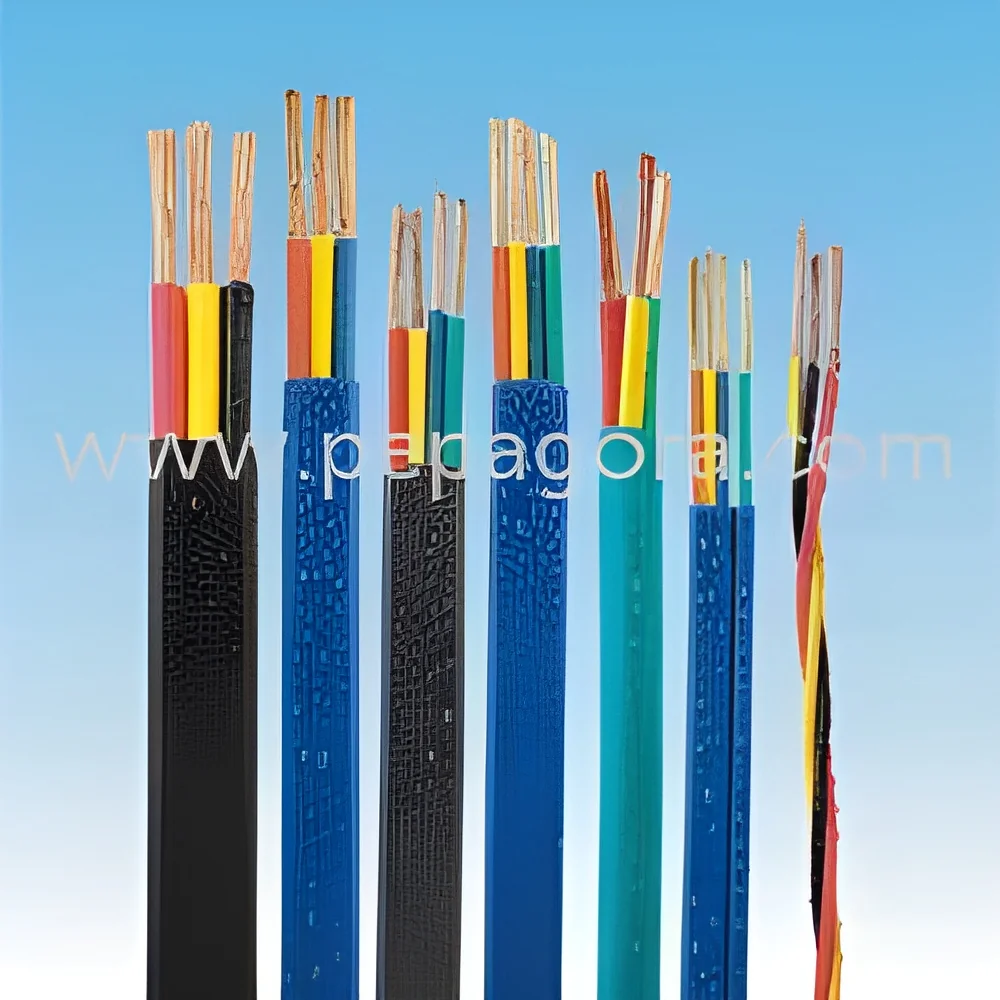
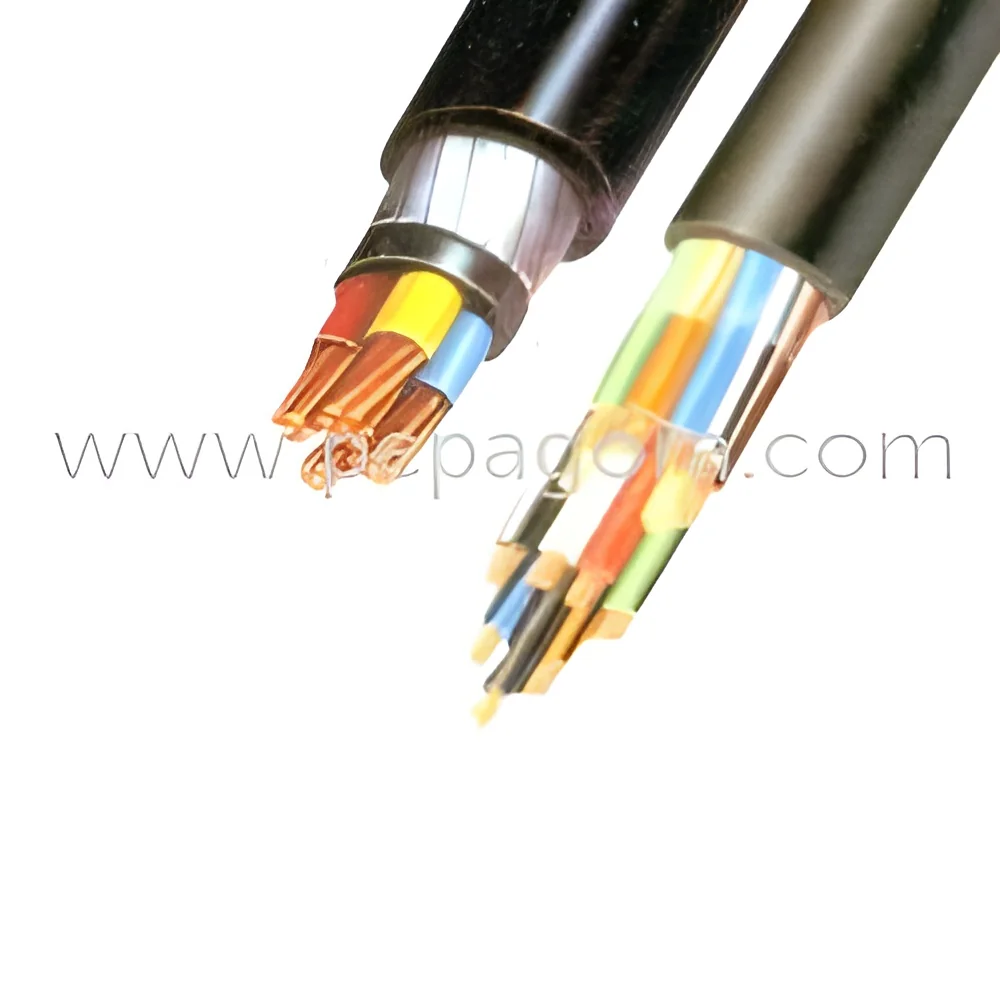
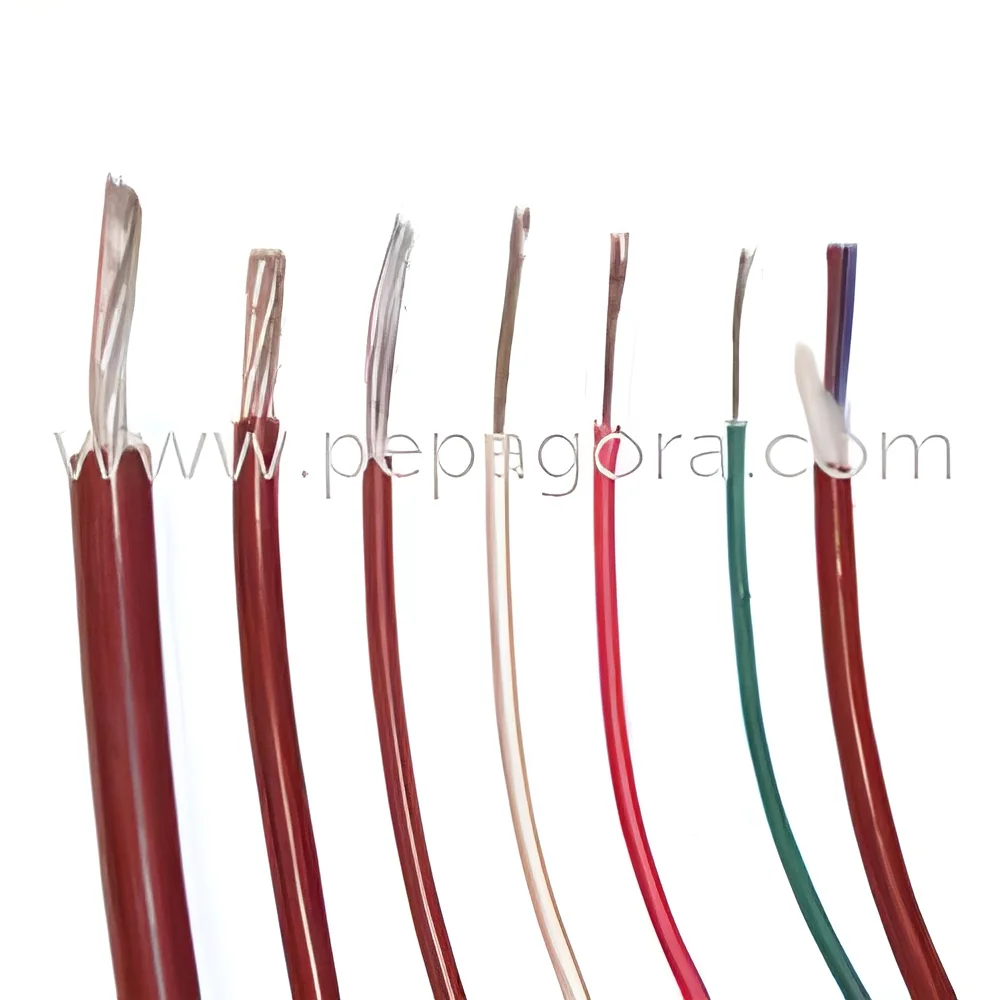
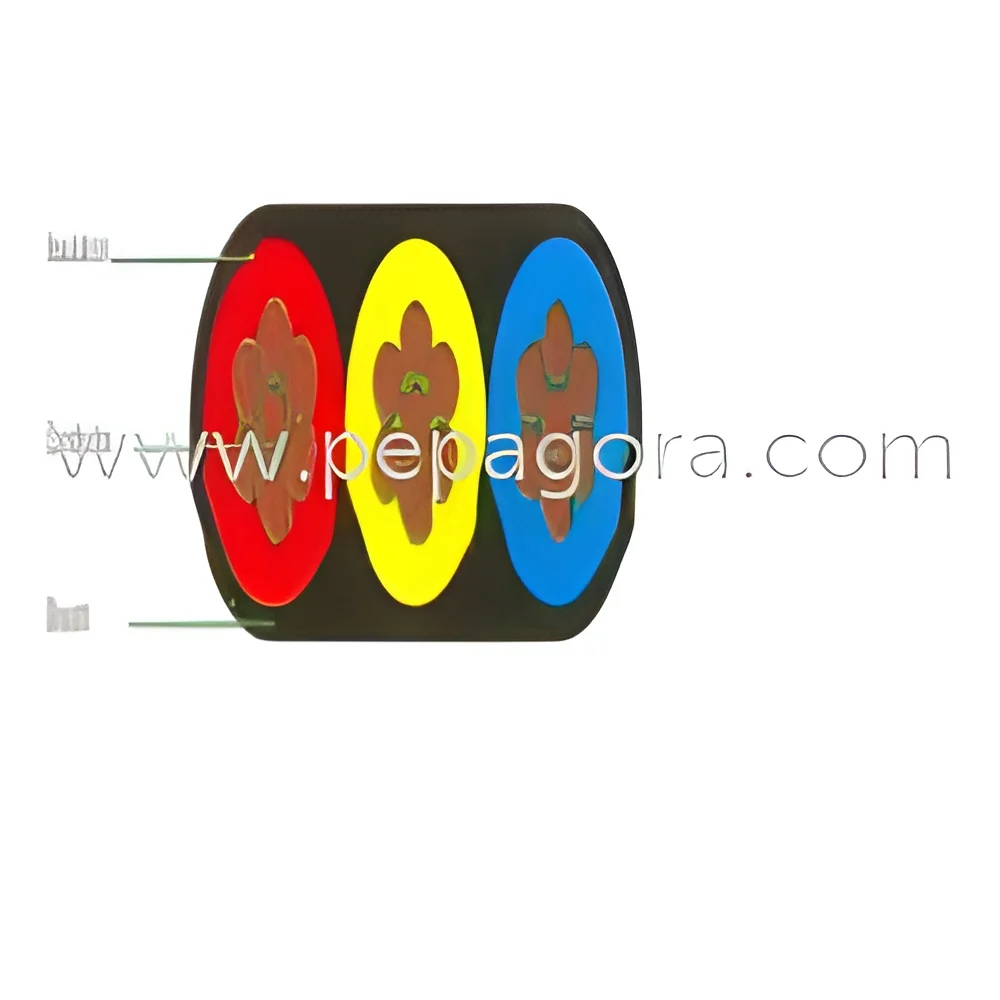
Electrical wires are conductive materials designed to transmit electrical energy from one point to another. They are typically made of copper or aluminum and are insulated to prevent accidental contact and electrical shorts. Electrical wires come in various sizes and types, tailored to meet specific requirements based on application and environment. The insulation material can vary, providing protection against moisture, heat, and other environmental factors.
These wires are crucial in numerous sectors, including construction, manufacturing, telecommunications, and automotive. Businesses rely on electrical wires for power distribution, signal transmission, and various electronic applications. The industry is continually evolving, with innovations aimed at improving efficiency and safety. As the demand for reliable electrical infrastructure grows, the market for electrical wires remains robust, driven by technological advancements and regulatory standards.
Key Features and Specifications
Electrical wires have a variety of features and specifications that are essential for their performance and application. Understanding these specifications helps buyers select the right products for their needs.
Key specifications include:
1. Conductor Material
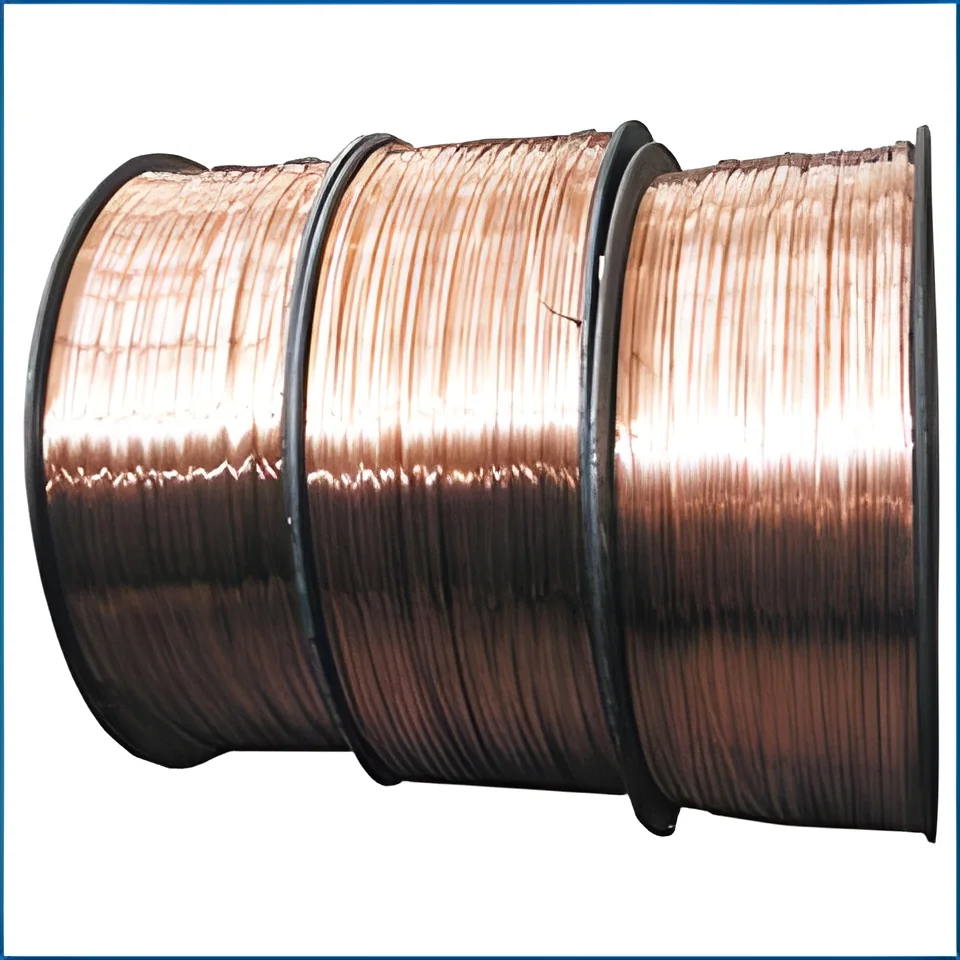
- Commonly copper or aluminum
- Determines conductivity and flexibility
2. Wire Gauge
- Measured in American Wire Gauge (AWG)
- Indicates the wire's diameter and current-carrying capacity
3. Insulation Type
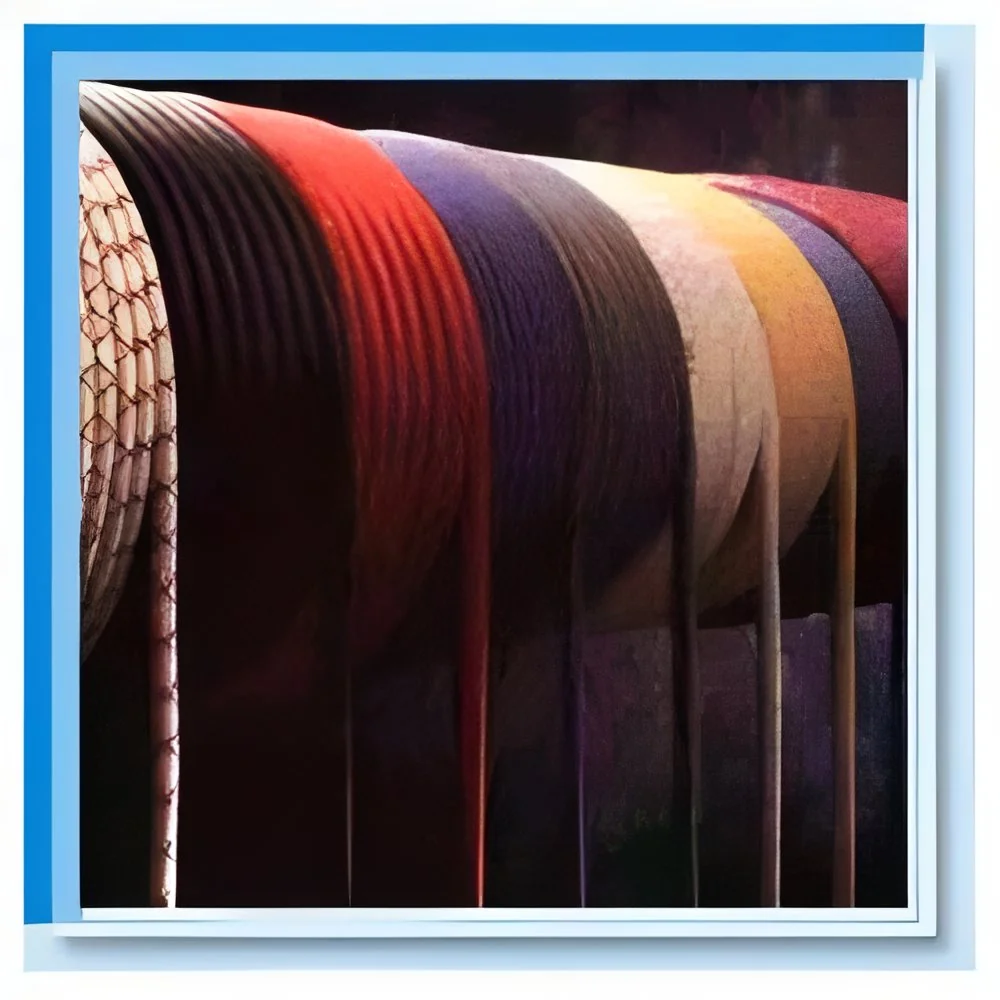
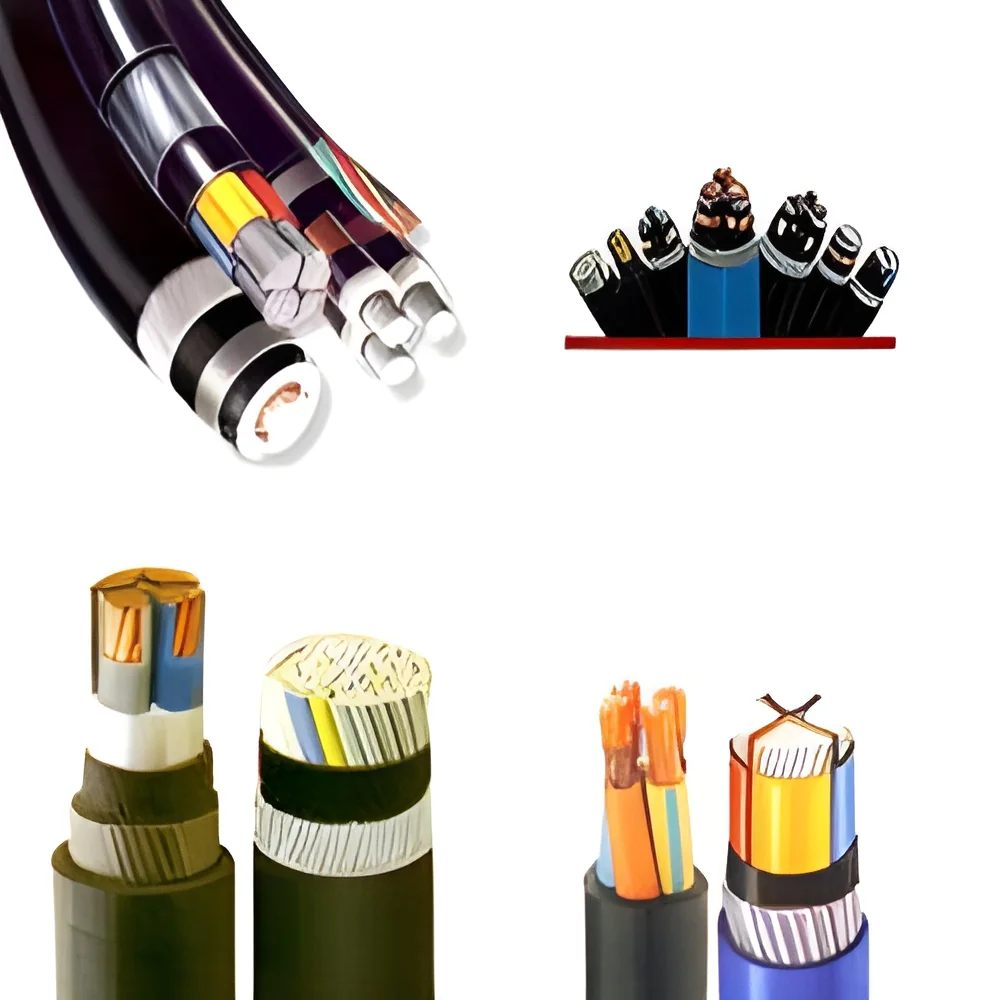
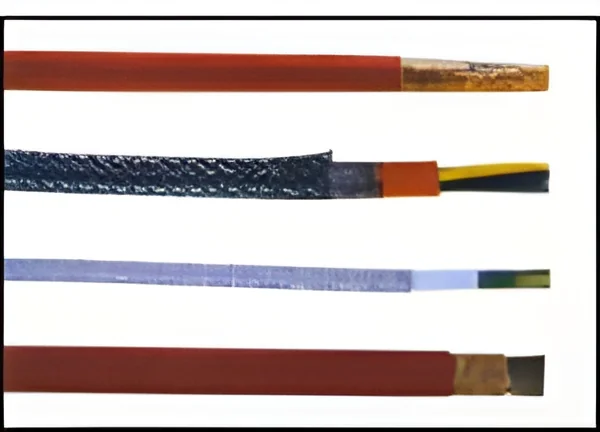
- PVC, XLPE, or rubber materials
- Provides protection against environmental factors
4. Voltage Rating
- Maximum voltage the wire can safely carry
- Typically ranges from 300V to 600V for general applications
5. Temperature Rating
- Indicates the operating temperature range
- Important for applications in extreme conditions
6. Length and Packaging
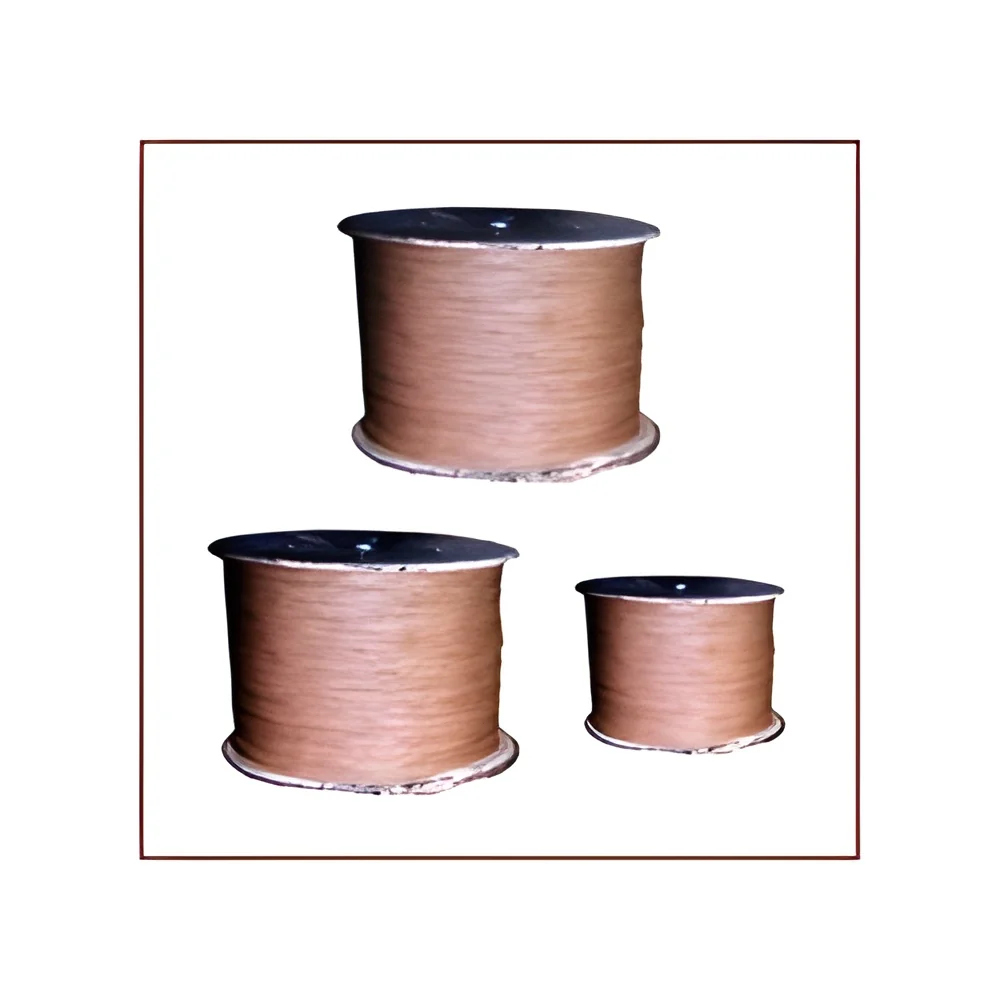
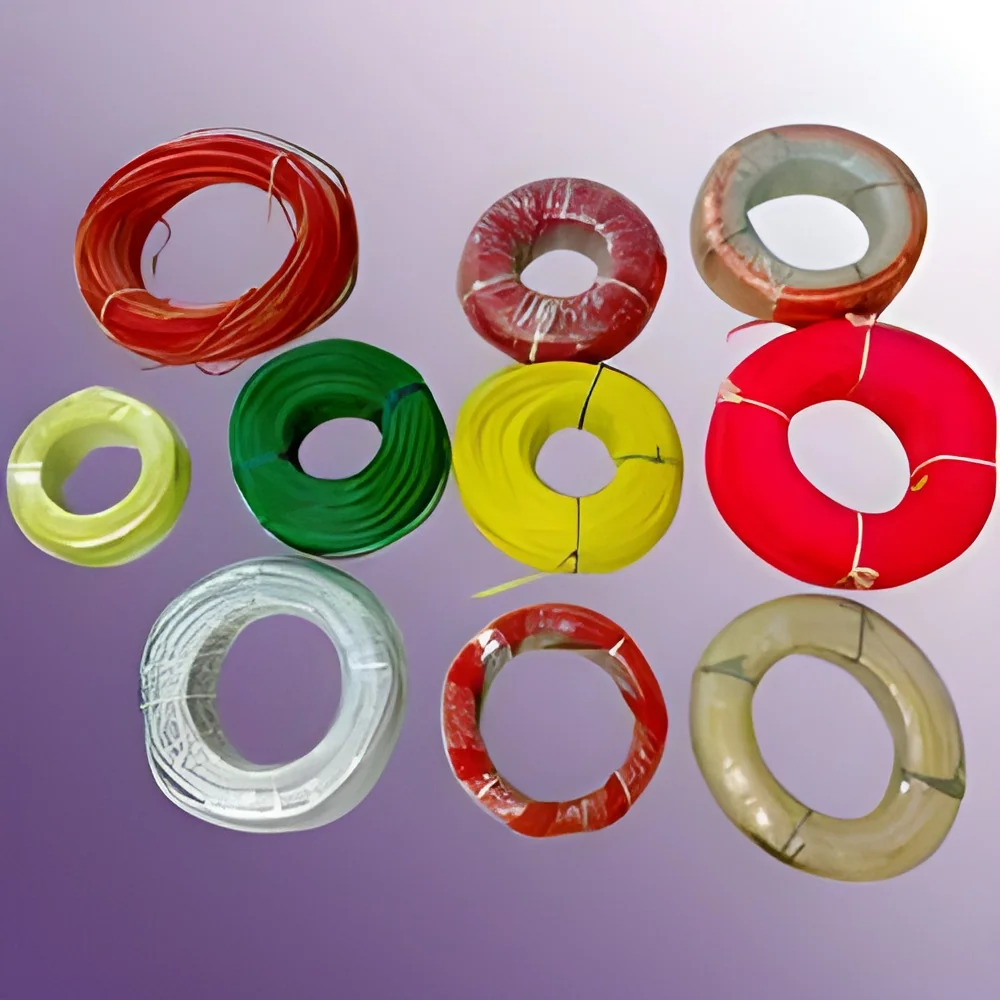
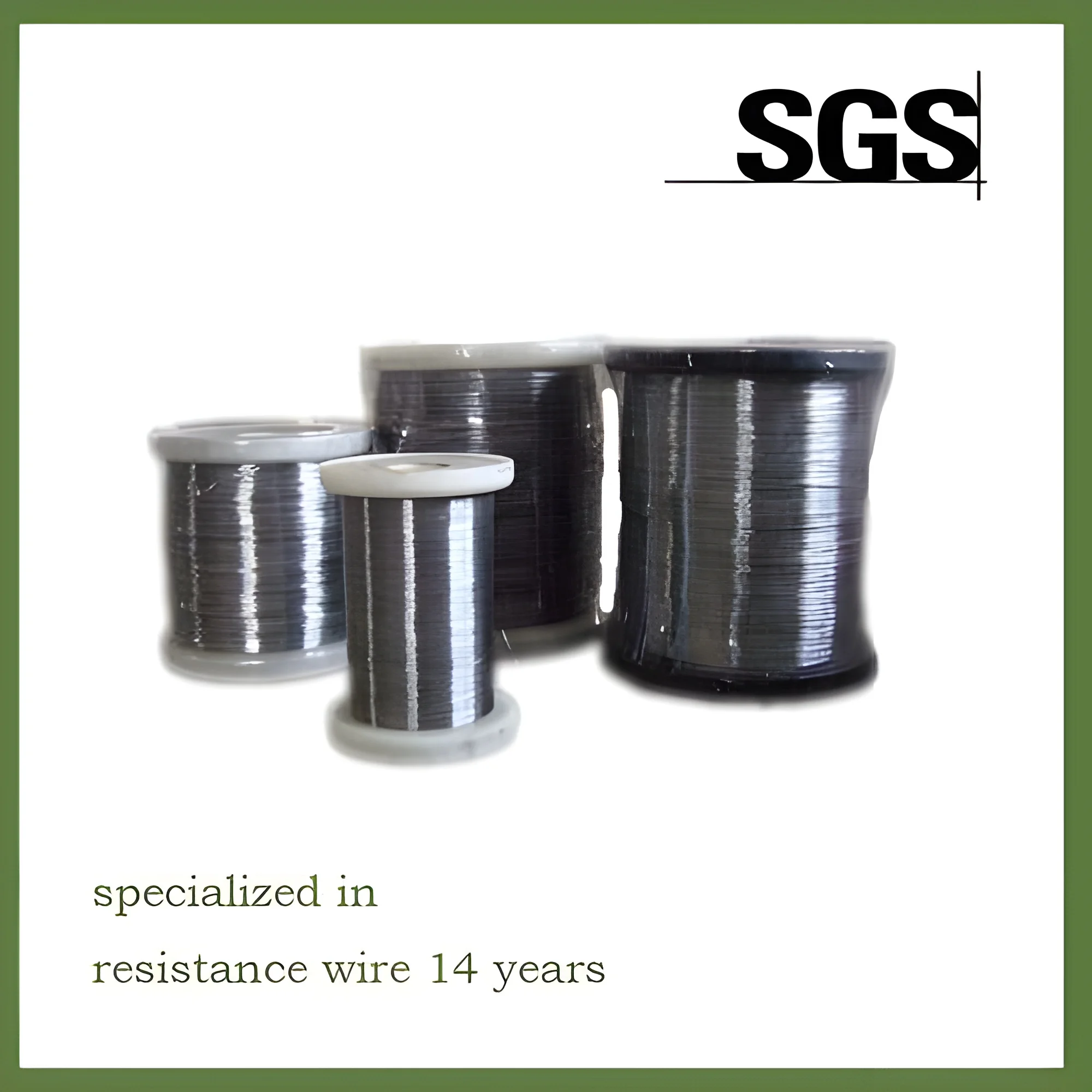
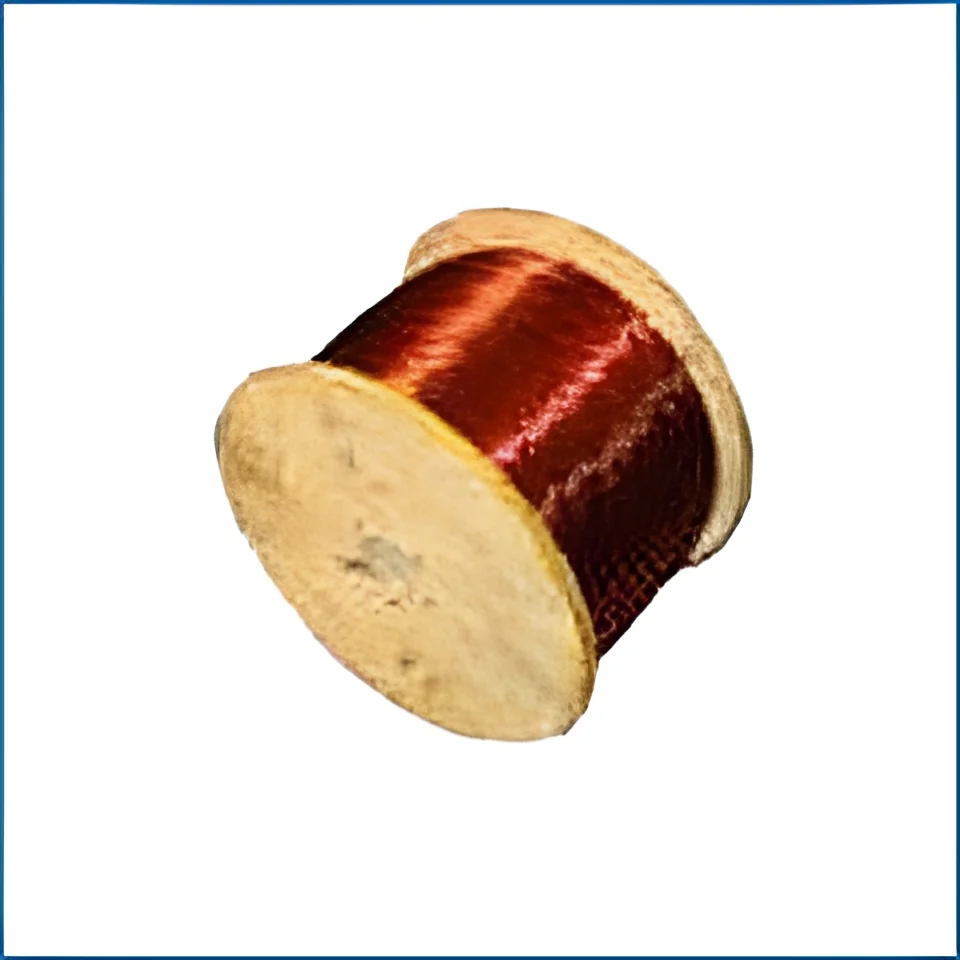
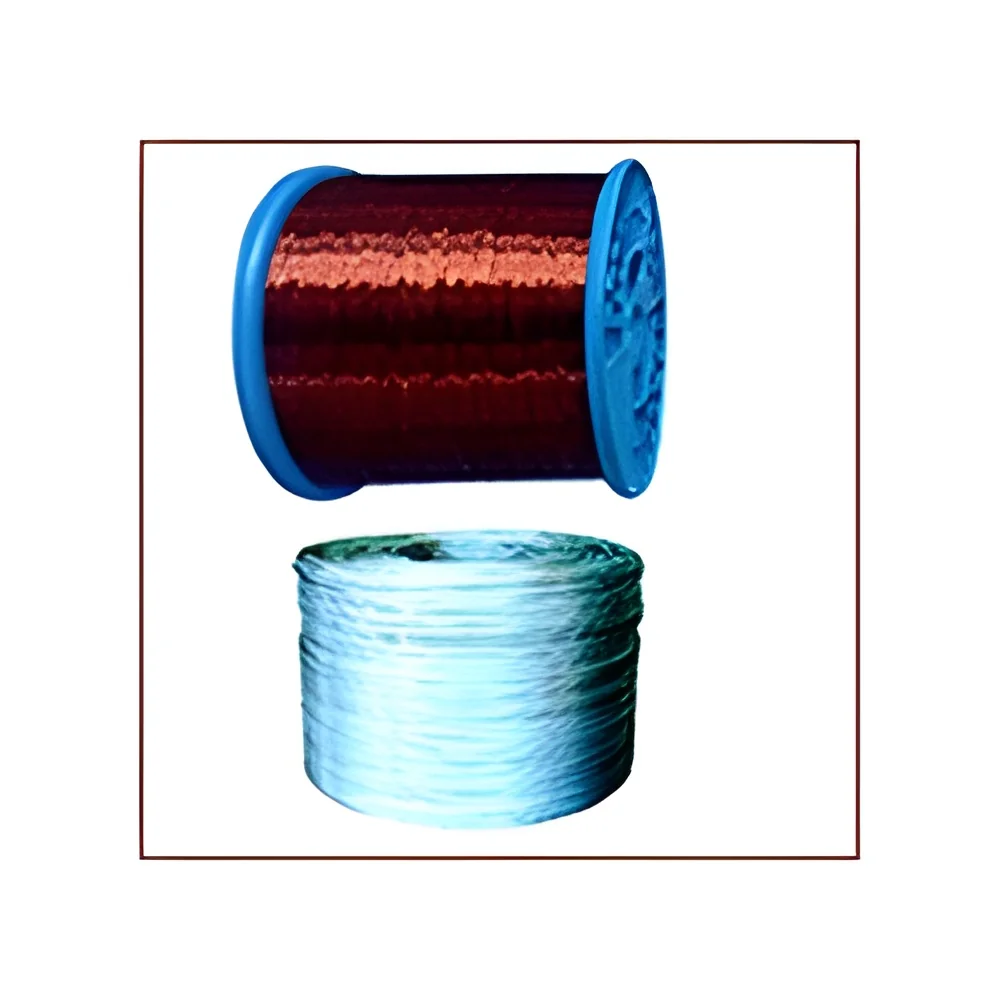
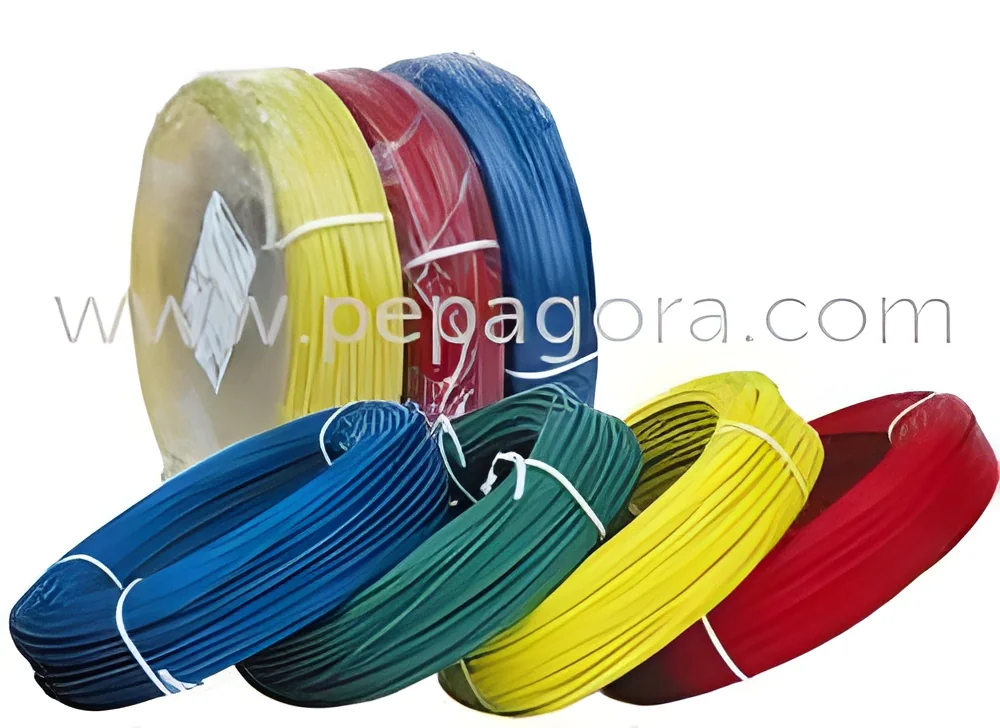
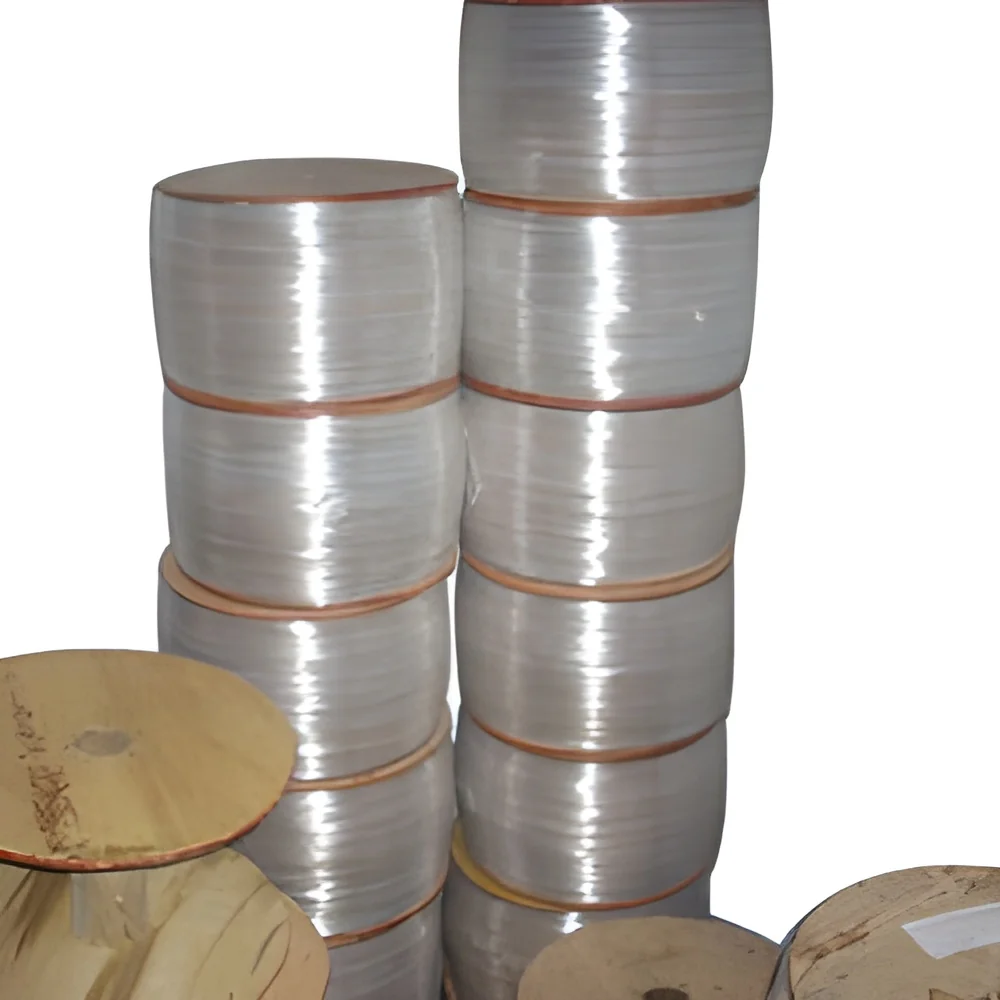
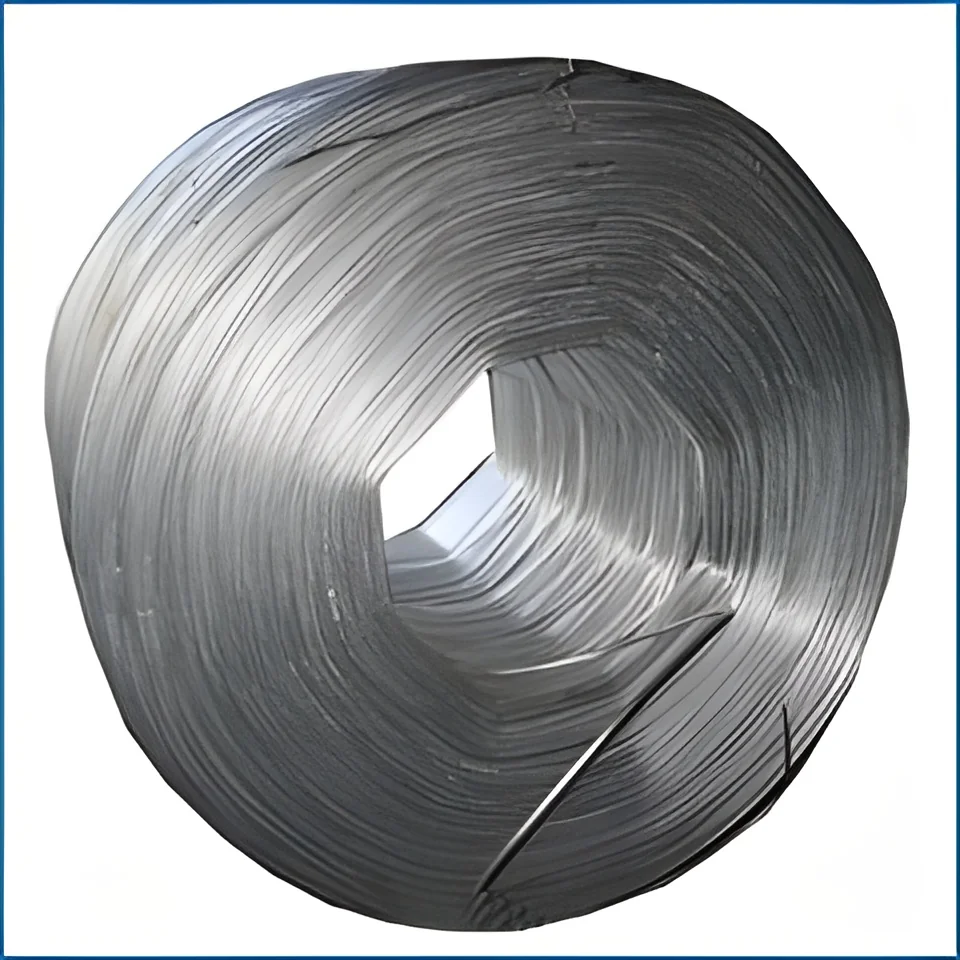
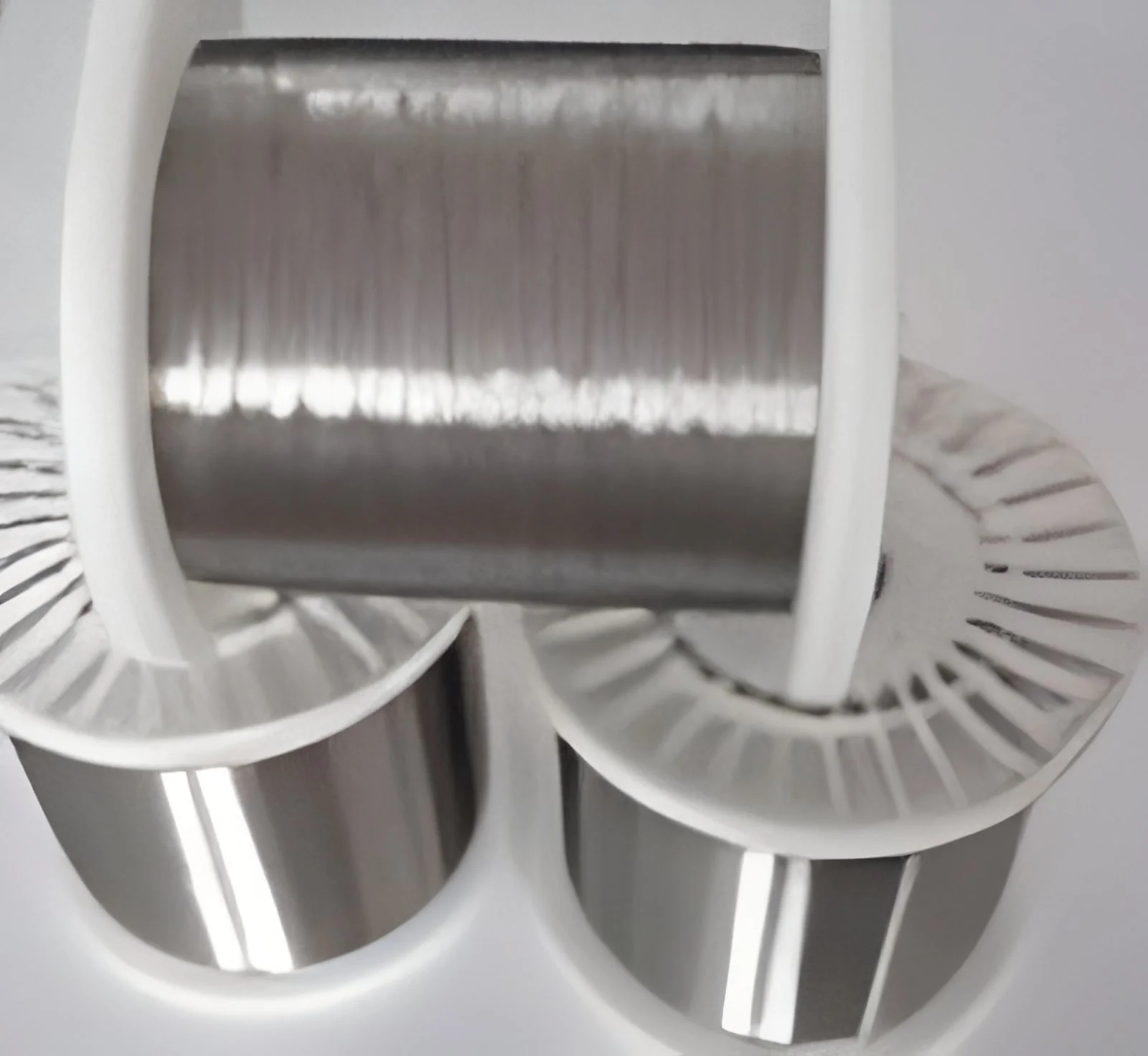
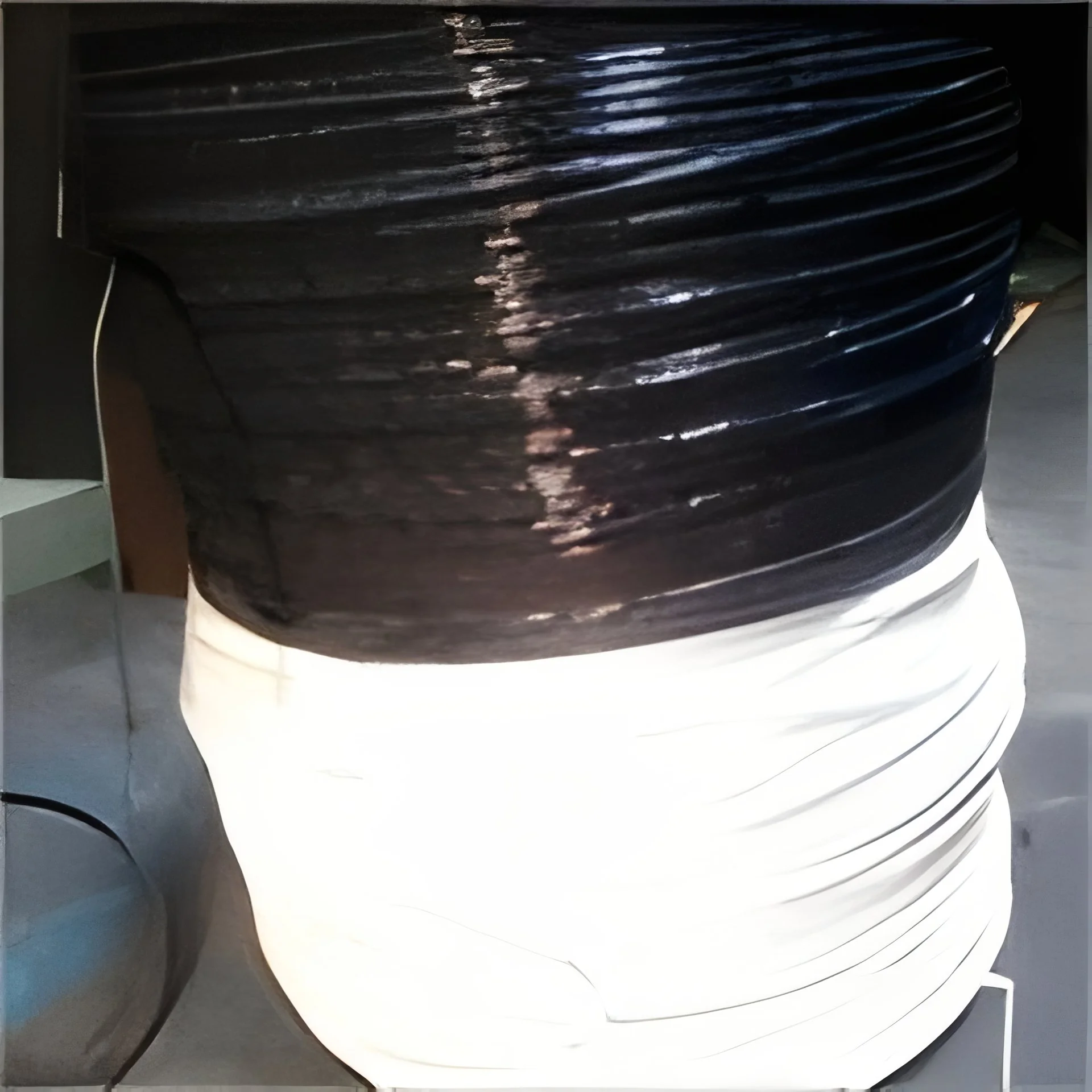
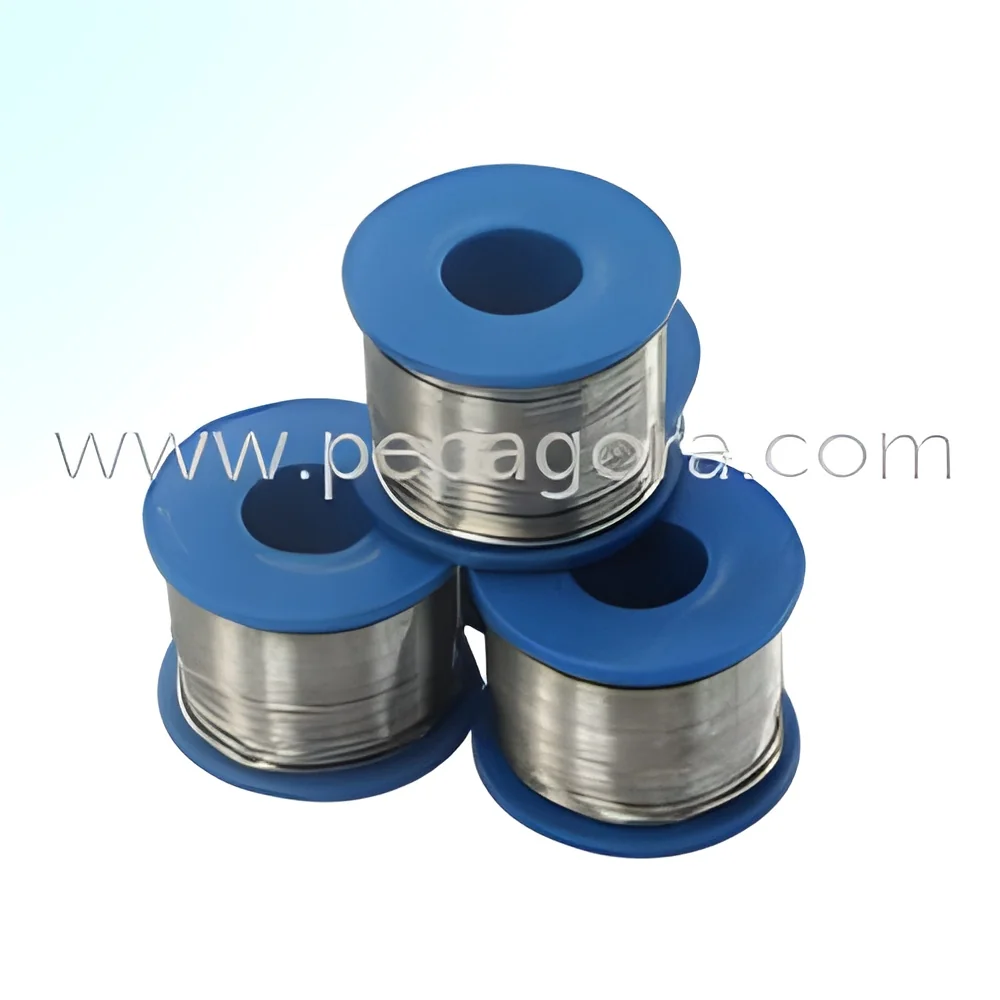
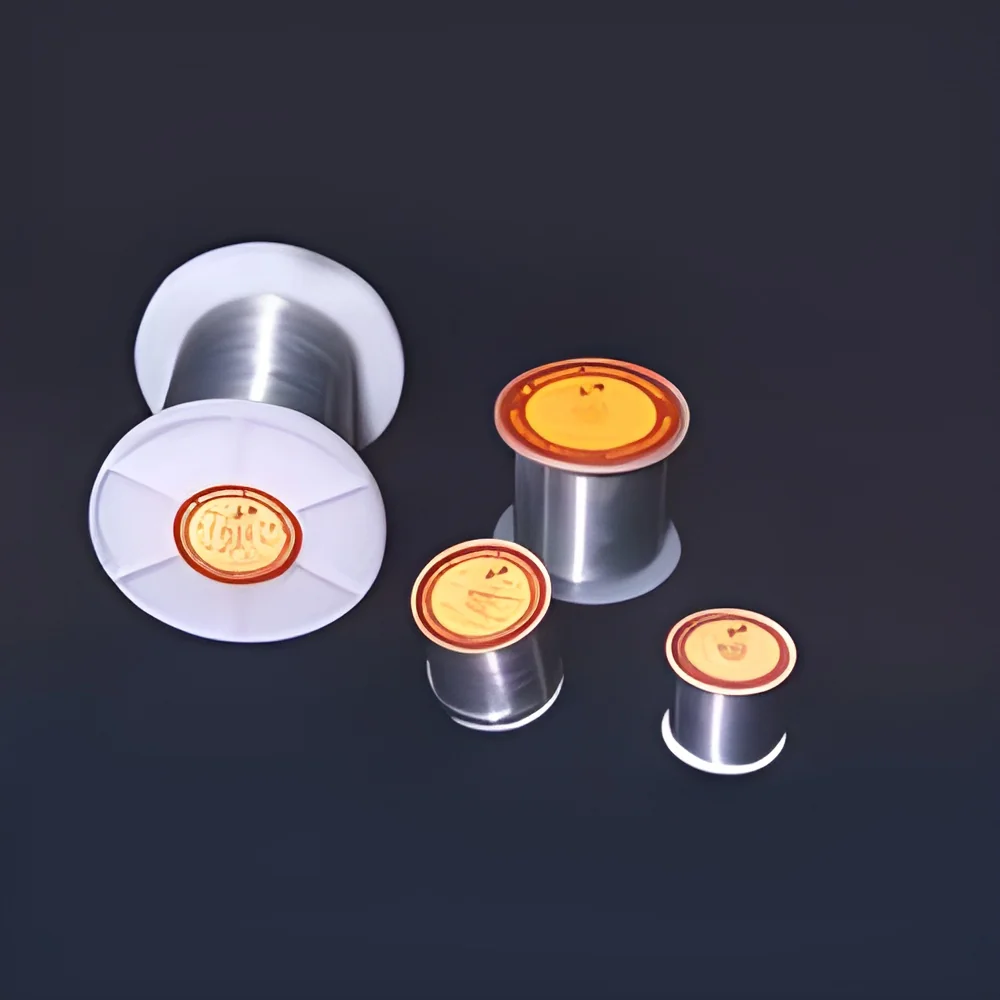
- Available in various lengths, often sold in spools
- Packaging can vary based on supplier specifications
7. Certification
- Compliance with industry standards such as CE
- Ensures safety and performance reliability
8. Flexibility and Bend Radius
- Determines how easily the wire can be installed in tight spaces
- Critical for installation in complex layouts
In summary, understanding the key features and specifications of electrical wires is fundamental for making informed purchasing decisions.
Common Applications and Use Cases
Electrical wires are utilized across various industries, each with specific applications that highlight their versatility.
1. Construction: Electrical wires are essential for residential and commercial building projects, providing power for lighting, HVAC systems, and appliances.
2. Manufacturing: In manufacturing facilities, electrical wires are used for machinery, production lines, and automation systems, ensuring operational efficiency.
3. Telecommunications: These wires facilitate data transmission for telecommunication networks, including internet and phone services.
4. Automotive: Electrical wires are integral to vehicle systems, powering everything from ignition to infotainment and safety features.
5. Renewable Energy: In solar and wind energy systems, electrical wires connect components and transmit power to the grid or storage systems.
6. Aerospace: Electrical wires in aircraft are designed for reliability and safety, supporting various electronic systems.
7. Medical Devices: In the healthcare sector, specialized electrical wires are used in medical equipment, ensuring precise and safe operation.
Product Variants and Subcategories
Electrical wires come in diverse variants tailored for specific applications, enhancing their functionality and performance.
Building Wire
This variant is designed for permanent installations in buildings. It features durable insulation to withstand environmental conditions and ensure safety in residential and commercial applications.
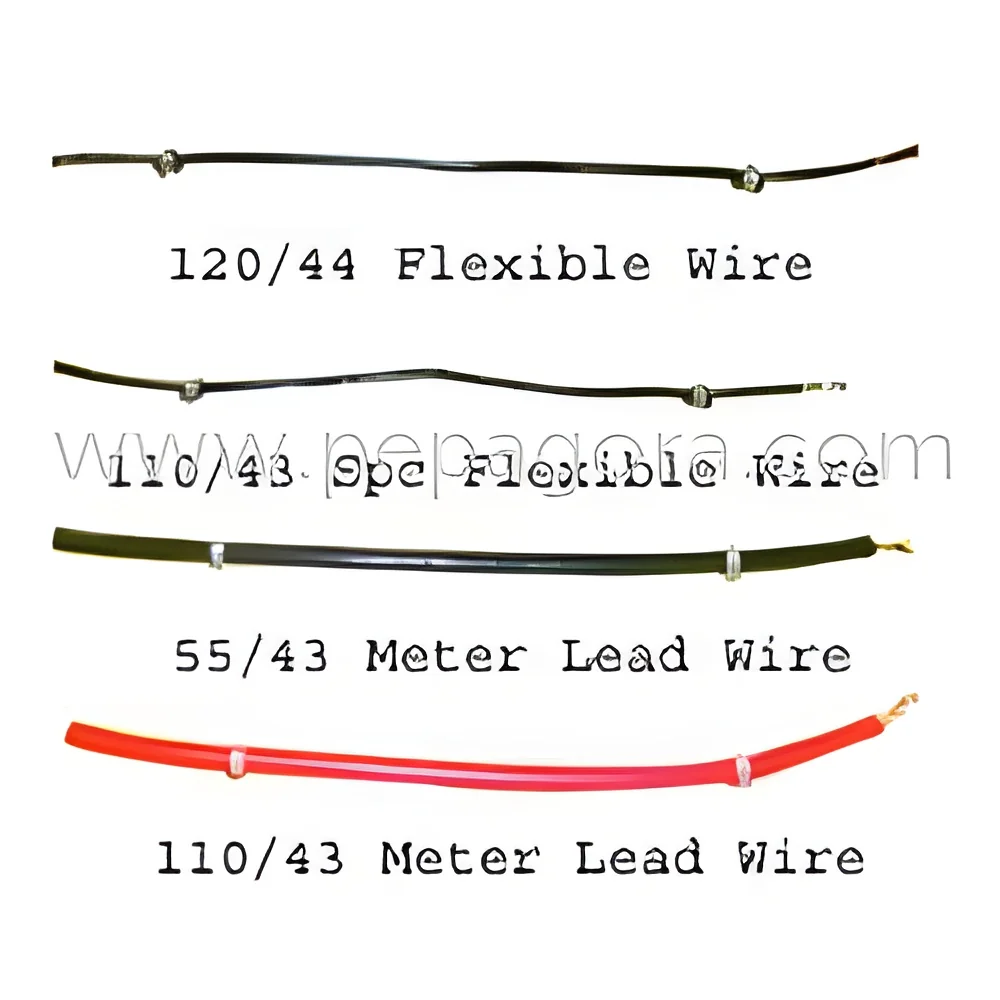
Flexible Wire
Flexible wire is designed for applications requiring movement, such as in robotics or machinery. Its construction allows it to bend easily without damaging the conductor, making it ideal for dynamic environments.
High-Temperature Wire
This variant is built to resist high temperatures, making it suitable for applications in industrial settings where heat exposure is prevalent.
Low-Voltage Wire
Low-voltage wires are used in systems that operate at lower electrical levels, such as landscape lighting or security systems.
Benefits and Advantages
Choosing the right electrical wires offers numerous advantages that enhance operational efficiency and safety.
1. Enhanced Safety: Properly insulated wires reduce the risk of electrical shock and short circuits, ensuring a safer environment for users.
2. Improved Efficiency: High-quality wires minimize energy loss during transmission, which can lead to cost savings over time.
3. Versatile Applications: Electrical wires can be used in a wide range of applications across different industries, making them essential for many projects.
4. Ease of Installation: Many electrical wires are designed for flexibility and ease of handling, simplifying installation processes.
5. Compliance Assurance: Wires that meet industry standards provide confidence in quality and safety, ensuring regulatory compliance.
6. Long Lifespan: Durable materials and construction can lead to a longer lifespan, reducing the need for frequent replacements.
Buying Guide for B2B Buyers
When sourcing electrical wires, B2B buyers must consider several important factors to ensure they select the right products for their needs.
1. Quality Assessment: Buyers should evaluate the quality of electrical wires by checking certifications and compliance with industry standards. This ensures reliability and safety.
2. Supplier Verification: It is crucial to vet suppliers for their reputation and reliability. Look for reviews and ratings from other businesses to gauge their performance.
3. Pricing and MOQ: Understanding pricing structures and minimum order quantities (MOQ) is essential for budgeting and ensuring adequate supply.
4. Delivery and Lead Times: Consider logistics and the time it takes for orders to be fulfilled. Reliable suppliers will provide clear timelines to avoid project delays.
5. Compliance Requirements: Ensure that the electrical wires meet local and international compliance standards, which may include environmental and safety regulations.
Compliance and Certifications
Electrical wires must adhere to various quality standards and certifications to ensure safety and performance. Common standards include ISO 9001, which focuses on quality management systems, and CE marking, indicating compliance with European safety standards.
Safety and testing requirements are crucial in this industry. Manufacturers may conduct rigorous testing to ensure wires can withstand environmental stresses and perform reliably under load.
Regional compliance considerations may vary. It is essential for buyers to understand the specific regulations that apply in their geographic area, ensuring that sourced products meet all necessary legal requirements.
Why Source Electrical Wires from Pepagora?
Pepagora provides a trusted platform for sourcing electrical wires, offering numerous key advantages to B2B buyers.
Verified Supplier Network: Pepagora connects buyers with a network of verified suppliers, ensuring that only reputable manufacturers are available for selection. This reduces the risk associated with procurement.
Streamlined RFQ Process: The Request for Quotation (RFQ) process on Pepagora is designed to be user-friendly. Buyers can quickly receive quotes from multiple suppliers, simplifying comparisons and decision-making.
Trade Assurance and Support: Pepagora offers trade assurance, providing buyers with protection during transactions. Support is available to address any concerns or issues that may arise.
Regional Coverage: With a strong presence in India, the GCC, and Southeast Asia, Pepagora ensures that buyers have access to a wide range of electrical wire products tailored to their regional needs.

 IN
IN