
 IN
Armoured Cables
2 products available
What are Armoured Cables?
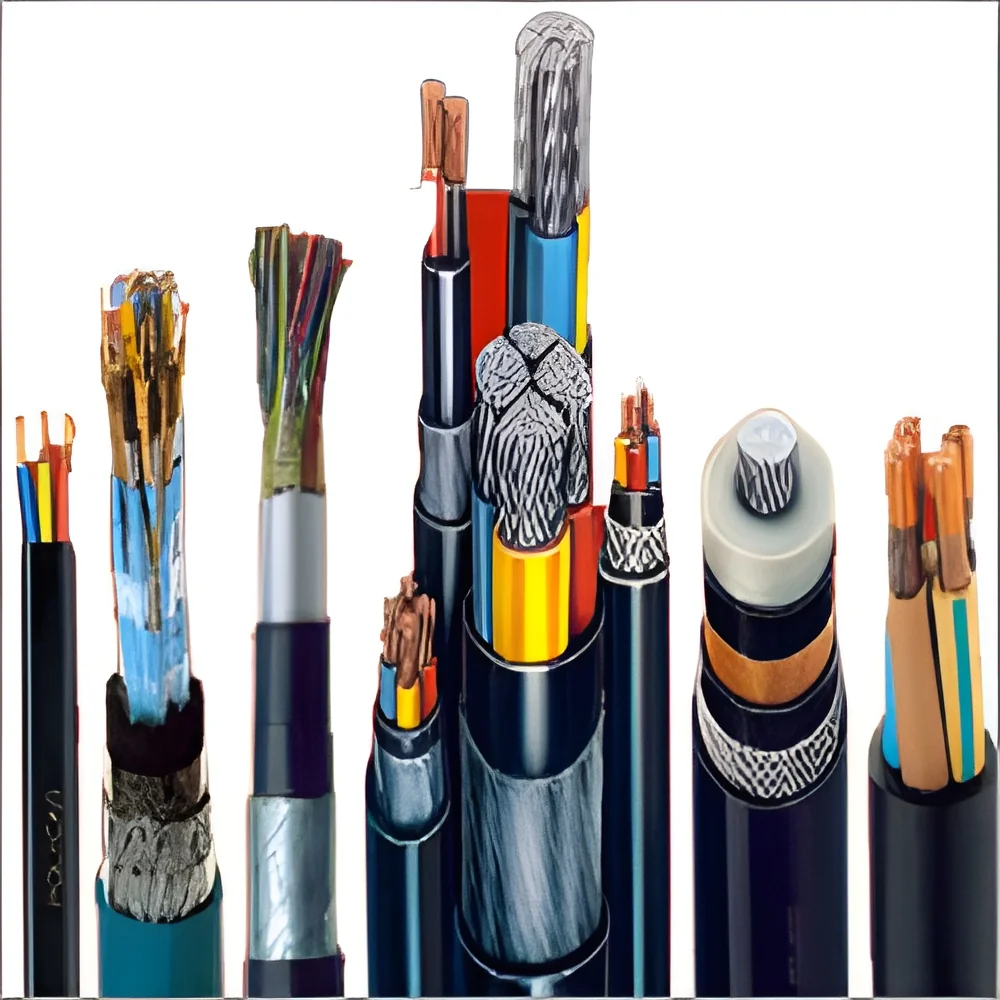
Armoured cables are specialized electrical cables designed to provide enhanced protection against mechanical damage, moisture, and environmental factors. They consist of insulated conductors surrounded by a robust layer of armor typically made from steel or aluminum. This construction ensures durability and reliability, making armoured cables suitable for various demanding applications.
These cables are commonly used in industrial settings, construction sites, and outdoor installations where exposure to harsh conditions is prevalent. They are essential in environments that require both electrical supply and protection from physical damage. Industries such as manufacturing, construction, and utilities frequently utilize armoured cables for power distribution and control systems, ensuring safety and operational continuity.
In the current market, the demand for armoured cables is on the rise due to increasing industrialization and the need for reliable electrical infrastructure. As businesses seek to enhance safety and efficiency, the relevance of armoured cables continues to grow, positioning them as a critical component in modern electrical systems.
Key Features and Specifications
Armoured cables come with various features and specifications that cater to different industrial needs. The design and materials used in these cables enhance their performance and durability in challenging environments.
Key specifications include:
1. Construction Type
- Armoured cables can be single-core or multi-core.
- They include a tough outer layer for protection.
2. Voltage Rating
- Typically rated for low to medium voltage.
- Common voltage ratings include 600/1000V and 1.9/3.3kV.
3. Armor Material
- Commonly made from steel wires or aluminum.
- Provides excellent mechanical protection.
4. Insulation Material
- Often made from PVC, XLPE, or rubber.
- Ensures electrical insulation and resistance to chemicals.
5. Temperature Rating
- Designed to operate in a range of temperatures.
- Standard operating temperatures can vary from -20°C to 90°C.
6. Fire Resistance
- Some cables are designed to resist flame propagation.
- Fire-resistant options are available for high-risk areas.
7. Water and Moisture Resistance
- Many variants are designed to withstand moisture infiltration.
- Ideal for outdoor applications and wet environments.
8. Compliance Standards
- Must meet industry standards such as CE certification.
- Ensures safety and quality in production.
In summary, understanding the features and specifications of armoured cables helps businesses select the most suitable products for their specific applications.
Common Applications and Use Cases
Armoured cables find extensive use across various industries due to their durability and protective features.
1. Construction: Armoured cables are often used for temporary power supplies on construction sites, ensuring safety amid heavy machinery and equipment.
2. Manufacturing: These cables power machinery and equipment in factories, where mechanical protection is crucial to prevent damage.
3. Mining: In mining operations, armoured cables are essential for powering equipment in harsh environments, offering protection against impacts and abrasion.
4. Oil and Gas: Armoured cables are used in drilling and extraction operations to ensure reliable electrical supply in challenging conditions.
5. Renewable Energy: In solar and wind energy installations, armoured cables are crucial for connecting systems to the grid, providing durability and resistance to environmental factors.
6. Utilities: Power distribution in utilities often relies on armoured cables to ensure longevity and safety in electrical networks.
7. Marine: Armoured cables are utilized in marine applications for underwater installations, where they are exposed to water and potential physical damage.
Product Variants and Subcategories
Armoured cables come in various variants tailored to specific applications and environmental conditions.
Low Voltage Armoured Cables
These cables are designed for low voltage applications, offering flexibility and ease of installation. They are commonly used in residential and commercial settings where protection from mechanical damage is required.
Medium Voltage Armoured Cables
Medium voltage variants are suited for industrial applications, capable of handling higher voltage levels while maintaining robust protection. Their construction allows them to be used in power distribution networks and large-scale facilities.
Benefits and Advantages
Armoured cables offer numerous benefits that make them a preferred choice in various industries.
1. Enhanced Protection: The armored layer provides superior resistance to mechanical damage, ensuring longevity in harsh environments.
2. Safety Assurance: These cables are designed to minimize electrical hazards, contributing to safer operational conditions.
3. Versatility: Armoured cables can be used in a wide range of applications, from construction to renewable energy, making them highly versatile.
4. Durability: With materials resistant to wear and weather, armoured cables are built to last, reducing the need for frequent replacements.
5. Compliance with Standards: Many armoured cables meet industry-specific standards, providing assurance of quality and safety.
6. Reduced Downtime: Their reliability in demanding conditions helps minimize operational interruptions, leading to increased productivity.
Buying Guide for B2B Buyers
When sourcing armoured cables, it is vital for B2B buyers to consider several key factors to ensure they make informed decisions.
1. Quality Assessment: Evaluate the materials and construction of the cables. Look for certifications that indicate compliance with industry standards.
2. Supplier Verification: Vet suppliers for their reliability and experience in the market. A verified supplier can ensure consistent quality and timely delivery.
3. Pricing and MOQ: Understand the pricing structure and minimum order quantities. Compare quotes from multiple suppliers to find the best deal.
4. Delivery and Lead Times: Consider the logistics involved in sourcing. Ensure that suppliers can meet your required delivery schedules to avoid project delays.
5. Compliance Requirements: Check for any regulatory compliance that applies to your industry. Ensure that the cables meet the necessary standards for safety and performance.
Compliance and Certifications
Compliance with industry standards and certifications is crucial for armoured cables to ensure safety and reliability.
Many armoured cables adhere to quality standards such as ISO 9001, which ensures a consistent quality management system. This certification indicates that the manufacturing processes meet international standards for quality assurance.
Additionally, armoured cables are often CE certified, signifying compliance with European safety and environmental regulations. This certification is particularly important for companies looking to operate in European markets or comply with similar standards globally.
Safety and testing requirements are also integral to the manufacturing of armoured cables. They must undergo rigorous testing to assess their electrical and mechanical properties, ensuring they can withstand the conditions for which they are designed.
Regional compliance considerations may vary, so it is essential to understand the specific regulations that apply to the regions in which the cables will be used. This ensures that businesses can operate within legal frameworks while providing safe and reliable electrical solutions.
Why Source Armoured Cables from Pepagora?
Pepagora provides a trusted platform for sourcing armoured cables, offering several key advantages to B2B buyers.
Verified Supplier Network: Pepagora connects buyers with a network of verified suppliers. Each supplier undergoes a thorough vetting process to ensure reliability and quality in their products.
Streamlined RFQ Process: The platform simplifies the request for quotation process, allowing buyers to easily compare offerings from multiple suppliers. This efficiency helps in making informed purchasing decisions.
Trade Assurance and Support: Buyers are protected through various trade assurance measures, ensuring their transactions are secure. Pepagora offers customer support to assist with any inquiries or issues that may arise during the sourcing process.
Regional Coverage: With a strong presence in India, the GCC, and Southeast Asia, Pepagora offers geographical reach to connect buyers with local and regional suppliers. This coverage ensures that businesses can source armoured cables that meet their specific needs effectively.

Frequently Asked Questions
What are Armoured Cables?
Armoured cables are electrical cables that have an additional layer of protection, usually made of steel or aluminum, designed to shield the inner conductors from mechanical damage. They are commonly used in industrial and outdoor environments where exposure to harsh conditions or physical impact is a concern.
What are the different types of Armoured Cables?
The main types of armoured cables include steel wire armoured (SWA) cables and aluminum wire armoured (AWA) cables. SWA cables are often used for high-voltage applications, while AWA cables are lighter and suitable for less demanding environments.
How do I choose the right Armoured Cables?
Choosing the right armoured cables involves considering factors such as the installation environment, voltage requirements, and load capacity. Additionally, ensure that the cable type matches the specific application, whether it's for power distribution, control circuits, or data transmission.
What are the standard specifications for Armoured Cables?
Standard specifications for armoured cables typically include parameters such as voltage rating, conductor size, insulation material, and armouring type. Compliance with national and international standards like IS, IEC, or BS is also crucial to ensure safety and performance.
What is the price range for Armoured Cables?
The price range for armoured cables can vary significantly based on factors such as size, type, and supplier. Generally, prices can start from a few hundred rupees per meter and can go up to several thousand rupees for heavy-duty cables.
What quality standards apply to Armoured Cables?
Armoured cables must comply with quality standards set by organizations such as the Bureau of Indian Standards (BIS) and the International Electrotechnical Commission (IEC). These standards ensure that the cables meet safety, performance, and durability requirements.
Where can I find Armoured Cables suppliers in India?
You can find armoured cables suppliers in India through online B2B marketplaces like Pepagora.com, trade shows, and industry directories. Additionally, local electrical supply stores may also have a range of options available.
Can Armoured Cables be customized?
Yes, armoured cables can often be customized to meet specific requirements, including varying lengths, conductor sizes, and insulation materials. It is advisable to discuss customization options with manufacturers or suppliers before placing an order.
What is the typical minimum order quantity for Armoured Cables?
The typical minimum order quantity (MOQ) for armoured cables can vary by supplier but usually ranges from 100 meters to 1000 meters. It's best to check with individual suppliers for their specific MOQ policies.
What is the typical lead time for Armoured Cables?
The typical lead time for armoured cables can range from a few days to several weeks, depending on factors like availability, customization, and order volume. It's advisable to confirm delivery timelines with the supplier when placing an order.
Why Businesses Trust Pepagora
Thousands of companies trust Pepagora to source smarter and sell faster
Expand Your Sales Globally

Source Smarter,Grow Faster
