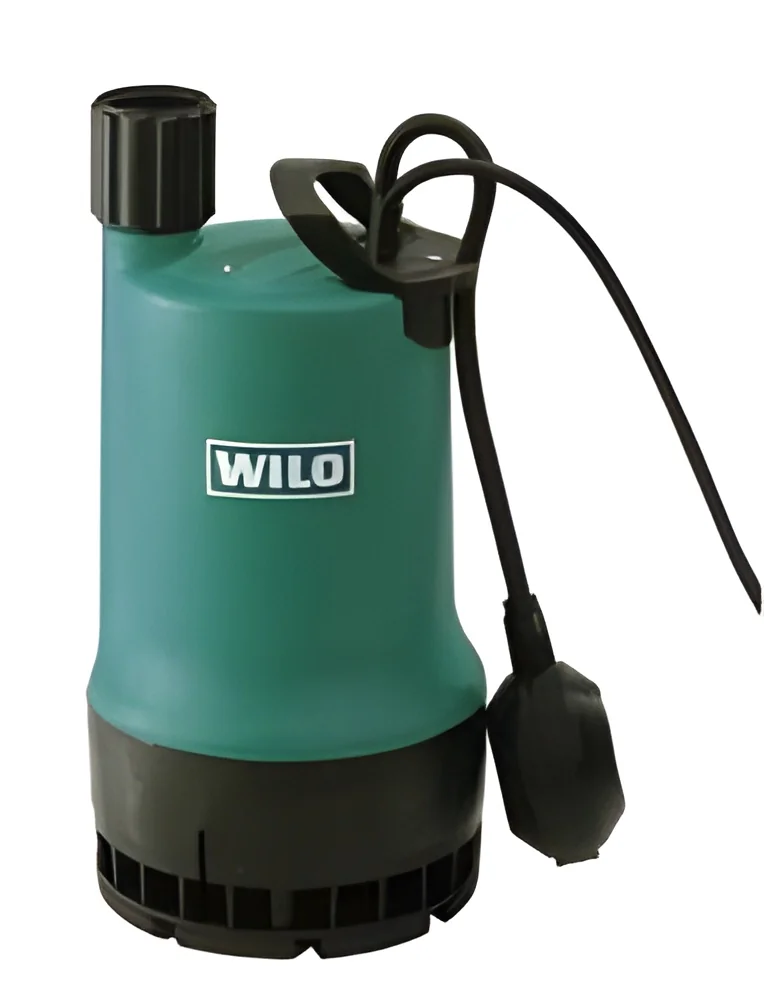
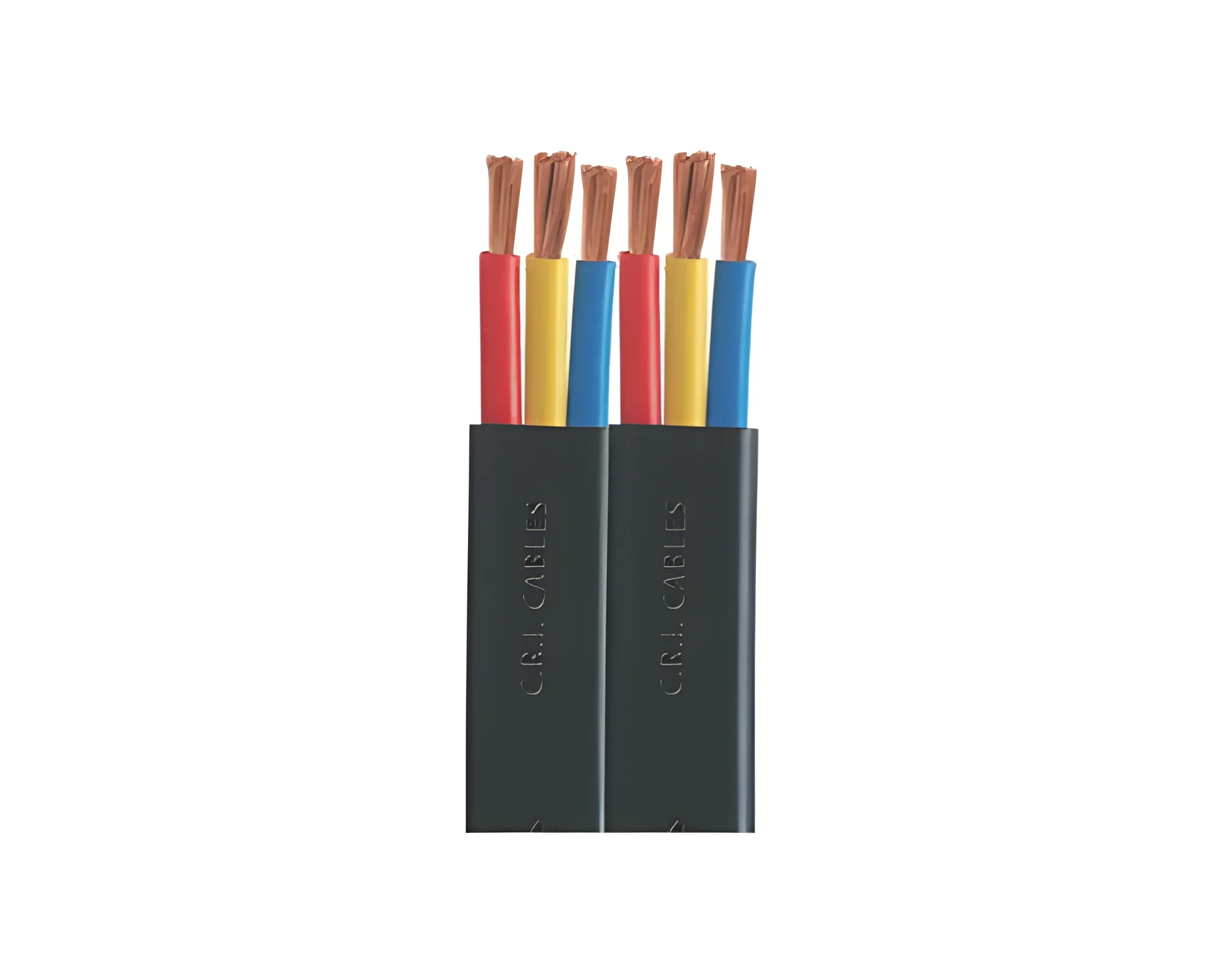
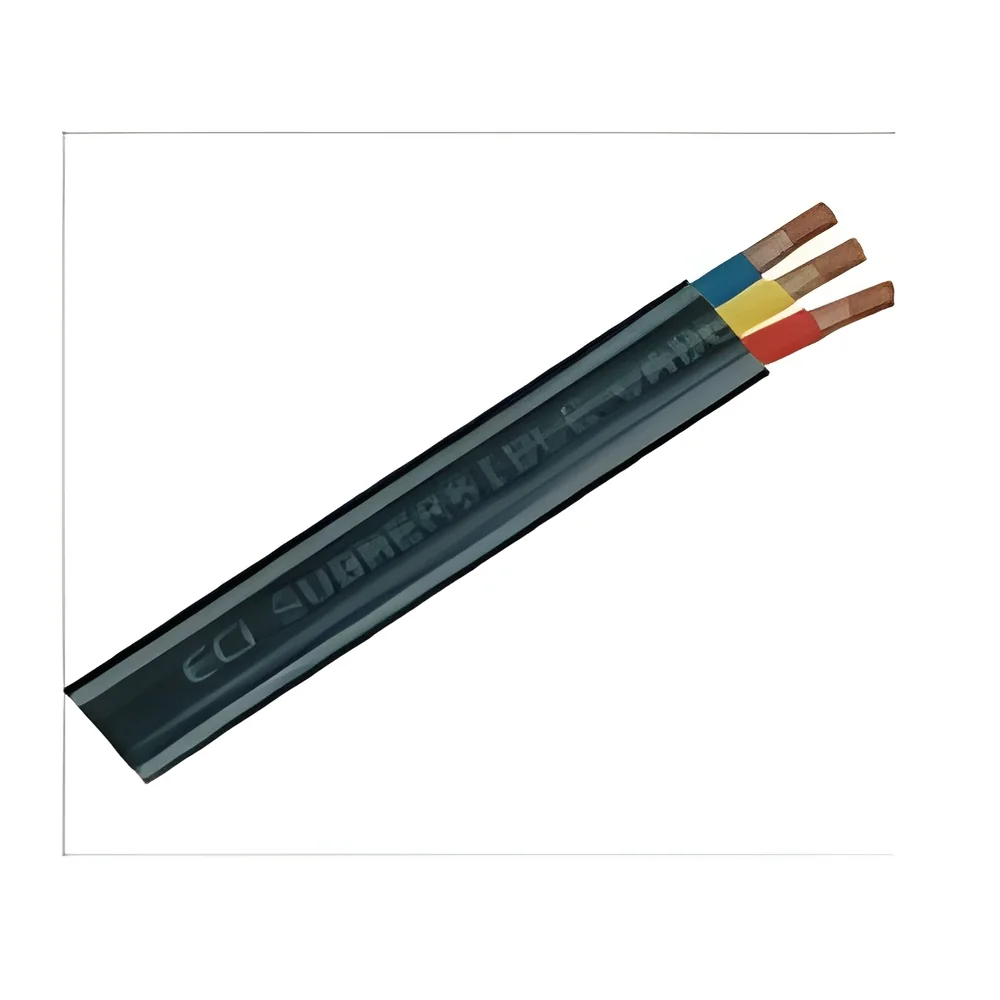
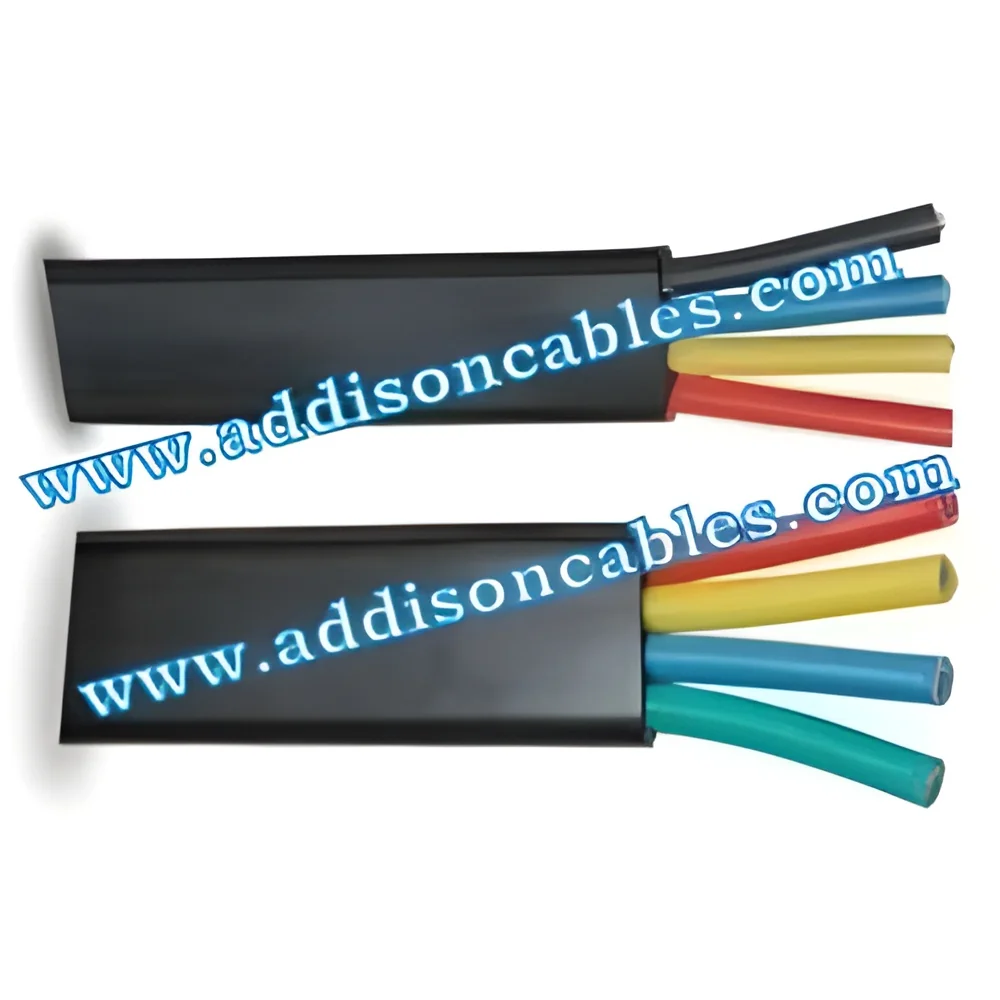
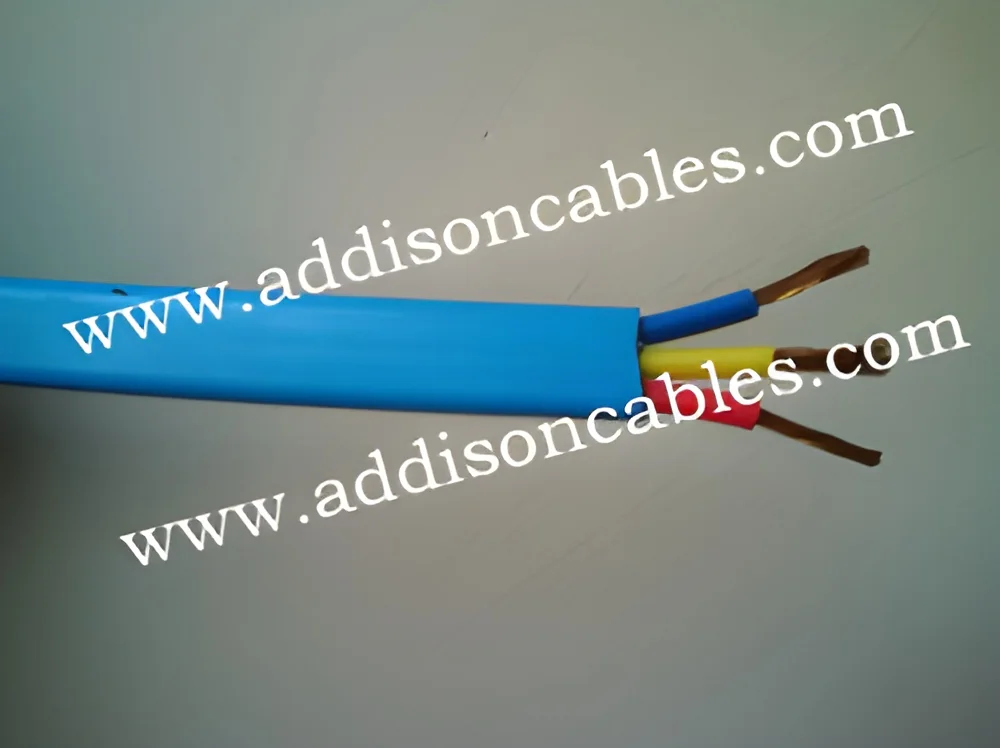
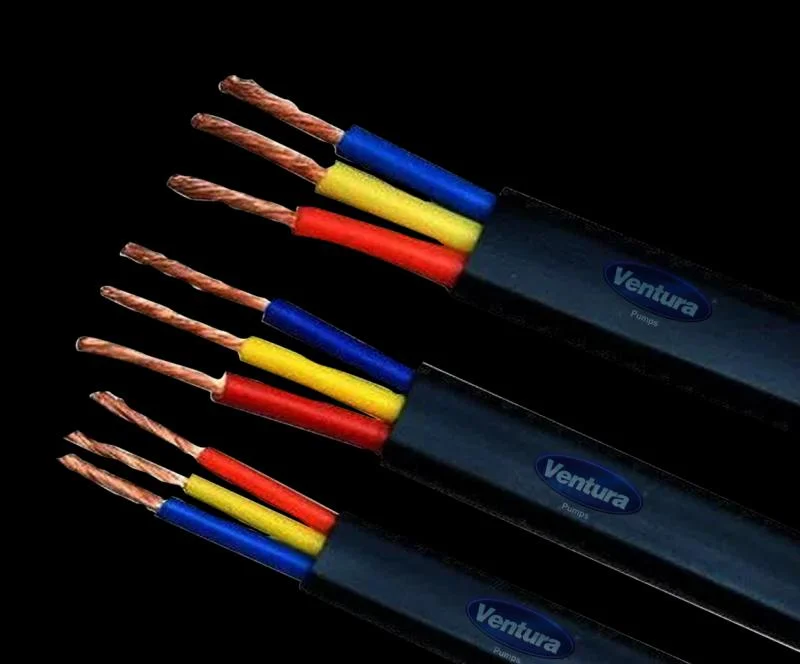
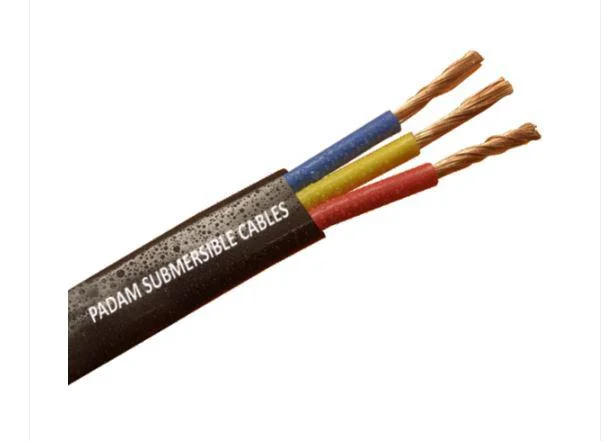
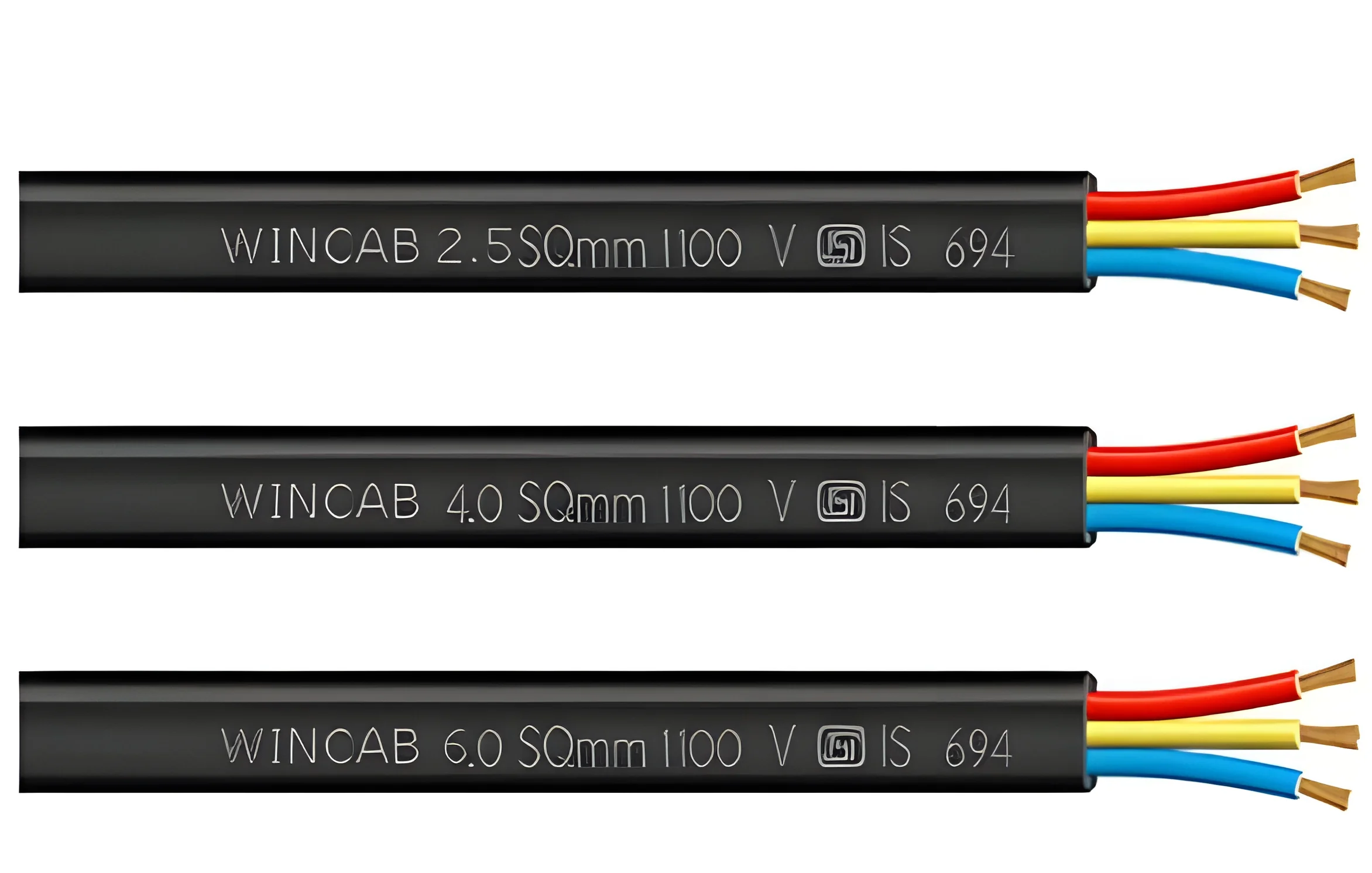
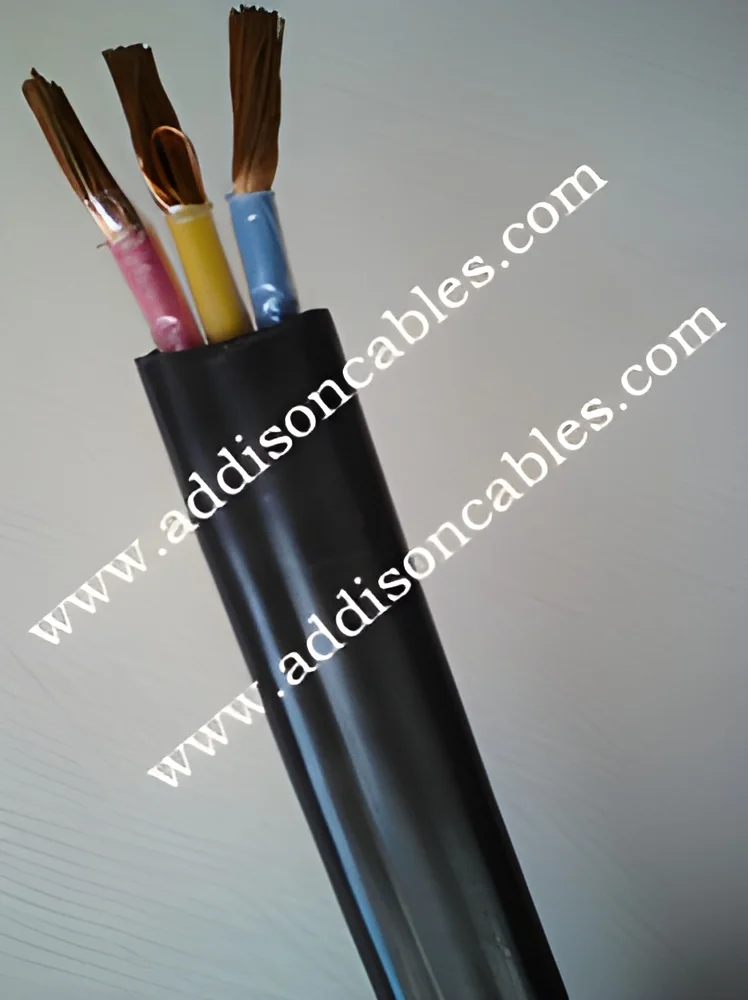
What are Submersible Cables?
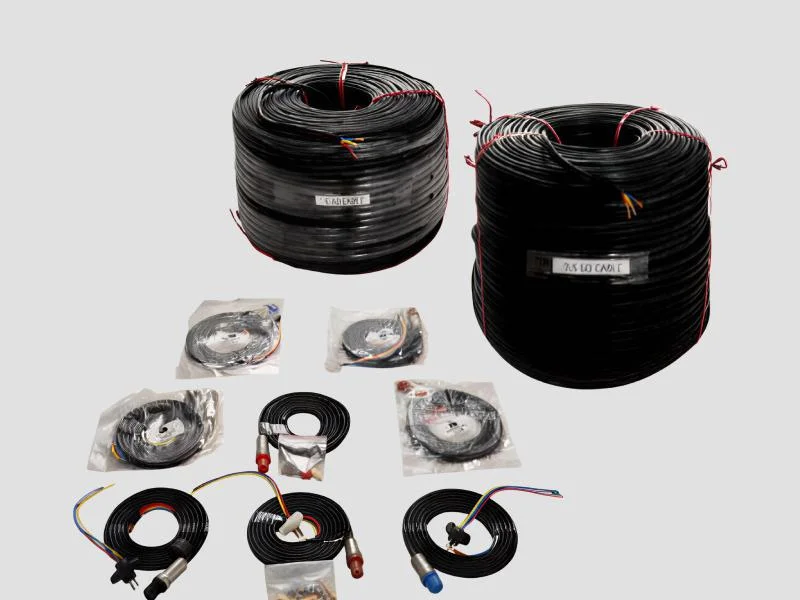
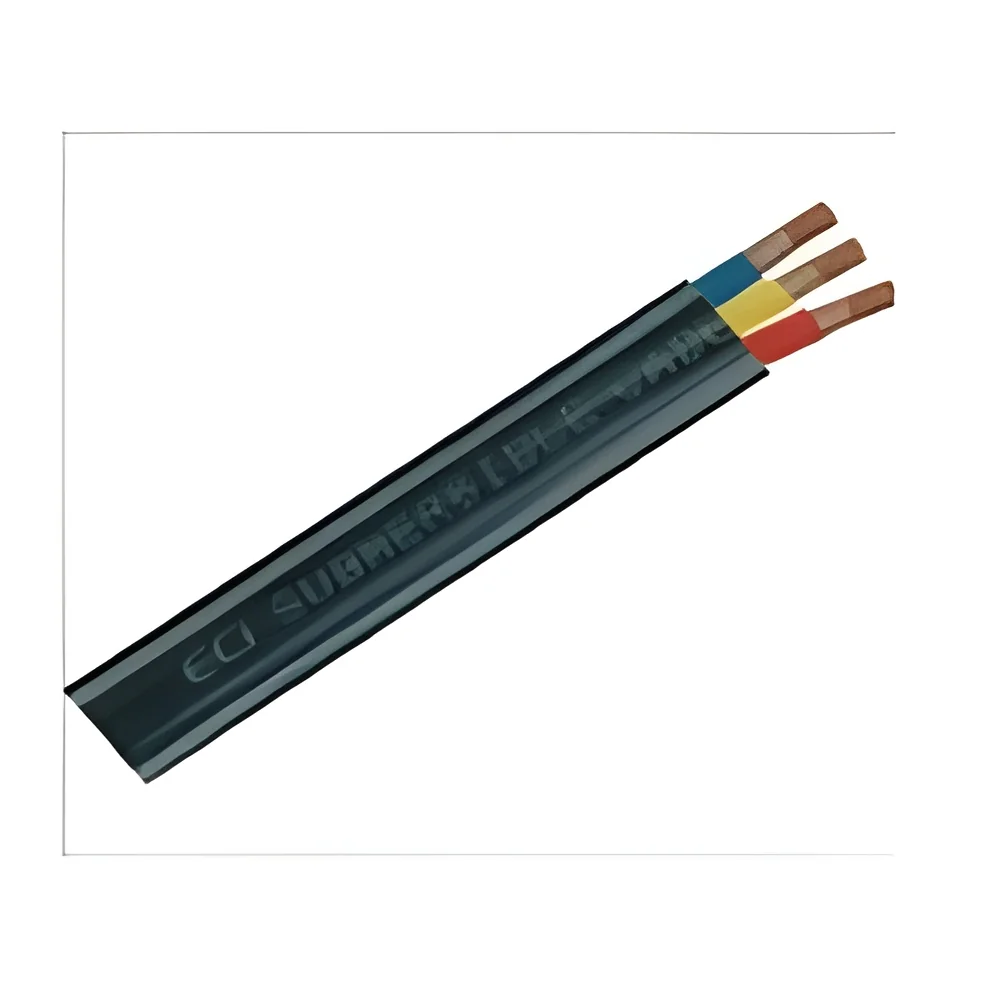
Submersible cables are specialized electrical cables designed for underwater applications. They are constructed to withstand high pressures and resist corrosion, making them suitable for installation in environments such as wells, boreholes, and other submerged locations. These cables typically consist of multiple conductors insulated with materials that can endure moisture and chemical exposure.
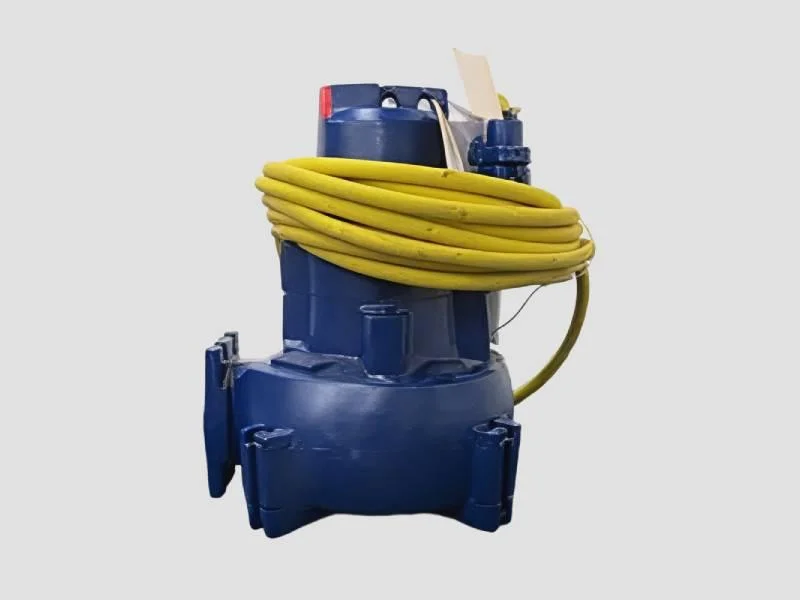
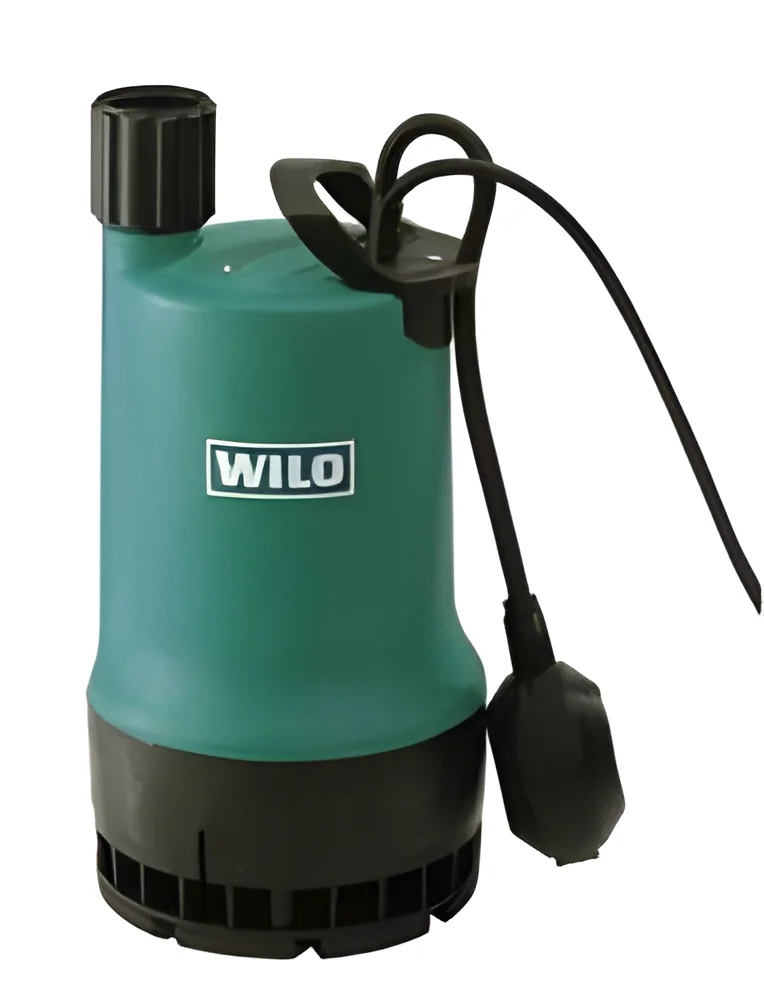
The primary uses of submersible cables include powering submersible pumps, sensors, and other electrical equipment placed underwater. They are crucial in industries such as agriculture for irrigation systems, municipal water supply, and various industrial applications. The relevance of submersible cables in the market is significant as the demand for efficient water management solutions continues to rise. Their robust design ensures reliable performance in challenging conditions, making them essential for many sectors.
Key Features and Specifications
Submersible cables come with several key features that enhance their performance in underwater environments. The specifications are critical to ensure compatibility with various applications and to maintain operational safety.
Key specifications include:
1. Conductor Material
- Usually made from copper or aluminum
- Ensures efficient power transmission
2. Insulation Type
- Often made from thermoplastic elastomer (TPE) or polyvinyl chloride (PVC)
- Provides moisture resistance and durability
3. Voltage Rating
- Commonly rated for 600V to 1000V
- Suitable for different electrical systems
4. Temperature Range
- Typically rated for -20°C to 90°C
- Ensures functionality in various environments
5. Length Options
- Available in standard lengths or custom lengths
- Allows for flexibility in installation
6. Armoring
- May include steel wire armor for added protection
- Enhances mechanical strength and resistance to damage
7. Approvals and Certifications
- CE certified for safety and quality
- Ensures compliance with industry standards
In summary, understanding these specifications helps businesses select the right submersible cables for their specific applications, ensuring reliability and safety.
Common Applications and Use Cases
Submersible cables find applications across diverse industries due to their specialized design.
1. Agriculture: Used in irrigation systems to power submersible pumps that draw water from wells.
2. Municipal Water Supply: Essential for supplying potable water by powering pumps in treatment facilities and distribution systems.
3. Industrial Applications: Employed in manufacturing processes where water is used for cooling or cleaning.
4. Aquaculture: Powers equipment in fish farming, such as aerators and feeders.
5. Oil and Gas: Used in offshore drilling operations to power underwater equipment.
6. Mining: Essential for powering pumps in dewatering applications in mines.
7. Environmental Monitoring: Supports sensors used for monitoring water quality in lakes and rivers.
Product Variants and Subcategories
Submersible cables come in various forms to meet different operational requirements. Each variant is designed to cater to specific applications.
Standard Submersible Cable
This variant is designed for general-purpose use. It features durable insulation and is suitable for a wide range of submersible applications, including water supply and irrigation.
Heavy-Duty Submersible Cable
Built for extreme conditions, this variant includes enhanced armoring and insulation. It is ideal for industrial settings where the cable may face harsh environments or mechanical stress.
Low-Voltage Submersible Cable
This type is specifically designed for low-voltage applications, making it suitable for smaller pumps or sensors in less demanding environments.
Benefits and Advantages
Using submersible cables provides numerous benefits that enhance operational efficiency.
1. Durability: Designed to withstand harsh underwater conditions, ensuring long service life.
2. Reliability: Offers consistent performance, minimizing downtime and maintenance costs.
3. Versatility: Suitable for various applications across multiple industries, enhancing investment value.
4. Safety: Constructed to meet stringent safety standards, reducing risks associated with underwater installations.
5. Customizability: Available in different lengths and specifications to meet specific project requirements.
6. Cost-Effectiveness: Reduces the need for frequent replacements, leading to lower total cost of ownership.
Buying Guide for B2B Buyers
When sourcing submersible cables, it is essential to consider several factors to ensure the right choice for your needs.
1. Quality Assessment: Evaluate the materials and construction of the cables to ensure they meet industry standards. Look for certifications like CE to guarantee quality and safety.
2. Supplier Verification: Vet potential suppliers for reliability and track record. Choose suppliers with experience in providing high-quality submersible cables.
3. Pricing and MOQ: Understand the price range and minimum order quantities. Compare quotes from various suppliers to find the best value for your investment.
4. Delivery and Lead Times: Confirm logistics and delivery times to ensure timely project completion. Consider suppliers who can meet your schedule.
5. Compliance Requirements: Ensure that the cables comply with local regulations and industry standards. This is crucial for avoiding legal issues and ensuring safety.
Compliance and Certifications
Submersible cables must adhere to various industry standards and certifications to ensure safety and performance. Some relevant quality standards include ISO 9001, which focuses on quality management systems, ensuring that manufacturers maintain high-quality production processes.
The CE certification indicates that the product meets European safety, health, and environmental protection standards. This is essential for ensuring that the cables are safe for use in their intended applications.
Safety and testing requirements are critical to the industry. Manufacturers must conduct rigorous testing to validate the durability and performance of their products under different conditions. Additionally, regional compliance considerations may vary, so it is essential to verify that cables meet local regulations.
Why Source Submersible Cables from Pepagora?
Pepagora offers a reliable platform for businesses looking to source submersible cables. With a focus on quality and supplier verification, Pepagora ensures that buyers can trust the products they purchase.
The verified supplier network consists of established manufacturers who meet stringent quality standards. This guarantees that buyers receive high-quality cables suitable for their specific applications.
The streamlined RFQ process allows buyers to easily request quotes from multiple suppliers. This simplifies the purchasing process and enables businesses to compare options efficiently.
Trade assurance and support from Pepagora provide an additional layer of buyer protection. This ensures that transactions are secure and that buyers can resolve any issues that may arise.
Finally, Pepagora's regional coverage extends across India, the GCC, and Southeast Asia. This broad geographic reach allows businesses to connect with suppliers that can meet their local needs effectively.

 IN
IN