
 IN
Granule Coating Mixers
1 products available
What are Granule Coating Mixers?
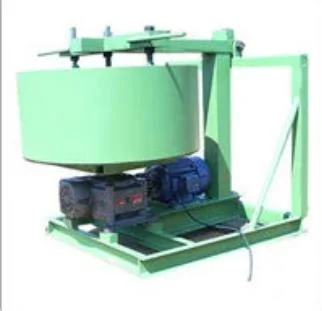
Granule coating mixers are specialized machines designed for the uniform coating of granulated materials. These mixers work by combining solid particles with a liquid coating agent, ensuring an even distribution. The process often involves controlled mixing to achieve the desired coating thickness and consistency. Their design typically includes features that allow for the efficient mixing of various granule sizes and types.
These mixers are primarily used in industries such as pharmaceuticals, food processing, and chemical manufacturing. They help enhance product quality by improving the surface properties of granules, which can affect flowability, stability, and appearance. Businesses utilize granule coating mixers for applications that require precise control over the coating process, making them essential in environments where product consistency is crucial.
In the current market context, the demand for granule coating mixers is on the rise due to the growing emphasis on product quality and regulatory compliance within various industries. As manufacturers seek to improve their production processes, the relevance of these mixers becomes increasingly significant, driving innovation and advancements in mixer technology.
Key Features and Specifications
Granule coating mixers are equipped with several features that cater to the specific needs of various industries. These features enhance their efficiency and effectiveness in processing granulated materials. Below are key specifications that define granule coating mixers.
Key specifications include:
1. Mixing Capacity
- This specification indicates the volume of material that can be processed in one batch.
- Typical ranges are between 50 to 500 liters, depending on the model and application.
2. Mixing Speed
- Refers to the adjustable speed settings of the mixer to accommodate different materials.
- Speed can vary from 10 to 200 RPM, providing flexibility for various coating tasks.
3. Control System
- Many mixers feature advanced control systems for monitoring and adjusting mixing parameters.
- Options include manual controls or automated systems with programmable settings.
4. Material Construction
- Mixers are often constructed from stainless steel or other durable materials to ensure longevity and compliance.
- Corrosion resistance is a vital aspect, especially in food and pharmaceutical applications.
5. Coating Spray System
- Some mixers come with integrated spray systems for the even application of liquid coating agents.
- This system can be adjusted to control the flow rate of the coating material.
6. Safety Features
- Essential safety features may include emergency stop buttons and protective covers.
- Compliance with safety regulations is critical for operational safety.
7. Dimensions
- The physical size of the mixer can impact its suitability for different production environments.
- Dimensions vary widely depending on the capacity and design of the mixer.
8. Energy Efficiency
- Energy consumption ratings are important for operational cost considerations.
- Many modern mixers are designed with energy-saving technologies.
In summary, granule coating mixers are versatile machines with specifications tailored to meet the demands of various industries. Their features enhance product quality and ensure efficient operation.
Common Applications and Use Cases
Granule coating mixers find applications across a broad range of industries, each with unique requirements for product quality and processing methods.
1. Pharmaceuticals: In the pharmaceutical industry, granule coating mixers are used to coat active pharmaceutical ingredients (APIs) with excipients to enhance drug delivery properties and stability.
2. Food Processing: These mixers are employed to coat food products with flavors, oils, or protective coatings, ensuring even distribution and improved shelf life.
3. Chemical Manufacturing: In chemical production, granule coating mixers are utilized to apply coatings to chemical granules, improving flow properties and reducing dust.
4. Agriculture: Agricultural products, such as fertilizers and pesticides, are coated for controlled release and enhanced effectiveness.
5. Plastics: In the plastics industry, granule coating mixers facilitate the coating of polymer granules, improving properties such as color and UV resistance.
6. Detergents: Mixers are used to coat detergent granules, enhancing their performance and solubility in water.
7. Cosmetics: In cosmetics manufacturing, granule coating mixers can be used to apply coatings to powders for improved texture and application.
Product Variants and Subcategories
Granule coating mixers are available in various configurations to meet specific industry needs. Each variant offers distinct features tailored to different applications.
High-Shear Granule Coating Mixer
This variant is designed for intensive mixing and coating of granules, offering high shear rates. It is ideal for applications requiring thorough blending of liquid coatings with solids, such as in the pharmaceutical sector.
Batch Granule Coating Mixer
Batch mixers allow for processing large quantities of granules in a single operation. They are commonly used in industries where batch processing is preferred, such as food and chemical manufacturing.
Continuous Granule Coating Mixer
Continuous mixers provide a steady flow of granules through the coating process, making them suitable for high-volume production environments. They are favored in applications that require constant output, like agricultural products.
Benefits and Advantages
Granule coating mixers offer several advantages that enhance production efficiency and product quality.
Key benefits include:
1. Uniform Coating: These mixers ensure a consistent application of coatings, leading to better product quality and performance.
2. Versatility: Granule coating mixers can handle various materials and coatings, making them suitable for multiple industries.
3. Improved Product Properties: Coating granules can enhance their stability, flowability, and appearance, positively affecting end-user experiences.
4. Increased Efficiency: Advanced mixing and coating technologies reduce processing times and optimize resource usage, leading to cost savings.
5. Customization Options: Many mixers can be tailored to specific production needs, providing flexibility in design and operation.
6. Enhanced Safety: With built-in safety features, these mixers help ensure a safer working environment for operators.
Buying Guide for B2B Buyers
When sourcing granule coating mixers, it is essential for B2B buyers to consider various factors to ensure they select the right equipment for their needs.
1. Quality Assessment: Buyers should evaluate the quality of the mixers based on material construction, durability, and performance standards. This includes checking for relevant certifications and compliance with industry standards.
2. Supplier Verification: It is crucial to vet suppliers to ensure they have a proven track record in providing reliable and efficient machinery. Conducting background checks and reviewing customer testimonials can aid in this process.
3. Pricing and MOQ: Price considerations should include not only the initial cost of the mixer but also ongoing maintenance and operational expenses. Buyers should also inquire about the minimum order quantity to align with their production needs.
4. Delivery and Lead Times: Understanding the expected delivery times and lead times for sourcing the mixers is important for planning operations effectively. Clear communication with the supplier can help set realistic timelines.
5. Compliance Requirements: Buyers must be aware of any regulatory requirements specific to their industry, including safety and quality standards that the mixers need to meet.
Compliance and Certifications
Granule coating mixers must adhere to various compliance standards to ensure quality and safety. Relevant quality standards include ISO 9001, which focuses on maintaining effective quality management systems, and HACCP, which is crucial in food processing to ensure food safety.
Industry certifications such as UL and CE indicate that the mixers meet specific safety and performance criteria, providing assurance to buyers regarding the equipment's reliability.
Safety and testing requirements are also paramount, particularly in industries like pharmaceuticals and food production. Regular testing ensures that the mixers function correctly and safely throughout their operational life.
Regional compliance considerations may vary based on local regulations. Buyers should ensure that the equipment meets specific regional standards relevant to their location and industry.
Why Source Granule Coating Mixers from Pepagora?
Pepagora provides a trusted platform for sourcing granule coating mixers, offering several key advantages that benefit B2B buyers.
Verified Supplier Network: Pepagora maintains a network of verified suppliers who meet stringent quality standards, ensuring that buyers receive reliable and efficient products. This verification process gives buyers confidence in their sourcing decisions.
Streamlined RFQ Process: Pepagora’s request for quotation (RFQ) system simplifies the procurement process. Buyers can easily submit their requirements and receive competitive quotes from multiple suppliers, facilitating informed decision-making.
Trade Assurance and Support: Pepagora offers trade assurance, protecting buyers against potential issues during the procurement process. This support includes customer service to address any concerns or questions that arise.
Regional Coverage: With a focus on markets in India, the GCC, and Southeast Asia, Pepagora provides extensive regional coverage. This geographic reach allows buyers to connect with local suppliers and ensure timely delivery of their equipment.
In summary, sourcing granule coating mixers through Pepagora offers a comprehensive solution for B2B buyers seeking reliable and efficient equipment tailored to their industry needs.


Frequently Asked Questions
What are Granule Coating Mixers?
Granule Coating Mixers are specialized equipment used in the manufacturing process to coat granules with various materials, such as powders or liquids. They ensure uniform coating and mixing, which is essential for product quality in industries like pharmaceuticals, food processing, and chemicals.
What are the different types of Granule Coating Mixers?
Granule Coating Mixers can be categorized into several types, including batch mixers and continuous mixers. Batch mixers are designed for smaller quantities and offer flexibility, while continuous mixers are suited for higher production volumes, providing consistent output.
How do I choose the right Granule Coating Mixers?
Selecting the right Granule Coating Mixer depends on factors such as the type of material being coated, the desired coating uniformity, and production capacity. Additionally, consider the mixer’s size, energy efficiency, and ease of maintenance to ensure it meets your operational needs.
What are the standard specifications for Granule Coating Mixers?
Standard specifications for Granule Coating Mixers typically include mixing capacity, power consumption, and material compatibility. Other important specifications may include dimensions, weight, and the type of control system used for operation.
What is the price range for Granule Coating Mixers?
The price range for Granule Coating Mixers can vary significantly based on their size, features, and manufacturer. Generally, prices can start from a few thousand Indian Rupees for basic models and can go up to several lakhs for advanced machines with enhanced capabilities.
What quality standards apply to Granule Coating Mixers?
Granule Coating Mixers are typically required to meet industry-specific quality standards such as ISO 9001 for quality management systems. Additionally, mixers used in food and pharmaceutical applications may need to comply with hygiene and safety regulations set by organizations like FDA or FSSAI.
Where can I find Granule Coating Mixers suppliers in India?
You can find Granule Coating Mixers suppliers in India through various channels, including online B2B marketplaces like Pepagora, industry trade shows, and local manufacturing directories. It is advisable to compare multiple suppliers to find the best options.
Can Granule Coating Mixers be customized?
Yes, many manufacturers offer customization options for Granule Coating Mixers to meet specific operational requirements. Customizations may include modifications in size, mixing capacity, and control systems tailored to your production process.
What is the typical minimum order quantity for Granule Coating Mixers?
The typical minimum order quantity (MOQ) for Granule Coating Mixers can vary by manufacturer but usually ranges from one unit to several units. It's best to check with the specific supplier for their MOQ requirements.
What is the typical lead time for Granule Coating Mixers?
The typical lead time for Granule Coating Mixers can range from a few weeks to several months, depending on the manufacturer and the complexity of the order. Custom orders may have longer lead times, so it's advisable to confirm this with the supplier.
Why Businesses Trust Pepagora
Thousands of companies trust Pepagora to source smarter and sell faster
Expand Your Sales Globally

Source Smarter,Grow Faster
