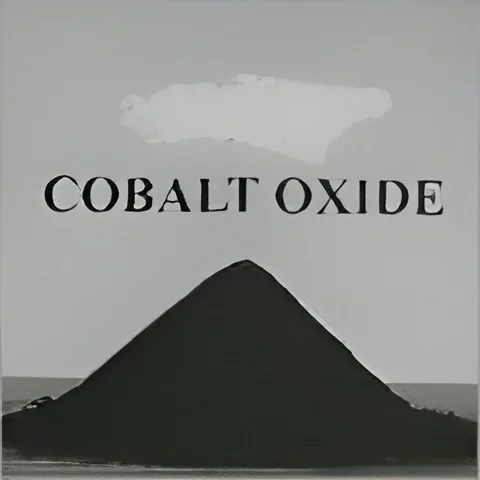
What are Glass Colorants & Pigments?
Glass colorants and pigments are specialized materials used to impart color to glass products. These additives are finely ground and can be made from various compounds, including metal oxides and organic materials. The primary role of these colorants is to enhance the aesthetic appeal of glass while also providing specific functionalities, such as UV protection or thermal stability.
In business applications, glass colorants and pigments are crucial for the manufacture of a wide range of glass products, including decorative items, bottles, and architectural glass. Industries such as construction, packaging, and consumer goods rely on these materials to meet both aesthetic and functional requirements. The market for glass colorants is growing, driven by increasing demand for colored glass in various applications and the trend toward customization in product design.
Key Features and Specifications
Glass colorants and pigments come with a variety of features and specifications that determine their suitability for different applications. These specifications include parameters such as color strength, thermal stability, and lightfastness. Understanding these specifications is crucial for businesses looking to select the right products for their needs.
Key specifications include:
1. Color Strength
- Represents the intensity of color imparted to the glass.
- Typically measured on a standardized scale.
2. Thermal Stability
- Indicates the ability of the pigment to withstand high temperatures during glass production.
- Usually assessed through temperature ranges, which can vary depending on the formulation.
3. Lightfastness
- Refers to the resistance of the colorant to fading when exposed to light.
- Measured through standardized testing methods.
4. Chemical Resistance
- Determines how well the colorant withstands exposure to various chemicals.
- Critical for applications in the packaging industry.
5. Particle Size
- Influences the dispersion and final appearance of the color.
- Measured in microns, with smaller sizes providing smoother finishes.
6. Regulatory Compliance
- Necessary to meet industry standards and regulations for safety.
- Often includes certifications such as CE.
7. Compatibility
- Refers to how well the colorant interacts with different glass compositions.
- Important for achieving desired coloration without adverse reactions.
In summary, choosing the right glass colorants and pigments involves understanding their specifications and how they align with specific application requirements.
Common Applications and Use Cases
Glass colorants and pigments find application across various industries, each with specific needs.
1. Construction: In the construction industry, colored glass is used for windows and facades to enhance aesthetic appeal and improve energy efficiency.
2. Packaging: Glass bottles and jars utilize colorants for branding and marketing purposes, as well as to protect contents from UV light degradation.
3. Automotive: Colored glass is used in vehicle windows and headlights, providing both style and functionality.
4. Consumer Goods: Decorative glass items, such as vases and tableware, often incorporate colorants to attract consumers and enhance design.
5. Electronics: Specialty glass used in electronic devices benefits from color pigments that provide both decorative and functional properties.
6. Art Glass: Artists and craftsmen use glass colorants to create unique and personalized pieces, showcasing a variety of colors and finishes.
7. Medical: Colored glass is used in laboratory equipment and medical devices for safety and identification purposes.
Product Variants and Subcategories
Glass colorants and pigments are available in various forms to suit different manufacturing processes and applications.
Powdered Colorants
These are finely ground pigments that can be easily mixed into glass formulations. They offer versatility in terms of color and opacity, making them ideal for a range of products.
Liquid Colorants
Liquid pigments are often used for precise applications where consistency and ease of use are paramount. They are commonly employed in glass bottle production for uniform coloration.
Granular Colorants
These colorants come in larger granules and are typically used in bulk manufacturing processes. They provide a different texture and appearance in the final glass product.
Custom Formulations
Many suppliers offer custom blends of colorants tailored to specific customer requirements. This flexibility allows businesses to achieve unique colors and effects.
Benefits and Advantages
Using glass colorants and pigments provides several advantages for manufacturers and end-users alike.
1. Aesthetic Appeal: Colorants enhance the visual appeal of glass products, attracting consumers and increasing marketability.
2. Product Differentiation: Custom colors allow businesses to differentiate their products in a competitive market.
3. Functional Properties: Many colorants provide additional benefits, such as UV protection and chemical resistance, enhancing the performance of the glass.
4. Versatility: Glass colorants can be used in various applications, from construction to art, making them suitable for a wide range of industries.
5. Environmental Compliance: Many modern glass colorants are formulated to meet environmental regulations, allowing businesses to operate sustainably.
Buying Guide for B2B Buyers
When sourcing glass colorants and pigments, several factors should be considered to ensure a successful purchase.
1. Quality Assessment: Evaluate the quality of colorants through samples and testing. Look for consistency in color and performance based on your application needs.
2. Supplier Verification: Conduct thorough research on suppliers to ensure they have a good reputation and reliability in providing high-quality products.
3. Pricing and MOQ: Understand the pricing structure and minimum order quantities required by suppliers. This information is essential for budgeting and inventory management.
4. Delivery and Lead Times: Check delivery schedules and lead times to ensure they align with your production timelines. Timely delivery is critical for maintaining operations.
5. Compliance Requirements: Ensure that the colorants meet all relevant industry standards and regulations, including safety and environmental compliance.
Compliance and Certifications
In the glass colorant and pigment industry, compliance with quality standards and certifications is essential for ensuring product safety and efficacy.
Relevant quality standards, such as ISO 9001, ensure consistent quality management practices across suppliers. This certification indicates that manufacturers adhere to established quality control processes, which is vital for businesses relying on these materials.
Industry certifications like CE demonstrate compliance with European safety and environmental regulations. This is crucial for businesses operating in regions where adherence to such standards is mandated.
Additionally, safety and testing requirements are critical for glass colorants, particularly in industries such as packaging and food. Manufacturers must conduct regular safety assessments and testing to ensure no harmful substances are present.
Regional compliance considerations also play a significant role, as regulations can vary widely between regions. Businesses must stay informed about local compliance requirements to avoid potential legal issues and ensure product safety.
Why Source Glass Colorants & Pigments from Pepagora?
Pepagora offers a reliable platform for sourcing glass colorants and pigments, providing numerous advantages for B2B buyers.
Verified Supplier Network: Pepagora has established a network of verified suppliers who meet strict quality and compliance standards. This ensures that buyers can source high-quality products with confidence.
Streamlined RFQ Process: The platform features a streamlined request for quotation (RFQ) system, making it easy for buyers to obtain competitive quotes from multiple suppliers quickly. This saves time and helps in making informed pricing decisions.
Trade Assurance and Support: Pepagora provides trade assurance to protect buyers throughout the purchasing process. This includes support for resolving any disputes and ensuring that transactions are secure.
Regional Coverage: Pepagora serves a wide geographic area, including India, the GCC, and Southeast Asia. This broad reach enables businesses to connect with suppliers that best meet their specific needs and market demands.

 IN
IN