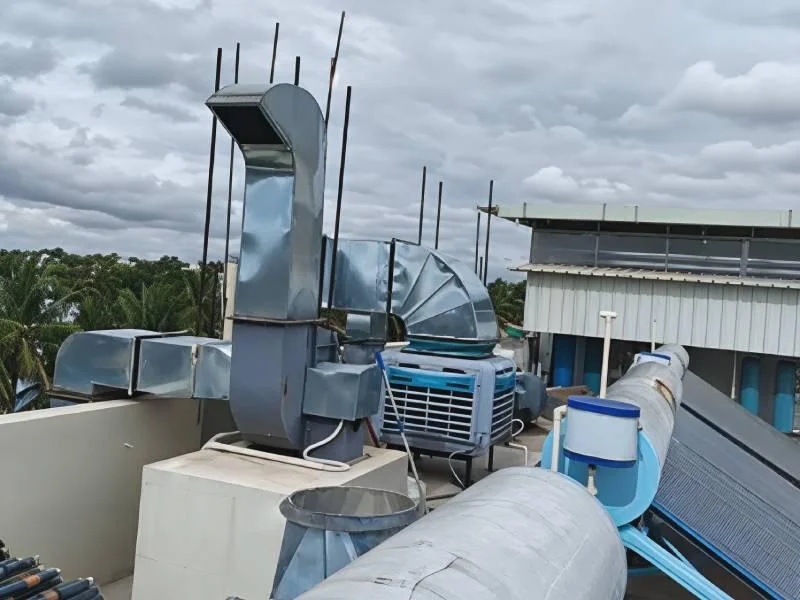
Key Features and Specifications
Fresh Air Units are engineered with several key features that enhance their performance and efficiency. These specifications are crucial for understanding the capabilities and applications of FAHUs in various settings.
Key specifications include:
1. Airflow Rate
- Typically measured in cubic feet per minute (CFM)
- Ranges from 500 CFM to over 20,000 CFM depending on application needs
2. Filtration Efficiency
- Utilizes high-efficiency particulate air (HEPA) filters or similar technologies
- Capable of capturing up to 99.97% of airborne particles
3. Temperature Control
- Equipped with heating and cooling coils
- Capable of maintaining temperature ranges between 50°F to 80°F
4. Humidity Control
- Often includes humidification and dehumidification options
- Designed to maintain humidity levels between 30% to 60%
5. Energy Efficiency Ratings
- Typically rated by Energy Efficiency Ratio (EER) or Seasonal Energy Efficiency Ratio (SEER)
- Higher ratings indicate lower energy consumption
6. Noise Levels
- Measured in decibels (dB)
- Designed to operate at sound levels below 60 dB for quiet operation
7. Control Systems
- Integrated with advanced control systems for monitoring and adjustments
- Options for remote access and automation
8. Construction Materials
- Made from durable materials like stainless steel or galvanized steel
- Designed for longevity and resistance to corrosion
In summary, Fresh Air Units are characterized by their robust features and specifications that cater to various industrial and commercial requirements, promoting efficient air management and improved indoor air quality.
Common Applications and Use Cases
Fresh Air Units are versatile systems with applications across multiple industries. Their ability to provide conditioned fresh air makes them suitable for various environments.
1. Healthcare Facilities: In hospitals and clinics, FAHUs are crucial for maintaining sterile environments and ensuring patient safety by filtering out contaminants.
2. Educational Institutions: Schools and universities use FAHUs to provide clean air in classrooms, enhancing student focus and learning outcomes.
3. Manufacturing Plants: In industrial settings, FAHUs help control air quality in workspaces where chemicals or dust are present, ensuring worker safety.
4. Hospitality Industry: Hotels and restaurants rely on FAHUs to maintain guest comfort by providing fresh air and controlling humidity levels.
5. Office Buildings: Corporate offices utilize FAHUs to improve employee productivity and well-being by ensuring a consistent supply of fresh air.
6. Retail Spaces: Stores and shopping malls benefit from FAHUs by enhancing customer experience through improved air quality.
7. Data Centers: These facilities use FAHUs to manage heat and humidity, preventing equipment damage and ensuring operational efficiency.
Product Variants and Subcategories
Fresh Air Units come in various configurations to meet specific application needs, offering flexibility in design and functionality.
Standard FAHU: This variant is designed for general use in commercial and industrial applications, providing essential fresh air supply and filtration.
Custom FAHU: Tailored to specific requirements, these units can be adjusted to meet unique airflow, filtration, and control specifications based on client needs.
Packaged FAHU: A pre-assembled unit that simplifies installation and is ideal for smaller spaces or retrofitting existing systems.
Benefits and Advantages
Investing in Fresh Air Units provides several key benefits that enhance air quality and operational efficiency.
1. Improved Indoor Air Quality: FAHUs continuously supply filtered fresh air, reducing pollutants and allergens in occupied spaces.
2. Enhanced Comfort: By controlling temperature and humidity, FAHUs create a comfortable environment for occupants.
3. Energy Efficiency: Modern FAHUs are designed to consume less energy, leading to lower utility costs and improved sustainability.
4. Compliance with Standards: FAHUs help businesses meet local and international air quality regulations, ensuring legal compliance.
5. Increased Productivity: Improved air quality contributes to higher employee productivity and satisfaction.
6. Versatility: FAHUs can be adapted to various applications, making them suitable for diverse industries and building types.
Buying Guide for B2B Buyers
When sourcing Fresh Air Units (FAHU), it is essential to consider several factors to ensure the right purchase for your needs.
1. Quality Assessment: Evaluate the materials and construction of the FAHU, ensuring it meets industry standards for durability and efficiency.
2. Supplier Verification: Research suppliers to confirm their reliability and reputation in the market. Look for customer reviews and industry certifications.
3. Pricing and MOQ: Understand the pricing structure, including any minimum order quantities (MOQ) that may apply, to ensure it fits your budget.
4. Delivery and Lead Times: Discuss logistics and expected delivery times with suppliers to align with your project timelines.
5. Compliance Requirements: Ensure the FAHU meets all necessary regulatory and compliance standards relevant to your industry and region.
Compliance and Certifications
Fresh Air Units are subject to various compliance standards and certifications that ensure their quality and safety.
ISO 9001: This standard focuses on quality management systems, ensuring that manufacturers maintain consistent quality in their production processes.
CE Certification: This marking indicates that the FAHU meets European health, safety, and environmental protection standards.
Safety and Testing Requirements: FAHUs must undergo rigorous testing to ensure they function safely and effectively, including assessments for airflow and filtration performance.
Regional Compliance Considerations: Depending on the geographic location, additional compliance regulations may apply, necessitating thorough research for local laws.
Why Source Fresh Air Units (FAHU) from Pepagora?
Pepagora offers a reliable platform for sourcing Fresh Air Units (FAHU), providing several key advantages for buyers.
Verified Supplier Network: Pepagora connects buyers with a network of verified suppliers, ensuring that all listed products meet industry standards and quality requirements.
Streamlined RFQ Process: The platform simplifies the request for quotation (RFQ) process, allowing buyers to compare offers and select the best pricing and terms quickly.
Trade Assurance and Support: Pepagora provides buyer protection, ensuring that transactions are secure, and support is available for any issues that may arise.
Regional Coverage: With a strong presence in India, the GCC, and Southeast Asia, Pepagora facilitates sourcing for businesses across diverse geographic areas, enhancing accessibility to quality products.

 IN
IN