What are Flexible Ducts (Insulated/Uninsulated)?
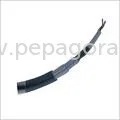
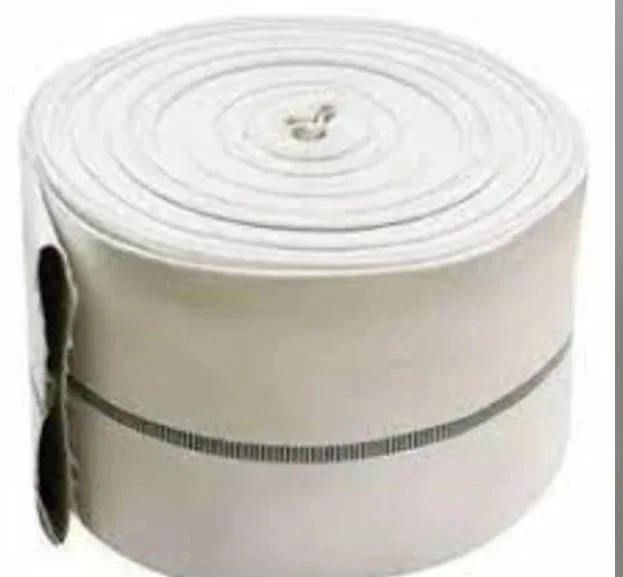
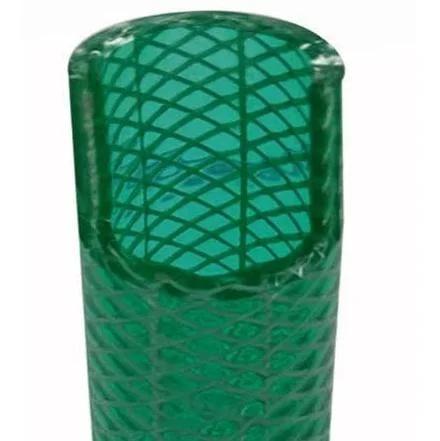
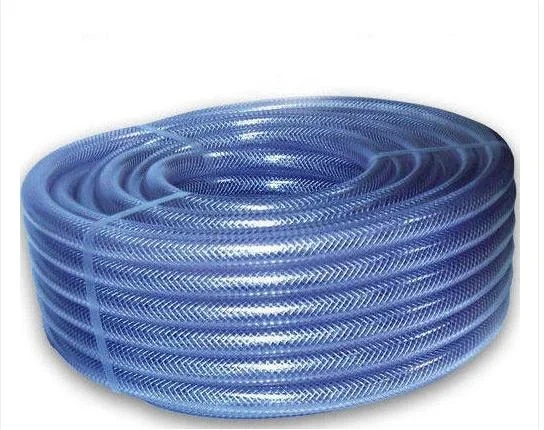
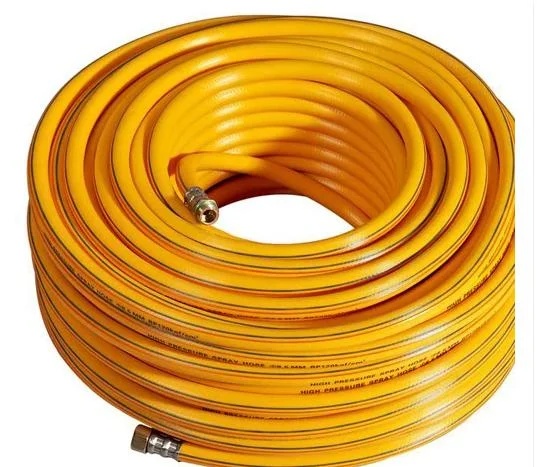
Flexible ducts are tubular conduits made from a variety of materials designed to transport air and other gases. They can be either insulated or uninsulated, depending on the specific requirements of the application. Insulated flexible ducts feature a layer of insulation that minimizes heat loss or gain, while uninsulated ducts are typically lighter and more flexible, making them easier to install in tight spaces.
These ducts are primarily used in heating, ventilation, and air conditioning (HVAC) systems. They facilitate the efficient distribution of conditioned air throughout residential, commercial, and industrial buildings. Additionally, flexible ducts are often utilized in exhaust systems to remove stale air or fumes from industrial processes. Their adaptability and ease of installation make them a popular choice across various sectors.
The relevance of flexible ducts in the market has grown due to increasing energy efficiency regulations and the demand for sustainable building solutions. As industries move towards more energy-efficient systems, the role of high-quality flexible ducts becomes critical in ensuring optimal performance and compliance with environmental standards.
𝗞𝗲𝘆 𝗙𝗲𝗮𝘁𝘂𝗿𝗲𝘀 𝗮𝗻𝗱 𝗦𝗽𝗲𝗰𝗶𝗳𝗶𝗰𝗮𝘁𝗶𝗼𝗻𝘀
Flexible ducts come with numerous features that cater to different operational needs. Understanding these specifications helps in selecting the right product for specific applications.
Key specifications include:
1. Material Composition
- Typically made from fiberglass, aluminum, or polyester
- Varies based on durability and application requirements
2. Diameter Range
- Available in various diameters
- Common sizes range from 4 to 24 inches
3. Temperature Resistance
- Suitable for a range of temperatures
- Specific ranges depend on material type
4. Insulation Thickness
- Varies based on insulated or uninsulated options
- Common insulation thickness is around 1 to 2 inches
5. Flexibility
- Offers high flexibility for easy installation
- Can bend around obstacles without losing air flow
6. Airflow Capacity
- Designed for specific airflow rates
- Measured in cubic feet per minute (CFM)
7. Noise Reduction
- Insulated ducts provide sound attenuation
- Helps in maintaining quieter environments
8. Fire Resistance
- Various products meet fire safety standards
- UL and other certifications ensure compliance
In summary, flexible ducts are versatile and feature-rich products tailored for air distribution needs across multiple industries.
𝗖𝗼𝗺𝗺𝗼𝗻 𝗔𝗽𝗽𝗹𝗶𝗰𝗮𝘁𝗶𝗼𝗻𝘀 𝗮𝗻𝗱 𝗨𝘀𝗲 𝗖𝗮𝘀𝗲𝘀
Flexible ducts play a crucial role in various industries, adapting to specific needs for air transport and ventilation.
1. HVAC Systems: In residential and commercial buildings, flexible ducts are used to connect air handlers to supply and return registers, ensuring efficient climate control.
2. Industrial Ventilation: Factories employ flexible ducts for effective removal of smoke, dust, and fumes, improving workplace air quality.
3. Greenhouses: Flexible ducts help maintain optimal temperature and humidity levels, essential for plant growth in agricultural settings.
4. Data Centers: These ducts manage airflow around servers, maintaining optimal operating temperatures for electronic equipment.
5. Laboratories: In scientific research environments, flexible ducts are vital for controlling air quality and ensuring the safety of sensitive experiments.
6. Food Processing: Flexible ducts assist in ventilating production areas, crucial for maintaining hygiene and compliance with food safety standards.
7. Commercial Kitchens: They help in exhaust ventilation, ensuring that smoke and odors are effectively removed during food preparation.
𝗣𝗿𝗼𝗱𝘂𝗰𝘁 𝗩𝗮𝗿𝗶𝗮𝗻𝘁𝘀 𝗮𝗻𝗱 𝗦𝘂𝗯𝗰𝗮𝘁𝗲𝗴𝗼𝗿𝗶𝗲𝘀
Flexible ducts come in various forms to meet different operational requirements. Each variant is designed with specific applications in mind.
Insulated Flexible Ducts
These ducts feature a layer of insulation that minimizes energy loss. They are ideal for maintaining consistent temperatures in HVAC applications, especially in extreme weather conditions.
Uninsulated Flexible Ducts
Uninsulated options are lighter and easier to handle. They are often used in installations where temperature control is less critical, such as in exhaust systems or applications with limited space.
𝗕𝗲𝗻𝗲𝗳𝗶𝘁𝘀 𝗮𝗻𝗱 𝗔𝗱𝘃𝗮𝗻𝘁𝗮𝗴𝗲𝘀
Flexible ducts offer several distinct advantages that enhance their value in various applications.
1. Energy Efficiency: Insulated flexible ducts help maintain temperature, reducing energy consumption and costs.
2. Easy Installation: Their lightweight and flexible design allows for quick and straightforward installation, even in tight spaces.
3. Versatility: Suitable for a wide range of applications, from HVAC systems to industrial ventilation.
4. Cost-Effectiveness: They provide a budget-friendly solution for air distribution needs without compromising performance.
5. Improved Air Quality: Effective in controlling airflow, helping to maintain clean and healthy indoor environments.
6. Compliance Ready: Many products meet industry standards and certifications, ensuring they can be used in regulated environments.
𝗕𝘂𝘆𝗶𝗻𝗴 𝗚𝘂𝗶𝗱𝗲 𝗳𝗼𝗿 𝗕𝟮𝗕 𝗕𝘂𝘆𝗲𝗿𝘀
When sourcing Flexible Ducts (Insulated/Uninsulated), it is essential to consider several factors to ensure the best fit for your needs.
1. Quality Assessment: Evaluate the quality of materials used in the ducts. Look for certifications that indicate compliance with industry standards.
2. Supplier Verification: Vet potential suppliers by checking their reputation, customer reviews, and compliance with regulations. This helps ensure reliable sourcing.
3. Pricing and MOQ: Understand the pricing structures and minimum order quantities. Compare quotes from multiple suppliers to find competitive options.
4. Delivery and Lead Times: Inquire about logistics and delivery schedules, ensuring that the supplier can meet your project timelines.
5. Compliance Requirements: Familiarize yourself with relevant regulations and standards that may affect your purchase, ensuring that the selected ducts are compliant.
𝗖𝗼𝗺𝗽𝗹𝗶𝗮𝗻𝗰𝗲 𝗮𝗻𝗱 𝗖𝗲𝗿𝘁𝗶𝗳𝗶𝗰𝗮𝘁𝗶𝗼𝗻𝘀
Flexible ducts are subject to various compliance standards that ensure their safety and performance in different applications. Relevant quality standards include ISO 9001, which outlines requirements for a quality management system, and HACCP, which focuses on ensuring food safety. Additionally, certifications like UL and CE validate that products meet safety and performance criteria.
Safety and testing requirements are crucial, particularly for ducts used in sensitive environments such as food processing and healthcare. Compliance with regional regulations also plays an essential role, as different areas may have specific requirements governing the materials and installation of flexible ducts.
Understanding these compliance factors can help businesses make informed decisions and reduce the risk of non-compliance penalties.
Why Source Flexible Ducts (Insulated/Uninsulated) from Pepagora?
Pepagora offers a trusted platform for sourcing Flexible Ducts (Insulated/Uninsulated), providing several key advantages to buyers.
Verified Supplier Network: The platform features a network of verified suppliers, ensuring that buyers can access quality products from reputable manufacturers. This verification process enhances trust and reliability in sourcing.
Streamlined RFQ Process: Pepagora simplifies the request for quotation (RFQ) process, making it easy for buyers to compare offers and secure the best deals efficiently. This system enhances the buying experience and saves time.
Trade Assurance and Support: Buyers can benefit from trade assurance programs that protect their transactions. This support minimizes risks associated with purchasing and ensures a more secure buying environment.
Regional Coverage: Pepagora has a strong geographic reach, covering regions like India, the GCC, and Southeast Asia. This wide coverage allows buyers to connect with suppliers that best meet their local needs.
In conclusion, Pepagora stands out as a reliable resource for sourcing flexible ducts, ensuring high-quality products and a seamless purchasing experience.

 IN
IN
 India
India