IN
IN₹
Apparel & Fashion
Description
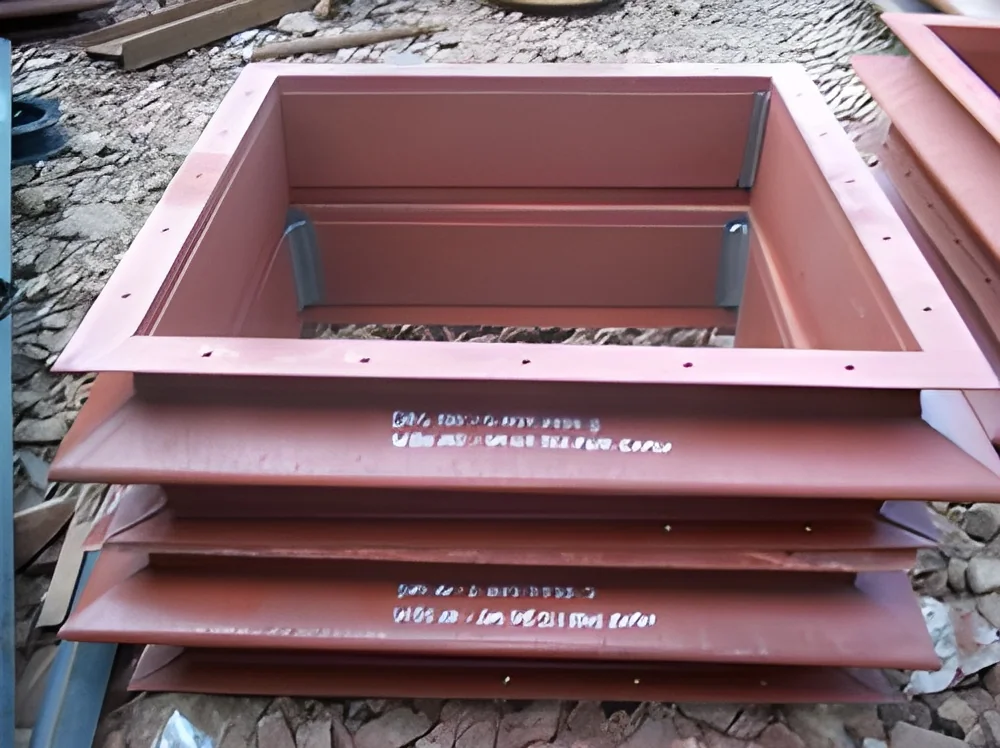
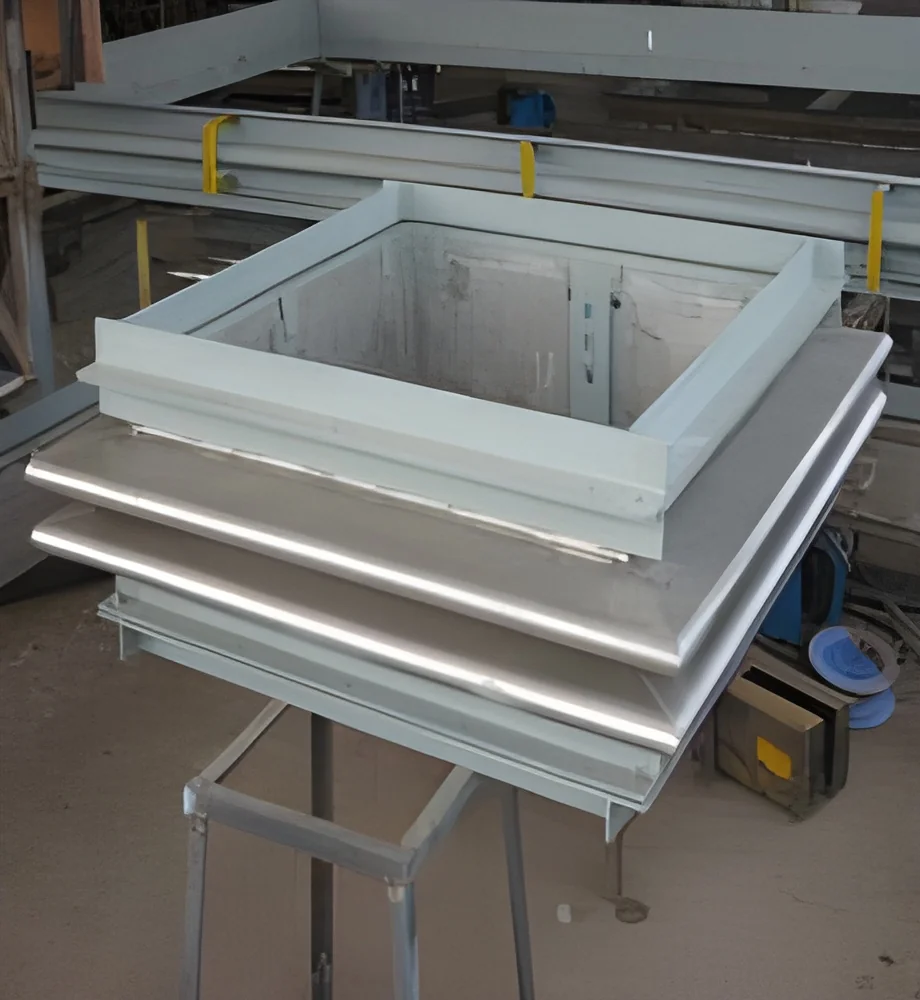
Industrial expansion joints are precision-engineered components critical for safeguarding piping systems against the destructive forces of thermal expansion, contraction, and vibration. These joints act as flexible connectors that absorb movement, preventing stress from transferring to pipes, supports, and connected equipment. This protection is essential in environments with significant temperature fluctuations, such as those found in power generation, heavy manufacturing, and chemical processing. Our product line offers reliable, performance-driven solutions designed to meet the exacting demands of these sectors, ensuring pipeline integrity and preventing failures that lead to downtime, safety hazards, and financial loss.

These joints are indispensable across a wide range of industries. In power plants, they are vital for managing thermal stress in critical steam and condensate lines, protecting turbines and boilers. Sugar mills utilize them in evaporators and pans to handle the exp...
Industrial expansion joints are precision-engineered components critical for safeguarding piping systems against the destructive forces of thermal expansion, contraction, and vibration. These joints act as flexible connectors that absorb movement, preventing stress from transferring to pipes, supports, and connected equipment. This protection is essential in environments with significant temperature fluctuations, such as those found in power generation, heavy manufacturing, and chemical processing. Our product line offers reliable, performance-driven solutions designed to meet the exacting demands of these sectors, ensuring pipeline integrity and preventing failures that lead to downtime, safety hazards, and financial loss.

These joints are indispensable across a wide range of industries. In power plants, they are vital for managing thermal stress in critical steam and condensate lines, protecting turbines and boilers. Sugar mills utilize them in evaporators and pans to handle the expansion during heating cycles, ensuring continuous and efficient operation. Chemical and pharmaceutical plants rely on their ability to withstand corrosive media and pressure swings while maintaining a leak-proof seal. Furthermore, they are extensively used in HVAC systems for large buildings, oil and gas refineries, pulp and paper mills, and water treatment facilities, proving their versatility and essential role in maintaining efficient, safe, and continuous industrial processes.

The business value delivered by high-quality expansion joints is substantial, focusing on risk mitigation and long-term operational savings. By preventing pipeline failures, they drastically reduce unplanned downtime and the associated costs of emergency repairs and production losses. Their durability and reliability minimize maintenance requirements and extend the service life of the entire piping system. This reliability builds trust with plant managers and procurement specialists, as it translates directly into predictable operations and protected capital investment. Investing in precisely engineered expansion joints is a strategic decision that enhances overall plant safety, efficiency, and profitability.

Key Features:
- Engineered to absorb thermal expansion, contraction, and vibration in industrial piping systems.
- Constructed from durable materials including mild steel and stainless steel for corrosion resistance.
- Available in multiple designs: single, double, triple, and telescopic to suit various movement requirements.
- Suitable for high-temperature and high-pressure applications across demanding industrial environments.
- Manufactured with precision for reliable performance, ease of installation, and long service life.

Benefits:
- Protects pipeline infrastructure from stress damage, preventing leaks, cracks, and system failures.
- Reduces maintenance costs and minimizes unplanned downtime by enhancing system reliability.
- Extends the operational lifespan of connected equipment like pumps, valves, and turbines.
- Improves operational safety by containing media and preventing hazardous leaks in critical processes.
- Offers a cost-effective solution for managing thermal movement, ensuring long-term value and return on investment.
Specifications
| Additional Information | |
|---|---|
| Country of Origin | India |
Application
Industrial expansion joints are engineered to manage thermal expansion, contraction, and vibration within pipeline systems, preventing dangerous stress buildup that can cause leaks, cracks, or catastrophic failure. By accommodating these dynamic forces, they are fundamental for operational safety, system longevity, and reducing costly maintenance across critical infrastructure. Their design versatility allows them to be precisely tailored for specific temperature ranges, pressure ratings, and media types, making them indispensable in harsh industrial environments where reliability cannot be compromised. Industries depend on these components to maintain continuous operation and protect valuable assets from the damaging effects of constant thermal cycling and mechanical movement.
Manufactured from robust materials like mild steel and stainless steel, these joints come in various configurations including single, double, triple, and telescopic designs to provide the necessary flexibility. This adaptability ensures a perfect fit and optimal performance for diverse applications, from high-temperature steam lines to corrosive chemical transfer systems. The focus on precision engineering guarantees compatibility with existing piping, simplifies installation, and delivers consistent performance that meets rigorous industrial quality and safety standards, providing peace of mind for plant operators and engineers.
- Compensating for thermal expansion in high-pressure steam and water pipelines within thermal and nuclear power generation facilities.
- Absorbing vibration and movement in chemical and petrochemical processing pipelines to prevent flange leaks and ensure safe containment of hazardous materials.
- Managing contraction and expansion cycles in sugar industry evaporators, boilers, and juice heating systems during production.
- Providing structural flexibility in large-scale HVAC and district heating/cooling systems for commercial complexes and industrial plants.
- Accommodating movement in water treatment and desalination plant pipelines due to temperature fluctuations and fluid dynamics.
Trade Details
| Available Stock | In Stock |
| Sample Availability | No |
Payment Terms
| Payment Terms |
|
Company Profile
Anish Engineers, Maharashtra
 Maharashtra, India
Maharashtra, IndiaIndustrial Equipment & Machinery•Manufacturer
Factory Details
Factory Size1000-5000 sqm
Annual Production Capacity0
Main Markets
North America
Oceania
Northern Europe
South America
Mid East
Southern Europe
Eastern Europe
Eastern Asia
South Asia
Southeast Asia
Western Europe
Africa
Central America
Domestic
Industrial Expansion Joints For Thermal Movement In Pipelines
Industrial expansion joints for thermal movement in pipelines absorb expansion and contraction in demanding environments like power plants, sugar mills, and chemical processing. Our reliable, custom-engineered joints ensure durability and performance.
Min. Order Quantity: 1 unit
Shipping
Shipping fee and delivery date to be negotiated. Contact supplier now for more details.
Anish Engineers
 Maharashtra, India
Maharashtra, IndiaIndustrial Equipment & MachineryManufacturer