What are Exhaust Fans (Industrial, Domestic)?
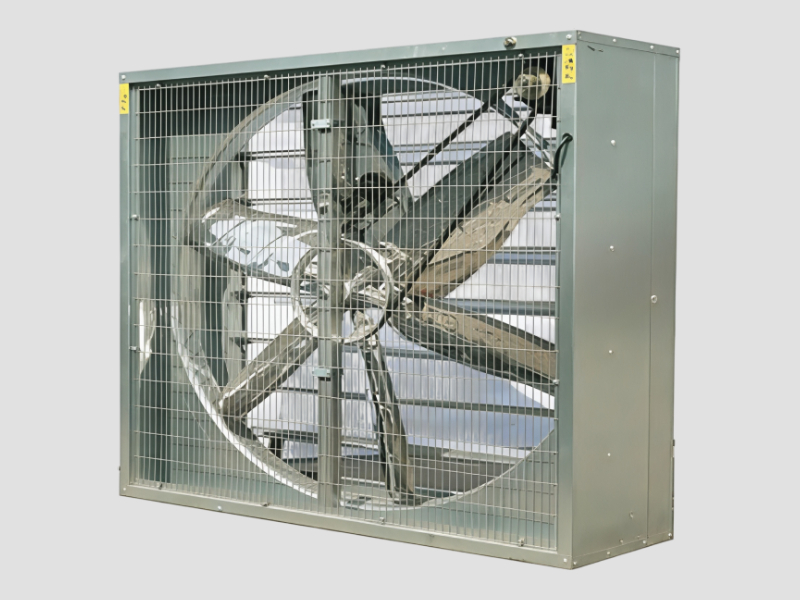
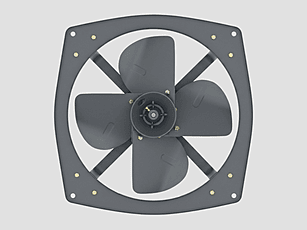
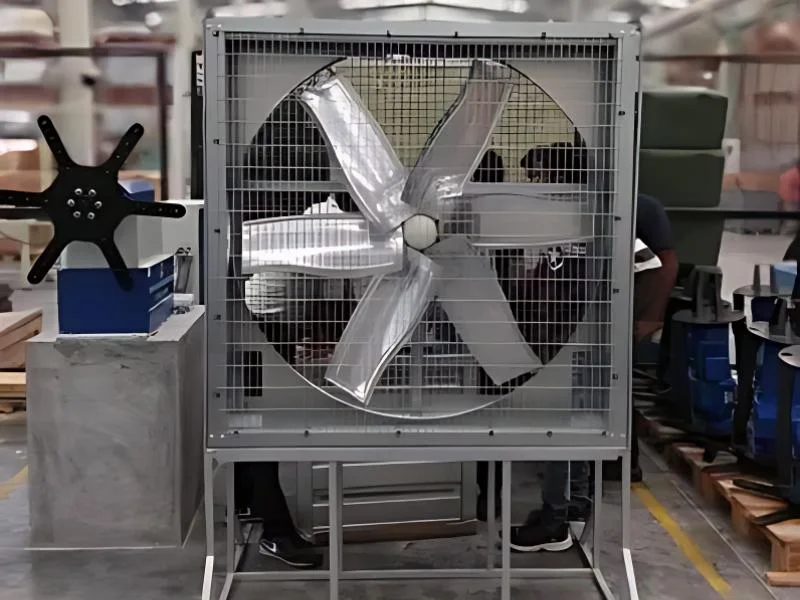
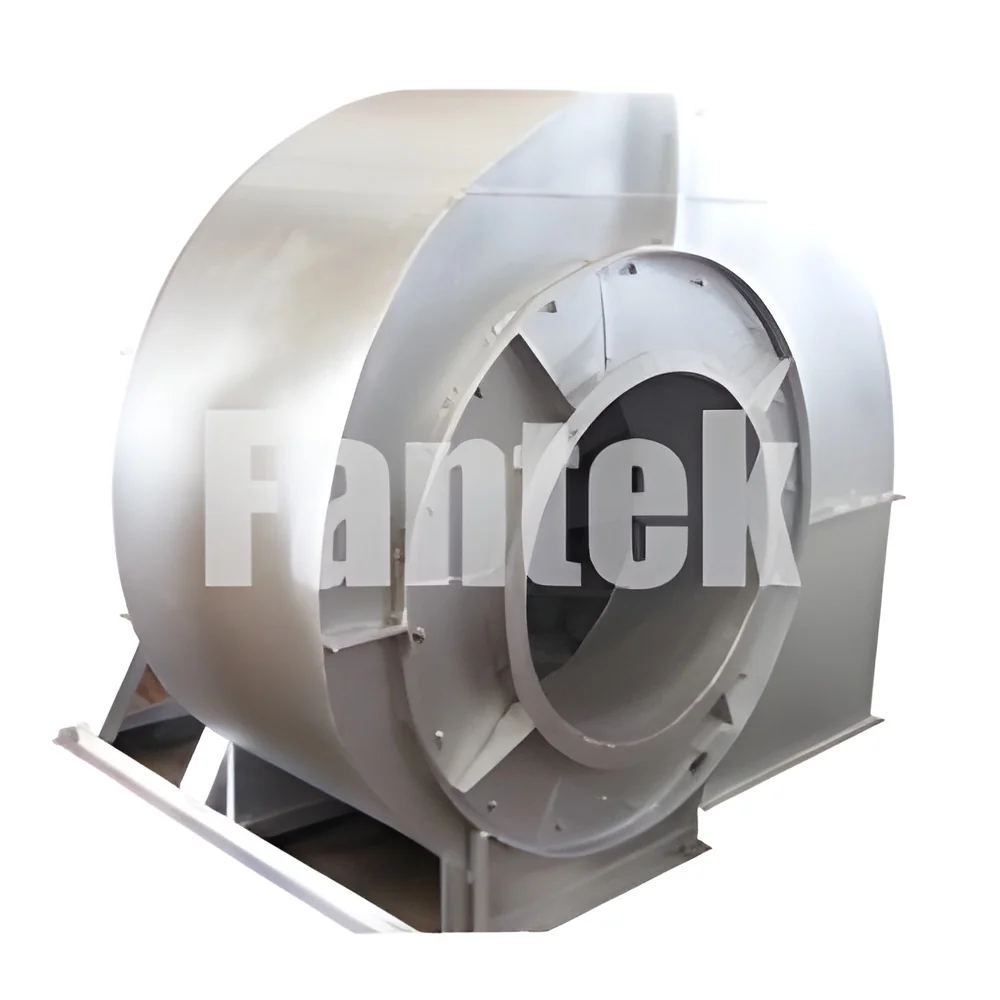
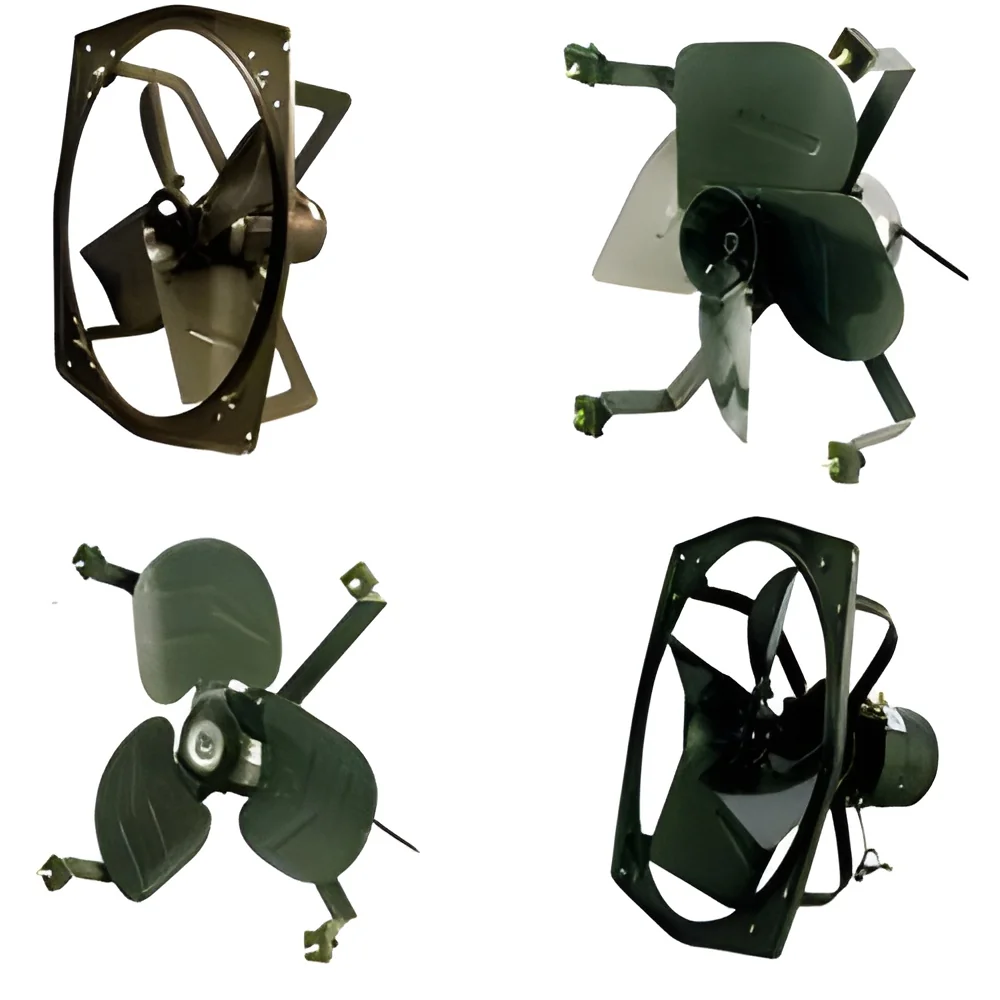
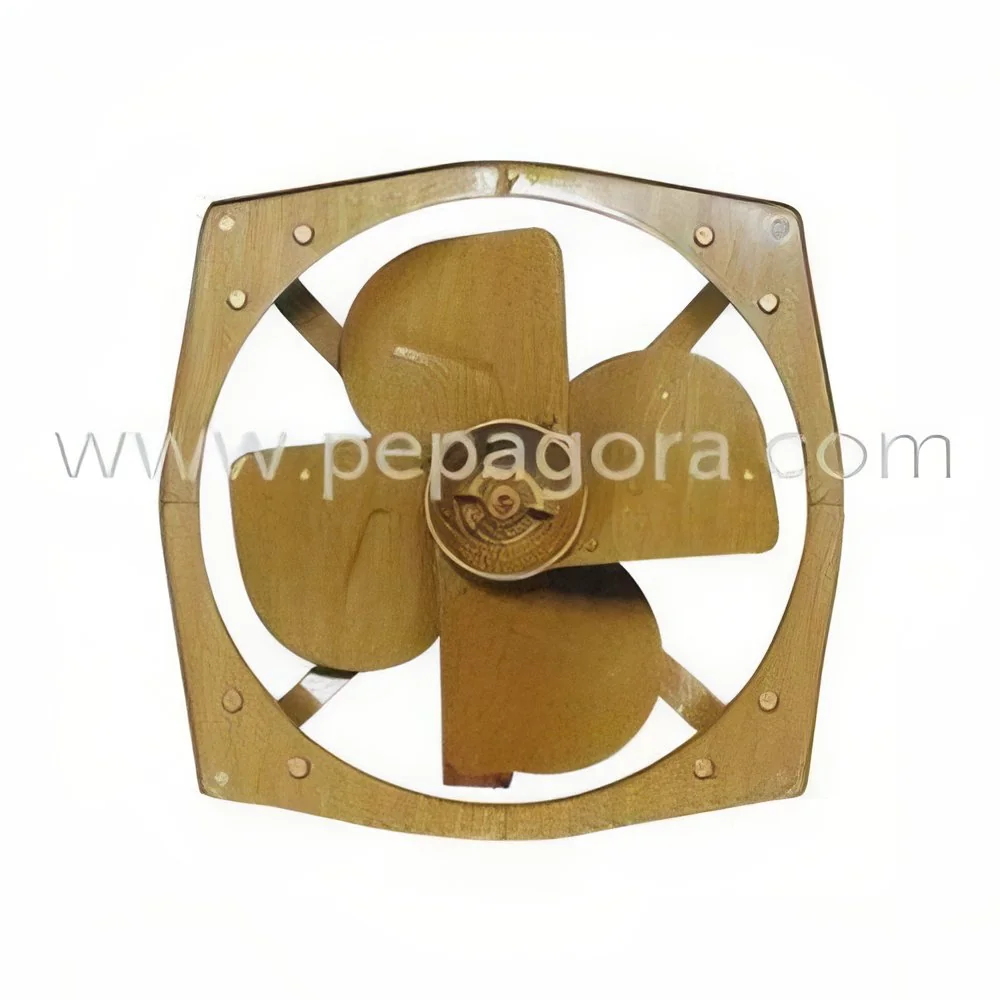
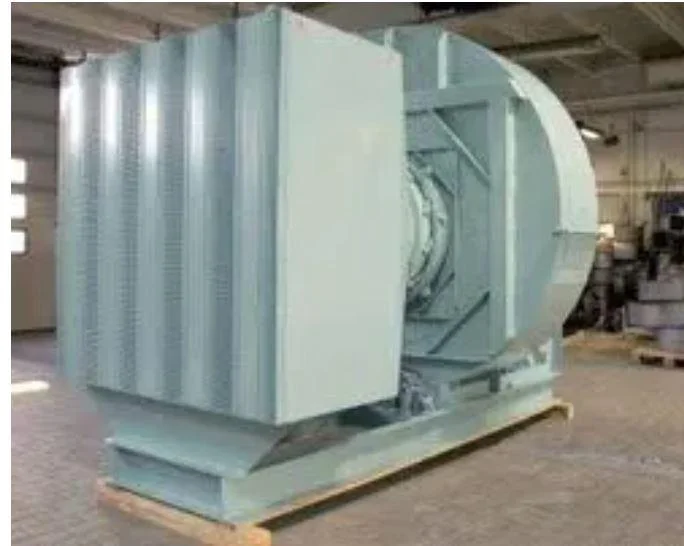
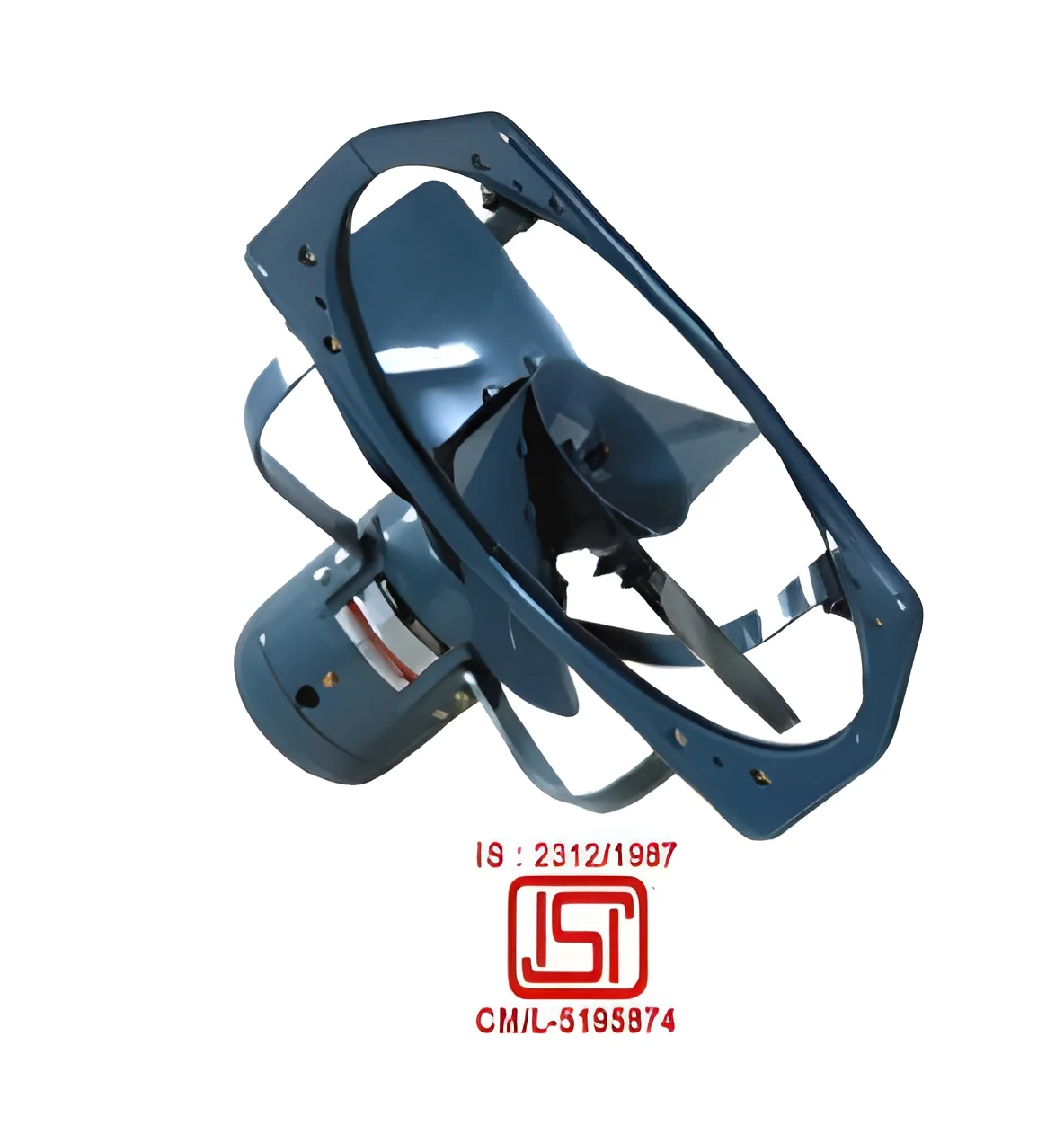
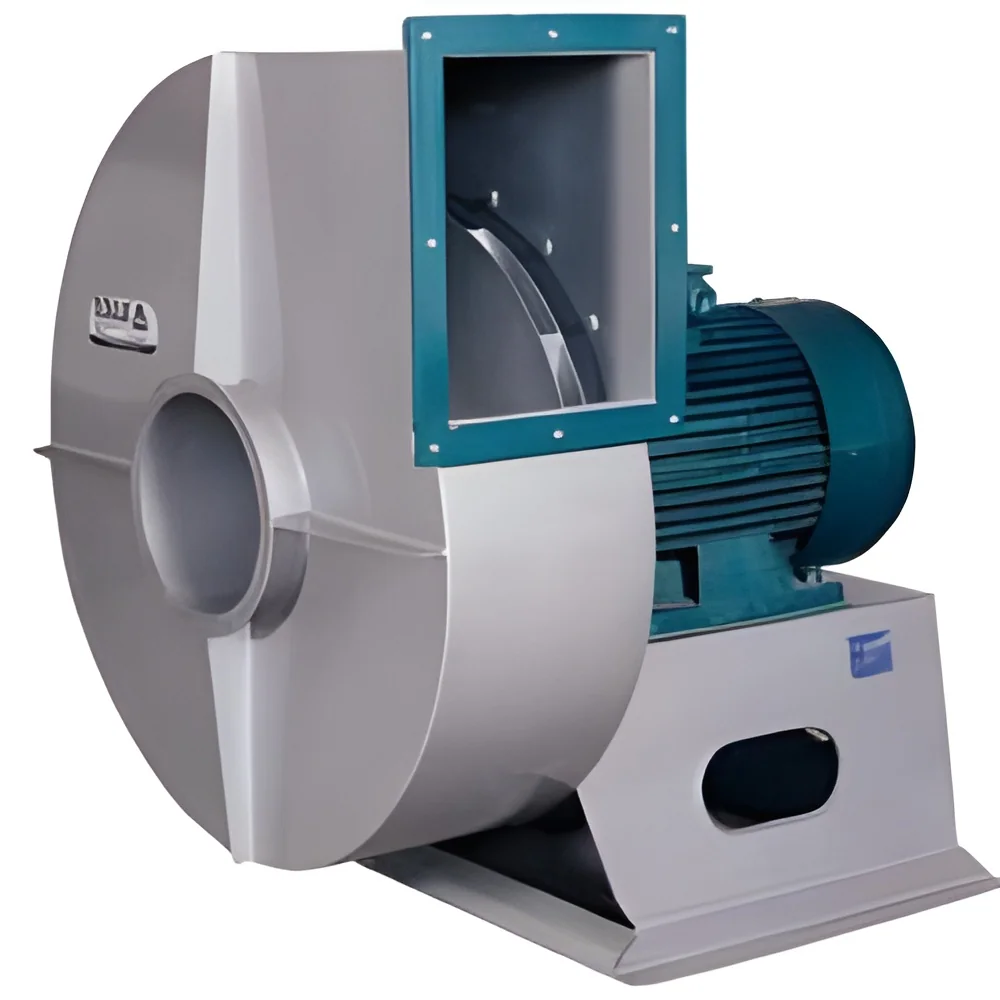
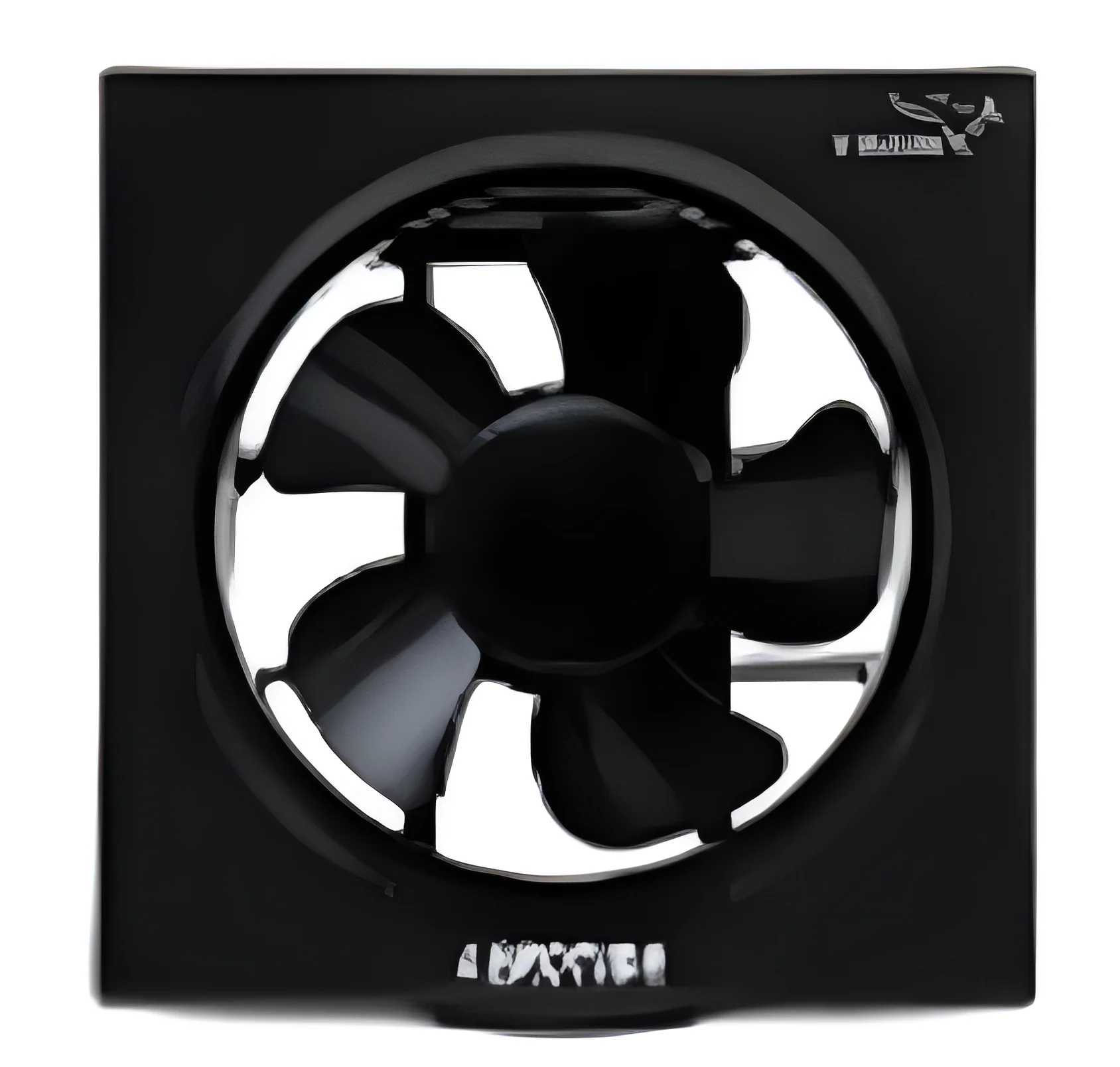
Exhaust fans are mechanical devices designed to remove stale air, moisture, smoke, heat, and odors from a designated space. These fans work by creating a negative pressure that draws air from the surrounding area through ducts or vents. They are essential for maintaining proper air quality and ventilation in various environments. While industrial exhaust fans are typically larger and more robust to handle heavy-duty applications, domestic exhaust fans are smaller and suited for residential use.
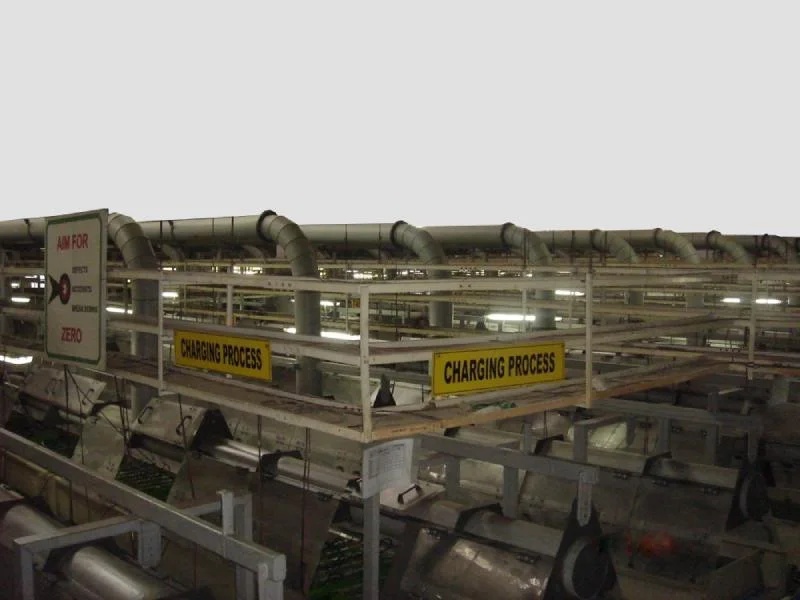
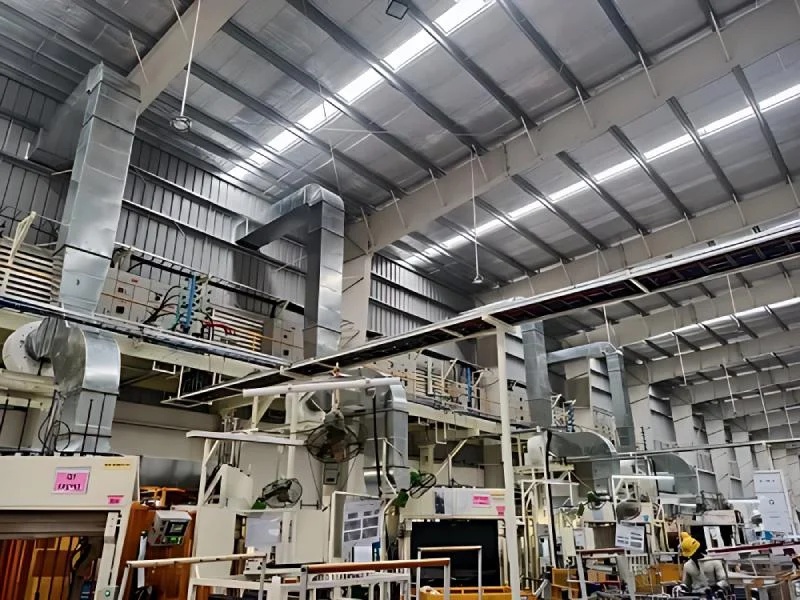
The primary uses of exhaust fans vary across different sectors. In industrial settings, they are commonly utilized in factories, warehouses, and manufacturing plants to expel harmful fumes and regulate temperature. In domestic applications, they are often installed in kitchens and bathrooms to enhance air circulation and prevent moisture buildup. The demand for exhaust fans is growing, driven by increasing awareness of indoor air quality and regulatory standards across multiple industries.
The relevance of exhaust fans in the market is significant due to their role in ensuring safe and healthy environments. As industries evolve and expand, the need for effective ventilation solutions becomes more critical. This growth is further fueled by stringent health and safety regulations aimed at promoting better air quality in workplaces and homes.
𝗞𝗲𝘆 𝗙𝗲𝗮𝘁𝘂𝗿𝗲𝘀 𝗮𝗻𝗱 𝗦𝗽𝗲𝗰𝗶𝗳𝗶𝗰𝗮𝘁𝗶𝗼𝗻𝘀
Exhaust fans come with a variety of features and specifications that cater to different needs. Understanding these specifications is essential for selecting the right fan for specific applications.
Key specifications include:
1. Airflow Rate
- Measured in cubic feet per minute (CFM)
- Indicates the volume of air the fan can move
2. Noise Level
- Measured in decibels (dB)
- Determines the operational sound of the fan
3. Motor Power
- Typically ranges from 1/20 to 1 horsepower (HP)
- Affects the fan's efficiency and performance
4. Blade Material
- Common materials include plastic, aluminum, and steel
- Influences durability and resistance to corrosion
5. Mounting Type
- Options include wall-mounted, ceiling-mounted, and inline
- Affects installation flexibility and space utilization
6. Speed Settings
- May have single or multiple speed options
- Allows for adjustable airflow based on requirements
7. Dimensions
- Vary based on the fan type and application
- Essential for ensuring compatibility with installation space
8. Energy Efficiency Rating
- Indicates the power consumption relative to airflow
- Important for minimizing operational costs
In summary, the specifications of exhaust fans play a crucial role in their performance and suitability for different environments. Buyers should consider these features when making a purchasing decision.
𝗖𝗼𝗺𝗺𝗼𝗻 𝗔𝗽𝗽𝗹𝗶𝗰𝗮𝘁𝗶𝗼𝗻𝘀 𝗮𝗻𝗱 𝗨𝘀𝗲 𝗖𝗮𝘀𝗲𝘀
Exhaust fans are versatile and serve a variety of industries with specific applications.
1. Manufacturing: In factories, exhaust fans are used to remove hazardous fumes and particles from the air, ensuring a safe working environment for employees.
2. Food Processing: These fans help maintain proper ventilation in kitchens and processing areas, preventing moisture buildup and odors that can affect food quality.
3. Agriculture: Exhaust fans are utilized in livestock facilities and greenhouses to regulate temperature and humidity levels, promoting optimal growing conditions.
4. Automotive: In repair shops, exhaust fans are essential for expelling exhaust fumes and maintaining air quality for workers and customers.
5. Warehousing: Large storage facilities use exhaust fans to control air circulation and temperature, protecting stored goods from damage due to heat or humidity.
6. Commercial Buildings: Offices and retail spaces employ exhaust fans to enhance indoor air quality, providing a comfortable and healthy environment for occupants.
7. Educational Institutions: Schools and universities utilize exhaust fans in laboratories and kitchens to ensure proper ventilation in areas where chemicals and food are handled.
𝗣𝗿𝗼𝗱𝘂𝗰𝘁 𝗩𝗮𝗿𝗶𝗮𝗻𝘁𝘀 𝗮𝗻𝗱 𝗦𝘂𝗯𝗰𝗮𝘁𝗲𝗴𝗼𝗿𝗶𝗲𝘀
Exhaust fans come in various configurations to meet distinct needs across different environments.
Inline Exhaust Fans
These fans are designed to be installed within ductwork, providing effective air movement without disrupting the aesthetic of the space. They are commonly used in commercial applications where space is limited.
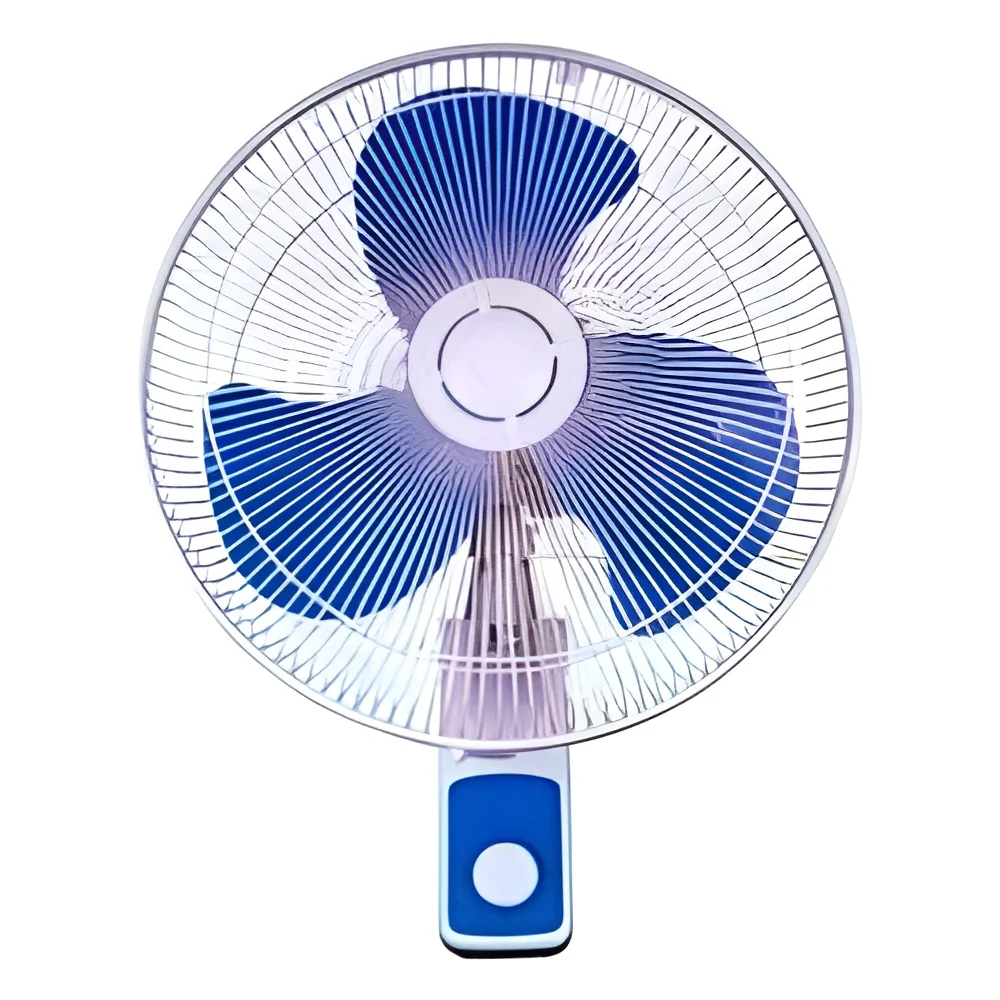
Wall-Mounted Exhaust Fans
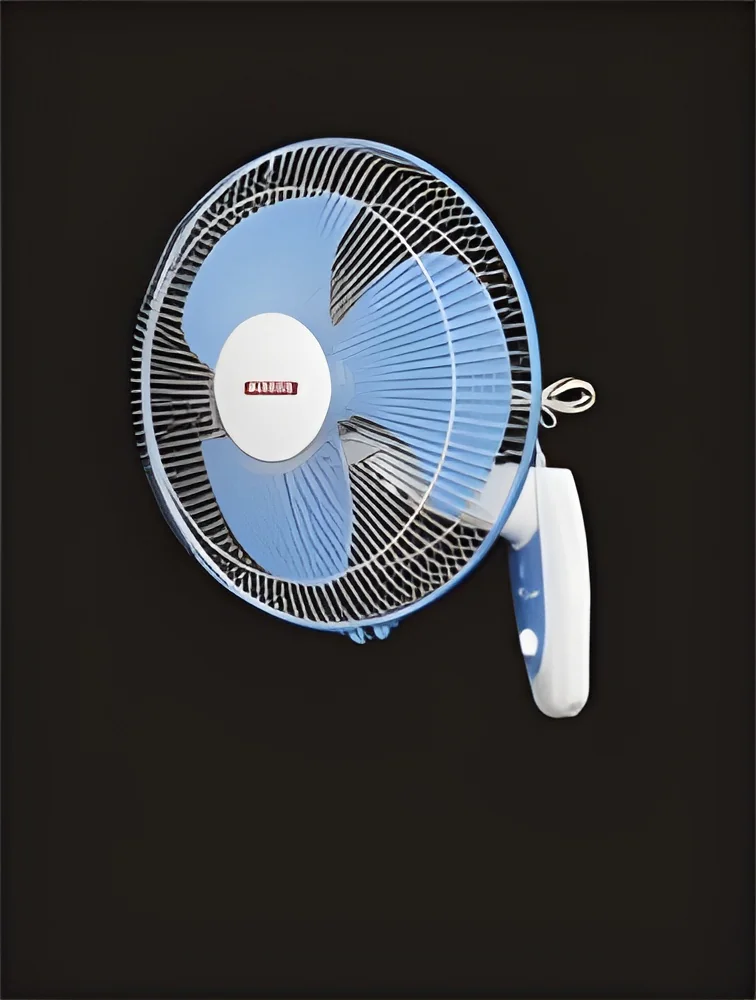
Ideal for smaller areas, these fans are installed directly on walls. They are popular in residential settings such as kitchens and bathrooms due to their ease of installation and straightforward operation.
Ceiling-Mounted Exhaust Fans
These fans are mounted on ceilings to provide ventilation in larger spaces. They are often used in commercial kitchens and industrial settings to enhance air circulation.
Ducted Exhaust Fans
Ducted systems are designed to work with existing ductwork, allowing for effective air removal from multiple locations. They are suitable for larger facilities with extensive ventilation needs.
𝗕𝗲𝗻𝗲𝗳𝗶𝘁𝘀 𝗮𝗻𝗱 𝗔𝗱𝘃𝗮𝗻𝘁𝗮𝗴𝗲𝘀
Exhaust fans provide numerous benefits that enhance air quality and operational efficiency.
1. Improved Air Quality: They help eliminate pollutants and odors, creating a healthier environment for occupants.
2. Moisture Control: By removing excess humidity, exhaust fans prevent mold growth and damage to structures.
3. Energy Efficiency: Many modern exhaust fans are designed to operate with low energy consumption, reducing operational costs.
4. Enhanced Comfort: Proper ventilation maintains comfortable temperatures, especially in environments with high heat or humidity levels.
5. Safety Compliance: Exhaust fans help organizations meet regulatory standards for air quality and worker safety.
6. Versatile Applications: Their adaptability allows for use in diverse industries, catering to different ventilation needs.
𝗕𝘂𝘆𝗶𝗻𝗴 𝗚𝘂𝗶𝗱𝗲 𝗳𝗼𝗿 𝗕𝟮𝗕 𝗕𝘂𝘆𝗲𝗿𝘀
When sourcing exhaust fans, it is important for B2B buyers to consider several factors to ensure they make informed decisions.
1. Quality Assessment: Look for fans that meet industry standards and have positive reviews regarding their performance and durability.
2. Supplier Verification: Vet suppliers carefully to ensure they provide reliable products and have a good track record in the market.
3. Pricing and MOQ: Understand pricing structures and minimum order quantities to align with budget constraints and project needs.
4. Delivery and Lead Times: Consider the logistics of delivery, including lead times, to ensure timely installation and operation.
5. Compliance Requirements: Be aware of any regulatory compliance needs specific to your industry to avoid penalties and ensure safety.
𝗖𝗼𝗺𝗽𝗹𝗶𝗮𝗻𝗰𝗲 𝗮𝗻𝗱 𝗖𝗲𝗿𝘁𝗶𝗳𝗶𝗰𝗮𝘁𝗶𝗼𝗻𝘀
Exhaust fans must adhere to various quality standards and certifications to ensure safety and efficiency.
ISO 9001 is a widely recognized quality management standard that ensures products meet customer and regulatory requirements. Compliance with this standard reflects a commitment to consistent quality and continuous improvement.
The CE mark indicates that a product meets European health, safety, and environmental protection standards. This certification is essential for manufacturers looking to market their products in Europe.
In addition to these standards, exhaust fans may need to undergo safety and performance testing to comply with regional regulations. Buyers should be aware of local compliance requirements to ensure that the products they source are legally compliant and safe for use.
Why Source Exhaust Fans (Industrial, Domestic) from Pepagora?
Pepagora offers a reliable platform for sourcing exhaust fans, providing several key advantages to B2B buyers.
Verified Supplier Network: Our extensive network of verified suppliers ensures that buyers have access to high-quality products from reputable manufacturers. This verification process helps eliminate risks associated with sourcing.
Streamlined RFQ Process: Pepagora’s user-friendly quotation system allows buyers to submit requests for quotes easily. This process simplifies the procurement of exhaust fans by enabling quick comparisons and decision-making.
Trade Assurance and Support: We offer trade assurance to protect buyers throughout the purchasing process. Our support team is available to assist with any inquiries, ensuring a smooth experience.
Regional Coverage: With a strong presence in India, GCC, and Southeast Asia, Pepagora provides geographic reach that connects buyers with suppliers across different regions, facilitating efficient sourcing.
By choosing Pepagora, buyers can ensure they are making informed decisions while accessing a wide range of exhaust fan options tailored to their needs.